
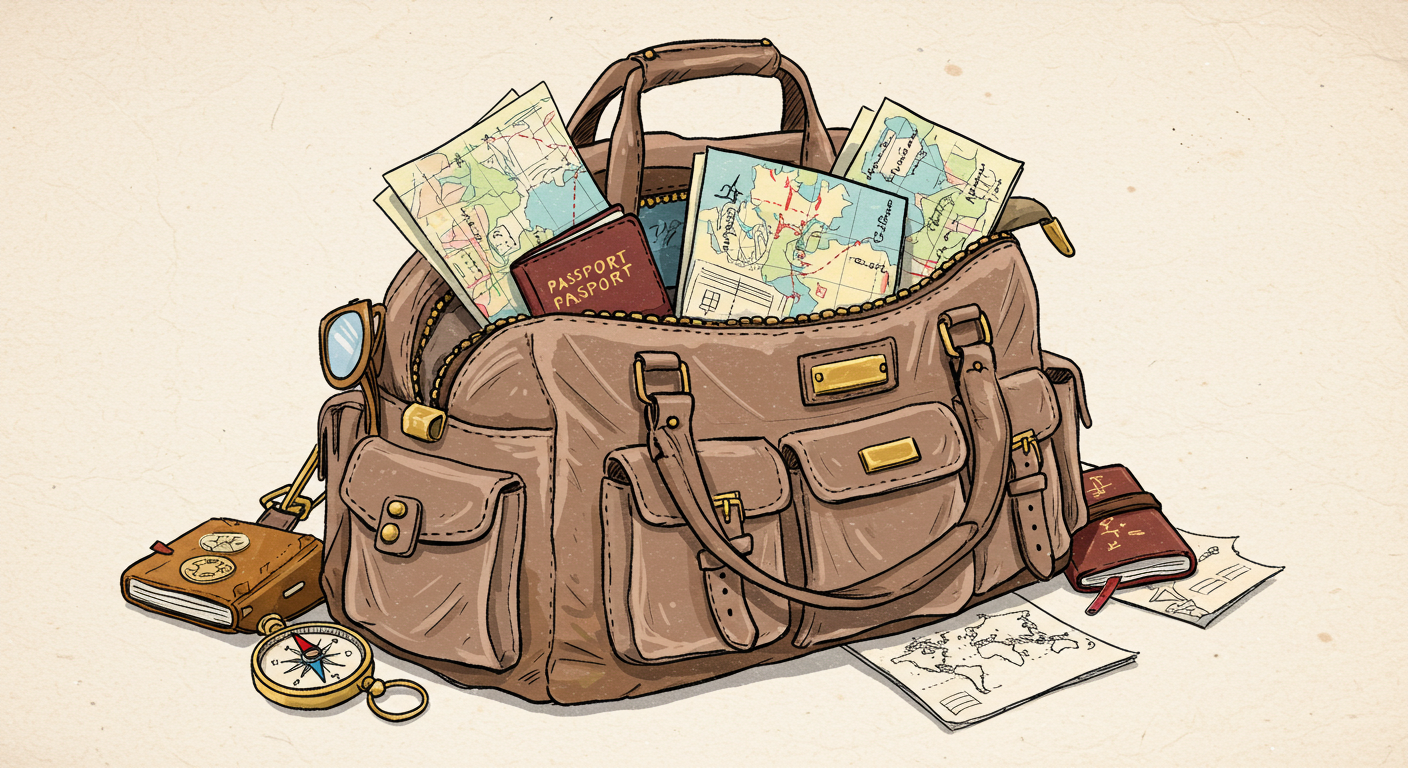
The holiday season brings magical winter wonderlands and festive adventures, but it also presents unique challenges that require careful planning and preparation. Whether you’re heading to snowy mountain resorts, visiting family in cold climates, or exploring winter destinations, staying safe should be your top priority. This comprehensive guide will help you navigate winter travel with confidence, ensuring your holiday adventures remain memorable for all the right reasons.
Winter weather can be unpredictable and unforgiving. Proper preparation isn’t just about comfort—it’s about survival.
Before and during your trip, stay connected to reliable weather sources. Download weather apps that provide real-time alerts and detailed forecasts for your specific destinations. Pay attention to not just temperatures, but wind chill factors, precipitation types, and storm warnings. Remember that weather conditions can change rapidly in mountainous regions, so check updates multiple times daily.
Master the art of layering to regulate your body temperature effectively. Start with a moisture-wicking base layer that pulls sweat away from your skin. Add an insulating middle layer like fleece or down to trap heat. Finish with a waterproof and windproof outer layer to protect against the elements. Don’t forget extremities—warm socks, insulated boots, gloves, and a hat can prevent hypothermia and frostbite.
If you’re driving during winter conditions, preparation is critical. Ensure your vehicle is winter-ready with snow tires or chains, and keep your gas tank at least half-full to prevent fuel line freezing. Pack an emergency kit including blankets, non-perishable food, water, flashlight, ice scraper, and jumper cables. Always check road conditions before departure and have alternative routes planned. When driving, reduce speed, increase following distance, and avoid sudden braking or acceleration.
Winter travel puts additional stress on your body, making health maintenance crucial for enjoying your adventures.
Start taking vitamin supplements and maintaining a healthy sleep schedule weeks before your trip. Stay hydrated and eat nutritious foods to strengthen your immune system. Consider getting a flu shot, especially if you’ll be in crowded airports or tourist areas during peak holiday season.
Winter air, both outdoors and in heated indoor spaces, can be extremely drying. Pack a good moisturizer, lip balm, and nasal saline spray. Use a humidifier in your hotel room if possible, and drink plenty of water even if you don’t feel thirsty. Protect your skin with sunscreen—snow reflects up to 80% of UV radiation, increasing sunburn risk.
Learn the signs of hypothermia (shivering, confusion, slurred speech) and frostbite (numbness, white or grayish skin). Seek immediate medical attention if symptoms appear. Never ignore persistent shivering, as it’s your body’s warning sign that it’s losing heat faster than it can produce it.
The holiday season means crowds, and crowds present opportunities for thieves and scammers.
Use anti-theft bags with locking zippers and RFID-blocking technology. Keep valuables in front pockets or secure bags, never in back pockets or easily accessible outer pockets. Consider using a money belt under your clothing for passports and cash. In crowded areas, wear your backpack on your front and keep it zipped.
Backup important documents and photos to cloud storage before traveling. Use strong, unique passwords for travel apps and accounts. Avoid using public Wi-Fi for sensitive transactions—use a VPN instead. Enable two-factor authentication on all important accounts and keep your devices updated with the latest security patches.
Scammers become more creative during the holiday season. Be wary of “too good to be true” deals, fake charity collectors, and distraction techniques used by thieves. Only use official taxi services or reputable ride-sharing apps. Keep some emergency cash separate from your main wallet, and never carry more cash than you need for the day.
Being prepared for emergencies can make the difference between a minor inconvenience and a major disaster.
Before leaving home, research local emergency numbers for your destination. Know the location of the nearest embassy or consulate, and have their contact information saved. Share your detailed itinerary with trusted contacts back home, including accommodation details and planned activities.
Your winter travel first aid kit should include bandages, antiseptic wipes, pain relievers, cold and flu medication, throat lozenges, hand sanitizer, and any personal medications. Add blister treatment for winter walking, and consider including a thermometer and basic medical supplies like tweezers and scissors.
Don’t rely solely on your smartphone. Carry a portable charger or power bank, and consider bringing a backup phone. Download offline maps and emergency information. Have a written list of important contacts and know how to make international calls if needed.
While the pandemic has evolved, respiratory illnesses remain a concern during winter travel.
Wash hands frequently with soap and water for at least 20 seconds. Use hand sanitizer with at least 60% alcohol when soap isn’t available. Avoid touching your face, especially your eyes, nose, and mouth. Use disinfectant wipes to clean surfaces in hotels, rental cars, and on public transportation.
Wear masks in crowded indoor spaces, airports, and on public transportation, especially if you’re in high-risk groups or visiting vulnerable family members. Choose well-fitting, high-quality masks and bring extras for your trip.
Check your temperature daily if possible, and stay alert for symptoms of respiratory illnesses. If you feel unwell, isolate yourself and seek medical advice. Have a plan for what to do if you become ill while traveling, including access to healthcare and potential quarantine arrangements.
Proper documentation and insurance coverage are your safety nets when things go wrong.
Invest in travel insurance that covers winter sports, weather-related cancellations, medical emergencies, and evacuation. Read the fine print carefully—some policies exclude certain activities or pre-existing conditions. Consider cancel-for-any-reason coverage for maximum flexibility during unpredictable winter weather.
Keep physical and digital copies of all important documents: passport, visa, insurance policies, reservations, and emergency contacts. Store copies separately from originals and leave additional copies with trusted contacts back home. Use waterproof document holders to protect papers from snow and moisture.
Know exactly what your insurance covers, including coverage limits for medical expenses, emergency evacuation, and trip interruption. Understand the claims process and keep all receipts and documentation for potential claims. Have emergency contact numbers for your insurance provider readily available.

Discover how to combine productive remote work with immersive travel experiences in 2026. Learn practical tips for choosing destinations, setting up your workspace, managing budgets, and navigating visa requirements for extended workations.
Discover the growing trend of ancestry tourism and how to plan meaningful heritage travel. Learn to trace your family tree, plan trips to ancestral homelands, and create lasting connections with your roots.

Navigate Suvarnabhumi Airport (BKK) in Bangkok with ease. This comprehensive guide covers arrivals, departures, transportation, facilities, and essential tips for a smooth journey.

Discover how AI is revolutionizing travel planning in 2026, from personalized itineraries to real-time assistance, and learn practical ways to leverage these tools for your next adventure.
 safety-tips