
 ChatGPT
  Gemini
  Claude
  Perplexity
 Scuba diving in Koh Samui offers an unforgettable gateway to some of Thailand’s most spectacular underwater worlds. From swimming alongside massive schools of barracuda at Sail Rock to the possibility of encountering gentle whale sharks at Chumphon Pinnacle, the Gulf of Thailand delivers world-class diving experiences. However, even the most beautiful underwater environments demand respect and proper safety protocols. Whether you’re a newly certified Open Water diver or an experienced Advanced Diver, understanding the essential safety practices can mean the difference between a transformative adventure and a dangerous situation.
This comprehensive guide breaks down everything you need to know about diving safely around Koh Samui, covering the critical do’s and don’ts that every diver should memorize before descending into these pristine waters.
Understanding Koh Samui’s Dive Environment
What Makes This Region Unique
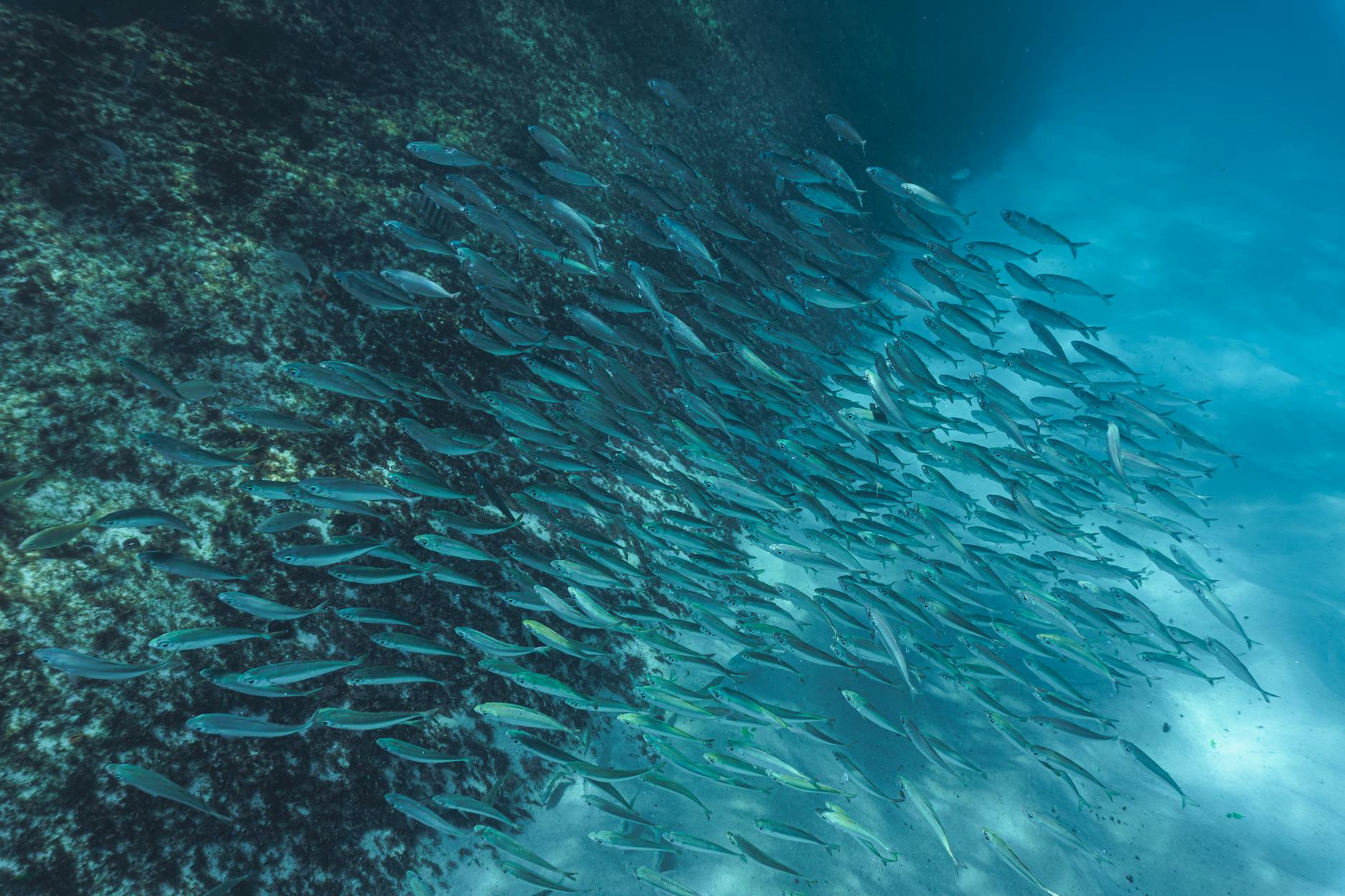
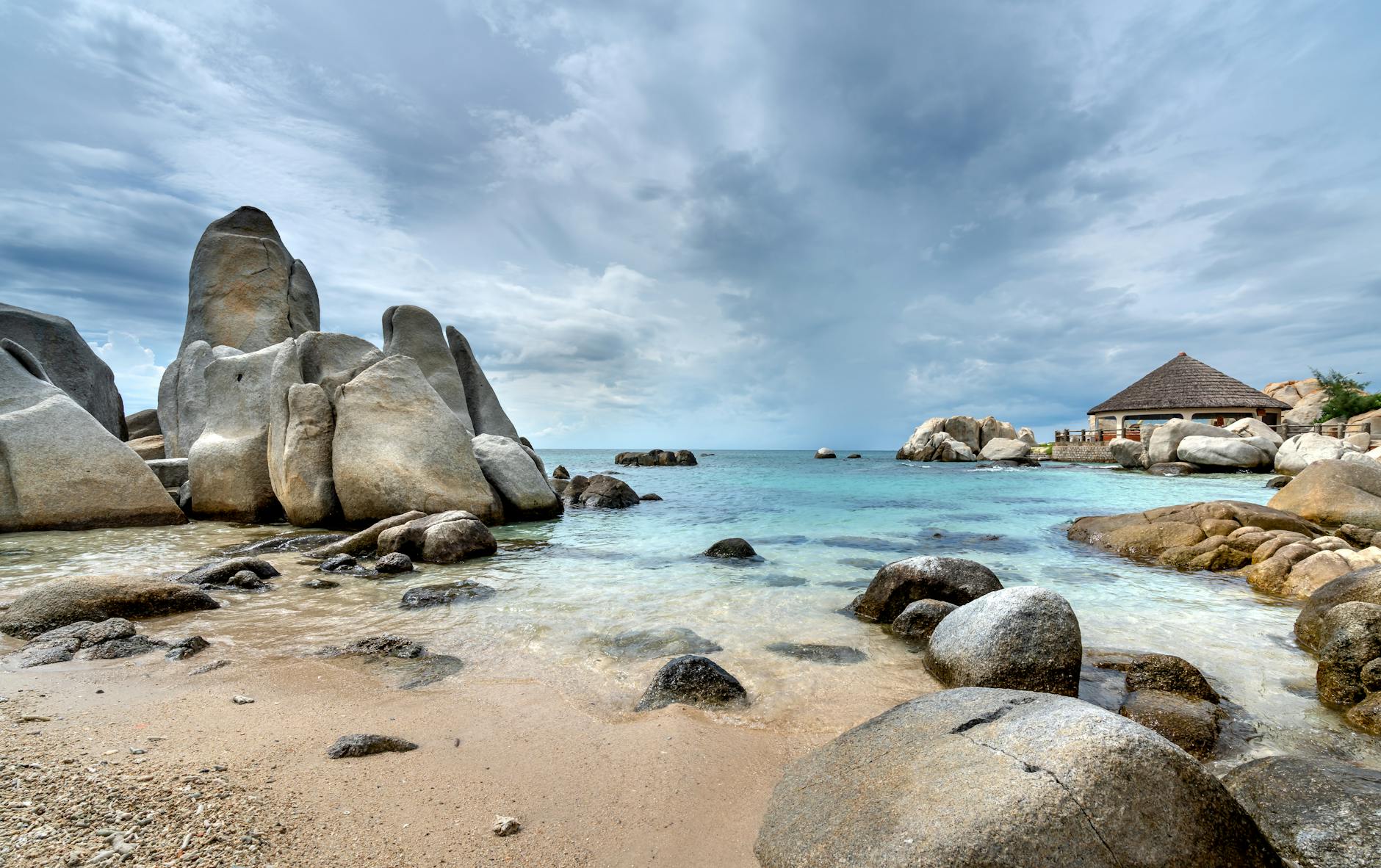
The waters surrounding Koh Samui and its neighboring islands—Koh Tao and Koh Phangan—form one of Thailand’s most celebrated diving regions. The Gulf of Thailand boasts year-round diving conditions with water temperatures averaging around 29°C (84°F), making it comfortable for dives in just a 3mm wetsuit or even a rash guard for warm-water enthusiasts. The region features over 26 dive sites, ranging from beginner-friendly shallow reefs to challenging deep-water pinnacles that demand advanced certification and experience.
The most famous dive site in the area is undoubtedly Sail Rock (Hin Bai), a submerged granite pinnacle that rises from 40 meters depth to just 15 meters below the surface. This iconic formation hosts massive schools of trevallies, barracudas, groupers, and—during the right season—occasional whale sharks. Then there’s Chumphon Pinnacle, a cluster of dramatic rock formations covered in pink anemones, where larger pelagic species frequently make appearances. Southwest Pinnacle offers stunning soft coral formations in a circular reef arrangement, while Angthong Marine Park provides healthier reefs with abundant marine life accessible to various skill levels.
However, this diversity also means varying conditions. Some sites feature gentle currents perfect for beginners, while others—like Sail Rock and Chumphon Pinnacle—can present strong underwater currents that challenge even experienced divers. Understanding these environmental factors is the first step in ensuring your safety.
Seasonal Considerations and Best Times to Dive
Timing your dives correctly significantly impacts both safety and Experience quality. The optimal diving season in Koh Samui runs from January through April, when the sea remains calm and underwater visibility can reach 20-30 meters. These months offer the most predictable conditions, with minimal rainfall and stable weather patterns that make boat journeys comfortable and diving conditions ideal.
The monsoon season begins around September and extends through December, bringing heavy rainfall and reduced visibility that often drops to 10-15 meters. Some dive trips may be cancelled during this period due to weather conditions, and those diving during these months should be experienced enough to handle reduced visibility and choppier surface conditions. If you do dive during this period, stick to more sheltered sites and always check with your operator about current conditions.
Critical Do’s for Diving in Koh Samui
Do: Plan Every Dive with a Safety Margin
One of the most important safety principles—and one that is frequently overlooked—is proper air management. Always plan your dive so that you surface with a minimum of 50 bar of air remaining in your tank. This isn’t “wasted” air; it’s your insurance policy against unexpected situations that might cause your air consumption to increase dramatically.
Common scenarios that increase air consumption include fighting against stronger-than-expected currents, experiencing stress or anxiety, ascending earlier than planned due to changes in conditions, or dealing with equipment issues. If you surface with only 30 bar remaining because you “used all your allowed air,” you have no buffer for these emergencies. This simple practice has saved countless divers from potentially life-threatening situations.
Your dive computer or dive planning tables should guide your no-decompression limits, but always build in a safety margin both for air and for time. Many experienced divers use the rule of thirds: one-third of their air for the outward journey, one-third for the return, and one-third as a reserve.
Do: Complete Safety Stops on Every Deep Dive
Safety stops are non-negotiable for any dive exceeding 10 meters in depth. These stops serve two critical purposes: they allow excess nitrogen to dissipate from your body, significantly reducing the risk of decompression illness (DCI), and they force you to slow your ascent rate, preventing the dangerous rapid ascents that cause serious injury.
The standard safety stop involves spending 3-5 minutes at a depth of 5-6 meters. Some dive professionals recommend an additional deeper stop after dives approaching 30 meters or after multiple deep dives in a single day. After your safety stop, your ascent to the surface should not exceed 18 meters per minute—roughly the speed of a slow exhale. Rising too quickly creates the risk of lung over-expansion injuries and DCS, both of which can be life-threatening and require expensive hyperbaric chamber treatment.
Many experienced Koh Samui divers incorporate what’s called a “deep stop” when using dive computers that calculate for deep stop profiles. This involves a brief pause at around half your maximum depth before beginning your final ascent. While the science continues to evolve on deep stops, most operators in Koh Samui support this practice as an additional safety measure.
Do: Stay With Your Buddy Throughout the Entire Dive
The buddy system exists for critical safety reasons. Never separate from your dive buddy during a dive, regardless of how tempting it might be to chase after a exciting marine animal or explore a particular feature. Solo diving is strictly prohibited at most dive operations around Koh Samui for good reason—divers who dive alone face significantly higher risks in emergency situations.
Your buddy is your first line of defense in any emergency. They can help you locate and address equipment issues, provide air in an emergency, assist with ascending if you’re experiencing problems, and serve as a witness in case something goes wrong. Before each dive, communicate with your buddy about hand signals, what to do if separated, and agree to stay within visual contact throughout the dive.
If for some reason you do become separated from your buddy—despite everyone’s best intentions—ascend to your planned meeting point slowly while searching. If you cannot locate them within one minute, ascend to the surface and wait there. Never descend again without your buddy, and always inform the dive boat of the situation.
Do: Conduct Thorough Equipment Checks Before Every Dive
Before entering the water, conduct a complete equipment check. This isn’t just a formality—it your opportunity to identify problems before they become dangerous underwater. Check that your tank valve is fully open and the regulator is delivering air properly by breathing from it several times. Test your buoyancy control device (BCD) by inflating and deflating it both orally and using the power inflator. Ensure your mask fits properly and creates a seal—water in your mask isn’t dangerous, but it can cause panic in some divers.
Check all straps and buckles on your equipment, including your fin straps, which are notorious for coming loose. Verify that your dive computer is functioning and you understand its displays. If you’re renting equipment from a dive shop—which is common in Koh Samui as many divers travel without their own gear—test everything thoroughly and report any issues immediately.
After the check, conduct a final buddy check: confirm your buddy’s name, review emergency signals, ensure their air is on and functioning, and agree on your planned depth and duration. A thorough pre-dive check takes less than two minutes but dramatically improves your safety.
Do: Obtain Appropriate Diving Insurance
Medical treatment for diving injuries, particularly decompression sickness, can be extremely expensive. A single hyperbaric chamber treatment in Thailand can cost tens of thousands of dollars, and if you need evacuation to Bangkok or another facility with proper medical capabilities, costs escalate rapidly. Standard travel insurance typically excludes diving-related activities, so ensure your policy specifically covers scuba diving.
Look for dive insurance that covers hyperbaric treatment, emergency medical evacuation, recompression chamber visits, and medical repatriation. Several specialized dive insurance providers exist, including Dive Assure, Dan (Divers Alert Network), and others that offer comprehensive coverage specifically for diving accidents. Some divers also maintain membership with organizations like Dan, which provides both insurance and emergency support services.
Before purchasing, carefully check the policy exclusions. Many policies exclude coverage for diving beyond certain depths, diving without certified supervision, or diving while under the influence of drugs or alcohol. Ensure your planned dives fall within your policy coverage.
Do: Check Weather and Sea Conditions Before Every Trip
Conditions in the Gulf of Thailand can change rapidly. Before leaving for your dive trip, check the current weather forecast and sea conditions. Even during the optimal January-April season, sudden weather changes can occur. During the monsoon season (September-December), this becomes especially critical, as afternoon thunderstorms and increased winds can create dangerous conditions on the water.
If you’re on a boat and conditions look concerning, don’t hesitate to ask the operator about their assessment. Experienced dive operators in Koh Samui know the local conditions well and will cancel trips if safety is in question. Never pressure a captain to take you out in conditions they’re uncomfortable with—your life is in their hands during the boat ride, and their experience should be respected.
Also consider your own fitness and health. If you’re feeling unwell—particularly with any respiratory or ear/sinus issues—postpone your dive. Diving with a cold, congestion, or ear infection can lead to serious injuries due to the pressure changes involved in descending and ascending.
Do: Know Your Limits and Stay Within Them
Perhaps the most important “do” is knowing your limits and respecting them. If a dive site or conditions are beyond your experience level, don’t pressure yourself or your guide to go there. The advanced sites around Koh Samui—Sail Rock, Chumphon Pinnacles, and Southwest Pinnacle—require strong buoyancy control, experience with currents, and appropriate certification (typically Advanced Open Water or higher).
Being honest about your experience level isn’t embarrassing—it’s smart. A good dive operator will always offer alternatives that match your skills while still providing excellent experiences. For less experienced divers, sites around Angthong Marine Park or the local reefs near Koh Samui itself offer wonderful experiences with gentler conditions.
If you feel uncomfortable at any point during a dive, communicate with your guide or buddy and begin a slow ascent. There’s no shame in ending a dive early—doing so is often the smart choice that lets you dive another day.
Essential Don’ts for Diving in Koh Samui
Don’t: Touch or Stand on Coral
This should be obvious but deserves emphasis: never touch, stand on, or kick coral. Coral is a living organism that can be damaged or killed by human contact. Even “dead” coral provides important habitat for other organisms. Beyond the environmental damage, some coral and rocky surfaces are sharp enough to cause significant cuts, and some marine animals—like fire coral—can deliver painful stings.
Good buoyancy control is the skill that protects both the reef and you. Practice your buoyancy until it becomes second nature, allowing you to hover without touching anything. If you find yourself drifting too close to coral, swim away rather than attempting to stop by grabbing something. Your fins are your primary propulsion—never use your hands to touch or push off any underwater feature.
This principle extends to interacting with marine life. Observe animals from a respectful distance and never chase, corner, or attempt to touch any marine creature. The creatures around Koh Samui are accustomed to divers, but they remain wild animals with unpredictable behaviors. Maintaining distance ensures both your safety and theirs.
Don’t: Hold Your Breath While Ascending
Never hold your breath during ascent—this is one of the most critical rules in scuba diving and can cause lung over-expansion injury, which is potentially fatal. Always keep breathing normally during ascent, continuously exhaling to allow expanding air to escape from your lungs. Never ascend faster than your exhale bubble, and if you feel the need to hold your breath due to regulator issues, keep your airway open by exhaling through your nose or mouth.
The underlying physics原理 is straightforward: as you ascend, the decreasing pressure causes air in your lungs to expand. If you hold your breath with full lungs, that expanding air has nowhere to go except to rupture your lung tissue, which can cause air bubbles to enter your bloodstream (arterial gas embolism), a life-threatening condition that requires immediate hyperbaric treatment.
This rule applies even during emergency ascents—particularly during emergency ascents. If your regulator malfunction means you must ascend without a working second stage, keep exhaling continuously as you swim upward, clearing your regulator or alternative air source regularly to ensure continuous exhalation.
Don’t: Descend If You Have Health Issues
Several medical conditions require medical clearance before diving. Consult with a physician before your trip if you have any history of respiratory issues (asthma, COPD, lung cysts), cardiac conditions, ear problems, sinus issues, or diabetes. The pressure changes involved in diving affect your body in ways that can exacerbate certain conditions.
Even a common cold can be dangerous underwater. Congestion can prevent you from equalizing your ears, leading to painful or damaging ear barotrauma. Sinus congestion can cause serious sinus injuries during descent or ascent. If you’re congested, congested, or feeling unwell in any way, postpone your dive until you’ve recovered fully.
Some dive operators will ask you to complete a medical questionnaire—this isn’t bureaucratic red tape. Be honest about your medical history. If you have questions about whether your condition is compatible with diving, consult with a physician trained in dive medicine. In Thailand, many dive operators can help you locate appropriate medical consultation.
Don’t: Dive Without Understanding Emergency Protocols
Before your first dive in the area, ask your dive operator about emergency procedures. Know where the nearest hyperbaric chamber is—the closest to Koh Samui is typically in Bangkok or Phuket, though modern dive operations have protocols for handling diving emergencies. Understand basic emergency signals: how to indicate problems to your buddy and guide, how to signal ascending, how to indicate entanglement or equipment issues.
Every diver should know how to perform a controlled emergency swimming ascent (CESA), which involves swimming to the surface while exhaling continuously if they lose their air source. You should also understand how to assist a buddy who is experiencing problems—never attempt rescues beyond your training, but knowing when and how to help (such as sharing air or helping them ascend) can be crucial.
Also know the emergency contact numbers for dive operators and emergency services in Thailand. While the Thai medical system is generally good for handling diving emergencies, communication can be challenging if you don’t speak Thai. Keep your dive operator’s contact information accessible, and consider having offline translation capabilities.
Don’t: Ignore Environmental Protection Rules
Marine park fees around Koh Samui typically cost around 200 THB (approximately $5-6 USD) and are not included in your dive package. These fees support conservation efforts that protect the reefs you came to enjoy. While it might feel like an additional expense, paying these fees contributes to preserving the very environment that makes diving in Koh Samui special.
Beyond paying fees, follow responsible diving practices: avoid touching coral, don’t take anything (shells, coral pieces, etc.) as souvenirs, don’t feed fish (this disrupts natural behaviors), and properly dispose of any waste. Many dive operators also organize beach clean-ups—participating in these is an excellent way to give back to the community that hosts you.
If you’re interested in marine conservation, inquire about coral restoration programs or reef monitoring activities that some local organizations run. These provide meaningful ways to contribute to preserving Koh Samui’s underwater environment beyond simply following rules.
Don’t: Rush Your Dive Profile
Many diving accidents occur because divers rush their dives—whether descending too quickly, ascending too fast, skipping safety stops, or doing multiple dives too close together. Respect the recommended no-decompression limits and safety stop durations. Your dive computer is your guide, but it’s not infallected—use it in conjunction with your training and common sense.
After diving, wait before flying. The standard recommendation is to wait at least 18-24 hours before flying after a single no-decompression dive, and longer after multiple dives or any dive requiring decompression stops. This allows excess nitrogen to off-gas from your body and reduces the risk of DCS occurring at altitude. Many divers book their dives for the morning before their final departure day, ensuring they have adequate surface interval before their flight.
Multi-day diving requires attention to your cumulative nitrogen exposure. Keep track of your pressure group from each dive and ensure your overall dive profiles remain within safe limits. Most dive computers track this for you, but understanding the calculations helps you make smart decisions.
Special Considerations for Koh Samui’s Famous Sites
Sail Rock: The Iconic Dive
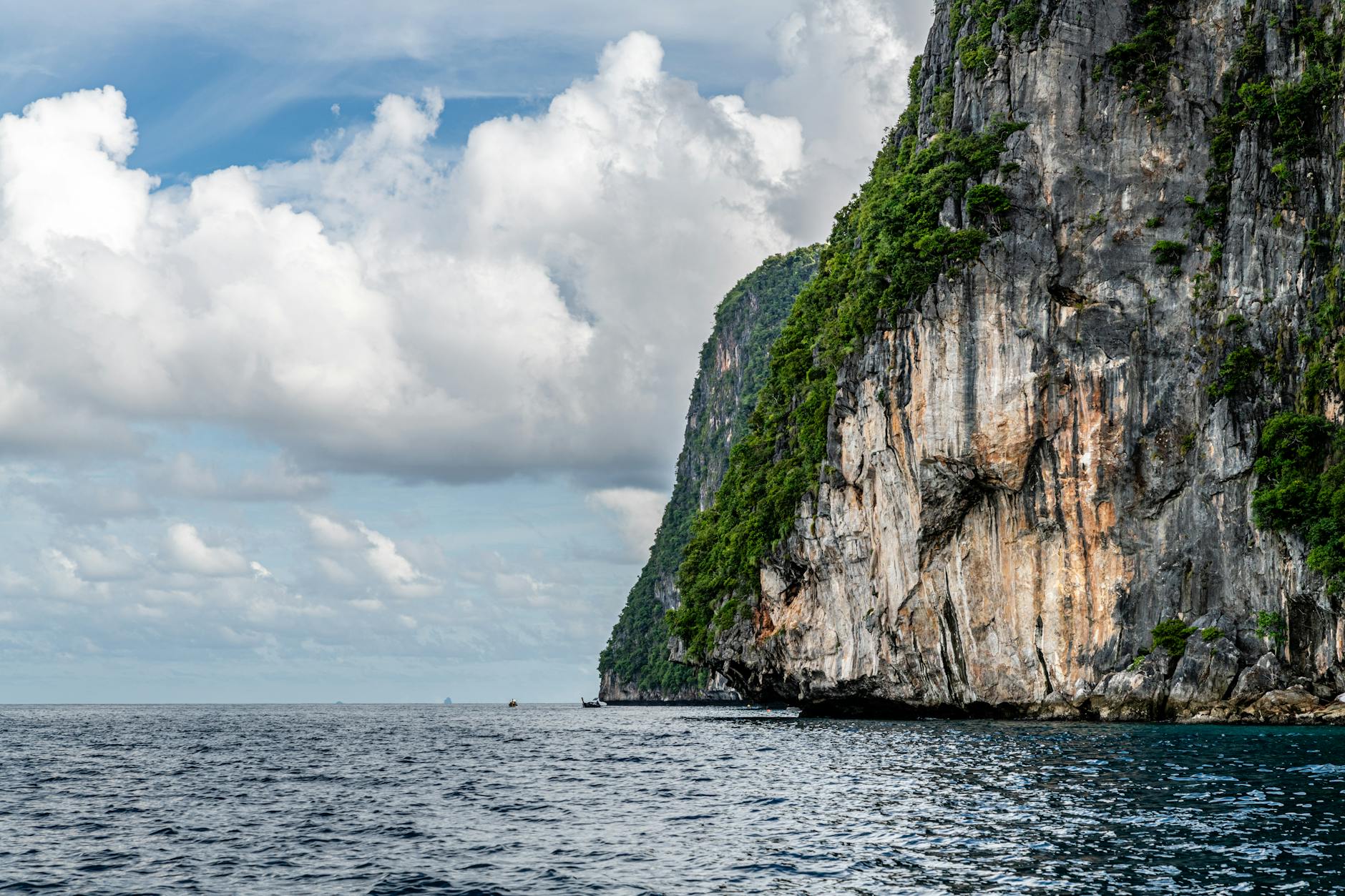
Sail Rock (Hin Bai) sits between Koh Phangan and Koh Tao, about an hour by speedboat from Koh Samui. It’s a must-visit for experienced divers, famous for its dramatic marine life encounters. The site features a vertical swim-through called The Chimney, where divers can descend through a narrow opening and emerge in a different area of the site. However, strong currents here are common, and the site is best suited for divers with Advanced Open Water certification or higher.
When diving Sail Rock, pay special attention to your air consumption—the currents can cause you to work harder, increasing air use significantly. Stay close to your guide and buddy, and don’t venture far from the main pinnacle. If conditions are too strong, your operator may choose an alternative site or adjust the dive plan.
The most famous feature at Sail Rock is the Secret Pinnacle, a smaller rock formation about 10 meters away from the main rock. Here, massive schools of big-eye trevallies and yellowtail barracuda—sometimes numbering more than 2,500 fish—circle constantly. While spectacular, reaching this pinnacle requires swimming through potentially strong currents and should only be attempted by experienced divers in good condition.
Chumphon Pinnacles: Depth and Drama
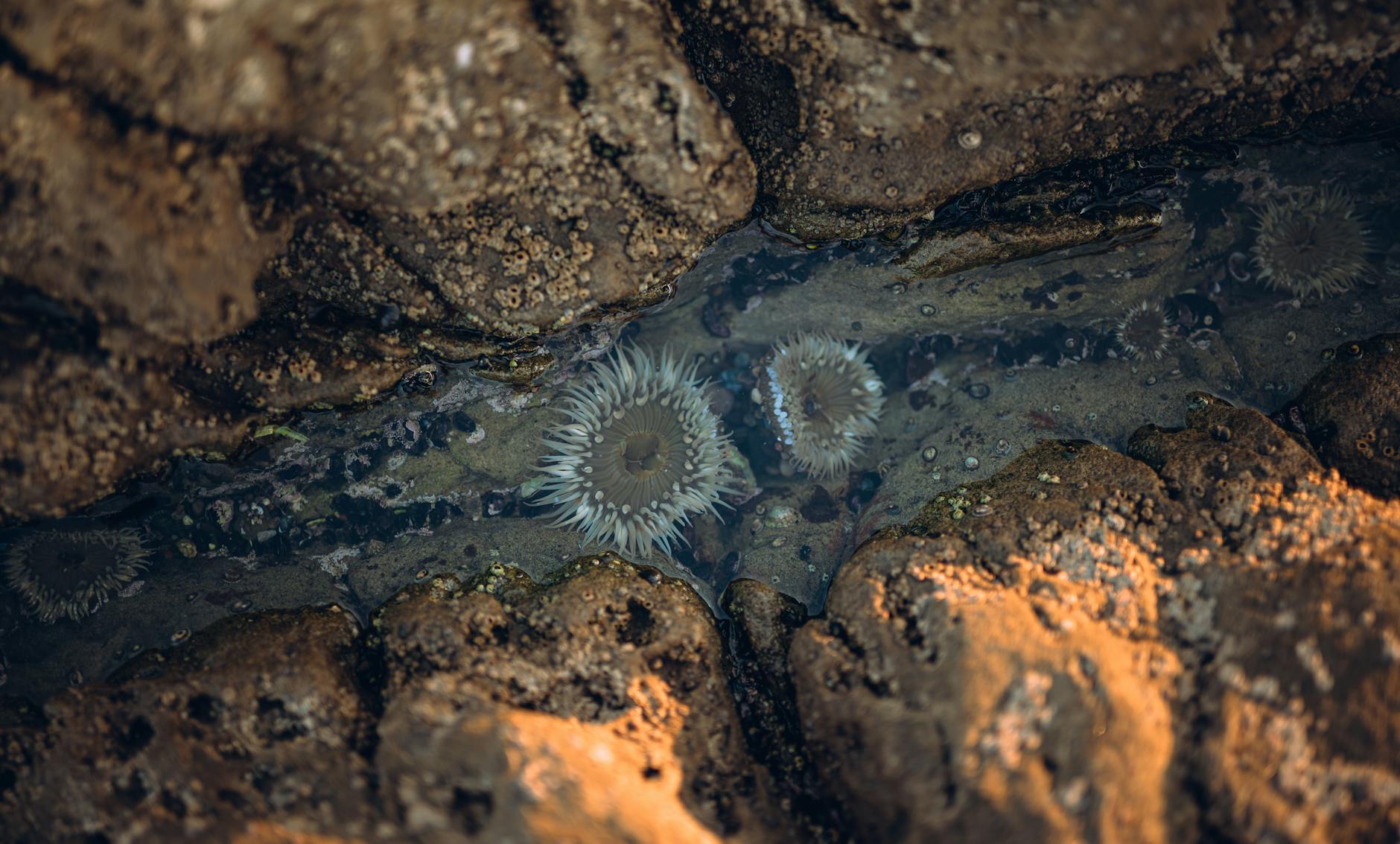
Chumphon Pinnacles, located near Koh Tao but frequently accessible from Koh Samui, features cluster of granite pinnacles covered in pink anemones that create an otherworldly landscape. Depths here reach 40 meters, making it suitable only for experienced divers with Advanced Open Water certification or higher. Strong currents and the possibility of encountering larger pelagic species—including whale sharks between March and May—make this an advanced site.
Due to its depth, dives at Chumphon Pinnacles require careful planning and attention to no-decompression limits. Your bottom time will be limited compared to shallower sites, and a safety stop is essential. Some operators include a deep stop as part of the dive profile. This site is not suitable for divers who are new to diving or uncomfortable in challenging conditions.
Angthong Marine Park: Accessible Beauty
Angthong National Marine Park, west of Koh Phangan and Koh Samui, offers diving accessible to a wider range of experience levels. The protected area maintains healthy reefs and abundant marine life, with opportunities to see turtles, various reef fish, and—seasonally—whale sharks. Depths here are more moderate, and conditions tend to be gentler than at the more exposed sites.
The marine park fees (around 200 THB) apply here, and boats may be limited during certain seasons. If you’re interested in the marine park, mention this to your dive operator in advance so they can plan accordingly.
Preparing for Your Dive Trip
What to Pack
In addition to your dive certification card andlogbook, pack these essentials for diving in Koh Samui:
- Reef-safe sunscreen: Standard sunscreens contain chemicals harmful to coral. Applyreef-safe sunscreen before suiting up, but avoid applying directly before diving—instead, apply well before your dive to allow it to absorb.
- rash guard or wetsuit: Even without a full wetsuit, a rash guard protects against jellyfish stings, sun exposure, and abrasion.
- waterproof bag or dry bag: Speedboats mean spray and potential splashes. Protect your phone, wallet, and other essentials.
- motion sickness medication: Even if you don’t normally get seasick, the speedboat ride to dive sites can be choppy. Take medication 30-60 minutes before departure as directed.
- towel and change of clothes: You’ll get wet, and the boat ride back can be cool with wind.
Choosing a Reputable Dive Operator
Koh Samui has numerous dive operators, ranging from large operations to small, personalized services. Look for operators with PADI or SSI certification—this indicates they meet international safety and training standards. Large, established operators typically have multiple boats, experienced guides, and comprehensive safety protocols.
Look for dive centers that prioritize small group sizes, as this ensures more personalized attention. Ask about their safety procedures, emergency protocols, and the experience level of their guides. Don’t hesitate to ask questions—an experienced operator welcomes questions and provides thorough answers.
Reading reviews can also help identify operators with strong safety records. The dive operations mentioned in the initial research—like Discovery Divers and Silent Divers—maintain reputations for professional safety standards.
Physical Preparation
Diving requires a reasonable level of fitness. You don’t need to be an athlete, but you should be comfortable swimming and treading water. The boat rides can also be physically demanding, particularly the climb back onto the boat from the water.
Before your trip, ensure you’re adequately rested. Fatigue increases the risk of diving incidents, so avoid late nights before diving days. Stay hydrated—Thailand’s heat can lead to dehydration that you might not notice. Avoid alcohol both before and after diving, as it increases dehydration and impairs judgment.
Frequently Asked Questions About Diving Safety in Koh Samui
Is diving in Koh Samui safe for beginners?
Yes, but with qualifications. The most famous sites (Sail Rock, Chumphon Pinnacles) are better suited for experienced divers, but several operators offer beginner-friendly experiences. Consider completing your Open Water certification in Koh Samui itself or spending time on easier local sites before progressing to advanced locations.
What’s the best time of year for diving safety?
January through April offers the most predictable conditions with excellent visibility and calm seas. The monsoon season (September-December) brings increased risks from weather and reduced visibility, making this period suitable only for experienced divers.
Do I need special insurance for diving in Thailand?
Regular travel insurance typically doesn’t cover diving accidents. You need specific diving insurance that covers hyperbaric treatment and medical evacuation. Several providers offer affordable annual plans specifically for divers.
What happens if I get decompression sickness?
Decompression sickness (DCS) requires treatment in a hyperbaric chamber. The nearest to Koh Samui are in Bangkok and Phuket. Dive operators have emergency protocols, but treatment can be expensive without proper insurance. This underscores the importance of diving insurance and following safe dive practices.
How deep can I dive as an Open Water Diver?
As a certified Open Water Diver, you can dive to a maximum depth of 18 meters (60 feet). For deeper diving, you need Advanced Open Water certification, which allows diving to 30 meters. Sites like Chumphon Pinnacles, with depths to 40 meters, require additional experience beyond AOW.
Can I dive if I have asthma or other respiratory conditions?
You need medical clearance from a physician trained in dive medicine. Some respiratory conditions are compatible with diving; others are not. Never assume you cannot dive without proper medical evaluation.
What should I do if I encounter a dangerous marine animal?
Maintain distance and stay calm. Don’t panic or make sudden movements. Follow your dive guide’s instructions. Dangerous encounters are rare in this area, but maintaining proper behavior reduces any risk.
Your Safe Diving Adventure Awaits
Koh Samui offers world-class diving that can be enjoyed safely by divers of various experience levels—in respect to proper protocols. By following these essential do’s and don’ts, respecting your limits, and choosing reputable operators, you can explore spectacular underwater environments with confidence.
Remember: the goal is always to dive safely and return home with great memories, not just great photos. The underwater world will be there long after your visit, and following these safety practices ensures it will remain for future divers while keeping you safe.
Book your diving experience with a certified operator, obtain appropriate insurance, and prepare to discover why Koh Samui remains one of Thailand’s most famous diving destinations.
Related Articles
Descend as Two Strangers, Ascend as a Married Couple: The Valentine's Day Wedding That Takes Place 12 Meters Underwater
Discover Trang's extraordinary Underwater Wedding ceremony — where couples exchange vows beneath the sea. Learn about this unique event, how to participate, and why it draws couples worldwide.
A Beginner's Guide to Exploring Banff National Park's Trails
Discover the majestic beauty of Banff National Park with this comprehensive beginner's hiking guide. Learn essential tips, gear, safety, and find your perfect first trail.

5 Epic Water Adventures in the Philippines
Dive into the Philippines' turquoise waters! Discover 5 thrilling water adventures, from world-class diving and island hopping to canyoneering, surfing, and kayaking. Your ultimate guide to aquatic fun.
I Watched 3 Tourists Get Arrested at Songkran — Here's What They Did Wrong
Don't get arrested or fined during Songkran. Essential guide to Thai water festival laws, etiquette, dress code, alcohol rules, and the penalties that can ruin your trip.