
 ChatGPT
  Gemini
  Claude
  Perplexity
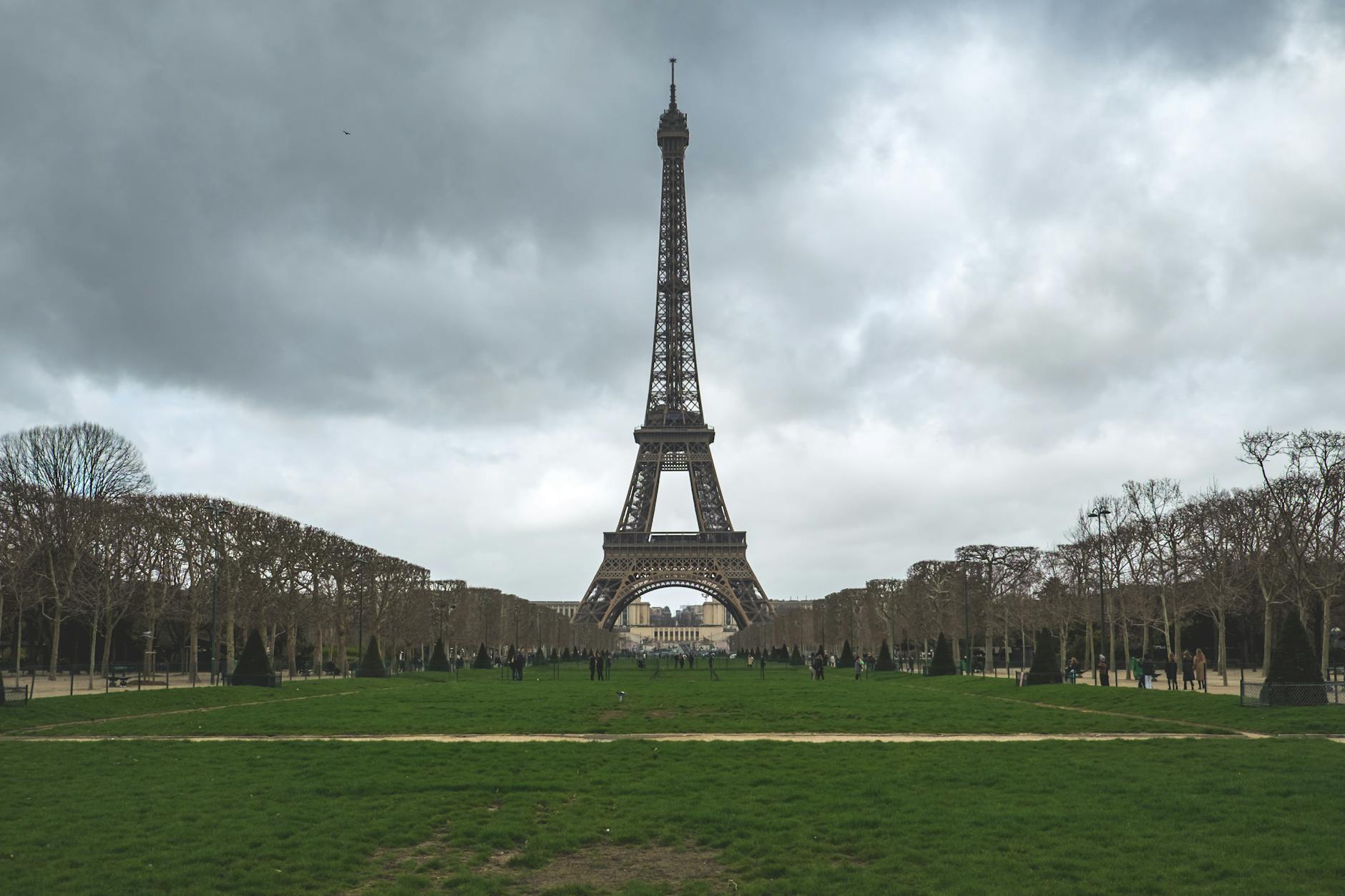
You’re at the Eiffel Tower. Someone approaches with a clipboard, then another, and another. Your peaceful photo has become a gauntlet of requests. Here’s the exact scam patterns at the world’s most visited landmarks and the simple moves that stop them.
Eiffel Tower (Paris)
The Common Scams
1. The Clipboard Petition
- What’s happening: Someone with clipboard approaches asking for “support for deaf children” or “save the whales”
- What’s really happening: Distraction theft. While you glance at clipboard, an accomplice lifts your phone/camera.
- Approach: Walk away without engaging. A clear hand wave—no—keeps you moving.
2. The Bracelet Seller
- What’s happening: Someone wraps friendship bracelet on your wrist before you realize
- What’s really happening: Then demands €10-20. Aggressive behavior if you refuse.
- Approach: Keep hands in pockets. If approached, say “non, merci” and walk.
3. The Photo Scam
- What’s happening: “Let me take your photo” from a “professional photographer”
- What’s really happening: Then demands €15-30 for the photo. Your options: pay or they delete.
- Approach: Take your own photos. If someone offers, decline clearly.
4. The Ring Drop
- What’s happening: Someone points at a “ring” on ground—they’ve “found” it and ask if it’s yours
- What’s really happening: They plant it, then demand payment for “finding” your ring
- Approach: Don’t engage. Keep walking. “Non” and continue walking.
The Safe Zones
- Trocardero side: Fewer scammers but more tourist crowds
- Bottom (river side): More space, more police presence
- Ground level areas: Less dense than first platform

What Works
- Hands in pockets: No wrist contact opportunity
- Earbuds in: Signals not interested in interaction
- Walk with purpose: Don’t stop, even for directions
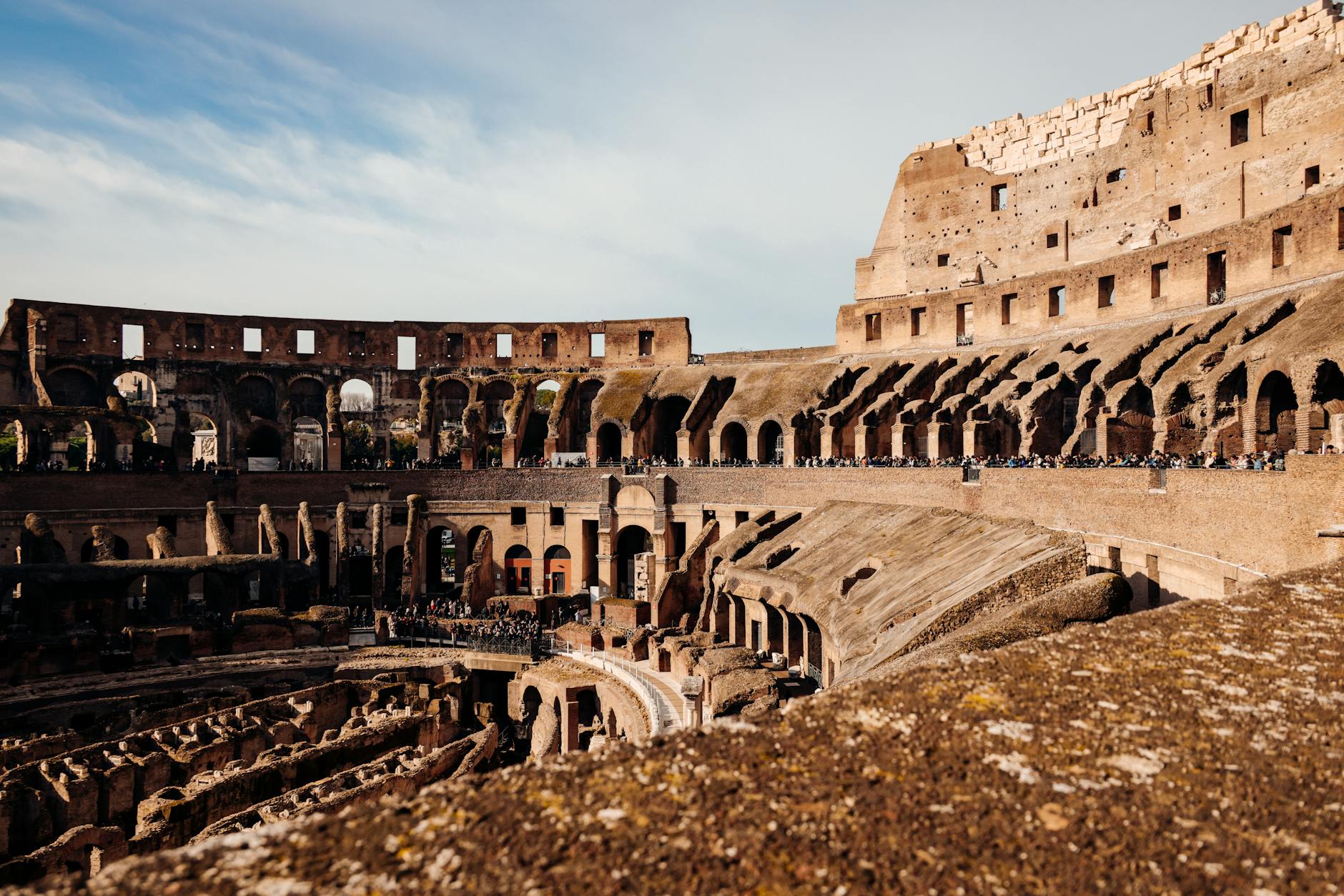
Colosseum (Rome)
The Common Scams
1. The Ticket Scalper
- What’s happening: Someone outside offers “skip the line tickets” at discount
- What’s really happening:Fake tickets. You’ll be turned away at entrance.
- Approach: Buy only at authorized ticket windows inside the site.
2. The Photo Op
- What’s happening: Gladiator or Roman soldier asks for photo, then demands €10
- What’s really happening: Costume isn’t free—they’re paid performers
- Approach: If you want photo, agree on price BEFORE.
- Better: Decline. There are free photo spots throughout.
3. The Guided “Help”
- What’s happening: Someone “helps” you get tickets or find entrance
- What’s really happening: Then demands payment. Aggressive if refused.
- Approach: Download tickets online. Use official app for navigation.
4. The Petition (same as Paris)
- What’s happening: Clipboard approach for “save the children”
- What’s really happening: Distraction theft
- Approach: Walk away. Don’t stop.
The Safe Zones
- Early morning (8:30 AM): Few scammers, fewer tourists
- After 4 PM: Scammer presence decreases
- Weekdays: Lower scam volume than weekends
What Works
- Tickets online: Skip all ticket scalpers
- Arrive early: 8:30 entry for minimum exposure
- Ignore costumed figures: No photo means no payment
Sagrada Familia (Barcelona)
The Common Scams
1. The “Free” Tour
- What’s happening: “Free” walking tour that ends with hard-sell for paid extras
- What’s really happening: Mandatory €15-20 “donation.” Aggressive if refused.
- Approach: Book official tours only. Avoid street promoters.
2. The Pickpocket Zone
- What’s happening: Dense crowds at entrances create cover
- What’s really happening: Bag unzipped in crowd compression
- Approach: Front-facing bag, zipper against your body
3. The Vendor Cluster
- What’s happening: Street vendors immediately outside selling items
- What’s really happening:Aggressive selling, sometimes fake items
- Approach: Walk directly through without engaging
4. The “Charity” Signers
- What’s happening: Sign collectors for various “charities”
- What’s really happening: These are often real but aggressive
- Approach: Keep walking.
The Safe Zones
- First entry slot (9 AM): Minimal vendors
- Exit route: Vendors cluster near exit
- Directly inside: Once inside, no vendor pressure
What Works
- Online tickets only: Skip all vendor interactions
- Arrive at first entry: 9 AM slot has few vendors
- Ignore all outside: Walk straight through vendors
The Universal Rule
At ANY landmark:
| Approach | Scam Risk | Notes |
|---|---|---|
| Don’t stop | High reduction | Scammers need engagement |
| Hands in pockets | High reduction | No wrist access |
| Ignore completely | Highest reduction | Don’t engage |
| Ear buds in | High reduction | Non-verbal “no thanks” |
| Walk with purpose | High reduction | Target selection |
Bottom Line
Scam patterns at the world’s most visited landmarks follow predictable scripts: clipboard, petition, aggressive selling, and photo requests. The universal reply is no engagement—the complete sentence is walking away without stopping. Scammers count on tourists being polite. You’re not being rude; you’re being smart.
Your checklist:
- Download tickets before arrival
- Arrive at opening for minimal exposure
- Hands in pockets near any crowd
- Ignore all approaches completely
- Walk through all vendor clusters
Related Articles

Taking Your Dog to Europe? There's a 6-Month Wait
Complete guide to EU pet travel requirements . Learn the mandatory sequence for microchip, rabies vaccination, titer testing, and health certificates.

Your Flight Was Delayed—But Not Because of Weather
FAA controller shortages are causing major delays at NYC, Chicago, and Atlanta hubs . Learn real-time alert setups and rebooking strategies.
Schengen Visa Crisis: How to Secure Your Summer Europe Trip
Current Schengen visa wait times at US consulates and proven strategies to secure your summer entry to Italy, Greece, or France without denial.

ATM Skimming Prevention Tactics That Actually Work
Protect your cards from skimmers in Mexico, Brazil, and Peru with these exact withdrawal routines and portable tools. Learn the red flags locals spot instantly.