
 ChatGPT
  Gemini
  Claude
  Perplexity
 Understanding the 2026 National Park Changes
Travelers planning visits to America’s iconic national parks in 2026 will encounter updated fee structures and access policies designed to support park maintenance while prioritizing accessibility for U.S. residents. The most significant shifts include differentiated pricing for nonresidents and adjustments to reservation systems at high-visitation sites.
These changes affect Yosemite National Park, Yellowstone National Park, and Grand Canyon National Park—three of the most popular destinations. Understanding the new rules in advance helps you budget effectively, secure necessary permits or passes, and avoid disappointment at the gate.
New Entrance Fees and Nonresident Surcharges
Effective January 1, 2026, the National Park Service introduced an “America-first” pricing model:
- Standard entrance fees remain unchanged for private vehicles (typically $35 per vehicle for a 7-day pass at these parks) and per-person options.
- Nonresident surcharge: International visitors (non-U.S. residents) aged 16 and older must pay an additional $100 per person at 11 high-visitation parks, including Yosemite, Yellowstone, and Grand Canyon—unless they hold a valid annual pass. This surcharge applies on top of the standard entrance fee.
- America the Beautiful Annual Pass:
- U.S. residents: $80
- Nonresidents: $250
The annual pass covers entrance for one private vehicle or up to four adults at most federal recreation sites. Digital passes are now available via Recreation.gov for instant use.
Practical tip: U.S. residents and citizens continue to enjoy fee-free days in 2026 (dates include Presidents’ Day, Memorial Day, and others—confirm exact schedule on nps.gov). Nonresidents must pay full fees, including any surcharges, on these dates.
Purchase passes in advance through Recreation.gov or at park entrances (cash may not be accepted at some stations). Pre-purchasing speeds up entry and reduces wait times.
Access Rules and Reservation Requirements for 2026
Yosemite National Park
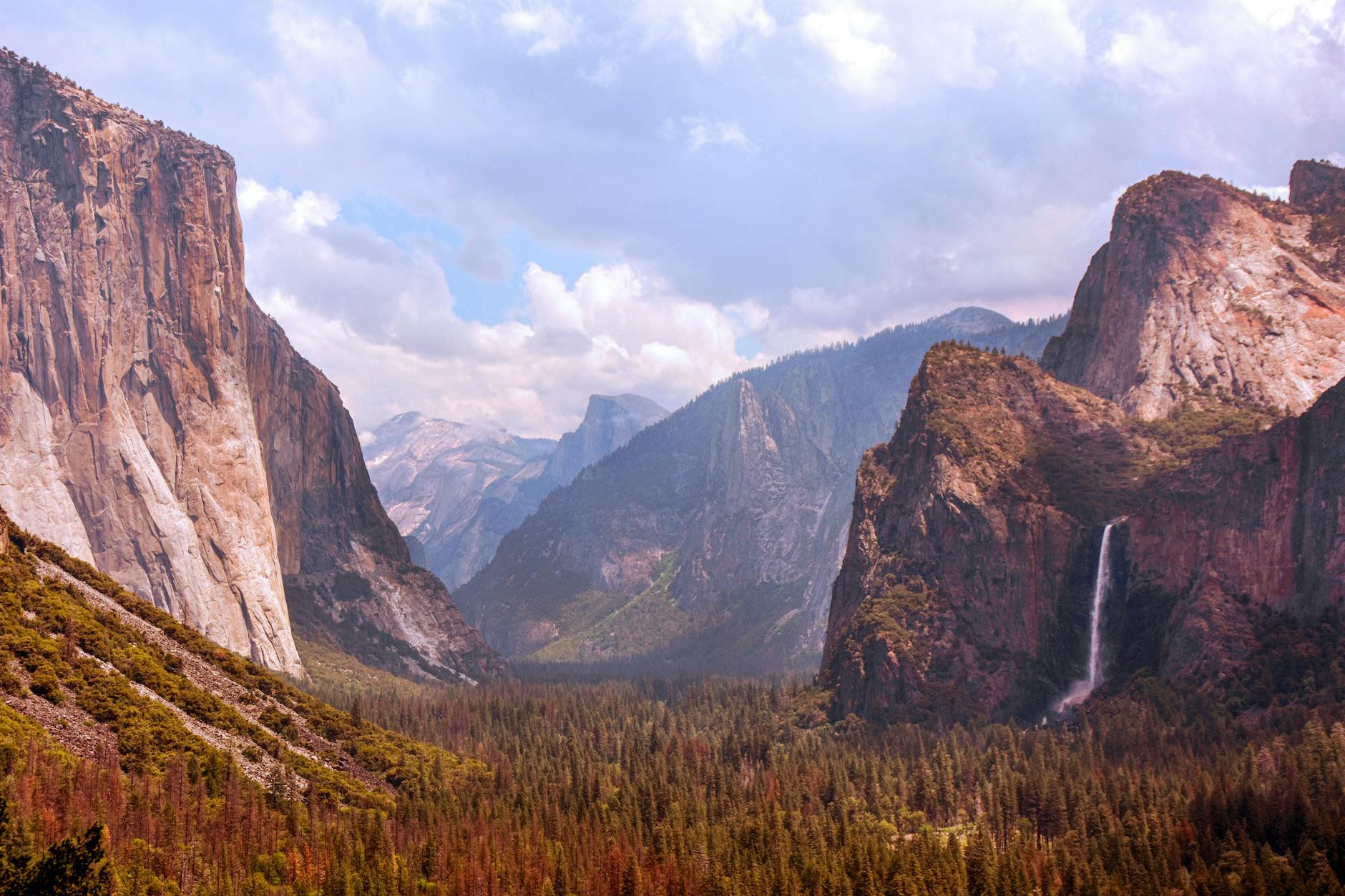
Yosemite has paused its timed-entry reservation system for general vehicle access throughout 2026, following evaluation of 2025 visitation patterns. No advance reservations are required to drive into the park.
- What this means for you: Greater flexibility to visit at your preferred time. However, popular areas like Yosemite Valley may still experience congestion during peak summer months.
- Management strategies: The park will use real-time traffic management, temporary diversions, and additional staffing when parking reaches capacity.
- Half Dome permits: Separate day-use permits remain required for the cables (lottery system via Recreation.gov). Check specific windows well in advance.
Planning calendar:
- Book lodging and campground reservations as early as possible (often 5–12 months ahead).
- Arrive early in the day during summer to secure parking.
Yellowstone National Park
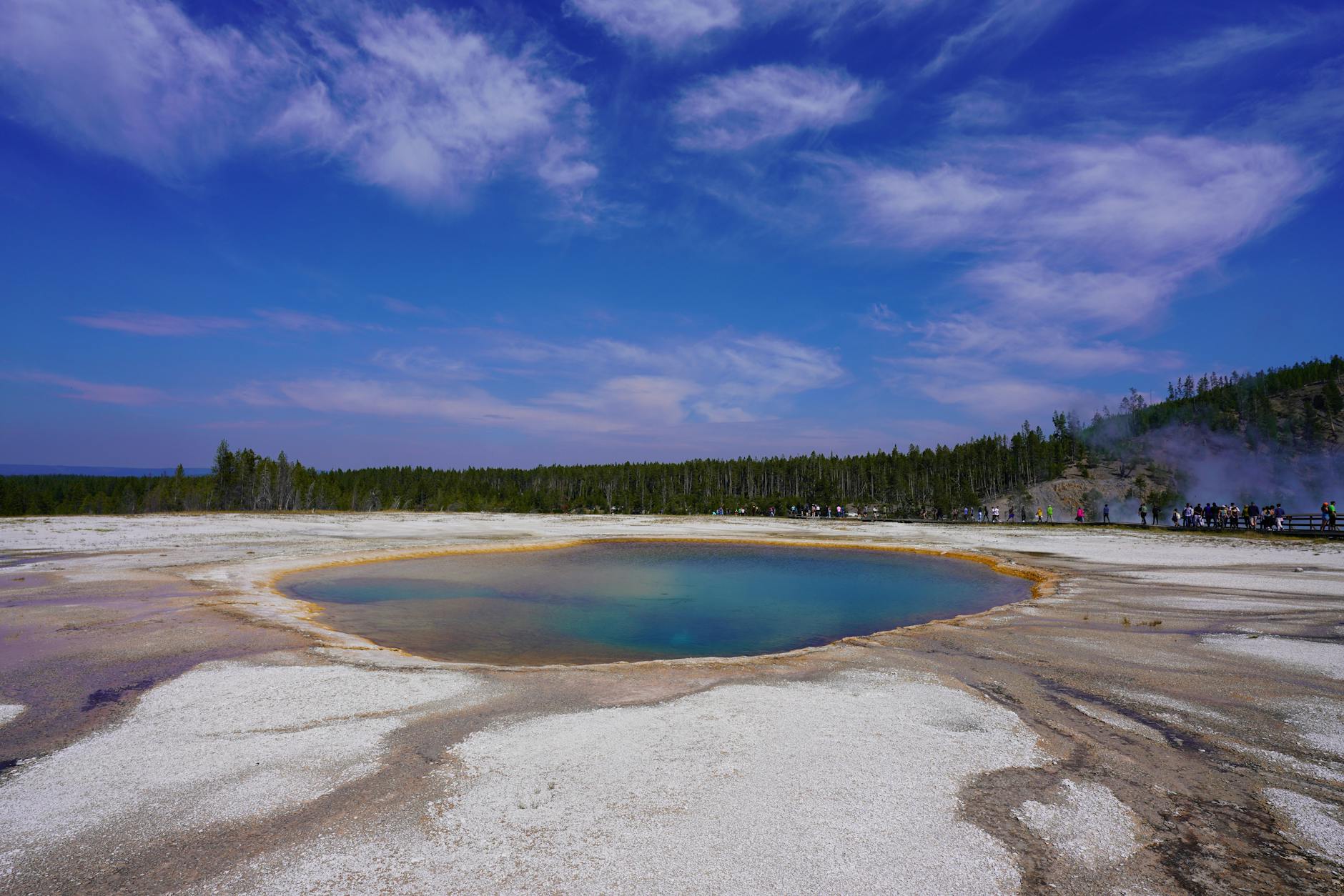
No general vehicle reservation or timed-entry system is required for park entry in 2026. Access follows standard operating hours and seasonal road openings.
- Key considerations: Backcountry camping requires permits (early access lottery opens in March for peak season). Lodging and developed campgrounds book far in advance.
- Nonresident impact: The $100 per-person surcharge applies unless you hold the nonresident annual pass.
Planning calendar:
- Road openings typically begin mid-April; full access by late May.
- Monitor nps.gov/yell for real-time conditions, especially regarding wildlife and geothermal areas.
Grand Canyon National Park
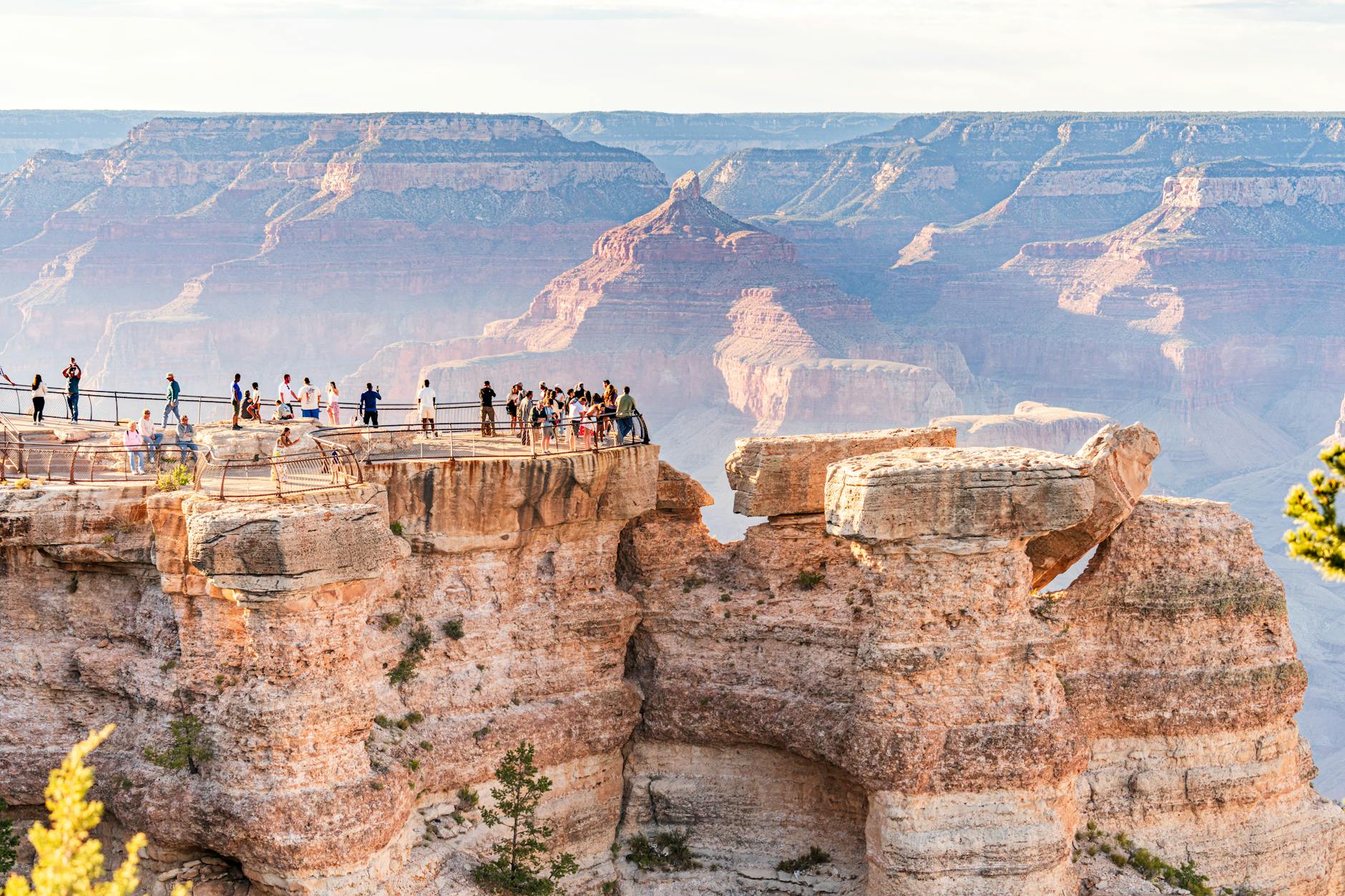
No timed-entry or vehicle reservations are needed for general access to the South or North Rims. Entrance fees are paid at stations (credit/debit preferred; cash options limited in gateway areas).
- Shuttle systems: Free shuttles operate on the South Rim—plan routes accordingly.
- Backcountry and rim-to-rim permits: These require advance applications or lotteries via Recreation.gov, often months ahead.
- North Rim: Seasonal access (generally mid-May to mid-October).
Nonresident note: The $100 surcharge applies here as well.
Planning calendar:
- South Rim is open year-round; book lodging early, especially for in-park options.
- Phantom Ranch lottery opens approximately 15 months in advance for overnight stays at the canyon bottom.
Month-by-Month Planning Calendar for 2026 Visits
Use this general timeline to organize your trip:
- January–March: Research dates, purchase annual passes if visiting multiple parks, and enter any lotteries (e.g., Half Dome, backcountry). Book winter-accessible lodging.
- April–May: Finalize campground/lodging reservations. Monitor road openings for Yellowstone and North Rim Grand Canyon. Secure backcountry permits as windows open.
- June–August (Peak Season): Book any remaining activity-specific permits. Arrive early at parks to avoid congestion. Have contingency plans for high-traffic days.
- September–October: Enjoy shoulder season with fewer crowds. Confirm fall closures.
- November–December: Plan for limited winter access and holiday fee-free days.
Always verify exact dates and availability on official NPS websites or Recreation.gov, as conditions can change.
Contingency Options and Smart Strategies
To minimize risks of last-minute issues:
- Purchase passes early — Digital options allow immediate access upon arrival.
- Book accommodations and key permits well in advance — Popular sites fill months ahead.
- Build flexibility into your itinerary — Have alternative dates or lesser-visited areas ready if congestion occurs.
- Use Recreation.gov — For passes, permits, and real-time updates.
- Prepare for surcharges — International travelers should factor the $100 per-person fee into budgets or opt for the nonresident annual pass for multiple visits.
- Monitor conditions — Download the NPS app and check park-specific pages for weather, road status, and temporary closures.
Making the Most of Your 2026 National Park Adventure
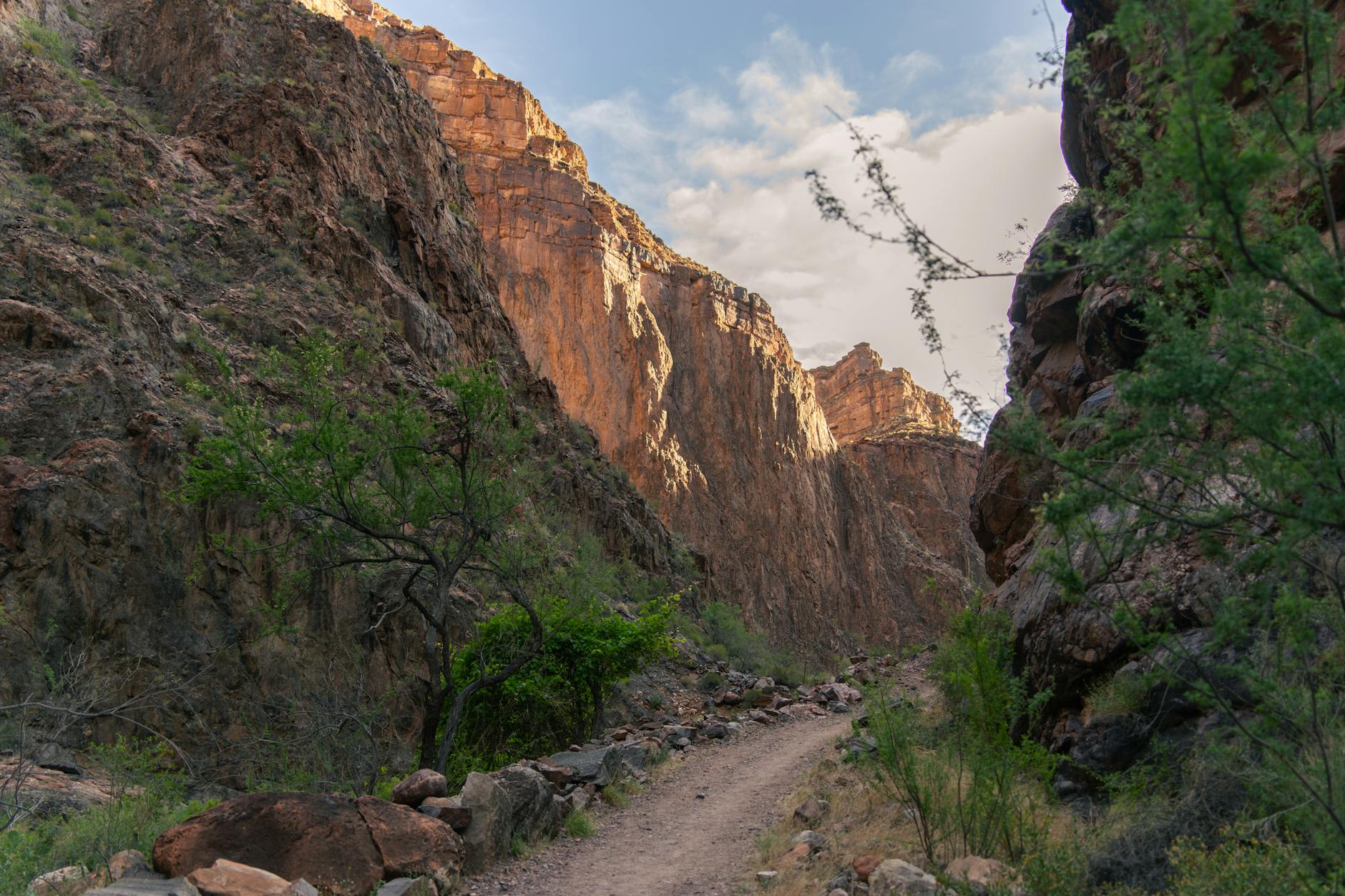
The 2026 updates emphasize sustainable access while supporting the preservation of these natural treasures. By planning proactively—securing the appropriate pass, understanding park-specific rules, and allowing buffer time—you can enjoy memorable experiences at Yosemite, Yellowstone, and Grand Canyon without unnecessary stress.
Start your preparations today by visiting Recreation.gov and the official NPS pages for each park. Safe travels, and may your 2026 journeys create lasting memories amid these extraordinary landscapes.
Related Articles
Japan's Autumn Leaves Are Running Late in 2026 — Here Are the Real Peak Dates
Japan's official 2026 fall foliage forecast is out, and this year the colors run late. Get the city-by-city peak dates for Tokyo, Kyoto, and Hokkaido, plus how to plan around Kyoto's new lodging tax and Japan's higher departure tax.
Nepal Festivals Calendar: Month-by-Month Guide to Dashain, Tihar, Holi, and Seasonal Highlights
Plan your Nepal trip around the country’s biggest festivals with this practical month-by-month guide, including etiquette, costs, and what each celebration feels like on the ground.
30 Minutes Before Opening: The Silver Week 2026 Strategy That Beat Every Crowd in Japan
Silver Week 2026 (September 13-27) brings a surge of domestic travelers to Japan. This complete guide shows you how to avoid peak crowds at major attractions, time your visits perfectly, and enjoy popular destinations without the crush. Includes specific timing recommendations, alternative routes, and crowd-free backup locations for Fushimi Inari, Arashiyama, Tokyo Skytree, and more.
THSR Schedule & Timetable Guide: First & Last Trains, North–South Travel Times Made Simple
Everything you need before riding THSR! Complete guide to timetable lookup, first and last train times, north–south travel time comparisons, train frequency, and peak/off-peak analysis — master THSR schedules and plan your trip with ease.