Christmas Markets in Europe: A Complete Travel Guide
Step into a winter wonderland where twinkling lights dance above cobblestone streets, the aroma of mulled wine and roasted chestnuts fills the air, and the sound of carols mingles with cheerful laughter. European Christmas markets are more than just shopping destinations—they’re magical experiences that transform historic city centers into festive wonderlands that capture the essence of holiday spirit.
Whether you’re a first-time visitor or a seasoned market enthusiast, this comprehensive guide will help you discover the most enchanting Christmas markets across Europe, with special focus on the spectacular displays in Prague and Berlin.
The Magic of European Christmas Markets
Christmas markets, or “Christkindelsmärik” as they’re known in German, date back to the Late Middle Ages in German-speaking parts of Europe. What began as simple winter markets where townspeople could stock up on food and supplies for the cold months ahead has evolved into cherished cultural traditions that attract millions of visitors annually.
These markets embody the European approach to the holiday season—focusing on community, tradition, and the simple joys of gathering together in festive atmosphere. Each market has its own character, from medieval-themed markets that transport you back in time to contemporary markets featuring modern artisans and gourmet food vendors.
Top Christmas Markets Across Europe
Vienna, Austria - Christkindlmarkt at Rathausplatz
Vienna’s Christmas market in front of City Hall is arguably one of Europe’s most spectacular. The magnificent Gothic building provides a stunning backdrop to over 150 stalls selling everything from traditional Austrian ornaments to gourmet treats.
Highlights:
- Giant advent calendar projected onto the City Hall facade
- Ice skating rink winding through the park
- Choir performances and classical music concerts
- Traditional Austrian punch and Kaiserschmarrn
Strasbourg, France - Christkindelsmärik
Known as the “Capital of Christmas,” Strasbourg hosts France’s oldest Christmas market, dating back to 1570. The Alsatian city transforms into a fairy tale setting with half-timbered houses adorned in lights and decorations.
Highlights:
- The Great Christmas Tree in Place Kléber
- Bredele (traditional Alsatian Christmas cookies)
- St. Thomas Church Christmas concerts
- The “Village of Sharing” with artisan workshops
Cologne, Germany - Cologne Cathedral Christmas Market
Set against the magnificent backdrop of Cologne’s UNESCO World Heritage cathedral, this market combines Gothic grandeur with festive cheer. With over 150 stalls, it’s one of Germany’s largest and most visited markets.
Highlights:
- Views of the illuminated cathedral
- The “Star of the Angels” floating above the market
- Local Kölsch beer and Reibekuchen (potato pancakes)
- Medieval market at the Chocolate Museum
Budapest, Hungary - Advent Feast at the Basilica
Budapest’s award-winning Christmas market in front of St. Stephen’s Basilica offers a unique blend of traditional Hungarian culture and modern festivities.
Highlights:
- 3D light show projected onto the basilica facade
- Ice rink surrounding a giant Christmas tree
- Traditional Hungarian chimney cake (kürtőskalács)
- Free ice skating and concerts
Prague Christmas Markets: A Winter Fairy Tale
Prague transforms into a magical winter destination during the holiday season, with several Christmas markets offering different experiences throughout the city.
Old Town Square Christmas Market
The heart of Prague’s Christmas celebrations, the Old Town Square market features the city’s famous astronomical clock as its centerpiece. This market perfectly captures Prague’s medieval charm with its Gothic architecture and cobblestone streets.
What to Expect:
- Giant Christmas tree decorated with thousands of lights
- Traditional Czech food stalls serving trdelník (chimney cake), sausages, and hot wine
- Handcrafted wooden toys, crystal, and traditional Czech ornaments
- Live performances of Czech carols and folk music
- Animal petting zoo with sheep, goats, and donkeys
Must-Try Foods:
- Trdelník: Spiral-shaped sweet pastry cooked over charcoal
- Svařák: Czech mulled wine with spices
- Medovina: Honey wine, often stronger than regular mulled wine
- Klobása: Grilled Czech sausages with mustard and bread
Wenceslas Square Christmas Market
Just a short walk from the Old Town Square, Wenceslas Square offers a more modern market experience with a focus on Czech design and contemporary crafts.
Highlights:
- Modern Czech design products and fashion
- Gourmet food vendors with fusion cuisine
- Less crowded than Old Town Square
- Easy access to shopping and restaurants
Practical Information:
- Opening Times: Typically late November through early January
- Hours: 10:00 AM - 10:00 PM daily (food stalls may stay open later)
- Best Time to Visit: Weekday mornings for fewer crowds
- Transportation: Easily accessible by metro (Line A to Staroměstská or Můstek)
Berlin Christmas Markets: Capital of Festive Cheer
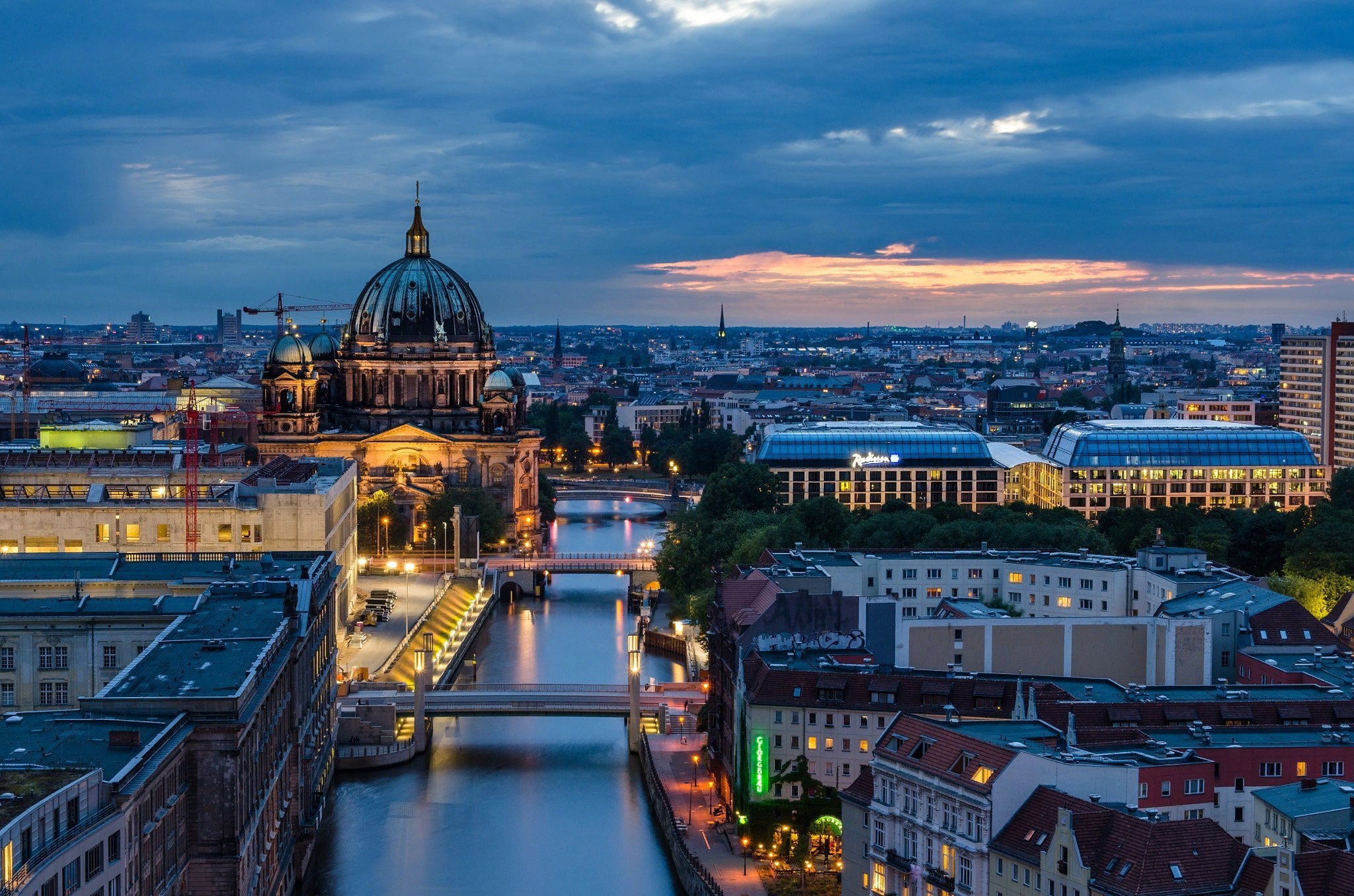
Berlin boasts over 60 Christmas markets, each with its own unique character. From traditional markets to alternative celebrations, Germany’s capital offers something for every taste.
Gendarmenmarkt Christmas Market
Considered one of Berlin’s most beautiful markets, Gendarmenmarkt is set in a historic square surrounded by the Concert House, French Cathedral, and German Cathedral.
What Makes It Special:
- Entry fee (€1-2) that supports local artists
- High-quality crafts and gourmet food
- Live performances on the central stage
- Covered seating areas with heating
Must-Experience:
- Historical crafts demonstrations
- Gourmet food from top Berlin restaurants
- Mulled wine variations including white wine and sparkling versions
- Artisan Christmas decorations and gifts
Alexanderplatz Winter World
For families and thrill-seekers, Alexanderplatz transforms into a winter wonderland with rides and attractions alongside traditional market stalls.
Highlights:
- Ferris wheel with panoramic city views
- Ice skating rink and toboggan run
- Traditional market with international food options
- Shopping center nearby for indoor browsing
Charité Christmas Market
This market offers a more intimate, local experience with a focus on sustainable and organic products.
Unique Features:
- Eco-friendly focus with sustainable vendors
- Local Berlin artisans and designers
- Quieter atmosphere perfect for families
- Organic food and drink options
Berlin Practical Information:
- Opening Times: Most markets open late November through December 23rd
- Hours: Generally 11:00 AM - 9:00 or 10:00 PM
- Transportation: Excellent U-Bahn and S-Bahn connections to all major markets
- Payment: Most vendors accept cards, but bring cash for smaller purchases
What to Expect at European Christmas Markets
Traditional Foods and Drinks
Must-Try Culinary Delights:
- Glühwein/Glogg: Mulled red wine with spices like cinnamon, cloves, and orange
- Eierpunsch: Warm, non-alcoholic egg-based punch with vanilla and spices
- Lebkuchen: German gingerbread cookies, often decorated with icing
- Maronen: Roasted chestnuts, typically sold from street vendors
- Kartoffelpuffer/Reibekuchen: Potato pancakes served with applesauce
- Bratwurst: Various regional sausage varieties
- Stollen: Traditional German Christmas bread with dried fruit and marzipan
Handcrafted Goods and Souvenirs
Popular Market Finds:
- Wooden Ornaments: Hand-carved nutcrackers, smokers, and pyramids
- Glass Baubles: Hand-blown Christmas decorations
- Textiles: Traditional scarves, hats, and gloves
- Pottery: Local ceramic crafts and mugs for mulled wine
- Jewelry: Artisan pieces featuring local materials
- Food Products: Local honey, jams, and Christmas cookies
Planning Your Christmas Market Trip
Best Times to Visit
Optimal Timing:
- Late November: Markets open with fewer crowds and fresh enthusiasm
- Early December: Perfect balance of festive atmosphere and manageable crowds
- Weekdays: Significantly less crowded than weekends
- Early Evening: Magical atmosphere as lights turn on but before peak crowds
Avoid:
- Weekends: Especially Saturday afternoons and evenings
- Week before Christmas: Extremely crowded with last-minute shoppers
- December 24-26: Many markets closed or have limited hours
Avoiding Crowds
Strategic Tips:
- Visit popular markets early morning (10 AM - 12 PM)
- Start with less famous markets and save main attractions for weekdays
- Book accommodations near your target markets to avoid transportation delays
- Consider visiting multiple smaller markets instead of one huge market
Transportation Tips
Getting Around:
- Public Transit: Most European cities have excellent metro/tram systems
- Walking: Many markets are within walking distance of each other
- Taxi/Rideshare: Book in advance during peak times
- Parking: Extremely limited and expensive in city centers
Budget Considerations and Money-Saving Tips
Expected Costs
Food and Drink Budget:
- Mulled wine: €3-5 per cup
- Food items: €5-15 per item
- Full meal: €15-25
- Souvenirs: €10-50+ depending on item
Money-Saving Strategies:
- Bring Your Own Mug: Many markets offer discounts for reusable cups
- Share Food: Portions are often large enough to share
- Eat Before You Go: Have a main meal before market visits
- Set Souvenir Budget: Decide beforehand how much to spend on gifts
- Free Activities: Enjoy window shopping, carol singing, and atmosphere
Accommodation Tips
Budget-Friendly Options:
- Book well in advance (prices increase significantly in December)
- Consider staying slightly outside city centers
- Look for hotels with kitchenettes to save on meals
- Check for public transport passes included with accommodation
Cultural Significance and Traditions
Historical Roots
Christmas markets originated in the German-speaking regions of the Holy Roman Empire during the Late Middle Ages. The first recorded Christmas market was in Vienna in 1294, followed by Dresden’s Striezelmarkt in 1434, which is still operating today.
These markets served practical purposes originally—allowing townspeople to purchase meat and supplies for the winter months. Over time, they evolved into festive celebrations combining commerce with community gathering.
Modern Traditions
Common Elements Across Markets:
- Advent Calendars: Many markets feature giant advent calendars
- Christmas Trees: Central decorated trees serve as gathering points
- Live Music: Carol singing and local performances
- Craft Demonstrations: Traditional craftspeople showing their skills
- Charity Elements: Many markets support local causes
Photography Tips for Capturing the Magic
Best Times for Photos
Golden Hour Magic:
- Blue Hour: 30 minutes before sunset for magical lighting
- Early Evening: When lights turn on but before dark
- Weekday Mornings: Fewer people for cleaner shots
Essential Shots
Must-Capture Images:
- Market entrance signs with festive decorations
- Food vendors cooking traditional treats
- Artisans at work creating crafts
- General market scenes showing scale and atmosphere
- Close-ups of traditional foods and drinks
- Night shots with bokeh lights
- People enjoying the market atmosphere
Technical Tips
Camera Settings:
- Low Light: Use higher ISO (800-1600) and wider apertures
- Night Shots: Tripod recommended for sharp images
- Movement: Faster shutter speeds to capture action
- Details: Macro shots for food and craft close-ups
Composition Ideas:
- Include people for scale and atmosphere
- Shoot from different angles (low, high, through crowds)
- Focus on details as well as wide shots
- Capture the transition from day to night
Essential Packing List
Cold Weather Gear
- Waterproof winter coat with hood
- Thermal underwear
- Warm layers (fleece, wool sweaters)
- Waterproof boots with good traction
- Warm socks (wool recommended)
- Gloves, scarf, and hat
- Hand warmers for extended outdoor time
Photography Equipment
- Camera with extra batteries (cold drains battery life)
- Portable charger for phone
- Tripod for night shots
- Lens cleaning cloth (for condensation)
Comfort Items
- Small backpack for purchases
- Reusable coffee mug
- Portable water bottle
- Snacks for energy
- Comfortable walking shoes



 europe