
 ChatGPT
  Gemini
  Claude
  Perplexity
 That €100 withdrawal showing up as $113 on your statement. The restaurant bill that somehow cost 7% more than the menu price. The souvenir purchase that felt expensive even before you converted it back to dollars.
If any of this sounds familiar, you’ve almost certainly encountered Dynamic Currency Conversion (DCC)—and it may have quietly added significant costs to your trip without your knowledgewith European travel rebounding to near-pre-pandemic levels, DCC is showing up more frequently than ever at ATMs, restaurants, hotels, and tourist shops across the continent.
Here’s your complete guide to recognizing, avoiding, and responding to this common trap that quietly drains traveler budgets.
What Exactly Is Dynamic Currency Conversion?
DCC is a service—mandated by no one, offered by many—where a merchant or ATM allows you to be charged in your home currency instead of the local currency. On the surface, this seems convenient. You see a familiar number on the screen, you understand exactly what you’re paying, and there’s no mental math required.
The problem? The exchange rate used for DCC transactions is almost always substantially worse than the market rate. The difference—typically 3-8%—goes directly to the merchant, ATM operator, or their DCC provider. It’s not a fee you can see; it’s baked into the exchange rate itself.
Here’s how it breaks down mathematically:
- Market interbank rate (what Visa/Mastercard use): €1 = $1.08
- DCC rate offered: €1 = $1.14
- The spread: 5.5% going to the merchant or ATM operator
On a €500 withdrawal, that’s $28-30 gone instantly. Over a two-week trip with multiple ATM stops and numerous card transactions, a traveler can easily lose $100-200 to DCC without realizing it.
Where You’ll Encounter DCC

DCC appears in three primary contexts during European travel:
ATMs. This is often the most expensive setting. Standalone ATMs in tourist areas, airports, train stations, and convenience stores are the worst offenders—they combine ATM operator fees (€2-7 per withdrawal) with DCC markups. Even bank-affiliated ATMs sometimes offer DCC, though less frequently.
Point-of-sale terminals. Restaurant checkout counters, hotel desks, retail shops, and ticket offices all have card terminals capable of offering DCC. The terminal displays: “Would you like to pay in [local currency] or [your home currency]?” with the home currency often highlighted or appearing first.
Online and app purchases. Some travel booking sites and apps present DCC options during checkout—if you’re bookingActivities at a tourist kiosk online, you might see pricing in USD even though the underlying transaction is in euros.
The key pattern: DCC appears wherever tourists are likely to want convenience—exactly the places you’re most likely to transact.
The DCC Screen: How to Recognize It

At an ATM or POS terminal, DCC rarely identifies itself clearly. Instead, you’ll see screens designed to encourage the “convenient” choice:
ATM examples:
- “Would you like to be charged in USD? The amount shown is an estimate.”
- “Accept exchange rate: 1 EUR = $1.13”
- “Select currency: [USD] [EUR]”
- “Continue with conversion” vs. “Continue without conversion”
POS terminal examples:
- “Pay in your currency: $108.50”
- “Would you prefer to pay in [Home Currency]?”
- Some terminals show two amounts: one in local currency and one in home currency, with the home currency option highlighted
The common threads:
- One option prominently displays your home currency
- There may be language implying the rate is “guaranteed” or “locked in”
- The screen often appears AFTER you’ve entered your PIN or initiated the transaction
The Right Response: Always Choose Local Currency
The solution is simple, but it requires vigilance and sometimes assertiveness:
At an ATM:
- Look for “Continue without conversion” or “Charge in local currency”
- Select the option that proceeds in euros (or the local currency)
- If no such option exists and the machine is pressuring you, cancel the transaction and find another ATM
- Never accept an ATM screen showing you amounts in USD
At a POS terminal:
- When asked, clearly say: “I want to pay in [local currency]”
- If the machine shows two amounts, choose the one in the local currency (usually the lower number in EUR)
- If a cashier asks verbally, respond: “Local currency, please”
This is non-negotiable from a cost standpoint. The interbank rate your card issuer uses is virtually always better than any DCC rate you’ll be offered.
The Credit Card Strategy
Credit cards get complicated abroad, and understanding how they interact with DCC is essential:
For purchases (not cash withdrawals): A no-foreign-transaction-fee credit card should be your primary payment method in Europe. Cards like the Chase Sapphire Preferred, Capital One Venture X, and Bank of America Travel Rewards waive the typical 3% foreign transaction fee. Visa and Mastercard use the interbank exchange rate with no additional markup when you select local currency.
For cash: ATM withdrawals with credit cards are almost always cash advances—and that comes with immediate interest (no grace period), typically 3-5% transaction fees, and often higher interest rates. Use credit cards for purchases, and limit ATM withdrawals to a debit card specifically designed for international use.
The DCC interaction: Even if you decline DCC, your card issuer may still charge a foreign transaction fee (usually 1-3%). That’s separate from DCC and often unavoidable—but still typically cheaper than DCC would be.
The ATM Strategy: Minimizing Fees
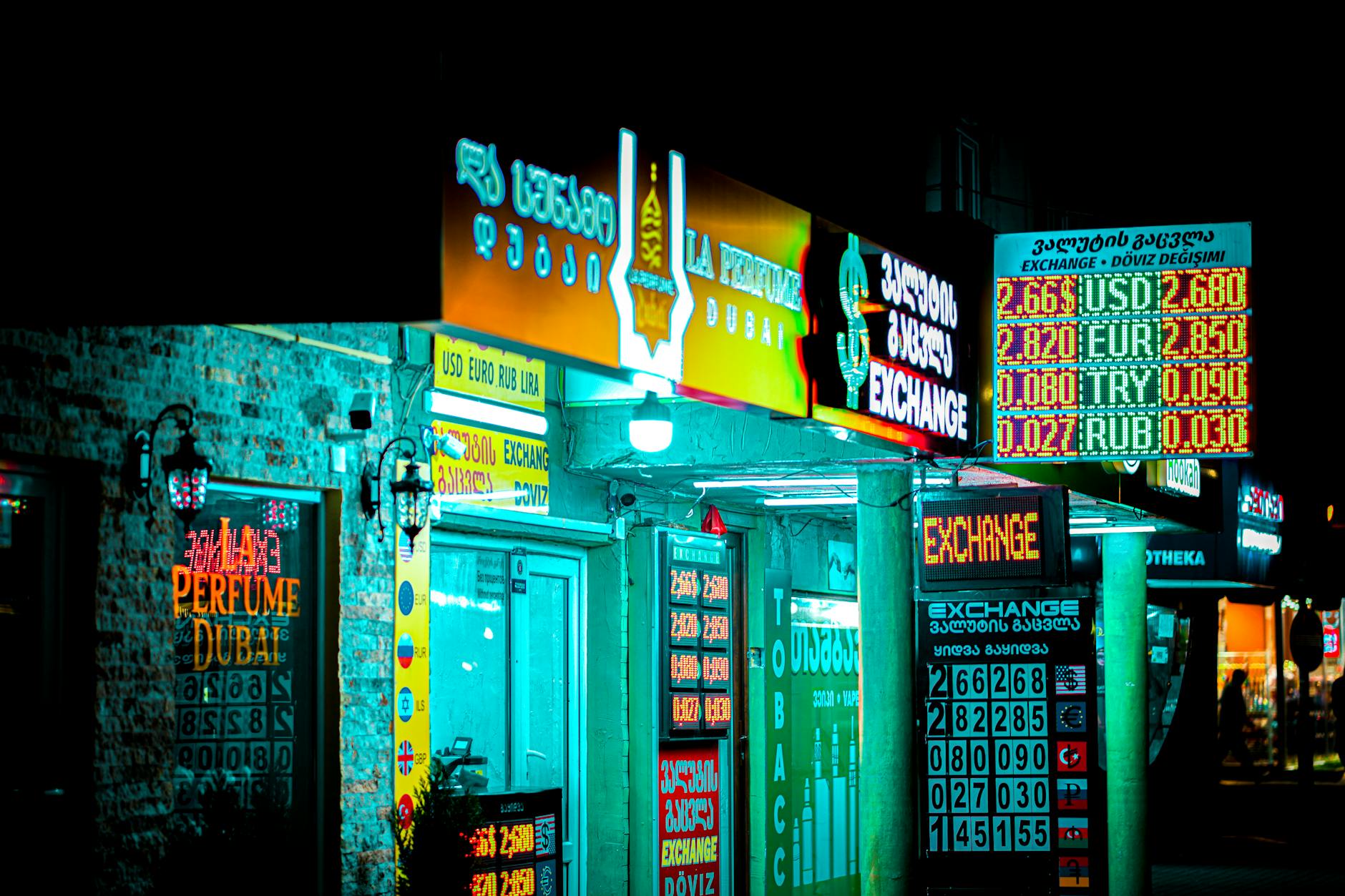
Beyond avoiding DCC, there’s a layered fee structure at European ATMs:
Layer 1: Your bank’s fees. US banks commonly charge 1-3% foreign transaction fees on ATM withdrawals, plus flat international ATM fees ($3-5 per withdrawal). Some premium accounts and travel-focused cards waive these.
Layer 2: The ATM operator fee. Standalone ATMs (particularly Euronet, Moneybox, and similar operators in tourist areas) charge €2-7 per withdrawal. Bank-affiliated ATMs inside actual bank branches typically don’t charge operator fees—or charge less.
Layer 3: DCC. The exchange rate markup. This is the largest potential cost and entirely avoidable by selecting local currency.
Practical strategy:
- Use a debit card with no international ATM fees (Schwab, Charles Schwab, or travel-focused accounts)
- Stick to ATMs inside actual bank branches—not standalone machines
- Make larger withdrawals less frequently (a $400 withdrawal with a $5 fee is 1.25%; a $50 withdrawal with the same $5 fee is 10%)
- Always decline DCC when prompted
- Track your daily cash needs and withdraw accordingly
What to Do If You’ve Already Been DCC’d
If you’re reading this and realize you’ve been caught by DCC on a previous transaction, here’s what you can do:
-
Review your statement. Look for transactions where the amount in dollars seems higher than expected given the exchange rate at the time.
-
Contact your card issuer. Dispute the transaction as improperly processed DCC. While success isn’t guaranteed—especially if you selected the option—some issuers will help, particularly for large amounts.
-
For the future: Keep your receipts and note the ATM name/location whenever you withdraw cash. This makes identification easier if you notice discrepancies.
The best approach, however, is prevention: know what to look for, always select local currency, and use cards designed for international travel.
Your next European trip should cost what you planned, not what DCC quietly adds to your statement.
Related Articles

Finding Reliable Laundry Services in Expensive European Cities on a Budget
Cut laundry costs in Paris, London, and Rome by 60%. This guide maps the cheapest laundromats, self-service hacks, and hotel secrets that don't cost a fortune.

Ryanair, easyJet & Wizz: Your Carry-On Just Got Costlier
Master carry-on luggage rules for European budget airlines. Get exact dimensions, gate-weighing procedures, and packing strategies to avoid fees.

How to Claim EU Flight Delay Compensation Under EC 261 Without Airline Runaround
Turn flight delays into cash with this exact EC 261 claim process. Get up to €600 per passenger—the evidence to collect and the templates that actually work.

AI Travel Planning 2026: How to Use AI Tools for Smarter Trip Planning
Discover how AI is revolutionizing travel planning , from personalized itineraries to real-time assistance, and learn practical ways to leverage these tools for your next adventure.