
 ChatGPT
  Gemini
  Claude
  Perplexity
 Why Smart Packing Matters for Long‑Term Adventures
Embarking on a two‑to‑six‑month journey is exhilarating, but the excitement can quickly turn into frustration if your luggage is bursting at the seams—or worse, if you realize you’ve forgotten something essential halfway across the globe. Smart packing isn’t just about squeezing everything into a carry‑on; it’s about curating a lightweight, versatile kit that lets you move freely, adapt to changing climates, and focus on the experiences that matter mostwith a record 68% of long‑term travelers opting for “slow travel” stays of a month or longer (according to the Global Nomad Report), mastering the art of minimalist packing has become a core skill for digital nomads, retirees, gap‑year explorers, and budget‑conscious adventurers alike.
The Philosophy of Packing Light for Long‑Term Stays
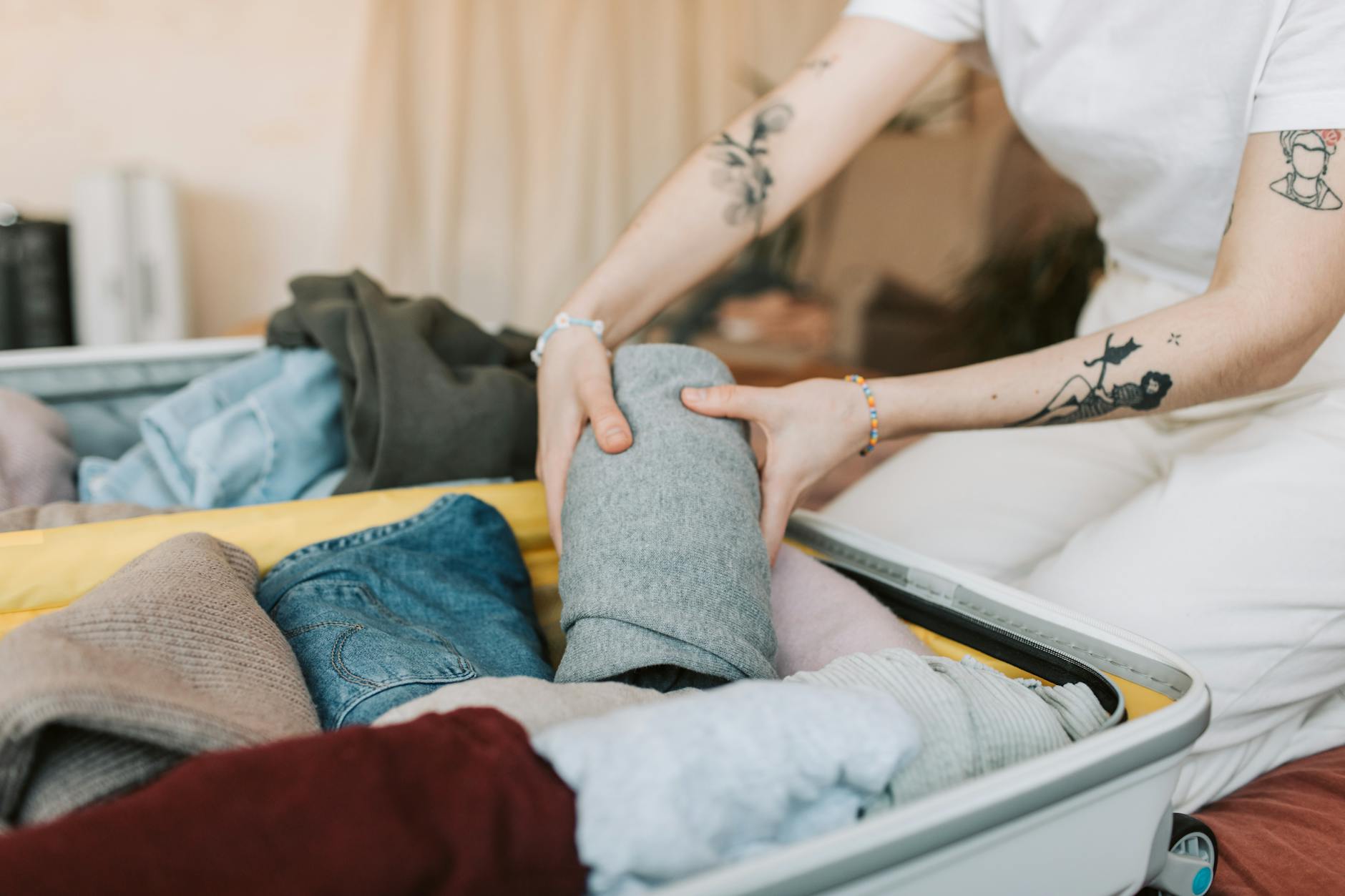
Less is more, but only when it’s the right less. The goal for extended travel is to build a capsule wardrobe and gear set that:
- Mix and match – Every item should work with at least three others.
- Layer intelligently – Temperature swings are common; layering lets you add or remove warmth without bulk.
- Wash and wear – Quick‑dry fabrics reduce the need for large quantities of clothing.
- Serve multiple purposes – A scarf can be a blanket, a sarong, or a modest cover‑up.
Adopting this mindset saves you money (checked‑bag fees, laundry costs), reduces physical strain, and leaves room for souvenirs or unexpected gear you might pick up along the way.
Clothing Essentials: Versatility, Layering, and Cultural Sensitivity
| Category | Recommended Items (per 2‑6 month trip) | Why It Works |
|---|---|---|
| Tops | 4‑5 quick‑dry T‑shirts (merino wool or polyester blend), 2 long‑sleeve shirts (one light, one warmer), 1‑2 polos or casual button‑ups | Merino resists odor, dries fast, and works for both casual and slightly smarter settings. |
| Bottoms | 2 pairs of travel pants (convertible or lightweight chinos), 1 pair of jeans or sturdy trousers, 1‑2 shorts/skirts, 1 lightweight travel dress or sarong | Convertible pants adapt from hiking to city strolls; a sarong doubles as a beach cover‑up or modest temple attire. |
| Outer Layers | 1 insulated jacket (down or synthetic, packable), 1 waterproof shell (breathable rain jacket), 1 lightweight fleece or sweater | Layering system handles everything from tropical evenings to mountain chills. |
| Undergarments & Socks | 7‑10 pairs of underwear, 5‑7 pairs of moisture‑wicking socks (including a couple of wool hiking socks), 1‑2 pairs of sleepwear | Quick‑dry materials let you wash a few items each night; wool socks prevent blisters on long walks. |
| Footwear | 1 pair of comfortable walking shoes/ sneakers, 1 pair of sandals (preferably with arch support), optional: lightweight hiking boots or flip‑flops for showers | Shoes should be broken in before departure; sandals are essential for warm climates and hostel showers. |
| Accessories | 1‑2 scarves or buffs, 1 hat or cap, 1 pair of gloves (lightweight), 1 swimsuit, sleep mask & earplugs | A buff can serve as a headband, neck warmer, or dust mask; gloves are surprisingly useful in chilly airports or early‑morning treks. |
Cultural tip: Research dress codes for religious sites (shoulders and knees covered) and pack a lightweight scarf or sarong that can be draped quickly.
Electronics and Work Gear: Staying Productive on the Road

Digital nomads and remote workers need reliable tech without the bulkthe average long‑term traveler carries 2.3 devices (laptop, smartphone, tablet/e‑reader) and relies on cloud‑based workflows.
- Laptop: A 13‑inch ultrabook (≤1.3 kg) with ≥8 GB RAM and SSD storage. Consider models with long battery life (≥10 hrs) and USB‑C charging for universal compatibility.
- Smartphone: Your primary communication, navigation, and payment tool. Bring a durable case and a screen protector.
- Tablet/E‑reader: Optional, but great for media consumption and reducing paper guidebooks.
- Power: A 65 W GaN charger (single USB‑C port can charge laptop and phone), a universal travel adapter with surge protection, and a 10 000 mAh power bank (airline‑approved).
- Data & Security: Portable SSD (500 GB‑1 TB) for backups, a VPN subscription, and a password manager.
- Peripherals: Compact wireless mouse, noise‑cancelling earbuds (useful for flights and coworking spaces), and a lightweight laptop stand if you’ll be working long hours.
- Backup Plan: Keep digital copies of important documents (see below) on an encrypted cloud drive and a physical USB stick stored separately from your main bag.
Health, Wellness, and Toiletries: Staying Healthy Abroad
A small, well‑stocked hygiene kit prevents minor issues from becoming major disruptions.
- Toiletries (travel‑size, refillable): Toothbrush, toothpaste, floss, deodorant, razor, shampoo/conditioner bar (solid bars save space and avoid liquid limits), body wash or soap, moisturizer, sunscreen (SPF 30+, reef‑safe if traveling to coastal areas).
- First Aid: Band‑aids, blister pads (Compeed), gauze, adhesive tape, antiseptic wipes, pain relievers (ibuprofen/paracetamol), antihistamine, anti‑diarrheal medication, rehydration salts, and any personal prescription meds (with copies of prescriptions).
- Women’s Health: Menstrual cup or reusable pads (eco‑friendly and space‑saving), a small pack of tampons/pads if preferred, and a portable urination device if needed.
- Miscellaneous: Nail clippers, tweezers, small sewing kit, multi‑tool (check airline regulations), earplugs, eye mask, and a quick‑dry travel towel.
- Health Prep: Visit a travel clinic 4‑6 weeks before departure for recommended vaccinations (e.g., Hepatitis A/B, Typhoid, Tetanus) and discuss malaria prophylaxis if heading to endemic zones. Carry a basic international health insurance card or policy details.
Travel Documents and Money Management: The Backbone of Stress‑Free Travel
- Documents: Passport (with at least six months validity), visas (printed or e‑visa), driver’s license (if you plan to rent vehicles), International Driving Permit (IDP), travel insurance policy, emergency contacts, and a list of embassy/consulate numbers. Keep a physical copy in a zip‑locked bag and a digital copy in a secure cloud folder (encrypted) and on a separate USB drive.
- Money:
- Primary: A no‑foreign‑transaction‑fee debit card (e.g., Revolut, Wise, or a major bank’s travel card).
- Backup: A credit card with travel perks (insurance, lounge access) and a small amount of local currency (≈$50‑$100) for immediate expenses on arrival.
- Emergency: Conceal a modest amount of USD or EUR in a hidden compartment (money belt or sewn‑in pocket).
- Tech: Use a password manager to store PINs and enable two‑factor authentication on banking apps. Consider a RFID‑blocking passport holder to protect against electronic pickpocketing.
Packing Techniques and Luggage Recommendations
Luggage Choice
- Backpack (45‑55 L) for true mobility: Look for a ergonomic frame, hip belt, and rain cover. Ideal for hostels, public transport, and spontaneous treks.
- Carry‑on suitcase (35‑40 L) with 360° wheels if you prefer rolling: Choose a hard‑shell polycarbonate model for durability, but ensure it meets most airline cabin limits (usually 55 × 35 × 23 cm).
- Daypack (15‑20 L): Essential for daily excursions; many travel backpacks include a detachable daypack.
Packing Methods
- Rolling vs. Folding: Roll lightweight items (t‑shirts, underwear) to save space and reduce wrinkles; fold bulkier items (sweaters, jeans) to maintain shape.
- Packing Cubes: Use lightweight mesh or nylon cubes to compartmentalize clothing (e.g., one cube for tops, another for bottoms). Compressible cubes can shrink bulk by up to 30 %.
- Layering Strategy: Place heavier items (shoes, toiletry bag) at the bottom near the wheels/back panel for stability; keep frequently needed items (documents, snacks, electronics) in top or external pockets.
- Utilize Dead Space: Stuff socks and underwear inside shoes; roll belts and pack them along the suitcase’s frame.
- Weight Check: Aim for a base weight (luggage + essentials) under 7 kg (15 lb) for a backpack or 10 kg (22 lb) for a carry‑on suitcase—this leaves room for souvenirs and avoids excess‑bag fees.
What NOT to Pack: Common Overpacking Mistakes
| Item | Why You Can Skip It | Alternatives |
|---|---|---|
| Multiple pairs of jeans | Heavy, slow to dry, limited versatility | 1 pair of jeans + lightweight travel pants |
| Full‑size toiletries | Takes up liquid allowance, can leak | Refillable travel bottles or solid bars |
| Heavy books | Adds weight, easily replaced | E‑reader or download PDFs/guides |
| Excess gadgets (e.g., multiple cameras, drones) | Each needs chargers, cables, and security concerns | Smartphone with good camera; consider a compact mirrorless if photography is a priority |
| “Just in case” outfits | Rarely used, creates decision fatigue | Stick to your capsule; buy locally if needed |
| Large towels | Bulky, slow‑dry | Quick‑dry travel towel or microfiber towel |
| Non‑essential jewelry | Risk of loss/theft | Simple, inexpensive pieces or none |
Destination‑Specific Considerations: Tailoring Your Kit
| Climate/Culture | Adjustments |
|---|---|
| Tropical (Southeast Asia, Central America) | Prioritize quick‑dry, moisture‑wicking clothing; add a sturdy umbrella or packable rain poncho; insect repellent with DEET or picaridin; lightweight sandals with good grip. |
| Cold / Mountain (Europe winter, Andes, Himalayas) | Increase insulating layers (fleece, down jacket); pack thermal base layers; waterproof gloves and beanie; consider traction aids for icy paths. |
| Conservative Regions (Middle East, parts of Africa) | Pack long‑sleeve tops, maxi skirts or loose trousers, and a scarf for head covering; avoid revealing swimwear unless at private beaches/resorts. |
| Urban / Digital Nomad Hubs (Lisbon, Bali, Medellín) | Smart‑casual attire for coworking spaces; a versatile blazer or smart dress; reliable noise‑cancelling headphones; portable laptop stand. |
| Adventure‑Focused (trekking, diving, surfing) | Activity‑specific gear (e.g., quick‑dry board shorts, rash guard, reef‑safe sunscreen); consider renting bulky equipment locally to save space. |
Quick tip: Check the weather forecast for your first two weeks and the cultural dress codes of your initial destinations; you can always buy a missing item locally if needed—often cheaper and supports the local economy.
Related Articles
Stop Collecting Countries: How 6 Months in One City Taught Me What Travel Really Means
Discover how to embrace the slow travel movement and spend 2-6 months living like a local in your chosen destination. Practical tips, budget strategies, and real-world advice for meaningful long-term travel.
Ancestry Tourism: How to Trace Your Heritage and Plan Meaningful Heritage Travel
Discover the growing trend of ancestry tourism and how to plan meaningful heritage travel. Learn to trace your family tree, plan trips to ancestral homelands, and create lasting connections with your roots.

AI Travel Planning 2026: How to Use AI Tools for Smarter Trip Planning
Discover how AI is revolutionizing travel planning , from personalized itineraries to real-time assistance, and learn practical ways to leverage these tools for your next adventure.
Ryanair, easyJet & Wizz: Your Carry-On Just Got Costlier
Master carry-on luggage rules for European budget airlines. Get exact dimensions, gate-weighing procedures, and packing strategies to avoid fees.