
 ChatGPT
  Gemini
  Claude
  Perplexity
You’re standing in front of a chaat stall in Old Delhi. The vendor gestures enthusiastically. The food looks incredible. But you’ve heard food poisoning stories and you’re not sure what to do.
Here’s the thing: most street food in India is completely safe when you know what to look for. The locals eat at street stalls daily and don’t get sick. The difference is knowing the visual and behavioral cues that separate safe from risky.
The Visual Inspection System
Before You Approach: The 30-Second Scan
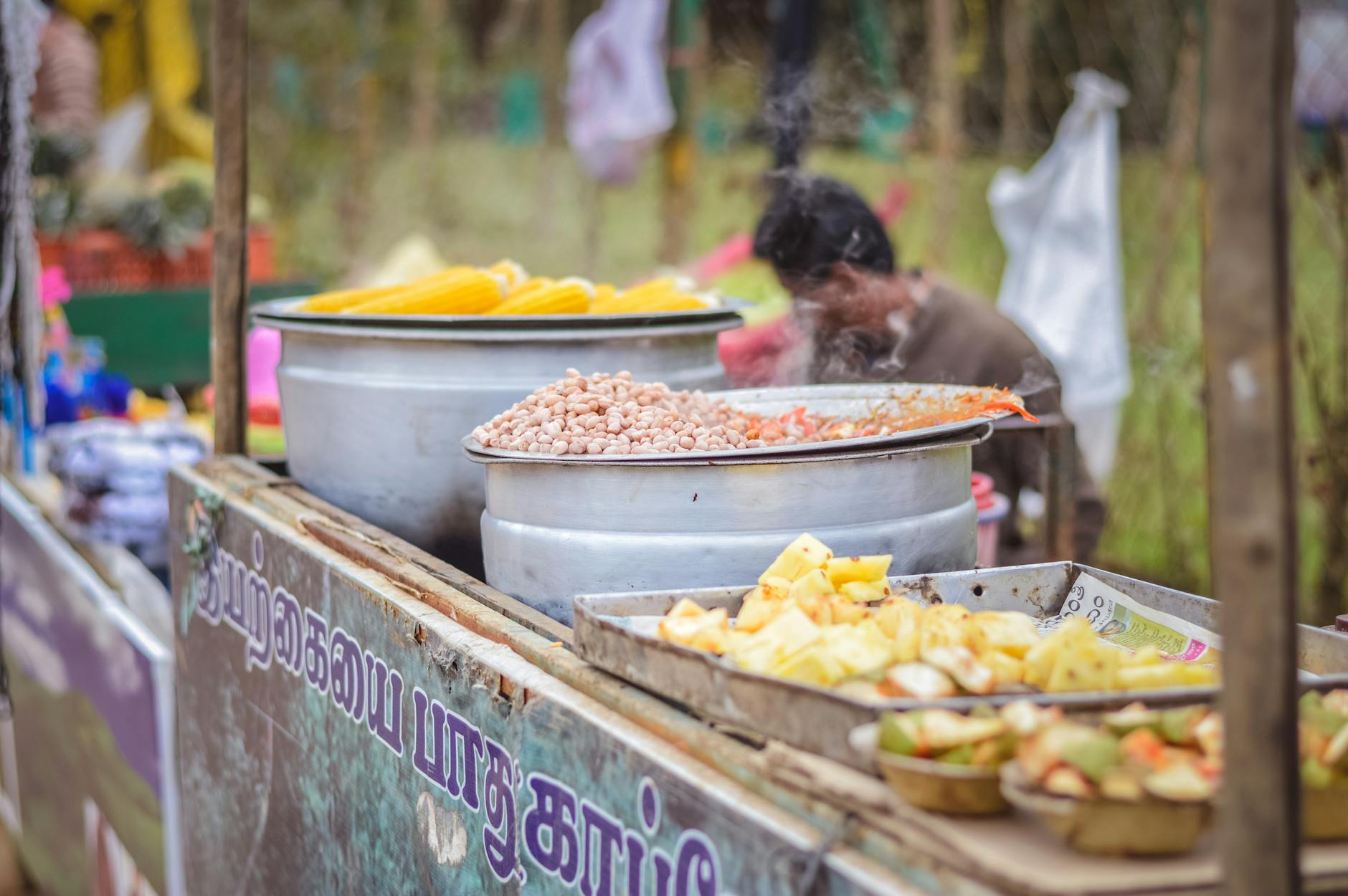
Look at the entire stall before ordering:
Red flags:
- Oil that’s dark or reused multiple times (should be light golden)
- Accumulated grease on cooking surfaces
- No visible hand-washing setup
- Flies landing directly on food (not just around)
- Utensils sitting in dirty water
- No customer’s visible—maybe for reason
Green flags:
- High customer turnover (queue indicates fresh food)
- Oil is light golden and clean-looking
- Fresh vegetables visibly washed
- Metal utensils, not plastic
- Vendor uses tongs, not hands
- Hand-washing water or hand sanitizer visible
What To Watch At The Cooking Station
The oil test:
- Fresh oil: Light golden, transparent
- Reused oil: Darker, cloudy, foam on surface
- Safe: When vendor changes oil visible—most vendors do this daily in busy spots
The meat/cooking assessment:
- Cook-to-order: Items cooked when you order (safer, fresher)
- Pre-cooked and reheated: Higher risk
- Meat that’s been sitting out: Ask “garam hai?” (is it hot?) to confirm heating
- Samosas, pakoras: If sitting in oil unattended for hours, skip
The Crowd Assessment
The most reliable safety indicator is local customers:
- Best sign: Families eating (Indians with children = high trust)
- Good sign: Regulars (locals who come consistently)
- Neutral: Tourist-heavy (quality maintained for visitors)
- Red flag: No locals eating, only tourists
Pro tip: Stand near the stall for 5 minutes. Watch who eats. If locals leave happy and full, the food is good.
Safe Orders vs. High-Risk Items
Lower Risk (Eat These)
| Item | Why It’s Safe | Where To Find |
|---|---|---|
| Chai (tea) | Boiled milk + water = safe | Any tea stall |
| Puri-sabzi | Cooked to order | Morning/afternoon |
| Dosa | Cooked on griddle when ordered | South Indian spots |
| Paratha | Cooked fresh | 早餐 vendors |
| Roasted corn | Boiling/cooking kills pathogens | Street corn vendors |
| Fresh fruit | If you can peel it yourself | Fruit carts |
| Pakora (when fresh) | Fried at high temp | Evening snacks |
Higher Risk (Skip These)
| Item | Why It’s Risk | When To Risk It |
|---|---|---|
| Cut fruit | Contact with knives, flies | Only if you see it cut |
| Lassi (lassi) | Milk at room temp | Only at busy established spots |
| Chat in extreme heat | May have sat for hours | Morning/early afternoon |
| Anything “left over” | Reheated = risky | Skip entirely |
| Ice | Unknown water source | Ask for “no ice” or sealed bottled |
| Uncooked salads | Cannot be peeled | Cooked only |
The Absolute Rules
-
Boiled or fried: These two cooking methods kill most pathogens. Chai is boiled. Pakoras are fried. Both are safer.
-
Cook-to-order: If you can see your food being cooked in front of you, the risk drops significantly.
-
Hot food, hot plate: When food arrives, it should be visibly steamy. If it’s lukewarm, send it back—it may have been sitting.
-
Peel it yourself: Bananas, oranges, coconuts—if you can remove the outer layer, there’s no contamination risk.
-
Sealed bottles: Any drink in a sealed bottle (water, soda) is safer than open containers.
Delhi vs. Mumbai Differences
Delhi (North India)
- Best areas: Chandni Chowk (morning), Karol Bagh, Lajpat Nagar
- Peak safety: Morning until 2 PM
- Risk increases: Late night, roadside
- Specialty: Chaat, paratha, chole bhature
Mumbai (West India)
- Best areas: Chowpatty Beach evening, Dadar, Crawford Market
- Peak safety: Evening through late night (Mumbai street food culture is stronger after dark)
- Risk increases: Beach areas with dust/wind
- Specialty: Vada pav, pani puri, bhelpuri
The Stomach Prep (Before You Go)
Day-Before Prep
- Start with light meals: Don’t arrive hungry and overeat immediately
- IYFD: “If It Looks F Deep-fried”—the oil kills most bacteria
- Electrolytes: Start hydration withORS packets from day 1
In-Case of Emergency
Carry these in your daypack:
- ORS packets: Electrolyte replacement
- Loperamide (Imodium): 2mg, for emergency
- Antibiotics: Get prescribed before travel (Ciprofloxacin is common prescription)
- Activated charcoal: Absorbs toxins
Bottom Line
Indian street food is safer than reputation suggests when you watch the crowd and the oil. Locals eat at these stalls daily—if families are eating with children, the food is safe.
Your checklist at every stall:
- Stand 5 minutes, watch locals eat
- Check oil color (light golden = fresh)
- Check hand-washing setup visible
- Order cook-to-order items
- Avoid pre-cut fruit and raw salads
- Accept “no ice” on drinks
- Start with light day 1
Related Articles
Booking Authentic Cooking Classes in Tuscany and Sicily Without Tourist-Trap Markups
Find and book genuine local culinary experiences without the markup. Questions to ask hosts and what real hands-on classes look like versus staged versions.

Your Flight Was Delayed—But Not Because of Weather
FAA controller shortages are causing major delays at NYC, Chicago, and Atlanta hubs . Learn real-time alert setups and rebooking strategies.
Budget Grocery Strategies for Self-Catering in Paris, London, and Rome
Cut food costs by 60% with this supermarket and market guide. The exact discount chains and neighborhood markets that offer the lowest prices on staples and local produce.

Recognizing and Resetting Culture Shock During Long-Term Travel
Identify the exact stages long-stay travelers hit and practical daily routines that shorten the worst phases. Get back on track instead of quietly burning out.