
 ChatGPT
  Gemini
  Claude
  Perplexity
You’re staring at the Japan Rail pass calculator again. The math isn’t working—a 7-day pass costs ¥33,610 (about $225), but you need just two overnight runs. Paying full price for a sleeper car feels like throwing money away, yet those night trains between Tokyo and Osaka, or Tokyo and Kyoto, are so convenient.
Here’s the problem: most tourists overpay on overnight trains because they either don’t know about the cheaper options or try to book too late. This guide gives you the exact system to secure affordable berths without the Premium Sleeper premiums.
Understanding Japanese Overnight Train Pricing
Japanese overnight trains (including the Sunrise Express and various JR extended-distance services) have multiple pricing tiers:
- Ordinary seats: ¥5,000-8,000 ($33-53) for the base fare
- Birtseats (semi-couchette): ¥8,000-12,000 ($53-80) where you get a seat that reclines
- Sleeper (private room or cabin): ¥15,000-40,000 ($100-267)
- Premium Sleeper (luxury cars): ¥25,000-60,000+ ($167-400+)
The Premium Sleeper cars (typically Cars 1-3 on the Sunrise Express) get all the tourism attention. They’re marketed heavily to foreign visitors and appear first in English booking interfaces. But they represent approximately 40-60% higher cost for only marginally better amenities.
The Local Booking System That Works
Step 1: Use the Right Platform
Skip the English-language JR website reservation system. It defaults to Premium options and has limited inventory visibility.
Use these instead:
- JR West (Western Japan):「JR九州・JR西日本の予約サービス」app or website—switch to Japanese interface
- JR East (Eastern Japan):「えきねっと」Ekinet
- For all routes:「発車オンナック」Hassha Oinaku (launches from Google Maps integration)
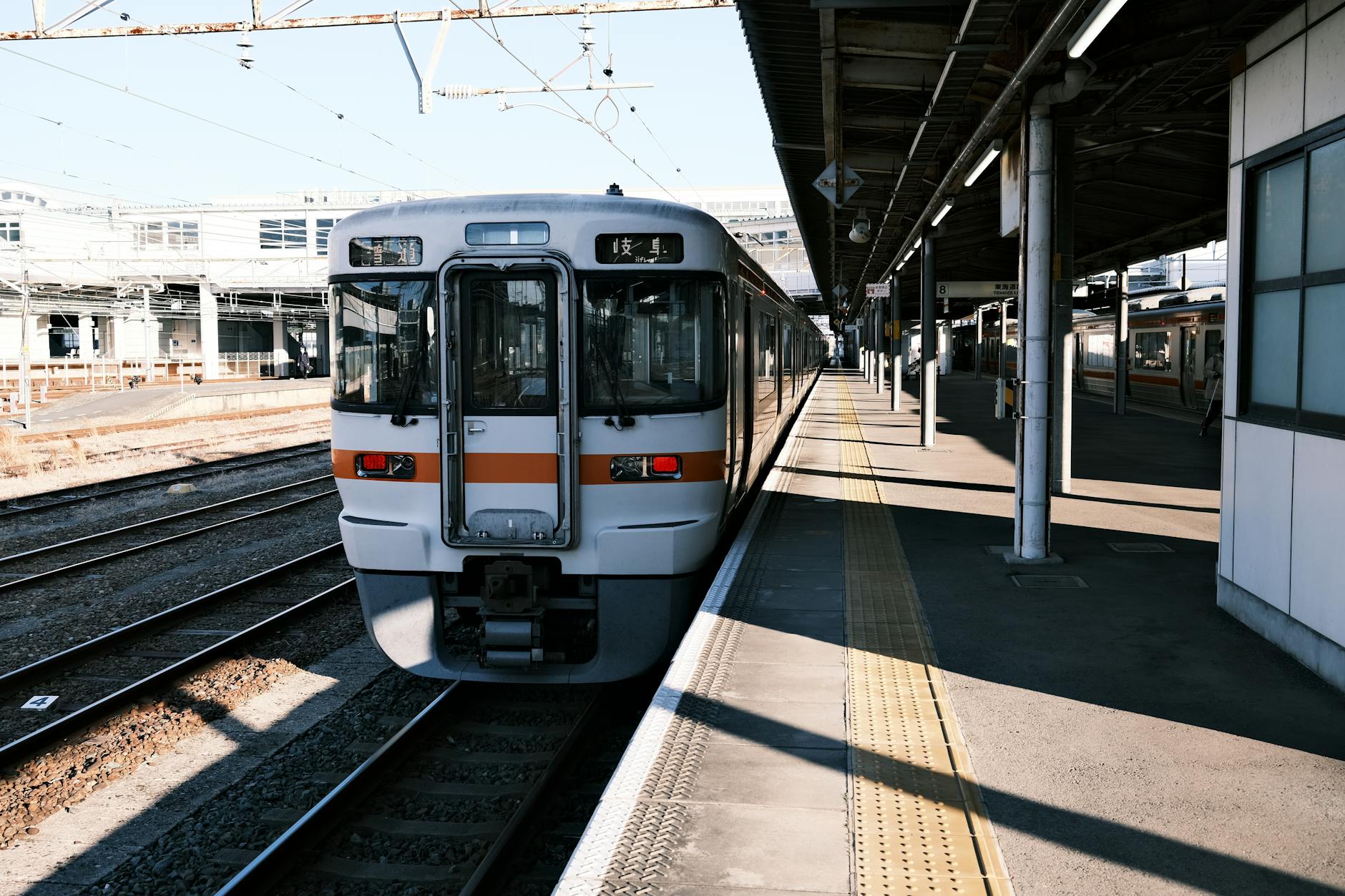
The Japanese interfaces show actual inventory across all fare classes, not just the English-marketed options.
Step 2: Timing Your Booking Window
Cheap berths open exactly 28 days before departure (or 29 days for holiday periods). Set an alarm:
- 28 days before: Standard seats and Birtseat availability
- 21 days: Any released Premium cancellations
- 14 days: Last-minute releases from no-shows
Book at exactly 10:00 AM JST on day 28. Inventory for popular routes (Tokyo-Osaka, Tokyo-Kyoto) runs out within 2-3 hours for budget options.
Step 3: The Route Strategy
Not all overnight routes go through Premium cars. Use these workarounds:
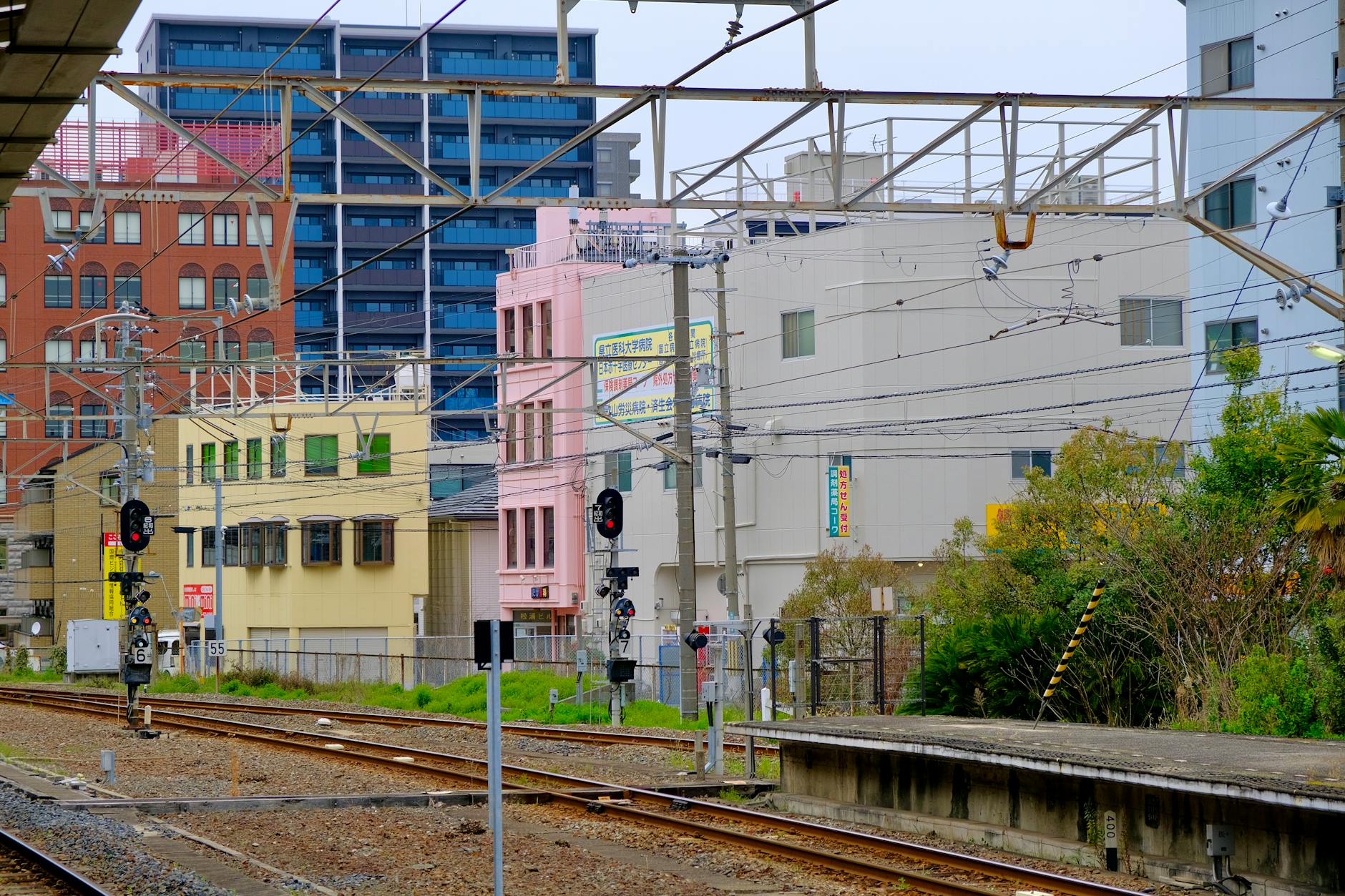
Tokyo → Osaka/Kyoto (7+ hours):
- Take the 21:00-22:00 departure from Shinjuku/Tokyo
- Book Birtseat (不着席)—¥7,000-9,000 ($47-60)
- Accept the fold-down seat versus private cabin
- Most Premium cars are Cars 1-3; you want Cars 6-10
Tokyo → Hiroshima (8-9 hours):
- Overnight bus is ¥5,000-7,000—often cheaper than train
- Or book to Okayama (¥13,000), break journey at Okayama, take local to Hiroshima
Tokyo → Sapporo (15+ hours):
- Fly: ¥8,000-15,000 on Peach or Jetstar versus ¥25,000+ sleeper
- If committed to rail: book to Hakodate, fly the short hop
Common Tourist Mistakes That Drive Up Costs
Mistake #1: Buying a Rail Pass for Short Routes
A 7-day Japan Rail Pass costs ¥33,610. If you’re taking two overnight runs at ¥15,000 each, that’s ¥30,000 in total—nearly the pass cost WITHOUT the pass restrictions. But if you book cheap and local, two overnight runs might cost ¥14,000-18,000 total—halve the pass price.
Calculate: (Number of long-distance trips × ¥10,000) vs. ¥33,610
- If your calculation exceeds the pass cost, get the pass
- If it’s lower, book individually using the method above
Mistake #2: Waiting Until You Arrive
Walk-up fares for sleepers cost 30-50% more than advance bookings. The tourist season ensures Premium cars sell out early, leaving only Premium pricing.
Book your overnight runs 28+ days before travel, even before you arrive in Japan.
Mistake #3: Booking Through English Interfaces Only
The English “JR Cross” system prioritizes showing Pass-holder availability (limited to JR Pass users) and Premium cars. Use the Japanese interfaces for access to all fare classes.
Mistake #4: Not Considering Alternatives
An overnight bus covers the same route for ¥3,000-7,000 (¥10,000 for premium). Between Tokyo and Osaka, an evening flight on Peach can cost ¥5,000-12,000 including bags. The train isn’t always cheapest.
Quick Comparison Table
| Route | Standard Seat | Birtseat | Private Sleeper | Premium Sleeper |
|---|---|---|---|---|
| Tokyo-Osaka (7h) | ¥5,000 | ¥8,500 | ¥16,000 | ¥28,000 |
| Tokyo-Kyoto (8h) | ¥6,000 | ¥9,000 | ¥18,000 | ¥32,000 |
| Tokyo-Hiroshima (9h) | ¥8,000 | ¥12,000 | ¥22,000 | ¥45,000 |
| Osaka-Sapporo (18h) | ¥15,000 | ¥20,000 | ¥35,000 | ¥65,000+ |
Prices are approximate and vary seasonally
The Bottom Line
The Premium Sleeper option on Japanese overnight trains delivers marginally better comfort for substantially higher cost. Understanding fare class options, booking at exactly 28 days, and using Japanese booking interfaces can save you ¥10,000-30,000 ($67-200) per overnight journey—enough to fund several meals at the izakaya you’re trying to reach.
Use this checklist before your next long-distance Japanese rail journey:
- Calculate route-specific costs versus rail pass breakeven point 28 days before departure
- Set calendar alarm for 10:00 AM JST exactly 28 days out
- Open Japanese booking interface, NOT English
- Select Birtseat (不着席) or standard seat over private sleeper unless traveling as couple
- Consider bus/flight alternatives—even just for pricing comparison
- Book with mobile Suica/Pasmo for offline collection at machines
Related Articles
Your Flight Was Delayed—But Not Because of Weather
FAA controller shortages are causing major delays at NYC, Chicago, and Atlanta hubs . Learn real-time alert setups and rebooking strategies.
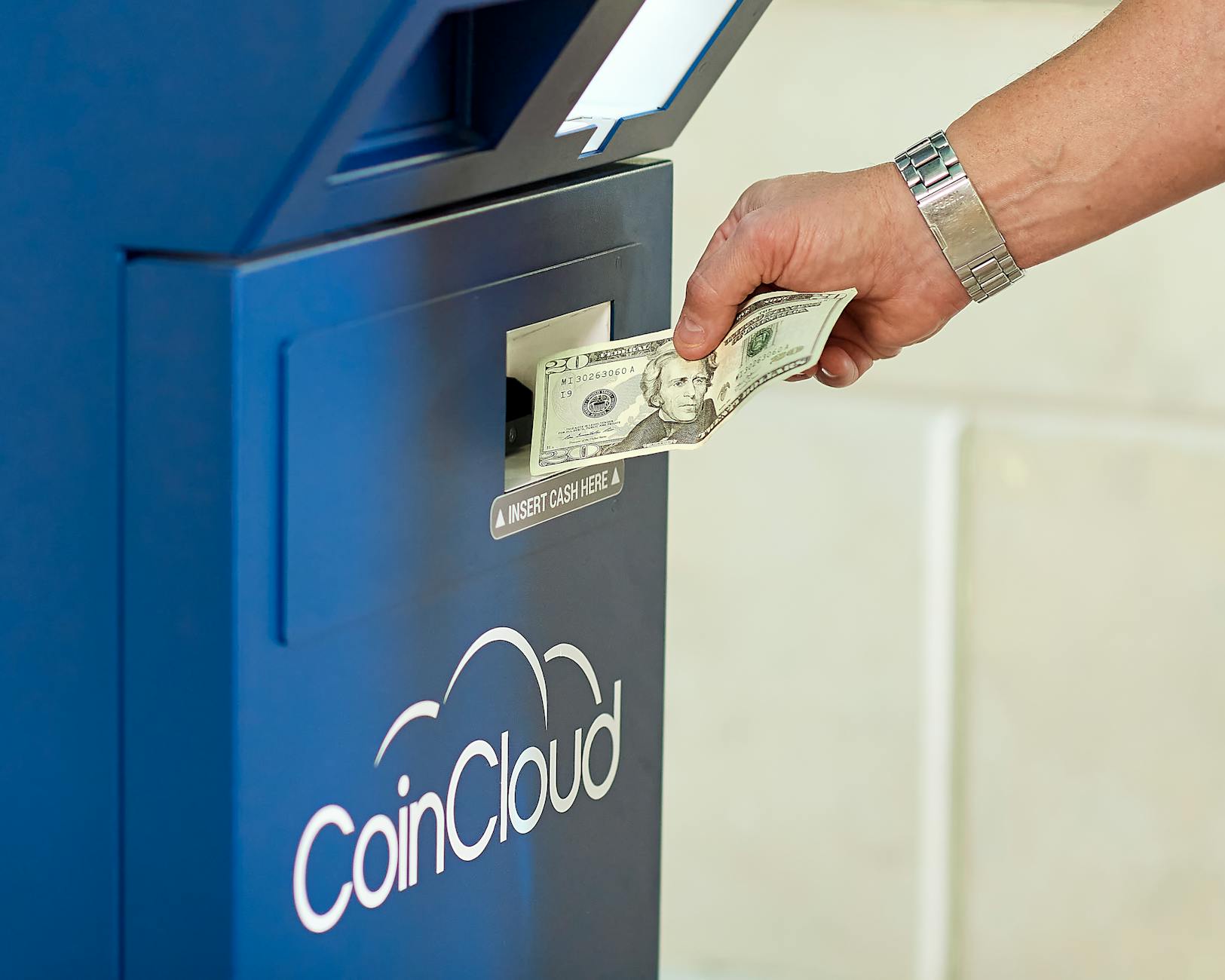
ATM Skimming Prevention Tactics That Actually Work
Protect your cards from skimmers in Mexico, Brazil, and Peru with these exact withdrawal routines and portable tools. Learn the red flags locals spot instantly.

Budget Grocery Strategies for Self-Catering in Paris, London, and Rome
Cut food costs by 60% with this supermarket and market guide. The exact discount chains and neighborhood markets that offer the lowest prices on staples and local produce.
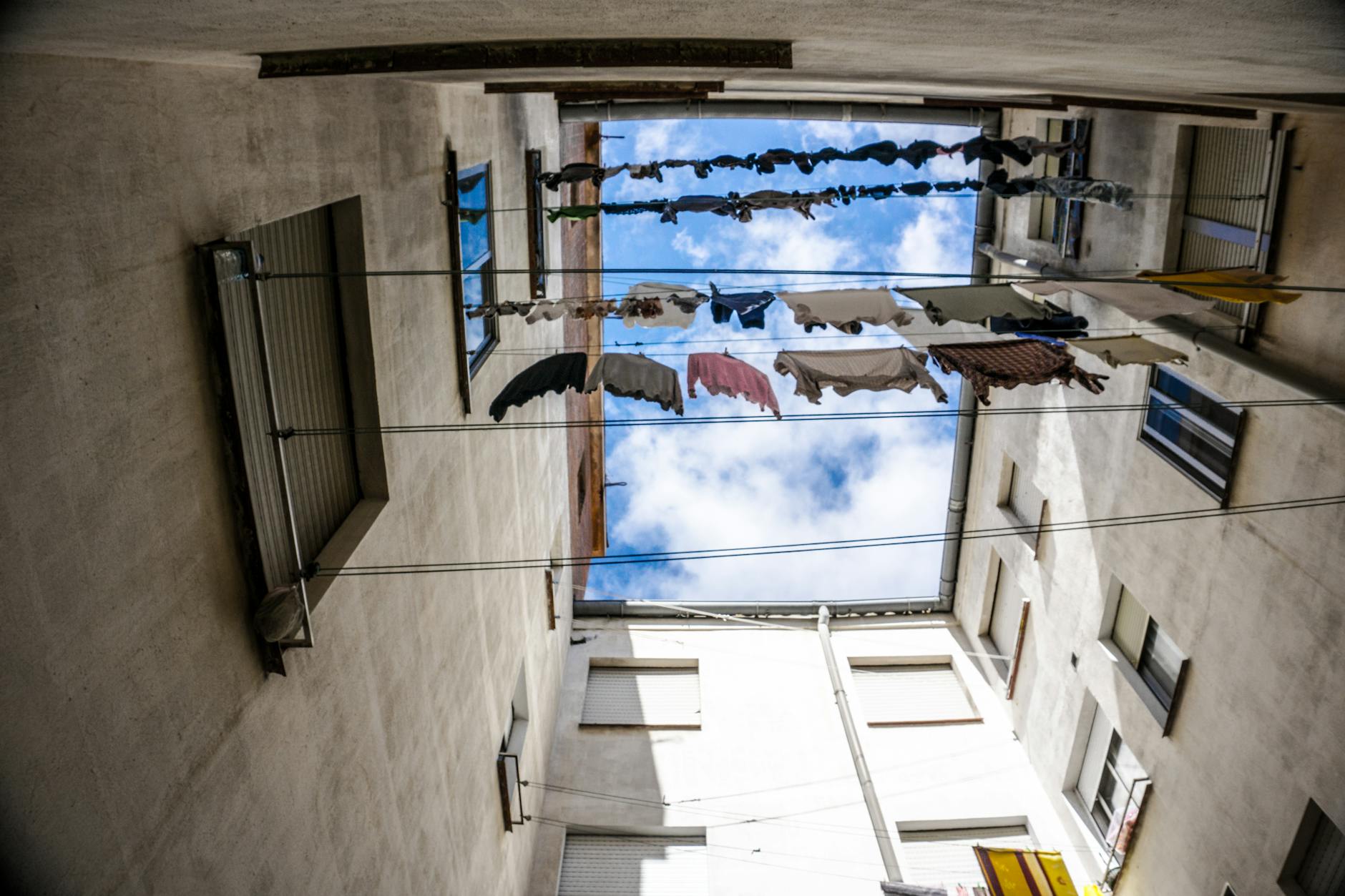
Finding Reliable Laundry Services in Expensive European Cities on a Budget
Cut laundry costs in Paris, London, and Rome by 60%. This guide maps the cheapest laundromats, self-service hacks, and hotel secrets that don't cost a fortune.