
 ChatGPT
  Gemini
  Claude
  Perplexity
 Malaysia stands out as one of Southeast Asia’s premier diving destinations, offering everything from legendary oceanic walls to intricate macro ecosystems without the extreme remoteness or cost of some competitors. Whether you prioritize big animals, critter hunting, or relaxed reef diving suitable for newer divers, the options deliver high marine biodiversity and reliable conditions in season.
Sipadan Island, Sabah: Malaysia’s Iconic Wall Diving
Sipadan ranks among the world’s top dive sites, a UNESCO-recognized oceanic island rising from a 600-meter drop-off. Jacques Cousteau once called it an untouched piece of art.
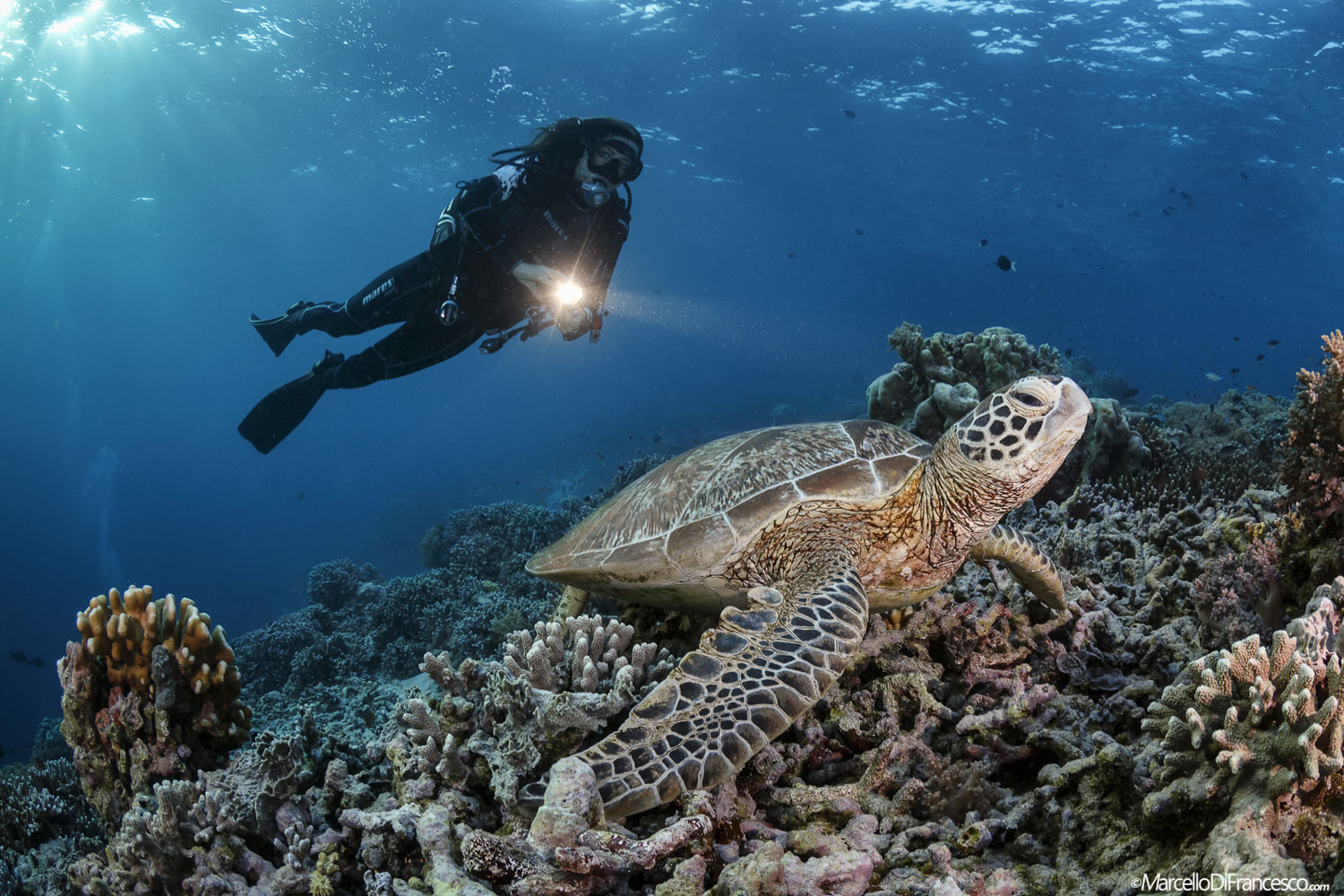
What you’ll see: Massive schools of barracuda forming tornadoes, bumphead parrotfish, hundreds of green and hawksbill turtles, reef sharks, and occasional hammerheads or whale sharks. The walls feature healthy hard corals and swim-throughs.
Best dive sites: Barracuda Point, South Point, Turtle Cavern, and Hanging Gardens.
Practical notes: Only 120 permits issued daily—book months ahead through licensed operators based in Semporna or on Mabul/Kapalai. Most divers stay on nearby islands and day-trip. Advanced experience recommended due to currents and depths. Visibility often exceeds 30m.
Access: Fly into Tawau or Kota Kinabalu, then transfer to Semporna (about 1 hour by road + boat).
Mabul and Kapalai, Sabah: World-Class Macro and Muck Diving
Just 15–25 minutes from Sipadan, these spots contrast sharply with big-wall action. Mabul’s sandy seabeds and artificial structures host incredible small marine life, while Kapalai offers a stilted resort base with house reef diving.

Highlights: Frogfish, blue-ringed octopus, ghost pipefish, seahorses, nudibranchs, and flamboyant cuttlefish. Night dives shine here.
Who it suits: Photographers and macro enthusiasts. Excellent for intermediate divers; many operators offer Sipadan combos.
Tip: Combine with Sipadan for a balanced 7–10 day trip—big stuff in the morning, critters in the afternoon.
Layang Layang, Sabah: Pelagic Action and Hammerheads
This remote atoll, 300km offshore, features a 2,000m drop and consistent pelagic encounters. It’s a liveaboard or resort-focused destination for experienced divers.
 Signature experiences: Schools of hammerhead sharks (best March–May), tuna, jacks, and barracuda. Pristine walls like D’Wall and The Point.
Logistics: Limited accommodation—book packages including flights from Kota Kinabalu. Stronger currents; nitrox recommended.
Tioman Island, Peninsular Malaysia: Versatile Reefs and Wrecks
Tioman offers a more accessible, mixed-level experience on the east coast with granite boulders, swim-throughs, and wrecks.
Key sites: Tiger Reef (pinnacle with pelagics), Salang Jetty (muck), and various soft coral gardens.
Best for: Beginners to advanced; good snorkeling too. Easier logistics from Kuala Lumpur or Singapore.
Perhentian and Redang Islands, Terengganu: Beginner-Friendly East Coast Diving
These islands provide calm, clear waters ideal for new divers or those wanting beach time alongside diving.

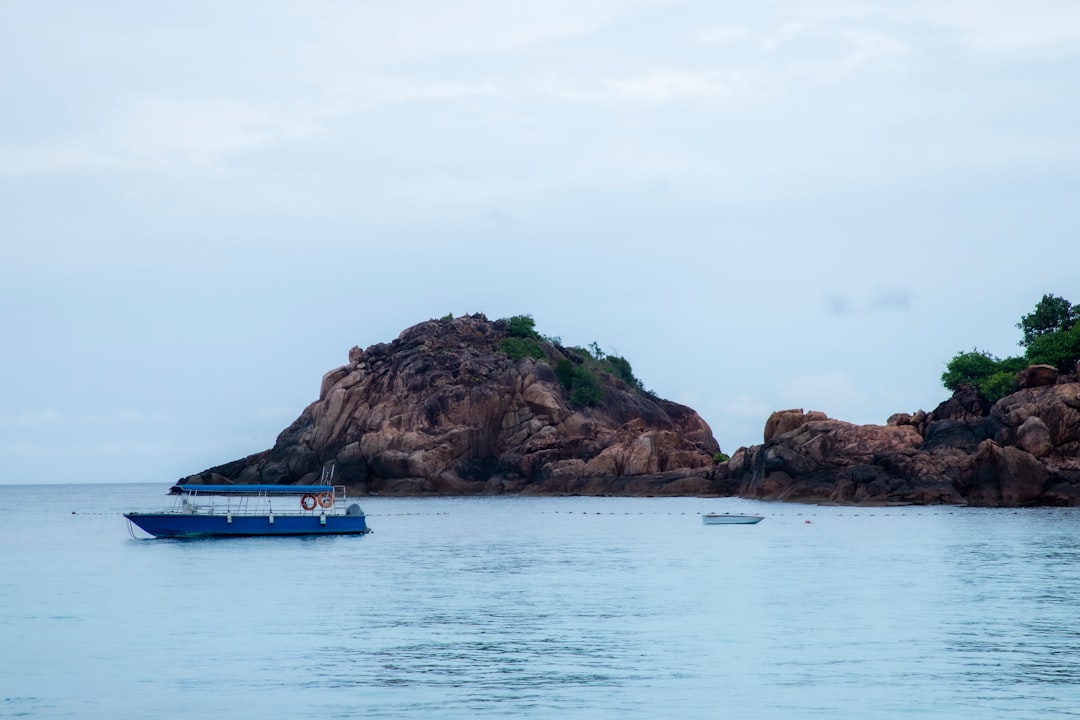
What to expect: Turtle sightings, reef sharks, wrecks like Sugar Wreck, and vibrant hard/soft corals. Tokong Laut and Goby Garden stand out.
Season: March–October for best visibility and calm seas.
Access: Short boat rides from Kuala Besut (Perhentians) or Merang (Redang).
When to Dive Malaysia and Planning Tips
- Sabah (Sipadan area): March–October peak; July–September often best for visibility. Hammerheads more reliable at Layang Layang in shoulder months.
- East Coast Peninsula: March–October; avoid northeast monsoon (November–February) when many operators close.
- Water temp: 27–30°C year-round—3mm wetsuit sufficient.
- Costs: Budget operators on Mabul start around RM200–300 per dive; Sipadan permits add premium. Liveaboards or packages offer better value for multi-site trips.
- Requirements: PADI Open Water or equivalent. Many centers offer courses. Bring or rent good cameras for macro. Respect marine parks—no touching corals or feeding.
Conservation note: Sipadan’s permit system protects the site. Choose operators supporting reef monitoring and no-plastic initiatives.
Malaysia rewards divers who match expectations to locations: head to Sabah for bucket-list encounters, east coast islands for relaxed quality diving. A well-planned 10–14 day itinerary can easily cover both Borneo and Peninsula highlights.
Plan around permits and seasons, select operators with strong safety records, and you’ll return with logbook entries that stand out for years. Malaysia’s diving offers substance over hype—clear waters, rich life, and efficient access.
Related Articles
3 Hours for RM135: The Sleep Hack That Changed My KLIA Layovers Forever
Malaysia's Kuala Lumpur International Airport has transformed the layover experience with innovative capsule hotels. Discover how these compact, tech-enabled accommodations offer travelers comfort, flexibility, and value without leaving the terminal.
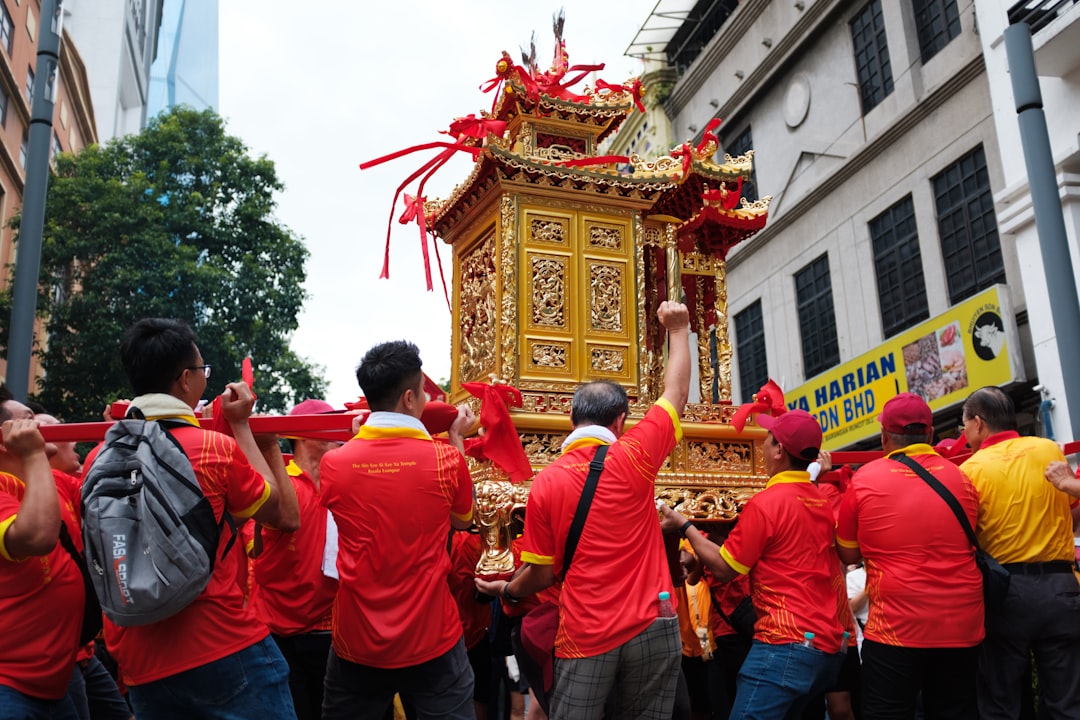
Chinese New Year Malaysia 2026: Lion Dances, Ang Pow & 15-Day Festival Guide
Experience Malaysia's vibrant Chinese New Year celebrations with lion dances, traditional foods, and cultural insights
Christmas in Malaysia 2026: Tropical Celebrations, Midnight Mass & Holiday Season Guide
Experience Christmas celebrations in Malaysia with church services and holiday season travel tips
Deepavali Malaysia 2026: Kolam Art, Oil Lamps & Festival of Lights Guide
Experience Deepavali Festival of Lights in Malaysia with traditions and kolam decorations