
 ChatGPT
  Gemini
  Claude
  Perplexity
 , slow travel has moved from trend to mainstream as travelers reject rushed itineraries for meaningful connections. With remote work now standard for 42% of global knowledge workers and 68% prioritizing authentic experiences over passport stamps, spending 2-6 months in one destination offers deeper cultural immersion, significant cost savings, and personal growth impossible on short trips. This approach transforms travel from sightseeing to living.
What Is Slow Travel & Why It’s Trending Now
Slow travel means staying long enough to move beyond tourist facades into real local life. surge stems from three converging forces: remote work flexibility (up 35% since 2023), post-pandemic values favoring meaningful connections, and growing eco-consciousness—slow trips cut transportation emissions by up to 60% compared to multi-destination itineraries. Beyond practicality, travelers seek transformation: learning local crafts, joining community projects, or developing routines that feel like residing rather than visiting.
Key Benefits That Change Your Perspective
Extended stays unlock advantages day-trippers never experience. Cultural immersion becomes authentic when you shop at the same markets weekly and recognize neighbors by name—relationships that often evolve into genuine friendships providing insider perspectives. Financially, monthly apartment rentals routinely undercut nightly hotel rates by 40-60%, while cooking with local ingredients slashes food costs. Personally, navigating temporary residency builds adaptability and patience, substantially reducing travel-related stress compared to constant packing and transit. You return with improved language skills, cultural competence, and lasting connections.
How to Choose Your Destination
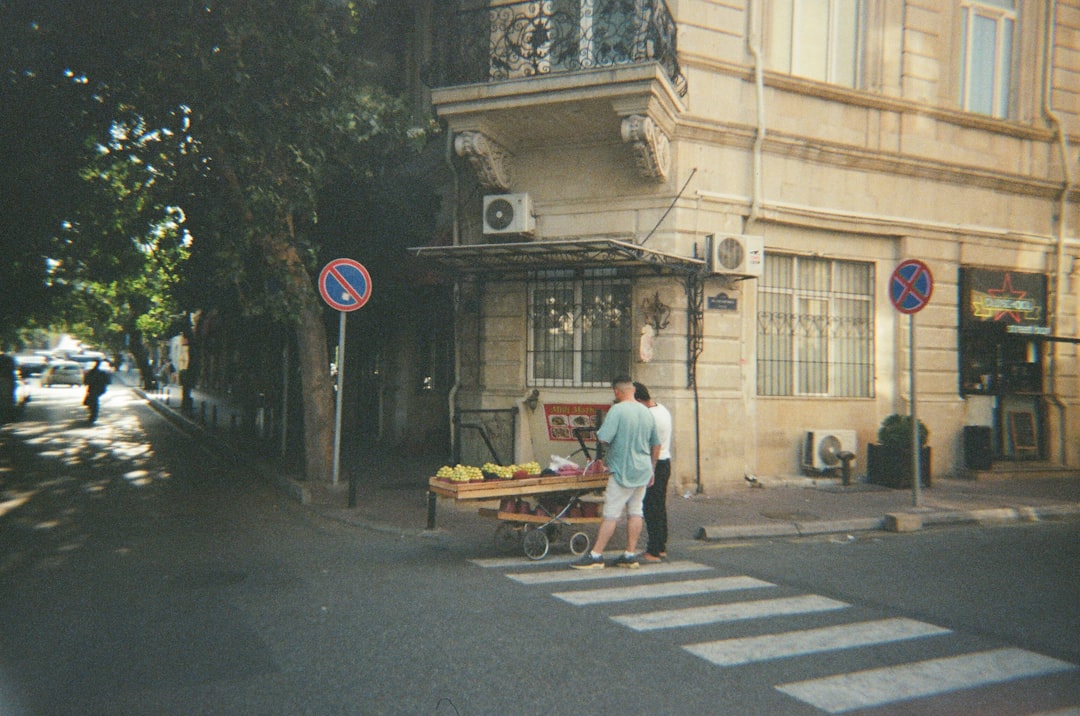
Prioritize livability over iconic sights when selecting your base. Seek places with reliable internet, affordable long-term housing, and welcoming communities—test potential locations with a 2-week stay before committing months. Visa flexibility is crucial; many countries now offer digital nomad visas (Portugal, Spain, Thailand) or generous tourist extensions for remote workers. Consider seasonality: aim for shoulder seasons when prices drop, crowds thin, and weather remains pleasant. Look beyond “wow” factors to daily quality: safety, healthcare access, walkability, public transit, and grocery availability matter more than nearby landmarks for month-long stays.
Practical Tips for Living Like a Local

Establish your routine quickly: find your go-to grocery, café, and coworking spot within the first week. Use local transit passes instead of rideshares—most cities offer affordable monthly options. Build weekly rhythms: language exchanges Tuesdays, market visits Saturdays, exploration Sundays. Secure accommodation through monthly-stay specialists (Airbnb monthly, local Facebook groups) and confirm utilities are included. Having a predictable base lets you explore surroundings deeply rather than constantly planning logistics. Develop a “usual” at neighborhood spots; staff recognition often leads to better service and invitations to local events.
Budget Strategies That Work

Housing delivers your biggest savings—negotiate monthly discounts directly with landlords for stays over 30 days (often 25-40% off nightly rates). Embrace local eating: shop at neighborhood markets, learn to cook regional dishes, and reserve restaurant treats for occasions. Many cities offer free community events, museum days, and walking tours perfect for cultural enrichment. Consider international health insurance designed for long-term travelers (like SafetyWing) which often proves cheaper than repeatedly purchasing emergency coverage. Track expenses weekly to adjust habits before small costs accumulate—aim to review every Sunday evening.
Overcoming Common Challenges
Visa bureaucracy remains the primary hurdle—research requirements meticulously and keep digital copies of all documents. Healthcare access varies; prioritize destinations with reputable clinics familiar to expats. Building initial connections feels daunting; start with structured activities like volunteer projects or class-based meetups where shared interests break the ice. Cultural adaptation takes time; allow a two-week adjustment period to learn local norms and transportation quirks before judging your fit. Remember, discomfort often precedes growth—the frustration of not understanding a bus route frequently precedes the satisfaction of navigating it confidently.
Begin by selecting one destination matching your visa options and interests. Commit to a minimum 60-day stay to experience slow travel’s benefits. Before departure, join location-specific online communities to start building connections. Pack versatile clothing for seasonal changes and items that recreate home comforts—whether your favorite tea or a portable yoga mat. Most importantly, arrive with curiosity rather than expectations; slow travel’s magic unfolds in unplanned moments: the conversation with a shopkeeper, the unexpected neighborhood festival, the quiet satisfaction of calling a place temporarily yours.
The slow travel revolution isn’t about seeing less—it’s about experiencing more. By planting yourself in one location for months instead of hopping between countries, you transform travel from a series of observations into a chapter of your life. In our interconnected yet often fragmented world, this approach offers something increasingly rare: the chance to belong, if only briefly, somewhere new.
Related Articles

The Ultimate Packing Guide for Extended Travel: 2-6 Month Slow Travel Essentials
Learn how to pack light for 2-6 month trips with our comprehensive guide covering clothing, gear, health items, and smart packing techniques for slow travelers.

Ancestry Tourism: How to Trace Your Heritage and Plan Meaningful Heritage Travel
Discover the growing trend of ancestry tourism and how to plan meaningful heritage travel. Learn to trace your family tree, plan trips to ancestral homelands, and create lasting connections with your roots.

Night Tourism Guide: Dark-Sky Destinations and Nocturnal Adventures Worldwide
Discover the best dark-sky destinations, nocturnal wildlife experiences, and cultural night adventures for unforgettable after-dark travel .

Regenerative Tourism: Travel That Gives Back - Community Impact Destinations
Discover how to travel regeneratively - experiences that actively restore ecosystems and communities while you explore.