 ChatGPT
  Gemini
  Claude
  Perplexity
 Tet Nguyen Dan, commonly known simply as Tet, is Vietnam’s most important and beloved festival. This three-day celebration marks the beginning of the lunar new year and represents the essence of Vietnamese culture: family, gratitude, and hope for the future. Taking place from January 29–31 in 2026, Tet transforms Vietnam into a land of vibrant colors, joyful reunions, and timeless traditions that have been observed for over 4,000 years.
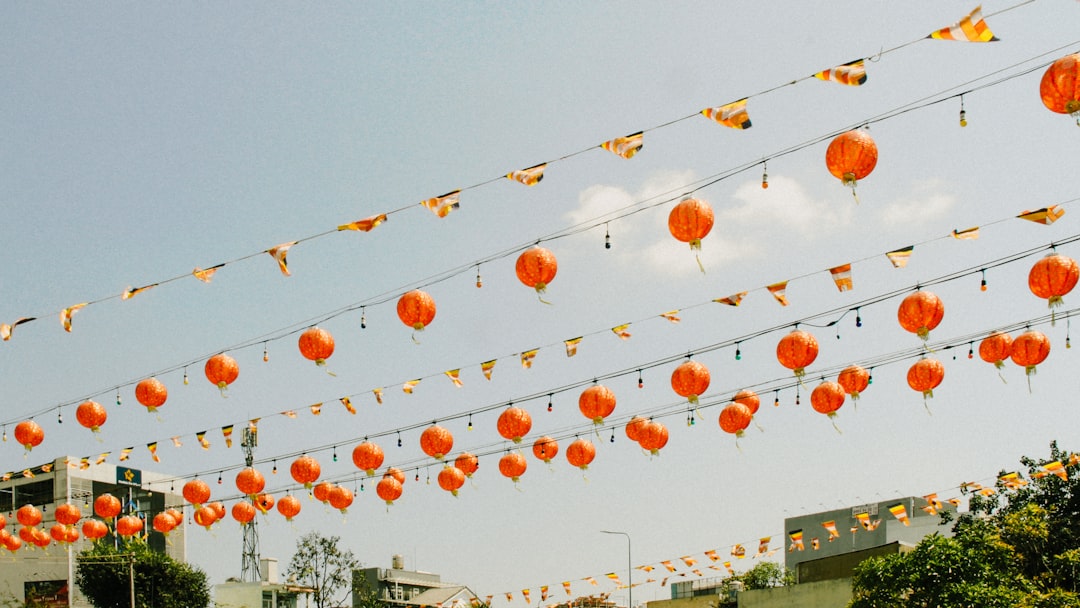
For travelers lucky enough to experience Tet, the festival offers an unparalleled opportunity to witness Vietnamese culture at its most authentic. Streets burst with peach blossoms in the north and yellow apricot blossoms in the south. Families clean and decorate their homes, prepare special holiday foods, and gather for reunions that can last for days. The entire country enters a state of celebration and renewal that is both deeply spiritual and profoundly joyful.
This guide covers everything you need to know about Tet Nguyen Dan 2026: its history and significance, key traditions and customs, regional variations, practical travel tips, and where to celebrate.
What is Tet Nguyen Dan?
Tet Nguyen Dan translates to “Feast of the First Morning” and marks the first day of the lunar calendar. The festival honors ancestors, family reunions, and the transition from the old year to the new. It is Vietnam’s equivalent of Chinese New Year, celebrated by Vietnamese communities worldwide.
The festival officially lasts for three days, but preparations begin weeks in advance and the celebratory period often extends for a week or more. During Tet, Vietnamese people believe that the gods of the kitchen return to heaven to report on each family’s behavior over the past year. This makes the festival a time for reflection, forgiveness, and renewal.
The History and Significance of Tet
Tet has been celebrated in Vietnam for over four millennia, making it one of the world’s longest-observed festivals. The holiday originated from agricultural cycles, marking the end of the harvest season and the beginning of the new growing season. It evolved into a comprehensive celebration honoring ancestors, deities, and the cycle of life itself.
For Vietnamese people, Tet represents much more than a simple holiday. It is a time when family members travel great distances to reunite, when debts are forgiven, when old conflicts are put aside, and when hopes for the coming year are expressed through symbolic actions and offerings. The festival embodies core Vietnamese values: filial piety, family unity, respect for tradition, and optimism for the future.
Tet Dates and Calendar for 2026
Official Tet Dates
- Tet Eve (Giao Thừa): January 28, 2026 (lunar December 30)
- Tet Day 1 (Mùng 1 Tết): January 29, 2026 (lunar January 1)
- Tet Day 2 (Mùng 2 Tết): January 30, 2026 (lunar January 2)
- Tet Day 3 (Mùng 3 Tết): January 31, 2026 (lunar January 3)
Extended Celebration Period
While the official festival lasts three days, the celebration typically extends from approximately January 25 through February 5, 2026. Many businesses and government offices close for an extended period, often from January 27 through February 2.
Important Travel Note: Tet is the busiest travel period in Vietnam. Domestic flights, trains, and buses book up months in advance. If you plan to travel during Tet, book your transportation and accommodation as early as possible — ideally by October or November 2025.
Key Tet Traditions and Customs
Tet Eve: The Sacred Transition
The transition from the old year to the new, known as Giao Thừa, is the most sacred moment of Tet. Families gather at home for a late-night ceremony involving incense, fruit offerings, and prayers to welcome the new year’s spirits. At exactly midnight, firecrackers (in some areas) and fireworks mark the official beginning of the new year.
This moment is considered so significant that Vietnamese people carefully choose the first actions they take after midnight. The first person to enter a home on Tet morning (Xông đất) should be someone successful and honorable to bring good luck to the household.
Home Preparation and Decorations
Preparations for Tet begin weeks in advance and include:
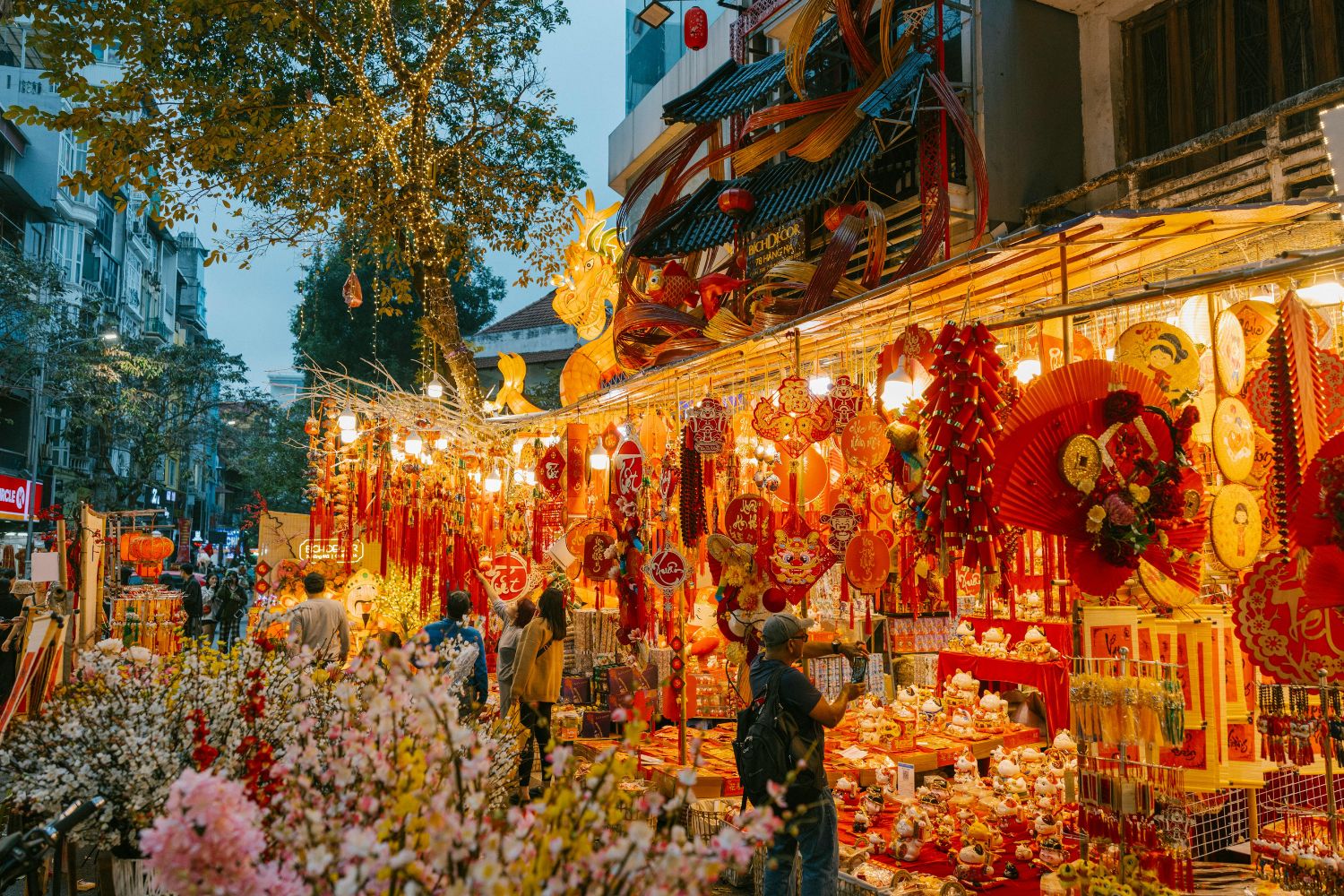
- House Cleaning: Thorough cleaning to sweep away bad luck from the previous year
- Buying New Clothes: Everyone traditionally wears new clothes for Tet
- Decorating with Flowers:
- Northern Vietnam: Peach blossoms (Hoa đào)
- Southern Vietnam: Yellow apricot blossoms (Hoa mai)
- Central Vietnam: Kumquat trees (Cây quất)
- Flower Markets: Special Tet flower markets appear in cities selling blossoms, kumquat trees, and decorative plants
- New Year Purchases: Buying new household items to symbolize renewal
Tet Food and Special Dishes
Food plays a central role in Tet celebrations, with each dish carrying symbolic meaning:
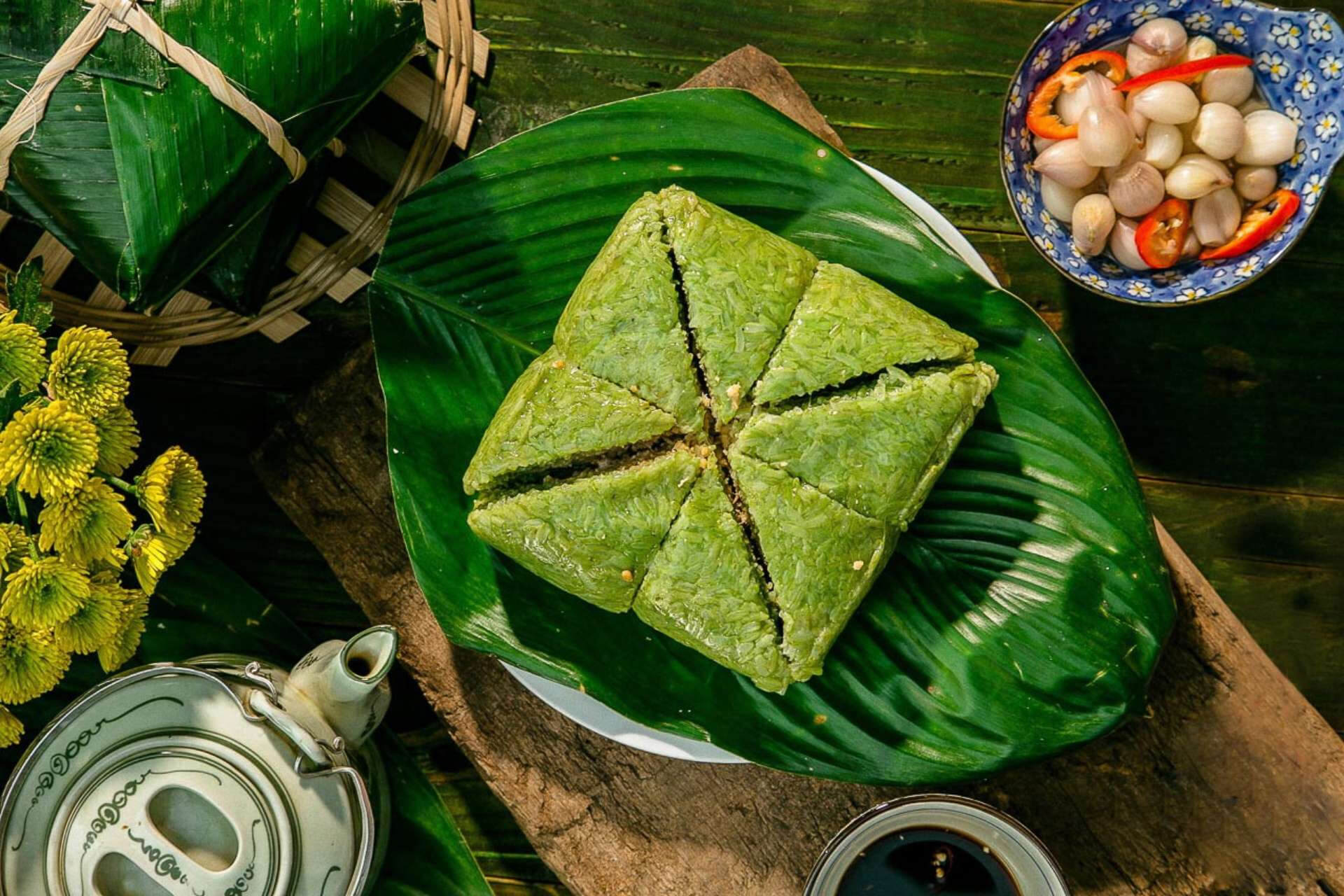
Banh Chung (Square Sticky Rice Cake)
- Made from glutinous rice, mung beans, and pork
- Wrapped in dong leaves into a square shape
- Symbolizes the earth and the four seasons
- Essential in northern Vietnam
Banh Tet (Cylindrical Sticky Rice Cake)
- Similar ingredients to Banh Chung but cylindrical in shape
- Symbolizes the universe and family unity
- Popular in central and southern Vietnam
Mut Tet (Candied Fruits)
- Candied coconut, ginger, lotus seeds, and other fruits
- Served to guests visiting during Tet
- Symbolizes a sweet and happy new year
Boiled Chicken
- Served whole with comb intact
- Represents prosperity and abundance
- Offered to ancestors before eating
Pickled Vegetables (Dua Mon)
- Made from daikon, carrots, and other vegetables
- Served with Banh Chung and other rich dishes
- Provides a refreshing contrast to heavy foods
Visiting and Gift-Giving
During Tet, Vietnamese people visit family, friends, and colleagues in a specific order:
- Parents and Elders: First visits go to parents, grandparents, and elderly relatives
- Teachers: Next visits go to teachers and mentors
- Friends and Colleagues: Social visits throughout the holiday period
Visitors typically bring:
- Lucky money (Lì xì) in red envelopes for children
- Gifts of fruit, tea, or alcohol for adults
- Flowers or plants for households
Lucky Money (Lì Xì)
The tradition of giving lucky money is one of Tet’s most beloved customs. Elders give red envelopes containing small amounts of money to children and unmarried adults. The envelopes are red because red is considered a lucky color in Vietnamese culture.
The amount of money is less important than the gesture itself — it represents blessings, good fortune, and protection from evil spirits. Children excitedly collect these envelopes throughout the holiday period.
Regional Variations in Tet Celebrations
Northern Vietnam (Hanoi and North)
- Emphasis on Banh Chung (square sticky rice cakes)
- Peach blossoms (Hoa đào) as the primary decoration
- Traditional performances like water puppetry
- More formal and conservative celebrations
Central Vietnam (Hue and Central Coast)
- Combination of northern and southern traditions
- Banh Tet (cylindrical cakes) alongside Banh Chung
- Elaborate ancestor worship ceremonies
- Strong emphasis on family reunions
Southern Vietnam (Ho Chi Minh City and Mekong Delta)
- Banh Tet is the preferred holiday food
- Yellow apricot blossoms (Hoa mai) as decoration
- More festive and outward celebrations
- Flower boat parades on rivers and canals
Where to Celebrate Tet in Vietnam
Hanoi
The capital offers traditional Tet celebrations with:
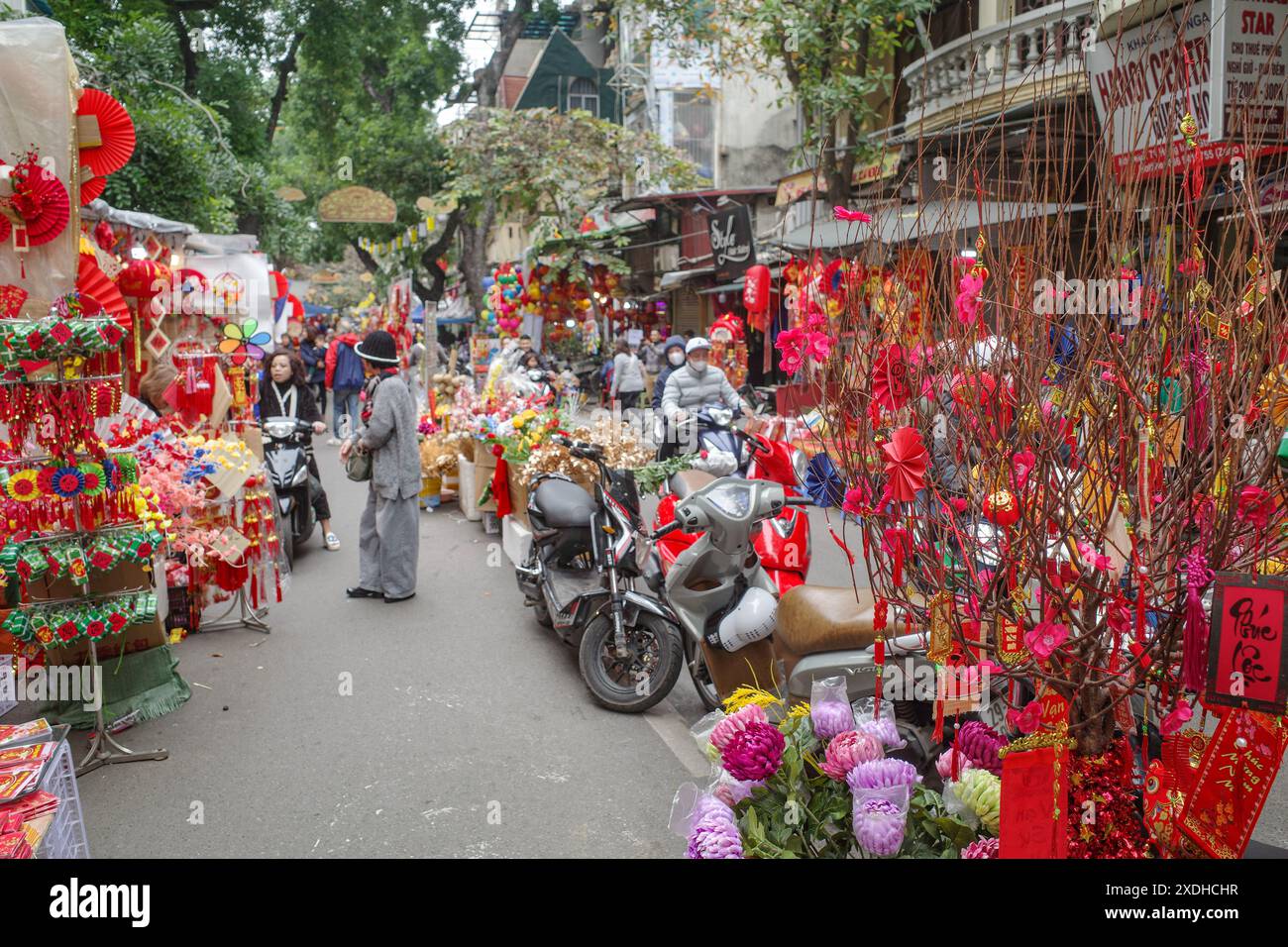
- Tet Flower Markets: Especially around Hoan Kiem Lake and Hang Ma Street
- Temple Visits: Ngoc Son Temple and Quan Thanh Temple
- Old Quarter: Decorative displays and traditional atmosphere
- Tet Fairs: Cultural performances and traditional games
Ho Chi Minh City
Vietnam’s largest city celebrates Tet with:
- Nguyen Hue Flower Street: Elaborate flower display attracting millions
- Tao Dan Park: Tet festival with cultural performances
- Chinatown (Cho Lon): Traditional celebrations with Chinese influences
- Fireworks: Spectacular displays over the Saigon River
Hue
The imperial city offers refined Tet celebrations:
- Imperial City: Traditional court ceremonies
- Perfume River: Lantern-lit boat rides
- Traditional Crafts: Display of royal crafts and textiles
- Temple Ceremonies: Solemn religious observances
Hoi An
The UNESCO World Heritage town provides magical Tet experiences:
- Ancient Town: Lantern-lit streets and traditional architecture
- Traditional Crafts: Display of Hoi An’s silk lanterns and tailoring
- Cultural Performances: Traditional music and dance
- Family-Owned Businesses: Special Tet menus and celebrations
Practical Tips for Traveling During Tet
Transportation
- Book Early: Domestic transportation books up months in advance
- Expect Crowds: Plan for crowded trains, buses, and airports
- Higher Prices: Transportation and accommodation prices increase significantly
- Alternative Travel: Consider motorbikes or bicycles for short distances
Accommodation
- Book Months Ahead: Many hotels book out completely during Tet
- Expect Premium Prices: Room rates often double or triple
- Family-Run Homestays: May offer more authentic experiences
- Book Through Hotels: Some restaurants and services may be closed
Dining
- Make Reservations: Popular restaurants require advance bookings
- Hotel Restaurants: Often stay open when local restaurants close
- Street Food: Many street vendors close for the holiday
- Supermarkets: Most remain open with limited hours
Shopping and Services
- Many Businesses Close: Plan for closures of shops, offices, and services
- Limited Public Services: Banks and government offices close for several days
- Transportation Apps: Grab and ride-hailing services have limited availability
- Emergency Services: Remain available throughout the holiday period
Cultural Etiquette
- Dress Modestly: Especially when visiting temples or elderly relatives
- Bring Gifts: When visiting Vietnamese homes, bring fruit, flowers, or small gifts
- Respect Traditions: Ask permission before taking photos of ceremonies
- Learn Basic Phrases: “Chúc Mừng Năm Mới” (Happy New Year) and “Cảm ơn” (Thank you)
Tet 2026 Itinerary Suggestions
One Week Tet Experience
Days 1-2: Hanoi
- Explore Tet flower markets in the Old Quarter
- Visit temples and participate in Tet ceremonies
- Try traditional Tet foods at local restaurants
Days 3-4: Halong Bay or Ninh Binh
- Escape the city crowds during peak Tet
- Experience Tet in rural communities
- Enjoy natural scenery away from urban celebrations
Days 5-6: Hoi An
- Experience magical Tet atmosphere in ancient town
- Participate in lantern festival if timing aligns
- Enjoy traditional Tet cuisine in family-owned restaurants
Day 7: Ho Chi Minh City
- Visit Nguyen Hue Flower Street display
- Explore Chinatown celebrations
- Depart with lasting memories
Two Week Deep Dive
Week 1: Northern Vietnam
- Start in Hanoi for pre-Tet preparations
- Travel to rural areas to experience traditional village Tet
- Visit ethnic minority communities for unique celebrations
Week 2: Central and Southern Vietnam
- Experience imperial Tet traditions in Hue
- Celebrate in Hoi An’s ancient atmosphere
- End with urban celebrations in Ho Chi Minh City
Frequently Asked Questions
Q: Is Tet a good time to visit Vietnam?
A: Tet offers an authentic cultural experience but comes with challenges. It’s the best time to witness Vietnamese traditions, but transportation and accommodation are difficult to arrange and more expensive. Book well in advance and be prepared for closures and crowds.
Q: What should I wear during Tet?
A: Vietnamese people typically wear new clothes for Tet, often in traditional style. While you don’t need to wear traditional Vietnamese clothing (ao dai), choose new, modest, and respectful clothing. Avoid shorts and sleeveless shirts when visiting homes or temples.
Q: Can I participate in Tet celebrations as a foreigner?
A: Absolutely! Vietnamese people are generally welcoming and happy to share their traditions. If you’re invited to a Tet celebration, bring a small gift, dress respectfully, and follow the host’s lead in ceremonies. Many hotels organize Tet experiences for guests.
Q: Are ATMs and banks open during Tet?
A: Most banks close for the holiday, but ATMs remain operational throughout. Withdraw enough cash before Tet begins, as some ATMs may run low or be out of service during the peak holiday period.
Q: What should I do if I’m invited to a Tet meal?
A: Arrive on time, bring a small gift (fruit, flowers, or sweets), dress modestly, and wait for the host to begin eating. Try everything offered, express gratitude, and be prepared to toast with alcohol (if offered). Learn basic phrases like “Chúc Mừng Năm Mới” (Happy New Year).
Related Articles
- Vietnam Festivals Calendar 2026: Complete Monthly Guide to Celebrations
- Hoi An Lantern Festival 2026: Monthly Full Moon Celebrations Guide
- Perfume Pagoda Festival 2026: Vietnam’s Sacred Buddhist Pilgrimage
Ready to experience Tet Nguyen Dan 2026? Whether you’re planning your first visit to Vietnam or returning for another adventure, Tet offers an unforgettable window into Vietnamese culture, family values, and the enduring power of tradition.
Related Articles
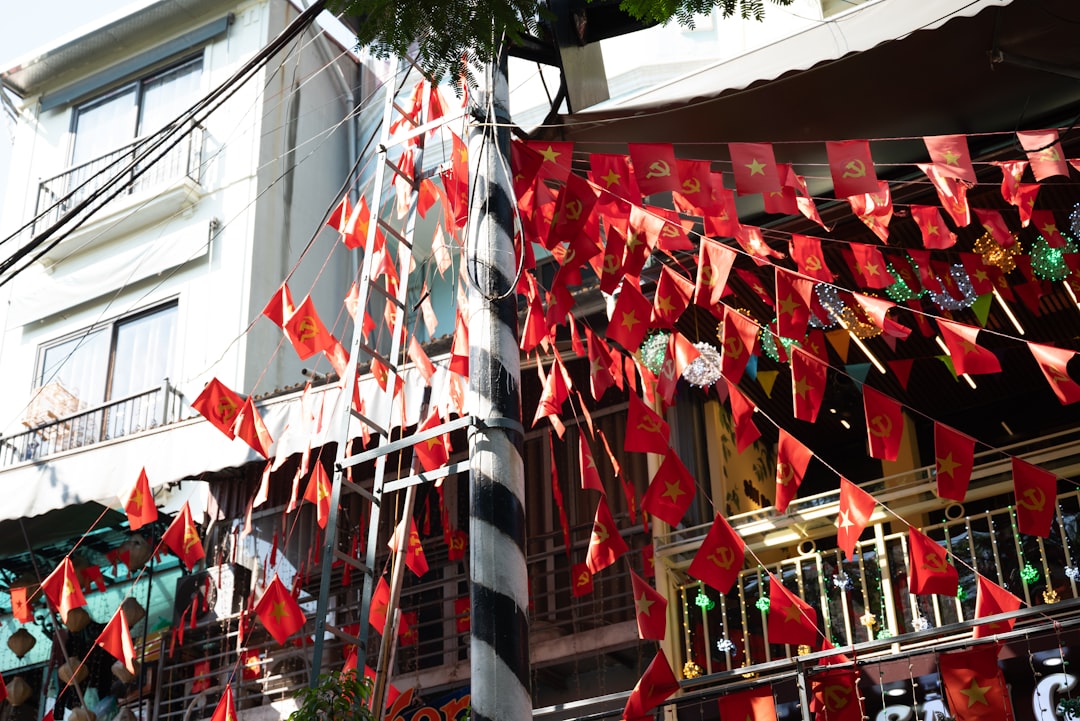
Christmas and New Year in Vietnam 2026: Festive Celebrations Guide
Experience Christmas and New Year celebrations in Vietnam with decorations, countdowns, fireworks, and festive activities. Complete guide to year-end holidays.
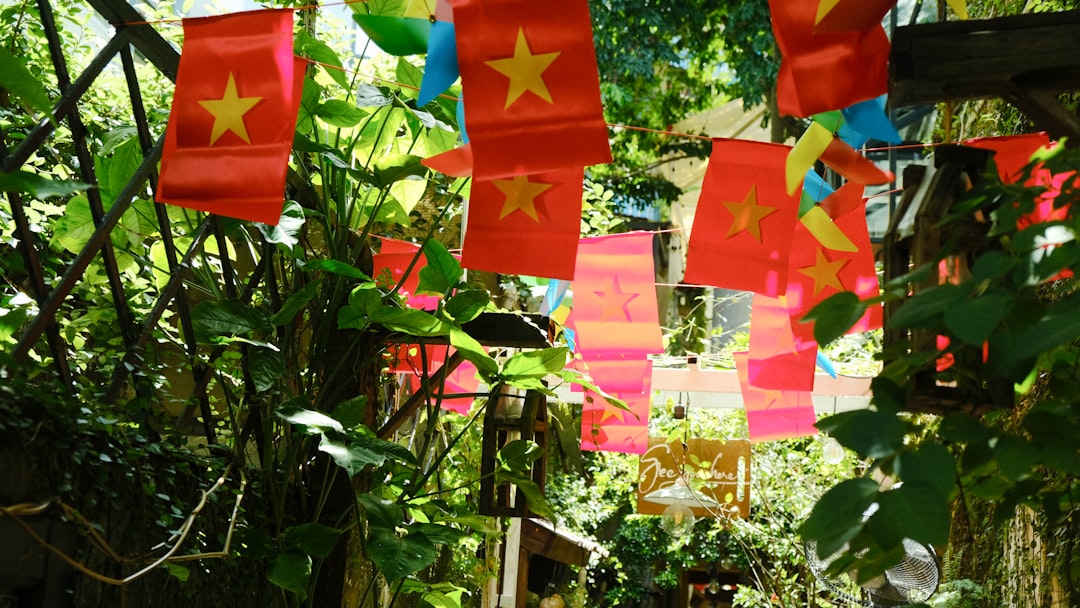
Vietnam National Day 2026: September 2 Independence Celebrations
Experience Vietnam's National Day celebrations on September 2. Complete guide to independence ceremonies, fireworks, and patriotic festivities across Vietnam.
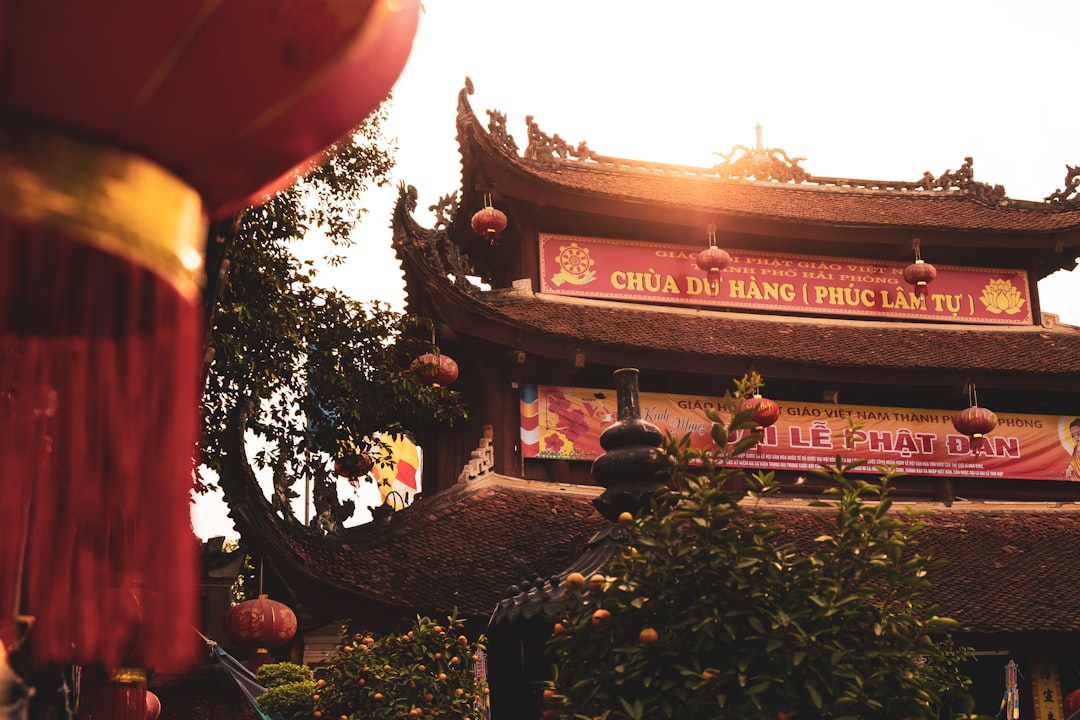
Vietnam Festivals Calendar 2026: Complete Monthly Guide to Celebrations
Plan your Vietnam trip around the country's vibrant festivals with this complete month-by-month calendar. From Tet Nguyen Dan to the Hoi An Lantern Festival — experience authentic Vietnamese culture.
Wandering Souls Day Vietnam 2026: Vu Lan Ghost Festival Traditions
Experience Vietnam's solemn Wandering Souls Day festival honoring ancestors. Complete guide to Vu Lan traditions, ceremonies, and spiritual practices.