
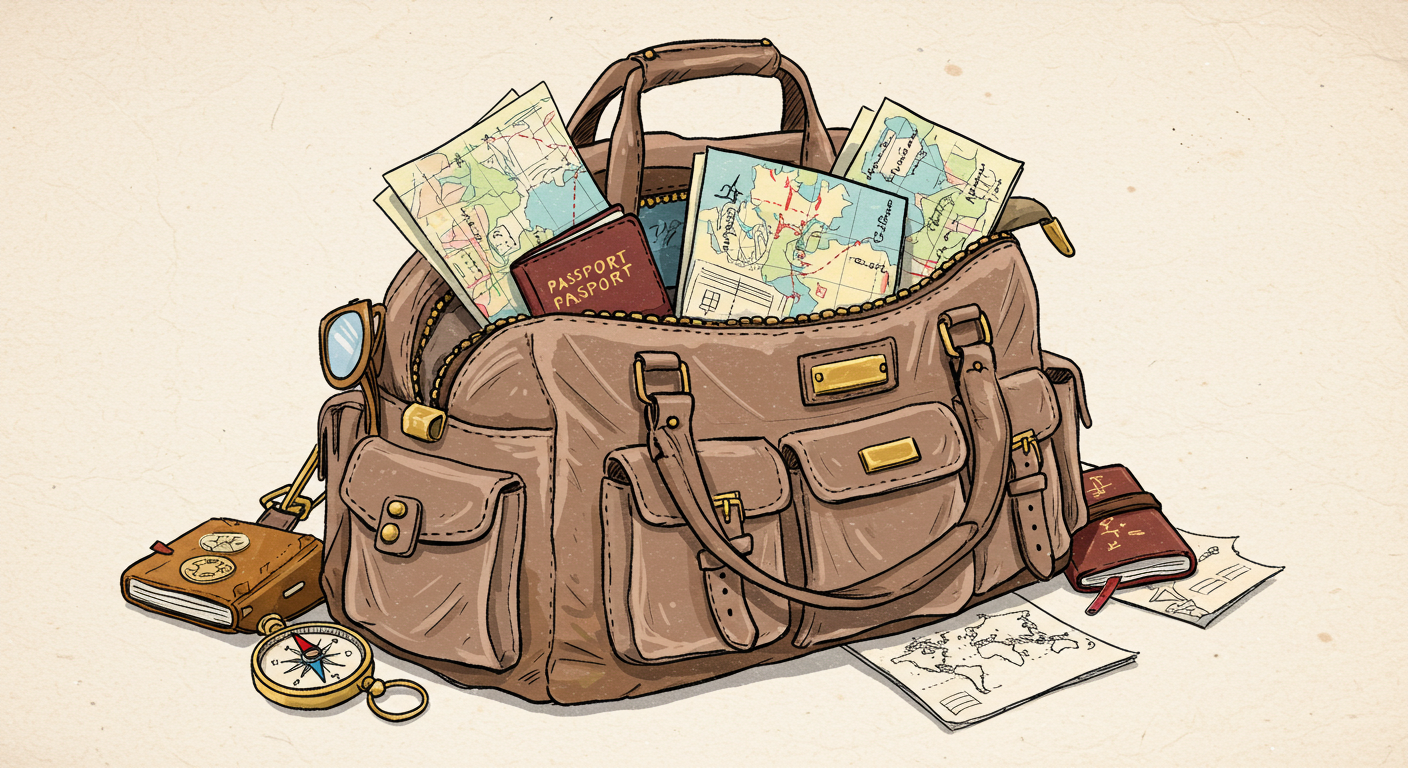
In 2026, a quiet revolution is reshaping how we travel. More than ever, people are swapping generic beach resorts for village churches where great‑grandparents were baptized, tracing cobblestone streets walked by ancestors, and sitting down for meals prepared using recipes passed down through generations. This surge in ancestry tourism—travel motivated by a desire to connect with one’s familial roots—reflects a deeper yearning for meaning, identity, and belonging in an increasingly interconnected world.
Ancestry tourism goes beyond typical sightseeing. It’s a purposeful journey to places tied to your family history: the hometown of a great‑grandparent, the region where a surname originated, or even a specific farm or church recorded in old documents. The trend has exploded in recent years, driven by several converging factors:
According to the World Heritage Travel Report 2026, ancestry‑focused trips grew by 34% globally compared to 2023, with Europe, Ireland, Italy, Germany, and the Southeastern United States seeing the highest visitor increases from diaspora travelers.
Before booking a flight, lay the groundwork at home. Here’s a step‑by‑step approach that works for beginners and seasoned genealogists alike:
Gather what you already know
Talk to older relatives, collect family stories, photographs, heirlooms, and any existing documents (birth certificates, naturalization papers, old letters). Write down names, dates, and places—even vague hints like “great‑Grandma came from somewhere near Cork” are valuable starting points.
Choose a DNA test
Build an online tree
Use platforms such as Ancestry.com, MyHeritage, or the free, collaborative WikiTree. Start with yourself and work backward, adding sources for each fact. Attach scanned documents and notes to keep your research transparent.
Explore key record types
Verify and cite
Genealogy is only as strong as its evidence. Always note where you found information—a habit that pays off when you later share findings with local historians overseas.
With a solid tree in hand, transform data into destination. Follow these planning steps:
Focus on places where multiple lines converge or where you have documented events (e.g., a great‑grandfather’s birthplace in Palermo, Sicily). If records point to a region rather than a specific town, start with the regional capital or a nearby cultural hub.
Seeing a name on a census record is powerful; walking where your ancestors lived transforms abstraction into empathy. Seek experiences that let you live the heritage, not just observe it:
Sometimes the breakthrough you need lies just beyond online databases. Local experts hold nuanced knowledge—naming variations, obscure record sets, oral histories—that can break down brick walls.
Your heritage trip deserves to be remembered and passed on. Consider these documentation methods:
Heritage travel can range from modest backpacking trips to luxury guided experiences. Here’s how to keep costs in check without sacrificing depth:
| Expense Category | Budget‑Friendly Tips |
|---|---|
| DNA testing | Watch for holiday sales (often 40% off); consider uploading raw data to free sites for additional matches. |
| Accommodation | Use homestay platforms, monastery guesthouses, or agriturismos; they frequently offer meals and local insights included in the rate. |
| Transport | Purchase rail passes (Eurail, BritRail) for multi‑country trips; book flights to regional airports and use budget airlines for hops within Europe. |
| Research fees | Many parish archives charge modest fees for look‑ups; email ahead to confirm costs and possibly combine multiple requests into one visit. |
| Tours & experiences | Seek free walking tours offered by local historical societies; self‑guided audio guides (often downloadable) let you explore at your own pace. |
| Travel insurance | Look for policies that cover “genealogical research” or “volunteer work” if you plan to assist at archives or museums. |
A realistic mid‑range budget for a two‑week heritage trip to Europe (including flights from North America, mid‑tier lodging, local transport, and modest research fees) averages $2,500–$3,500 per person. Adjust upward for guided tours or luxury stays; downward for hostels, self‑catering, and extensive use of free resources.

Discover the best dark-sky destinations, nocturnal wildlife experiences, and cultural night adventures for unforgettable after-dark travel in 2026.

Discover the top set-jetting destinations for 2026 - from Harry Potter to Game of Thrones, plan your pop culture pilgrimage.
Discover the world's most spectacular New Year's Eve celebrations! From Sydney's fireworks to Edinburgh's Hogmanay, find your perfect destination to welcome the new year with unforgettable experiences.

Learn how to pack light for 2-6 month trips with our comprehensive guide covering clothing, gear, health items, and smart packing techniques for slow travelers.
 travel