
 ChatGPT
  Gemini
  Claude
  Perplexity
 Bangkok’s legendary traffic can turn a 10-minute drive into a 45-minute ordeal, which is why the MRT (Mass Rapid Transit) is a godsend for travelers. It’s clean, efficient, and connects key neighborhoods, temples, and shopping hubs without the gridlock. But like any public transit system, the Bangkok MRT has its own unspoken (and sometimes spoken) rules of etiquette. Follow these, and you’ll blend in with local commuters, avoid awkward stares, and have a smooth ride every time. Ignore them, and you might find yourself on the receiving end of polite but firm corrections from station staff or fellow passengers.
Queueing Like a Local
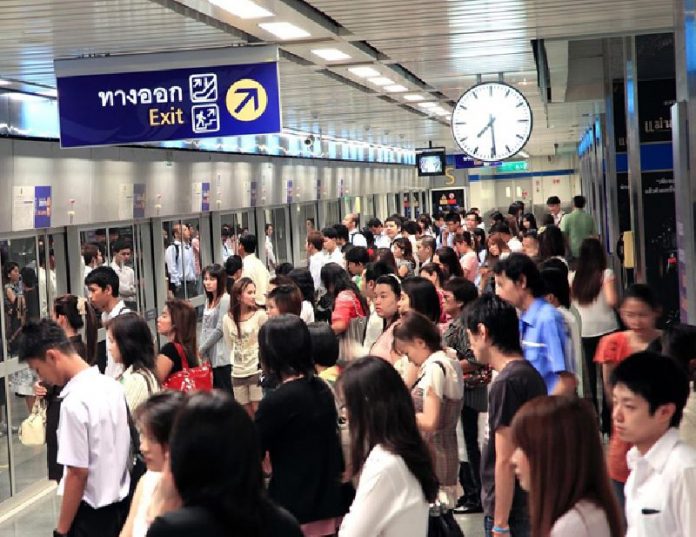
Bangkok commuters take queueing seriously, and the MRT is no exception. When a train pulls into the station, the first rule is universal but often ignored by rushed travelers: wait for all passengers to exit before you try to board.
Let Passengers Exit First
Don’t crowd the doors the second they slide open. Stand to the side of the doorway, not directly in front of it, and let everyone inside step out first. Locals form orderly lines along the platform markings, and pushing your way in before others have left is considered rude. If you’re traveling in a group, don’t block the entire doorway while you figure out where to stand—step to the side, let people out, then board together. Pro tip: if the train is crowded, wait for the next one instead of squeezing in; it’ll arrive in 5 to 7 minutes, and you’ll avoid an uncomfortable, cramped ride.
Seat Etiquette: Respecting Shared Space

MRT seats are a shared resource, and Thais value tidy, considerate public spaces. A few simple rules will keep you on the right side of local norms.
Priority Seating Rules
Every MRT car has clearly marked priority seats near the doors, reserved for elderly passengers, pregnant people, people with disabilities, and monks (who hold a deeply respected position in Thai society). Even if these seats are empty, don’t sit there if you’re a healthy, able-bodied adult. If someone who qualifies for priority seating gets on the train, offer your seat immediately—don’t wait to be asked. Locals are often too polite to ask directly, so keep an eye out for anyone who might need a seat more than you do.
No Feet on Seats
This is a big one. Putting your feet on MRT seats, even if you’re wearing shoes, is a major faux pas in Thailand, where feet are considered the lowest and least clean part of the body. Don’t prop your feet up, and don’t put your bag on the seat next to you if the train is crowded. Make room for other passengers—every seat counts during peak hours.
Keep Noise to a Minimum
Bangkok commuters generally prefer quiet, calm rides, so keep your noise levels in check.
Phone Calls and Music
Loud phone conversations are frowned upon. If you need to take a call, keep it short and speak quietly—better yet, step to the area between train cars if you need to talk for more than a minute. Playing music or videos without headphones is strictly prohibited, and even if you’re using headphones, don’t blast the volume so high that others can hear it. Thais are too polite to tell you to turn it down, but you’ll get plenty of side-eye if you’re disturbing the peace.
No Eating or Drinking Onboard
The MRT has a strict no food or drink policy, and it’s enforced across all trains and paid station areas. This includes water, iced coffee, snacks, and gum. Finish your breakfast or morning coffee before you go through the fare gates, and don’t try to sneak a snack on board. Station staff and security will remind you of the rule if they catch you, and fellow passengers will not appreciate the smell of your street food filling the car. If you need to buy a drink, do it at the convenience stores outside the station, not the ones in the paid area.
Security Procedures: What to Expect
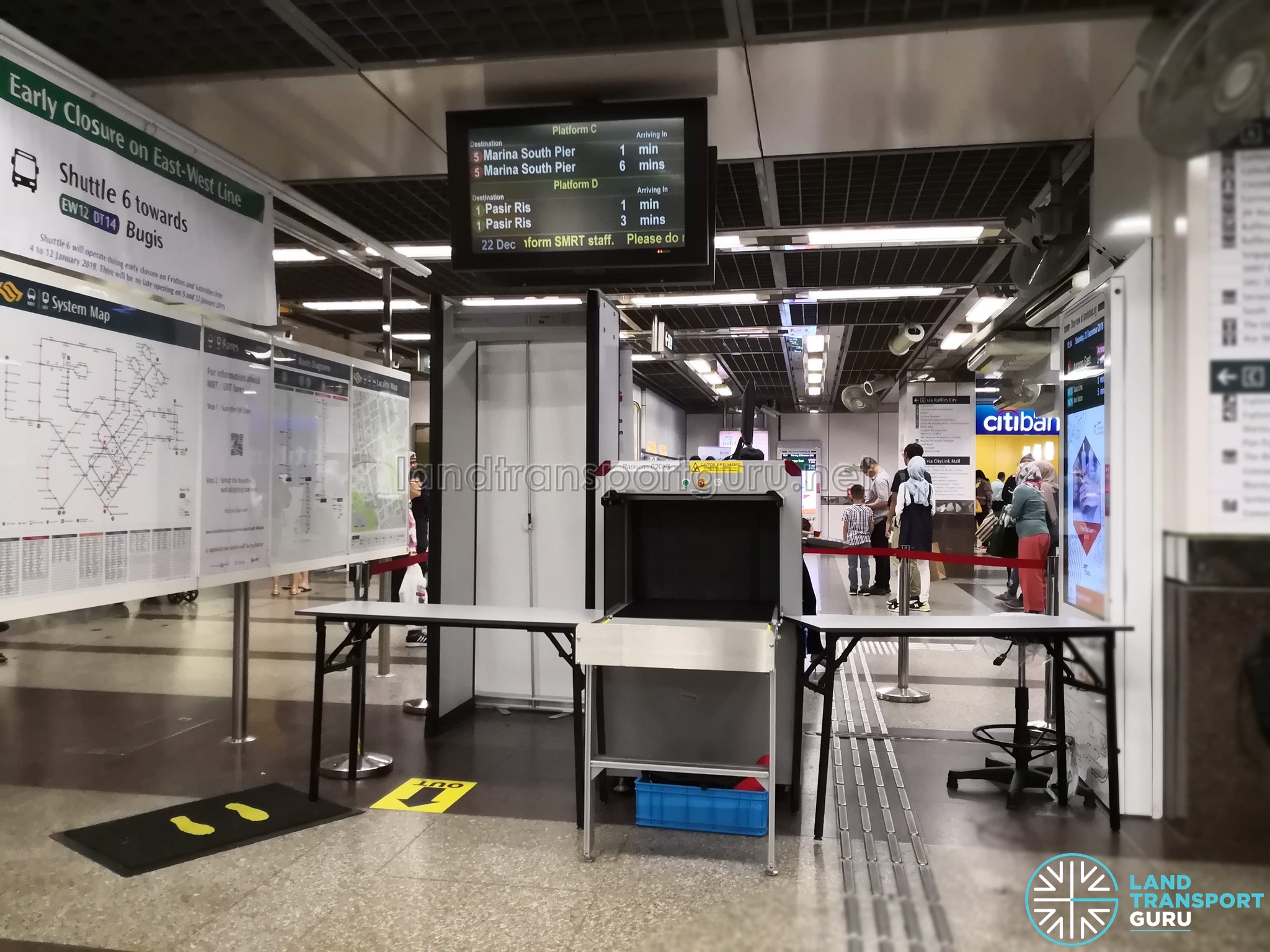
All MRT stations have security checkpoints at the entrance, and everyone has to go through them—no exceptions.
Bag Checks and Metal Detectors
All bags, even small crossbody purses and backpacks, go through x-ray machines. You’ll also walk through a metal detector. Have your bag ready to put on the belt before you reach the front of the line to avoid holding up other passengers. There’s no need to take out liquids or laptops unless security asks, but keep your belongings organized so you can grab them quickly after they go through the x-ray. Security staff are friendly but firm—follow their instructions, smile, and you’ll get through in seconds.
Payment Etiquette: Smooth Transitions at Gates
The MRT uses a mix of contactless Rabbit cards and single-journey paper tickets, and fumbling at the fare gates is a quick way to annoy commuters behind you.
Using Rabbit Cards
Rabbit cards are rechargeable, contactless cards that are faster and cheaper than buying single tickets. If you’re using one, have it in your hand before you reach the gate, and tap it quickly on the sensor. Don’t lean on the gates or block the entrance/exit area after you’ve passed through. If you’re buying a single-journey ticket, have your cash ready (small bills are best, as machines don’t always give change for large notes) and insert the ticket into the slot, then retrieve it from the other side immediately. If you’re traveling in a group, let people through the gate one by one instead of crowding the area.
Rush Hour Survival Tips
Bangkok’s rush hour is no joke. Trains fill up fast, and navigating the system during peak times takes a little extra planning.
Avoiding Peak Times
Peak hours are 7:00–9:00 AM and 5:00–7:00 PM, Monday through Friday. Trains run every 5 to 7 minutes, but they’re often standing-room only, with little to no space for luggage. If you can, schedule your MRT trips outside these windows—you’ll get a seat, have space for your bags, and avoid the stress of crowded cars. If you must travel during rush hour, stand near the doors but don’t block them, hold the handrails tightly, and keep your bag in front of you to avoid hitting other passengers.
Escalator Etiquette
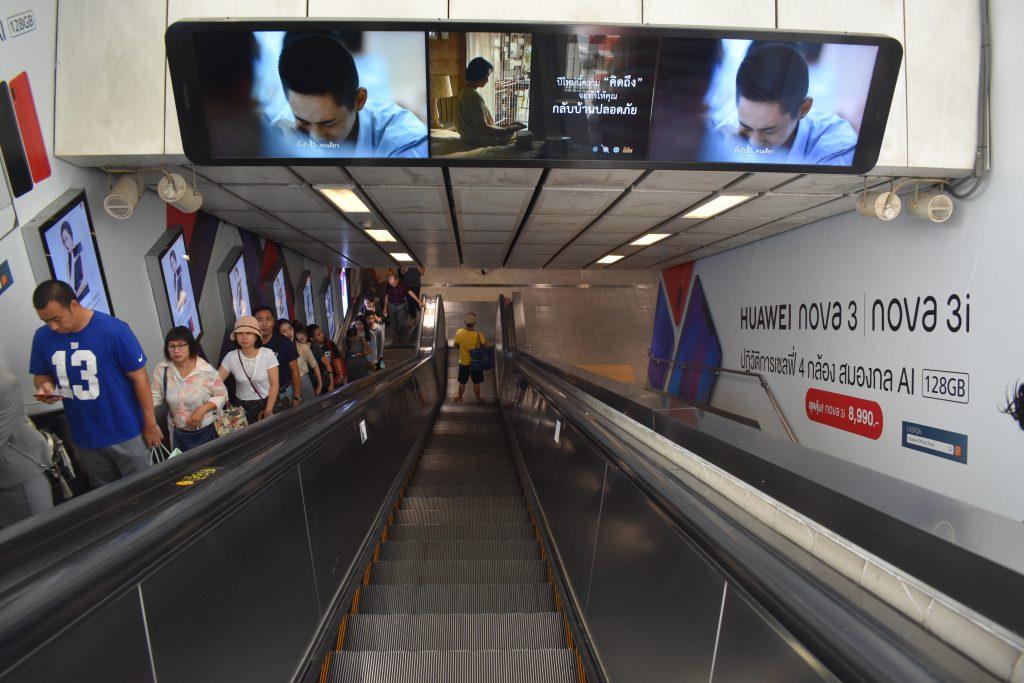
Escalators in MRT stations follow a strict rule: stand on the right, walk on the left. This is enforced more strictly in Bangkok than in many other cities, and standing on the left will get you politely nudged or told to move. Keep your bag in front of you, not hanging off your shoulder where it can hit people behind you. If you’re with a group, don’t stand side by side on the escalator—single file on the right, let walkers pass on the left.
That’s it! Following these simple etiquette rules will make your MRT rides smoother, help you show respect to local culture, and let you focus on enjoying everything Bangkok has to offer. The MRT is one of the best ways to get around the city, and a little courtesy goes a long way in making it a pleasant experience for everyone.
Related Articles
Suvarnabhumi Airport Hacks: From 'Golden Land' to City in 45 Minutes
Navigate Suvarnabhumi Airport (BKK) in Bangkok with ease. This comprehensive guide covers arrivals, departures, transportation, facilities, and essential tips for a smooth journey.
Chao Phraya Express Boat Fares Reduced by One Baht from 1 May 2026
All Chao Phraya Express Boat services in Bangkok and Nonthaburi will drop by 1 baht starting 1 May 2026 due to lower diesel prices. Full updated fare table, routes affected, and how to plan your trip with accurate offline information.
Why Most Halal Food Apps Fail at Thai 7-Elevens (And the Free One That Works)
We tested 11 halal food checker apps in Thailand. Most can't scan barcodes at 7-Eleven or verify Shopee products — except one free app that does it all.
The Market CNN Warns You to Avoid When Hungover (And Why You Should Go Anyway)
CNN called Khlong Toei the most authentic market in Bangkok — then warned you not to visit hungover. Here's why self-cooking tourists should brave it anyway, with prices, tips, and a full shopping guide.