
 ChatGPT
  Gemini
  Claude
  Perplexity
It’s 8:00 AM and you’re on the platform at Pino Suarez. The crowd behind you is five-deep. Someone’s hand brushes your back pocket. Your bag is unzipped before you realize it. This is how pickpockets work in the Mexico City Metro, and most guidebooks say nothing useful about it.
Here’s the exact system to navigate safely through one of the world’s busiest rapid transit systems.
Understanding the Risk
The Mexico City Metro (Sistema de Transporte Colectivo) carries 5+ million daily riders. At peak hours (7:00-9:00 AM and 5:00-8:00 PM), density reaches 6-8 people per square meter on the worst lines.
The theft profile:
- Method: Hand-to-hand pickpocketing in crowd compression, using distraction (bumping, asking questions), unzipped bags
- Hot spots: Lines 1, 2, 3, 9 (the central north-south and east-west spines) at transfer stations
- Peak times: Morning (7:30-9:00) and evening (18:00-19:30)
- Targets: Tourists with visible cameras, unzipped daypacks, jewelry
Before You Enter: Ticket Buying Security
The Safe Way to Buy
Buy tickets at machines inside the barriers, not at the entrance:
- Use the “Recargar” machines past the turnstiles (near the “taquillas” or ticket windows)
- Smaller crowds: These machines have lines of 1-2 people
- Full visibility: Better lighting, more passengers around
- Avoid: The small booth machines near entrance—they create a target-rich environment
Your Second Fare Option
Register for a “Tarjeta de Pago” (payment card) at any Metro station ticket window. This reloadable card works at all metro stations and eliminates ticket-buying exposure entirely.
- Cost: 10 pesos deposit + fare
- Where: Any “taquilla” (ticket window)
- Benefits: One card for all rides, faster through barriers
Platform Tactics
Station-Specific Danger Points
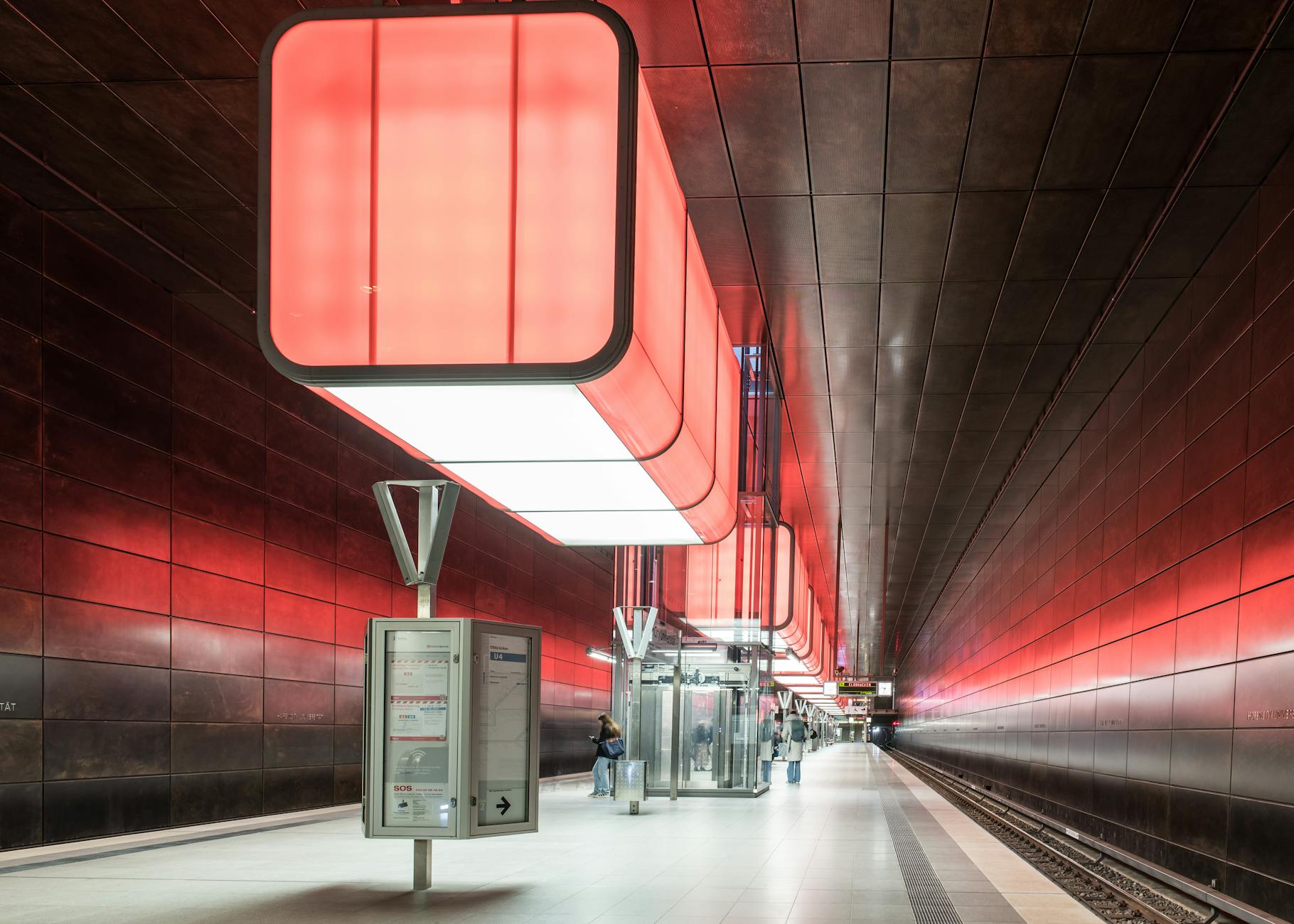
The Worst Stations (transfer points):
- Pino Suarez (Lines 1, 2, 4): The narrow platform creates crowd compression at the transfer tunnel
- Balderas (Lines 1, 3, 4): Five-line transfer with permanent crowding
- Pantitlan (Lines 1, 5, 9, A): The eastern terminus; everyone pushes toward doors
- El Rosario (Lines 6, 7): Northwestern terminus, rush-hour crush
When you must use these:
- Travel AFTER 9:30 AM or BEFORE 6:00 PM for lighter crowds
- Position near station attendants (they stand at platform edges)
- Stand on the “safe zones”—near stairwells where attendants can see
Car Positioning
Safest positions:
- First car (Cabina): The driver sits here—most secure, fewest passengers
- End of car near doors: More space, easier exit
- Near women/children cars: “Damif” cars (Ladies and Children) are safer overall
Avoid:
- Center of car: Maximum density, sandwiched position
- Door positions during stops: Everyone pushes past
- Second class cars: First class cars (cabina and next) have lighter crowds and better security
Personal Security Protocol
What To Carry
- Front-pocket wallet: Never back pocket
- Zippered daypack: With lockzippers (easily searchable at outdoor gear stores)
- Hidden wallet: Cash in sock, secondary card in shoe
- Phone: Strap around wrist, not in hand
What Never To Carry
- Jewelry visible (even tourist wedding bands attract attention)
- High-end watches (Cuban link-style chains are a known marker)
- Backpacks on your back in crowded cars
- Anything valuable in jacket pockets (compresses when crowded)
In-The-Car Rules
- Enter last: Let everyone board first—your position isn’t urgent
- Face direction of travel: Easier to see your space
- Stand near poles/handles: You control your position
- If someone presses on you: Move immediately. Say “permiso” and shift.
- If approached: “No gracias, tengo prisa” (no thank you, I’m in a hurry) and turn away.
The Distraction Test
At ANY approach:
- Look at them
- Say “no thank you”
- Check your pockets immediately
- Don’t re-engage
This catches “the bump”—the most common distraction technique.
Quick Reference
| Line | Danger Times | Transfer Risk | Best Workarounds |
|---|---|---|---|
| Line 1 (Pink) | 7-9 AM, 6-7 PM | Balderas, Pino Suarez | Use Line 3 to avoid transfers |
| Line 2 (Blue) | 7-9 AM | Pino Suarez, Bellas Artes | First car only |
| Line 3 (Green) | 7-9 AM | Balderas, Politecnico | Travel 10-11 AM or after 2 PM |
| Line 9 (Brown) | 7-9 AM | Pantitlan, Chilpancingo | Avoid evening rush entirely |
Bottom Line
Mexico City Metro is safe when you understand the timing and positioning. The peak hours create density that enables opportunistic theft. Avoiding 7:30-9:00 AM travel, using ticket-purchasing inside barriers, riding first-class cars, and maintaining front-pocket or zipped-bag carry puts you in control.
Your pre-trip checklist:
- Get a Tarjeta de Pago for faster entry
- Pack lock-zippers on your day pack
- Schedule arrivals after 10 AM or before 6 PM when possible
- Memorize first-car positioning at each station
- Practice “no thank you, tengo prisa” before arrival
Related Articles
Your Flight Was Delayed—But Not Because of Weather
FAA controller shortages are causing major delays at NYC, Chicago, and Atlanta hubs . Learn real-time alert setups and rebooking strategies.
Recognizing and Resetting Culture Shock During Long-Term Travel
Identify the exact stages long-stay travelers hit and practical daily routines that shorten the worst phases. Get back on track instead of quietly burning out.
Safe Street Food Selection in India Using Only Visual and Behavioral Cues
Eat safely in Delhi and Mumbai with this visual vendor checklist. Spot hygiene red flags and safe orders in 30 seconds—without understanding the menu or language.
How to Book Cheap Overnight Trains in Japan Without Paying Premium Sleeper Prices
Save hundreds on Japanese overnight trains with this exact booking system. Get affordable berths on JR and private lines using local apps and timing strategies that most tourists miss.