
 ChatGPT
  Gemini
  Claude
  Perplexity
 Key Takeaways
- Gawai Dayak celebrates the rice harvest season’s end
- Celebrated in longhouses with traditional music, dance, and food
- Ngiling Bidai (mat rolling) and other unique ceremonies are performed
- June 1-2 are public holidays in Sarawak for Gawai
- The festival represents gratitude to spirits for bountiful harvest
Understanding Gawai Dayak
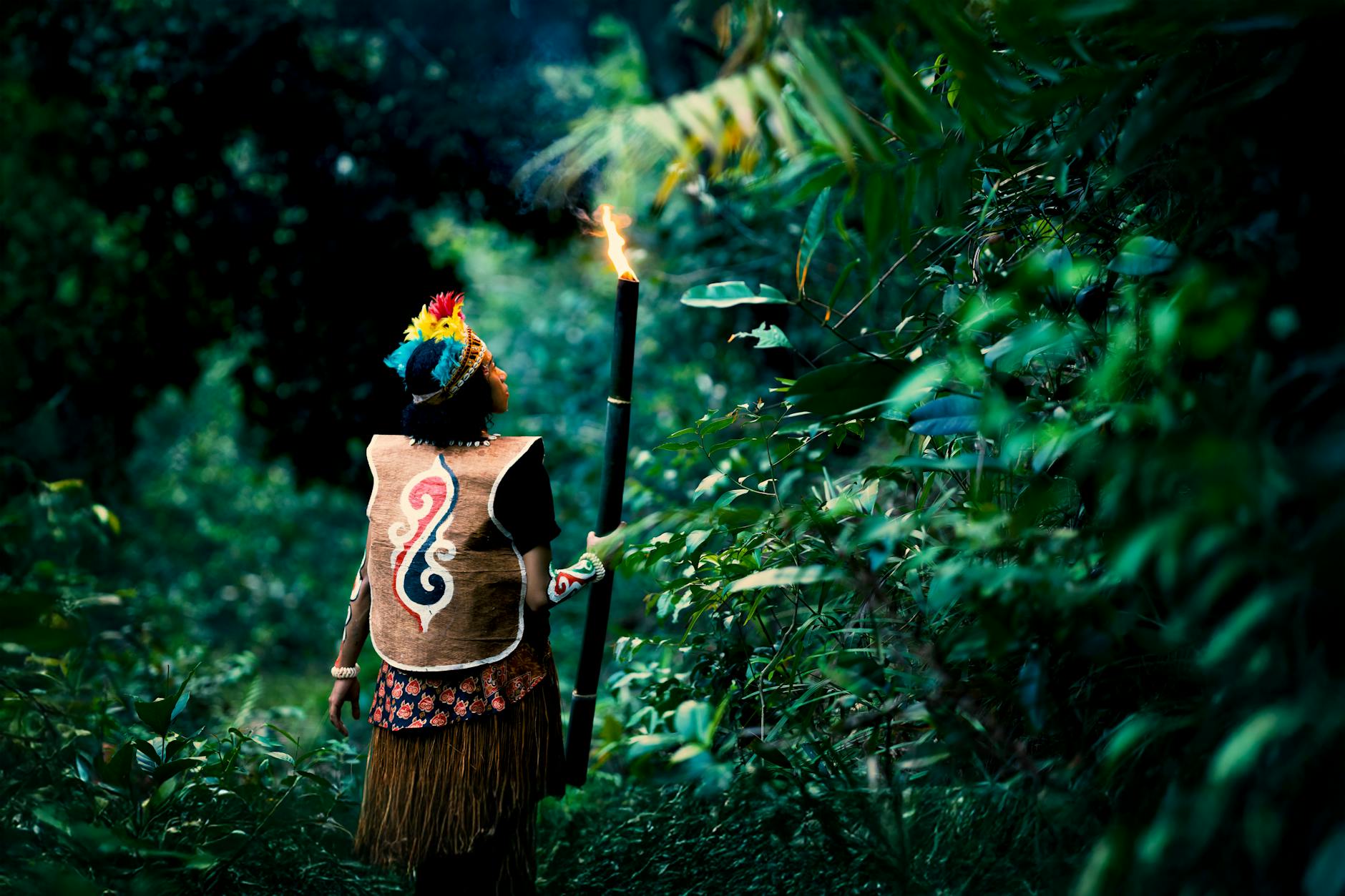
Gawai Dayak, literally meaning “Festival” in Iban language, is the most significant celebration for Sarawak’s indigenous Dayak communities. The festival marks the conclusion of rice harvesting and expresses gratitude to the rice spirits for a bountiful harvest. It’s a time for thanksgiving, reconciliation, and strengthening community bonds among Dayak people.
The celebration reflects the deep connection between Dayak communities and their environment, particularly the rice padi fields that sustain them. Gawai Dayak is not just about celebrating harvest but also about honoring spiritual beliefs, ancestral traditions, and the cycle of life that sustains indigenous communities.
Pre-Gawai Preparations
Longhouse Preparations
Longhouses throughout Sarawak begin preparing weeks in advance for Gawai celebrations.
Longhouse Preparation Activities:
- Thorough cleaning: Sweeping bamboo floors and walls
- Repair and maintenance: Fixing longhouse structures
- Decorations: Traditional weaving, beadwork, and crafts
- Food preparation: Large quantities of traditional dishes
- Inviting guests: Extending hospitality to community members
Personal Preparation
Individual families prepare themselves physically and spiritually for Gawai.
Personal Preparation:
- New clothing: Traditional Dayak attire sewn or purchased
- Rice wine (tuak) brewing: Fermenting glutinous rice
- Traditional crafts: Making new baskets, mats, or tools
- Spiritual cleansing: Rituals to purify before festival
- Forgiveness seeking: Resolving conflicts before celebrations
Main Day Activities
Ngiling Bidai Ceremony
The Ngiling Bidai (mat rolling) ceremony is a unique Gawai Dayak tradition performed by elder women.
Ngiling Bidai Process:
- Guests arrive: Community members gather at longhouse
- Elder women perform: Only specific individuals can conduct ceremony
- Mat rolling: Guest sleeping mats are ceremonially rolled
- Spiritual significance: Welcoming and respecting guests
- Community participation: All watch respectfully
Traditional Music and Dance
Gawai Dayak features extensive traditional music and dance performances.
Musical Elements:
- Gong ensembles: Large, traditional brass gongs
- Traditional instruments: Flutes, drums, and stringed instruments
- Ngajat dance: Women’s traditional Iban dance
- Ngajat Lelaki: Men’s traditional dance
- Sumazau: Shared dance form in Sarawak
Feasting and Food
Food is central to Gawai Dayak celebrations, representing gratitude for harvest abundance.
Traditional Gawai Foods:
- Glutinous rice: The main harvested crop
- Tuak (rice wine): Traditional fermented rice drink
- Wild boar or pork: Special meat dishes for celebration
- Traditional vegetables: Bamboo shoots, ferns, jungle vegetables
- Traditional kuih: Various Dayak sweet treats
Traditional Clothing
Dayak Festival Attire
Wearing traditional clothing is essential for Gawai Dayak celebrations.
Traditional Dayak Attire:
- Iban clothing: Pua kumbu (woven cloth) for women
- Bidayuh attire: Ceremonial dress with beadwork
- Orang Ulu clothing: Bark cloth and traditional woven items
- Men’s wear: Traditional loincloths or modern adaptations
- Women’s wear: Elaborate woven costumes with silver ornaments
Traditional Accessories
Completing the traditional outfit requires authentic accessories.
Accessory Items:
- Silver ornaments: Belts, necklaces, and armlets
- Beadwork: Intricate beadwork on clothing and accessories
- Traditional hats: Ceremonial headwear
- Woven bags: Handwoven baskets and containers
- Natural materials: Bamboo, rattan, and wild plant fibers
Longhouse Experience
Visiting Longhouses
Tourists can experience authentic Gawai Dayak by visiting traditional longhouses.
Longhouse Visit Tips:
- Respect protocols: Follow elder’s guidance
- Dress appropriately: Modest clothing is expected
- Bring small gifts: Tobacco, betel nut, or other traditional items
- Accept invitations: When offered to participate
- Ask permission: Before photographing people or ceremonies
Longhouse Accommodation
Some tourists choose to stay overnight in longhouses during Gawai.
Staying Considerations:
- Sleeping arrangements: Shared spaces on bamboo floors
- Facilities: Basic amenities, expect traditional conditions
- Noise level: Traditional celebrations can be loud and go late
- Community meals: Eating together with host family
- Cultural immersion: Best way to experience Dayak hospitality
Regional Variations
Iban Gawai
The Iban community, Sarawak’s largest indigenous group, has specific Gawai traditions.
Iban Gawai Elements:
- Ritual specialists: Specific roles for certain ceremonies
- Traditional music: Gong ensembles and specific songs
- Dance forms: Ngajat and other traditional dances
- Storytelling: Legends and histories shared during feasts
- Iban language: Ceremonies conducted in Iban
Bidayuh Gawai
The Bidayuh community celebrates Gawai with some unique traditions.
Bidayuh Elements:
- Distinct music: Different instruments and songs
- Beadwork traditions: Elaborate ceremonial costumes
- Specific rituals: Different ceremonial practices
- Food variations: Regional dish specialties
- Bidayuh language: Ceremonies in Bidayuh dialects
Orang Ulu Gawai
The Orang Ulu community maintains traditional Gawai practices.
Orang Ulu Elements:
- Bark cloth traditions: Specific textile and clothing styles
- Traditional instruments: Unique musical heritage
- Forest knowledge: Connection to jungle and harvest
- Spiritual beliefs: Specific animist practices
- Orang Ulu language: Ceremonies in their dialect
Modern Gawai Dayak
Contemporary Celebrations
While maintaining traditions, Gawai Dayak has evolved with modern influences.
Modern Elements:
- Urban celebrations: Dayaks in cities maintain traditions
- Gawai competitions: Traditional dance and music contests
- Cultural preservation: Efforts to maintain traditional knowledge
- Educational programs: Teaching youth about Dayak culture
- Tourism promotion: Showcasing Gawai to visitors
Challenges and Preservation
Modern Gawai Dayak faces challenges in preserving authentic traditions.
Preservation Efforts:
- Cultural centers: Maintaining traditional knowledge
- Longhouse tourism: Supporting authentic experiences
- Cultural education: Schools teaching Dayak traditions
- Elders’ guidance: Passing knowledge to younger generations
- Balancing traditions: With modern life and opportunities
Travel Tips for Gawai Dayak
Getting to Sarawak
Reaching Sarawak for Gawai Dayak requires planning.
Transportation Options:
- Flights to Kuching: Major airports connect to Sarawak
- Bus connections: From Peninsular Malaysia
- Internal travel: Buses and taxis within Sarawak
- Local transport: Boats and 4WD vehicles to rural longhouses
- Early booking: Essential for Gawai season
What to Bring
Packing appropriately for Gawai Dayak enhances experience and shows respect.
Essential Items:
- Modest clothing: Covering knees and shoulders
- Insect repellent: Longhouses are in rural areas
- Comfortable shoes: For walking and potential dancing
- Small gifts: Tobacco or betel nut if appropriate
- Camera: To capture cultural celebrations respectfully
- Cash: For purchasing food or supporting communities
Cultural Etiquette for Tourists
Respecting Traditions
Tourists visiting Gawai Dayak should understand and respect Dayak customs.
Etiquette Guidelines:
- Follow elders’ guidance: Respect authority in ceremonial matters
- Ask before photographing: Especially during ceremonies
- Dress appropriately: Modest clothing expected
- Participate when invited: Join activities respectfully
- Understand cultural differences: Each community has unique practices
Gift-Giving Customs
Understanding proper gift-giving enhances cultural exchange.
Appropriate Gifts:
- Tobacco: Traditional offering for elders (if acceptable)
- Betel nut (sirih): Ceremonial gift in some areas
- Small food items: Local specialties or packaged goods
- Avoid alcohol: Unless specifically appropriate to context
- Humble offerings: Show respect, not extravagance
Best Places to Experience Gawai Dayak
Kuching and Surroundings
Sarawak’s capital offers accessible Gawai experiences.
Kuching Gawai Locations:
- Sarawak Cultural Village: Longhouse displays and cultural shows
- Kuching Waterfront: Public Gawai celebrations and performances
- Traditional longhouses: Rural experiences accessible by tour operators
- City hotels: Gawai packages with cultural activities
- Community centers: Urban Dayak gathering places
Rural Longhouse Experiences
Authentic Gawai experiences are found in rural longhouses.
Rural Longhouse Locations:
- Skrang River area: Traditional Iban longhouses
- Bario region: Kelabit highland longhouses
- Bidayuh areas: Traditional Bidayuh communities
- Orang Ulu settlements: Remote authentic experiences
- Batang Ai: Kayan traditional longhouse areas
FAQ
Is Gawai Dayak only for indigenous people?
Gawai Dayak is a celebration by Sarawak’s indigenous Dayak communities, but the festival is open to all visitors. Tourists are welcome to observe celebrations, visit longhouses, and experience Dayak culture respectfully. However, participation in certain rituals may be limited to community members. The festival is a celebration of harvest and thanksgiving that all can appreciate.
What happens during Gawai Dayak?
Gawai Dayak features traditional ceremonies (like Ngiling Bidai), music and dance performances, feasting, and community gatherings. The main day (June 1) is when most activities occur, but celebrations often extend for several days. Each longhouse or community may have their own schedule and specific traditions. Expect joyous celebrations with traditional food, music, and cultural activities.
Can tourists stay in longhouses during Gawai?
Yes, some longhouses in Sarawak welcome tourists to stay overnight during Gawai Dayak. This is often the most authentic way to experience the festival. However, conditions are basic (shared sleeping on bamboo floors, basic facilities), and you should arrange this in advance through tour operators or by invitation. Respecting longhouse rules and elders is essential.
What is proper etiquette for visiting longhouses?
Visiting longhouses requires following specific protocols: remove shoes before entering, dress modestly, ask permission before photographing people or ceremonies, and follow the elder’s guidance. Bring small gifts like tobacco (if appropriate) or betel nut as a sign of respect. Participate in activities only when invited, and show genuine interest in Dayak culture rather than treating it as exotic spectacle.
What should I wear to Gawai Dayak celebrations?
Modest clothing covering knees and shoulders is recommended. While traditional Dayak attire is beautiful, tourists can wear clean, modest casual clothing. Some communities may welcome visitors wearing simple traditional elements. Avoid revealing outfits or clothing with offensive imagery. Comfortable shoes are essential as you’ll be walking, dancing, or standing for extended periods.
Related Articles
Kaamatan Festival Sabah 2026: Unduk Ngadau, Traditional Dances & Kadazan-Dusun Harvest
Discover Kaamatan Harvest Festival in Sabah with traditional dances and indigenous celebrations
Vaisakhi in Malaysia: Nagar Kirtan Processions, Langar Feasts & Sikh Harvest Festival
Discover Vaisakhi Sikh festival in Malaysia with Nagar Kirtan processions and temple celebrations
Chinese New Year Malaysia 2026: Lion Dances, Ang Pow & 15-Day Festival Guide
Experience Malaysia's vibrant Chinese New Year celebrations with lion dances, traditional foods, and cultural insights
Christmas in Malaysia 2026: Tropical Celebrations, Midnight Mass & Holiday Season Guide
Experience Christmas celebrations in Malaysia with church services and holiday season travel tips