
 ChatGPT
  Gemini
  Claude
  Perplexity
 Key Takeaways
- Chinese New Year in Malaysia is a 15-day celebration with the first 3 days as public holidays
- Reunion dinner on Chinese New Year’s Eve is the most important family gathering
- Lion and dragon dances are performed throughout the festival period
- Ang pow (red envelopes) containing money are given to children and unmarried adults
- Open houses welcome visitors regardless of background to share in the celebrations
Understanding Chinese New Year in Malaysia
Chinese New Year dates vary annually based on the lunar calendar, typically falling between January 21 and February 20. The festival celebrates the beginning of the new year according to the Chinese zodiac, with each year associated with one of 12 animals. Malaysia’s Chinese community, comprising approximately 23% of the population, preserves traditions passed down through generations while incorporating local Malaysian elements.
The festival atmosphere begins weeks before the actual date with extensive preparations. Shopping malls and streets are adorned with red lanterns, intricate paper cutouts, and zodiac animal decorations. The color red dominates everywhere as it symbolizes good luck, prosperity, and happiness in Chinese culture.
Pre-Festival Preparations
Shopping and Cleaning
The weeks leading up to Chinese New Year are bustling with activity. Families engage in thorough spring cleaning to sweep away bad luck and make room for good fortune. Shopping centers become packed with people purchasing new clothes, decorations, and festival supplies.
Key Shopping Items:
- New clothes in red or bright colors
- Decorations: lanterns, couplets, paper cutouts
- Festival snacks and ingredients
- Ang pow packets (red envelopes)
Popular Shopping Destinations:
- Petaling Street (Chinatown) in Kuala Lumpur
- George Town’s heritage streets in Penang
- Ipoh’s old town shopping areas
- Various shopping malls throughout Malaysia
Traditional Foods Preparation
Food preparation is central to Chinese New Year celebrations. Families spend days preparing special dishes that carry symbolic meanings. Many families also order from renowned restaurants or caterers.
Must-Have Dishes:
- Yee sang (raw fish salad) for prosperity
- Dumplings for wealth
- Fish for abundance
- Nian gao (glutinous rice cake) for progress
- Pineapple tarts, bak kwa, and kuih kapit for guests
Chinese New Year’s Eve: The Reunion Dinner
The most important aspect of Chinese New Year is the reunion dinner held on the eve of the new year. This is when family members travel from near and far to gather together for a sumptuous feast.
Reunion Dinner Traditions:
- Multi-generational gathering is essential
- Dishes with symbolic meanings are served
- Children receive ang pow from elders
- Many families wear traditional clothing
- Fireworks and firecrackers (where permitted)
Popular Reunion Dinner Restaurants:
- Overlooking Petronas Twin Towers in Kuala Lumpur
- Heritage restaurants in George Town
- Hotel buffet restaurants with special menus
- Home-cooked meals by family matriarchs
Days 1-3: The Main Celebration Period
Day 1: Welcoming the New Year
The first day of Chinese New Year is strictly for family. Married daughters traditionally visit their parents-in-law, while families stay together at home. Many families visit temples to pray for blessings in the new year.
Day 1 Activities:
- Temple visits and prayers
- Lion dance performances
- Family gatherings
- No sweeping or cleaning (to avoid sweeping away good luck)
Day 2: Visiting In-Laws and Friends
Day 2 is traditionally for visiting married daughters’ parents and friends. This is when the concept of “open houses” begins, where hosts welcome visitors regardless of relationship or background.
Day 2 Traditions:
- Visiting married daughters’ parents
- Open house gatherings begin
- More lion dance performances
- Continued temple visits
Day 3: The Day to Avoid Arguments
The third day is traditionally considered unlucky for visiting or arguments. Some families choose to stay home or visit temples instead. However, this belief is not strictly followed in modern Malaysian society.
Lion and Dragon Dances
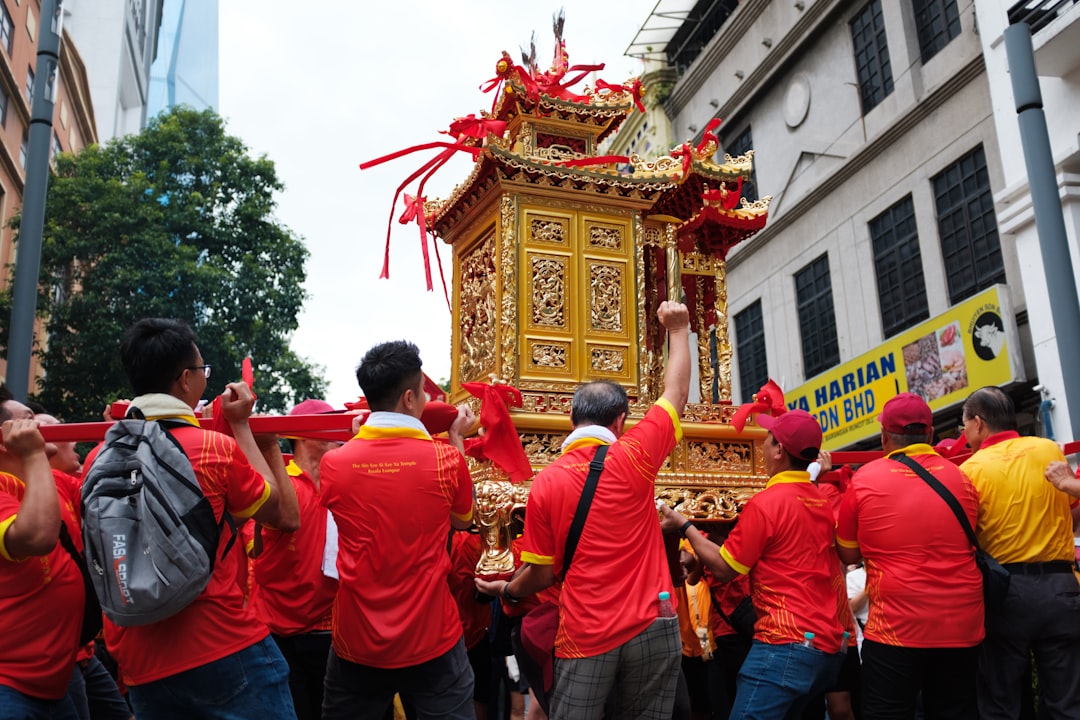
Perhaps the most iconic visual of Chinese New Year in Malaysia is the lion dance. These spectacular performances combine martial arts, acrobatics, and musical percussion to ward off evil spirits and bring good luck.
Where to Watch Lion Dances:
- Shopping malls (scheduled performances)
- Temple grounds
- Chinatown areas
- Restaurant and business openings
- Street performances in Chinese neighborhoods
Lion Dance Elements:
- Intricate lion costumes with moving parts
- Accompanied by drum, cymbal, and gong music
- Acrobatic feats and balancing acts
- “Eating the green” (lettuce) ritual for prosperity
Open Houses: A Uniquely Malaysian Tradition
The concept of “open houses” during Chinese New Year exemplifies Malaysia’s multicultural harmony. Families open their homes to friends, neighbors, colleagues, and even strangers to share in the festive spirit. This practice, while not traditional in China, has become deeply rooted in Malaysian Chinese New Year celebrations.
What to Expect at Open Houses:
- Abundant food and drinks
- Warm hospitality regardless of background
- Networking and socializing
- Often multiple open houses in one day
- Visitors may stay for 15-30 minutes or longer
Open House Etiquette:
- Bring a small gift or fruit basket
- Wear red or bright colors (avoid black or white)
- Remove shoes before entering homes
- Compliment the host and their decorations
- Don’t overstay at any single open house
Must-Try Chinese New Year Foods
Festival Snacks and Sweets
Malaysian Chinese New Year celebrations are incomplete without traditional snacks. These treats are prepared in large quantities and served to visitors throughout the festival period.
Popular Snacks:
- Pineapple tarts: Malaysia’s most beloved CNY cookie
- Bak kwa: Sweet and salty grilled pork jerky
- Kuih kapit: Crispy rolled wafer cookies
- Kuih bahulu: Sponge cake-like snacks
- Kuih bangkit: Coconut-based cookies
Symbolic Main Dishes
Each dish served during Chinese New Year carries special meaning and symbolism for prosperity, health, and good fortune.
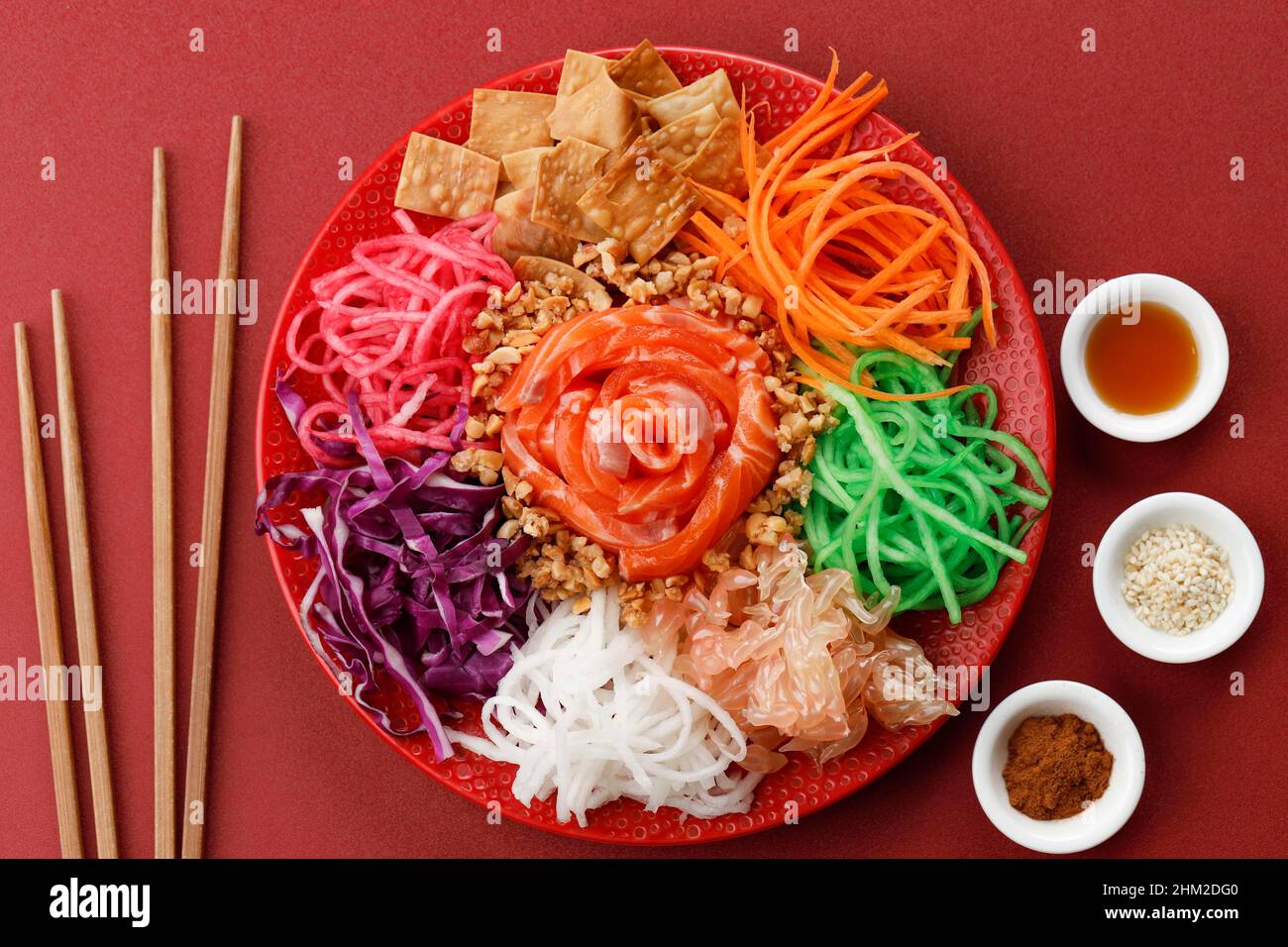
Symbolic Dishes and Their Meanings:
- Yee sang: Tossing for prosperity and abundance
- Whole fish: Surplus and abundance
- Dumplings: Wealth and prosperity
- Nian gao: Progress and advancement
- Longevity noodles: Long life
Best Places to Experience Chinese New Year in Malaysia
Kuala Lumpur
The capital city offers the most extensive Chinese New Year experience with numerous events, decorations, and celebrations.
Top KL Locations:
- Petaling Street (Chinatown): Traditional atmosphere, street food, shopping
- Thean Hou Temple: Decorations, prayers, and cultural performances
- Central Market: Cultural activities and shopping
- Bukit Bintang area: Shopping mall decorations and lion dances
- Pavilion Kuala Lumpur: Elaborate decorations and family-friendly activities
Penang
George Town, a UNESCO World Heritage site, offers a unique blend of Chinese and Peranakan traditions.

Must-Visit Penang Locations:
- Kek Lok Si Temple: Magnificent decorations and lighting
- George Town Clan Houses: Historical and cultural significance
- Chew Jetty: Traditional waterfront community celebrations
- Armenian Street: Street art, cafes, and cultural activities
- Various Peranakan neighborhoods: Unique Straits Chinese traditions
Other Notable Locations
- Ipoh: Traditional old town celebrations
- Malacca: Baba-Nyonya heritage celebrations
- Johor Bahru: Cross-border cultural influence
- Kuching: East Malaysian Chinese community celebrations
Chinese New Year Travel Tips
Booking Accommodation and Transportation
Chinese New Year is peak travel season in Malaysia. Planning ahead is crucial for a smooth experience.
Travel Planning Tips:
- Book hotels at least 2-3 months in advance
- Expect higher rates during the festival period
- Public transport may run reduced schedules
- Book flights early for best prices
- Consider staying near celebration venues
What to Pack
Packing appropriately for Chinese New Year celebrations shows respect for local customs and ensures comfortable participation.
Essential Items:
- Red or bright-colored clothing
- Comfortable walking shoes for temple visits
- Small gifts or fruit for open houses
- Camera for capturing memories
- Umbrella (February can be rainy)
Cultural Etiquette for Tourists
Participating in Chinese New Year celebrations requires understanding and respecting local customs.
Do’s:
- Wear red or bright colors
- Accept food and ang pow graciously
- Remove shoes before entering homes
- Greet with “Gong Xi Fa Cai” (Happy New Year)
- Participate in yee sang tossing
Don’ts:
- Wear black or white (mourning colors)
- Sweep or clean on the first day
- Give gifts in sets of four (sounds like “death”)
- Use scissors or knives (cuts good fortune)
- Refuse food unless you have dietary restrictions
Beyond the 15 Days: Chap Goh Mei
The 15th day of Chinese New Year, known as Chap Goh Mei, marks the end of the festival. In Chinese tradition, this is considered the Chinese Valentine’s Day, when unmarried women throw oranges into rivers or lakes hoping to find good husbands.
Chap Goh Mei Traditions:
- Lantern festivals
- Orange throwing rituals
- Family gatherings
- Last chance for yee sang tossing
- Fireworks displays
Chinese Zodiac and Your Year
Each Chinese New Year is associated with one of 12 zodiac animals. Understanding your zodiac sign and its characteristics adds depth to your festival experience.
Zodiac Animals: Rat, Ox, Tiger, Rabbit, Dragon, Snake, Horse, Goat, Monkey, Rooster, Dog, Pig
What’s Your Zodiac Sign? Your zodiac animal is determined by your birth year in the Chinese calendar. Each animal has specific personality traits and compatibility with other signs.
FAQ
What is the best time to visit Malaysia for Chinese New Year?
The best time is 3-7 days before Chinese New Year to experience the preparation excitement, or during the first 3 days to witness the main celebrations. However, these are also the busiest times. For fewer crowds, consider visiting during days 4-14 when the atmosphere remains festive but less chaotic.
Can tourists participate in Chinese New Year celebrations?
Absolutely! Malaysians are known for their hospitality, and tourists are welcome at most celebrations. You can attend temple ceremonies, watch lion dances, visit decorated areas, and even attend open houses if invited or if they’re publicly advertised.
What should I wear to Chinese New Year celebrations in Malaysia?
Wear red or bright colors like gold, orange, or pink. Avoid black, white, or blue as these are associated with mourning. For temple visits, modest clothing covering shoulders and knees is recommended. Some people wear traditional Chinese clothing, but this is not required.
How long do Chinese New Year celebrations last in Malaysia?
Officially, Chinese New Year is celebrated for 15 days, but the first 3 days are public holidays when most businesses and government offices are closed. After day 3, business gradually returns to normal, though decorations remain and people continue visiting well into the festival period.
What is ang pow and should tourists give it?
Ang pow are red envelopes containing money given by married couples to children, unmarried adults, and elders. As a tourist, you’re not expected to give ang pow. However, if you’re married and attending an open house where children are present, you may give small amounts as a gesture of goodwill.
Related Articles
Christmas in Malaysia 2026: Tropical Celebrations, Midnight Mass & Holiday Season Guide
Experience Christmas celebrations in Malaysia with church services and holiday season travel tips
Deepavali Malaysia 2026: Kolam Art, Oil Lamps & Festival of Lights Guide
Experience Deepavali Festival of Lights in Malaysia with traditions and kolam decorations
Malaysia Festivals Calendar 2026: 16 Major Celebrations, Travel Tips & Cultural Guide
Complete Malaysia festivals calendar with monthly breakdown of cultural celebrations and travel tips
Merdeka Day Malaysia 2026: Independence Parade, Jalur Gemilang & National Celebration Guide
Experience Malaysia Independence Day Merdeka celebrations with parade and national holiday travel tips