
 ChatGPT
  Gemini
  Claude
  Perplexity
 Key Takeaways
- Dress modestly—cover shoulders, knees, and avoid tight or revealing clothing
- Bring small gifts—cookies, dates, or fruits when visiting open houses
- Remove shoes—before entering Malaysian homes and follow household customs
- Eat with right hand—when using hands for Malay dishes
- Respect fasting—avoid eating, drinking, or smoking in public during Ramadan hours
Understanding Hari Raya and Ramadan
What is Hari Raya Aidilfitri?
Hari Raya Aidilfitri celebrates the end of Ramadan, the holy month of fasting.
Cultural Context:
- Significance: Marks breaking of the month-long fast with family and community
- Duration: Typically celebrated for 1-2 weeks in Malaysia
- Open houses: Key tradition where Malaysians welcome friends, family, and visitors of all backgrounds
- Forgiveness: Important emphasis on seeking and granting forgiveness for past wrongs
- Religious context: Islamic festival celebrating spiritual achievement after Ramadan
Ramadan Background
Understanding Ramadan helps tourists appreciate Hari Raya’s significance.
Ramadan Basics:
- Fasting period: Approximately 30 days before Hari Raya
- Fasting hours: From dawn (fajr) to sunset (maghrib)
- Fasting rules: No food, drink, or smoking during daylight hours
- Iftar: Breaking of fast at sunset, often communal meal
- Tarawih prayers: Special night prayers at mosques
Dress Code and Appearance
What to Wear
Proper attire shows respect for Islamic customs and Malaysian culture.
Appropriate Clothing:
- Modest coverage: Shoulders and knees should be covered at all times
- Loose-fitting: Avoid tight or body-revealing garments
- Traditional wear: Baju Melayu (for men) or Baju Kurung (for women) if possible
- Comfortable shoes: Easy to remove for home visits
- Lightweight fabrics: Malaysia’s tropical climate requires breathable materials
For Women:
- Long sleeves: Short sleeves acceptable with covered shoulders
- Long pants or skirts: At or below knee length
- Head covering: Not required for non-Muslims but appreciated in religious settings
- No cleavage: Modest necklines preferred
- Avoid sheer fabrics: Clothing should not be see-through
For Men:
- Long pants: No shorts, especially at religious sites
- T-shirts or collared shirts: Avoid tank tops
- Neat appearance: Grooming shows respect
- Traditional wear: Baju Melayu with samping if attending formal events
What to Avoid
Inappropriate clothing that could cause offense.
Clothing to Avoid:
- Shorts and short skirts: Revealing legs
- Sleeveless tops: Bare shoulders
- Tight or revealing outfits: Form-fitting garments
- Offensive graphics: Images or text offensive to Islam
- Excessive jewelry: Flashy displays of wealth
- Sportswear: Athletic clothing in inappropriate settings
Open House Etiquette
Attending Open Houses
Open houses are Malaysian tradition where hosts welcome everyone regardless of background.
Open House Guidelines:
- Call ahead if possible: Though often informal, calling shows courtesy
- Arrive on time: Don’t arrive too early or very late
- Bring small gifts: Cookies, dates, fruits, or quality chocolates
- Remove shoes: Upon entering the home
- Greet respectfully: “Selamat Hari Raya” with handshake or salaam
- Don’t overstay: Typical visits last 30-60 minutes
Gift Ideas:
- Traditional kuih: Malay cookies and sweets
- Dates: Symbolic and practical
- Fruit basket: Quality seasonal fruits
- High-quality chocolates: Premium brands appreciated
- Avoid alcohol: Inappropriate for Muslim hosts
Eating at Open Houses
Food is central to Hari Raya celebrations.
Food Etiquette:
- Wait for host: Allow hosts to serve or begin eating first
- Use serving spoons: Take from communal dishes with provided utensils
- Right hand preferred: Use right hand when eating traditional Malay dishes
- Sample everything: Try various dishes to show appreciation
- Compliment the food: Express gratitude to the host
- Clean your plate: Finish what you take to avoid waste
Leaving Open Houses
Knowing when and how to depart gracefully.
Departure Guidelines:
- Thank the hosts: Express appreciation for hospitality
- Say proper farewell: “Selamat Hari Raya” or “Terima kasih” (thank you)
- Don’t be last guest: Leave while other guests are still present
- Put shoes on properly: Before leaving the home
- Exit gracefully: Avoid drawing attention to departure
Greeting and Interaction
Proper Greetings
Using correct greetings demonstrates cultural respect.
Hari Raya Greetings:
- “Selamat Hari Raya”: Most common greeting, means “Happy Hari Raya”
- “Maaf Zahir dan Batin”: Means “I seek forgiveness physically and spiritually”
- “Aidilfitri Mubarak”: Alternative greeting meaning “Blessed Eid”
- Handshake or salaam: Follow host’s lead for greeting method
Greeting Guidelines:
- Wait for elders: Allow older people to offer greeting first
- Respect physical boundaries: Not all Muslims prefer handshakes
- Use both hands: When giving or receiving anything
- Slight bow: Small bow shows respect when greeting
- Learn basic Malay phrases: Even simple phrases are appreciated
Interaction Etiquette
Understanding appropriate behavior during Hari Raya interactions.
Behavioral Guidelines:
- Be respectful: Maintain respectful tone and language
- Ask permission: Before photographing people or homes
- Avoid sensitive topics: Religion, politics, or controversial subjects
- Don’t overindulge: Moderate alcohol and food consumption
- Show appreciation: Express gratitude for hospitality
Ramadan Etiquette (Before Hari Raya)
Respect for Fasting
Understanding fasting customs helps tourists be considerate during Ramadan.
Fasting Etiquette:
- Avoid eating in public: Refrain from eating food in public during fasting hours
- Don’t offer food: Don’t suggest eating or drinking to fasting Muslims
- Be discreet: If you must eat, do so in private or designated areas
- Show support: Express respect for those who are fasting
- No smoking in public: Avoid smoking in public areas
During Ramadan Hours
Navigating daily activities during daylight fasting hours.
Daytime Guidelines:
- Respect prayer times: Be aware of prayer times and avoid scheduling during these
- Quiet behavior: Maintain respectful atmosphere near mosques
- Dress modestly: Even more important during Ramadan
- Avoid loud music: Be considerate of those fasting and praying
- Business hours: Some businesses operate shorter hours
Religious Site Etiquette
Visiting Mosques
If visiting mosques during Hari Raya period.
Mosque Guidelines:
- Dress extremely modestly: Long sleeves, long pants or skirt, head covering for women
- Remove shoes: Always remove shoes before entering prayer areas
- Quiet behavior: Maintain respectful silence
- No photography: During prayer times unless explicitly permitted
- Follow instructions: Pay attention to mosque staff or signs
- Women’s sections: Respect designated areas for women
Prayer Times
Understanding and respecting prayer schedules.
Prayer Etiquette:
- Five daily prayers: Fajr (dawn), Dhuhr (midday), Asr (afternoon), Maghrib (sunset), Isha (night)
- Avoid interruptions: Don’t interrupt someone performing prayers
- Quiet during prayers: Maintain respectful silence during prayer times
- Plan around prayer times: Schedule visits between prayers when possible
Photography Etiquette
Taking Photos
Hari Raya celebrations offer excellent photo opportunities.
Photography Guidelines:
- Ask permission first: Especially for photographing people
- Respect privacy: Don’t photograph intimate family moments
- No flash photography: Especially in mosques or during prayers
- Focus on culture: Document decorations, food, and celebrations
- Delete if requested: Remove photos if subjects request it
- Don’t photograph women: Without explicit permission, especially in conservative areas
Mosque Photography
Special considerations for religious sites.
Mosque Photo Rules:
- Check for signage: Some mosques prohibit photography entirely
- No photos during prayers: Respect religious ceremonies
- Don’t photograph worshipers: Especially during prayer
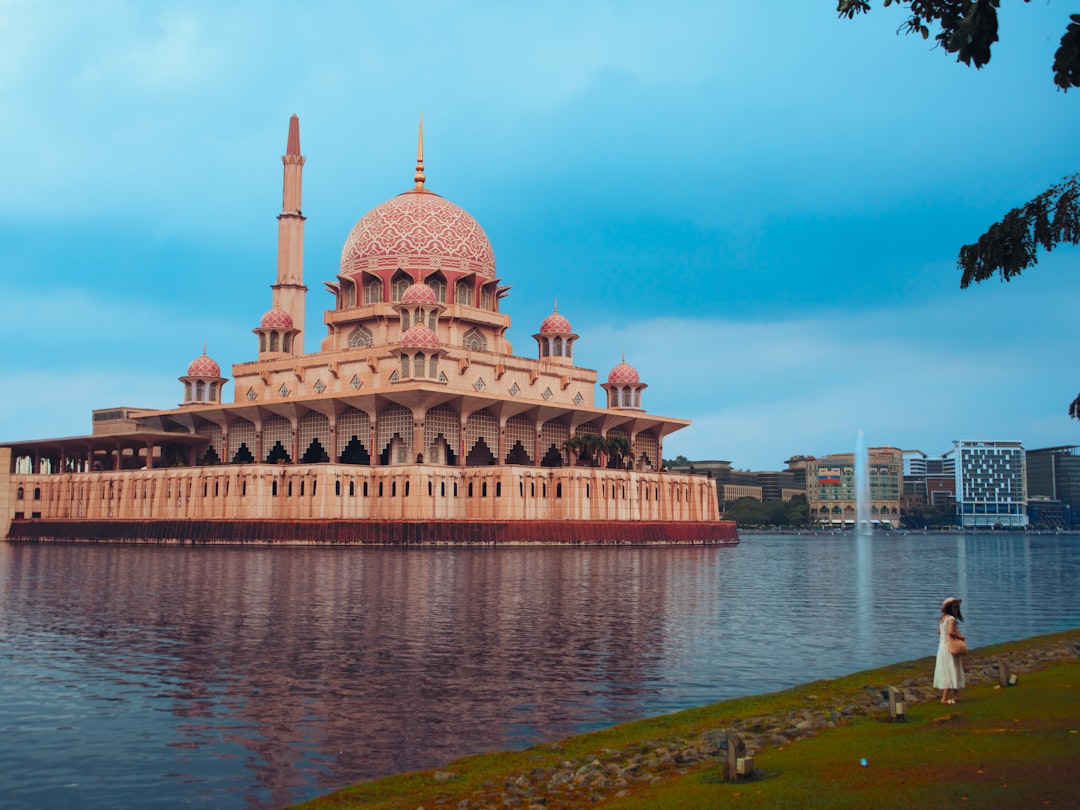
- Focus on architecture: Mosque exteriors, decorations, and atmosphere
- Ask imam or staff: For permission before photographing
Common Mistakes to Avoid
Major Don’ts
Actions that could cause offense during Hari Raya.
Critical Don’ts:
- Don’t arrive unannounced: Without at least some notice for open house visits
- Don’t arrive late: Fashionably late isn’t appropriate for Hari Raya
- Don’t bring alcohol: Completely inappropriate for Muslim hosts
- Don’t criticize food: Even if not to your taste
- Don’t overstay: Respect host’s time and other guests
- Don’t ignore fasting rules: During Ramadan before Hari Raya
Subtle Mistakes
Less obvious but still important to avoid.
Behavioral Don’ts:
- Don’t interrupt conversations: Especially when hosts are greeting other guests
- Don’t monopolize hosts’ time: Allow them to attend to all guests
- Don’t make assumptions: About customs, preferences, or backgrounds
- Don’t be overly familiar: Maintain appropriate social distance
- Don’t complain: About food, weather, or other minor discomforts
Special Considerations for Tourists
Cultural Sensitivity
Understanding Malaysian cultural context.
Context Understanding:
- Multiracial celebrations: Non-Muslims often participate in Hari Raya celebrations
- Open invitation: Malaysian open houses welcome everyone regardless of background
- Relaxed atmosphere: Less formal than some other Islamic cultures
- English commonly used: Many Malaysians are English-educated and welcoming
- Appreciation shown: Locals value tourists who make effort to follow customs
When in Doubt
Best practices when unsure about etiquette.
Guidelines:
- Observe and follow: Watch what others do
- Ask politely: “What is the proper way to do this?” or “Is this appropriate?”
- Smile and be grateful: Good attitude covers many minor mistakes
- Apologize if needed: Sincere apology goes a long way
- Learn from experience: Each celebration teaches more about customs
What to Say
Common Phrases
Basic Malay phrases show respect and effort.
Essential Phrases:
- “Selamat Hari Raya”: Happy Hari Raya (most common greeting)
- “Maaf Zahir dan Batin”: I seek forgiveness physically and spiritually
- “Terima kasih”: Thank you
- “Sama-sama”: You’re welcome
- “Selamat berpuasa”: Happy fasting (during Ramadan)
Conversation Topics
Appropriate topics for conversation.
Good Topics:
- Asking about customs: Show genuine interest in Hari Raya traditions
- Complimenting food: Express appreciation for dishes and hospitality
- Sharing experiences: About your own culture or travels
- Asking about family: General questions are welcome
- Positive comments: About Malaysia and your experiences
FAQ
Do non-Muslim tourists need to fast during Ramadan?
No, non-Muslims are not expected to fast during Ramadan. However, you should show respect by not eating, drinking, or smoking in public during fasting hours. If you need to eat or drink, do so in private or in designated areas like restaurants.
What if I’m invited to an open house but don’t have time to buy a gift?
It’s still appropriate to attend. Your presence and respect for the occasion are what matter most. If you don’t have a gift, simply express your gratitude and appreciation for the invitation. A sincere “Selamat Hari Raya” and respectful behavior is often enough.
Can I wear short sleeves if I cover my shoulders with a scarf?
Yes, wearing a scarf or shawl to cover shoulders is acceptable. Many tourists wear lightweight cardigans or shawls over sleeveless tops. The key is ensuring shoulders are covered when you’re in homes or religious settings.
Is it rude to refuse food at an open house?
Politely refusing a specific dish is acceptable if you explain (e.g., “I’m allergic to X”). However, it’s generally polite to accept something, even if small portions. Avoid refusing everything outright as this may seem unappreciative of the host’s hospitality.
What’s the difference between Hari Raya Aidilfitri and Hari Raya Haji?
Hari Raya Aidilfitri (also called Eid al-Fitr) celebrates the end of Ramadan after a month of fasting. Hari Raya Haji (Eid al-Adha) commemorates Prophet Ibrahim’s willingness to sacrifice his son and occurs during the Hajj pilgrimage period. Aidilfitri is the more widely celebrated with open houses, while Hari Raya Haji is more focused on religious observances and animal sacrifice.
Can I take photos at open houses?
Generally yes, but always ask permission first, especially for photographing people. Never take photos during prayers in mosques. Focus on food, decorations, and celebrations rather than intimate family moments. If anyone asks you not to photograph them, respect their request immediately.
Related Articles
Chinese New Year Etiquette for Tourists: Ang Pow Customs, Red Clothing & Complete Guide
Learn Chinese New Year etiquette for tourists in Malaysia with dos and don'ts guide
Thaipusam Etiquette for Tourists: How to Respectfully Observe Kavadi Ceremonies & Batu Caves
Learn Thaipusam festival etiquette for tourists with Batu Caves dos and don'ts guide
Chinese New Year Malaysia 2026: Lion Dances, Ang Pow & 15-Day Festival Guide
Experience Malaysia's vibrant Chinese New Year celebrations with lion dances, traditional foods, and cultural insights
Christmas in Malaysia 2026: Tropical Celebrations, Midnight Mass & Holiday Season Guide
Experience Christmas celebrations in Malaysia with church services and holiday season travel tips