
 ChatGPT
  Gemini
  Claude
  Perplexity
 Key Takeaways
- Deepavali celebrates triumph of light over darkness and good over evil
- Celebrated with oil lamps (diyas), kolam (rangoli), and fireworks
- Open houses welcome visitors of all backgrounds to share celebrations
- The festival dates vary annually based on Hindu lunar calendar (usually October-November)
- New clothes and sweets are central to Deepavali celebrations
Understanding Deepavali
Deepavali means “row of lights” in Sanskrit and is India’s most important festival. For Malaysia’s Tamil Hindu community, comprising about 7% of the population, Deepavali is the biggest celebration of the year. The festival symbolizes the victory of Lord Rama over the demon Ravana, representing light’s victory over darkness, knowledge over ignorance, and good over evil.
The five-day celebration includes each day having its own significance, rituals, and traditions. In Malaysia, while the elaborate five-day celebration might be condensed, the essence and main rituals remain intact, creating a spectacular display of lights, colors, and community.
Day 1: Dhanteras
The first day of Deepavali, Dhanteras or Dhanvantari Trayodashi, focuses on wealth and prosperity.
Dhanteras Traditions:
- Buying gold or silver: New metal for prosperity
- Cleaning homes: Welcoming Lakshmi (goddess of wealth)
- Lighting diyas: Small oil lamps at entrance
- Preparing sweets: For upcoming celebrations
- Business prayers: Merchants worship their accounting tools
Day 2: Naraka Chaturdashi
The second day focuses on cleaning and preparing homes, and some observe Naraka Chaturdashi with fasting.
Naraka Chaturdashi Activities:
- Thorough cleaning: Removing negativity and preparing space
- Making kolam: Intricate floor decorations
- Decorating homes: With flowers and lights
- Fasting: Some Hindus observe partial fast
- Early celebrations: Begin in the evening
Day 3: Deepavali Main Day
The third day, Diwali proper, is the most important day with Lakshmi Puja and main celebrations.
Main Day Activities:
- Lakshmi Puja: Worship of goddess of wealth
- Lighting diyas: Every room and corner of home
- Wearing new clothes: Traditional attire for prayers
- Fireworks: Evening displays across neighborhoods
- Family gatherings: Reunions and feasting
Day 4: Govardhan Puja
The fourth day, also known as Bali Pratipada, honors the relationship between husband and wife.
Govardhan Puja Traditions:
- Wife worship: Husband’s first day of new year
- Gift exchange: Between spouses
- Family visits: Continued celebrations
- Remaining kolam: Maintaining floor decorations
- Continued prayers: To deities and ancestors
Day 5: Bhai Dooj
The fifth and final day celebrates the bond between brothers and sisters, with sisters praying for their brothers’ well-being.
Bhai Dooj Traditions:
- Sister’s prayers: For brothers’ long life and prosperity
- Brother’s gifts: To sisters
- Family meals: Sibling gatherings
- Applying tilak: Mark on brothers’ foreheads
- Sweet exchanges: Between siblings
Kolam (Rangoli) Traditions
What Are Kolam?
Kolam, also known as rangoli in Northern India, are intricate floor decorations made from colored powders, rice, or flower petals. These beautiful designs welcome the goddess Lakshmi and add visual splendor to Deepavali.
Kolam Elements:
- Geometric patterns: Intricate, symmetrical designs
- Natural materials: Rice flour, colored powders, flowers
- Spiritual symbols: Lotus, swastikas, and religious motifs
- Daily renewal: New kolam each morning
- Community competitions: Beautiful kolam displays in neighborhoods
Making Kolam
Creating kolam is both an art form and spiritual practice during Deepavali.
Kolam Creation:
- Clean floor: Prepare smooth surface
- Choose pattern: Traditional or contemporary designs
- Use colored powders: Pinching between fingers for precision
- Add diyas: Oil lamps at kolam’s edges
- Maintain throughout: Several days of festival
Oil Lamps and Diyas
Significance of Diyas
Lighting oil lamps (diyas) is Deepavali’s most essential tradition, representing light banishing darkness.
Diya Traditions:
- Clay diyas: Traditional earthen lamps
- Mustard oil: Traditional fuel for diyas
- Cotton wicks: Prepared from cotton
- Every room: At least one diya in each space
- All night: Diyas kept burning throughout evening
Modern Lighting Options
While traditional clay diyas remain essential, modern lighting options have evolved.
Modern Elements:
- Electric diyas: Safer and reusable alternatives
- LED lights: For outdoor displays
- Candle decorations: Additional illumination
- String lights: For home exteriors
- Lanterns: Paper or electric variations
Deepavali Foods
Traditional Sweets (Mithai)
Sweets are essential to Deepavali celebrations, symbolizing sweetness of life and shared joy.
Popular Deepavali Sweets:
- Gulab jamun: Rose-flavored milk dumplings
- Jilebi: Spiral-shaped sugar syrup sweets
- Laddu: Various ball-shaped confections
- Mysore pak: Rich, layered sweet dish
- Rasgulla: Spongy, syrup-soaked sweets
Savory Dishes
Alongside sweets, savory dishes form important part of Deepavali feasts.
Deepavali Savory Foods:
- Murukku: Savory snacks and crackers
- Samosas: Fried or baked pastries
- Biryani: Rice dish for family meals
- Curries: Various meat and vegetarian options
- Pappadums: Crispy, fried bread snacks
Traditional Clothing
Festival Attire
Wearing new clothes is significant Deepavali tradition, symbolizing new beginnings.
Women’s Deepavali Clothing:
- Sarees: Traditional six-yard drapes
- Salwar kameez: Tunic and trousers suits
- Lehengas: Long skirt with matching blouse
- Jewelry: Gold ornaments and bangles
- Bindi and henna: Traditional decorations
Men’s Deepavali Clothing:
- Kurta: Traditional long shirts
- Dhoti: Unstitched cloth wrapped around waist
- Sherwani: Fitted formal coats
- Nehru jackets: Western-influenced formal wear
- Footwear: Traditional sandals or mojaris
Deepavali in Malaysia
Little India Celebrations
Malaysia’s Little India districts become centers of Deepavali celebration, particularly in Kuala Lumpur, Penang, and Ipoh.
Little India Highlights:
- Brickfields Little India (KL): Elaborate decorations and shopping
- Penang Little India: Cultural performances and food
- Ipoh Little India: Traditional atmosphere and family gatherings
- Street decorations: Lights and kolam throughout
- Traditional markets: Sweets, clothes, and Deepavali items
Temple Celebrations
Hindu temples across Malaysia host special Deepavali prayers and ceremonies.
Notable Temples:
- Sri Maha Mariamman Temple (KL): Main prayers and cultural programs
- Sri Kandaswamy Kovil (Penang): Traditional Tamil Hindu temple
- Klang’s various temples: Community celebrations
- Johor Bahru temples: Growing Deepavali celebrations
- East Malaysia temples: Multi-ethnic observances
Open House Tradition
Malaysian Deepavali Hospitality
Like other Malaysian festivals, Deepavali features open houses welcoming all visitors.
Open House Elements:
- All visitors welcome: Regardless of religion or background
- Food abundance: Sweets and savory dishes served
- Community bonding: Strengthening multicultural ties
- Traditional music: Deepavali songs and bhajans
- Fireworks: Evening displays for guests
Etiquette for Tourists
Visiting Guidelines
Tourists visiting Deepavali celebrations should follow respectful practices.
Visiting Etiquette:
- Wear modest clothing: Covering shoulders and knees
- Remove shoes: Before entering homes and temples
- Greet appropriately: “Happy Deepavali” or “Diwali Mubarak”
- Respect rituals: Don’t interrupt prayers or ceremonies
- Accept graciously: Food and sweets offered by hosts
What to Wear
Dress appropriately for Deepavali celebrations to show respect for the occasion.
Appropriate Attire:
- Modest clothing: Not too revealing or tight
- Bright colors: Preferred for festive atmosphere
- Comfortable shoes: For temple visits and home entry/exit
- Jewelry optional: But appreciated for traditional celebration
- Avoid black: Mourning color in Hindu culture
Safety Considerations
Fireworks Safety
Fireworks are integral to Deepavali but require careful handling.
Safety Guidelines:
- Adult supervision: Children should never handle fireworks alone
- Open spaces: Light fireworks in clear areas away from buildings
- Keep water ready: Bucket or hose for emergencies
- Proper disposal: Used fireworks in designated areas
- Follow local laws: Some areas restrict certain types
Pet Safety
Pets and animals can be frightened by Deepavali fireworks.
Pet Safety Tips:
- Indoor confinement: Keep pets safe and calm during fireworks
- Identification: Ensure pets have ID tags if they escape
- Sound dampening: White noise or music to mask firework sounds
- Comfort measures: Safe spaces for animals
- Veterinary consultation: If pets show extreme stress
Modern Deepavali Celebrations
Digital and Social Media
Modern technology influences how Malaysians celebrate Deepavali.
Modern Elements:
- Virtual celebrations: Online gatherings for overseas family
- Social media sharing: Deepavali wishes and photos
- Digital kolam: Apps and tutorials for creating designs
- Online shopping: Deepavali items delivered to homes
- Video calls: Connecting with distant relatives
FAQ
What is difference between Deepavali and Diwali?
Deepavali and Diwali are the same festival, just different regional names. Deepavali is predominantly used in South India (Tamil), while Diwali is more common in North India. In Malaysia, both terms are used, with “Deepavali” being more common among the Tamil Hindu community.
Is Deepavali a public holiday in Malaysia?
Yes, Deepavali is a public holiday in Malaysia, observed nationwide. Most government offices, schools, and banks close for the day. Some businesses may operate on reduced hours or remain closed entirely, especially Hindu-owned establishments.
Can non-Hindus celebrate Deepavali?
While Deepavali is a Hindu religious festival, Malaysia’s multicultural nature means many non-Hindus participate. Visitors are welcome at open houses, decorations can be enjoyed by all, and the festival’s themes of light’s triumph over darkness and good over evil resonate universally. Temple prayers are primarily for Hindus, but cultural aspects are open to everyone.
What is significance of kolam?
Kolam (rangoli) are intricate floor decorations made from colored powders, rice, or flowers. They welcome the goddess Lakshmi (wealth and prosperity) into homes, symbolizing welcoming of positive energy. Creating kolam is both an artistic expression and spiritual practice during Deepavali, with designs often passed down through generations.
Do people give gifts during Deepavali?
Yes, gift-giving is common during Deepavali. Traditionally, sweets, dry fruits, and clothes are exchanged. Gold or silver items are also popular gifts. Modern times see electronic gadgets, gift cards, and other contemporary presents. The spirit is sharing prosperity and joy with loved ones.
Related Articles
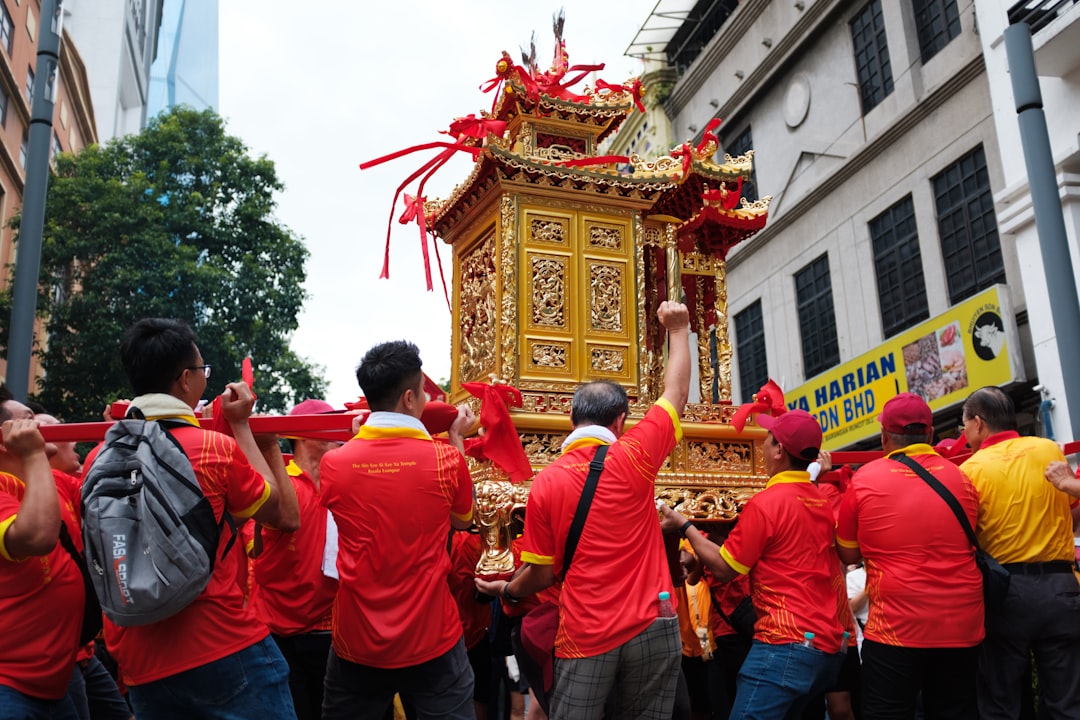
Chinese New Year Malaysia 2026: Lion Dances, Ang Pow & 15-Day Festival Guide
Experience Malaysia's vibrant Chinese New Year celebrations with lion dances, traditional foods, and cultural insights
Christmas in Malaysia 2026: Tropical Celebrations, Midnight Mass & Holiday Season Guide
Experience Christmas celebrations in Malaysia with church services and holiday season travel tips
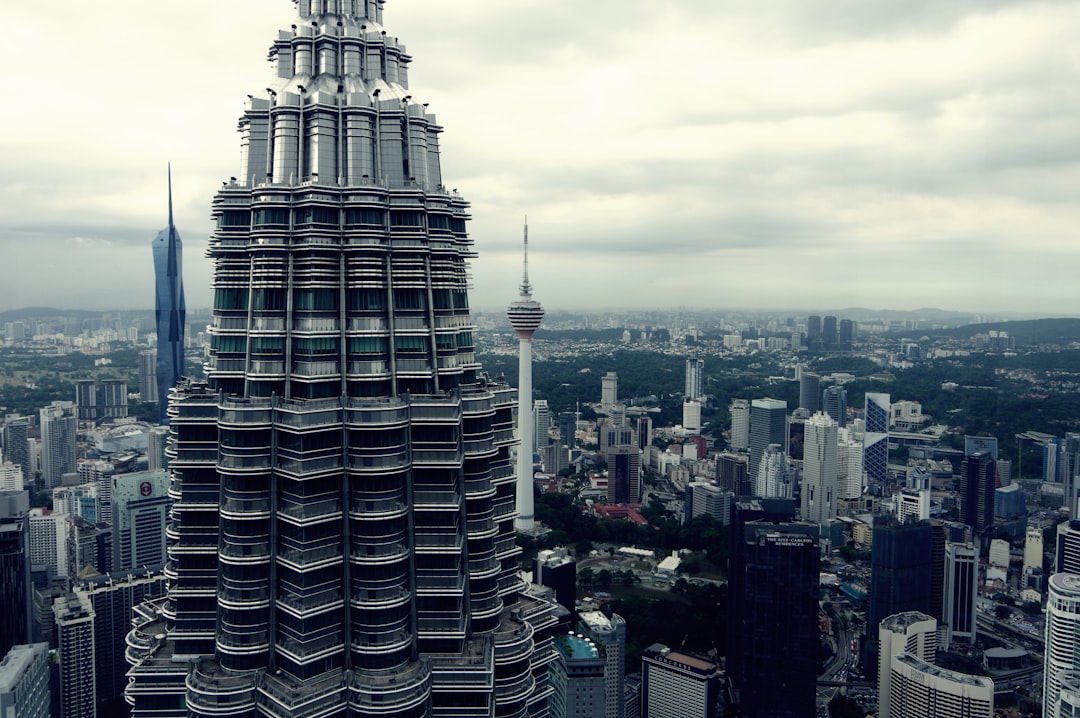
Malaysia Festivals Calendar 2026: 16 Major Celebrations, Travel Tips & Cultural Guide
Complete Malaysia festivals calendar with monthly breakdown of cultural celebrations and travel tips
Merdeka Day Malaysia 2026: Independence Parade, Jalur Gemilang & National Celebration Guide
Experience Malaysia Independence Day Merdeka celebrations with parade and national holiday travel tips