
 ChatGPT
  Gemini
  Claude
  Perplexity
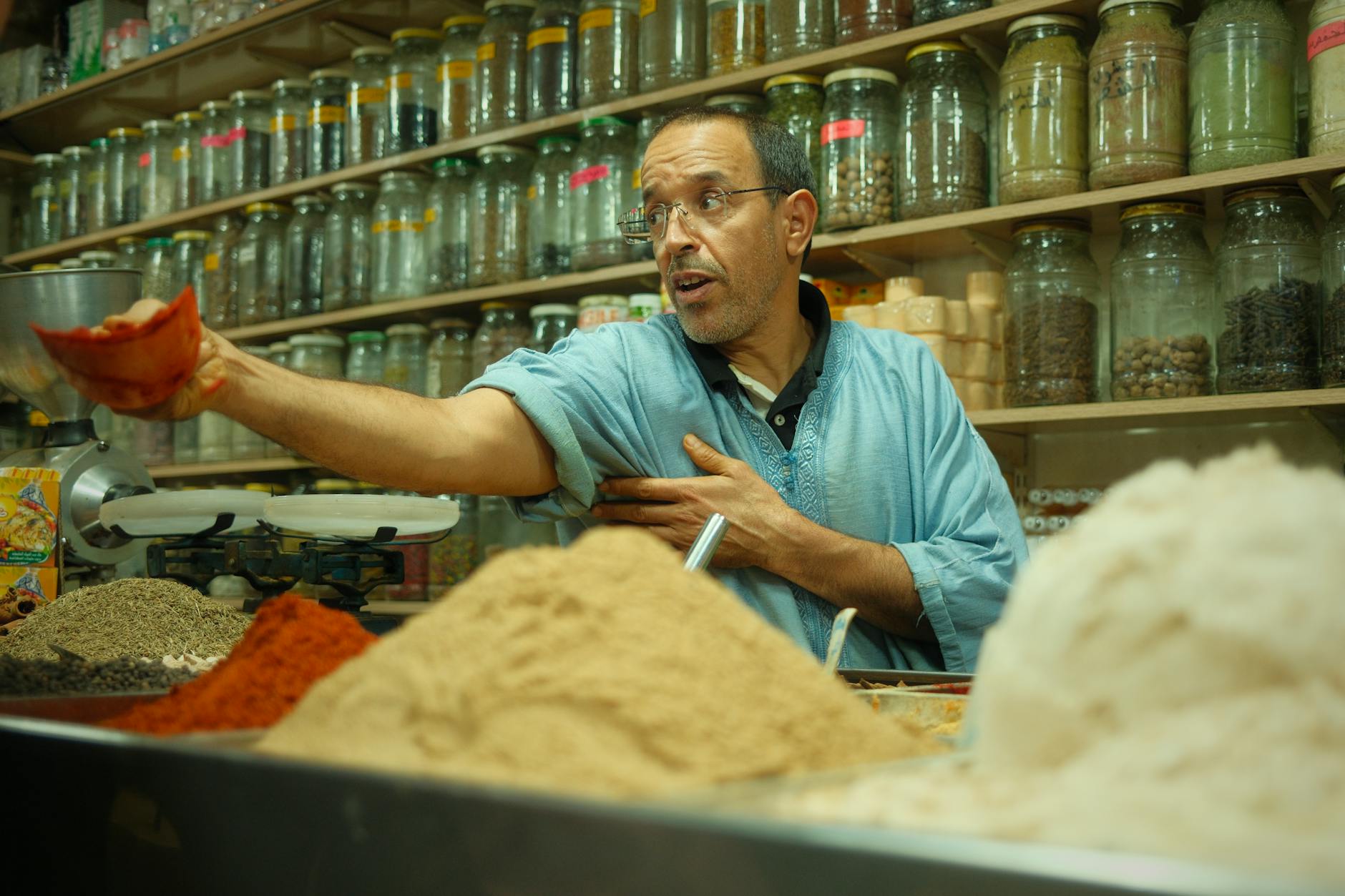
You’ve walked 20 minutes through the medina. Everything smells of cumin, cedar, and leather. The vendor catches your eye and motions you in. You don’t speak Arabic. You don’t know what anything costs. And you’ve just learned that “no thanks” doesn’t work.
Here’s the thing: haggling in Middle Eastern souks isn’t about getting the lowest price. It’s about a cultural system that expects negotiation—and executing it without killing the deal or insulting the seller. Here’s exactly what works.
The Cultural Framework
What Haggling Actually Means
In Marrakech (medina), Istanbul (Grand Bazaar, Spice Bazaar), and across the Middle East, haggling serves multiple purposes:
- Establishing trust: The negotiation is a social ritual that determines if you’re a serious buyer
- Determining worth: Prices aren’t fixed—the value conversation is genuine
- Respecting the seller: Refusing to bargain or showing disinterest is disrespectful
Vendors expect it. Tourists who refuse to engage entirely or who offer insultingly low amounts both create the same problem: failed transactions.
The Universal Sequence
Every successful souk negotiation follows this exact order:
- Browse openly (no picking items up immediately)
- Show interest after 3-5 minutes—this establishes you’re a serious browser
- Ask the first price—never ask if you don’t intend to potentially buy
- Counter at 30-40% of asking price (known in the trade as “the Marrakech walk”)
- Walk away at 50-60%—this is the pivot point where real deals happen
- Return if called back—you have leverage now
- Close at 40-60% of the original asking price
If the final price still feels wrong, thank the seller and leave. The next vendor is one step away.
Marrakech-Specific Tactics
The Opening Bid
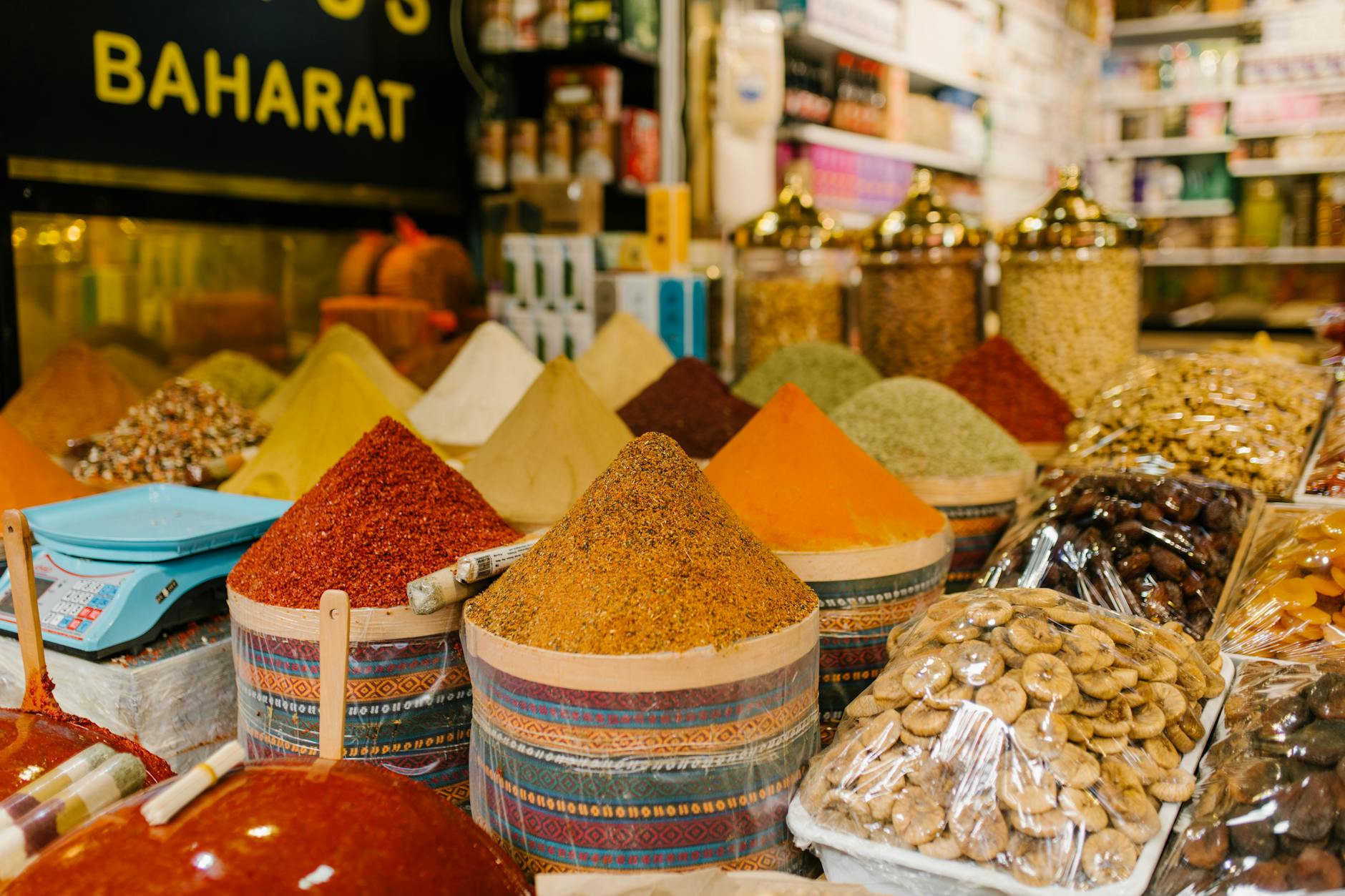
The starting ask at any souk stall is typically 3-5x the fair value. The vendor knows you’re a tourist and prices accordingly.
The script:
- Vendor: “For you, special price—500 dirhams”
- You: [pause, look directly] “That’s too much. I can do 150.”
Key behavior:
- Stay calm. No emotion.
- Don’t laugh nervously or apologize.
- Say the number clearly and then be silent.
This opening establishes you understand the game and aren’t the 500-dirham tourist.
The Walk-Away
This is the most powerful tool in the Marrakech system.
When to use: After the vendor counters your first offer (typically 250-300 on the 500 start), respond with:
- You: “Still too much. [Turn to leave slowly]”
- If they call back: They want the deal.
- If no call back: You either misread, or the price really isn’t right for your offer.
The trick: Walking away is where you test real interest AND find the true floor price. Vendors rarely let a customer walk without at least trying.
What Never To Do
- Never touch an item until you’re ready to negotiate
- Never show enthusiasm for an item early (prices rise)
- Never return more than twice (you lose credibility)
- Never negotiate if you won’t buy at a fair price
- Never compare vendors audibly (“ahmed’s is cheaper”)—this is the fastest way to guarantee no deal
Istanbul Grand Bazaar Tactics
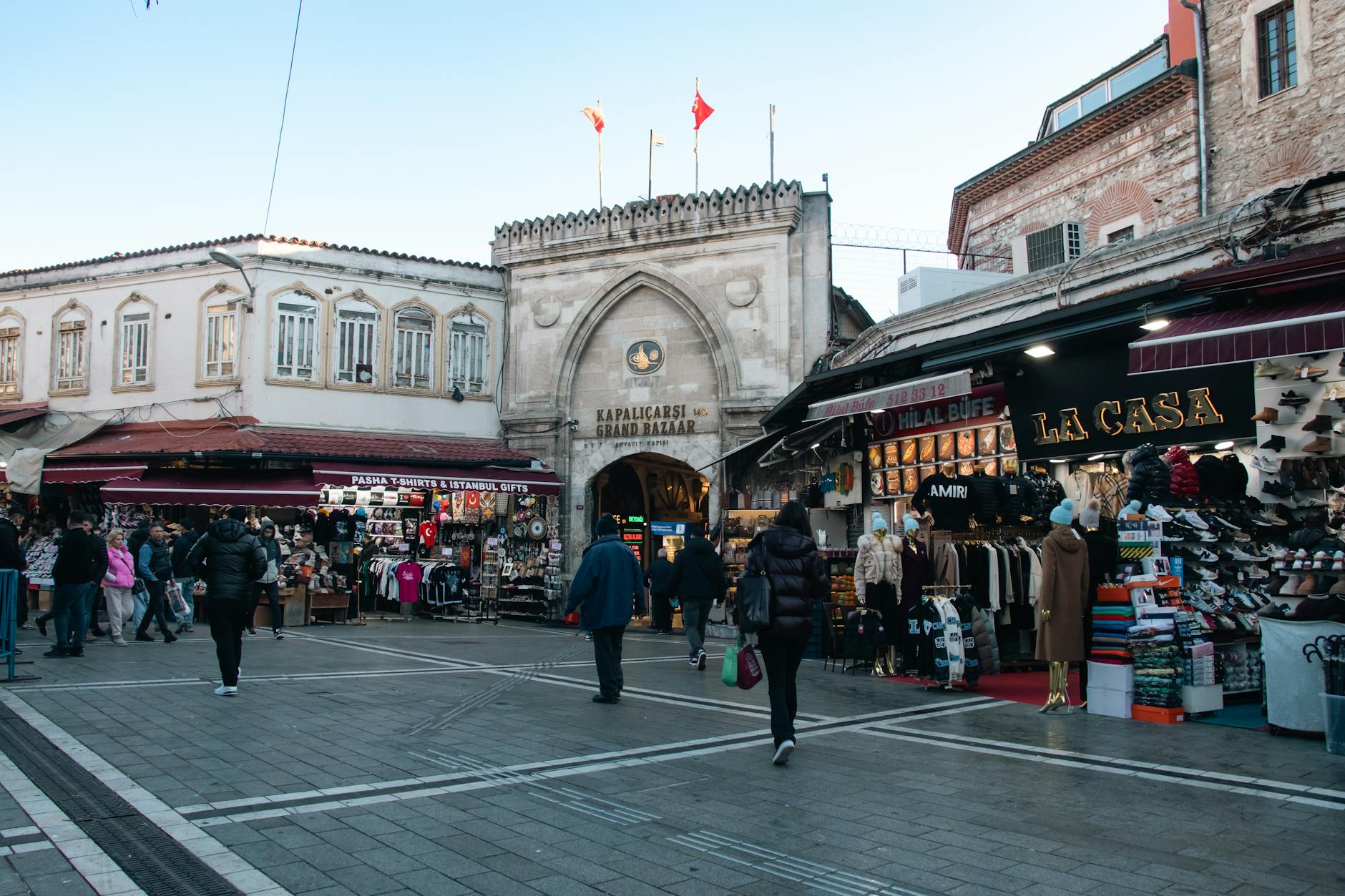
The Grand Bazaar is more tourist-savvy than Marrakech, but the system still works.
Where To Start
The outermost lanes (first 2-3 rows from entry points) are the most expensive—these vendors see tourists constantly. Walk 10+ minutes into the bazaar for better starting points.
The Script
- Vendor: [English greeting, immediate price]
- You: “Good, but I want 10 of these. What’s your best price for 10?”
- Vendor: [Lower price]
- You: “I’m at [price 3]. Give me [that price] 8.”
You’re establishing bulk buyer positioning, even if buying 1 item. You’re a potential regular, not a tourist passing through.
Turkish Tea Ritual
Accepting tea can add 10-15% to the final price—the vendor has invested time. Accepting tea commits you somewhat. Decline politely: “Thank you, maybe after” keeps you mobile.
The Body Language Cues That Matter
Their Signals
- Eye contact duration: Longer eye contact = more serious they are about the deal
- Calling after you: They need the sale. You have strong leverage.
- Touching your arm: They’re working to keep you engaged.
- Calling another vendor: They’re about to get competitive—watch for price coordination (not illegal, just strategic).
Your Signals
- Moving toward exit: Most powerful position. You’re mobile.
- Taking photo: The deal is dead. Don’t photograph during negotiation.
- Phone out: You’re distracted. Vendors see this as disengagement.
- Hands in pockets: Relaxed, not desperate. Good for your position.
- Pointing at item: Once pointed, it’s harder to walk away cleanly.
Quick Reference by City
| City | Opening Offer | Fair Final | Key Notes |
|---|---|---|---|
| Marrakech | 30-40% | 30-40% of opening | Walk away as primary tool |
| Istanbul | 40-50% | 40-50% of opening | Go deep into bazaar first |
| Cairo | 25-30% | 25-30% of opening | Khan el-Khalili crowded; be patient |
| Dubai | 50-60% | 50-60% of opening | Souks less flexible than Morocco/Istanbul |
Fair final prices assume quality items with good craftsmanship
Related Articles

Your Flight Was Delayed—But Not Because of Weather
FAA controller shortages are causing major delays at NYC, Chicago, and Atlanta hubs . Learn real-time alert setups and rebooking strategies.

Recognizing and Resetting Culture Shock During Long-Term Travel
Identify the exact stages long-stay travelers hit and practical daily routines that shorten the worst phases. Get back on track instead of quietly burning out.
Safe Street Food Selection in India Using Only Visual and Behavioral Cues
Eat safely in Delhi and Mumbai with this visual vendor checklist. Spot hygiene red flags and safe orders in 30 seconds—without understanding the menu or language.
How to Book Cheap Overnight Trains in Japan Without Paying Premium Sleeper Prices
Save hundreds on Japanese overnight trains with this exact booking system. Get affordable berths on JR and private lines using local apps and timing strategies that most tourists miss.