
 ChatGPT
  Gemini
  Claude
  Perplexity
 The Mid-Autumn Festival, known in Vietnam as Tết Trung Thu, is one of the country’s most joyous and colorful celebrations, especially beloved by children. Taking place on September 6, 2026, this festival transforms Vietnamese cities and villages into magical wonderlands of glowing lanterns, energetic lion dances, and sweet treats, all under the light of the full moon.
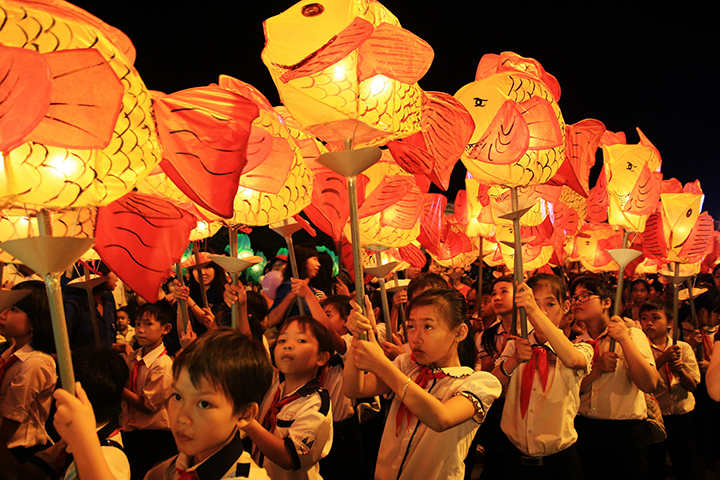
For travelers, the Mid-Autumn Festival offers a uniquely Vietnamese experience that combines ancient folklore, family traditions, and community celebration into one of Southeast Asia’s most photogenic and atmospheric holidays. The festival is less about solemn ceremony and more about joyful family gatherings, children’s activities, and community festivities that reveal Vietnam’s playful and family-oriented culture.
This comprehensive guide covers everything you need to know about Vietnam’s Mid-Autumn Festival 2026: history and legends of the holiday, traditional customs and foods, best locations for celebrations, practical travel tips, and how to experience this magical festival.
What is the Mid-Autumn Festival?
Ancient Harvest Celebration
The Mid-Autumn Festival originated over 2,000 years ago as a harvest celebration, held during the full moon of the eighth lunar month when crops were fully matured and the moon was brightest. In Vietnam, it’s called Tết Trung Thu, which translates to “Mid-Autumn Festival.”
While the holiday has Chinese origins, Vietnam has developed uniquely Vietnamese traditions and folklore that make the celebration distinctly Vietnamese. In Vietnam, the Mid-Autumn Festival is primarily a children’s festival, making it one of the year’s most joyful and family-focused celebrations.
The Children’s Festival
What makes Vietnam’s Mid-Autumn Festival special:
Focus on Children:
- Children receive new clothes and toys
- Children carry lanterns in evening processions
- Children participate in lion dances and performances
- Children are given special treats and attention
Family-Centered:
- Families gather for special dinners
- Parents make or buy lanterns for their children
- Extended families come together
- Grandparents tell stories and legends
Community Celebrations:
- Neighborhoods organize events
- Schools have special celebrations
- Community centers host activities
- Public areas become festival spaces
The Moon
The full moon is central to the festival’s meaning:
Symbolism:
- The full moon represents family unity and completeness
- Brightest moon of the year, optimal for celebration
- Traditional time for family reunions
- Associated with prosperity and good fortune
Moon Gazing:
- Families gather to watch the full moon rise
- Moon gazing is a traditional festival activity
- Children make wishes to the moon
- Stories about the moon are told
Mid-Autumn Festival 2026 Dates and Schedule
Official Dates
- Festival Date: September 6, 2026 (15th day of the eighth lunar month)
- Extended Celebrations: September 5–7, 2026 (14th–16th day of the eighth lunar month)
- Community Events: Often extend for a week around the main date
Daily Schedule
September 5, 2026 (Day Before Festival):
- Morning: Preparations, lantern making and buying
- Midday: Family preparations and meal cooking
- Afternoon: Children’s activities and rehearsals
- Evening: Preliminary celebrations and lantern displays
September 6, 2026 (Main Festival Day):
- Morning: School and community celebrations
- Midday: Special family lunch with traditional foods
- Afternoon: Children’s games and activities
- Evening (6–10 PM): Main lantern processions and lion dances
September 7, 2026 (Day After Festival):
- Morning: Continued community activities
- Midday: Family gatherings and leftover mooncakes
- Afternoon: Cleanup and preparation for return to normal activities
- Evening: Quiet reflection and family time
2026 Lunar Calendar Note
The festival occurs on the 15th day of the eighth lunar month. Because the lunar calendar shifts relative to the Gregorian calendar, the date varies each year. September 6, 2026, is the corresponding date, but always confirm closer to your travel dates.
Festival Legends and Folklore
The Legend of Cuoi and the Banyan Tree
Vietnam’s most beloved Mid-Autumn legend tells of Cuoi, a woodcutter who cared for a magical banyan tree:
The Story: Cuoi discovered a magical banyan tree that had the power to heal the sick and even raise the dead. However, the tree was sacred and had strict rules for its care. When Cuoi’s wife violated these rules, the tree grew uncontrollably and carried Cuoi up to the moon, where he lives to this day.
Cultural Significance:
- Vietnamese children traditionally look for Cuoi in the moon
- The banyan tree shape is sometimes visible on the moon’s surface
- Stories about Cuoi are told to children during the festival
- The legend explains the connection between the festival and the moon
The Legend of Chị Hằng (Moon Lady)
Another popular legend tells of Chị Hằng, a beautiful woman who flew to the moon:
The Story: Chị Hằng was the wife of a king but was unhappy because the king didn’t love her. She found happiness in caring for children. When the king discovered her kindness to the children and punished her, she flew to the moon, where she lives in a palace with a jade rabbit, making medicine to help people on earth.
Cultural Significance:
- Vietnamese children traditionally look for Chị Hằng in the moon
- The moon rabbit (thỏ ngọc) is another legend element
- Chị Hằng represents kindness and care for others
- Her palace is said to be visible as bright areas on the moon
The Jade Rabbit (Thỏ Ngọc)
The jade rabbit is another beloved figure in Mid-Autumn folklore:
The Story: The jade rabbit lives on the moon with Chị Hằng, helping her prepare magical medicine. The rabbit represents virtue and compassion, tirelessly working to help others.
Cultural Significance:
- The jade rabbit appears in lantern designs and decorations
- Children look for the rabbit shape on the moon
- The rabbit represents kindness and selfless service
- Often featured in festival stories and decorations
Traditional Customs and Activities
1. Lantern Processions
The most iconic Mid-Autumn tradition is the evening lantern procession:
Procession Elements:
- Children carry colorful lanterns of various shapes and sizes
- Processions wind through neighborhood streets
- Traditional music and songs accompany the procession
- Adults and older children lead the way
Lantern Types:
- Star Lanterns: Traditional five-pointed star shapes
- Animal Lanterns: Rabbits, fish, dragons, and other animals
- Flower Lanterns: Lotus and other flower shapes
- Modern Lanterns: Popular cartoon characters, vehicles, and contemporary designs
Making Lanterns:
- Traditionally, families made lanterns together from paper and bamboo
- Today, many buy ready-made lanterns from markets
- Some schools and communities organize lantern-making workshops
- Homemade lanterns are especially cherished
2. Lion Dances (Múa Lân)
Lion dances are energetic and exciting performances:
Performance Elements:
- Performers in elaborate lion costumes
- Drums, gongs, and cymbals provide rhythm
- Lions dance through streets and crowds
- Lions perform acrobatic moves and interact with children
Community Aspects:
- Neighborhoods organize their own lion dance groups
- Schools often have lion dance performances
- Professional groups perform in public spaces
- Children love watching and sometimes participating
Performance Schedule:
- Typically occur in the evening after dinner
- Multiple groups may visit the same neighborhood
- Families sometimes invite groups to their homes
- Performances bring good luck and prosperity
3. Mooncakes (Bánh Trung Thu)
Mooncakes are the festival’s signature food:
Traditional Mooncakes:
- Bánh Nướng: Golden brown, baked pastry crust
- Bánh Dẻo: White, sticky rice dough
- Fillings: Lotus seed paste, egg yolks, red bean paste, mixed nuts
- Shape: Round, symbolizing the full moon and family unity
Varieties:
- Traditional Fillings: Lotus seed, red bean, mixed nuts
- Modern Fillings: Chocolate, coffee, durian, green tea
- Egg Yolks: Traditionally one or two salted egg yolks represent the moon
- Regional Varieties: Different regions have specialty flavors
Sharing Mooncakes:
- Mooncakes are traditionally shared among family and friends
- Given as gifts to teachers, neighbors, and colleagues
- Often accompanied by tea for balance
- Rich and sweet, eaten in small pieces
4. Traditional Games and Activities
Children’s games and activities are central to the festival:
Traditional Games:
- Đập Nảy (Bean Bag Toss): Throwing bean bags into targets
- Tổ Tôm (Traditional Bingo): Children’s lottery game
- Oan Tử (Mancala): Traditional board game
- Cờ Người (Human Chess): Chess played with people as pieces
Cultural Activities:
- Storytelling of legends (Cuoi, Chị Hằng, jade rabbit)
- Traditional singing and dancing
- Calligraphy demonstrations
- Craft activities (lantern making, paper crafts)
5. Moon Gazing and Storytelling
Traditional family activities:
Moon Gazing:
- Families gather outdoors to watch the moon rise
- Children make wishes to the moon
- Families eat mooncakes and drink tea while watching
- Traditional time for family bonding and reflection
Storytelling:
- Grandparents and parents tell festival legends
- Children ask questions about the moon and its inhabitants
- Stories reinforce cultural values and family traditions
- Creates magical atmosphere for children
6. Special Foods and Treats
Beyond mooncakes, the festival includes special foods:
Traditional Foods:
- Pomelo (Bưởi): Seasonal fruit, especially popular
- Persimmons (Hồng): Another seasonal favorite
- Seasonal Fruits: Rambutan, langan, dragon fruit (in season)
- Tea: Green tea or oolong tea served with mooncakes
- Coconut Candy: Sweet treats for children
- Traditional Snacks: Various regional specialties
Best Places to Experience Mid-Autumn Festival
Hanoi
Old Quarter:
- Location: Historic heart of Hanoi
- Activities: Massive lantern processions through narrow streets
- Atmosphere: Crowded, energetic, deeply traditional
- Best Viewing: Hang Ma Street, Ma May Street, Hang Dao Street
- Crowds: Very large, especially in the evening
Hoan Kiem Lake Area:
- Location: Hanoi’s central lake
- Activities: Community celebrations and public events
- Atmosphere: Beautiful setting with lanterns reflecting in water
- Best Viewing: Lakeside promenades, nearby streets
- Crowds: Large but manageable
Temple of Literature:
- Location: Historic temple complex
- Activities: Traditional cultural activities and storytelling
- Atmosphere: Cultural and educational
- Best Viewing: Temple grounds and surrounding area
- Crowds: Moderate, more family-oriented
Ho Chi Minh City
Chinatown (Cho Lon):
- Location: District 5, traditional Chinese-Vietnamese area
- Activities: Large lantern processions and lion dances
- Atmosphere: Energetic, combines Vietnamese and Chinese traditions
- Best Viewing: Streets around Binh Tay Market, Hai Thuong Lan Ong Temple
- Crowds: Very large, especially evenings
Nguyen Hue Pedestrian Street:
- Location: Central pedestrian area in District 1
- Activities: Public celebrations, lion dances, cultural performances
- Atmosphere: Modern celebration in urban setting
- Best Viewing: Along the pedestrian street
- Crowds: Very large, especially evening hours
City Parks:
- Tao Dan Park: Community celebrations and cultural activities
- September 23 Park: Public events and games
- Le Van Tam Park: Neighborhood celebrations
- Atmosphere: More relaxed, family-friendly
- Crowds: Moderate
Hoi An
Ancient Town:
- Location: UNESCO World Heritage ancient town
- Activities: Lantern displays and processions (combined with monthly lantern festival if timing aligns)
- Atmosphere: Magical, with thousands of lanterns
- Best Viewing: Ancient Town streets, Thu Bon River
- Crowds: Large but the town handles crowds well
Da Nang
Riverside Areas:
- Location: Along the Han River
- Activities: River celebrations and lantern displays
- Atmosphere: Beautiful with river backdrop
- Best Viewing: Han River bridges, riverside parks
- Crowds: Moderate
Dragon Bridge Area:
- Location: Famous dragon bridge
- Activities: Public celebrations and performances
- Atmosphere: Modern with traditional elements
- Crowds: Large, especially evening
Rural Areas
Villages and Small Towns:
- Activities: Community-centered celebrations
- Atmosphere: Authentic, intimate, less touristy
- Best: Any village will have celebrations
- Crowds: Local families, few tourists
Practical Travel Information
Planning Your Visit
Best Locations for Different Experiences:
For Largest Crowds and Energy:
- Hanoi Old Quarter
- Ho Chi Minh City Chinatown
For Magical Atmosphere:
- Hoi An Ancient Town
- Hanoi Hoan Kiem Lake area
For Authentic Experience:
- Rural villages and small towns
- Residential neighborhoods in major cities
Best Times to Experience:
- Evening (6–9 PM): Main lantern processions and lion dances
- Afternoon (2–5 PM): Children’s activities and games
- Night (9–11 PM): Quieter atmosphere, moon gazing
Weather in September
September Weather in Vietnam:
Northern Vietnam (Hanoi):
- Temperature: 25–32°C (77–90°F)
- Conditions: Beginning of autumn, generally pleasant
- Rain: Possible, but typically less than summer
- Clothing: Light layers, comfortable weather
Central Vietnam (Hoi An, Da Nang):
- Temperature: 27–35°C (81–95°F)
- Conditions: Hot and humid, possible rain
- Rain: Possible storms and heavy rain
- Clothing: Light, breathable, rain jacket
Southern Vietnam (Ho Chi Minh City):
- Temperature: 27–33°C (81–91°F)
- Conditions: Hot and humid, frequent afternoon showers
- Rain: Frequent afternoon thunderstorms
- Clothing: Very light, rain jacket essential
Transportation
Getting to Celebration Areas:
In Major Cities:
- Walking: Best way to experience street-level celebrations
- Taxi/Grab: For traveling between areas
- Cyclo: Traditional pedal tricycle, good for short distances
- Motorbike: Convenient but challenging in crowds
Between Cities:
- Domestic Flights: Fastest between major cities
- Trains: Scenic, slower but comfortable
- Buses: Budget-friendly, various comfort levels
Accommodation
Booking Tips:
- Mid-Autumn Festival is popular but not as crowded as Tet
- Book 2–4 weeks in advance for popular locations
- Consider staying near celebration areas
Accommodation Options:
Luxury Hotels ($80–200 per night):
- Major hotels in city centers
- Often organize special festival programs
- May require advance booking
Mid-Range Hotels ($30–80 per night):
- Available in most locations
- Good value and convenient
- Book early for best locations
Budget Options ($15–30 per night):
- Hostels and guesthouses
- Homestays with families
- University accommodation (in some cities)
Food and Drink
Mooncake Tasting
Traditional Mooncakes:
- Lotus Seed Paste: Classic filling, subtle sweetness
- Red Bean Paste: Slightly earthier flavor
- Mixed Nuts: Crunchy texture, traditional favorite
- Egg Yolk: Represents the moon, salty contrast
Modern Mooncakes:
- Chocolate: Contemporary favorite
- Coffee: Popular with adults
- Durian: Controversial but loved by many
- Green Tea: Delicate, sophisticated
Where to Buy Mooncakes:
- Bakeries throughout cities (advance ordering recommended)
- Supermarkets and grocery stores
- Street vendors during festival period
- Hotels and restaurants often serve them
Price Range:
- Traditional: $2–5 per small cake
- Premium/Artisanal: $5–15 per cake
- Gift Boxes: $15–50 for multiple cakes
Other Festival Foods
Seasonal Fruits:
- Pomelo: Large, sweet citrus fruit
- Persimmons: Sweet, orange seasonal fruit
- Seasonal Berries: Various berries depending on region
- Dragon Fruit: Available year-round but especially popular
Tea:
- Green Tea: Traditionally served with mooncakes
- Oolong Tea: Slightly more robust
- Lotus Tea: Special festival favorite
- Herbal Tea: Refreshing with rich foods
Street Food:
- Various traditional snacks
- Regional specialties
- Sweet treats for children
- Vegetarian options available
Photography Tips
Best Photo Opportunities
Lantern Processions:
- Best Time: Early evening (6–7 PM) before it’s completely dark
- Tips: Use fast shutter speed for moving children, capture the crowds and energy
- Locations: Main streets in Old Quarter Hanoi, Chinatown Ho Chi Minh City
Lantern Displays:
- Best Time: After sunset (7–8 PM) for maximum lantern brightness
- Tips: Include children and families in shots, capture reflection in windows/water
- Locations: Hoi An Ancient Town, lakeside areas in Hanoi
Lion Dances:
- Best Time: Evening performances (7–9 PM)
- Tips: Use fast shutter speed (1/500+), get close for action shots, capture performers and children’s reactions
- Locations: Neighborhood streets, public squares, temple grounds
Moon Gazing:
- Best Time: When moon rises (8–9 PM)
- Tips: Include silhouettes of buildings or people, capture families together
- Locations: Open areas with good moon visibility
Street Scenes:
- Best Time: Throughout evening
- Tips: Capture the atmosphere, include street food vendors and decorations
- Locations: Festival streets, residential areas, food stalls
Equipment Recommendations
Camera Settings:
- ISO: 400–800 for evening shots (avoid going too high)
- Shutter Speed: 1/250+ for moving subjects, slower for still scenes
- Aperture: f/2.8–f/4 for low light, f/5.6–f/8 for daylight
- Flash: Generally avoid, kills the atmosphere
Equipment:
- Camera with good low-light performance
- Fast lens (f/2.8 or wider)
- Extra batteries (evening photography drains batteries)
- Portable light (use sparingly)
Festival Tips and Recommendations
Experiencing the Festival as a Visitor
What to Do:
- Walk through celebration areas in the evening
- Watch lion dances and processions
- Eat mooncakes (try both traditional and modern)
- Join in community activities if welcomed
- Take lots of photos but be respectful
What to Avoid:
- Don’t interrupt performances or ceremonies
- Don’t use flash photography (especially during performances)
- Don’t touch children’s lanterns without permission
- Don’t block processions or crowded paths
Cultural Etiquette
With Children:
- Always ask parents’ permission before photographing children
- Don’t interfere with children’s activities
- Be respectful of family time
- Children are generally happy to be photographed if approached respectfully
During Performances:
- Don’t get between performers and audience
- Don’t block visibility for others
- Don’t touch performers or their costumes
- Follow the crowd’s behavior
General Behavior:
- Be respectful of cultural traditions
- Don’t drink alcohol excessively
- Follow local customs for behavior
- Be patient with crowds and delays
What to Bring
Essential:
- Comfortable walking shoes
- Camera with extra battery
- Small amount of cash for purchases
- Water bottle
Useful:
- Light jacket for evening (especially in northern Vietnam)
- Small snacks
- Portable charger for phone
- Umbrella or rain jacket (especially in central and southern Vietnam)
Frequently Asked Questions
Q: Can I participate in lantern processions if I’m not Vietnamese?
A: Absolutely! Lantern processions are community events that welcome participation. If you’re in Vietnam with a local family, they may invite you to join. As a solo visitor, you can walk alongside processions and enjoy the atmosphere. Don’t try to lead or interfere, but joining the walk is generally welcomed.
Q: Do I need to be with children to enjoy the festival?
A: Not at all! While the festival is children-focused, adults can absolutely enjoy the atmosphere, food, and cultural displays. Watch lion dances, sample mooncakes, admire lanterns, and soak in the festive atmosphere. The joy and energy are infectious, even without children.
Q: Are mooncakes very sweet? Can I handle them if I don’t have a sweet tooth?
A: Mooncakes are quite rich and sweet, yes. However, they’re typically served with tea (green tea, oolong, or lotus tea) which provides balance. Start with smaller pieces, and the tea helps cut the sweetness. Different fillings have different sweetness levels — lotus seed is subtler, red bean can be sweeter.
Q: What if it rains during the festival?
A: The festival continues rain or shine! In Vietnam, rain during September is expected. Bring a rain jacket or umbrella. Many activities are under cover or continue regardless. Rain actually can add to the atmospheric quality of lantern-lit streets. Plan accordingly but don’t let rain deter you.
Q: Can I buy lanterns to take home?
A: Yes! Many vendors sell lanterns, ranging from small paper lanterns to elaborate electric ones. Prices vary from $2–5 for simple paper lanterns to $10–30 for larger or more elaborate ones. Consider travel logistics — some lanterns may not pack easily. Small paper lanterns pack well and make great souvenirs.
Q: Are there festival activities for adults beyond watching children?
A: Absolutely! While children are the focus, there’s plenty for adults. Enjoy mooncakes and tea, watch traditional performances, explore cultural displays, and appreciate the community atmosphere. Some areas have adult-oriented cultural performances or demonstrations. The general festive energy and beautiful sights are enjoyable for everyone.
Related Articles
- Vietnam Festivals Calendar 2026: Complete Monthly Guide to Celebrations
- Hoi An Lantern Festival 2026: Monthly Full Moon Celebrations Guide
- Christmas and New Year in Vietnam 2026: Festive Celebrations Guide
Ready to experience one of Vietnam’s most joyful festivals? The Mid-Autumn Festival offers magical lanterns, delicious mooncakes, and wonderful opportunities to participate in Vietnamese family and community celebrations.
Related Articles
Christmas and New Year in Vietnam 2026: Festive Celebrations Guide
Experience Christmas and New Year celebrations in Vietnam with decorations, countdowns, fireworks, and festive activities. Complete guide to year-end holidays.
Dragon Boat Festival Vietnam 2026: Traditional Racing and Customs
Experience Vietnam's Dragon Boat Festival with traditional boat races, customs, and celebrations. Complete guide to Tết Đoan Ngọ 2026 dates, locations, and cultural significance.
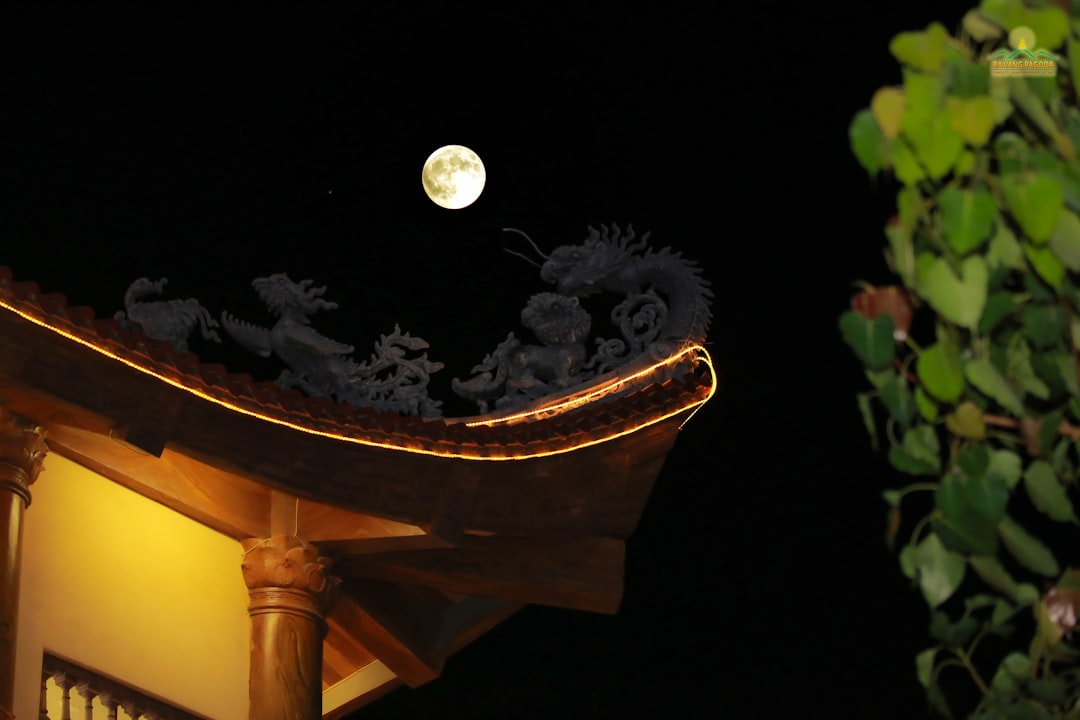
Hoi An Lantern Festival 2026: Monthly Full Moon Celebrations Guide
Experience the magical Hoi An Lantern Festival with thousands of lanterns, floating boats, and traditional culture. Complete guide to monthly full moon celebrations.
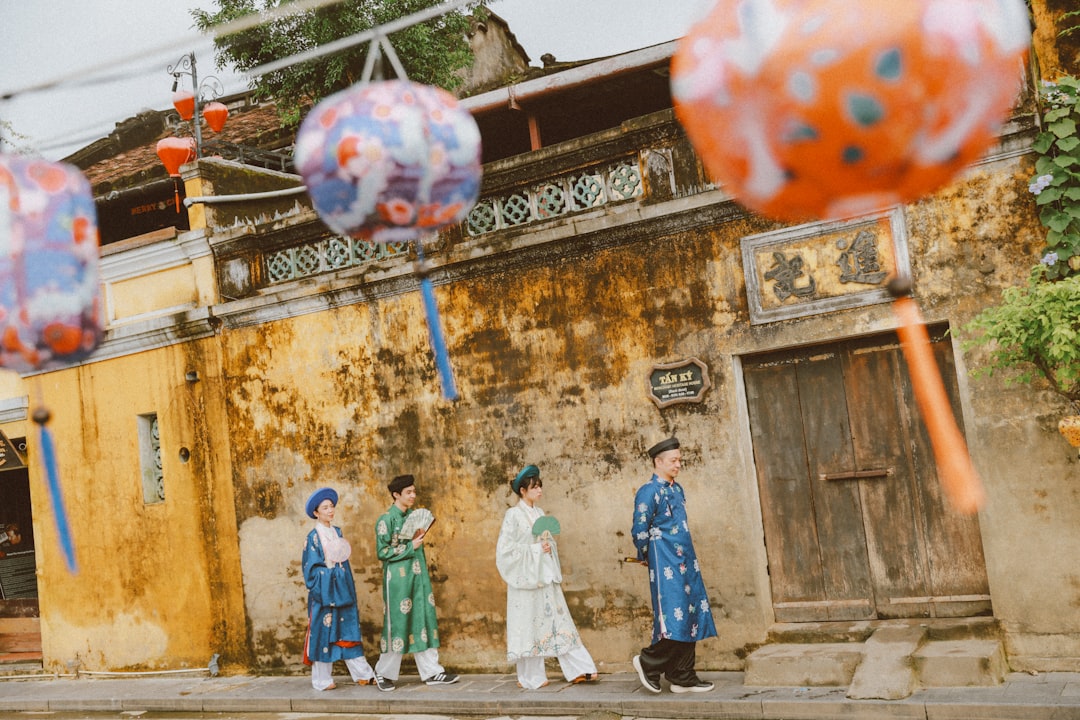
Hue Craft Festival 2026: Showcasing Vietnam's Traditional Arts and Heritage
Discover Vietnam's traditional crafts at the Hue Craft Festival. Complete guide to artisans, demonstrations, workshops, and cultural experiences in the Imperial City.