
 ChatGPT
  Gemini
  Claude
  Perplexity
 The Hoi An Lantern Festival is Vietnam’s most magical and photogenic celebration, transforming the UNESCO World Heritage ancient town of Hoi An into a fairytale wonderland of thousands of glowing lanterns floating on the Thu Bon River and lining narrow, heritage streets. Taking place every month on the 14th day of the lunar calendar (approximately every 29–30 days), this festival combines traditional Vietnamese lantern-making culture with one of the world’s most beautiful historic settings.

For travelers, the Hoi An Lantern Festival offers an unforgettable experience that feels like stepping into a dream. The ancient town — with its centuries-old merchant houses, Japanese Covered Bridge, and Chinese assembly halls — becomes a living museum where every surface glows with colorful light, and river becomes a canvas of floating wishes and dreams.
This comprehensive guide covers everything you need to know about the Hoi An Lantern Festival 2026: the festival’s history and significance, what to expect during the celebration, how to plan your visit, practical travel tips, and how to experience this magical event.
What is the Hoi An Lantern Festival?
Monthly Full Moon Celebration
The Hoi An Lantern Festival occurs every month on the 14th day of the lunar calendar (sometimes called the “night of the full moon”). During this magical evening, the entire ancient town turns off all electric lights and illuminates the streets and river with thousands of colorful silk and paper lanterns.
Unlike many festivals that occur annually, the Hoi An Lantern Festival happens approximately every 29–30 days, giving travelers multiple opportunities throughout the year to experience this enchanting celebration.
UNESCO World Heritage Setting
Hoi An Ancient Town was designated a UNESCO World Heritage Site in 1999, recognized as an exceptionally well-preserved example of a Southeast Asian trading port from the 15th to the 19th centuries. The festival enhances this historic setting, with lanterns illuminating:
- Ancient Merchant Houses: 200–400-year-old trading houses
- Japanese Covered Bridge: Iconic 18th-century landmark
- Chinese Assembly Halls: Beautifully decorated community halls
- Narrow Heritage Streets: Car-free streets perfect for lantern-lit strolling
Lantern-Making Tradition
Hoi An has been famous for lantern-making for centuries:
Historical Origins:
- Lantern-making in Hoi An dates back to the 16th century
- Traders from China and Japan brought lantern traditions
- Local artisans developed unique Vietnamese lantern styles
- Lanterns were used for celebrations, ceremonies, and daily life
Traditional Techniques:
- Handmade bamboo frames
- Silk or paper coverings
- Traditional designs and colors
- Passed down through generations of artisan families
Festival Dates and Schedule for 2026
2026 Festival Dates
The festival occurs on the 14th day of each lunar month. Here are the approximate 2026 dates:
- January 2026: February 1, 2026
- February 2026: March 3, 2026
- March 2026: April 1, 2026
- April 2026: May 1, 2026
- May 2026: May 30, 2026
- June 2026: June 29, 2026
- July 2026: July 28, 2026
- August 2026: August 27, 2026
- September 2026: September 25, 2026
- October 2026: October 25, 2026
- November 2026: November 23, 2026
- December 2026: December 23, 2026
Important Note: These dates are approximate and may shift by 1–2 days depending on lunar calendar calculations. Always confirm dates closer to your planned visit.
Daily Festival Schedule
Afternoon (2–5 PM):
- Lantern vendors set up along streets and riverside
- Pre-festival atmosphere builds
- Last-minute lantern purchases
- Traditional food stalls begin operating
Evening (6–8 PM):
- Electric lights turned off in ancient town
- Lanterns are lit throughout the town
- Street performances and traditional music begin
- Crowds gather along the Thu Bon River
Peak Festival (8–9 PM):
- Lantern releases onto the river
- Maximum crowds and atmosphere
- Traditional performances at their peak
- Boat rides available for river viewing
Late Evening (9–10 PM):
- Crowds begin to thin
- More peaceful river viewing
- Some vendors begin closing
- Lantern glow continues but quiets
Best Months to Visit
Weather and Crowd Considerations:
Best Weather (February–April):
- Pleasant temperatures, less rain
- Good for outdoor activities
- Crowds moderate
Most Crowded (June–August):
- Peak tourist season
- Hot and humid weather
- Maximum atmosphere but crowded
Shoulder Season (September–November):
- Good weather
- Fewer crowds than summer
- Some rain but generally pleasant
Rainy Season (December–January):
- Possible rain but festival continues
- Fewer tourists
- Cooler temperatures
What to Expect at the Festival
1. Lantern-Lit Streets
The most spectacular aspect of the festival is the illumination of Hoi An’s ancient streets:
Street Illumination:
- Every building displays lanterns
- Traditional yellow paper lanterns and colorful silk lanterns
- Lanterns line narrow streets and hang from doorways
- Electric lights turned off, creating warm, romantic atmosphere
Walking the Ancient Town:
- Streets become pedestrian-only (no motorbikes or cars)
- Perfect for strolling and photography
- Heritage buildings glow with lantern light
- Every corner offers new photo opportunities
Lantern Designs:
- Traditional Yellow Lanterns: Most common, represent Hoi An heritage
- Colorful Silk Lanterns: Red, blue, green, pink
- Shape Varieties: Round, oval, star, fish, butterfly
- Custom Designs: Some shops create unique lanterns
2. River Lantern Releases
The most magical moment is when thousands of lanterns float on the Thu Bon River:
Lantern Release Process:
- Purchase small paper lanterns from riverside vendors
- Make a wish as you light your lantern
- Gently place the lantern on the river’s surface
- Watch it float downstream with hundreds of others
Best Viewing Spots:
- An Hoi Bridge (main bridge over Thu Bon River)
- River banks along Bach Dang Street
- Boat charters for unique perspective
- Upper floors of riverside restaurants
Symbolism:
- Floating lanterns represent wishes and dreams
- The river carries hopes to the heavens
- The collective floating creates magical atmosphere
- Lanterns are later collected and disposed of responsibly
3. Traditional Performances
Street performances add to the festive atmosphere:
Traditional Music:
- Vietnamese folk music performances
- Traditional instruments (flutes, lutes, drums)
- Musicians in traditional costumes
- Performances at various locations throughout the town
Traditional Dances:
- Fan dances with colorful fans
- Lantern dances incorporating festival theme
- Historical costume performances
- Folk dances from central Vietnam
Cultural Performances:
- Street theater depicting Hoi An’s history
- Traditional storytelling
- Calligraphy demonstrations
- Traditional games and activities
4. Boat Rides on the Thu Bon River
Traditional sampan boat rides offer unique perspectives:
Boat Ride Experience:
- Traditional sampans rowed by local women
- 30–60 minute rides along the river
- Unique vantage point for viewing lanterns
- Often includes lantern release as part of the experience
Boat Ride Costs:
- Short Ride (30 minutes): $3–5 per boat (seats up to 4 people)
- Longer Ride (60 minutes): $5–8 per boat
- With Lantern Release: Often includes 1–2 lanterns in price
- Evening Premium: Prices slightly higher during festival evening
Best Boat Ride Times:
- Early Evening (6–7 PM): Good light, less crowded
- Peak Festival (8–9 PM): Maximum lanterns, magical atmosphere
- Late Evening (9–10 PM): Quieter, more romantic
5. Traditional Food and Crafts
The festival includes Hoi An’s famous food and craft traditions:
Food Stalls:
- Traditional Hoi An street food
- Regional specialties from central Vietnam
- Sweet treats and desserts
- Drinks and refreshments
Craft Demonstrations:
- Traditional lantern-making demonstrations
- Silk-weaving demonstrations
- Traditional pottery and crafts
- Souvenir shops with handmade items
Hoi An Specialties:
- Cao Lau: Hoi An’s signature noodle dish
- White Rose Dumplings: Delicate, transparent dumplings
- Ban Mi: Hoi An-style baguettes
- Sweet Soup (Chè): Traditional desserts
6. No Electric Lights
The unique atmosphere comes from the absence of electric lights:
Lights-Out Tradition:
- Electric lights are turned off throughout the ancient town
- Only illumination comes from lanterns, candles, and moonlight
- Creates warm, romantic, and nostalgic atmosphere
- Makes the experience truly magical
Photography Considerations:
- Low-light photography challenges and opportunities
- Beautiful contrast between light and shadow
- Warm, golden colors dominate
- Fast lenses and high ISO helpful for cameras
Planning Your Visit
How Long to Stay
Recommended Duration:
Minimum Visit:
- Arrive in Hoi An by afternoon on festival day
- Experience festival from 6–10 PM
- One night in Hoi An sufficient but rushed
Recommended Visit:
- Arrive one day before festival
- Explore ancient town by daylight first
- Experience festival evening
- Explore surrounding area next day
- Two nights ideal
Extended Visit:
- Stay 3–4 nights in Hoi An area
- Experience one full festival evening
- Explore surrounding beaches, villages, and countryside
- Have flexibility to visit on multiple festival nights if desired
Best Time of Evening to Experience
Early Evening (6–7 PM):
- Good light for photography
- Less crowded than peak time
- Perfect for initial exploration
- Boat rides readily available
Peak Festival (8–9 PM):
- Maximum crowds and energy
- Most lanterns on the river
- Street performances at their peak
- Most magical and atmospheric
Late Evening (9–10 PM):
- Crowds thin out
- More peaceful river viewing
- Better for romantic atmosphere
- Some vendors closing but still plenty to see
Photography Tips
Best Photo Opportunities
Street Scenes:
- Time: Throughout evening, best 7–9 PM
- What to Capture: Lantern-lit streets, heritage buildings, people carrying lanterns
- Tips: Use wide angles for street scenes, include people for scale
River Lanterns:
- Time: 8–9 PM when maximum lanterns are floating
- What to Capture: Hundreds of lanterns floating together, reflections in water
- Tips: Use slow shutter speed (1/15–1/30) for light trails, tripod helpful
Boat Rides:
- Time: Any time during evening
- What to Capture: Traditional sampans, lantern-lit buildings from river perspective
- Tips: Capture both boat and reflections, include rowers
Close-Up Lanterns:
- Time: Throughout evening
- What to Capture: Individual lantern details, lantern-lit doorways
- Tips: Use aperture priority for shallow depth of field, capture warm colors
People and Lanterns:
- Time: Throughout evening
- What to Capture: Visitors and locals carrying lanterns, releasing lanterns
- Tips: Ask permission for close-ups, capture expressions and atmosphere
Equipment Recommendations
Camera Settings:
- ISO: 400–1600 (avoid going higher if possible)
- Shutter Speed: 1/60+ for handheld, slower with tripod
- Aperture: f/2.8–f/4 for low light, f/5.6–f/8 for depth
- White Balance: Tungsten or custom for warm lantern colors
Essential Equipment:
- Camera with good low-light performance
- Fast lens (f/2.8 or wider ideally)
- Extra batteries (low light drains batteries quickly)
- Tripod or monopod (very helpful for low-light photography)
Optional Equipment:
- Remote shutter release
- Flash (use sparingly, kills atmosphere)
- Lens cleaning cloth (humid environment)
Practical Travel Information
Getting to Hoi An
By Air:
- Da Nang International Airport (DAD): 30 kilometers from Hoi An
- Domestic and International Flights: Regular service
- Airport Transfer: Taxi ($15–20), shuttle bus ($5), private transfer ($25–35)
From Da Nang:
- Taxi: $12–18, 45 minutes
- Shuttle Bus: $5–7, 1 hour
- Private Car: $20–30, 45 minutes
From Hue:
- Bus: $7–10, 3–4 hours
- Private Car: $40–60, 2.5 hours
- Train + Bus: More complex, takes 4–5 hours
Accommodation
Booking Tips:
- Book at least 2–4 weeks in advance for festival nights
- Consider staying within walking distance of ancient town
- Prices are highest during festival weekends
Accommodation Options:
Inside Ancient Town (Premium Location):
- Traditional Guesthouses: $30–80 per night
- Boutique Hotels: $80–150 per night
- Heritage Buildings: $150–300+ per night
- Advantage: Walking distance to everything
Near Ancient Town (5–10 minutes walk):
- Guesthouses and Homestays: $20–50 per night
- Mid-Range Hotels: $40–80 per night
- Better Value: Slightly lower prices, still convenient
Further Out (10–20 minutes):
- Hotels and Resorts: $25–60 per night
- Need Transportation: Bicycle, taxi, or motorbike required
- Budget-Friendly: Lower prices, less atmospheric location
Getting Around Hoi An
Transportation Options:
Walking:
- Ancient town is pedestrian-only during festival
- Perfect way to experience the festival
- Most attractions are within walking distance
Bicycle:
- Many hotels provide free bicycles
- Popular way to explore Hoi An
- Rental: $1–2 per day from shops
- Not in ancient town during festival but good for surrounding area
Cyclo:
- Traditional pedal tricycle
- $1–2 per ride
- Good for short distances outside ancient town
- Negotiate price before riding
Motorbike Taxi (Xe Om):
- Fast option for longer distances
- $1–3 per ride depending on distance
- Negotiate price before riding
- Not in ancient town during festival
Weather and Clothing
Climate Throughout 2026:
February–April (Spring):
- Temperature: 20–30°C (68–86°F)
- Conditions: Generally pleasant, possible light rain
- Clothing: Light layers, comfortable for walking
May–August (Summer):
- Temperature: 30–38°C (86–100°F)
- Conditions: Hot and humid, possible afternoon showers
- Clothing: Very light, breathable fabrics, sun protection
September–November (Autumn):
- Temperature: 25–32°C (77–90°F)
- Conditions: Pleasant, less hot than summer
- Clothing: Light layers, comfortable
December–January (Winter):
- Temperature: 18–25°C (64–77°F)
- Conditions: Cool, possible rain
- Clothing: Light jacket in evening, comfortable during day
Recommended Clothing for Festival:
- Comfortable walking shoes (lots of walking on uneven streets)
- Light, breathable clothing (especially in summer months)
- Light jacket for evening (especially cooler months)
- Sun protection (hat, sunscreen) for daytime exploration
Costs and Budget
Festival Expenses
Lantern Costs:
- Small Floating Lanterns: $0.50–1.00 each
- Large Decorative Lanterns: $2–5 each
- Lanterns for Display: $3–10 depending on size and quality
Boat Rides:
- Short Ride (30 minutes): $3–5 per boat (seats up to 4 people)
- Longer Ride (60 minutes): $5–8 per boat
Food and Drinks:
- Street Food: $1–3 per item
- Restaurant Meals: $5–15 per person
- Drinks: $0.50–2 per drink
Shopping:
- Lanterns to Take Home: $3–15 each
- Traditional Crafts: $5–50 depending on item
- Souvenirs: $2–20 depending on item
Daily Budget Estimates
Budget Traveler:
- Accommodation: $15–25
- Food and drinks: $10–15
- Lanterns and activities: $10–15
- Total: $35–55 per day
Mid-Range Traveler:
- Accommodation: $40–80
- Food and drinks: $20–30
- Lanterns and activities: $20–30
- Total: $80–140 per day
Comfortable Traveler:
- Accommodation: $100–200
- Food and drinks: $40–60
- Lanterns and activities: $40–60
- Total: $180–320 per day
Festival Tips and Recommendations
Best Viewing Locations
For Lantern-Lit Streets:
- Ancient town’s main streets (Nguyen Thai Hoc, Tran Phu, Le Loi)
- Japanese Covered Bridge area
- Chinese Assembly Halls
- Any narrow, heritage-lined street
For River Lantern Viewing:
- An Hoi Bridge (main bridge over Thu Bon River)
- River banks along Bach Dang Street
- Upper floors of riverside restaurants
- From a boat (best perspective)
For Photography:
- Boat rides offer unique perspectives
- Elevated viewpoints (restaurant upper floors)
- Quiet side streets for intimate shots
- An Hoi Bridge for wide shots of river and town
Cultural Etiquette
During Festival:
- Be respectful of local customs and traditions
- Don’t touch lanterns or decorations without permission
- Ask before photographing people close up
- Keep noise down, especially during quiet moments
- Follow instructions from local authorities
During Lantern Release:
- Make a wish silently and respectfully
- Don’t disturb other people’s lantern releases
- Take your time, don’t rush the experience
- Consider the environmental impact (vendors collect lanterns later)
General Behavior:
- Respect the ancient town’s heritage
- Don’t climb on heritage buildings or monuments
- Follow pedestrian-only rules in ancient town
- Be patient with crowds and delays
What to Bring
Essential:
- Comfortable walking shoes
- Cash (small bills for purchases)
- Camera with extra battery
- Water bottle
Useful:
- Tripod or monopod (for low-light photography)
- Light jacket or sweater (especially in cooler months)
- Small backpack or bag
- Portable charger for phone
- Sun protection (for daytime exploration)
Making Lantern Wishes
Traditional Process:
- Purchase a small lantern from riverside vendor
- Find a quiet spot along the river
- Light your lantern carefully
- Make a wish silently and sincerely
- Gently place the lantern on the water
- Watch it float away with hundreds of others
Wish-Making Tips:
- Be specific but not greedy with wishes
- Make wishes for others, not just yourself
- Say your wish silently in your heart
- Don’t share your wish immediately (believed to weaken it)
- Have faith that your wish will be heard
Beyond the Festival: Hoi An Experiences
Daytime Exploration
Ancient Town by Day:
- Explore heritage buildings and merchant houses
- Visit the Japanese Covered Bridge
- Tour Chinese Assembly Halls
- Experience traditional craft shops
Beaches:
- An Bang Beach: 4 kilometers from town
- Cua Dai Beach: 5 kilometers from town
- Beautiful sandy beaches, relax after festival
Countryside and Villages:
- Tra Que Vegetable Village: 3 kilometers from town
- Kim Bong Carpentry Village: 2 kilometers across river
- Thanh Ha Pottery Village: Traditional pottery making
- Cycling tours of countryside available
Traditional Crafts
Lantern-Making:
- Watch artisans make traditional lanterns
- Some shops offer lantern-making workshops
- Purchase high-quality lanterns to take home
- Learn about lantern-making history and techniques
Tailoring:
- Hoi An is famous for custom tailoring
- Many shops offer 24-hour turnaround
- Traditional ao tailoring available
- Get custom clothing made during your visit
Food Experiences
Cooking Classes:
- Traditional Hoi An cooking classes
- Learn to make Cao Lau and other specialties
- Market tours included
- Eat what you cook
Food Tours:
- Street food tours of Hoi An
- Sample multiple traditional dishes
- Learn about Hoi An’s culinary history
- Guided by local food experts
Frequently Asked Questions
Q: Do I need to book accommodation months in advance?
A: For festival nights, yes, especially if staying inside the ancient town. Book at least 2–4 weeks in advance, more during peak tourist season (June–August). If staying outside the ancient town, you may find availability closer to your dates, but booking early ensures better selection and prices.
Q: Can I visit the festival without staying in Hoi An?
A: Yes, you can visit as a day trip from Da Nang. Take an afternoon bus or taxi from Da Nang to Hoi An, spend the afternoon exploring the ancient town by day, then experience the festival evening (6–10 PM), and return to Da Nang that night. However, staying in Hoi An allows you to experience the full magical atmosphere and not worry about transportation back to Da Nang.
Q: Is the festival crowded? Can I enjoy it with crowds?
A: The festival can be quite crowded, especially during peak season (June–August) and peak hours (8–9 PM). However, the crowds are part of the atmosphere, and there’s plenty of space to enjoy the experience. Arrive earlier (6–7 PM) or stay later (9–10 PM) for fewer crowds. The side streets also tend to be less crowded than the main streets.
Q: Can I take a lantern home as a souvenir?
A: Absolutely! Many shops sell lanterns specifically for tourists to take home. Prices range from $3–15 depending on size, quality, and design. Traditional yellow lanterns are most authentic to Hoi An. Ensure your lantern is collapsible or that it fits in your luggage. Some shops can arrange shipping for larger lanterns.
Q: What if it rains during the festival?
A: The festival continues rain or shine! In fact, rainy evenings can create especially magical atmospheres, with lanterns reflecting on wet streets and the river. Bring a rain jacket or umbrella. Some activities may move under cover, but the main lantern displays and river releases continue regardless of rain.
Q: Can I make my own lantern?
A: Yes! Some lantern shops offer workshops where you can learn to make your own lantern. These typically take 1–2 hours and cost $10–30 including materials. Check with lantern shops in the ancient town for workshop availability. These workshops offer a deeper appreciation for the craft and a meaningful souvenir you made yourself.
Related Articles
- Vietnam Festivals Calendar 2026: Complete Monthly Guide to Celebrations
- Mid-Autumn Festival Vietnam 2026: Tet Trung Thu Lanterns and Mooncakes
- Christmas and New Year in Vietnam 2026: Festive Celebrations Guide
Ready to experience one of Vietnam’s most magical celebrations? The Hoi An Lantern Festival offers an unforgettable evening of light, wishes, and beauty in one of Southeast Asia’s most enchanting settings.
Related Articles
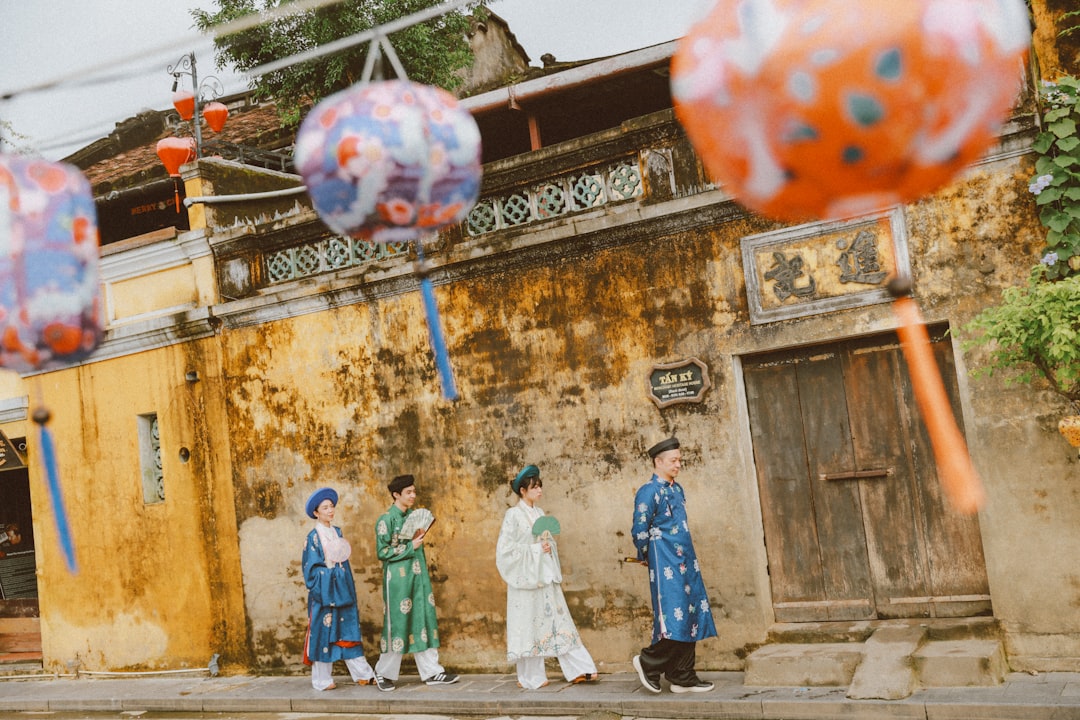
Hue Craft Festival 2026: Showcasing Vietnam's Traditional Arts and Heritage
Discover Vietnam's traditional crafts at the Hue Craft Festival. Complete guide to artisans, demonstrations, workshops, and cultural experiences in the Imperial City.
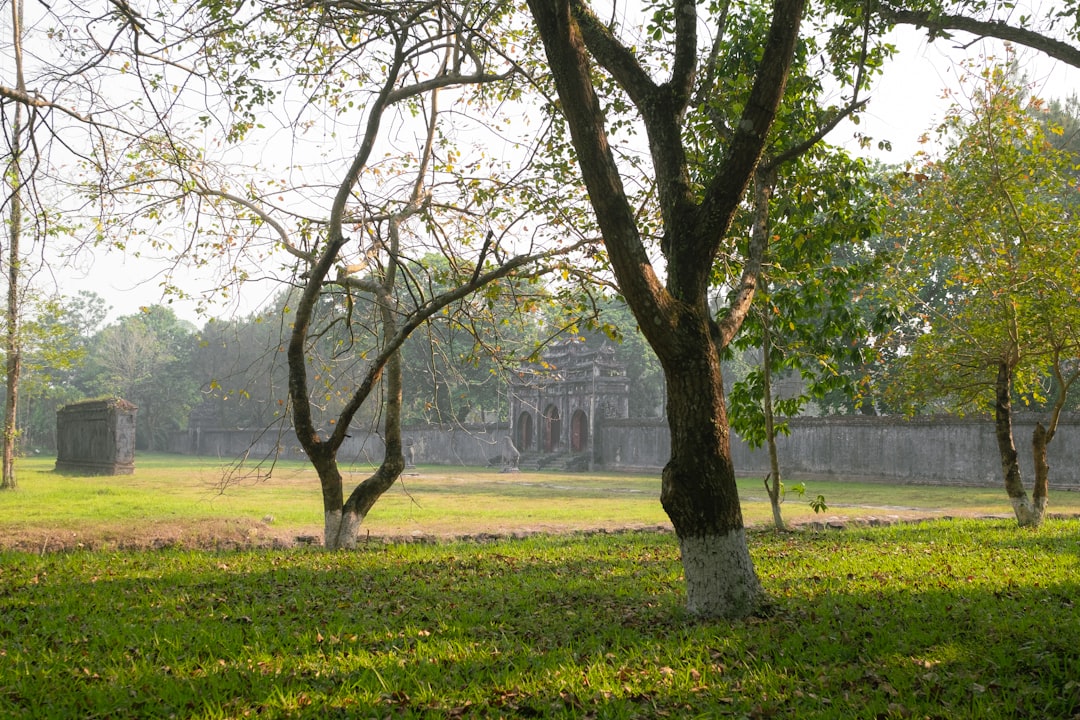
Hue Festival 2026: Vietnam's Grand Cultural Celebration in Imperial City
Experience Vietnam's premier cultural festival in the UNESCO-listed Imperial City of Hue. Complete guide to performances, venues, and cultural experiences at Hue Festival 2026.
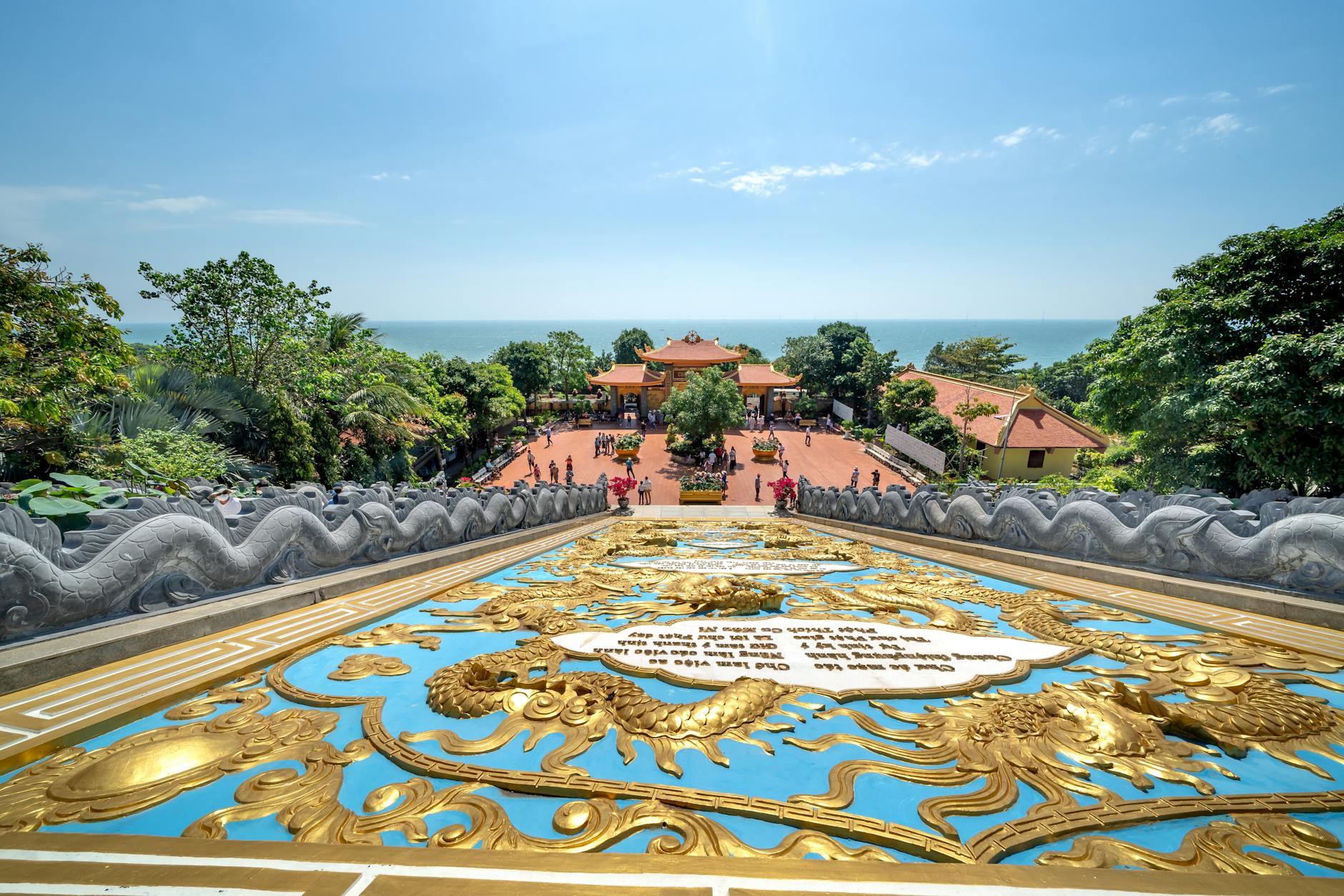
Hung Kings Temple Festival 2026: Honoring Vietnam's Legendary Founders
Experience Vietnam's UNESCO-recognized festival honoring legendary Hung Kings. Complete guide to ceremonies, history, and cultural significance of Phu Tho celebrations.
Lim Festival 2026: Experience Vietnam's Quan Họ Folk Singing Heritage
Discover UNESCO-recognized Quan Họ folk singing at the Lim Festival in Bac Ninh. Complete guide to traditions, performances, and experiencing Vietnam's intangible cultural heritage.