
 ChatGPT
  Gemini
  Claude
  Perplexity
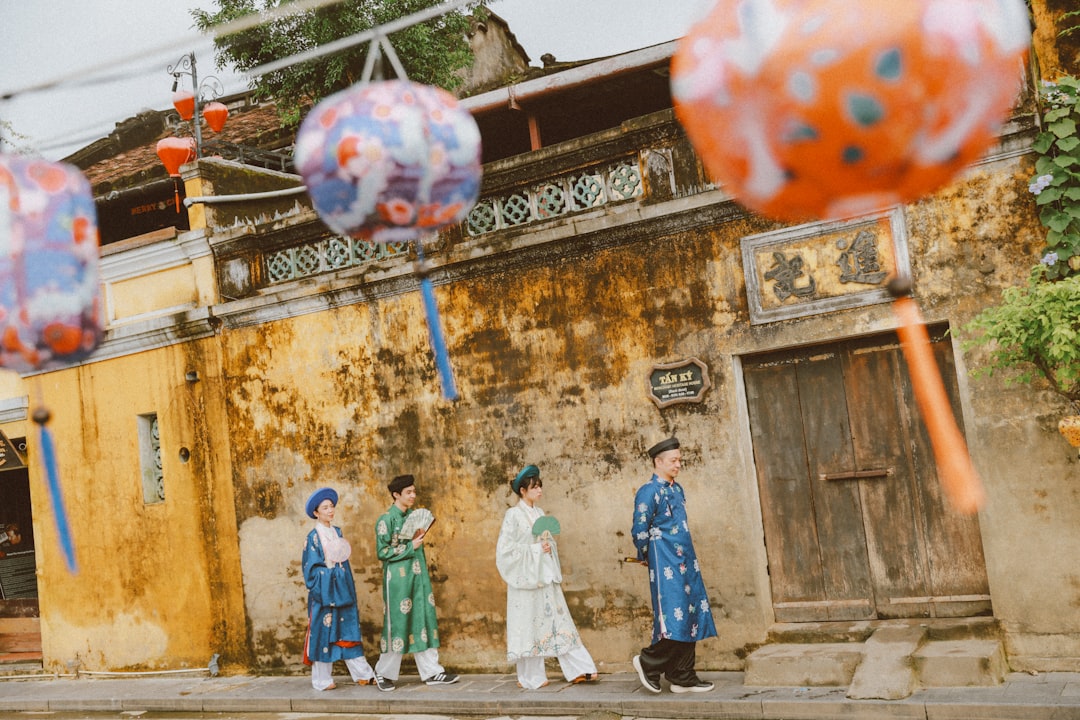
 The Hue Craft Festival (Lễ Hội Nghề Thủ Công Huế) is a vibrant celebration of Vietnam’s traditional arts and artisanal heritage, showcasing crafts that have been practiced for centuries in the central region and beyond. Taking place from May through June 2026, this biennial festival transforms Hue’s imperial city into a living museum where master artisans demonstrate skills passed down through generations.
For travelers interested in Vietnamese culture, traditional arts, or authentic craftsmanship, the Hue Craft Festival offers unparalleled opportunity to witness and even learn traditional techniques that define Vietnamese aesthetic and cultural identity. The festival brings together hundreds of artisans from across Vietnam and neighboring countries, creating one of Southeast Asia’s most comprehensive craft celebrations.
This comprehensive guide covers everything you need to know about the Hue Craft Festival 2026: featured crafts and artisans, festival dates and venues, hands-on workshops, practical travel information, and how to experience Vietnam’s rich artisanal heritage firsthand.
What is the Hue Craft Festival?
Celebrating Traditional Vietnamese Arts
The Hue Craft Festival began in 2005 as a way to preserve and promote Vietnam’s traditional crafts, particularly those from the central region where Hue served as the imperial capital for over 140 years. Unlike mass-produced souvenir markets, this festival focuses on authentic traditional techniques, master artisans, and cultural preservation.
The festival represents the “spirit of Hue” — refinement, elegance, and dedication to artistic excellence that characterized the Nguyen Dynasty court and continues to influence Vietnamese arts today.
Biennial Cultural Event
The festival occurs every two years (alternating years with the larger Hue Festival), typically in May or June when weather in central Vietnam is favorable. While smaller than the Hue Festival, the Craft Festival offers more intimate experiences and deeper engagement with artisans and their work.
Craft Heritage of Hue
Hue has been a center of Vietnamese arts for centuries:
Imperial Court Crafts:
- Royal embroidery and textile production
- Ceramics and porcelain for the imperial family
- Wood carving for palaces and temples
- Lacquerware and inlay work
- Musical instrument making
Folk Crafts:
- Conical hat (nón lá) production
- Lantern making
- Traditional paper production
- Traditional painting and calligraphy
- Bamboo and rattan weaving
Hue Craft Festival 2026 Dates and Locations
Official Festival Period
- Festival Duration: May 15–June 15, 2026
- Peak Period: May 20–30, 2026
- Extended Activities: May 1–30, 2026 (related exhibitions and workshops)
Festival Locations
Imperial City (Dai Noi):
- Main venue for craft demonstrations
- Various courtyards and palace buildings
- Historical setting for contemporary crafts
- Free admission for main demonstrations
Perfume River Area:
- Riverside craft displays
- Boat-based craft exhibitions
- Traditional craft market
- Evening craft demonstrations
Hue Citadel Area:
- Outdoor exhibition spaces
- Traditional craft workshops
- Food and refreshment areas
- Performance stages
Community Venues:
- Traditional craft villages in surrounding area
- University of the Arts exhibitions
- Museum displays
- Cultural center programs
Daily Schedule
Festival Days (May 15–June 15, 2026):
- Morning (8 AM–12 PM): Craft demonstrations and workshops
- Midday (12–2 PM): Lunch break and informal demonstrations
- Afternoon (2–6 PM): Continued demonstrations and sales
- Evening (6–8 PM): Special evening demonstrations and cultural programs
Weekend Programs:
- Additional demonstrations and workshops
- Special performances featuring traditional music and dance
- Craft competitions and awards
- Extended shopping hours
Featured Crafts and Artisans
1. Traditional Textiles and Embroidery
Royal Court Embroidery:
- Demonstration of imperial embroidery techniques
- Intricate needlework on silk and velvet
- Traditional motifs and patterns
- Historical court costume recreations
Weaving:
- Traditional loom demonstrations
- Silk and cotton weaving techniques
- Natural dye preparation
- Pattern and design creation
Batik and Resist Dyeing:
- Traditional wax-resist techniques
- Natural dye preparations
- Pattern application methods
- Finished fabric displays
2. Wood Carving and Joinery
Traditional Wood Carving:
- Relief carving demonstrations
- Three-dimensional sculpting
- Traditional Vietnamese motifs
- Temple and palace ornamentation
Furniture Making:
- Traditional joinery techniques (no nails)
- Bamboo and rattan furniture
- Lacquer application and finishing
- Antique restoration demonstrations
Architectural Elements:
- Roof tile making and decoration
- Column carving and ornamentation
- Screen and partition making
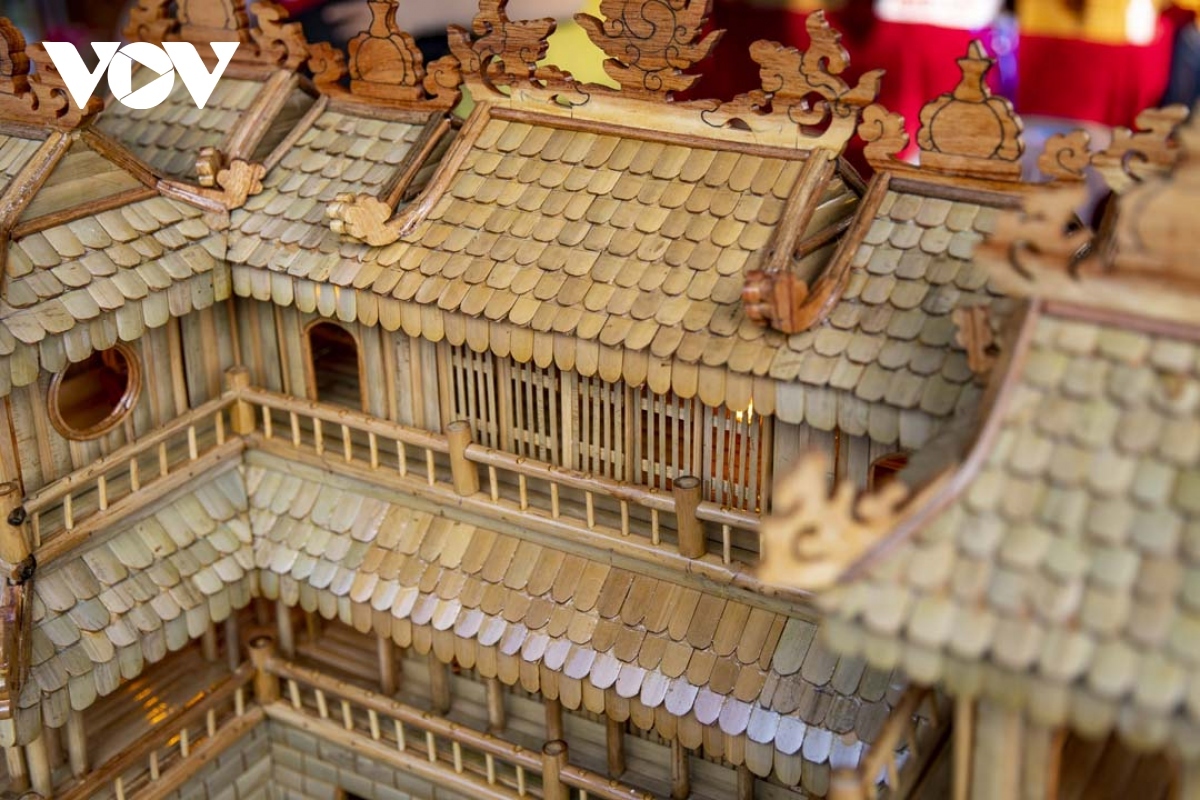
- Temple and house model construction
3. Ceramics and Pottery
Traditional Pottery:
- Wheel throwing demonstrations
- Hand-building techniques
- Traditional firing methods
- Glazing and decoration
Ceramic Arts:
- Blue and white porcelain techniques
- Relief and inlay work
- Traditional kiln operation
- Repair and restoration
Contemporary Ceramics:
- Modern artists using traditional techniques
- Fusion of old and new styles
- Artistic interpretations of traditional forms
4. Paper and Lantern Making
Traditional Paper Production:
- Handmade paper from mulberry bark
- Traditional pressing and drying
- Natural sizing and preparation
- Calligraphy paper varieties
Lantern Making:
- Silk lantern construction
- Traditional framing techniques
- Illumination methods
- Decorative painting and embellishment
5. Conical Hats (Nón Lá)
Hat Making Demonstrations:
- Palm leaf preparation
- Traditional sewing techniques
- Frame construction
- Decoration and finishing
Styles and Variations:
- Regional differences in design
- Special ceremonial hats
- Everyday versus festival hats
- Historical evolution of designs
6. Lacquerware and Inlay
Lacquer Application:
- Traditional lacquer preparation from tree sap
- Layering and polishing techniques
- Coloration methods
- Drying and curing processes
Inlay Work:
- Mother-of-pearl inlay
- Stone and metal inlay
- Traditional patterns and designs
- Precision cutting and fitting
7. Traditional Musical Instruments
Instrument Making:
- Traditional lute (đàn nguyệt) construction
- Flute (sáo) making from bamboo
- Drum (trống) construction
- String preparation and tuning
Instrument Repair:
- Traditional restoration techniques
- Bridge and peg replacement
- Skin replacement for drums
- Cracking repair and stabilization
8. Metalwork and Jewelry
Silversmithing:
- Traditional jewelry making
- Filigree and granulation
- Engraving techniques
- Traditional designs
Bronze Work:
- Bell and gong casting
- Temple ornamentation
- Traditional casting methods
- Patination and finishing
9. Bamboo and Rattan Crafts
Basketry:
- Traditional basket weaving
- Mat and container making
- Storage vessel construction
- Regional styles and techniques
Furniture:
- Rattan furniture making
- Bamboo structure construction
- Traditional joinery techniques
- Finishing and lacquering
10. Calligraphy and Painting
Traditional Calligraphy:
- Brush techniques and strokes
- Ink preparation and grinding
- Paper selection and preparation
- Traditional script styles
Vietnamese Painting:
- Silk painting techniques
- Traditional subjects and symbolism
- Pigment preparation
- Mounting and framing
Interactive Workshops and Activities
Hands-On Workshops
Many artisans offer visitor participation:
Introduction Workshops (1–2 hours):
- Basic introduction to craft techniques
- Simple projects visitors can complete
- Take-home finished products
- Cost: $10–30 per workshop
Intensive Workshops (3–5 hours):
- More advanced techniques
- Complex projects
- Materials included
- Cost: $30–60 per workshop
Master Class Sessions (Full day):
- Work with master artisans
- In-depth skill development
- Traditional tools and methods
- Cost: $60–100+ per session
Popular Workshop Topics
- Traditional Embroidery: Learn basic stitches and complete a small piece
- Silk Lantern Making: Construct a small lantern to take home
- Calligraphy: Basic characters and brush techniques
- Paper Making: Create handmade paper sheets
- Wood Carving: Simple relief carving projects
- Pottery: Wheel throwing or hand-building basics
- Conical Hat Making: Miniature hat construction
Craft Demonstrations
Scheduled Demonstrations:
- Each craft has scheduled demonstration times
- Detailed explanations of techniques
- Question and answer sessions
- Photo opportunities
Informal Demonstrations:
- Artisans working continuously throughout day
- Visitors can observe and ask questions
- Less formal, more spontaneous
- Opportunity for closer interaction
Craft Competitions and Awards
Competition Categories:
- Best traditional craft technique
- Most innovative design using traditional methods
- Best young artisan (under 30)
- Best preservation of disappearing craft
Competition Schedule:
- Initial judging: First week of festival
- Final demonstrations: Second week
- Award ceremony: Final weekend
- Winners’ display: Final days
Shopping and Purchasing
Direct from Artisans
The festival offers opportunity to purchase directly from makers:
Benefits of Direct Purchase:
- Supporting traditional artisans directly
- Authentic, high-quality crafts
- Knowing the story behind each piece
- Fair prices (no middleman markup)
Pricing Guidelines:
- Small items: $5–20 (fans, bookmarks, small decorations)
- Medium items: $20–80 (textiles, pottery, small furniture)
- Large items: $80–300+ (furniture, large textiles, intricate pieces)
- Masterworks: $300+ (museum-quality pieces, master artisan work)
What to Buy
Authentic Souvenirs:
- Handmade silk products
- Traditional paper and calligraphy
- Small wood carvings
- Miniature lanterns
- Decorative textiles
Functional Crafts:
- Bamboo baskets and containers
- Pottery and ceramics
- Traditional kitchenware
- Rattan furniture (if shipping available)
- Musical instruments (small)
Investment Pieces:
- Master embroideries
- Fine ceramics
- Wood carvings by master artisans
- Traditional textiles
- Collectible craft items
Custom Orders
Many artisans accept custom orders:
- Custom sizes and colors
- Specific designs or motifs
- Personalized items
- Timeline: Several weeks to months for completion
- Deposit: Typically 30–50% upfront
Shipping and Logistics
Small Items:
- Hand-carry easily
- Can be shipped internationally
- Check customs regulations for certain materials
Large Items:
- Shipping services available
- Professional packing recommended
- Costs vary by size and destination
- Customs considerations for wood and other materials
Food and Refreshments
Traditional Food Stalls
The festival includes traditional Hue and central Vietnamese cuisine:
Hue Specialties:
- Bún Bò Huế: Spicy beef noodle soup
- Bánh Lọc: Transparent tapioca dumplings
- Bánh Bèo: Steamed rice cakes
- Cơm Hến: Baby clams with rice
- Nem Lụi: Lemongrass skewered pork
Regional Dishes:
- Central Vietnamese specialties
- Traditional festival foods
- Vegetarian options (chay) available
- Street food from other craft regions
Dining Areas
Festival Dining:
- Central food court area
- Traditional food stalls along festival routes
- Outdoor seating areas
- Prices: $2–8 per meal
Nearby Restaurants:
- Traditional Hue restaurants in city
- Imperial cuisine specialists
- International cuisine available
- Price range: $5–20 per meal
Cultural Programs and Entertainment
Traditional Music and Dance
Daily Performances:
- Traditional court music (Nha Nhac Cung Dinh)
- Folk dance performances
- Traditional instrumental music
- Cultural demonstrations
Evening Programs:
- Special nighttime performances
- Traditional dance with elaborate costumes
- Court music concerts
- Combination of music and dance
Craft-Related Performances
Special Performances:
- Dance performances featuring traditional costumes
- Musical demonstrations using traditional instruments
- Puppet shows with traditional craft elements
- Historical reenactments
Educational Programs
Talks and Presentations:
- Craft history and significance
- Traditional techniques explained
- Challenges facing traditional crafts today
- Future of Vietnamese craft traditions
Children’s Programs:
- Hands-on activities for children
- Simple craft projects
- Cultural education
- Family-friendly demonstrations
Practical Travel Information
Getting to Hue
By Air:
- Phu Bai International Airport (HUI): 15 kilometers from city
- Domestic flights from Hanoi and Ho Chi Minh City
- Airport transfer: Taxi ($15–20), shuttle ($5)
By Train:
- Reunification Express: Hue Station
- From Hanoi: 12–14 hours
- From Da Nang: 2–3 hours
- From Ho Chi Minh City: 18–20 hours
By Bus:
- Sinh Tourist and other companies: Regular service
- From Hanoi: 12–14 hours
- From Da Nang: 3–4 hours
- Budget-friendly option
Accommodation
Booking Tips:
- Craft Festival is less crowded than Hue Festival
- Book 2–4 weeks in advance for best selection
- Consider staying near Imperial City for convenience
Accommodation Options:
Luxury Hotels ($80–200 per night):
- Azerai La Residence
- Pilgrimage Village
- Hotel Saigon Morin
Mid-Range Hotels ($30–80 per night):
- Serene Hotel
- Eldora Hotel
- Minh Chau Hotel
Budget Options ($15–30 per night):
- Hostels and guesthouses
- Homestays with local families
- University accommodation during festival
Getting Around Hue
Transportation Options:
- Cyclo: Traditional pedal tricycle, good for short distances
- Motorbike Taxi (Xe Om): Fast, cheap, negotiate price
- Bicycle: Pleasant for day trips, many hotels provide free
- Walking: City center is compact and walkable
Weather in May-June
Weather Conditions:
- Temperature: 27–35°C (81–95°F)
- Humidity: 70–85%
- Rain: Possible afternoon showers
- Sun: Strong UV index
Clothing:
- Light, breathable clothing
- Comfortable walking shoes
- Sun protection (hat, sunscreen)
- Light jacket for evening
Festival Tips and Recommendations
Best Times to Visit
For Crowds:
- Weekends: More activities and programs
- Peak Period (May 20–30): Maximum number of artisans
For Less Crowds:
- Weekdays: Fewer visitors, more interaction with artisans
- Early/Late Period: Before May 20 or after June 5
For Photography:
- Morning (8–10 AM): Good light, fewer crowds
- Late Afternoon (4–6 PM): Golden hour, beautiful lighting
- Overcast Days: Diffused light, better for details
What to Bring
Essential:
- Comfortable walking shoes
- Water bottle
- Cash for purchases
- Camera
- Small bag
Useful:
- Notebook for taking notes
- Business cards (if interested in custom orders)
- Shipping information for large purchases
- List of crafts to prioritize
Cultural Etiquette
When Interacting with Artisans:
- Ask permission before taking photos of their work
- Respect their workspace and tools
- Don’t interrupt during important steps
- Show genuine interest in their craft
- Ask questions respectfully
When Purchasing:
- Respect asking prices before bargaining
- Bargaining is acceptable but be reasonable
- Understand that masterwork pieces have premium pricing
- Don’t pressure artisans during demonstrations
General Behavior:
- Dress modestly (temples and religious sites nearby)
- Remove shoes when entering indoor display areas
- Follow instructions from festival staff
- Be patient with language barriers
Beyond the Festival: Exploring Craft Villages
Traditional Craft Villages Near Hue
Phuoc Tich Pottery Village:
- Traditional ceramic making
- 40 kilometers from Hue
- Day trip or overnight stay
- Direct purchase from artisans
My Xuyen Wood Carving Village:
- Traditional wood carving
- Master artisans
- Custom commissions possible
- 30 kilometers from Hue
Conical Hat Making Villages:
- Multiple villages in surrounding area
- Traditional production
- Direct purchase opportunities
- See complete production process
Craft-Related Day Trips
Thuan An Beach:
- Local crafts and traditional fishing village
- Combination craft and beach trip
- 15 kilometers from Hue
Thanh Tien Paper Flower Village:
- Traditional paper flower making
- Beautiful demonstrations
- Purchase handmade flowers
- 10 kilometers from Hue
Traditional Craft Houses:
- Some traditional houses now showcase crafts
- Historical context for crafts
- Photo opportunities
- Cultural education
Frequently Asked Questions
Q: Do I need to be craft expert to appreciate the festival?
A: Absolutely not! The festival is designed for everyone, from complete beginners to professional craftspeople. Artisans enjoy explaining their work to interested visitors. Just show genuine interest and respect for their craft, and you’ll have a wonderful experience.
Q: Can I participate in workshops if I have no experience?
A: Yes! Most workshops are designed for beginners and include all necessary instruction. Artisans are patient and used to teaching newcomers. Start with a shorter workshop (1–2 hours) to see if you enjoy the craft before committing to longer sessions.
Q: Are purchases expensive compared to regular tourist shops?
A: Prices are often comparable or slightly higher because you’re buying directly from the maker and supporting authentic traditional craftsmanship. However, quality is typically far superior to mass-produced tourist goods. Consider it an investment in traditional arts rather than cheap souvenirs.
Q: Can I take photos of the artisans working?
A: Generally yes, but always ask permission first. Some artisans are fine with photos during work, others prefer you wait until they’re between steps or finished. Respect their wishes, and they’ll likely be happy to accommodate you.
Q: What if I want to learn a craft not featured at the festival?
A: Ask the festival organizers or artisans directly. Many artisans offer private classes outside festival times, or they can recommend other master artisans who specialize in your craft of interest. The festival is a great networking opportunity.
Q: Can children participate in workshops?
A: Yes! Many workshops are suitable for children, especially when accompanied by adults. Some artisans even specialize in teaching children. Check with individual artisans about age-appropriate activities. Children often find craft workshops fascinating and rewarding.
Related Articles
- Hue Festival 2026: Vietnam’s Grand Cultural Celebration in Imperial City
- Vietnam Festivals Calendar 2026: Complete Monthly Guide to Celebrations
- Hoi An Lantern Festival 2026: Monthly Full Moon Celebrations Guide
Ready to experience Vietnam’s rich artisanal heritage? The Hue Craft Festival offers an unparalleled opportunity to witness, learn about, and even participate in traditional Vietnamese crafts that have been perfected over generations.
Related Articles
Hoi An Lantern Festival 2026: Monthly Full Moon Celebrations Guide
Experience the magical Hoi An Lantern Festival with thousands of lanterns, floating boats, and traditional culture. Complete guide to monthly full moon celebrations.
Hue Festival 2026: Vietnam's Grand Cultural Celebration in Imperial City
Experience Vietnam's premier cultural festival in the UNESCO-listed Imperial City of Hue. Complete guide to performances, venues, and cultural experiences at Hue Festival 2026.
Hung Kings Temple Festival 2026: Honoring Vietnam's Legendary Founders
Experience Vietnam's UNESCO-recognized festival honoring legendary Hung Kings. Complete guide to ceremonies, history, and cultural significance of Phu Tho celebrations.
Lim Festival 2026: Experience Vietnam's Quan Họ Folk Singing Heritage
Discover UNESCO-recognized Quan Họ folk singing at the Lim Festival in Bac Ninh. Complete guide to traditions, performances, and experiencing Vietnam's intangible cultural heritage.