
 ChatGPT
  Gemini
  Claude
  Perplexity
 Bangkok’s hot season isn’t just warm—it’s a physiological stress test. From March through May, temperatures consistently climb past 35°C (95°F), but the real danger lies in humidity levels hovering between 70–85%. That combination disables your body’s primary cooling mechanism: sweat evaporation. Most visitors treat heat like an inconvenience. In Bangkok, it’s a health variable you must manage. This guide strips away generic advice and focuses on what actually works on the ground.
Why Bangkok’s Heat Breaks Standard Advice
“Drink water” and “wear sunscreen” aren’t enough. High humidity means sweat pools instead of evaporating, accelerating electrolyte loss and raising core temperature faster than you realize. The urban heat island effect from concrete, traffic, and dense infrastructure pushes nighttime temperatures above 28°C (82°F), preventing your body from recovering overnight. You need a systems approach: targeted hydration, strategic scheduling, performance gear, and clear symptom recognition.
Hydration That Actually Works
Water alone flushes sodium. In Bangkok’s heat, you lose 1–2 liters of sweat per hour with significant electrolytes. Relying solely on plain water leads to hyponatremia, fatigue, and cramping.
- Use ORS, not just sports drinks. Buy WHO-formulated oral rehydration solution (ORS) packets at any pharmacy (Boots, Watsons) or 7-Eleven. Mix one packet with exactly 1 liter of clean water. It’s clinically proven to replace lost sodium, potassium, and glucose efficiently.
- Track output, not just intake. Aim for 3–4 liters daily. Monitor urine color: pale yellow is optimal. Clear means you’re overhydrating and diluting electrolytes; dark yellow means you’re already dehydrated.
- Local shortcut: Grab “Royal-D,” “Sponsor,” or “Zing” electrolyte drinks at convenience stores. They’re inexpensive, standardized, and widely used by Thai laborers, athletes, and healthcare workers.
- Limit alcohol and heavy caffeine. Both are diuretics and mask fatigue, increasing the risk of pushing past safe limits.
Schedule & Movement Strategy
Heat exposure is cumulative. Managing it requires treating the day like a tactical itinerary.
- Respect the 10:00–16:00 window. Solar radiation and ambient temperature peak during these hours. Shift to indoor activities: museums, co-working spaces, spa treatments, or hotel recovery time.
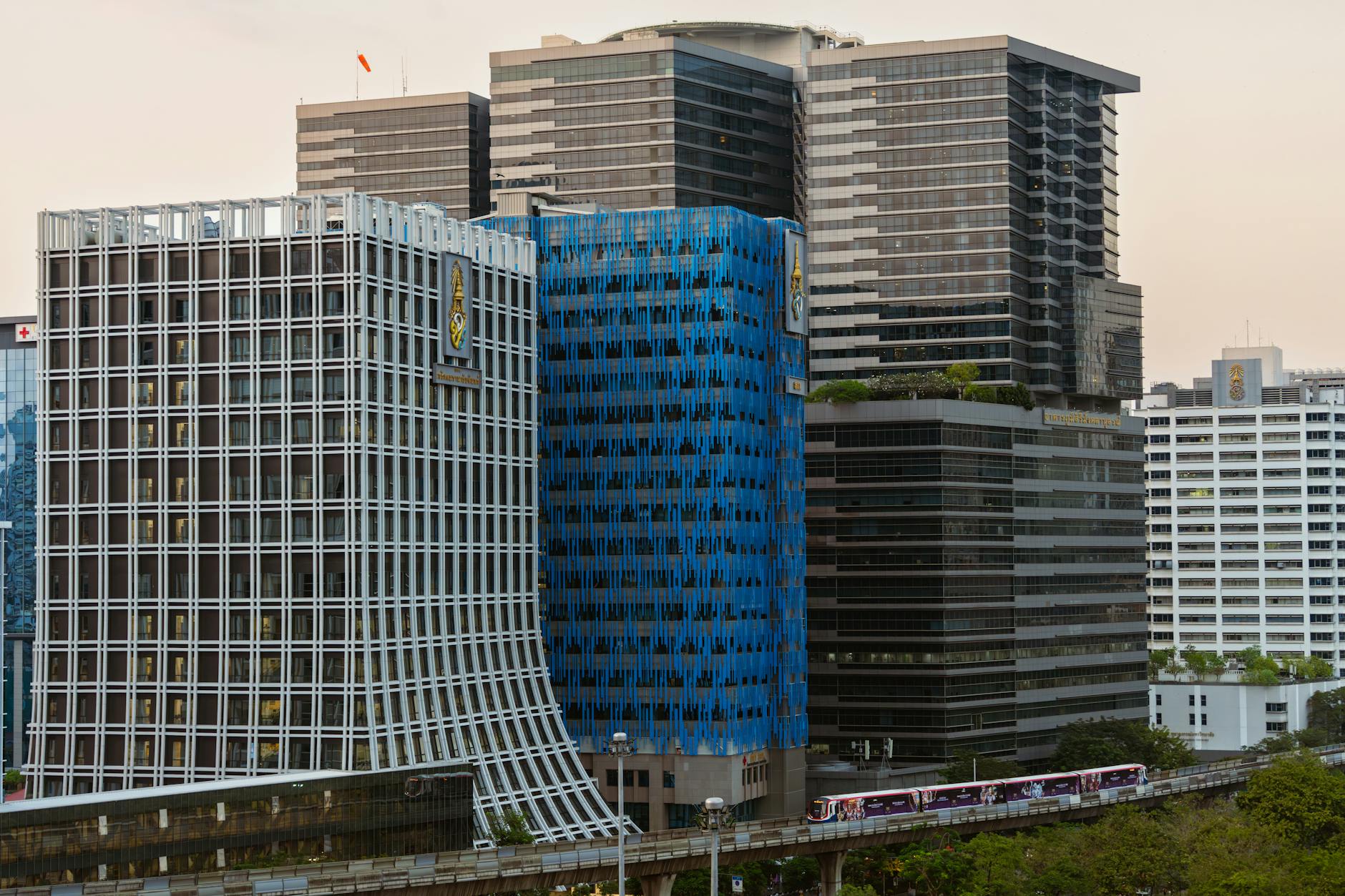
- Use climate-controlled transit strategically. The BTS Skytrain, MRT, and Chao Phraya express ferries are your best heat shields. Walking between stations in direct sun can spike core temperature rapidly. Use covered skywalks (Siam, Silom, Asok corridors) and underground passages.
- Schedule outdoor sites for early morning (07:00–09:30) or post-18:00. Evenings remain humid but lack direct solar load, making them significantly safer for temple visits, park walks, or night markets.
- Build in 20-minute recovery pauses. Sit in AC, hydrate, and let your heart rate normalize before continuing.
Gear & Clothing That Performs

What you wear directly impacts your thermal load.
- Fabric over fit. Avoid cotton—it absorbs sweat and traps heat against the skin. Use moisture-wicking synthetics, lightweight merino, or loose linen.
- UPF 50+ coverage is non-negotiable. A lightweight long-sleeve shirt, loose trousers, and a wide-brim hat reduce radiant heat absorption by 30–40%.
- Carry a cooling towel. Soak it in water, wring it out, and drape it around your neck or wrists. Evaporative cooling works best when paired with airflow (ceiling fans, transit AC, or open breezeways).
- Footwear matters. Closed-toe, breathable shoes with moisture-wicking socks prevent blisters and tropical fungal infections, which thrive in humid conditions.
Recognizing & Responding to Heat Illness
Heat exhaustion precedes heat stroke. Knowing the progression saves lives.
Early Signs (Heat Exhaustion)
Heavy sweating, cold/clammy skin, dizziness, nausea, muscle cramps, rapid weak pulse, headache. Action: Move to AC immediately. Lie down, elevate legs. Sip ORS or cool water. Apply wet cloths to the neck, armpits, and groin. Rest for 30–60 minutes before resuming light activity.
Emergency Signs (Heat Stroke)
Hot/dry skin (or sudden cessation of sweating), confusion, slurred speech, vomiting, loss of consciousness, core temperature >40°C (104°F). Action: Call 1669 (Thailand’s emergency medical number) or head to the nearest hospital. Do not wait. Heat stroke is fatal without rapid cooling and professional intervention.
Many Bangkok hospitals have 24/7 English-speaking emergency departments: Bumrungrad, Bangkok Hospital, Samitivej, and BNH Hospital all handle heat-related cases routinely.
Managing AC Transitions & Thermal Shock
Stepping from a 20°C mall into 35°C street humidity causes rapid vasodilation, blood pressure drops, and sometimes fainting. Thermal shock is a leading cause of heat-related collapses among tourists.
- Pause in transitional zones. Lobbies, shaded corridors, or covered walkways give your cardiovascular system 2–3 minutes to adjust.
- Keep a light long-sleeve layer in your bag. It buffers temperature shifts when moving between heavily cooled interiors and the street.
- Sit immediately if lightheaded. Don’t “power through.” Dizziness is your body’s warning that perfusion to the brain is dropping.
Food & Water Safety in Heat
Heat accelerates bacterial growth. What’s safe at 25°C becomes risky at 38°C.
- Street food rule: Safe if cooked fresh and served piping hot. Avoid pre-cut fruits, uncooked salads, or dishes sitting uncovered in direct sun.
- Ice is generally fine at established restaurants and 7-Eleven, as commercial ice is produced from purified water. Avoid loose ice from street vendors with unclear storage.
- Stick to sealed bottled water or verified refill stations. Major brands (Singha, Nestlé Pure Life, Crystal) are widely available and reliable.
- GI symptoms + heat fatigue = prioritize hydration first. Anti-motility drugs can trap pathogens. Seek medical advice if vomiting, diarrhea, or fever persists beyond 24 hours.
When to Adjust Your Itinerary
Heat management isn’t about endurance; it’s about risk mitigation. If the daily heat index exceeds 45°C (113°F) or the Air Quality Index (AQI) spikes above 150 (common during late dry-season agricultural burns), scale back. Bangkok’s heat compounds with particulate pollution, stressing respiratory and cardiovascular systems. Shift to indoor cultural sites, take a day trip to cooler coastal areas like Hua Hin or Khao Yai, or reschedule high-exertion activities.
Final Note
Bangkok’s summer heat demands respect, not tolerance. By treating hydration, timing, gear, and symptom recognition as operational priorities, you’ll navigate the city safely without sacrificing your plans. Heat management isn’t about staying indoors—it’s about moving smarter, recovering faster, and recognizing when your body needs to pause.
Related Articles
I Watched 3 Tourists Get Arrested at Songkran — Here's What They Did Wrong
Don't get arrested or fined during Songkran. Essential guide to Thai water festival laws, etiquette, dress code, alcohol rules, and the penalties that can ruin your trip.
I Thought I Was Being Respectful — Until a Thai Elder Gently Corrected Me
Navigate Thailand's Buddhist festivals with confidence. Essential guide to temple dress codes, wian thian candlelight processions, monk etiquette, alcohol ban rules, and cultural dos and don'ts.
11 Showers Weekly: How Thailand Earned Joint-Third in Global Hygiene Rankings
Thailand ranks joint-third globally for showering frequency, with 11 showers per week. Discover the cultural and climate factors behind this national hygiene habit.
Suvarnabhumi Airport Hacks: From 'Golden Land' to City in 45 Minutes
Navigate Suvarnabhumi Airport (BKK) in Bangkok with ease. This comprehensive guide covers arrivals, departures, transportation, facilities, and essential tips for a smooth journey.