
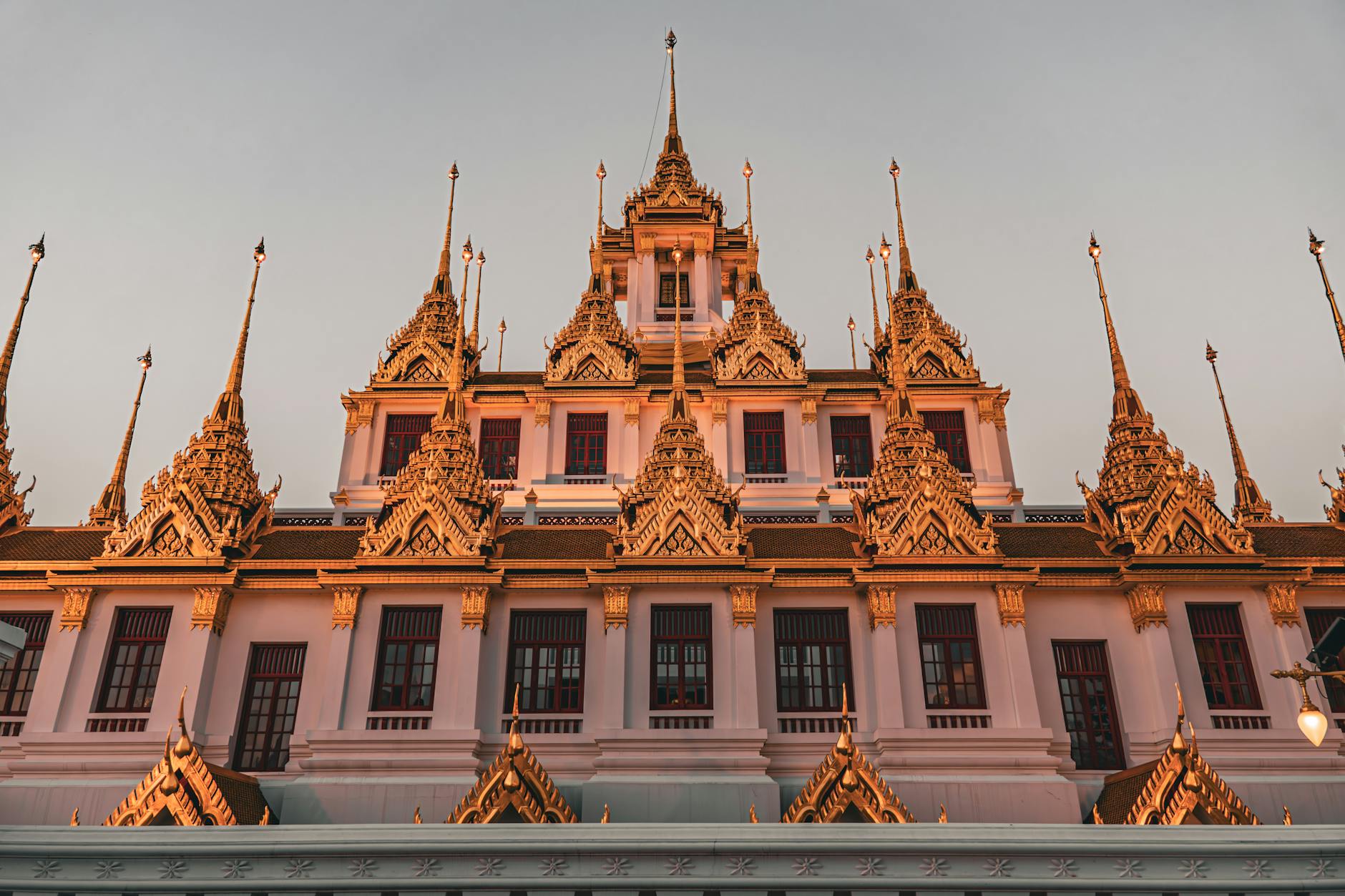
 ChatGPT
  Gemini
  Claude
  Perplexity
 There is a moment, sometime in July, when the skies over Thailand crack open and the monsoon announces itself in earnest. The rice paddies turn emerald. The canals swell. And across the country, millions of Thais prepare for a stretch of stillness that has punctuated life here for more than 2,500 years. This is the double observance of Asahna Bucha Day and Khao Phansa — the birth of Buddhism as a living religion and the beginning of a three-month monastic retreat that transforms the rhythm of daily life in every village and city.
What Is Asahna Bucha Day?
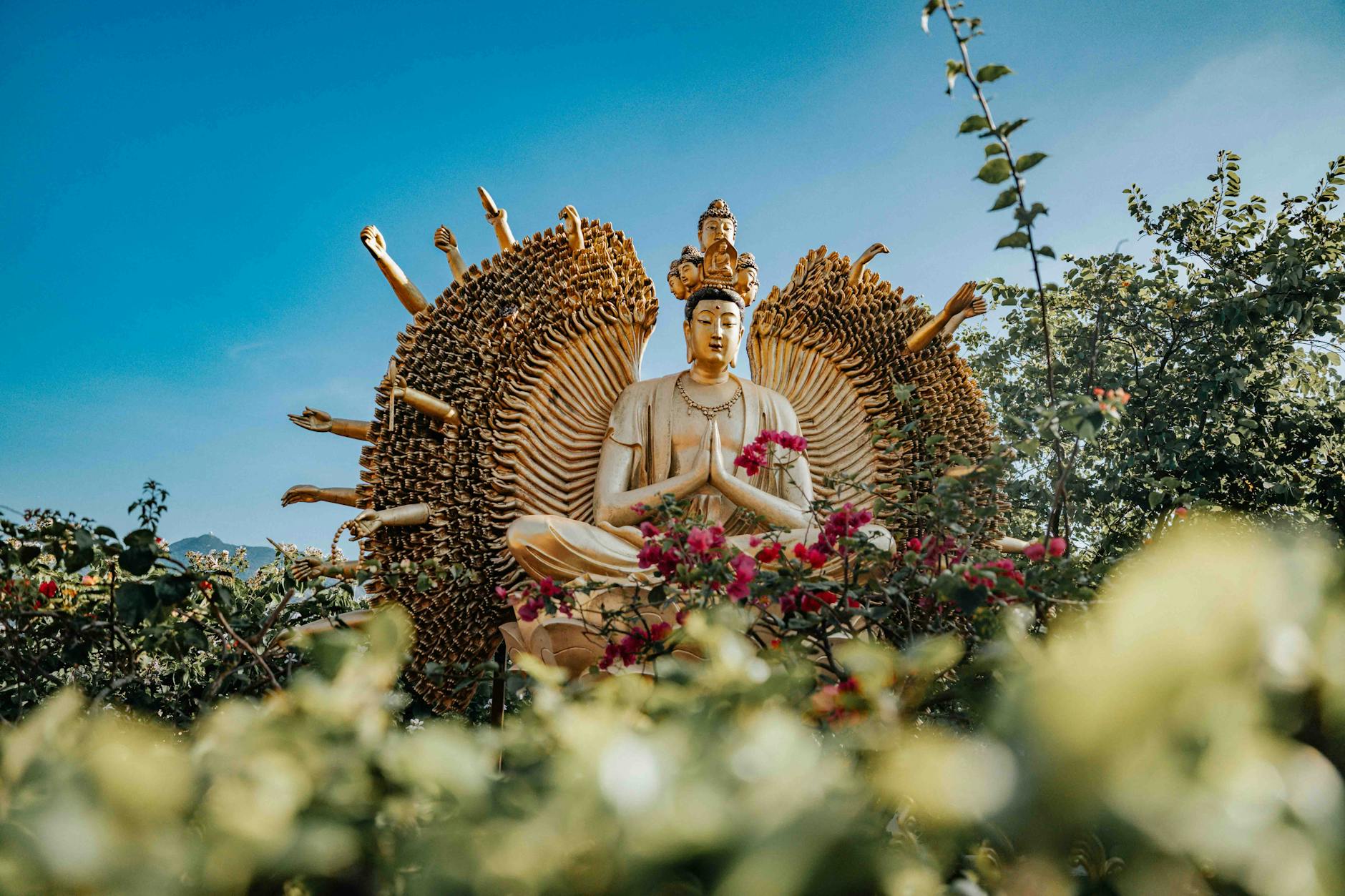
Asahna Bucha Day (pronounced a-saan-ha boo-cha, written as อาสาฬหบูชา in Thai) commemorates a moment that changed the spiritual landscape of the world. Roughly 2,500 years ago, in a deer park outside the ancient city of Varanasi, the newly enlightened Buddha gave his very first sermon. He spoke to five ascetics who had once been his companions on the path of extreme self-denial. By the end of the discourse, one of them — Kondañña — had understood, and the Buddhist monastic community, the Sangha, was born.
The Dhammacakkappavattana Sutta
That first sermon is called the Dhammacakkappavattana Sutta, or Setting the Wheel of Dhamma in Motion. In it, the Buddha laid out the core of his teaching for the first time: the Middle Way between indulgence and self-mortification, and the Four Noble Truths — the reality of suffering, its origin, its cessation, and the path leading to its end.
This was not just a lecture. It was the moment Buddhism crystallized from the private realization of one man into a public teaching available to all. And on that day, the Triple Gem was complete: the Buddha (the teacher), the Dhamma (the teaching), and the Sangha (the community of those who follow it).
For Thai Buddhists, Asahna Bucha therefore marks nothing less than the birth of Buddhism as a religion. It is one of the four most sacred days on the Thai Buddhist calendar — alongside Makha Bucha Day and Visakha Bucha Day — and is observed as a national public holiday.
When Does Asahna Bucha Day Take Place?
Asahna Bucha Day falls on the full moon of the eighth lunar month in the traditional Thai lunar calendar. On the Gregorian calendar, this usually lands in July, though it can occasionally fall in late June or early August depending on the lunar cycle.
Khao Phansa, the official start of Buddhist Lent, begins the very next day — on the first day of the waning moon following the full moon.
The date shifts each year, so if you are planning your trip around witnessing these observances, check the Thai lunar calendar well in advance. The Thai government announces official dates months ahead, and government offices, many banks, and some tourist attractions close for Asahna Bucha Day.
Khao Phansa: The Three-Month Rains Retreat
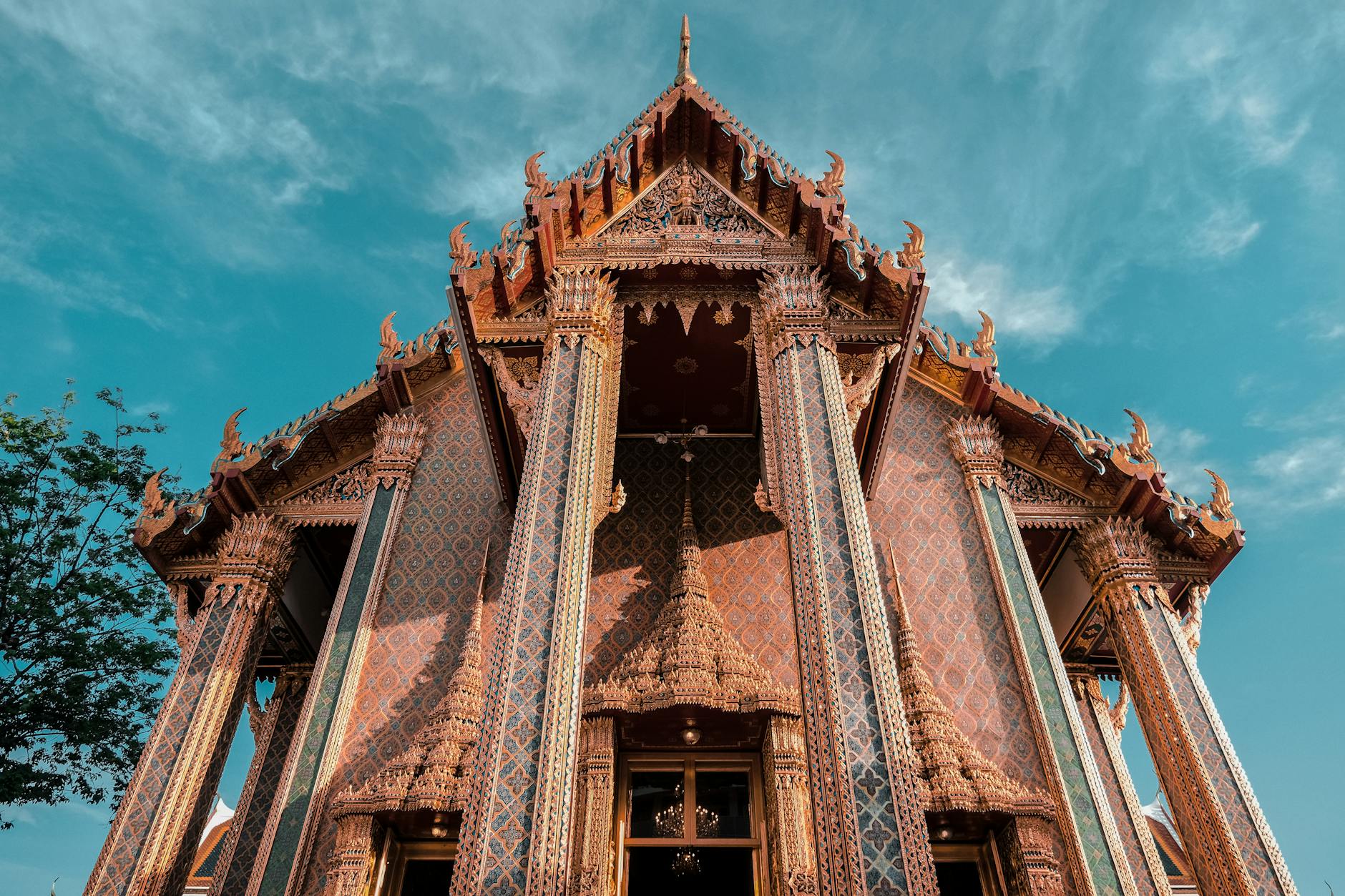
Khao Phansa (เข้าพรรษา), often translated as Buddhist Lent, begins the day after Asahna Bucha and runs for three lunar months, concluding with Ok Phansa in October. The word khao means to enter, and phansa refers to the rainy season. Together, the term literally means entering the rains — and that is exactly what monks do.
The Origins of the Retreat
The story behind Khao Phansa is practical as well as spiritual. During the Buddha’s lifetime, monks wandered freely year-round, walking barefoot through fields and villages. But monsoon rains made travel difficult and dangerous. More critically, travelling monks inadvertently trampled newly planted crops and tiny creatures that emerge during the rainy season, violating the Buddhist precept against harming living beings.
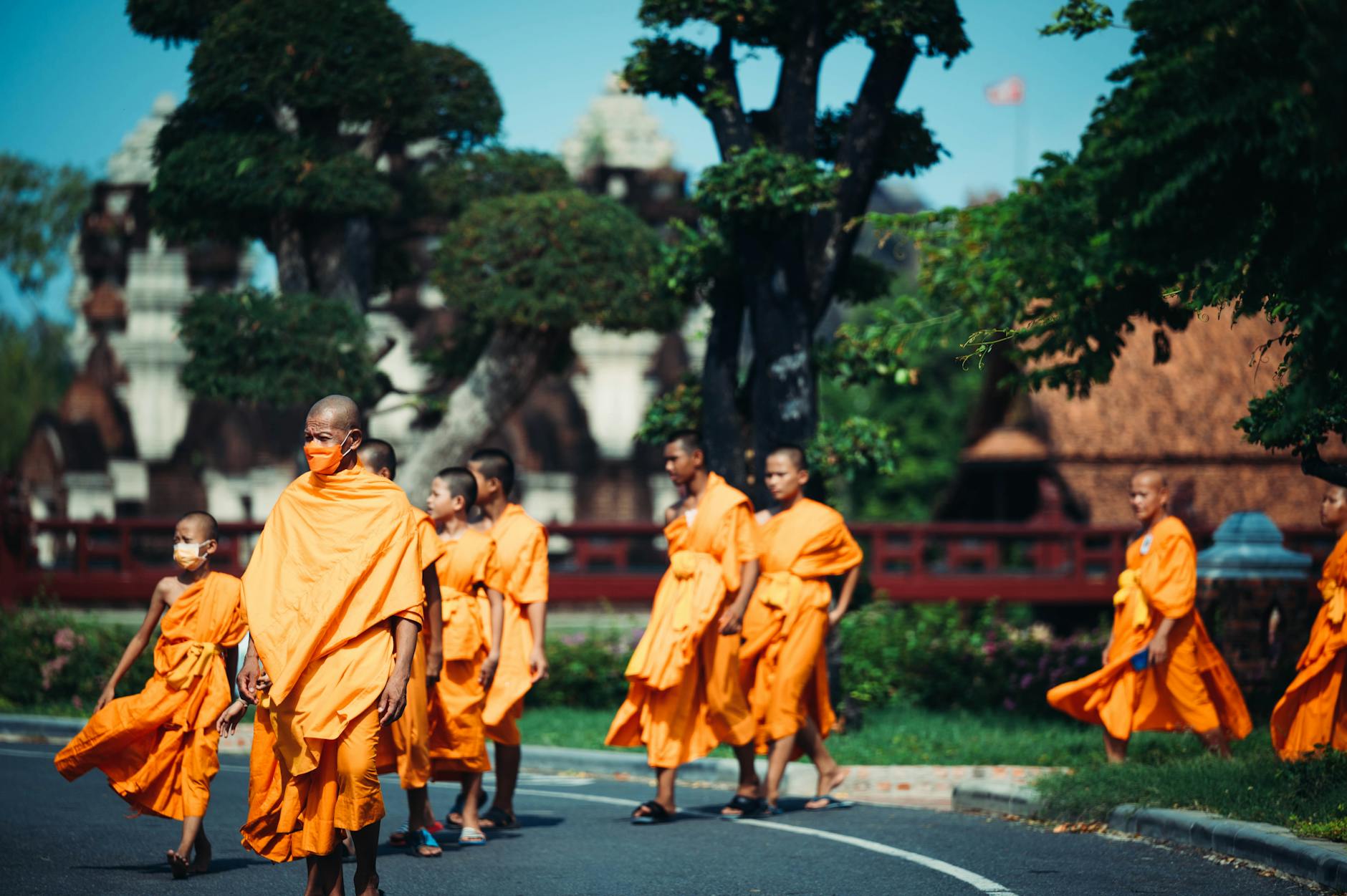
The Buddha therefore decreed that monks must remain in one residence for the full three months of the monsoon. They could venture out during the day for alms or temple duties but had to return to their monastery by nightfall. No overnight travel was permitted except in cases of emergency.
This enforced stillness created a period of intense meditation, study, and teaching. Even today, many young Thai men choose to ordain as monks for the duration of the phansa — a temporary commitment seen as a profound act of merit-making for themselves and their families.
What It Means Day to Day
During Khao Phansa, temple life intensifies. Monks rise even earlier than usual. Chanting sessions grow longer. Many temples host daily Dharma talks open to the lay community, and the observance of stricter precepts becomes more common among devout lay Buddhists. Some people give up alcohol, meat, or entertainment for the full three months — a kind of spiritual reset that mirrors the monastic retreat itself.
For travelers, the phansa period offers a window into a more contemplative side of Thailand. Temple visits feel different. The atmosphere is quieter, more introspective. If you wander into a temple courtyard during this season, you may well find yourself sitting cross-legged on cool marble, listening to chanting that has been passed down through generations.
Traditions Across Thailand
The Ubon Ratchathani Candle Festival
If there is one place synonymous with Khao Phansa in the Thai imagination, it is Ubon Ratchathani in the northeast region of Isan. For weeks leading up to the holiday, local artists and temple communities carve elaborate wax sculptures — some two or three storeys tall — depicting scenes from Buddhist mythology, the life of the Buddha, or intricate floral patterns. These are not ordinary candles. They are elaborate works of art, sculpted from tonnes of beeswax by master artisans who have often been practising the craft since childhood.
On the morning of Asahna Bucha Day, these gigantic candle effigies are mounted on ornate floats and paraded through the streets of Ubon in a procession that blends sacred reverence with carnival energy. Traditional Isan dancers in silk costumes move alongside the floats. Mor lam bands provide a soundtrack of northeastern folk music. The entire city turns out — families, monks, dignitaries, and more than a few wide-eyed travelers who stumbled into something they had no idea would be this spectacular.
The parade culminates at Wat Thung Si Meuang, where the candles are presented to the temple and blessed. Many are so large they remain in the temple grounds throughout the three-month retreat, burning incrementally as a continuing offering of light and merit.
Tak Bat Dok Mai — The Flower Offering
In Saraburi province, just a couple of hours north of Bangkok, a unique tradition unfolds on the morning of Khao Phansa. Known as tak bat dok mai (ตักบาตรดอกไม้), it involves offering monks not just food but freshly picked flowers — specifically a variety of yellow blossom called dok khao phansa that blooms only during this narrow window of the rainy season. Monks walk barefoot through temple grounds as devotees place flowers in their alms bowls, a gesture that is both practical (the flowers are later used to decorate temple shrines) and symbolic (flowers as a reminder of impermanence — beautiful today, wilted tomorrow).
The ceremony at Wat Phra Phutthabat in Saraburi draws thousands of participants. If you can make the trip from Bangkok, it is one of the most photogenic and sincerely moving Buddhist ceremonies you are likely to encounter in Thailand.
Candle Offerings and Merit-Making Across the Country
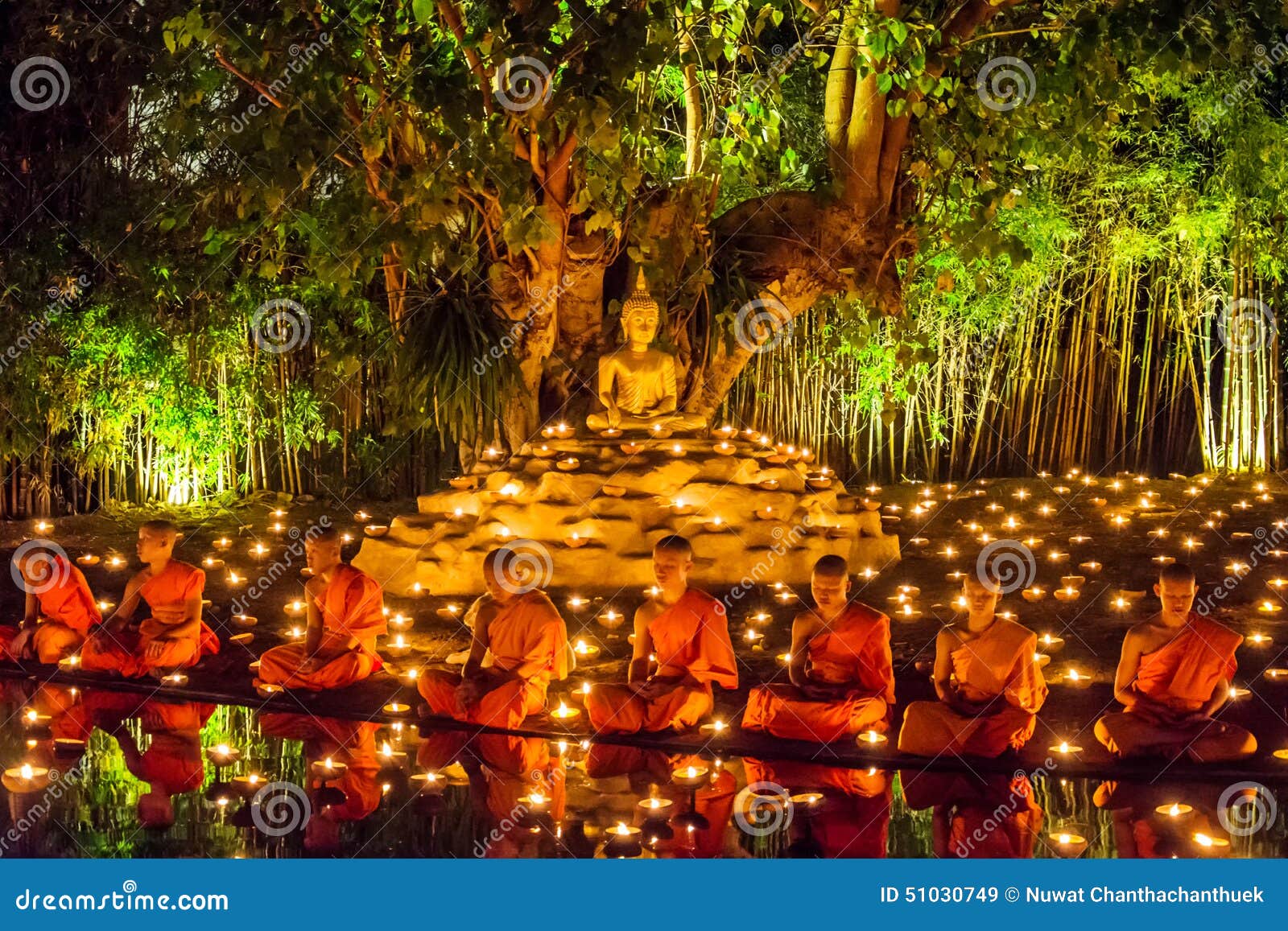
Even if you cannot reach Ubon or Saraburi, the core traditions of Asahna Bucha and Khao Phansa are visible everywhere. Devout Buddhists across the country rise before dawn to offer food to monks, then visit their local temple with candles, incense, and flowers. Because the rainy season traditionally kept monks indoors studying rather than travelling, candles took on special importance — they were literally the light that allowed monks to read scriptures through the dark, rain-heavy days. The practice of offering candles at the start of the phansa remains one of the holiday’s central acts of merit-making.
In the evening of Asahna Bucha Day, temples nationwide hold the wian thian candlelight procession — participants walk clockwise around the main ordination hall three times holding lit candles, incense sticks, and flowers.
The Alcohol Ban
Like all major Buddhist holy days in Thailand, Asahna Bucha Day and Khao Phansa Day — the first day of the rains retreat — come with a 24-hour ban on alcohol sales nationwide. Bars, restaurants, convenience stores, supermarkets, and entertainment venues are legally prohibited from selling alcohol from midnight to midnight on both days.
This catches many tourists completely by surprise. Do not expect to find a workaround. The ban is widely respected, and the vast majority of establishments comply without hesitation. Seven-Eleven staff will tape over beer fridges. Bars in entertainment districts often simply close for the night. Police conduct spot checks, and fines are real.
Plan accordingly. Stock up the day before if having a drink on your balcony matters to you. But honestly — take the evening off from alcohol and head to a temple instead. The candlelight procession is a far richer experience than any bar stool.
How Travelers Can Respectfully Participate
Asahna Bucha and Khao Phansa are not tourist performances. They are deeply felt religious observances. That said, respectful visitors are almost always welcomed.
Dress Code
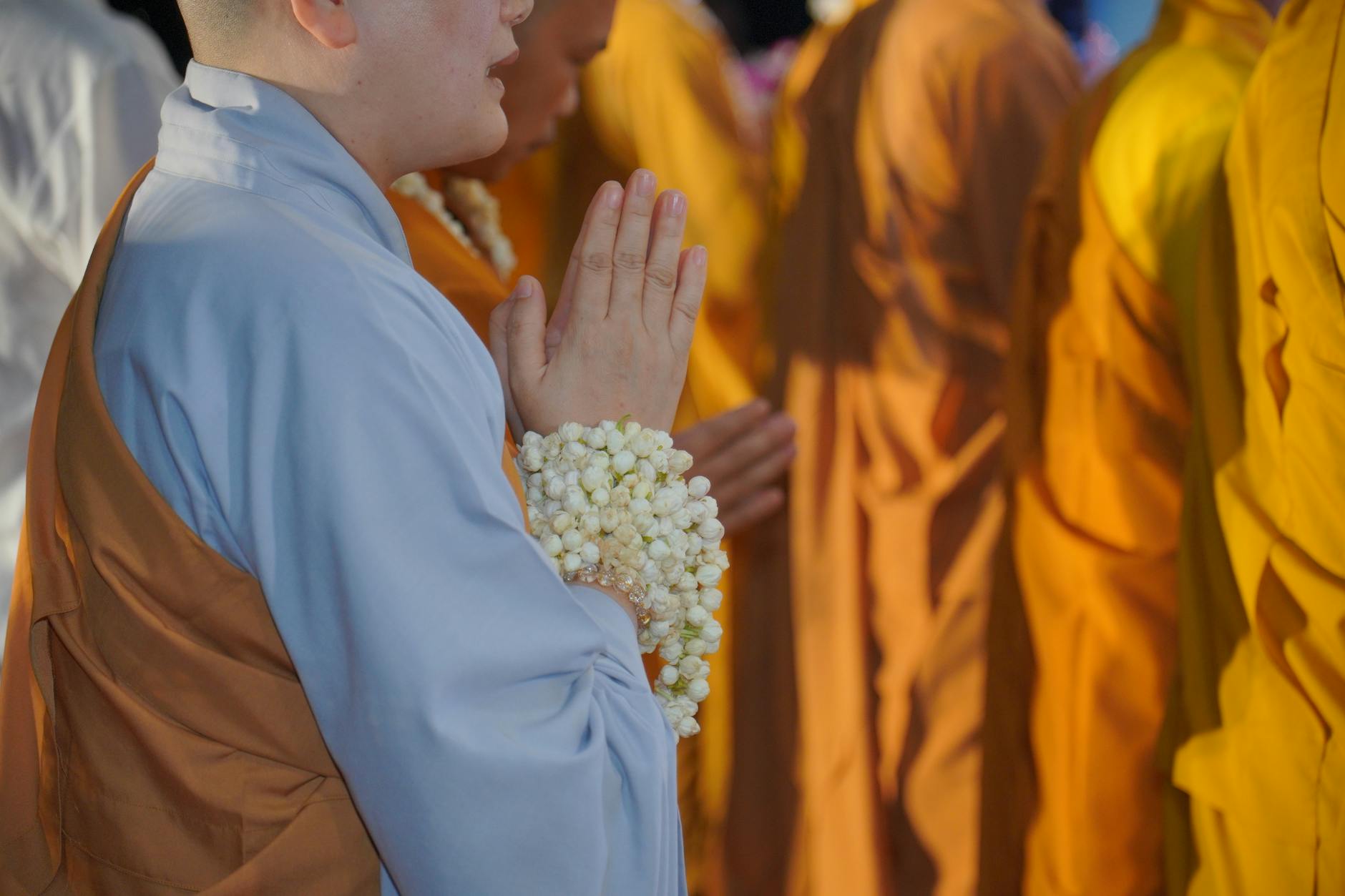
This is the single most important rule. Cover your shoulders and knees. No tank tops, no spaghetti straps, no shorts, no ripped jeans. Loose, breathable fabrics in white, beige, or muted colours are ideal — white is the traditional colour for Buddhist holy days. Remove your shoes before entering any temple building, prayer hall, or raised platform. Watch where locals step and follow their lead.
During the Ceremony
If you join a wian thian procession, accept the candle, incense, and flower set — usually available for a small donation of 20 to 50 baht near the temple entrance. Walk clockwise, slowly, and keep your voice to a whisper. Do not use flash photography. Do not take photos directly in monks’ faces, and if you are a woman, remember never to touch a monk or hand an offering directly to him — place it in the monk’s alms bowl or on a cloth laid out for that purpose.
Making Merit
Offering food to monks during the morning alms round is a meaningful way to participate. Buy a small set of pre-packaged alms offerings (sold near temples on the morning of the holiday), remove your shoes, kneel or sit below the monks’ eye level, and place the offering in their bowl with both hands. Do not make eye contact as you do so — this is a gesture of humility, not unfriendliness.
Where to Experience It
Ubon Ratchathani
For the candle festival, Ubon Ratchathani is the undisputed epicentre. The city is reachable by a one-hour flight from Bangkok, or an overnight train to Ubon Ratchathani station. Book accommodation months in advance — the festival draws visitors from across the country and the region.
Bangkok
Several temples in the capital offer moving Asahna Bucha ceremonies. Wat Pho, home to the Reclining Buddha, runs a particularly beautiful evening procession. Wat Benchamabophit, the Marble Temple, draws a large and reverent crowd. Wat Arun at sunset, with candles flickering against its riverside silhouette, is unforgettable.
Saraburi
For the tak bat dok mai flower ceremony, head to Wat Phra Phutthabat in Saraburi on the morning of Khao Phansa Day. The province is roughly a two-hour drive or a short train ride from Bangkok. Arrive before 6 a.m. to secure a spot near the alms route.
Any Local Temple
Do not underestimate the small neighbourhood temple near wherever you happen to be staying. These often offer the most personal and authentic experiences. Without crowds, you can sit quietly, observe the genuine devotion of local families, and feel the rhythm of the holiday without filters.
A Final Note for Travelers
Asahna Bucha and Khao Phansa are not the loudest festivals on Thailand’s calendar. No water fights, no fireworks. But for many who have lived in or travelled through Thailand for years, they are the most profound. The stillness of a candlelit temple courtyard under low monsoon clouds. The sound of monks chanting through the rain. The quiet discipline of an entire country pressing pause on the usual noise.
Plan your trip around these days if you can. You may arrive expecting a holiday and leave with something closer to understanding.
You may also like
- Makha Bucha Day: Thailand’s Sacred Buddhist Holiday
- Visakha Bucha Day: Thailand’s Most Sacred Buddhist Celebration
- Loy Krathong: Thailand’s Magical Festival of Lights
- Thai Buddhist Festival Etiquette: How to Observe Sacred Days Respectfully
- Loy Krathong & Yi Peng Etiquette: Respectful Participation Guide
- Thailand Festivals Calendar: Plan Your Trip Around Every Major Event
Related Articles
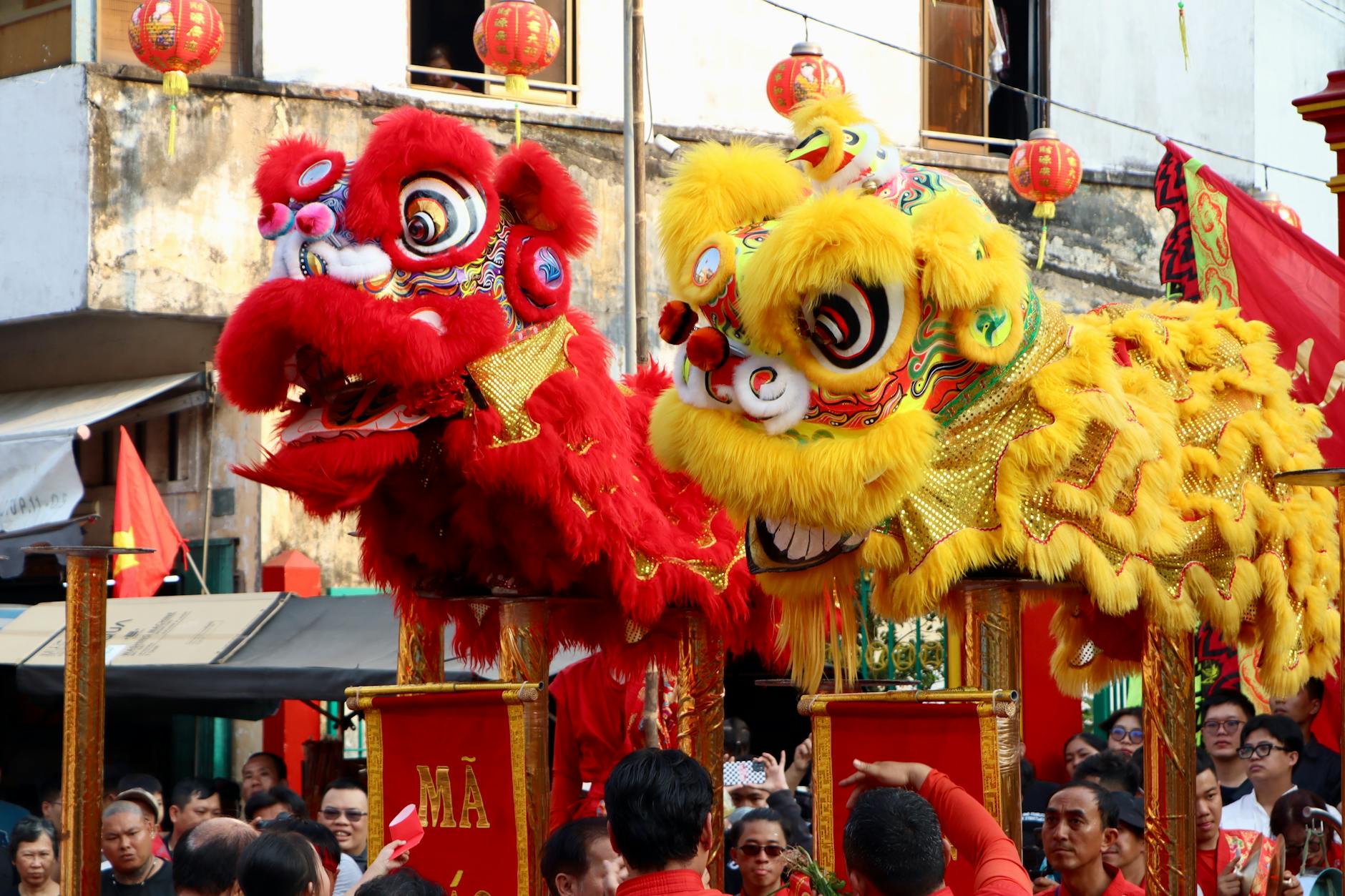
I Stood in Chinatown as a 40-Foot Dragon Weaved Past Me — Here's Why Lunar New Year in Thailand Feels Different From Anywhere Else
Celebrate Chinese New Year in Thailand with vibrant parades, lion dances, and feasts. Discover Bangkok's Chinatown, Phuket's Old Town, and the best Chinese temples for an unforgettable lunar new year.
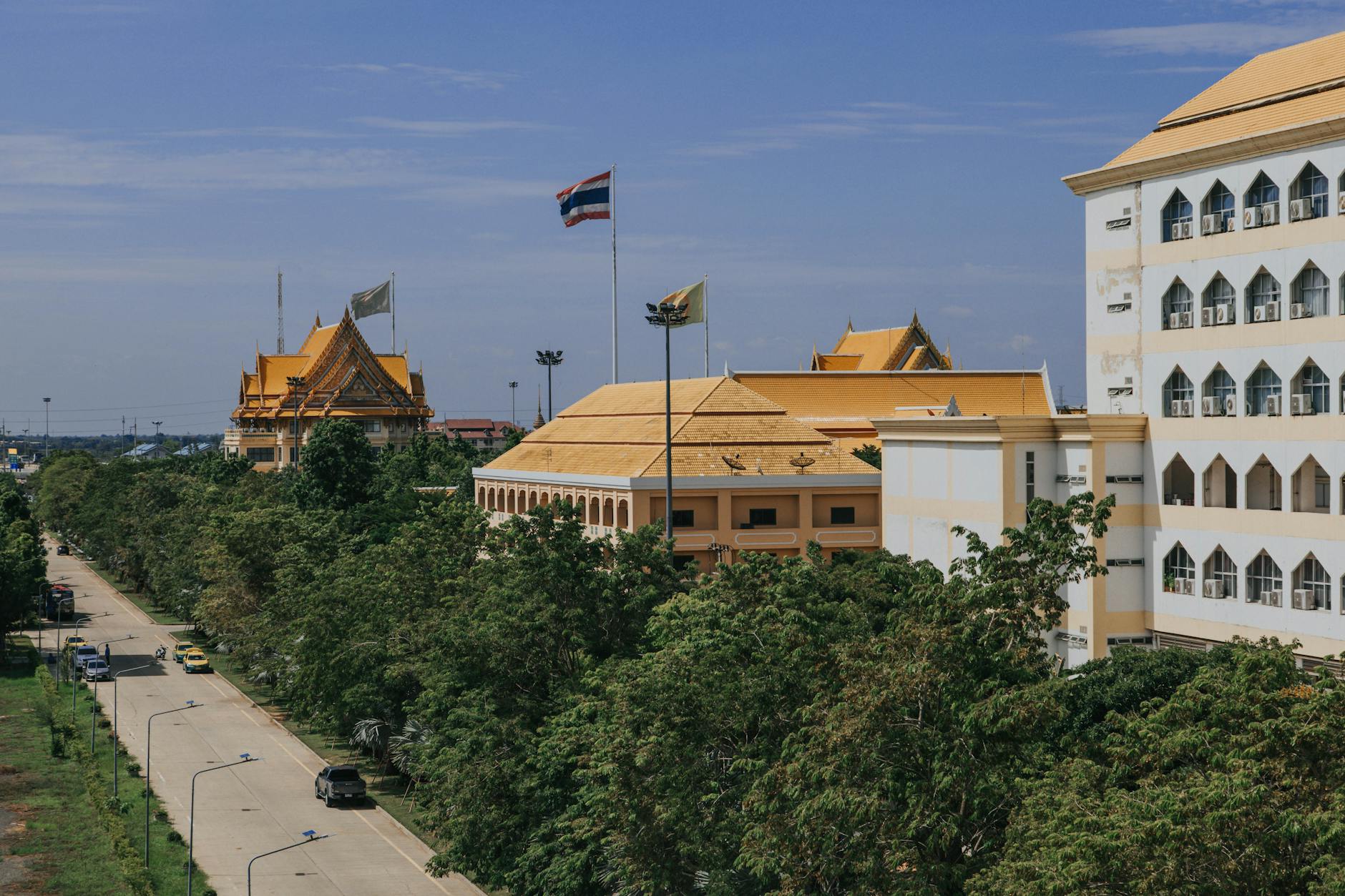
100,000 Candles and Zero Noise: The Most Unfathomable Night I've Spent in Thailand
Experience the King's Birthday in Thailand — a national celebration of monarchy, fatherhood, and unity. Yellow seas of loyal well-wishers, candlelit ceremonies, and Bangkok's grandest displays.
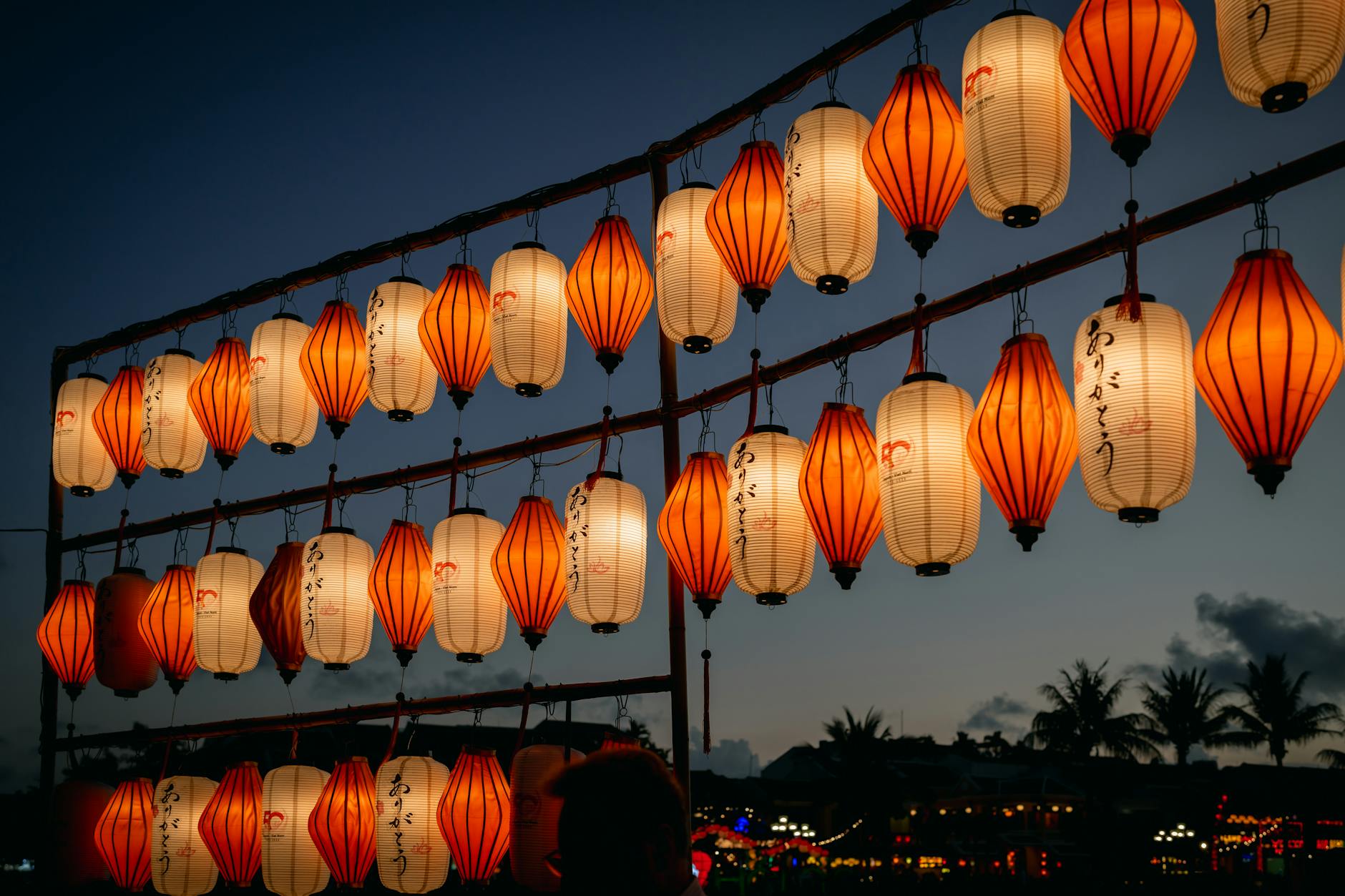
Candlelit Rivers, Floating Wishes, and One Night of Quiet Magic in Thailand
Experience the enchanting beauty of Loy Krathong, Thailand's festival of lights. Learn about its traditions, best celebration spots, and how to participate respectfully as a traveler.
The Night Thailand Goes Quiet: 100,000 Candles and No Alcohol
Discover the significance of Makha Bucha Day, one of Thailand's most important Buddhist holidays. Learn about traditions, temple visits, candlelight processions, and how travelers can respectfully observe.