
 ChatGPT
  Gemini
  Claude
  Perplexity
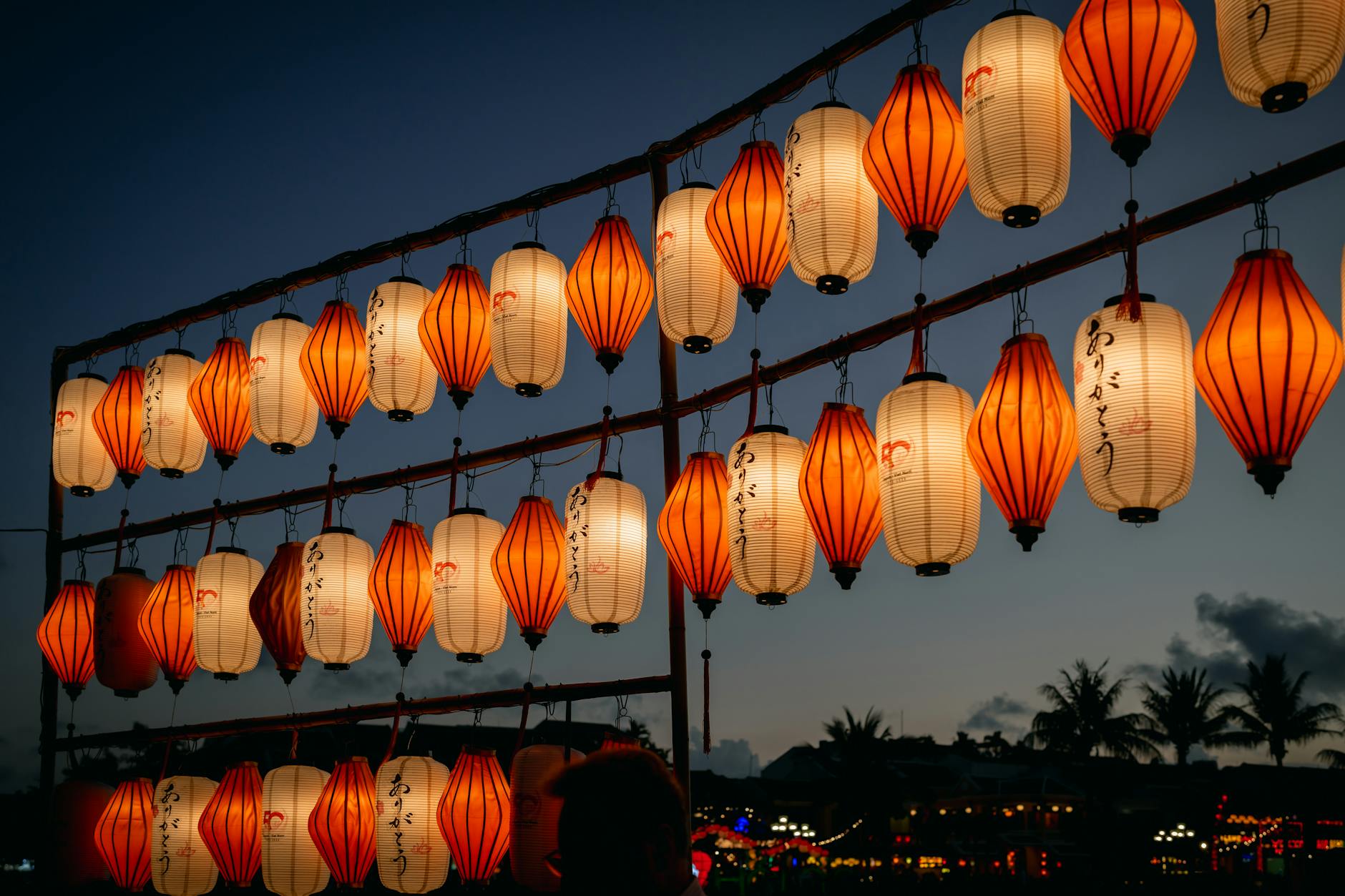
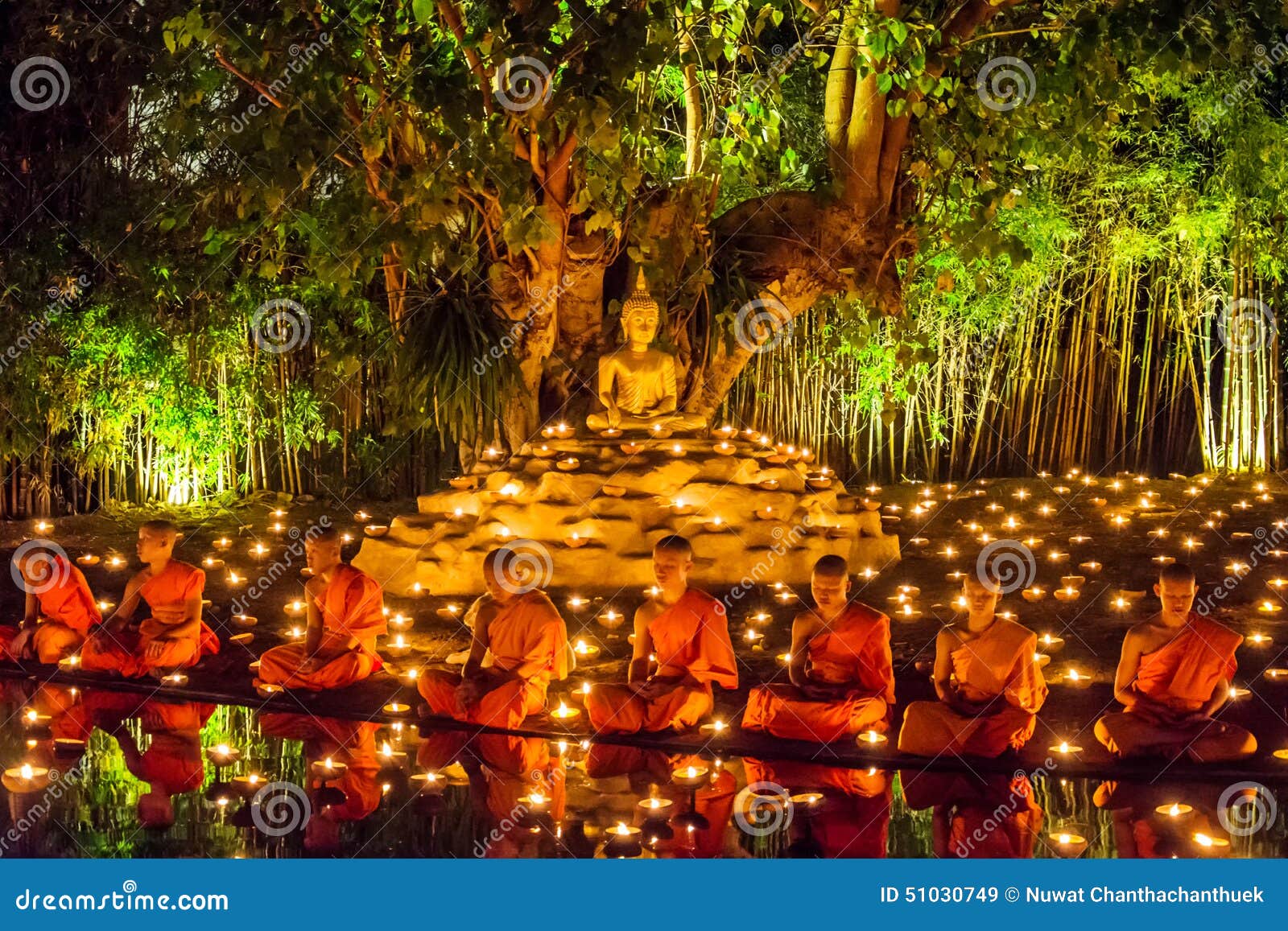
 Picture thousands of flickering candlelit vessels drifting across a dark river, the water shimmering with golden light as lanterns rise into the night sky. The air carries the scent of incense, jasmine, and burning wax. Around you, families and couples kneel by the water’s edge, whispering prayers and making wishes before gently releasing their handcrafted floats into the current. This is Loy Krathong (also spelled Loi Krathong), Thailand’s annual Festival of Lights — and it is nothing short of magical.
Loy Krathong is one of Thailand’s most visually stunning and emotionally resonant celebrations. Held on the full moon night of the twelfth lunar month (usually November), it draws millions of locals and travelers to rivers, canals, lakes, and ponds across the country. For visitors, it offers a rare and deeply moving opportunity to step beyond the tourist trail and into the spiritual heart of Thai culture.
In this guide, you will discover the history and meaning behind the festival, where to experience it at its finest, how to make and float your own krathong responsibly, and what to expect as a traveler.
The History and Meaning of Loy Krathong
The origins of Loy Krathong are layered with history, legend, and spirituality. The name itself reveals its essence: loy (ลอย) means “to float,” and krathong (กระทง) refers to the small, lotus-shaped vessel traditionally made from banana leaves and decorated with flowers, candles, and incense sticks. Together, the phrase translates to “floating a basket” or “floating a lantern vessel.”
Honoring Phra Mae Khongkha — The Water Goddess
At its spiritual core, Loy Krathong is an act of reverence to Phra Mae Khongkha, the Thai goddess of water. In a culture historically dependent on rivers for agriculture, transportation, and daily life, water holds sacred significance. The festival is both a gesture of gratitude for the life-giving waters and an apology for polluting them. By floating a krathong downstream, participants symbolically release their misfortunes, grudges, and negative energy, making space for renewal, good luck, and fresh beginnings.
The Legend of Nang Noppamas
Many Thais associate Loy Krathong with Nang Noppamas, a beautiful and learned consort of King Ramkhamhaeng of Sukhothai in the 13th or 14th century. According to legend, Noppamas crafted the first krathong in the shape of a lotus flower and presented it to the king during a royal ceremony on the river. The king, captivated by its beauty, declared that floating krathongs would become an annual tradition. While historians debate the legend’s factual accuracy, Noppamas endures as a cultural icon — and beauty pageants bearing her name are still held across Thailand during the festival.
Brahmin and Buddhist Influences
Loy Krathong also carries traces of Brahmin traditions, with parallels to the Hindu festival of Diwali, where lamps are floated on rivers as offerings to the goddess Ganga. Over centuries, the celebration blended seamlessly with Theravada Buddhist practices, and today many Thais use the occasion to make merit, meditate, and honor the Buddha.
What Is a Krathong?
A krathong is the star of the festival. Traditionally, it is a small, circular float made from a cross-section of a banana tree trunk, which serves as a buoyant base. The trunk slice is wrapped in folded banana leaves shaped like lotus petals and decorated with flowers — commonly marigolds, orchids, and roses — along with three symbolic items:
- A candle — representing light, wisdom, and the illumination of one’s path
- Incense sticks (usually three) — symbolizing purification and prayer
- A small coin or offering — left as an act of generosity and merit-making
Modern krathongs can be elaborate works of art, with intricate folded-leaf designs, colorful arrangements, and even small edible offerings. In recent years, bakeries and eco-conscious vendors have begun selling krathongs made from bread, ice, or compressed fish food — floats that dissolve or feed aquatic life rather than polluting the water.
Where to Celebrate: The Best Places to Experience Loy Krathong
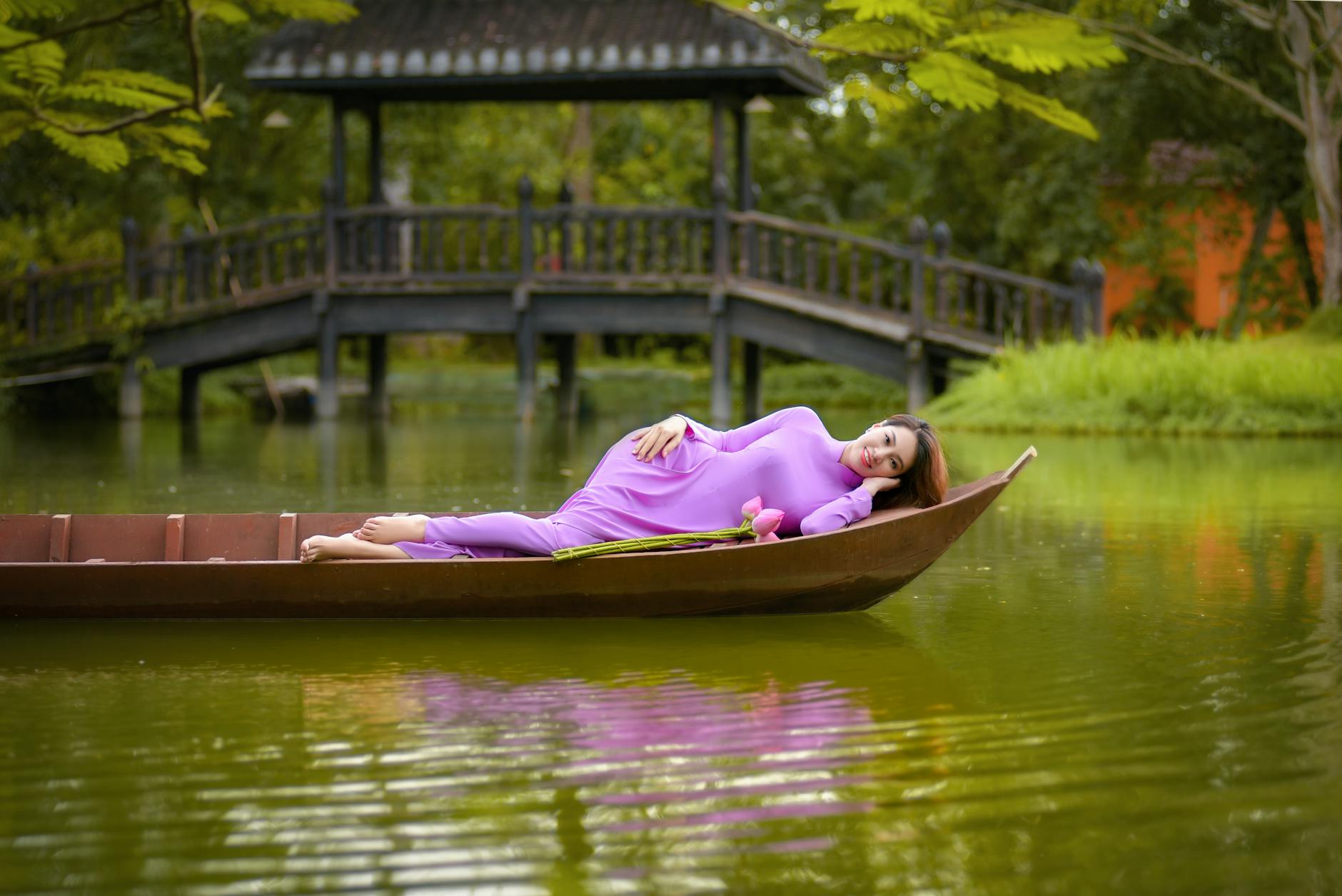
While Loy Krathong is celebrated nationwide, some destinations elevate the festival into an unforgettable spectacle. Here are four of the best places to experience it.
Bangkok: Riverside Magic in the Capital
Bangkok may be a sprawling metropolis, but during Loy Krathong, its riverside and canal-side communities come alive with tradition. The Chao Phraya River is the focal point, and several locations offer accessible, traveler-friendly celebrations:
- Asiatique The Riverfront — This popular night market and entertainment complex hosts one of Bangkok’s largest Loy Krathong events, with easy krathong-floating access along the pier, live performances, and a festive atmosphere.
- Wat Saket (The Golden Mount) — For a more spiritual experience, the temple grounds around Wat Saket draw crowds climbing the hill for panoramic views and candlelit ceremonies.
- Lumpini Park — The central park’s lake becomes a constellation of floating lights, perfect for families and travelers staying in the Sukhumvit or Silom areas.
- Khlong Phadung Krung Kasem — This historic canal near Hua Lamphong station features traditional floating markets and cultural shows during the festival.
Traveler tip: Arrive by late afternoon to secure a good spot, and use Bangkok’s MRT or BTS to avoid the gridlocked traffic. River taxi services often run extended hours on festival night.
Sukhothai: The Birthplace of the Tradition
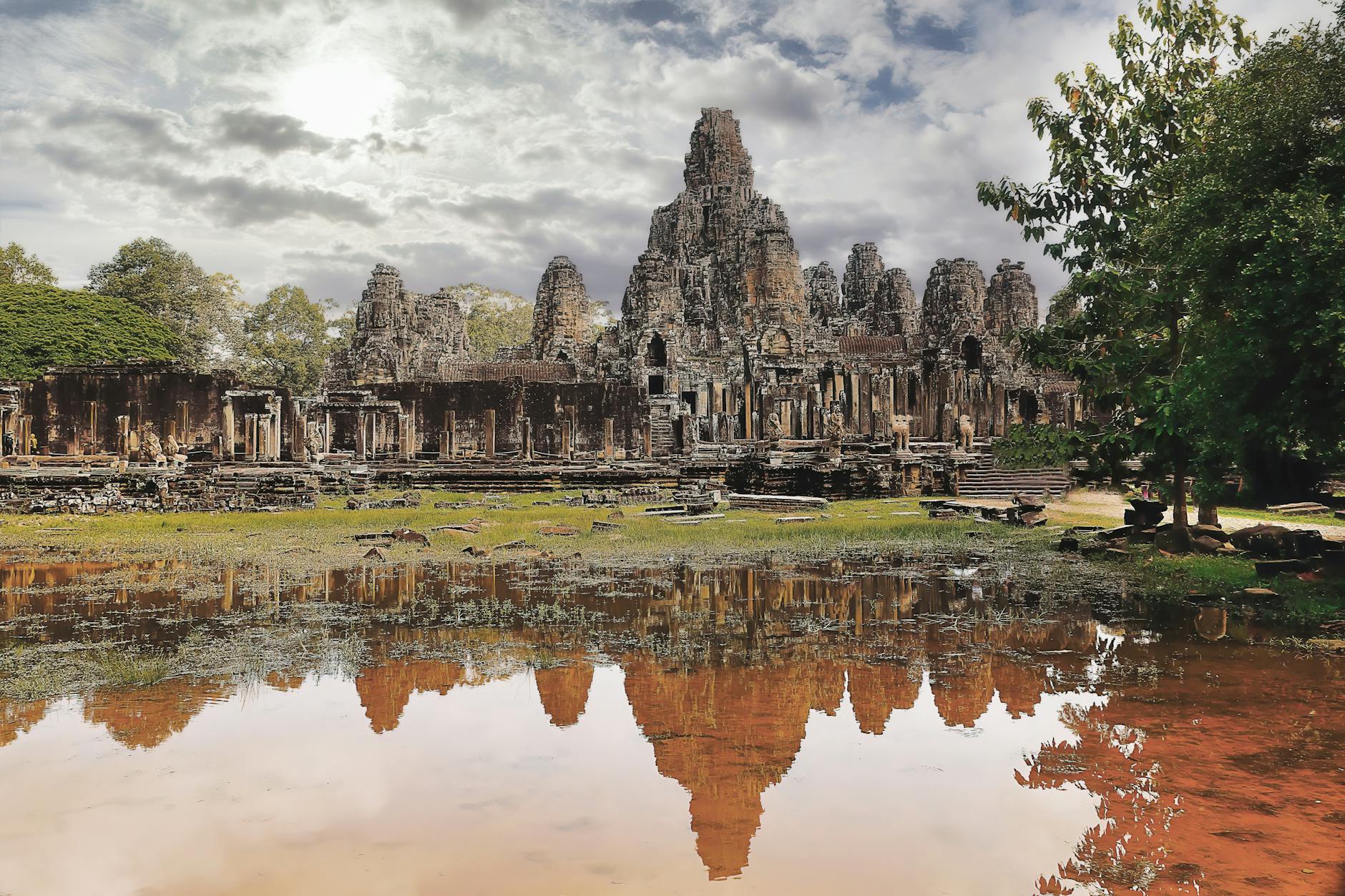
For many, Sukhothai Historical Park offers the most authentic and breathtaking Loy Krathong experience in Thailand. The ancient temple ruins, lotus-filled ponds, and stone Buddha statues provide an almost cinematic backdrop. The park hosts a multi-day celebration featuring:
- Light-and-sound shows dramatizing the legend of Nang Noppamas
- Traditional Thai dance performances and classical music
- A night market with northern Thai cuisine and handicrafts
- A krathong-floating competition and Noppamas beauty pageant
The atmosphere here is less commercial and more reverent than in Bangkok. Standing before Wat Mahathat as hundreds of krathongs drift across the reflecting pond under the full moon is an image that will stay with you long after you leave Thailand.
Chiang Mai: Yi Peng Meets Loy Krathong
In northern Thailand, Loy Krathong coincides with Yi Peng, the Lanna festival of sky lanterns. The result is a doubly spectacular celebration where krathongs float on the Ping River while thousands of paper lanterns (khom loi) ascend into the sky. The combined visual effect — light above and below — is what you have likely seen in photographs and films.
Key spots in Chiang Mai include:
- Nawarat Bridge and the Ping River banks — The epicenter for krathong floating and sky lantern releases
- Tha Phae Gate — Street parades, traditional dance, and lantern-decorated archways
- Three Kings Monument — Cultural performances and ceremonies
Be aware that the coordinated mass lantern releases (like the one at Mae Jo University) often require tickets purchased months in advance and happen on a separate date from the main festival. Check local event calendars before planning your trip.
Ayutthaya: History Illuminated
The ancient capital of Ayutthaya, a UNESCO World Heritage Site, provides runners-up to Sukhothai’s historical charm. Temples such as Wat Chaiwatthanaram and Wat Mahathat host candlelit ceremonies, and the surrounding rivers become a canvas of floating lights. Ayutthaya is an easy day trip or overnight from Bangkok, making it ideal for travelers with limited time.
How to Make and Float Your Own Krathong
One of the joys of Loy Krathong is the hands-on experience. Many temples, schools, and community centers offer krathong-making workshops in the days leading up to the festival. Alternatively, street vendors sell ready-made krathongs on the festival night itself.
Making a Simple Krathong
If you want to try crafting one yourself, here is the basic process:
- Base: Cut a round slice from a banana tree trunk, about 2–3 cm thick and roughly the diameter of a dessert plate. (If banana trunk is unavailable, biodegradable compressed bread bases are an eco-friendly substitute.)
- Leaves: Fold fresh banana leaves into petal shapes and pin them around the edge of the base using small bamboo sticks or toothpicks.
- Decoration: Arrange flowers like marigolds, orchids, and jasmine inside the leaf border. Many krathongs include a small orchid as the centerpiece.
- Offerings: Place a small candle in the center, insert three incense sticks into the base, and add a coin or two as a merit offering.
- Personal touch: Some people add nail clippings, strands of hair, or a small written wish — the idea being that as the krathong floats away, it carries away troubles and bad luck.
The Floating Ritual
When you arrive at the water’s edge, follow these steps to float your krathong respectfully:
- Light the candle and incense sticks.
- Hold the krathong at forehead level and close your eyes.
- Make a wish, say a prayer, or simply express gratitude to the water goddess.
- Gently place the krathong on the water’s surface and push it outward.
- Watch it float away. Tradition holds that if your candle stays lit until the krathong drifts out of sight, your wish will come true — and you will enjoy a year of good fortune.
If the krathong capsizes or the candle extinguishes, do not worry. It is not considered bad luck; the gesture of floating it is what truly matters.
Environmental Considerations: Floating Responsibly
As Loy Krathong has grown in popularity, so have concerns about its environmental impact. In previous decades, krathongs made with styrofoam bases, plastic decorations, and synthetic materials left waterways clogged with debris that took years to decompose. The good news is that awareness has risen dramatically, and both authorities and communities now encourage — and often mandate — eco-friendly practices.
How to Choose an Eco-Friendly Krathong
When buying a krathong, look for these materials:
- Banana trunk or bread base — Both are fully biodegradable and dissolve naturally
- Natural leaves and flowers — No plastic or styrofoam decorations
- Compostable incense and candles — Avoid synthetic glues or metallic wraps
- Fish-food krathongs — Made from compressed fish food that aquatic life can consume
Some municipalities, including Bangkok, now require all krathongs sold in public areas to be made from biodegradable materials. After the festival, cleanup crews work through the night to collect remaining krathongs from rivers and canals. In 2023, Bangkok reported collecting over 600,000 krathongs — and encouragingly, approximately 96% were biodegradable, a significant improvement from previous years.
As a traveler, you can contribute by choosing a traditional banana-leaf krathong, avoiding plastic, and floating it in designated areas where cleanup crews can reach it. Do not float krathongs into the open sea or remote waterways.
Festival Dates and Planning Your Trip
Loy Krathong falls on the full moon night of the twelfth lunar month in the Thai calendar, which typically means November in the Gregorian calendar. Here are the upcoming dates:
| Year | Date |
|---|---|
| 2026 | November 3 |
| 2027 | November 23 |
| 2028 | November 12 |
| 2029 | November 1 |
The festival officially lasts one evening, but many destinations hold events for two to five days. For example, Sukhothai runs a week-long celebration, and Chiang Mai’s Yi Peng festivities span three to four days.
Practical Tips
- Book early. Hotels in popular Loy Krathong destinations (especially Chiang Mai and Sukhothai) fill up months in advance. Secure accommodation as early as possible.
- Dress respectfully. Temples and many festival sites require modest attire — covered shoulders and knees. Lightweight, breathable fabrics are practical for the warm evenings.
- Protect your valuables. Crowds near rivers can be dense. Keep phones, wallets, and cameras secure, and be cautious near slippery banks.
- Bring insect repellent. Mosquitoes are active near water at dusk.
- Learn a few Thai phrases. Saying “Sawasdee kha/krap” (hello) and “Khop khun kha/krap” (thank you) goes a long way with locals.
The Romantic Side of Loy Krathong
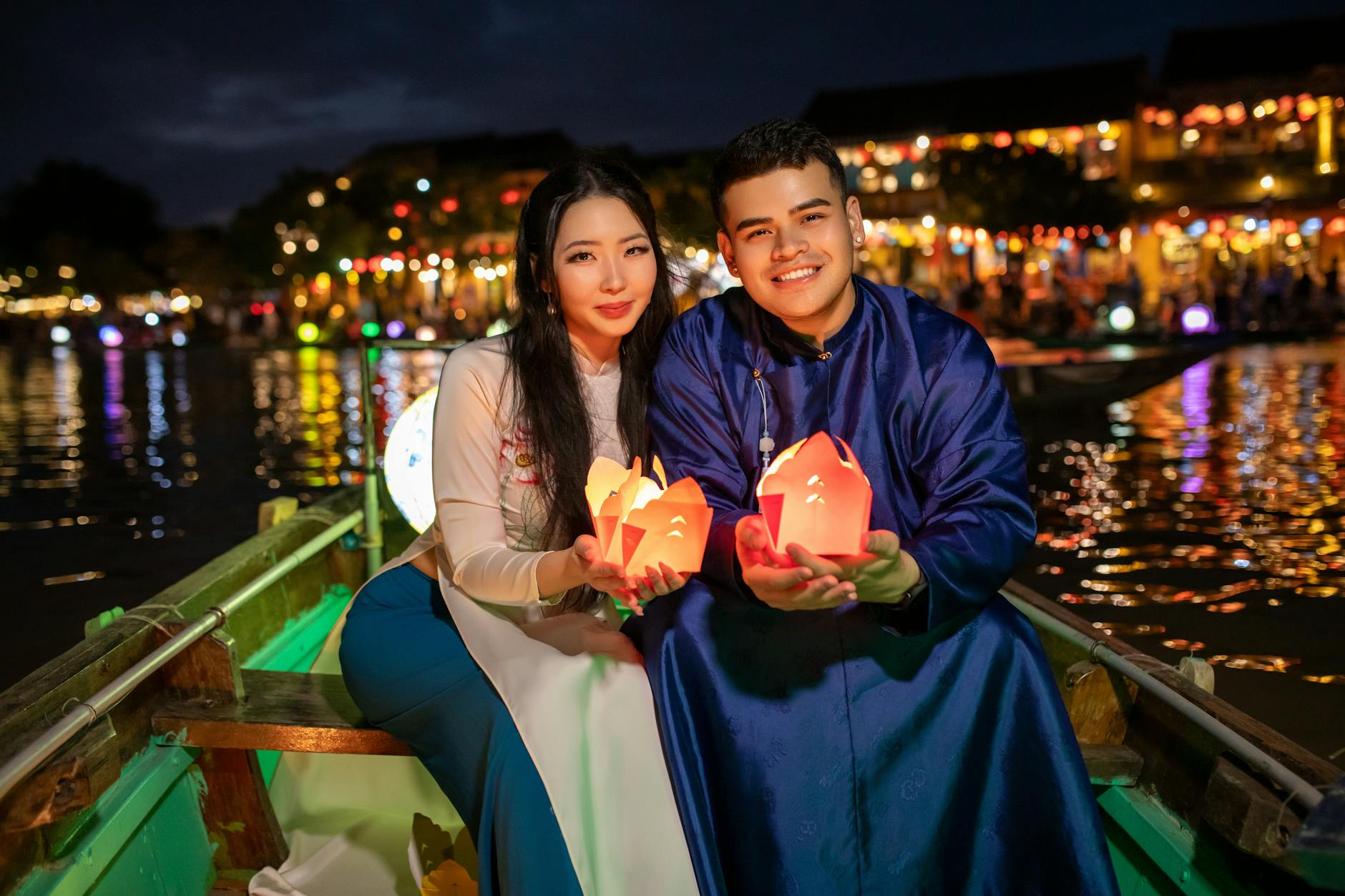
There is no denying it: Loy Krathong is one of the most romantic festivals in the world. The combination of candlelit rivers, moonlit skies, and the act of making a wish together creates an atmosphere of quiet intimacy that draws couples from across Thailand and beyond.
A popular Thai tradition holds that couples who float a krathong together will stay together — their love floating forward on the current, their wishes intertwined. It is not uncommon to see couples kneeling side by side, heads bowed, hands gently pushing a shared krathong into the water, then watching it drift away in silence.
Even if you are traveling solo or with friends, the festival fosters a contagious sense of warmth and connection. Strangers smile at one another, children help elders light their candles, and entire communities gather at the water’s edge in shared reverence. In a world that often feels disconnected, Loy Krathong is a reminder of what it feels like to pause, reflect, and hope — together.
Why Loy Krathong Should Be on Your Travel Bucket List
Loy Krathong is more than a festival. It is a sensory immersion into Thai spirituality, artistry, and community. It is the flicker of a candle on dark water, the scent of incense drifting through a temple courtyard, the sound of a lantern catching the wind and rising into the night. It is a chance to let go of the past and welcome what comes next.
Whether you choose the historical ruins of Sukhothai, the riverfront energy of Bangkok, the dual spectacle of Chiang Mai, or the quiet charm of Ayutthaya, you will leave with memories that glow as brightly as the krathong you set afloat. All you need to do is show up, light a candle, and let the water carry your wishes.
You may also like
Related Articles
The Lantern That Almost Started a Fire (And 9 Other Ways to Ruin Yi Peng)
Float your krathong and release your lantern the right way. Essential guide to Loy Krathong and Yi Peng etiquette, environmental rules, safety tips, and the dos and don'ts every traveler should know.
The Night Thailand Goes Quiet: 100,000 Candles and No Alcohol
Discover the significance of Makha Bucha Day, one of Thailand's most important Buddhist holidays. Learn about traditions, temple visits, candlelight processions, and how travelers can respectfully observe.
I Thought I Was Being Respectful — Until a Thai Elder Gently Corrected Me
Navigate Thailand's Buddhist festivals with confidence. Essential guide to temple dress codes, wian thian candlelight processions, monk etiquette, alcohol ban rules, and cultural dos and don'ts.
Why Arriving One Day Too Early Changed Everything (And How to Avoid the Same Fate)
Plan your Thailand trip around the country's best festivals with this complete month-by-month calendar. From Songkran's water fights to Loy Krathong's lanterns — never miss a celebration again.