
 ChatGPT
  Gemini
  Claude
  Perplexity
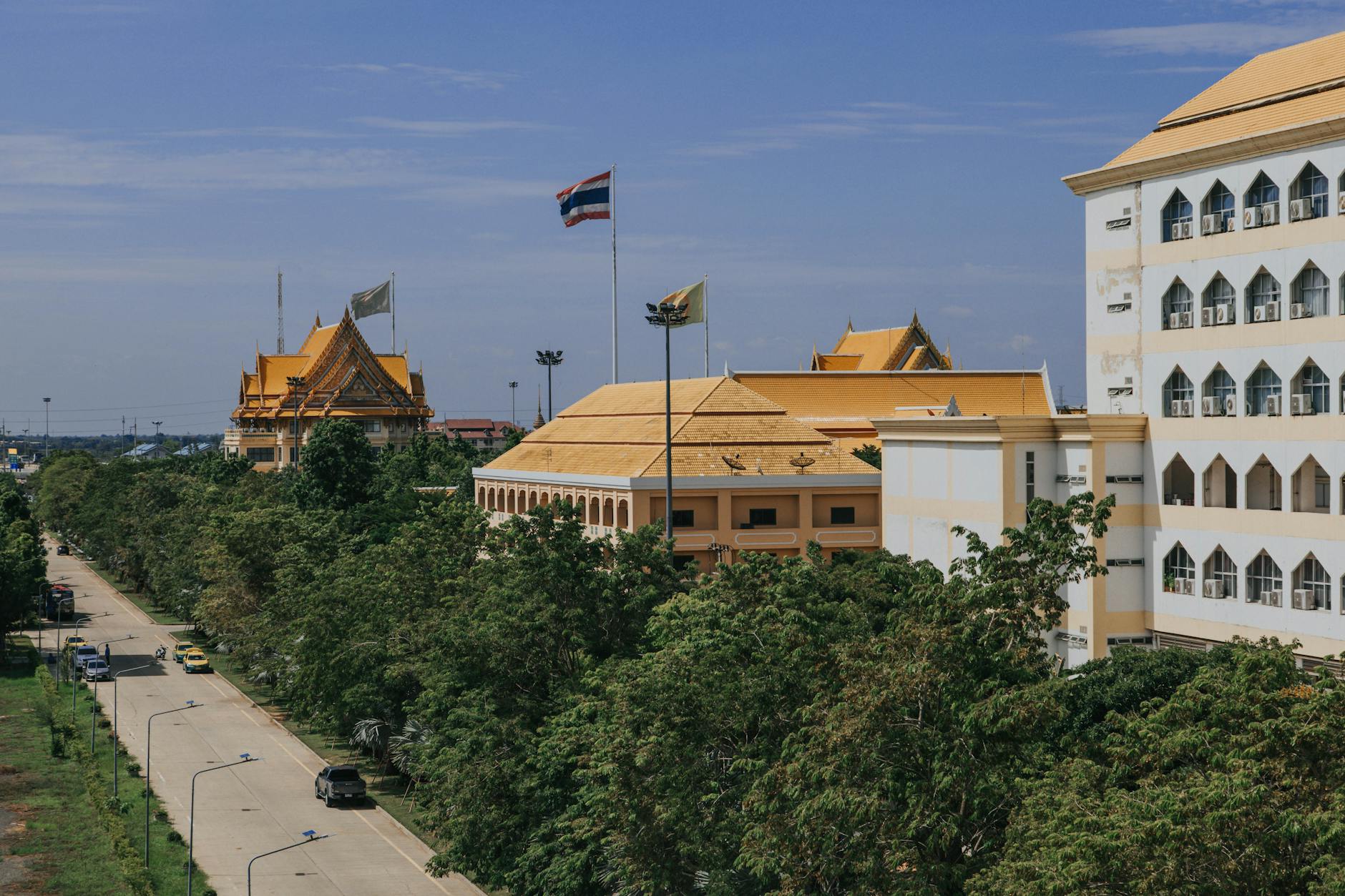
 Picture a sea of yellow stretching as far as you can see — tens of thousands of people wearing the exact same color, their flickering candles held aloft in the warm December night. In the center of it all stands the Grand Palace, its golden spires glowing against a darkening sky, while the national anthem surges through loudspeakers and every person in sight rises to their feet, hand over heart. You are witnessing December 5 in Thailand: the King’s Birthday, a day that is simultaneously a birthday celebration, Father’s Day, and National Day — all wrapped into one profoundly moving expression of love for a monarch who, for over seven decades, was seen not as a distant figurehead but as the father of the nation.
This is unlike any national holiday you have experienced. There are no street parties, no fireworks-for-the-sake-of-fireworks, no boozy crowds. Instead, there is quiet reverence, genuine emotion, and an atmosphere that feels closer to a pilgrimage than a celebration. For travelers, witnessing it is a rare and deeply humbling glimpse into the bond between the Thai people and their monarchy — a relationship that outsiders often struggle to understand, but one that defines Thai identity at its core.
December 5: A Day with Three Meanings
December 5 is officially three things at once in Thailand, and understanding why requires a short history lesson.
The date is, first and foremost, the birthday of King Bhumibol Adulyadej — Rama IX of the Chakri dynasty — who was born on December 5, 1927, and reigned from 1946 until his passing in 2016. His 70-year reign made him the world’s longest-serving monarch at the time, but it was not the duration that earned him the near-sacred devotion still visible across the country today. It was the way he ruled. King Bhumibol spent decades travelling to every corner of the kingdom — often by helicopter, jeep, or on foot through the remotest hill-tribe villages — launching thousands of royal development projects focused on irrigation, public health, sustainable agriculture, and education. He was a king who got his hands dirty, and Thais never forgot it.
Because of this lifelong role as protector and guide, King Bhumibol came to be seen as the father of the nation. It was natural, then, that his birthday was also designated as Father’s Day (Wan Phor) — a day when Thais honor not only the king but their own fathers too. Walk into any school, office, or community center on December 5 and you will find children kneeling at their father’s feet, presenting them with flowers and expressing gratitude in a gesture borrowed directly from the royal tradition.
The third meaning is National Day. While Thailand’s official National Day shifted between various dates over the 20th century, December 5 became the settled choice during King Bhumibol’s reign, cementing the day as the most symbolically important date on the Thai calendar.
Why Yellow? The Color That Unites a Nation
If you spend December 5 in Thailand and are not wearing yellow, you will stand out — not in a bad way, but you will notice you are the only one. The dress code is not enforced, but it is near-universal. The reason goes back to Thai astrological tradition: each day of the week is assigned a color, and Monday’s color is yellow. King Bhumibol was born on a Monday, so yellow became the color of the monarchy. Wearing yellow on his birthday is an act of loyalty, love, and remembrance.
You do not need anything elaborate. A simple yellow polo shirt — sold for 100 to 300 baht at street stalls across the country in the weeks leading up to December 5 — is enough. Many Thais wear the official “Father’s Day” yellow shirt featuring royal emblems, and you will see entire families dressed identically, from infants to grandparents. It is a visual expression of unity that has to be seen to be believed.
What Actually Happens on December 5
The center of gravity for the King’s Birthday is Sanam Luang, the vast ceremonial field directly in front of the Grand Palace in Bangkok. But the day’s rhythms echo across every town and village in Thailand. Here is what unfolds.
Morning: Merit-Making and Alms-Giving
The day begins at dawn with tak bat — the offering of food to Buddhist monks. In Bangkok, thousands of monks in saffron robes form long lines around Sanam Luang and surrounding temples as devotees kneel to place rice, dried food, and flowers into their alms bowls. The ritual is quiet, orderly, and deeply moving even as a spectator. Temples across the country hold special prayer sessions, and many Thais spend the morning at their local wat making merit for the king’s memory and for their own fathers.
Afternoon: The Yellow Tide Gathers
By mid-afternoon, Bangkok’s Ratchadamnoen Avenue — the grand boulevard that connects the Grand Palace with the Democracy Monument — transforms. Portraits of King Bhumibol, framed in gold and draped with marigold garlands (marigolds are considered an auspicious royal flower), appear on every lamp post, government building, and shopfront. Sound stages are erected along the avenue, and volunteers distribute candles to arriving crowds.
The gathering itself is the experience. Families arrive together — grandparents, parents, toddlers — and settle onto mats on the grass at Sanam Luang. Food vendors line the perimeter selling traditional Thai sweets, iced coffee, and yellow-themed merchandise. The mood is warm, patient, and anticipatory. Strangers share snacks, and children wave miniature Thai flags.
Evening: Candlelight and Fireworks
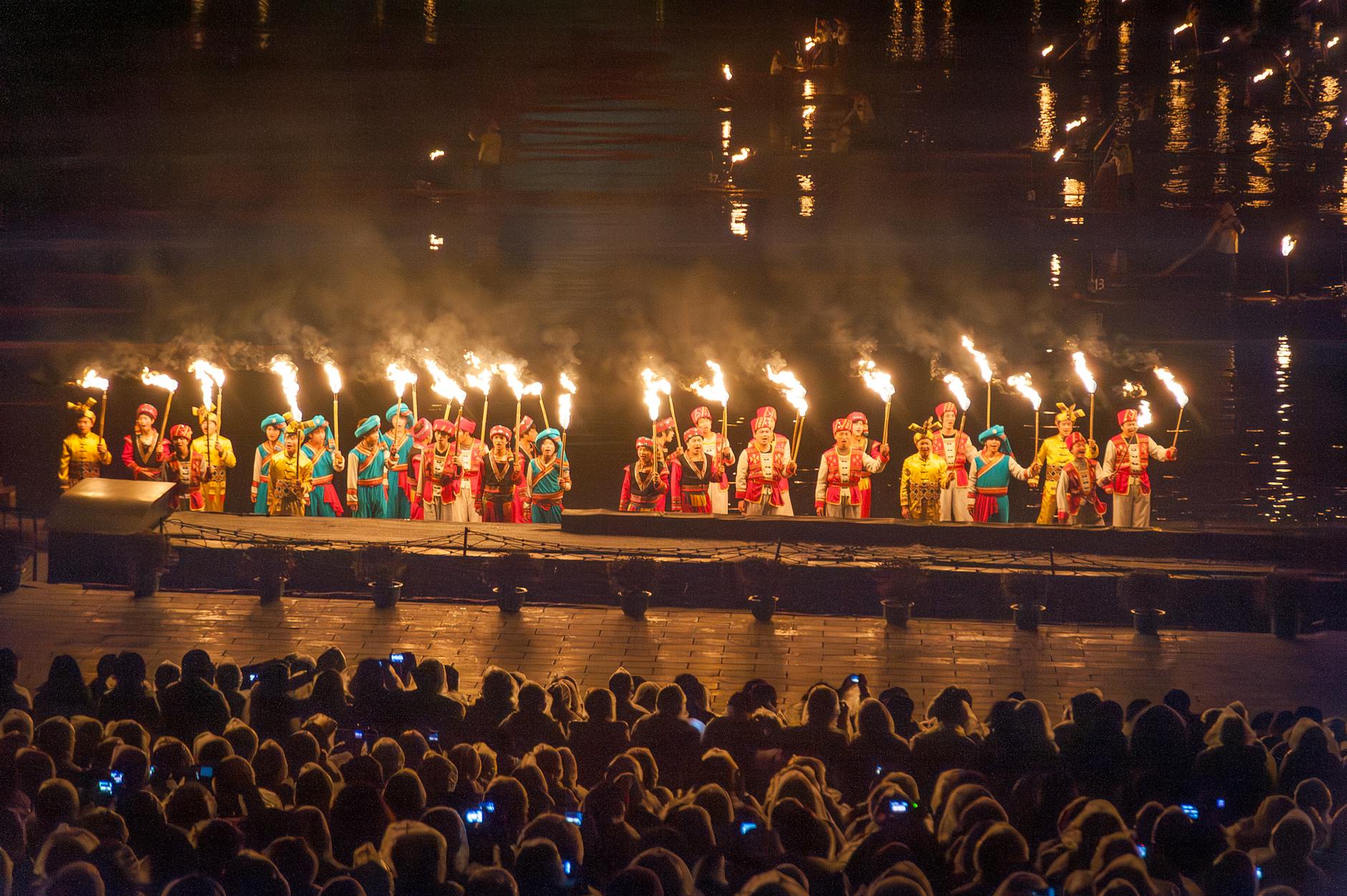
As dusk falls, the ceremony begins. A senior royal family member or government official leads the candle-lighting ritual from a main stage, and the flame spreads — person to person, candle to candle — until Sanam Luang is a field of 100,000 points of light. The national anthem plays, then the royal anthem (Sansoen Phra Barami), and every person rises. There is no jostling, no talking, no phones held up for Instagram. The silence and stillness of a crowd that large is something you will carry with you long after you leave.
The evening culminates in a fireworks display over the Chao Phraya River, with the Grand Palace and Wat Phra Kaew illuminated in gold. The fireworks are tasteful rather than overwhelming — this is not New Year’s Eve. They are a tribute, not a party. After the display, the crowd disperses quietly, many people heading to nearby temples for late-night chanting or to riverside restaurants for a family meal.
The Current Context: Two Kings, Two Birthdays
It is important for travelers to understand that Thailand now has two royal birthdays on the calendar — and they are different celebrations with different tones.
King Bhumibol Adulyadej passed away in October 2016, and his son, King Maha Vajiralongkorn (Rama X), ascended the throne. King Vajiralongkorn’s birthday is July 28, and that date is now celebrated with its own ceremonies, candlelight gatherings, and public displays of loyalty.
December 5, however, has not diminished. It remains Father’s Day and National Day by government decree. For most Thais, December 5 is still a day when they pause to remember King Bhumibol — Phor Luang (Royal Father), as he is still called — and the love is genuine, undimmed by the passage of years.
If your travel dates fall in July, you will witness a similar but distinct celebration for the current king, with its own energy. But December 5 carries a particular emotional weight — nostalgia, gratitude, and a touch of grief woven into the reverence. It is quieter. Deeper. For many Thais, this is not just a holiday; it is a day of the heart.
How Travelers Can Participate — Respectfully
This is not Songkran. You are not here to party. You are here to witness, and if you follow a few simple guidelines, the experience will be one of the most memorable of your time in Thailand.
Dress with care. Wear yellow — a clean polo shirt is perfect. Avoid shorts, ripped jeans, tank tops, or anything revealing. Thais dress in their best clothes on December 5 as a sign of respect; following suit shows you understand the gravity of the occasion.
Visit a temple. Even if you cannot make it to Sanam Luang, your local temple anywhere in Thailand will be holding ceremonies. Remove your shoes, kneel when others kneel, and observe quietly. If you are comfortable doing so, buy a small offering bucket from a temple vendor and participate in the alms-giving.
Attend the public ceremony. In every provincial capital and most district towns, there is a candle-lighting ceremony at the main government building or public square. These are open to everyone. Arrive by 5:00 PM, find a spot, accept a candle if offered, and follow the crowd’s lead.
Do not take selfies with royal portraits. This is a serious occasion, not a photo op. Photograph the atmosphere by all means — the sea of yellow, the candles, the fireworks — but avoid treating the event as a backdrop for posing. Thais will notice, and while they are too polite to confront you, you will have marked yourself as a tourist who does not get it.
Watch your language about the monarchy. Thailand’s lèse-majesté laws are strict and taken seriously. Never make negative comments about the royal family — in person, online, or in writing. This applies to every day of the year, but especially on December 5. Simply put: if you cannot say something respectful, say nothing at all.
December in Thailand: What Else Is Happening
December is a rich month on the Thai calendar. A few days after the King’s Birthday, on December 10, the country marks Constitution Day — a public holiday commemorating the adoption of Thailand’s first permanent constitution in 1932. It is a quieter affair, mainly marked by government ceremonies and educational exhibitions, but banks and some offices close for the day.
By mid-December, the festive season begins to creep in. Shopping malls in Bangkok — Siam Paragon, CentralWorld, IconSiam — erect massive Christmas trees and light displays, and you will hear carols playing in department stores. It is a distinctly Thai take on Christmas: not a religious occasion for most, but a cheerful commercial and social season. Combine December 5 with the Christmas build-up and New Year’s Eve, and you have a month-long stretch where the country feels simultaneously reverent and celebratory — a combination that Thailand, with its gift for balancing the sacred and the joyful, pulls off effortlessly.
The Atmosphere: Not a Party, But Something More
The single most important thing to understand about December 5 is the mood. This is not a festival in the Western sense. There are no DJs, no beer gardens, no countdown. The atmosphere is closer to attending a national memorial service — except it is also a birthday, so there is warmth and hope threaded through the solemnity.
What you will feel, standing in the candlelit crowd at Sanam Luang or a provincial town square, is a sense of collective love and loss that transcends politics and transcends tourism. It belongs to Thailand. As a visitor, you are being allowed to witness it — not as an audience member, but as a guest. Treat the day with the reverence it deserves, and it will give you something far rarer than any party: a genuine connection to the soul of this remarkable country.

You may also like
- Royal Ploughing Ceremony: Bangkok’s Ancient Rice Ritual
- Songkran Water Festival: Thailand’s Epic New Year Celebration
- Makha Bucha Day: Understanding Thailand’s Sacred Buddhist Holiday
- Visakha Bucha Day: Thailand’s Most Sacred Buddhist Celebration
- Thai Buddhist Festival Etiquette: Temple Rules and Respectful Travel
- Thailand Festivals Calendar: Plan Your Trip Around Every Celebration
Related Articles
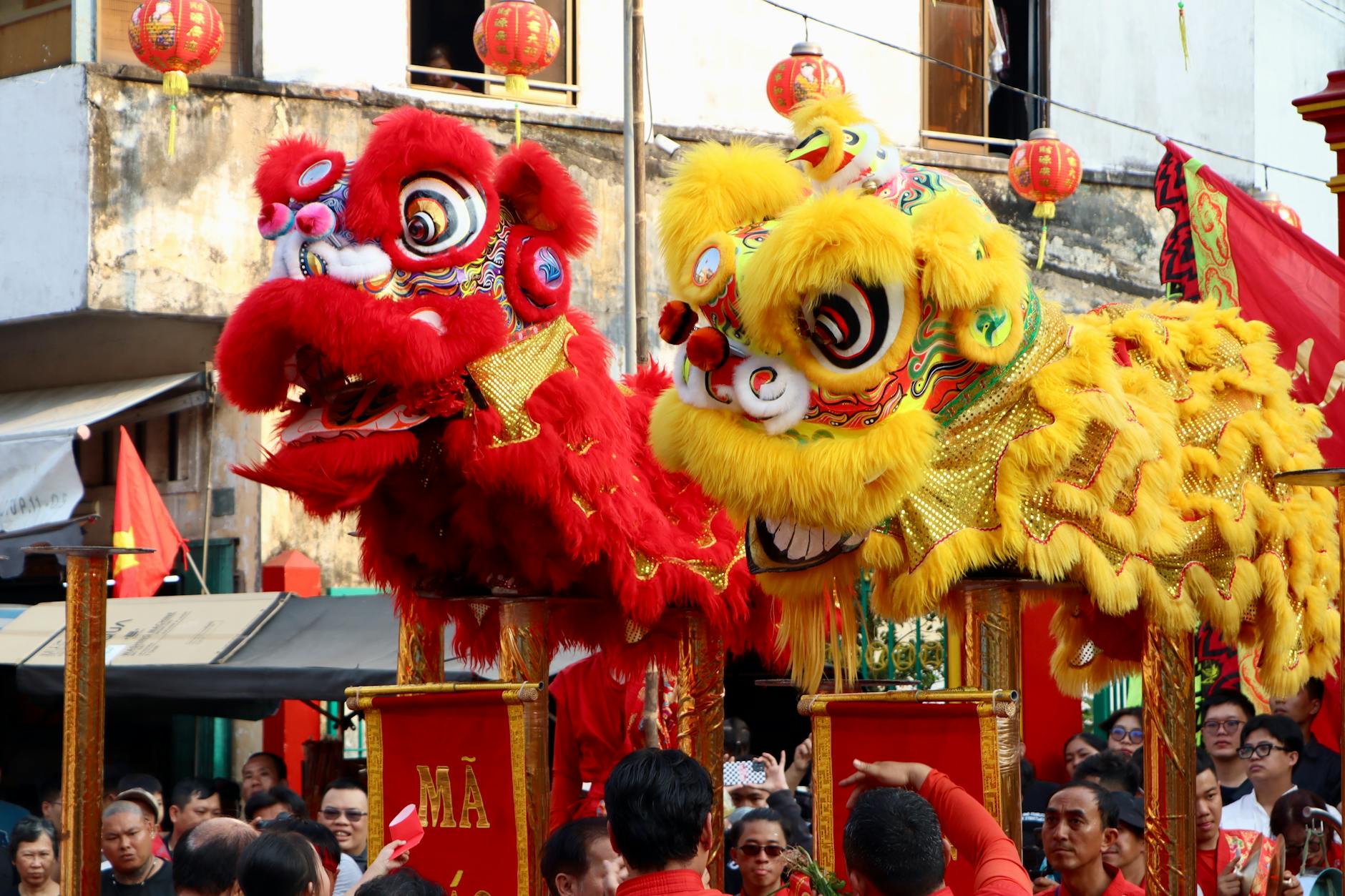
I Stood in Chinatown as a 40-Foot Dragon Weaved Past Me — Here's Why Lunar New Year in Thailand Feels Different From Anywhere Else
Celebrate Chinese New Year in Thailand with vibrant parades, lion dances, and feasts. Discover Bangkok's Chinatown, Phuket's Old Town, and the best Chinese temples for an unforgettable lunar new year.
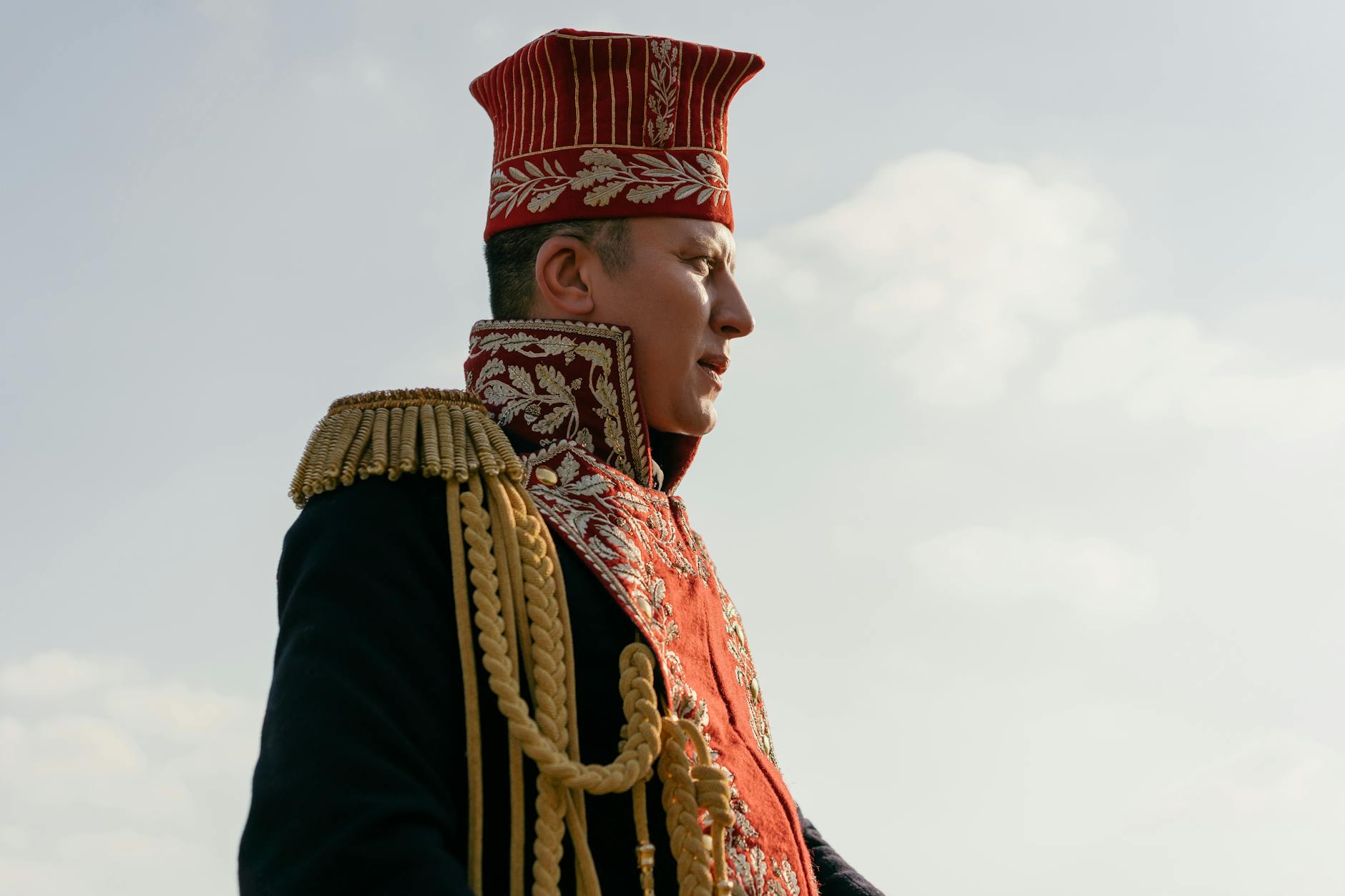
When Sacred Oxen Predict the Harvest: Bangkok's 700-Year-Old Ploughing Ceremony
Discover the Royal Ploughing Ceremony, Thailand's ancient Brahmin ritual marking the start of rice planting season. Watch sacred oxen predict the harvest at Bangkok's Sanam Luang.
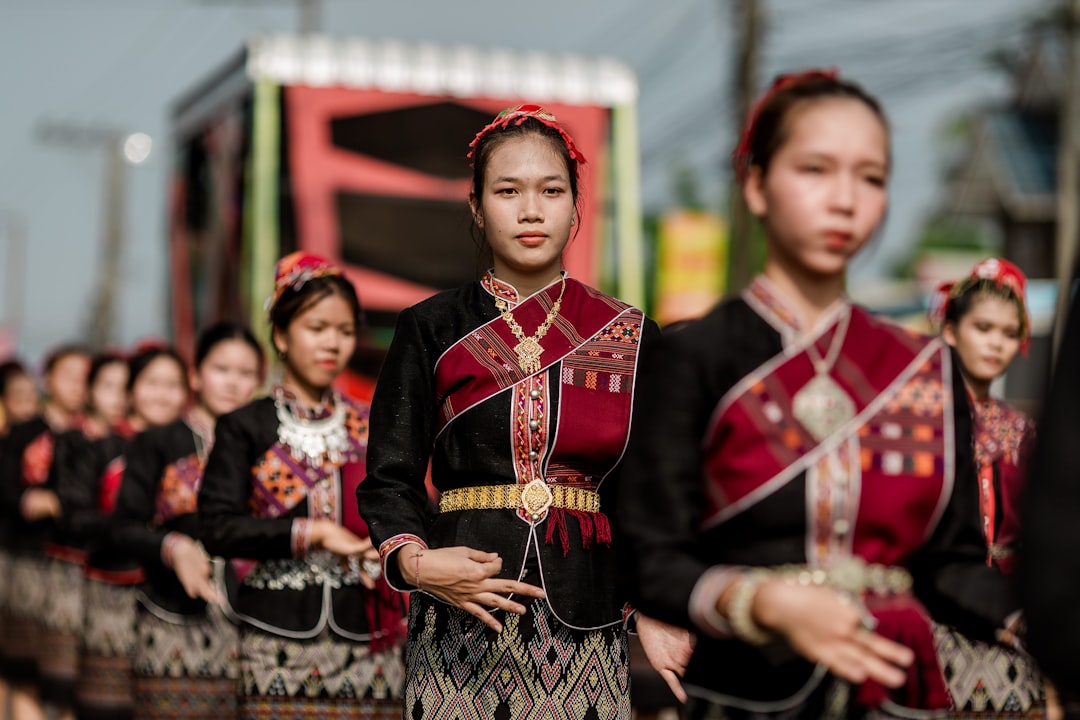
Why Arriving One Day Too Early Changed Everything (And How to Avoid the Same Fate)
Plan your Thailand trip around the country's best festivals with this complete month-by-month calendar. From Songkran's water fights to Loy Krathong's lanterns — never miss a celebration again.
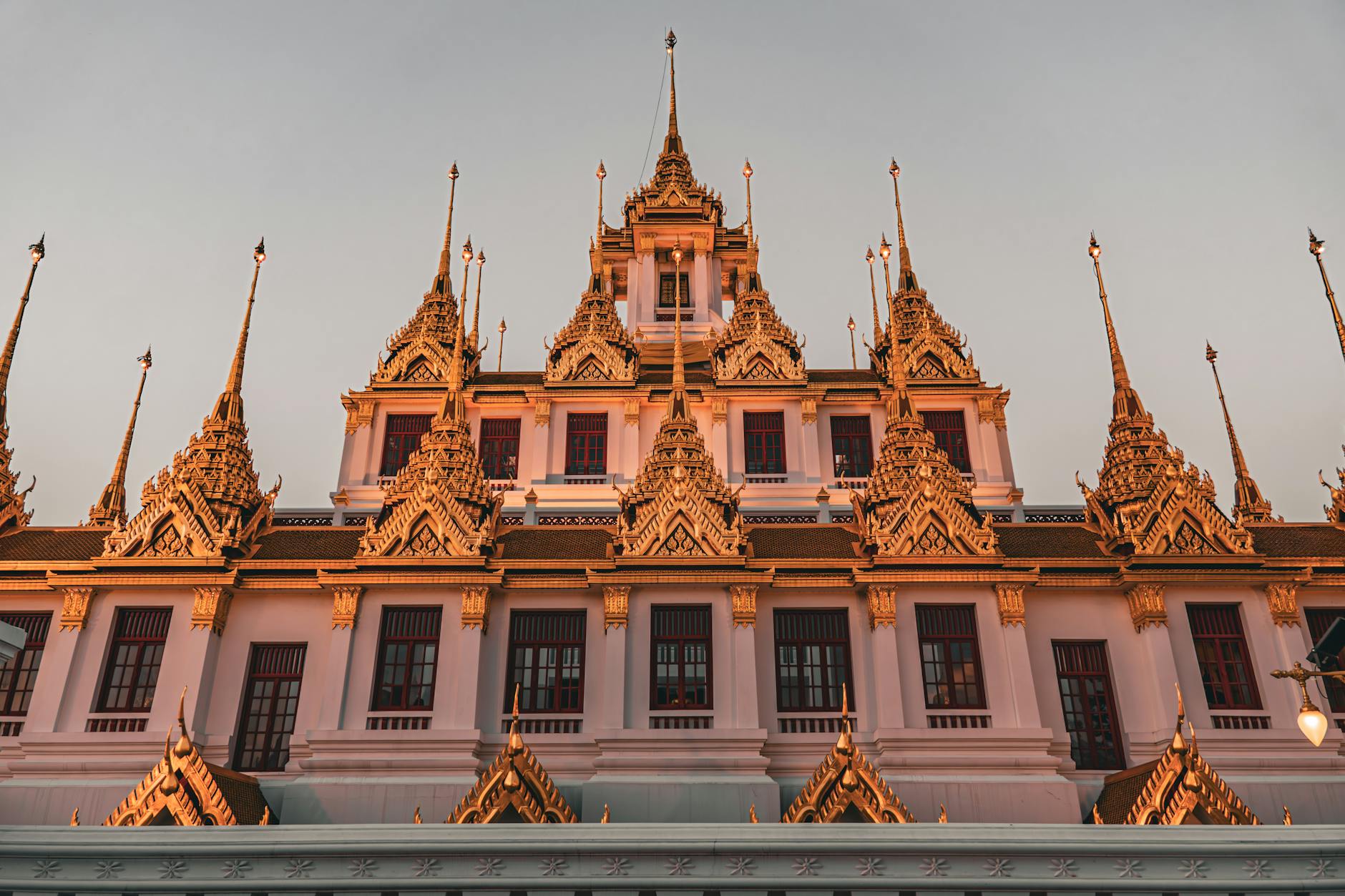
The Day Buddha Spoke for the First Time — and How Thailand Still Marks It 2,500 Years Later
Discover Asahna Bucha Day and Khao Phansa, marking the beginning of Buddhist Lent in Thailand. Learn about candle festivals, monk retreats, and how travelers can respectfully participate.