
 ChatGPT
  Gemini
  Claude
  Perplexity
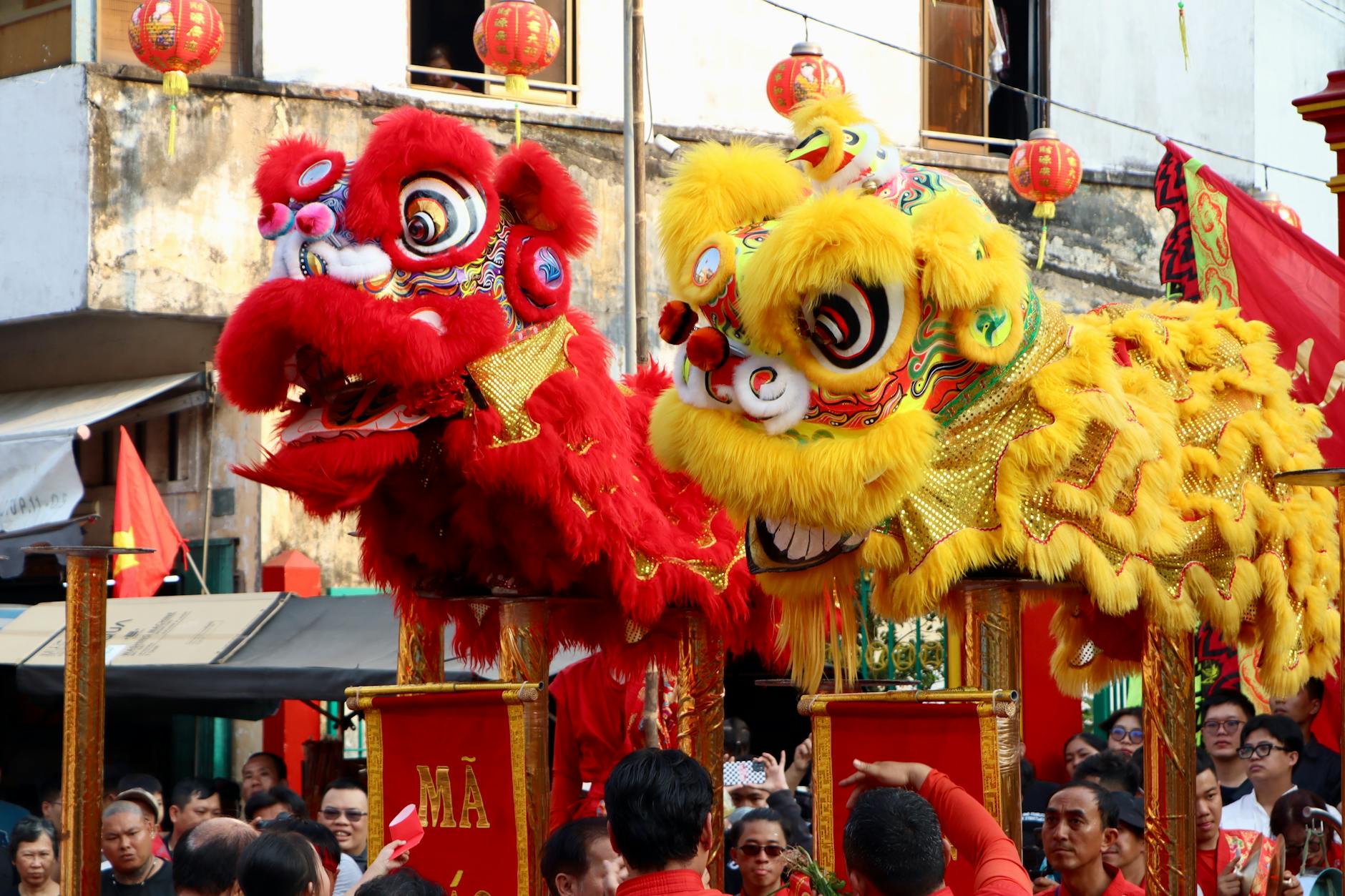
 Imagine standing in the middle of a street so thick with red lanterns, incense smoke, and the crackle of firecrackers that you can feel the noise vibrating in your chest. A dragon — forty feet of silk, bamboo, and glittering scales — weaves past you, propelled by a team of dancers moving in perfect synchrony. Children clutch red envelopes while grandmothers light joss sticks at a sidewalk shrine. The scent of sesame oil, ginger, and roasting pork hangs heavy in the air. This is Chinese New Year in Thailand, and it is one of the most exhilarating cultural experiences you can have in the Land of Smiles.
Thanks to Thailand’s deep-rooted Chinese heritage — roughly 14 percent of the population traces their ancestry to Chinese immigrants, and in Bangkok that number is closer to 30 percent — the Lunar New Year is celebrated with a fervor that rivals any city in Asia outside mainland China. For travelers, it offers a rare window into a side of Thai culture that most visitors never see: the centuries-old fusion of Chinese traditions with Thai warmth, hospitality, and street-food genius.
Here is everything you need to know to experience it like a local.
A Brief History: How Chinese New Year Became a Thai Tradition
Chinese migration to Thailand — then Siam — began in earnest as early as the 13th century, when traders from Fujian and Guangdong provinces sailed south across the South China Sea. By the 19th century, waves of Hokkien, Teochew, Hakka, Cantonese, and Hainanese immigrants had settled in Bangkok, Phuket, and coastal trading towns, bringing their language, cuisine, festivals, and gods with them.
Unlike in some neighboring countries where assimilation came with friction, Chinese communities in Thailand integrated remarkably smoothly. Intermarriage was common, surnames were adopted, and Chinese cultural practices — ancestor worship, vegetarian festivals, and Lunar New Year — wove themselves into the fabric of Thai life. Today, the Thai-Chinese identity is so intertwined with mainstream Thai culture that many families celebrate both Songkran (Thai New Year) and Chinese New Year with equal enthusiasm.
The Thai government officially designates Chinese New Year as a public holiday in provinces with large Chinese populations, including Bangkok, Phuket, Nakhon Sawan, and Songkhla. While banks and government offices in these areas may close for a day, shops and restaurants in Chinese neighborhoods are wide open — and buzzing.
When Is Chinese New Year in Thailand?
Chinese New Year follows the lunar calendar, meaning the date shifts each year but always falls between late January and mid-February. Here are the upcoming dates:
| Year | Date | Zodiac Animal |
|---|---|---|
| 2027 | February 6 | Goat |
| 2028 | January 26 | Monkey |
| 2029 | February 13 | Rooster |
| 2030 | February 3 | Dog |
Celebrations in Thailand typically span two to three days, with the most intense activity happening on New Year’s Eve and New Year’s Day. In major Chinatown districts, the build-up begins about a week in advance, with markets selling ceremonial goods, lanterns going up, and food stalls multiplying by the day.
Traveler tip: Book accommodation early — especially in Bangkok’s Chinatown or Phuket’s Old Town — and aim to arrive at least two days before New Year’s Day to catch the pre-festival buzz, which is a spectacle in itself.
Where to Celebrate: The Best Destinations for Lunar New Year
Bangkok: Yaowarat — The Beating Heart of Thai-Chinese Culture
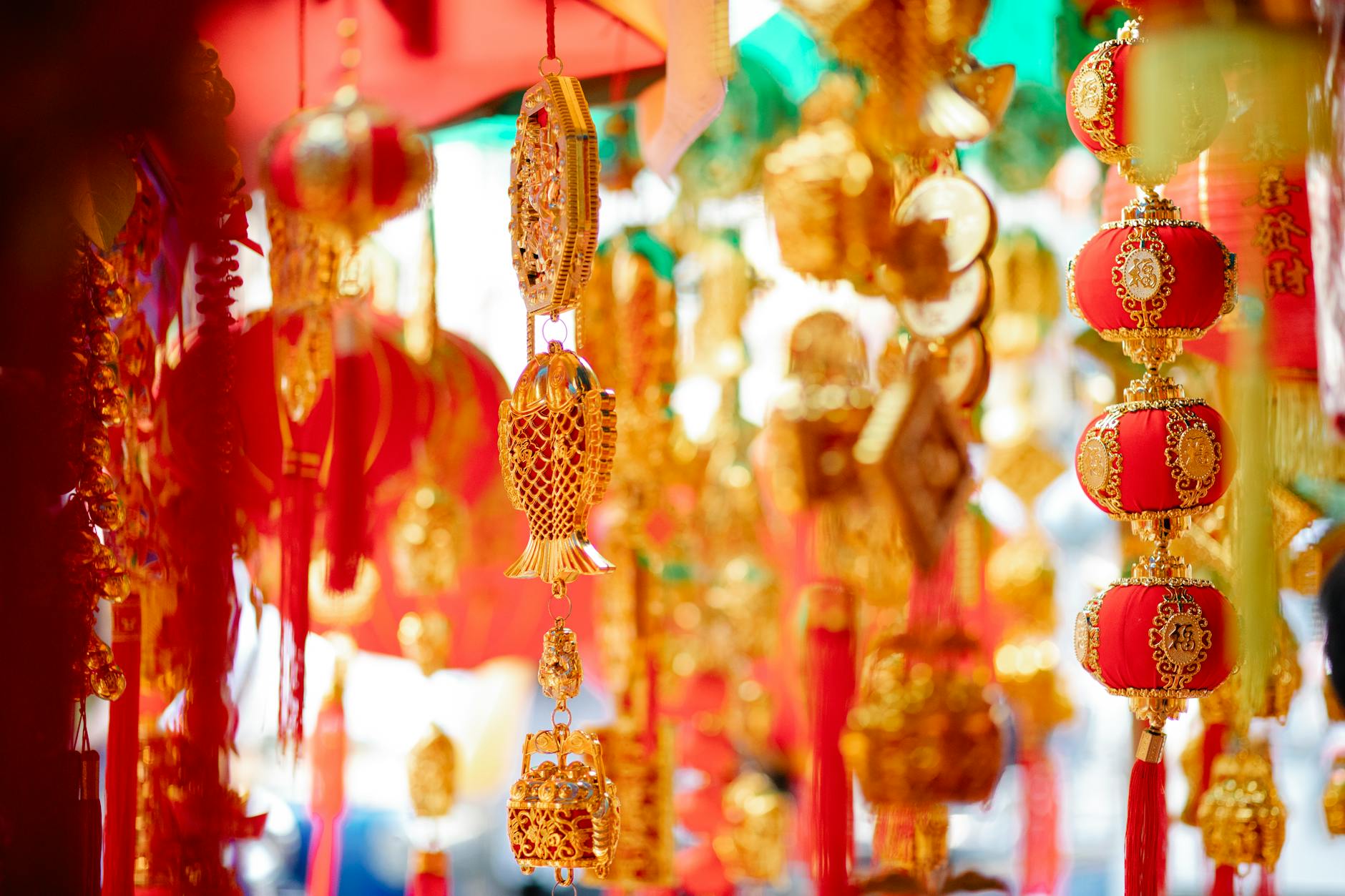
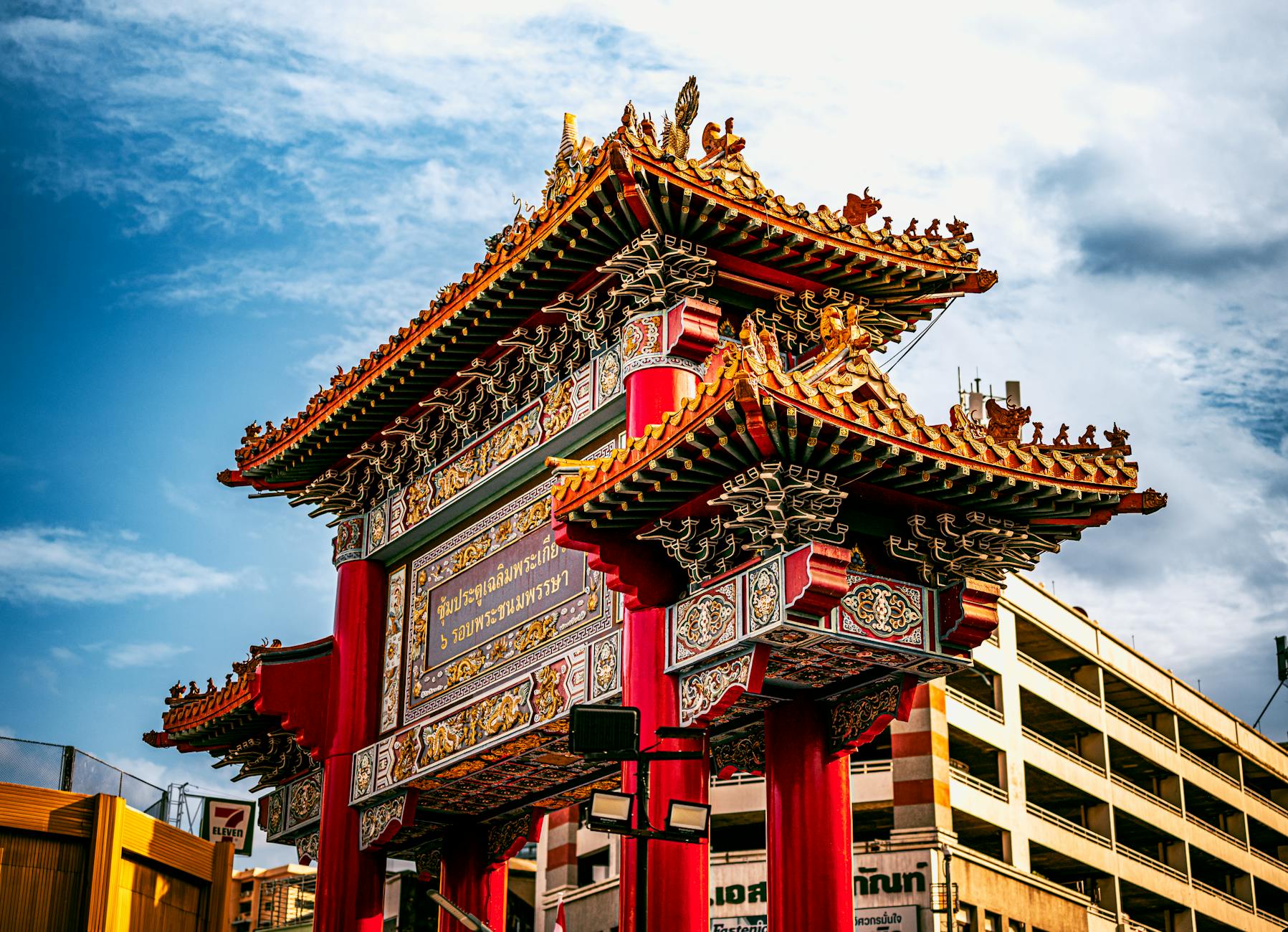
There is no better place in Thailand to experience Chinese New Year than Yaowarat Road, the pulsing artery of Bangkok’s Chinatown. During the festival, the entire neighborhood transforms into a pedestrian-only carnival of crimson and gold. The street closures alone — shutting out Bangkok’s notorious traffic — feel like a miracle.
Here is what you will find:
- Dragon and lion dance troupes working their way from shopfront to shopfront, performing acrobatic feats to deafening drum-and-cymbal rhythms. Shop owners tuck red envelopes into the lion’s mouth for good fortune.
- Firecracker shows — and these are not subtle. Strings of firecrackers hang from upper-floor windows, and when lit, they detonate in rolling explosions that can last two or three minutes straight. Bring earplugs if you are sensitive to noise.
- Chinese opera performances staged on temporary platforms in side alleys, with actors in elaborate makeup delivering ancient tales in Teochew dialect.
- Feature parades led by cultural delegations from China and local Thai-Chinese associations, often attended by members of the Thai royal family and senior government officials.
- Street food at its absolute peak — more on that below.
The atmosphere in Yaowarat during Chinese New Year is dense, chaotic, and unforgettable. Go early in the afternoon on New Year’s Eve to stake out a spot, and plan to stay well into the night.
Phuket Old Town: Sino-Portuguese Elegance Meets Festive Chaos
Phuket’s Old Town offers a dramatically different aesthetic for the same festival. The area’s distinctive Sino-Portuguese architecture — pastel-colored shophouses with arched colonnades, carved wooden shutters, and intricate stucco facades — provides a stunning backdrop to the celebrations. The streets of Thalang, Krabi, and Phang Nga are closed to traffic, and the historic quarter fills with cultural performances, food bazaars, and lantern displays.
Phuket’s Chinese New Year has a distinctly southern-Thai flavor. The local Baba-Peranakan community — descendants of Chinese merchants who married local Thai women centuries ago — brings its own culinary and cultural traditions to the mix. Expect to see women in elegant Peranakan kebaya blouses, and taste dishes you will not find in Bangkok’s Chinatown.
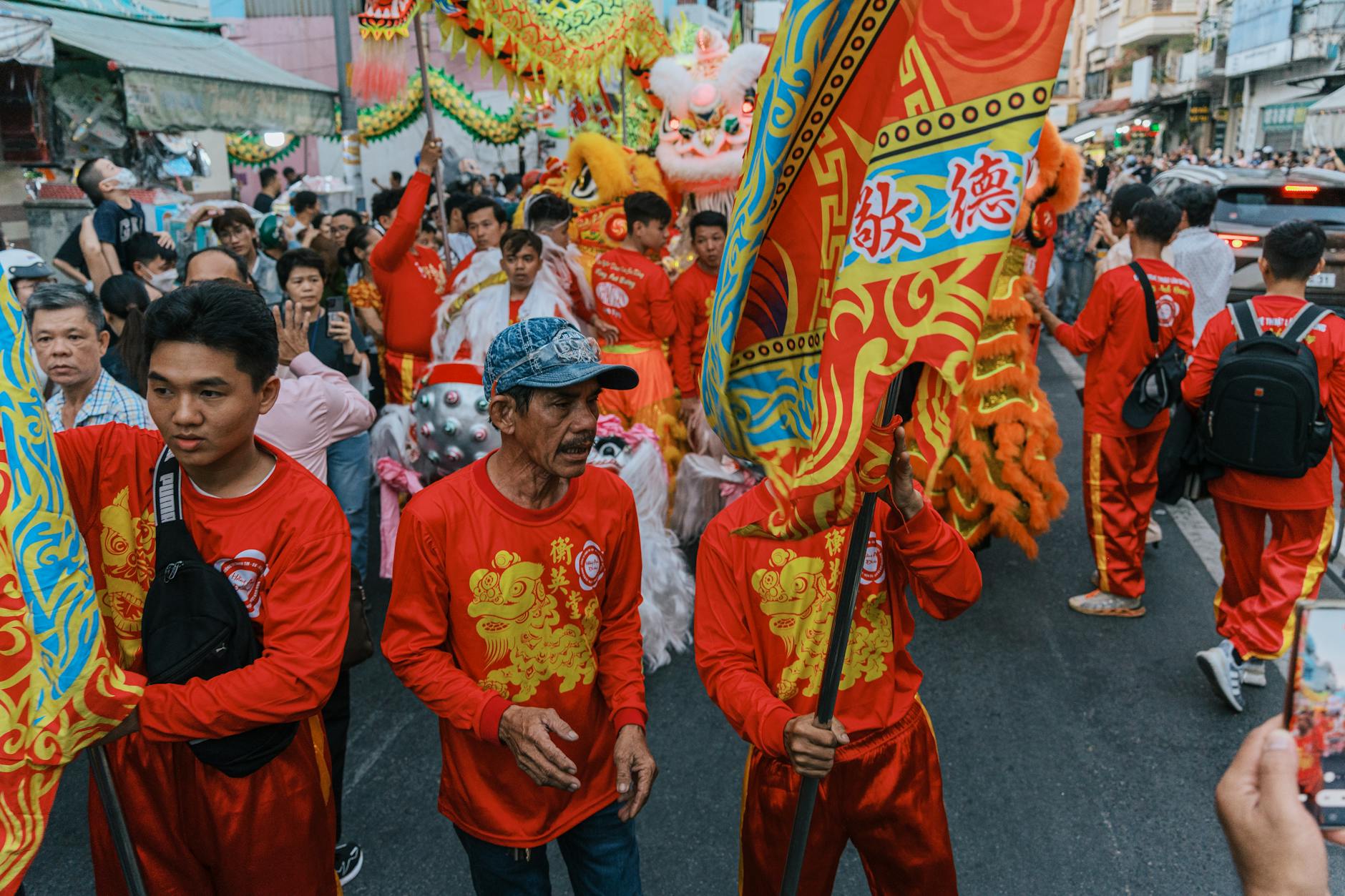
The highlight is the Old Town street procession, where dragon dancers navigate the narrow lanes while spectators line the sidewalks. Compared to Bangkok, Phuket’s celebration feels more intimate and photogenic, though no less spirited.
Nakhon Sawan: The Upcountry Powerhouse
About 250 kilometers north of Bangkok, Nakhon Sawan — a city at the confluence of the Ping and Nan rivers — is often overlooked by international travelers, which is a mistake. It hosts one of Thailand’s largest and longest-running Chinese New Year celebrations outside the capital, anchored by a 12-day festival that draws hundreds of thousands of visitors from surrounding provinces.
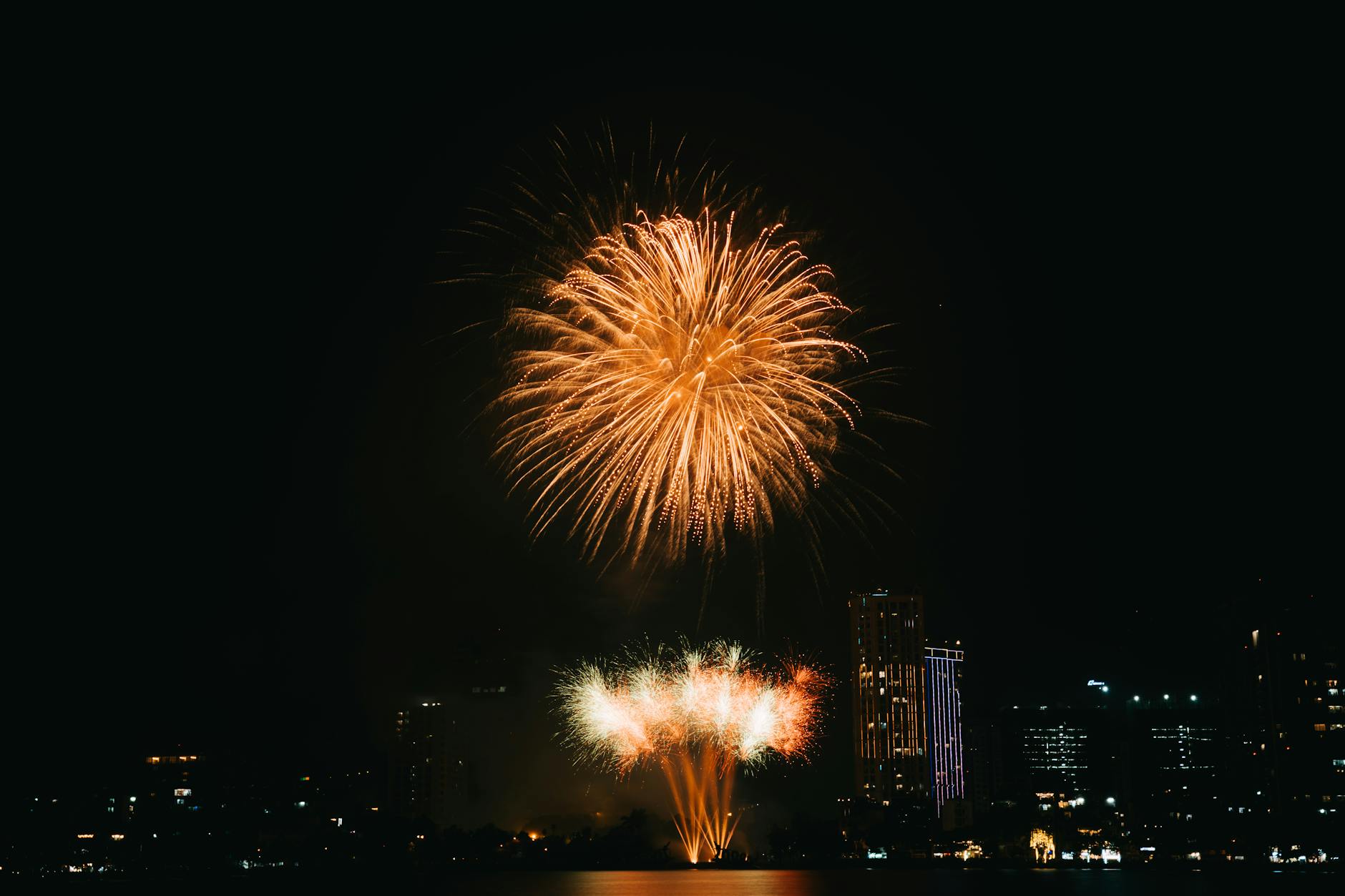
The city’s claim to fame is its elaborate rainbow-lit dragon parades along the riverfront, culminating in a spectacular fireworks display over the water. Nakhon Sawan’s Chinese community is predominantly Teochew, and the festival here retains a traditional, family-oriented feel that is harder to find in more tourist-saturated destinations.
Hat Yai: Southern Thailand’s Chinese Hub
Down south near the Malaysian border, Hat Yai is a commercial crossroads with a thriving Thai-Chinese population. The festival here centers around Sino-Portuguese shophouses in the old town and the city’s Chinese temples, where devotees gather in large numbers to make offerings and consult fortune tellers for the year ahead. The celebration is less tourist-oriented and more community-driven, making it a great option if you want a grittier, more local experience.
Chiang Mai: A Quirky Northern Twist
Chiang Mai’s Chinese New Year is smaller-scale but no less charming. The celebrations concentrate around the Warorot Market (Kad Luang) area and the small-but-lively Chinatown along Chang Moi Road. Expect a northern Thai spin on Lunar New Year, with street-side karaoke, Lanna-style blessing ceremonies at local shrines, and a mix of Thai-Chinese and northern dishes you will not encounter elsewhere. It is the perfect option if you are already in the north and want to experience the festival without the crush of Bangkok or Phuket.
Traditions and Customs: What You Will See
Chinese New Year in Thailand blends orthodox Chinese customs with Thai Buddhist practice in a way that is uniquely Thai-Chinese. Here are the main rituals you will encounter:
Red Envelopes — Ang Pao
The giving of red envelopes (known as ang pao in Teochew or hóngbāo in Mandarin) containing money is central to the festival. Elders give them to children and unmarried younger relatives as a gesture of blessing and good fortune. As a visitor, you are unlikely to receive one — do not ask. But if you do happen to be given one, accept it with both hands as a sign of respect.
Offerings and Ancestor Worship
In the days leading up to New Year, families set up elaborate altars in their homes and businesses, laden with offerings: whole roasted ducks, steamed chickens with heads intact, oranges, apples, sticky rice cakes (khanom kheng), and gold-leaf paper folded into ingot shapes. These offerings honor ancestors and invite prosperity for the year ahead.
You will also see people burning joss paper (spirit money), incense, and gold-foil effigies of luxury goods — iPhones, cars, even houses made of paper — in sidewalk braziers. The belief is that these items, sent up in smoke, will be received by ancestors in the afterlife.
Temple Visits
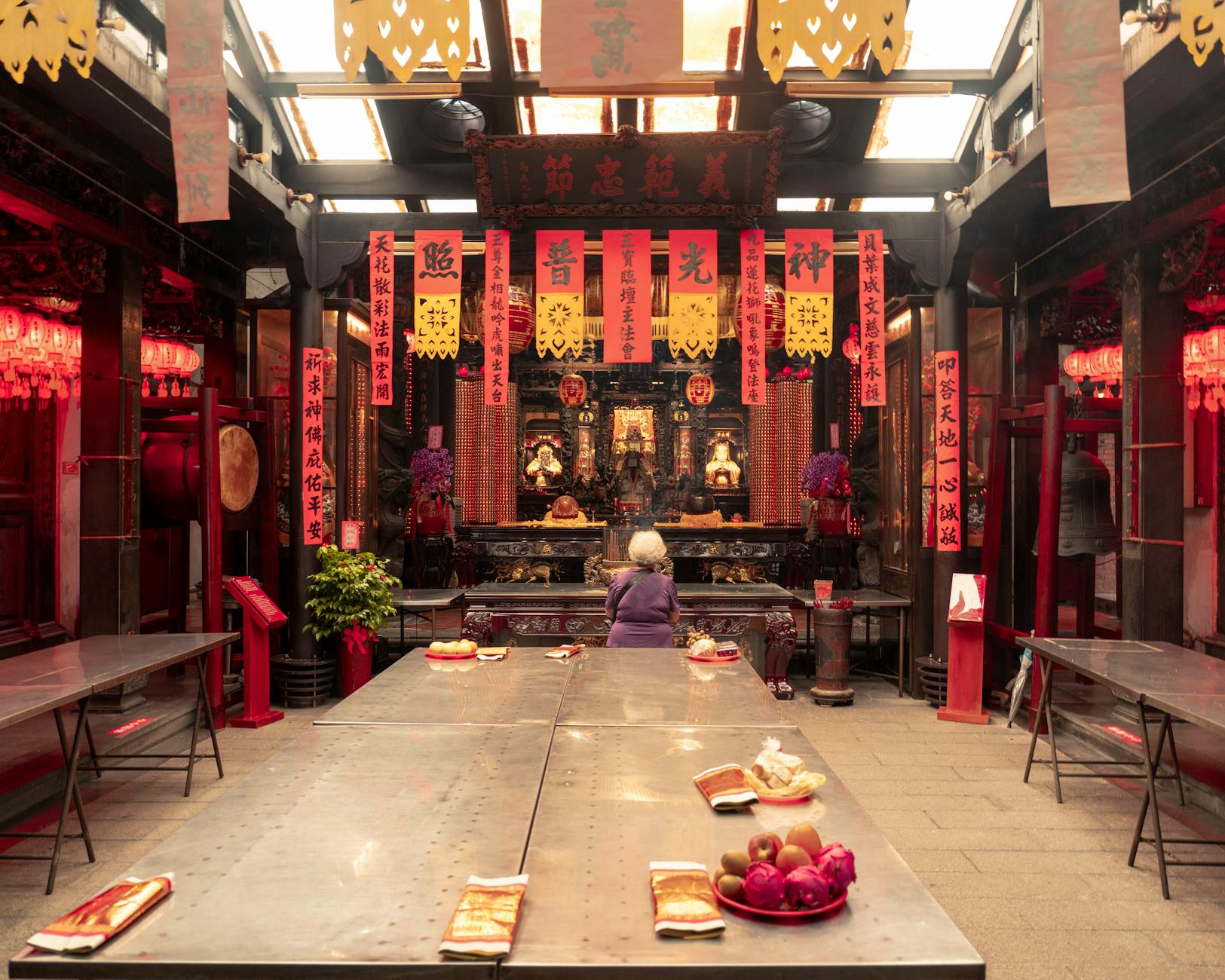
Chinese temples across Thailand are thronged during New Year. Devotees light incense, kneel before altars, shake siam si (fortune-telling sticks) from cylindrical canisters, and consult resident astrologers about what the coming year holds for their health, wealth, and relationships. The atmosphere is intense — thick with smoke, echoing with chants, and humming with quiet, concentrated devotion.
What to Eat: The Feast That Defines the Festival
Chinese New Year in Thailand is, above all, a culinary event. Certain dishes appear during the festival specifically because their names or symbolism carry auspicious meanings. Here is what to look for:
| Dish | Symbolism |
|---|---|
| Nian Gao (sticky rice cake) | “Higher year” — a wish for advancement and growth |
| Whole steamed fish | Abundance and surplus (the word for “fish” sounds like “surplus” in Chinese) |
| Jiaozi (dumplings) | Wealth, as their shape resembles ancient gold ingots |
| Roast duck | Fidelity and a prosperous year |
| Oranges and pomelos | Good luck and family unity |
| Long noodles | Longevity — do not cut or bite them short |
| Khanom Kheng (sweet rice flour cakes) | A Teochew-Thai specialty, sticky-sweet, served in banana leaf cups |
In Yaowarat, the sheer density of food stalls reaches absurd levels during Chinese New Year. Work your way through the crowds and eat your way down Soi Texas (Phadung Dao Road), Yaowarat Road itself, and the side alleys radiating outward. Standouts include roasted chestnuts, sesame balls (bua loy), grilled seafood skewers, and the Yaowarat classic: crispy pork belly with steaming jasmine rice. Come hungry — and pace yourself.
Famous Chinese Temples to Visit
Thailand is home to dozens of remarkable Chinese temples, many of which are at their most vibrant during Lunar New Year. These three are essential:
Wat Mangkon Kamalawat (Bangkok)
Better known as Wat Leng Noei Yi, this is the largest and most important Chinese Buddhist temple in Bangkok, located right in the heart of Yaowarat. Built in 1871 in the classic southern Chinese courtyard style, the temple is a labyrinth of courtyards, shrines, and incense urns. During Chinese New Year, the crowds here reach a density that has to be experienced to be believed. Devotees jostle to offer incense, consult fortune tellers, and participate in purification rituals. The temple stays open late throughout the festival — visiting after dark, when the lanterns are lit and the crowds thin slightly, is a genuinely moving experience.
San Jao Mae Tubtim (Bangkok)
Located near the Chao Phraya River close to the British Embassy, this small shrine is dedicated to Mazu, the Chinese sea goddess, and is associated with fertility. The grounds are studded with hundreds of phallic statues — left as offerings by couples hoping to conceive — which makes it one of Bangkok’s more unusual temple visits. During Chinese New Year, the shrine sees a surge of devotees paying respects to Mazu and seeking blessings for the year ahead.
Jui Tui Shrine (Phuket)
In Phuket’s Old Town, the Jui Tui Shrine is the spiritual center of the island’s Chinese community. The shrine houses three Taoist deities and is especially revered by the Peranakan community. During Chinese New Year, it becomes the focal point for lion dances, firecracker ceremonies, and the gathering of the community for prayers and blessings. The shrine is also the starting point of Phuket’s infamous Vegetarian Festival later in the year, if your appetite for Thai-Chinese cultural intensity runs that deep.
Practical Tips for Travelers
What to Wear — Red, of Course
Red is the color of luck, joy, and protection against evil spirits during Chinese New Year. You do not need to go full costume, but wearing something red — a shirt, a scarf, even a wristband — is a simple way to participate and show respect. Avoid wearing all black or all white, which are traditionally associated with mourning. Dress comfortably for crowds and warm weather — breathable fabrics are your friend.
Managing the Crowds
Chinese New Year in Thailand draws enormous crowds, particularly in Bangkok’s Chinatown. Key survival tactics:
- Use public transport (Bangkok’s MRT Wat Mangkon station exits right at Yaowarat) — driving and taxis are futile.
- Arrive in the afternoon and position yourself early for parades and performances.
- Keep valuables in front pockets or a cross-body bag; pickpocketing spikes in dense festival crowds.
- Have a meeting point if traveling in a group — phone signals can be unreliable when tens of thousands of people are packed into a few city blocks.
Fireworks and Firecrackers
Firecrackers are set off continuously at street level, often in long strings that snake along the gutters and explode ankle-high. Wear closed-toe shoes — sandals leave your feet exposed to sparks. If you have respiratory issues, consider bringing a lightweight mask for the incense and gunpowder smoke, which can be thick enough to sting your eyes.
Be Respectful at Temples
When visiting temples during the festival, follow the same etiquette rules that apply at Thai Buddhist temples: remove your shoes where indicated, dress modestly (covered shoulders and knees), keep your voice down, and do not point your feet at altars or Buddha images. At Chinese temples, it is also customary to step over the raised threshold rather than on it.
Why Chinese New Year in Thailand Deserves a Spot on Your Bucket List
Chinese New Year in Thailand is more than just a festival — it is a living, breathing expression of a centuries-old cultural fusion that you will not find anywhere else in the world. It is the sound of Teochew opera echoing off a Bangkok shophouse while a Thai grandmother lights incense at a Taoist altar. It is the taste of Hokkien noodles cooked with Thai chilies and holy basil. It is the sight of a lion dance troupe receiving a blessing from a Thai Buddhist monk before performing for a crowd of locals, expats, and wide-eyed travelers.
You do not need a ticket. You do not need a reservation. You just need to show up in red, keep an open mind, and let the festival carry you through streets draped in lanterns and saturated with joy. Lunar New Year in Thailand is waiting — and it will leave its mark on you long after the last firecracker has cracked and the last lantern has dimmed.
You may also like
- Songkran Water Festival — Thailand’s Epic New Year Celebration
- Loy Krathong Festival — Thailand’s Magical Festival of Lights
- Mid-Autumn Festival Thailand — Mooncakes and Lanterns in the Land of Smiles
- Phuket Vegetarian Festival — Thailand’s Most Intense Spiritual Celebration
- Makha Bucha Day — Thailand’s Most Sacred Buddhist Holiday
- Thailand Festivals Calendar — Plan Your Trip Around Every Celebration
Related Articles
100,000 Candles and Zero Noise: The Most Unfathomable Night I've Spent in Thailand
Experience the King's Birthday in Thailand — a national celebration of monarchy, fatherhood, and unity. Yellow seas of loyal well-wishers, candlelit ceremonies, and Bangkok's grandest displays.
Durian Mooncakes and Paper Lanterns: A Night in Bangkok's Most Intimate Festival
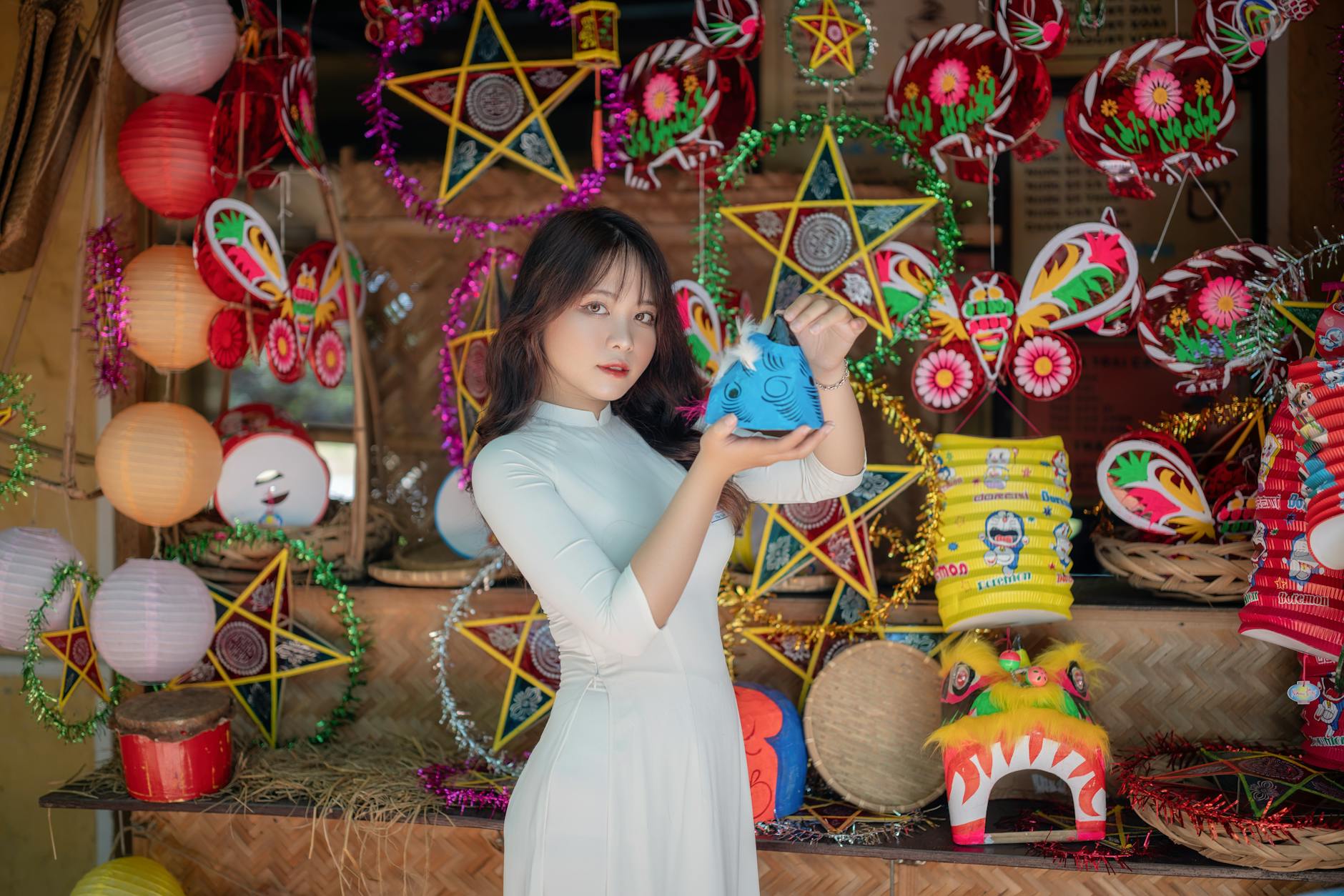
Discover how Thailand celebrates the Mid-Autumn Festival with mooncakes, lantern displays, and cultural events in Bangkok's Chinatown and beyond. A beautiful blend of Chinese and Thai traditions.
When Sacred Oxen Predict the Harvest: Bangkok's 700-Year-Old Ploughing Ceremony
Discover the Royal Ploughing Ceremony, Thailand's ancient Brahmin ritual marking the start of rice planting season. Watch sacred oxen predict the harvest at Bangkok's Sanam Luang.
Why Arriving One Day Too Early Changed Everything (And How to Avoid the Same Fate)
Plan your Thailand trip around the country's best festivals with this complete month-by-month calendar. From Songkran's water fights to Loy Krathong's lanterns — never miss a celebration again.