
 ChatGPT
  Gemini
  Claude
  Perplexity
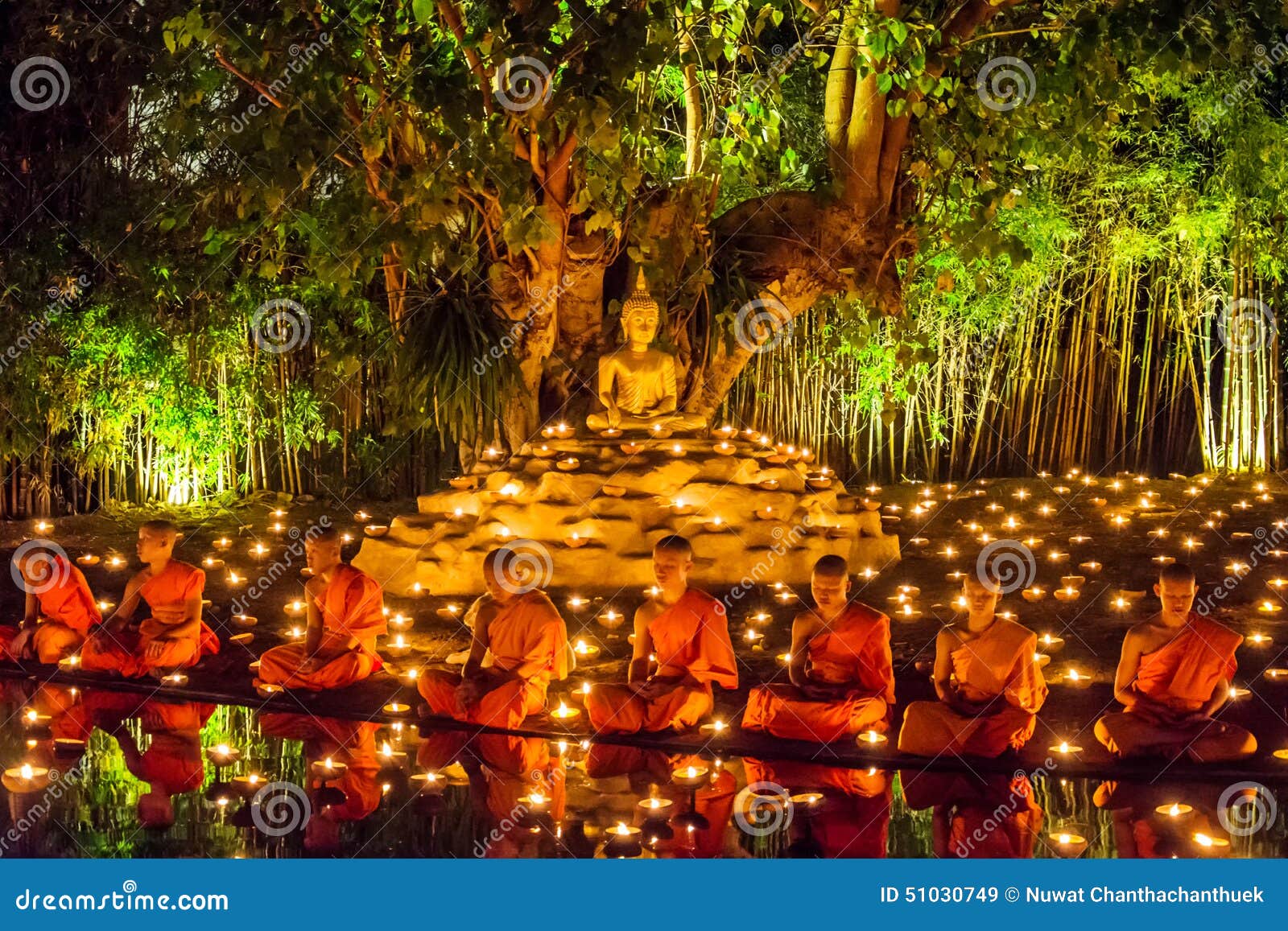
 Picture this: It’s dusk in Bangkok, and the usual city chaos has softened into something quieter. Thousands of flickering candle flames weave through temple courtyards as orange-robed monks lead the faithful in slow, meditative circles. The air carries the scent of incense and jasmine, and for one evening, the entire country seems to hold its breath in collective devotion. This is Makha Bucha Day — one of Thailand’s most sacred Buddhist holidays and, for travelers, one of the most unforgettable cultural experiences you can witness.
What Is Makha Bucha Day?
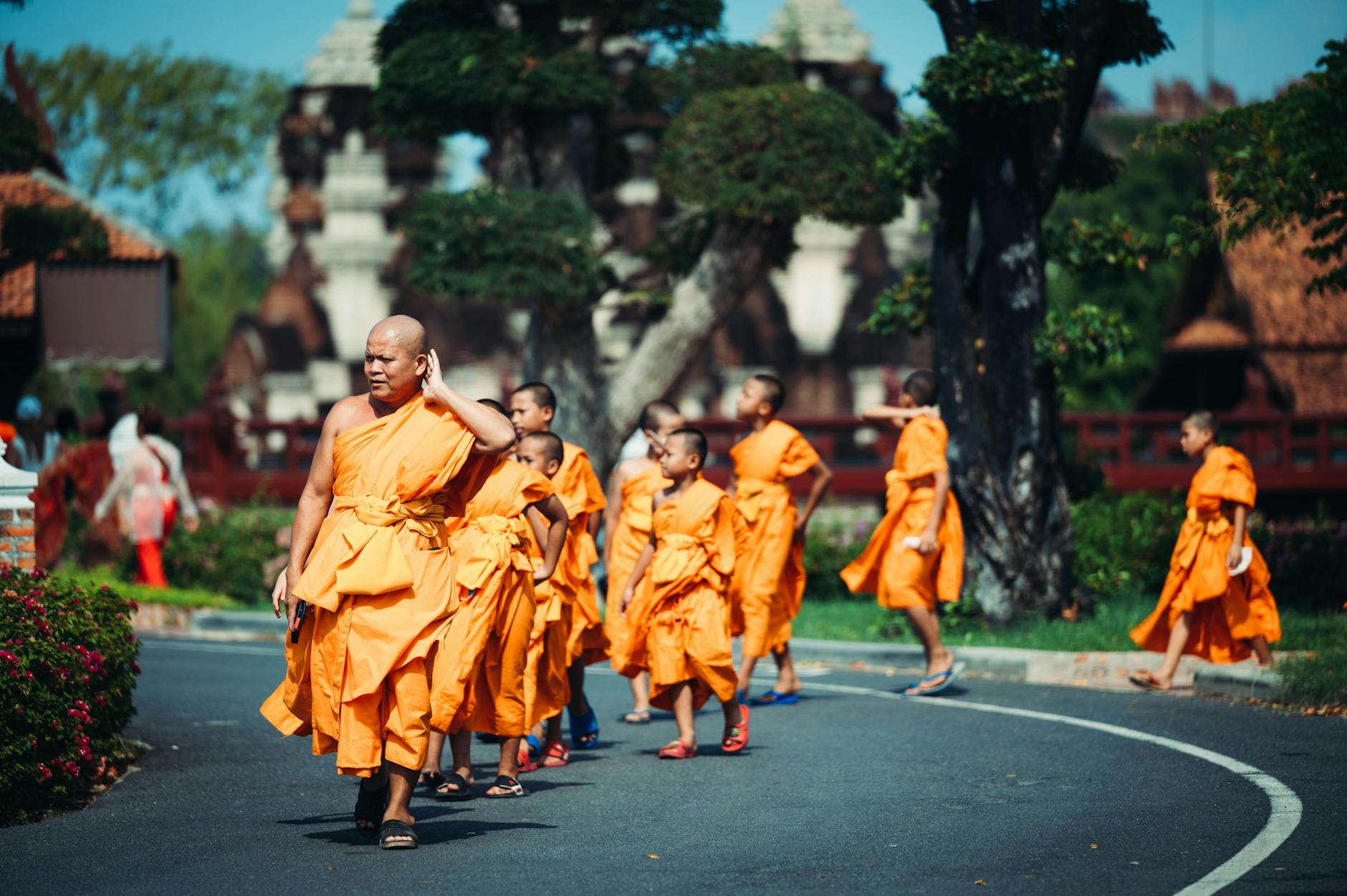
Makha Bucha Day (pronounced MAH-kah BOO-chah, written as มาฆบูชา in Thai) commemorates a remarkable event that took place more than 2,500 years ago. According to Buddhist scripture, exactly nine months after the Buddha attained enlightenment, a spontaneous and unscheduled gathering occurred. A total of 1,250 enlightened disciples (Arahants) — each personally ordained by the Buddha himself — assembled in the Bamboo Grove (Veluvana) at Rajagaha without any prior arrangement. All of them had attained enlightenment and possessed the six higher knowledges (Abhiññā).
What makes this gathering extraordinary isn’t just the numbers but the serendipity: it happened on the full moon day of the third lunar month (called Makha in Pali), and every single disciple present was an Arahant. No invitations were sent. No messengers dispatched. They simply arrived, drawn by their spiritual connection to the Buddha.
On this auspicious occasion, the Buddha delivered what is known as the Ovada Patimokkha — a concise yet profound sermon that distills the very essence of Buddhist teachings into three core principles:
- Avoid all evil — refrain from harmful actions of body, speech, and mind
- Do good — cultivate virtue, generosity, and compassion
- Purify the mind — develop mindfulness and wisdom through meditation
These three principles form the heart of Buddhist practice and are considered the spiritual constitution of the religion. For Thai Buddhists, Makha Bucha Day is not merely a historical commemoration but a living reminder to reflect on their own conduct and recommit to the path of mindfulness and ethical living.
When Does Makha Bucha Day Take Place?
Makha Bucha Day falls on the full moon of the third lunar month in the traditional Thai lunar calendar. On the Gregorian calendar, this typically lands in February, though it can occasionally fall in early March depending on the lunar cycle.
Because the date shifts each year, you’ll want to check the Thai lunar calendar before planning your trip. The Thai government announces the official date months in advance, and it’s observed as a national public holiday — government offices, many businesses, and some tourist attractions close their doors for the day.
For context, Makha Bucha is one of four major Buddhist holidays in Thailand’s calendar, alongside Visakha Bucha (May/June, commemorating the Buddha’s birth, enlightenment, and passing), Asahna Bucha & Khao Phansa (July, marking the Buddha’s first sermon), and the end of Buddhist Lent (Ok Phansa) in October.
How Do Thais Celebrate Makha Bucha Day?
Temple Visits and Merit-Making
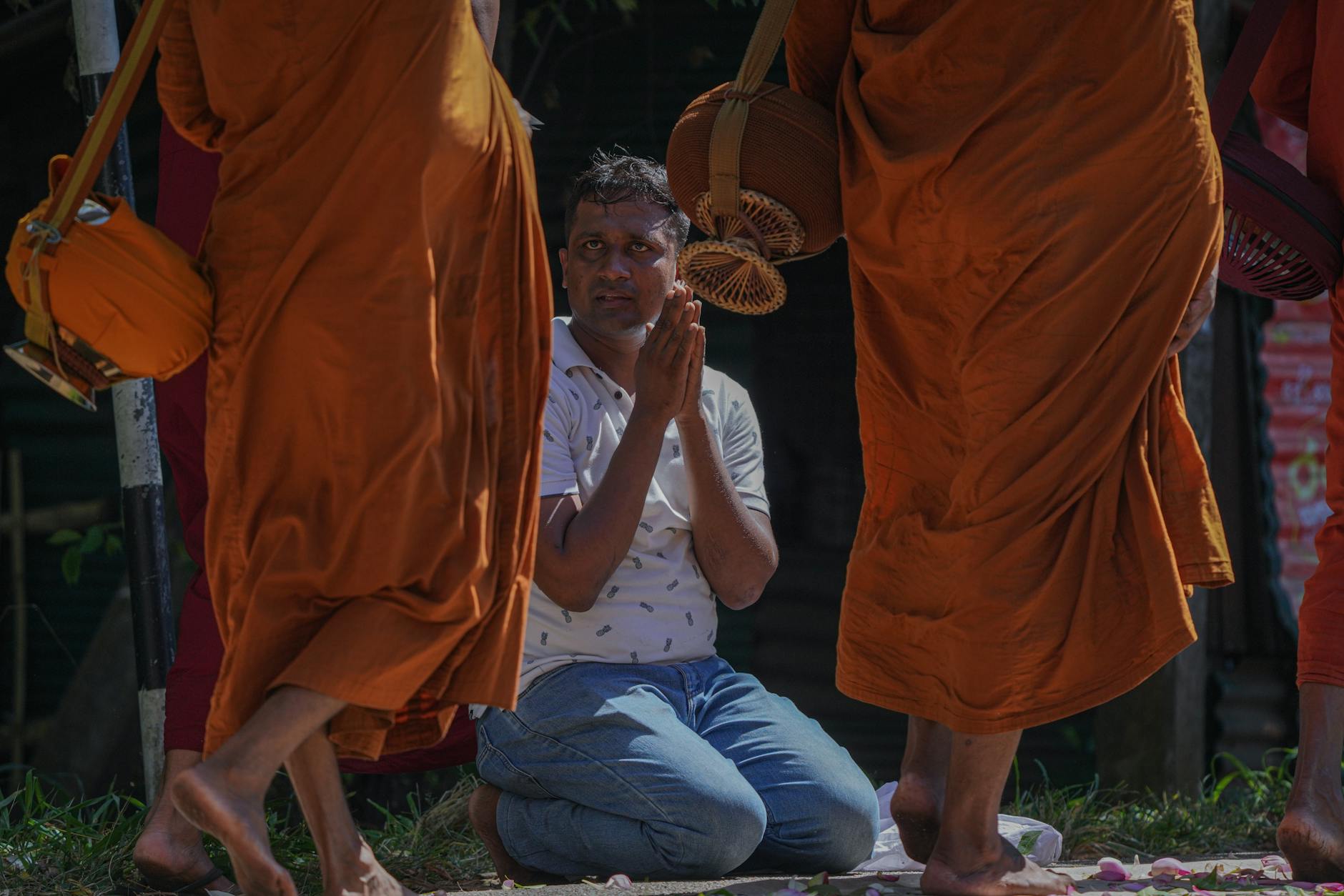
From early morning, devout Buddhists across Thailand head to their local temples (wats) to make merit (tam bun). You’ll see people offering food to monks during the morning alms round, making donations to the temple, and participating in chanting and meditation sessions. The atmosphere is one of quiet reverence — a stark contrast to the lively temple fairs you might encounter on other days of the year.
Wian Thian: The Candlelight Procession
The highlight of Makha Bucha Day is the wian thian (เวียนเทียน), or candlelight procession, held in the evening. Participants walk clockwise around the temple’s main ordination hall (ubosot) or a principal Buddha image three times, each circuit holding a different meaning:
- First circuit: Honoring the Buddha himself
- Second circuit: Honoring the Dhamma (his teachings)
- Third circuit: Honoring the Sangha (the community of monks)
As they walk, participants hold three items: a lit candle (symbolizing wisdom that dispels ignorance), three incense sticks (representing the Buddha, Dhamma, and Sangha), and a flower (a reminder of impermanence, as the flower will eventually wilt). The sight of hundreds or thousands of flickering lights moving in slow, synchronized devotion is genuinely moving, regardless of your personal beliefs.
Listening to Sermons and Observing Precepts
Throughout the day, temples hold extended sermons where monks recount the story of the gathering of the 1,250 disciples and expound on the Ovada Patimokkha. Many devout Buddhists choose to observe the Eight Precepts for the day — a stricter code of conduct than the usual Five Precepts observed daily, which includes abstaining from eating after midday, avoiding entertainment and adornment, and sleeping on modest bedding.
The Alcohol Ban: What Every Tourist Must Know
Here’s something you absolutely need to know: the sale of alcohol is prohibited nationwide on Makha Bucha Day. This ban, enforced under Thai law, applies to all bars, restaurants, convenience stores, supermarkets, and entertainment venues. It typically runs from midnight to midnight — meaning you cannot purchase alcohol anywhere in the country for the full 24 hours.
This catches many tourists off guard. Do not expect to find a “workaround” — the ban is widely respected, and most establishments comply strictly. Even major nightlife areas like Bangkok’s Khao San Road, Pattaya’s Walking Street, and the party islands of Phuket and Koh Phangan go quiet for the night. Some hotels may still discreetly serve alcohol to registered guests, but this varies by establishment and should never be assumed.
Traveler’s tip: Plan ahead. If you’re arriving just before Makha Bucha, stock up the day prior if having a beer on your balcony matters to you. But honestly? Take the opportunity to experience the holiday the way locals do. Trade the bar stool for a temple courtyard — you won’t regret it.
Where to Experience Makha Bucha Day in Thailand
While you can witness Makha Bucha Day ceremonies at virtually any temple in Thailand, some locations offer particularly memorable and visually spectacular experiences:
Wat Phra Dhammakaya (Pathum Thani, near Bangkok)
If there’s one place that puts on a Makha Bucha Day ceremony that defies description, it’s Wat Phra Dhammakaya. Located just north of Bangkok in Pathum Thani province, this temple is known for its massive gatherings — often exceeding 100,000 participants. At dusk, the entire assembly lights candles simultaneously, creating a sea of light across the temple’s vast ceremonial grounds. The sheer scale and discipline of the gathering is breathtaking, with participants seated in perfectly aligned rows that seem to stretch to the horizon.
Wat Pho (Bangkok)
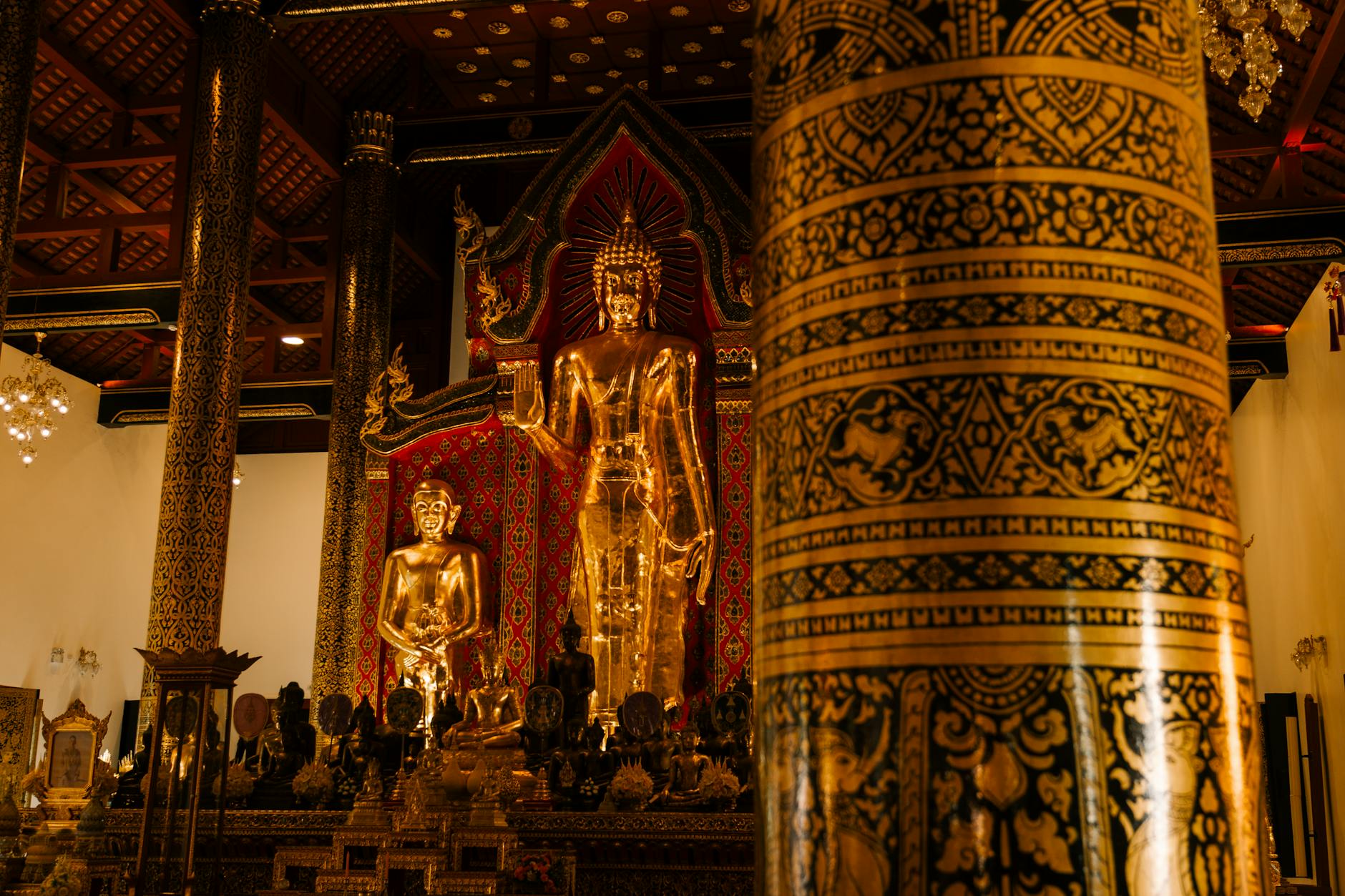
Home to the famous Reclining Buddha, Wat Pho is one of Bangkok’s oldest and most important temples. On Makha Bucha Day, the temple’s golden spires and intricately decorated halls provide a stunning backdrop for the candlelight procession. The atmosphere here is more intimate than Wat Phra Dhammakaya but equally moving.
Wat Phra Kaew & The Grand Palace (Bangkok)
The Temple of the Emerald Buddha — Thailand’s most sacred temple, situated within the Grand Palace complex — hosts elaborate ceremonies attended by members of the royal family. While the Grand Palace can be busy year-round, the spiritual intensity on Makha Bucha Day makes a visit particularly special.
Wat Phra That Doi Suthep (Chiang Mai)
Perched high above Chiang Mai, Doi Suthep offers a truly magical setting. Watching the candlelight procession here as the sun sets over the northern mountains, with the golden pagoda glowing above the city, is an experience that stays with you long after you’ve left Thailand.
Local Neighborhood Temples
Don’t overlook smaller, local temples. These often provide the most authentic and personal experiences. Without the crowds and spectacle of the major temples, you can observe the genuine devotion of Thai families going about their traditions. The monks and locals are often more than happy to explain the significance of the rituals to curious visitors.
How Can Tourists Respectfully Participate?
Makha Bucha Day is not a performance — it’s a deeply personal religious observance. That said, respectful visitors are almost always welcomed. Here’s how to participate without crossing any lines:
Join the wian thian procession. At most temples, candle, incense, and flower sets are available for a small donation (usually 20–50 baht). Simply join the line at the back and follow along. You don’t need to be Buddhist or understand the chanting — walking quietly and respectfully is enough.
Observe rather than photograph. While you can certainly take photos, be mindful of when and where. Avoid using flash during ceremonies. Never take photos directly in monks’ faces without permission. And during the most solemn moments — like group chanting — consider putting the camera down altogether and simply being present.
Make a small donation. Offering a small monetary donation or contributing to the temple’s food offerings is a meaningful way to participate. It’s not about the amount — it’s about the gesture.
Dress Code and Temple Etiquette
Thailand’s temple dress code applies strictly on Makha Bucha Day. Here’s what you need to know:
- Shoulders must be covered. No tank tops, spaghetti straps, or off-shoulder tops. Bring a scarf or light shawl if your outfit is sleeveless.
- Knees must be covered. No shorts, short skirts, or ripped jeans. Long pants or a long skirt are required for both men and women.
- Remove your shoes before entering any temple building or the ubosot area. Look for piles of shoes at the entrance — that’s your cue.
- Avoid overly tight or revealing clothing. This is a day of modesty and restraint.
- Sit properly. When sitting inside a temple, never point your feet toward a Buddha image. Tuck your feet beneath you or sit in the mermaid position (legs folded to one side).
- Keep your voice low. Temples are places of quiet reflection, especially on Makha Bucha Day.
A Final Note for Travelers
If you’re lucky enough to be in Thailand during Makha Bucha Day, treat it as an invitation rather than an inconvenience. Yes, the alcohol ban might rearrange your evening plans. Yes, some shops and attractions will be closed. But what opens up instead — a window into Thailand’s spiritual heart — is far more valuable than any night out.
Walk slowly through a temple courtyard at dusk. Watch the flames flicker in the hands of strangers around you. Listen to the chanting rise and fall against the evening air. These are the moments that transform a vacation into something deeper — something you carry with you long after the candle has burned down and the incense has turned to ash.
You may also like
Related Articles
I Thought I Was Being Respectful — Until a Thai Elder Gently Corrected Me
Navigate Thailand's Buddhist festivals with confidence. Essential guide to temple dress codes, wian thian candlelight processions, monk etiquette, alcohol ban rules, and cultural dos and don'ts.
The Day the Buddha Was Born, Enlightened, and Died: All on the Same Moon
Visakha Bucha Day marks the birth, enlightenment, and passing of the Buddha. Learn about this holiest day on Thailand's Buddhist calendar, its traditions, and how travelers can witness it.
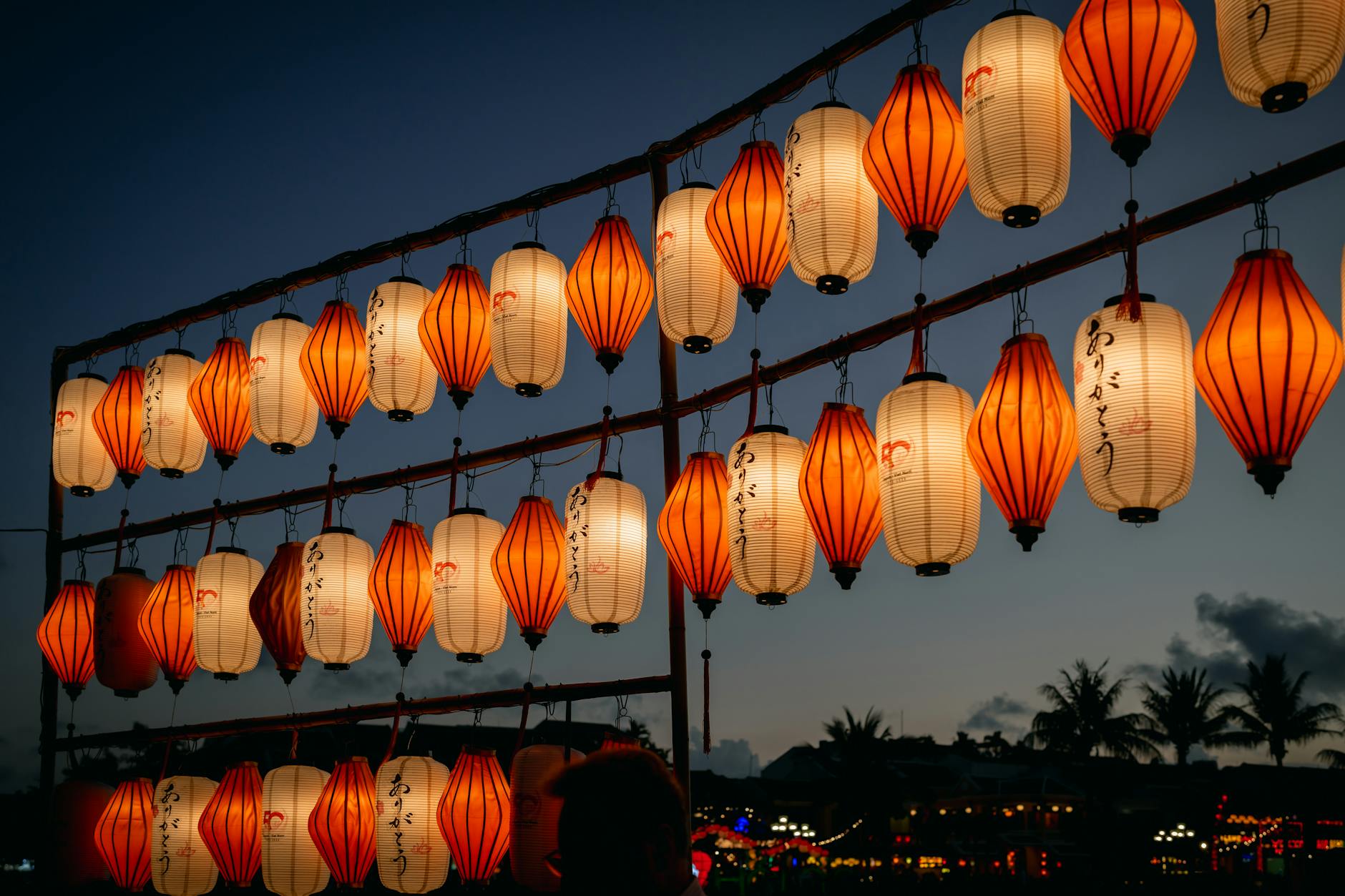
Candlelit Rivers, Floating Wishes, and One Night of Quiet Magic in Thailand
Experience the enchanting beauty of Loy Krathong, Thailand's festival of lights. Learn about its traditions, best celebration spots, and how to participate respectfully as a traveler.
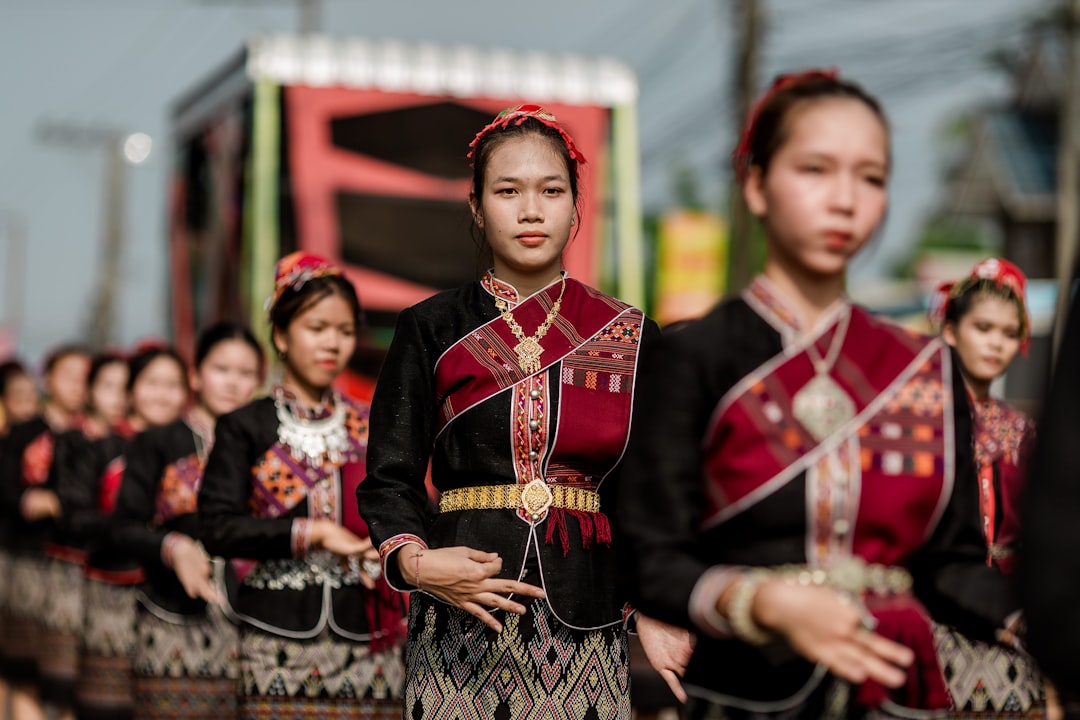
Why Arriving One Day Too Early Changed Everything (And How to Avoid the Same Fate)
Plan your Thailand trip around the country's best festivals with this complete month-by-month calendar. From Songkran's water fights to Loy Krathong's lanterns — never miss a celebration again.