
 ChatGPT
  Gemini
  Claude
  Perplexity
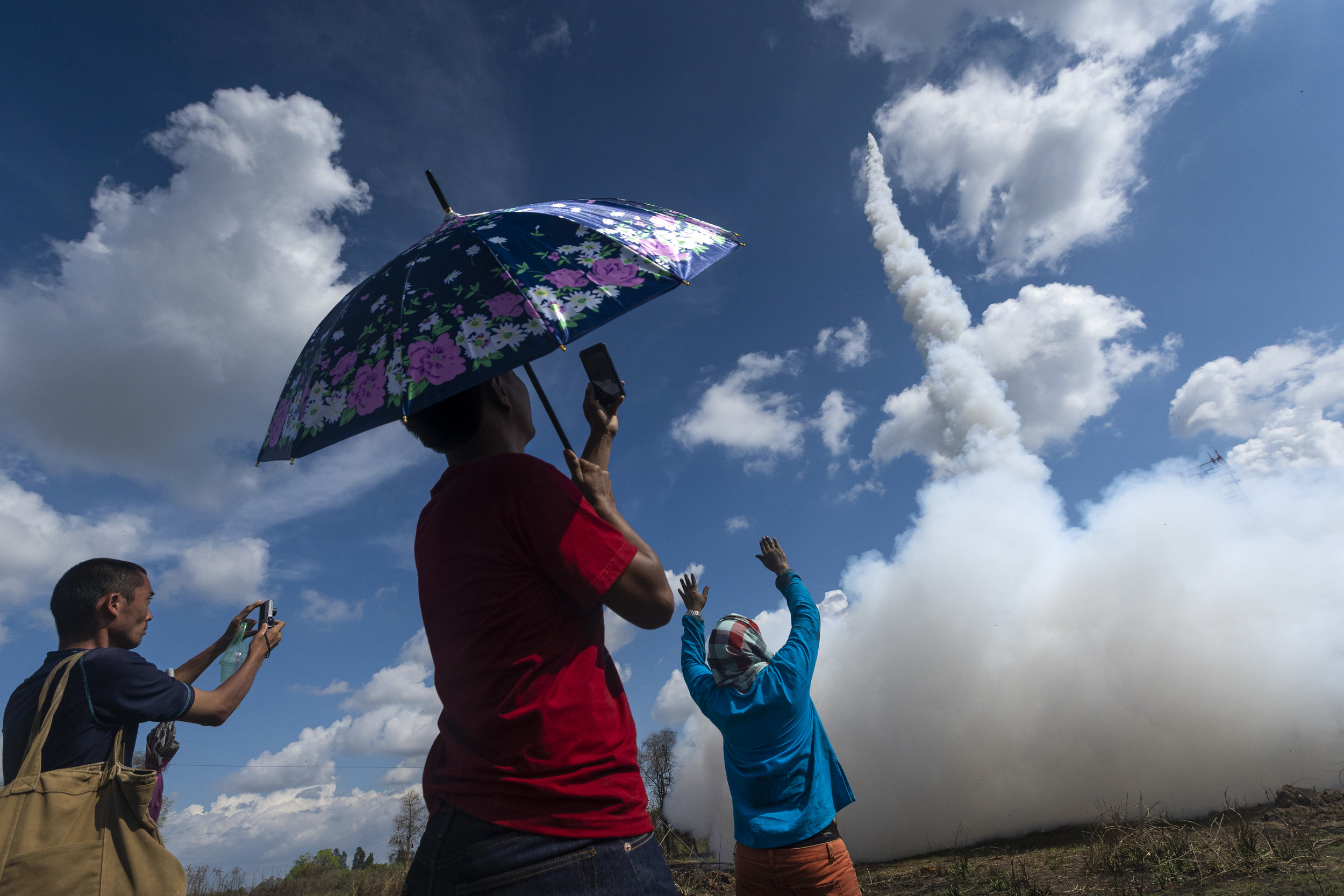
 You hear it before you see it. A sound like the sky tearing in half — a deep, guttural roar that rattles your ribcage and sends birds scattering for miles. Then a plume of white smoke, a streak of bamboo and gunpowder, and a rocket the size of a telephone pole arcs through the air, climbing a kilometer or more before vanishing into the haze of the Isaan sky. Somewhere in the crowd below, a team of villagers erupts in cheers. Somewhere else, a rocket that never left the ground has earned its builders a one-way trip into a very large, very public mud pit. Welcome to Boon Bang Fai.
This is the Rocket Festival of northeastern Thailand, and calling it a “festival” barely scratches the surface. It is part fertility ritual, part engineering competition, part raucous street party, and — if you are standing too close to a misfire — part near-death experience. For travelers looking to step beyond Thailand’s well-worn tourist trail of temples and beaches, Boon Bang Fai offers something raw, ancient, and utterly unforgettable.
What Is Boon Bang Fai? Rockets, Rain, and Ancient Beliefs
Boon Bang Fai (บุญบั้งไฟ) translates literally to “merit-making with rockets” — boon meaning merit, bang fai meaning rocket or fire tube. The festival is rooted in an animist fertility ritual that predates Buddhism in the region. In the traditional belief system of Isaan, the sky god Phaya Thaen controls the rains. When the dry season stretches on and the rice planting season approaches, the people need to get his attention.
The logic, as it has been explained to me by more than one grinning festival organizer, is straightforward: send a rocket into Phaya Thaen’s realm, remind him the people below are waiting, and the rains will follow. The bigger and louder the rocket, the harder it is to ignore. It is, in essence, prayer by propulsion — a cosmic nudge delivered at high velocity.
Over centuries, the animist rocket tradition absorbed layers of Theravada Buddhist practice. Today, the festival coincides with the Bun Bang Fai merit-making ceremony, typically held just before the monsoon season arrives. Monks bless the rockets. Temples host ceremonies. Merit is made, and then — because this is Isaan, where life is celebrated with unapologetic gusto — the party begins.
When and Where: Planning Your Trip to Rocket Country
Boon Bang Fai takes place during the sixth lunar month of the Thai calendar, which typically falls on the second weekend of May, though dates can shift into late May or early June depending on the year and the local community. For 2026, the main Yasothon event runs May 8–10. Confirming exact dates a few weeks out is wise, as village-level celebrations can vary.
The Epicenter: Yasothon
If you can only make one stop, make it Yasothon Province, about 530 kilometers northeast of Bangkok. Yasothon hosts the largest, loudest, and most famous Boon Bang Fai in Thailand. The town’s main festival draws over 100,000 spectators — a mix of locals, domestic tourists, and a growing number of international travelers who have caught wind of the spectacle. The festival grounds at Phaya Thaen Park become the launch site, while the streets of the provincial capital fill with parades, food stalls, and stages blasting mor lam (Isaan folk music) well into the night.
Other Celebrations Worth Knowing
While Yasothon is the heavyweight champion, the rocket-launching tradition runs deep across the Isaan plateau. You will find celebrations in:
- Ubon Ratchathani — Approximately 100 kilometers southeast of Yasothon, Ubon’s celebrations are nearly as large and often feel slightly less crowded, with a strong local community atmosphere.
- Roi Et — About 100 kilometers west of Yasothon, Roi Et’s rocket festival is smaller but fiercely competitive, with villages from across the province bringing their best rockets.
- Si Sa Ket — Near the Cambodian border, Si Sa Ket hosts village-level festivals that offer a more intimate, less touristy experience for travelers willing to venture farther afield.
- Nong Khai — Along the Mekong River bordering Laos, the festival here comes with riverside views and a distinctly cross-cultural Isaan-Lao flavor.
If you are aiming for the full spectacle, Yasothon is the destination. If you want something more grassroots, ask around in any Isaan town in early May — a local will point you toward the nearest launch field.

What Happens: Two Days of Chaos, Creativity, and Competition
The Yasothon festival unfolds across a weekend, and each day brings its own distinct energy.
Day One: The Grand Parade
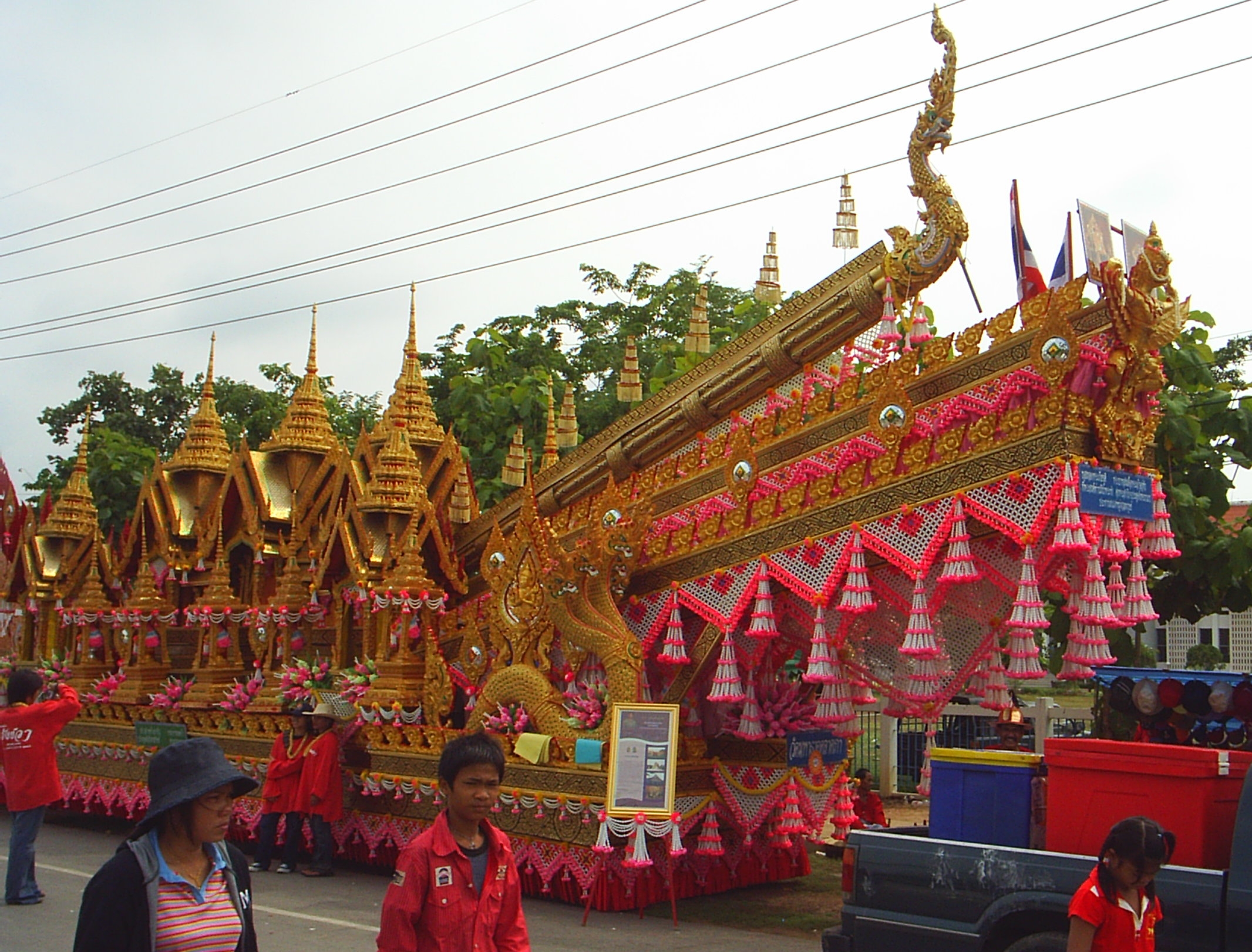
On Saturday morning, the town shuts down for a parade that is equal parts cultural pageant and comedic free-for-all. Village teams march through the streets pulling their rockets on elaborate floats — some shaped like naga serpents, some resembling spaceships, some that defy easy description. Dance troupes in traditional Isaan silk perform synchronized routines. Drum lines pound out rhythms that seem to seep into your bones.
And then there is the cross-dressing. Boon Bang Fai has a long tradition of men dressing as women during the parade — wild wigs, over-the-top makeup, padded dresses, the full treatment. The performances are intentionally exaggerated, bawdy, and hilarious. The crowd loves it. It is a tradition rooted in fertility symbolism and the blurring of social roles during festival time, and it is embraced with a sense of humor that feels uniquely Isaan. Expect to be pulled into photos, sprayed with water, and offered generous pours of lao khao (rice whiskey) from people you have just met.

Day Two: Launch Day — Glory, Failure, and the Mud Pit
Sunday is the main event. Teams gather at Phaya Thaen Park, where a series of launch towers — essentially tall bamboo scaffolds — have been erected. The rockets, some stretching 8 to 10 meters in length and packed with kilograms of homemade gunpowder, are hoisted onto these towers one by one.
Each launch is announced over the loudspeakers. The crowd goes quiet. The fuse is lit. And then one of two things happens.
The good outcome: The rocket ignites with a thunderous roar, shoots skyward trailing a column of white smoke, and climbs for a full minute or more before its payload of gunpowder detonates high above. The village team goes wild. Judges note the altitude and duration. Prizes — cash, trophies, serious bragging rights — are on the line, and a successful launch means the team is in contention.
The bad outcome: The rocket sputters, wobbles, tips sideways, or simply refuses to leave the launch tower. In some cases, it explodes on the pad in a spectacular fireball that sends the crowd scrambling backward, laughing and shrieking. The penalty for failure is immediate and merciless: the team responsible is dragged to the edge of the field and thrown into a large, purpose-built mud pit. Friends, rivals, and strangers alike cheer as they wallow in the muck. It is a punishment delivered with joy, and the victims — coated head to toe in thick Isaan mud — nearly always emerge laughing.
The competition runs all day. By late afternoon, the sky above Yasothon is streaked with dozens of smoke trails, the air smells of gunpowder, and a good third of the participants are caked in drying mud. The festival closes with an awards ceremony, a final round of mor lam performances, and a communal meal that stretches into the evening.

The Rockets Themselves: Homemade Engineering Marvels
A Boon Bang Fai rocket is not something you buy from a fireworks stand. Each one is a community project, built by village teams over the course of weeks — sometimes months — before the festival. The construction process itself is a social event, with families gathering in the evenings to pack gunpowder, wrap bamboo casings, and carve decorative fins.
The rockets fall into several categories:
- Bang Fai Kilo — The smallest class, named for the kilogram-weight gunpowder charge. These reach altitudes of several hundred meters.
- Bang Fai Muen — The “ten-thousand” class, with charges measured in the tens of kilograms. These are the serious competitors, capable of climbing a kilometer or more.
- Bang Fai Saen — The “hundred-thousand” class. Enormous rockets with charges exceeding 100 kilograms of gunpowder. These are rare, highly regulated, and genuinely terrifying to witness up close.
The rockets are built onto long bamboo poles that act as both tail stabilizers and launch guides. When mounted on the launch tower, they look less like fireworks and more like small ballistic missiles adorned with painted patterns and lucky charms — a fitting look, given that a malfunctioning rocket at close range carries genuine danger.
Practical Tips for Visitors: Surviving (and Thriving) at Boon Bang Fai
Boon Bang Fai is not a polished, tourist-package event. It is raw, loud, hot, dusty, and occasionally unpredictable. With the right preparation, that rawness is precisely what makes it incredible. Here is how to do it right.
Protect Your Ears
I cannot stress this enough: bring earplugs. The rockets produce a sound that is closer to a military artillery test than a fireworks display. Standing near the launch area without hearing protection is genuinely painful. Foam earplugs cost pennies and will save your hearing for the rest of the trip. For children, proper over-ear protection is essential.
Sun and Heat
Isaan in May is brutally hot — expect temperatures of 35–38°C (95–100°F) with high humidity. There is minimal shade at the launch field. Bring a wide-brimmed hat, high-SPF sunscreen (reapply every hour), sunglasses, and far more water than you think you need. Heat exhaustion is real, and the nearest hospital is not necessarily close.
Safety Distance
The launch area has a designated exclusion zone, and you should respect it absolutely. Rockets have been known to veer off course, explode prematurely, or collapse their launch towers. Stay behind the barriers. The closer you are, the better the view — until it suddenly is not. The safest and best viewing is from the spectator areas 100–200 meters back, where you can see the full arc of a successful launch without being in the potential debris field.
Where to Stay
Yasothon is a provincial town, not a tourist hub. Accommodation is limited. The main options are:
- JP Emerald Hotel — The most comfortable option in town, with air conditioning, a pool, and English-speaking staff. Books out months ahead of the festival.
- Yasothon Grand Hotel — A solid mid-range choice near the city center.
- Baan Suan Khun Ta — A smaller guesthouse with a garden setting, popular with returning visitors.
Book as early as possible — ideally by January or February for a May festival. If Yasothon is fully booked, consider staying in Ubon Ratchathani (90 minutes by car) or Roi Et (similar distance) and driving in for the day. Car rentals are available at Ubon Ratchathani and Roi Et airports, both of which have daily flights from Bangkok.
Getting There
The easiest route from Bangkok is a one-hour flight to Ubon Ratchathani, Roi Et, or Sakon Nakhon, followed by a rental car or bus to Yasothon. By road, overnight buses from Bangkok’s Mo Chit terminal reach Yasothon in about 8-9 hours. The train line does not serve Yasothon directly — you would need to get off at Ubon Ratchathani and continue by road.
What to Bring
| Item | Why |
|---|---|
| Earplugs | Non-negotiable. The rockets are deafening. |
| Wide-brimmed hat | There is almost no shade at the launch field. |
| Sunscreen (SPF 50+) | The Isaan sun in May is relentless. |
| Water (at least 2 liters) | Vendors sell drinks, but queues are long and prices rise during the festival. |
| Dust mask or bandana | The launch field gets extremely dusty, and the smoke can be thick. |
| Cash in small bills | For food, drinks, and spontaneous contributions to village rocket teams. |
| Camera with a zoom lens | Your phone will not do justice to a rocket at 800 meters. |
| A sense of humor | You may get muddy. You may get splashed with rice whiskey. Roll with it. |
The Competitive Spirit: Pride, Prizes, and Village Honor
Do not mistake Boon Bang Fai for a casual fireworks display. The competition is fierce, and the stakes are real. Village teams spend weeks — and significant portions of their collective savings — building rockets they believe will outperform their neighbors’. A winning rocket brings not just a cash prize (typically in the range of 10,000 to 50,000 baht, depending on the category) but a year’s worth of prestige for the entire village.
I once spoke with a team captain from a village outside Yasothon who had been building festival rockets for nearly three decades. He described the competition with the gravity of a sports coach before a championship game: “If our rocket flies higher than theirs, every farmer in our village walks taller for the rest of the year.” He then offered me a shot of lao khao and asked if I wanted to help pack gunpowder. I politely declined.
The judging criteria vary by category but generally include altitude reached, duration of flight, and the visual quality of the rocket’s decoration. The grand prize rockets are treated like celebrities — paraded through town, blessed by senior monks, and launched as the festival’s climactic finale.
Eating Your Way Through the Festival
No Isaan festival would be complete without the region’s legendary cuisine, and Boon Bang Fai is no exception. The streets around the festival grounds fill with food vendors selling Isaan specialties that are worth the trip alone:
- Som tam — The famously fiery green papaya salad, pounded fresh to order with lime, chili, fish sauce, and fermented crab. Ask for “pet nit noi” (a little bit spicy) unless you genuinely enjoy pain.
- Gai yang — Charcoal-grilled chicken marinated in garlic, coriander root, and fish sauce. Perfect with sticky rice.
- Larb moo — Minced pork salad with roasted rice powder, mint, shallots, and a generous kick of chili and lime.
- Sai krok Isaan — Fermented pork sausages with a tangy, garlicky flavor, served with fresh ginger, chili, and cabbage.
- Khao jee — Grilled sticky rice cakes brushed with egg, a simple but deeply satisfying snack.
Wash it all down with fresh coconut water or, if you are feeling adventurous, accept the offer of lao khao when it comes your way — just do not expect a gentle introduction. Isaan rice whiskey is not subtle.
Why Boon Bang Fai Deserves a Spot on Your Thailand Itinerary
Thailand has no shortage of festivals. Songkran drenches the country in April. Loy Krathong lights up the rivers in November. The Phi Ta Khon ghost festival draws crowds to Loei Province with its elaborate masks. But Boon Bang Fai occupies a category of its own — it is raw, regional, and refreshingly unpolished. It does not exist primarily for tourists. It exists because for centuries, the farmers of Isaan have been building rockets to wake up the sky god and bring the rain.
When you stand in that field, feeling the percussion of a launch in your chest and watching a bamboo missile disappear into the clouds, you are not observing a cultural performance — you are participating in a ritual that connects you to a thousand years of agricultural life on this plateau. Then someone hands you a plastic cup of whiskey, a stranger throws an arm around your shoulder, and a rocket builder covered head to toe in mud jogs past you grinning. And you realize: this is Thailand. The real one. The one you came looking for.
You may also like
- Phi Ta Khon: Thailand’s Hauntingly Fun Ghost Festival in Loei
- Songkran Water Festival: Everything You Need to Know
- Loy Krathong: Thailand’s Magical Festival of Lights
- Thai Buddhist Festival Etiquette: How to Observe Sacred Days Respectfully
- Thailand Festivals Calendar: Plan Your Trip Around Every Major Event
Related Articles
When Sacred Oxen Predict the Harvest: Bangkok's 700-Year-Old Ploughing Ceremony
Discover the Royal Ploughing Ceremony, Thailand's ancient Brahmin ritual marking the start of rice planting season. Watch sacred oxen predict the harvest at Bangkok's Sanam Luang.
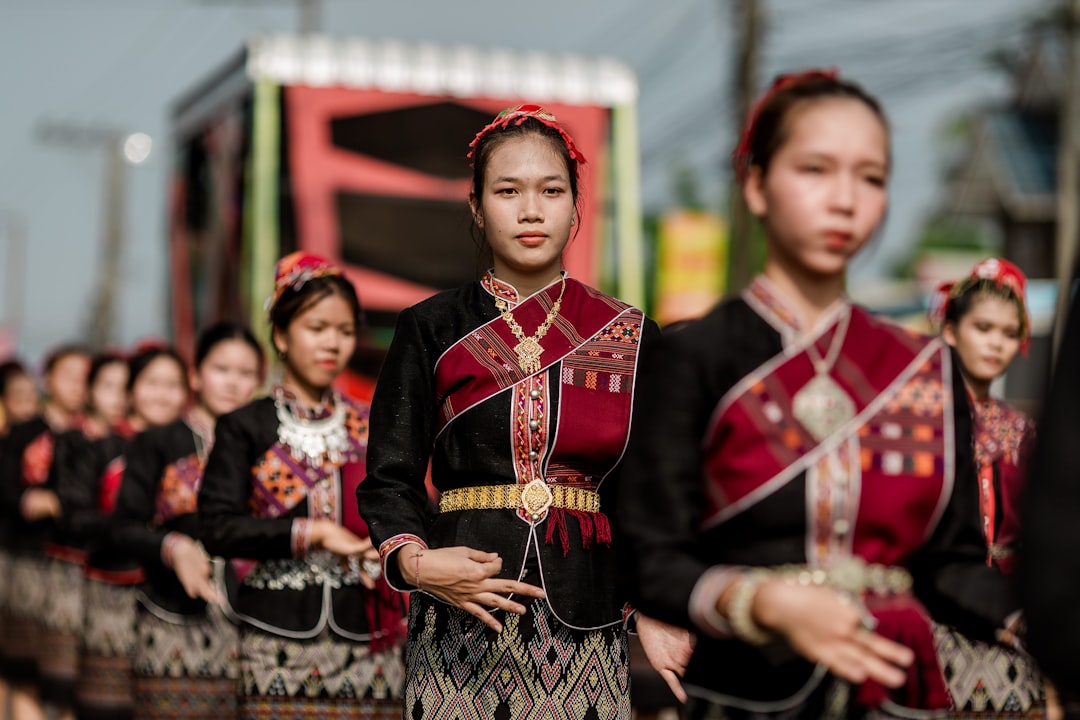
Why Arriving One Day Too Early Changed Everything (And How to Avoid the Same Fate)
Plan your Thailand trip around the country's best festivals with this complete month-by-month calendar. From Songkran's water fights to Loy Krathong's lanterns — never miss a celebration again.
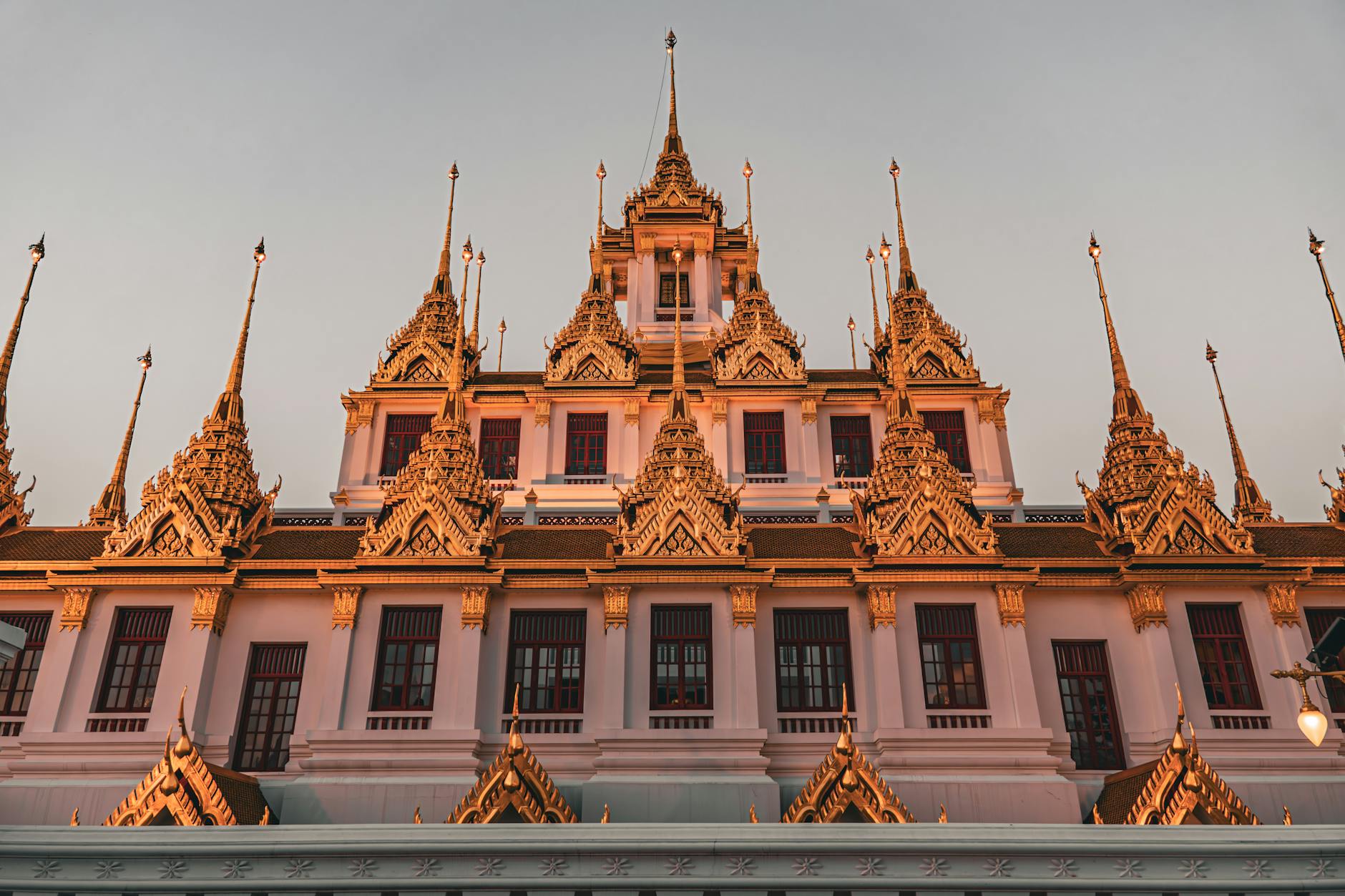
The Day Buddha Spoke for the First Time — and How Thailand Still Marks It 2,500 Years Later
Discover Asahna Bucha Day and Khao Phansa, marking the beginning of Buddhist Lent in Thailand. Learn about candle festivals, monk retreats, and how travelers can respectfully participate.
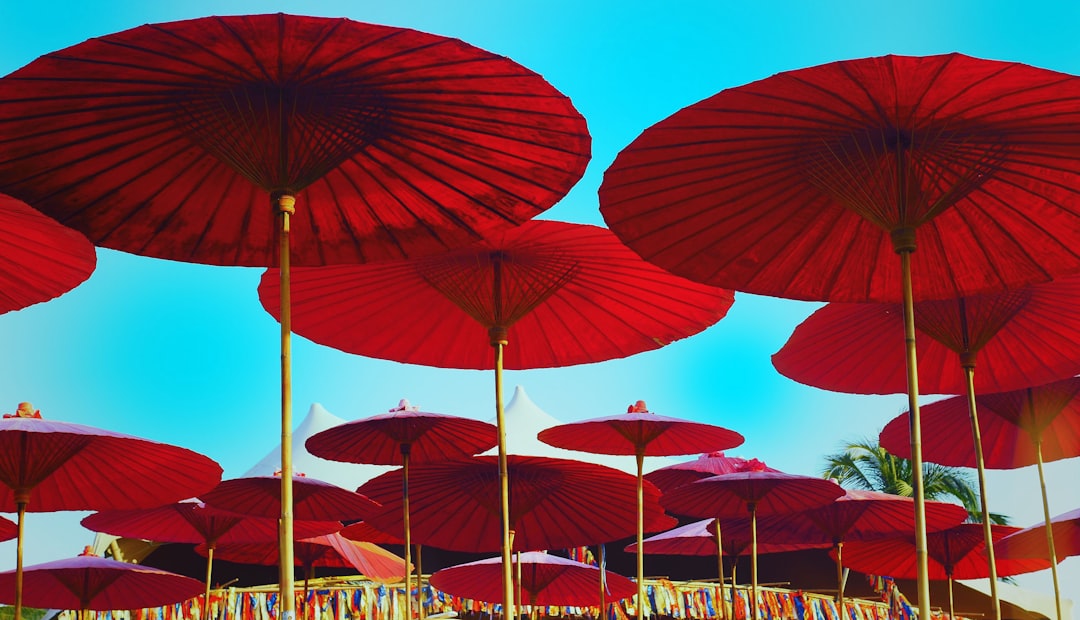
Walk Through a Painting: The Underrated Thai Festival Where Thousands of Handmade Umbrellas Form a Canopy Over Your Head
Discover the vibrant Bo Sang Umbrella and Sankhampaeng Handicrafts Festival in Chiang Mai. Colorful umbrella parades, traditional Lanna crafts, beauty pageants, and northern Thai culture await.