
 ChatGPT
  Gemini
  Claude
  Perplexity
 Long before rice futures, weather apps, or soil sensors, Thai farmers looked to a far more elegant source to predict the coming harvest: a pair of sacred oxen and seven bowls of food. That is the Royal Ploughing Ceremony in a nutshell — a 700-year-old Brahmin ritual that unfolds each May — alongside other sacred spring observances like Visakha Bucha Day — on the wide-open royal field of Sanam Luang, right in front of Bangkok’s glittering Grand Palace. For travelers lucky enough to be in the city when it happens, it offers a rare window into a side of Thailand most tourists never see: not the Thailand of beaches and night markets, but the Thailand of rice paddies, monsoon prayers, and ancient royal pageantry.
The ceremony goes by two names. Officially, it is the Royal Ploughing Ceremony (Phra Ratcha Phithi Charot Phra Nangkhan Raek Na Khwan in Thai). Colloquially, many locals simply call it Raek Na Khwan — “the first ploughing.” Whatever you call it, it marks the official start of the rice planting season, and for a nation where rice is both staple food and cultural heartbeat, that is no small thing.
A History Spanning Seven Centuries
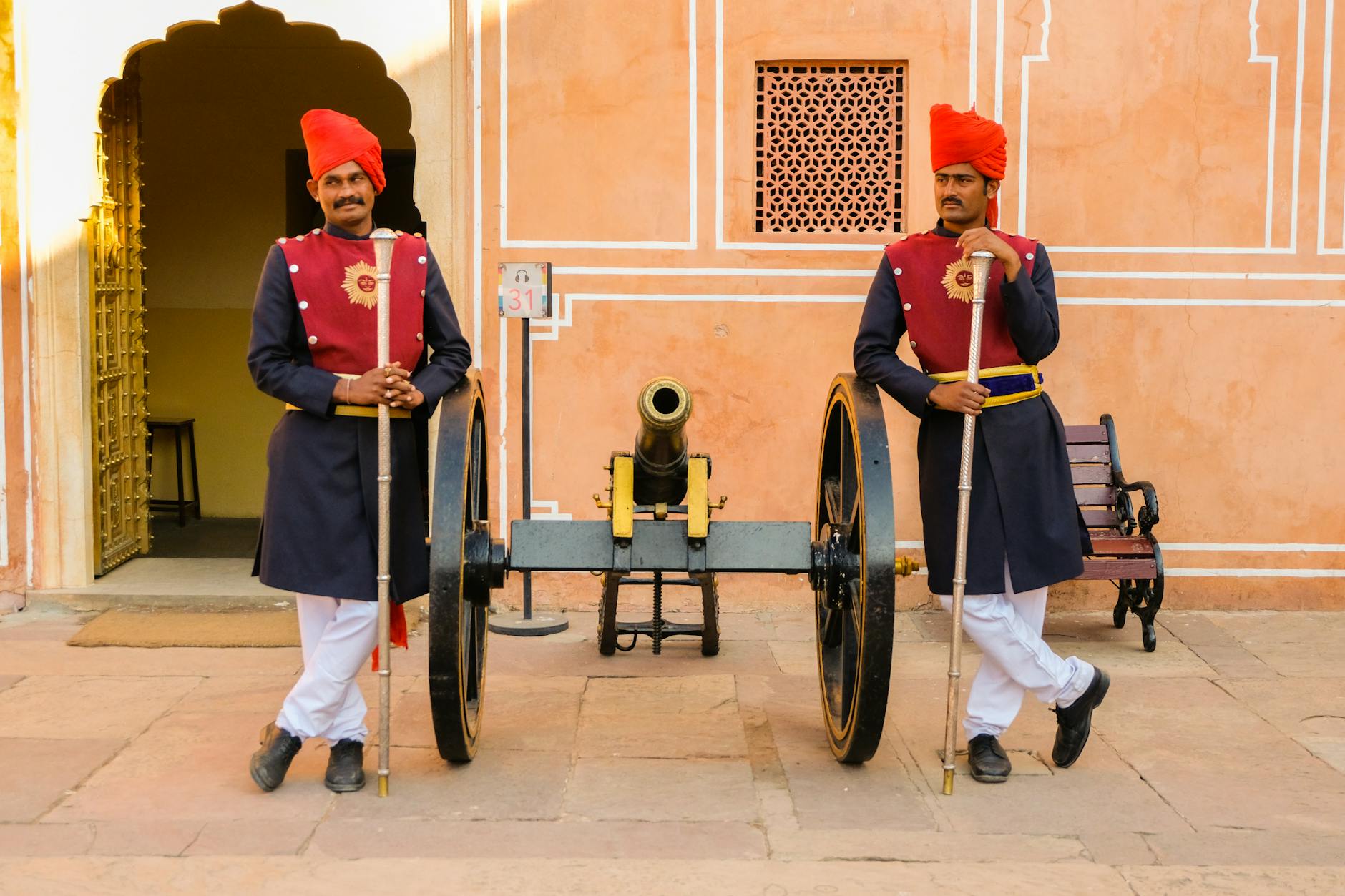
The ceremony traces its roots to the Sukhothai era (1238–1438), when Brahmin priests from the royal court adapted an ancient Hindu agricultural rite to blessing the kingdom’s most vital crop. For centuries, the ritual continued under successive Thai kingdoms — Ayutthaya, Thonburi, and early Rattanakosin — until it fell into disuse in the early 20th century as the country modernized.
Then, in 1960, King Bhumibol Adulyadej (Rama IX) revived the ceremony in its modern form. His reasoning was simple and profoundly practical: rice farming was, and remains, the backbone of rural Thailand. Giving farmers a ceremonial blessing at the start of planting season was a gesture of royal recognition, and it brought the monarchy closer to the millions of Thais whose lives revolved around the seasons and the soil. The tradition has continued every year since under the current reign of King Maha Vajiralongkorn (Rama X).
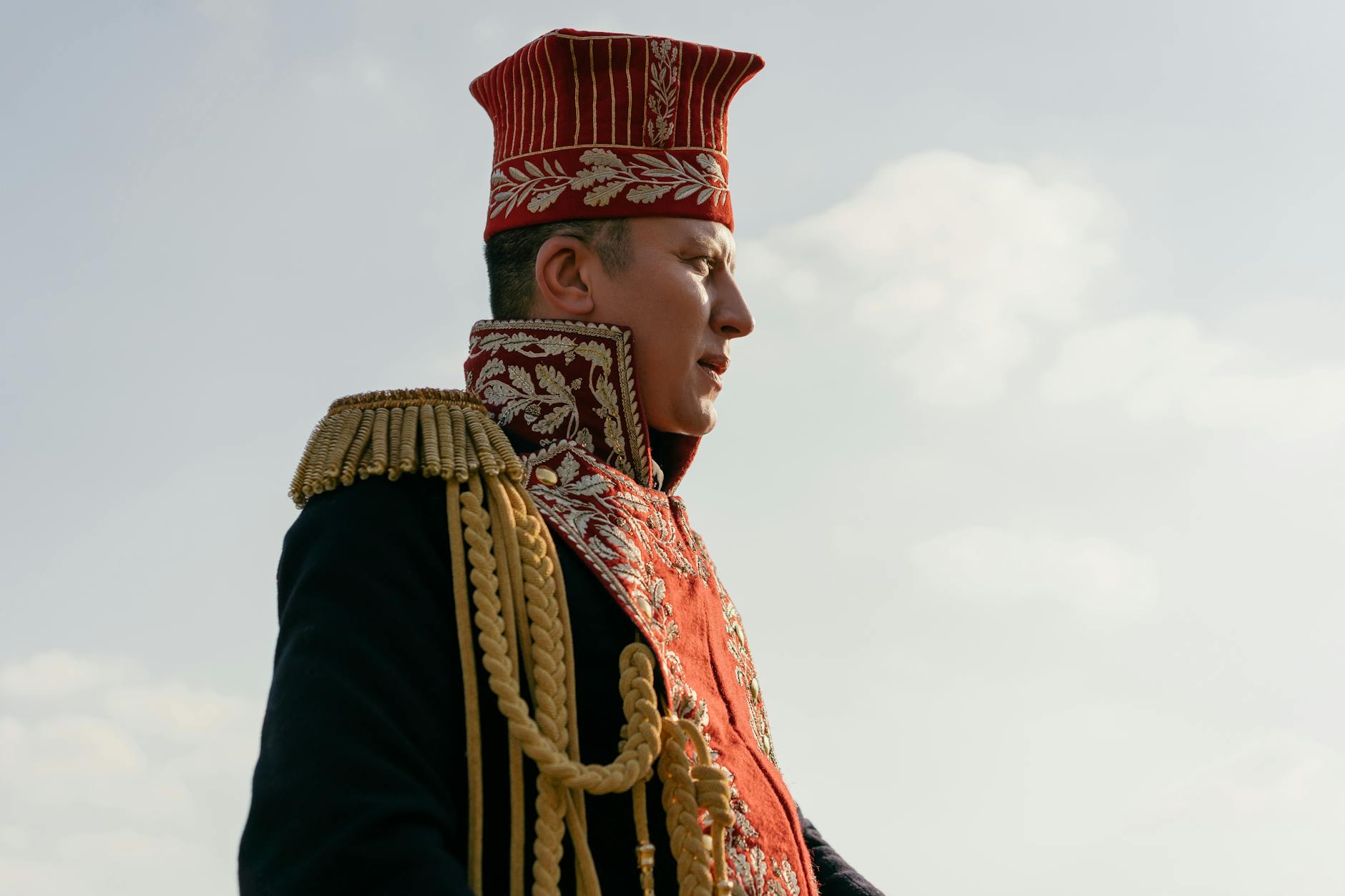
Today, the ceremony is a fascinating blend of Brahmin ritual and Buddhist reverence, presided over by the King or his representative and watched by thousands of farmers who travel to Bangkok hoping to catch a glimpse — and a handful of blessed rice seeds.
When and Where: Sanam Luang Comes Alive
The date of the ceremony is not fixed on the Gregorian calendar. It is determined each year by the royal astrologers of the Thai court, who consult lunar calculations to identify the most auspicious day — always sometime in May, just as the first monsoon rains begin to soften the earth. The exact date is typically announced a few weeks beforehand by the Ministry of Agriculture and Cooperatives.
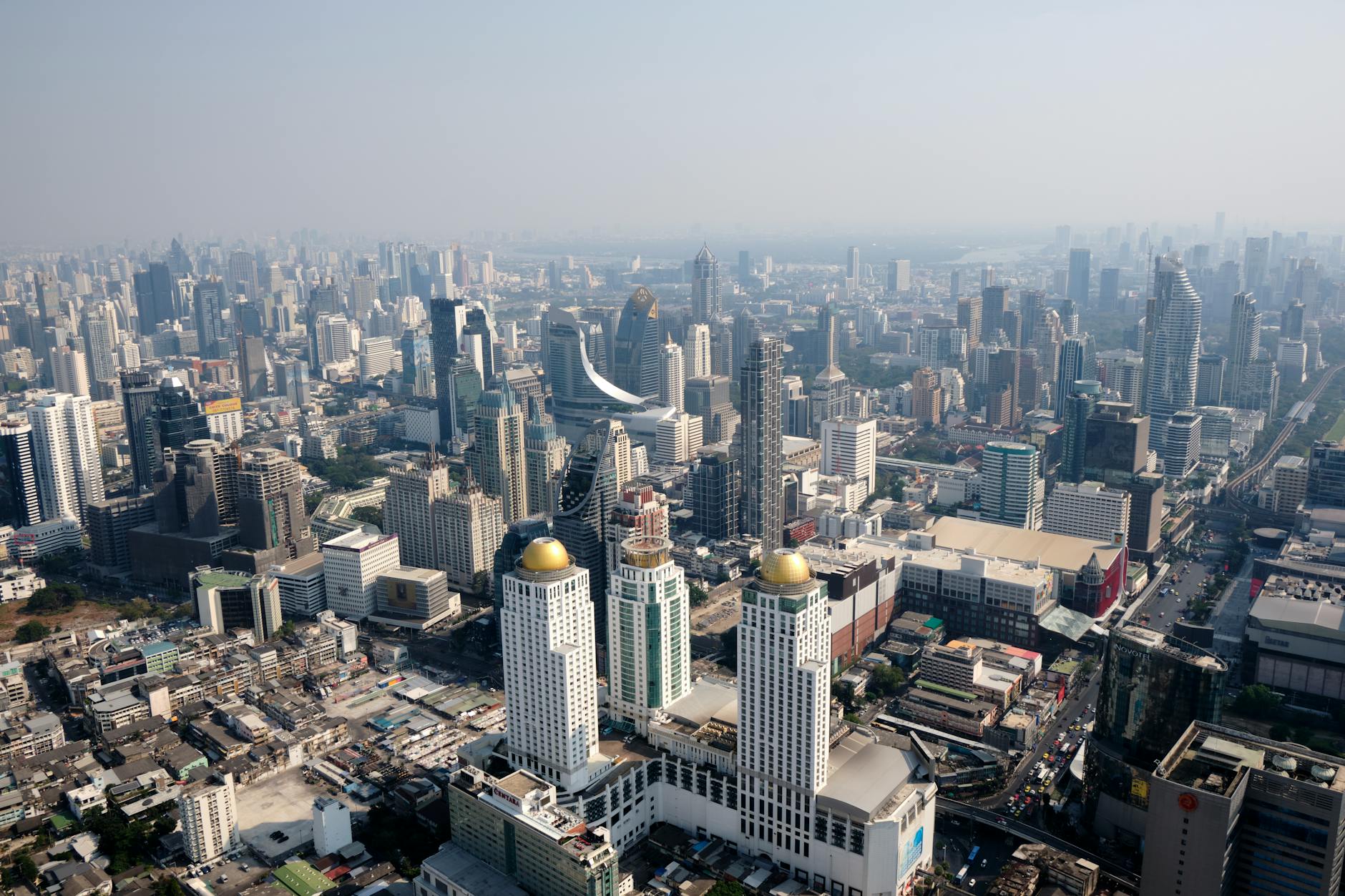
The venue is Sanam Luang, the broad oval parade ground directly in front of the Grand Palace in Bangkok’s Rattanakosin Island. This is the royal field itself — an open expanse of manicured grass roughly the size of three football fields, ringed by sacred banyan trees, with the gilded spires of Wat Phra Kaew and the Grand Palace rising on one side. On the morning of the ceremony, Sanam Luang transforms. A ceremonial furrow is prepared, royal-tiered umbrellas are erected, and rows of white-clad officials take their positions around the field.
What Happens During the Ceremony: A Step-by-Step Guide
The ceremony unfolds over roughly two hours, from mid-morning until noon. Here is what to expect.
The Arrival of the Phraya Raek Na
The central figure of the ceremony is the Phraya Raek Na, or Lord of the Ploughing — a senior government official personally appointed by the King to serve as the ceremonial master for the year. He arrives in a procession, dressed in elaborate brocade robes, and takes his position alongside the sacred oxen, the consecrated plough, and the waiting trays of rice seed. Accompanying him are four Nang Thephi — consecrated women who carry gold and silver baskets filled with blessed rice grains.
The Sacred Oxen and the Ploughing
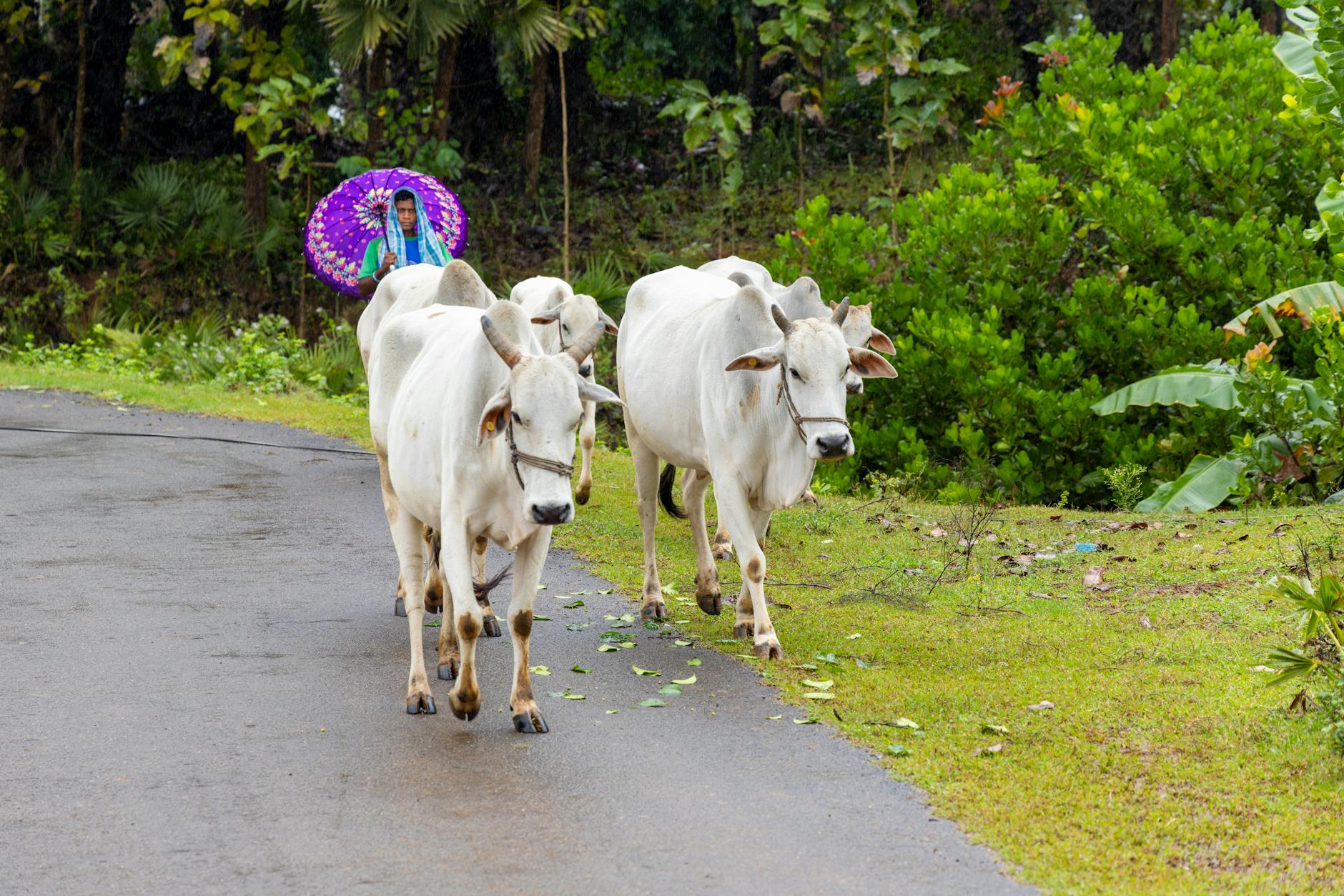
The heart of the ceremony involves a pair of pure white oxen — sturdy, calm animals chosen for their strength and auspicious coloring. Their horns are often wrapped in gold leaf, and they wear jeweled harnesses. The Phraya Raek Na guides them as they pull a gilded plough across a ceremonial furrow in the earth, turning the soil three times. As they move, the Nang Thephi walk behind, scattering rice seeds into the freshly cut grooves. Brahmin priests chant continuously, offering blessings for fertile soil, abundant rain, and a bountiful harvest.
For farmers in the crowd, this moment is electric. Once the ceremonial sowing is complete, many surge forward — hands outstretched — hoping to gather a few of the blessed grains. These seeds are taken back to home provinces and mixed with ordinary rice seed before planting, believed to carry the auspicious energy of the royal blessing into every paddy they touch.
The Food Offering and Harvest Prediction
After the ploughing, the oxen are unharnessed and led to a row of seven bowls, each containing a different offering. This is the part of the ceremony that draws the most anticipation — because according to ancient belief, whatever the oxen choose to eat predicts the coming year’s harvest.
The seven offerings vary slightly from year to year but traditionally include:
- Rice — if eaten, the rice harvest will be abundant
- Corn — plentiful maize and secondary crops
- Beans — a generous yield of legumes and vegetables
- Sesame seeds — strong sesame and oilseed production
- Water — abundant rainfall and well-irrigated fields
- Rice liquor — a warning of potential flooding or heavy rains
- Grass — plentiful pasture and livestock health
The mood shifts palpably as the oxen lower their heads. If they choose rice and corn, a murmur of relief ripples through the crowd. If they linger over water or liquor, farmers nod with knowing concern — a wet year ahead means adjusting planting schedules and reinforcing canal banks. It is a moment of genuine suspense, and for the millions of Thai farming families whose livelihoods hang on the monsoon, the oxen’s choice carries real emotional weight.
The Robe Length Prophecy
A second prediction follows: the Phraya Raek Na is presented with three folded lengths of cloth — one short, one medium, and one long. He selects one, and the length he chooses foretells the amount of rainfall for the coming season. A short cloth means a drier year with lower water levels. A medium cloth signals normal rainfall. A long cloth — the one farmers hope for — promises abundant rain and plenty of water for the paddies.
The Role of the Sacred Oxen
The oxen are not mere props. In the weeks leading up to the ceremony, they are carefully selected and cared for by the royal stables. They must be white or pale cream in color, with no blemishes, and they are treated with reverence throughout the ritual. After the ceremony, the oxen are retired to a life of comfort at a royal agricultural station — a fitting reward for animals that carried the hopes of an entire nation on their shoulders for a morning.
How to Attend as a Tourist
The Royal Ploughing Ceremony is completely free and open to the public, making it one of Bangkok’s most accessible royal events. That said, there are a few things to keep in mind.
Arrive early. The ceremony typically begins around 8:00 AM, but by 7:00 AM the best viewing spots along the ceremonial ground are already claimed. Aim to arrive by 6:30 AM if you want an unobstructed view. Bring water, a hat, and sunscreen — Sanam Luang offers scarce shade, and May in Bangkok is hot.
Dress respectfully. As with any royal or religious event in Thailand, modest dress is essential. Cover your shoulders and knees. Avoid shorts, sleeveless tops, ripped jeans, or anything overly casual. Lightweight, breathable fabrics in muted colors are ideal. White or pastel shades are traditional and will help you blend in.
Know your position. The best vantage points are along the eastern and northern edges of Sanam Luang, where the ceremonial furrow is closest to the spectator area. Arriving early also gives you time to walk the perimeter and find your spot. Keep in mind that the inner ceremonial area is reserved for officials, monks, and invited guests — do not cross any barricades.
Getting there. Sanam Luang is easily reached by public transport. The closest MRT station is Sanam Chai (Blue Line), about a 10-minute walk away. From there, it is a pleasant stroll past Wat Pho and through the historic heart of Rattanakosin Island. River boats on the Chao Phraya Express also stop at Tha Chang pier, a short walk from the field. Avoid taxis if possible — roads around the Grand Palace are often closed or severely congested on ceremony morning.
Take photos respectfully. Photography is permitted from the spectator areas, but avoid using flash, and never step onto the ceremonial ground to get a shot. The moment when farmers scramble for the blessed seeds can get hectic — stay alert and keep your camera secure.
Why This Ceremony Still Matters
It would be easy to dismiss the Royal Ploughing Ceremony as charming folklore — a colorful relic from a pre-industrial past. But that would miss the point entirely. Rice farming remains the livelihood of roughly one-third of Thailand’s population, and the rhythms of planting and harvest still dictate life across vast stretches of the country. When the sacred oxen choose their meal and the Phraya Raek Na selects his cloth, those predictions are broadcast on national television and discussed seriously in farming communities from Chiang Rai to Nakhon Si Thammarat.
For a traveler, standing at Sanam Luang on ceremony morning is one of those rare moments when the layers of modern Thailand peel back. You are not watching a reenactment. You are watching something genuine — a living tradition that bridges the royal court, the monsoon sky, and the rice paddy in a single, elegant gesture. If your travels bring you to Bangkok in May, set your alarm early and make your way to the royal field. You will leave with far more than photographs.
You may also like
- Visakha Bucha Day: Thailand’s Most Sacred Buddhist Celebration
- Makha Bucha Day: Thailand’s Sacred Buddhist Holiday
- Asahna Bucha & Khao Phansa: Thailand’s Buddhist Lent
- Loy Krathong: Thailand’s Magical Festival of Lights
- Thailand Festivals Calendar: Plan Your Trip Around Every Major Event
- Thai Buddhist Festival Etiquette: How to Observe Sacred Days Respectfully
Related Articles
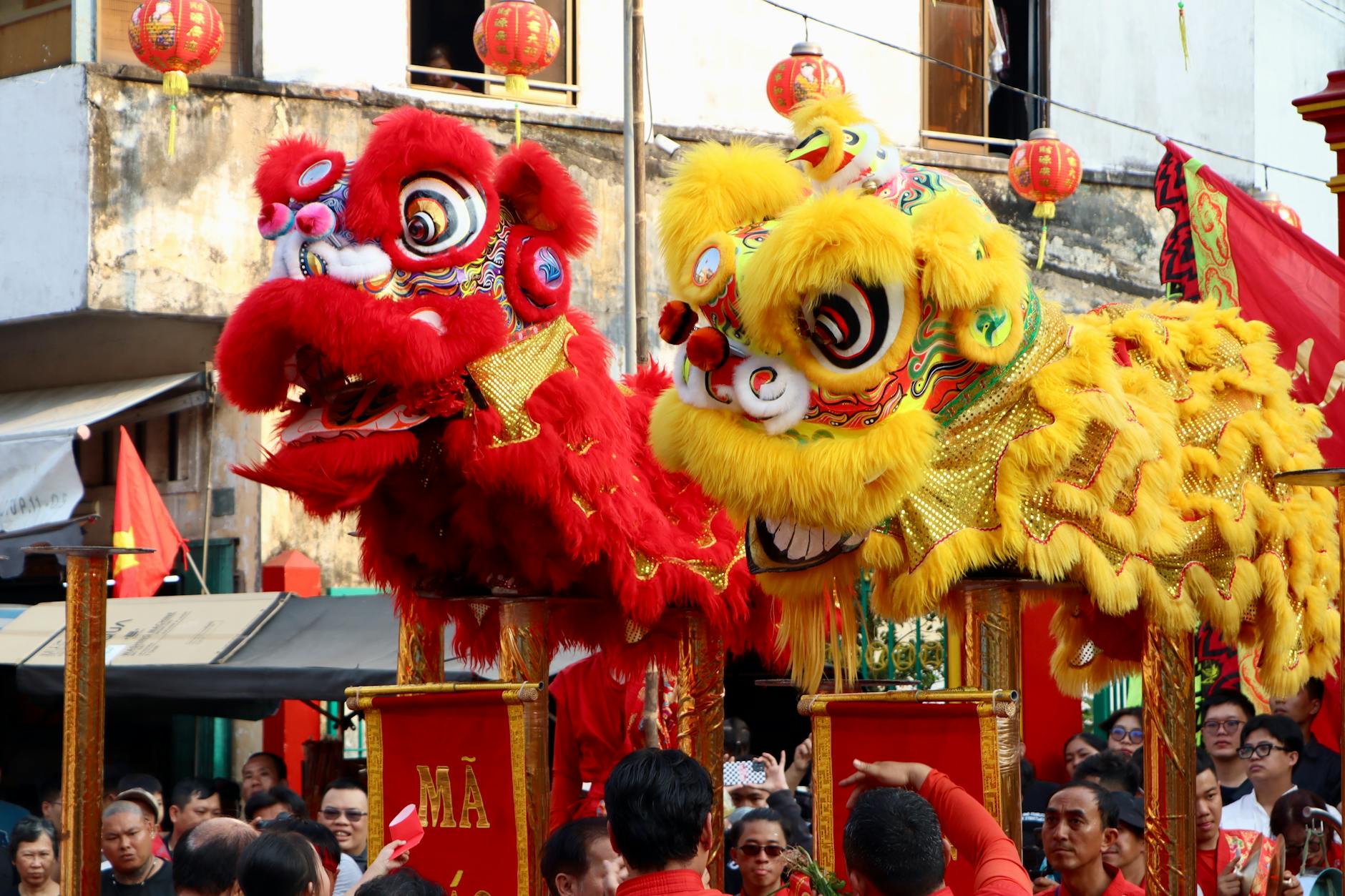
I Stood in Chinatown as a 40-Foot Dragon Weaved Past Me — Here's Why Lunar New Year in Thailand Feels Different From Anywhere Else
Celebrate Chinese New Year in Thailand with vibrant parades, lion dances, and feasts. Discover Bangkok's Chinatown, Phuket's Old Town, and the best Chinese temples for an unforgettable lunar new year.
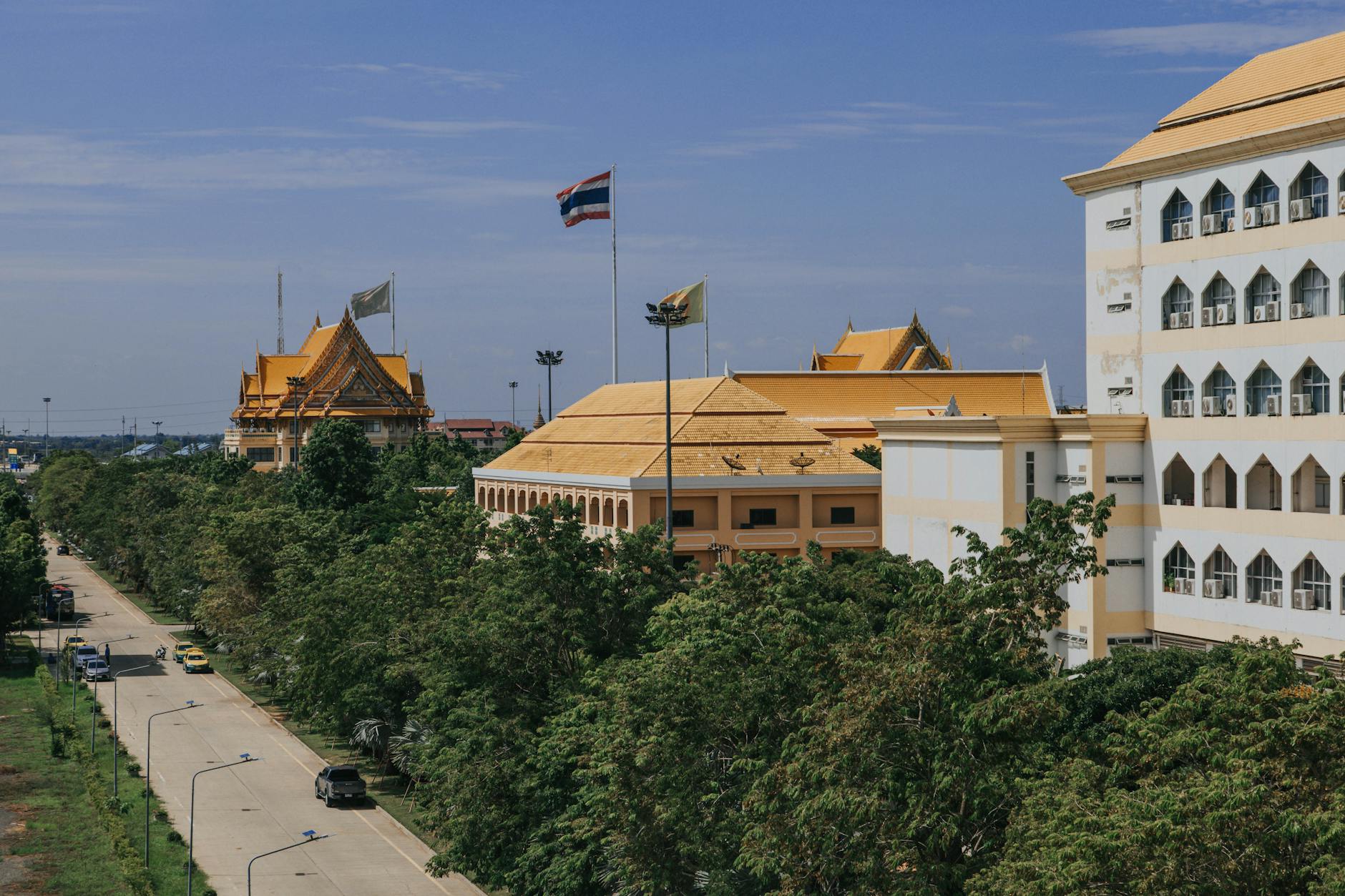
100,000 Candles and Zero Noise: The Most Unfathomable Night I've Spent in Thailand
Experience the King's Birthday in Thailand — a national celebration of monarchy, fatherhood, and unity. Yellow seas of loyal well-wishers, candlelit ceremonies, and Bangkok's grandest displays.
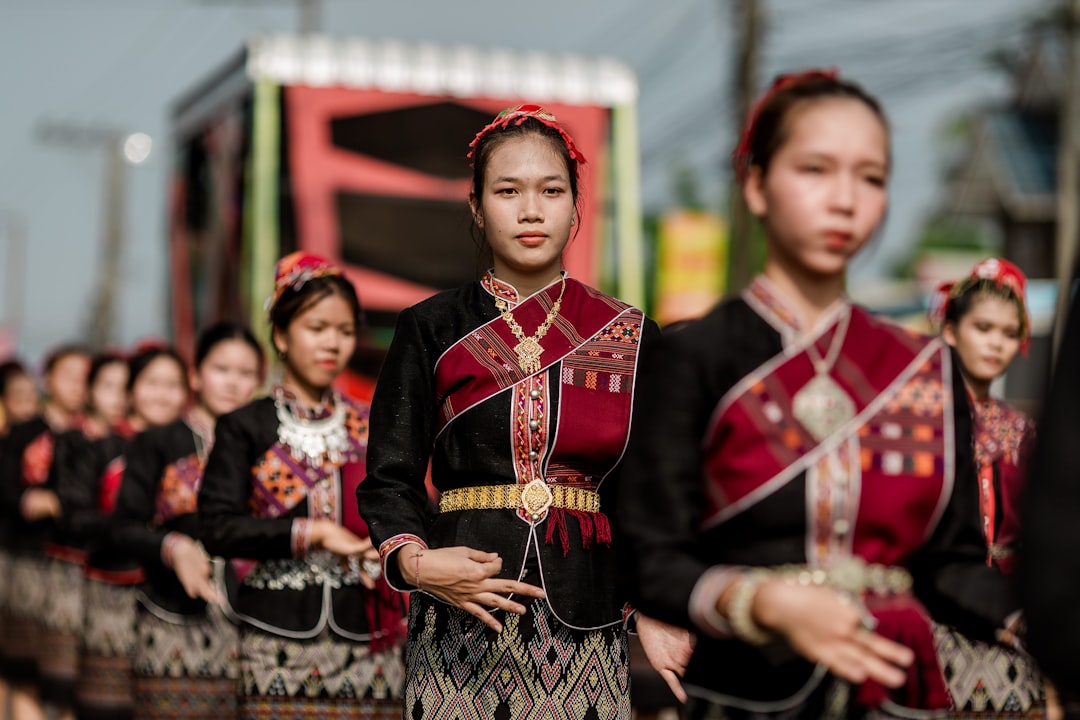
Why Arriving One Day Too Early Changed Everything (And How to Avoid the Same Fate)
Plan your Thailand trip around the country's best festivals with this complete month-by-month calendar. From Songkran's water fights to Loy Krathong's lanterns — never miss a celebration again.
The Day Buddha Spoke for the First Time — and How Thailand Still Marks It 2,500 Years Later
Discover Asahna Bucha Day and Khao Phansa, marking the beginning of Buddhist Lent in Thailand. Learn about candle festivals, monk retreats, and how travelers can respectfully participate.