
 ChatGPT
  Gemini
  Claude
  Perplexity
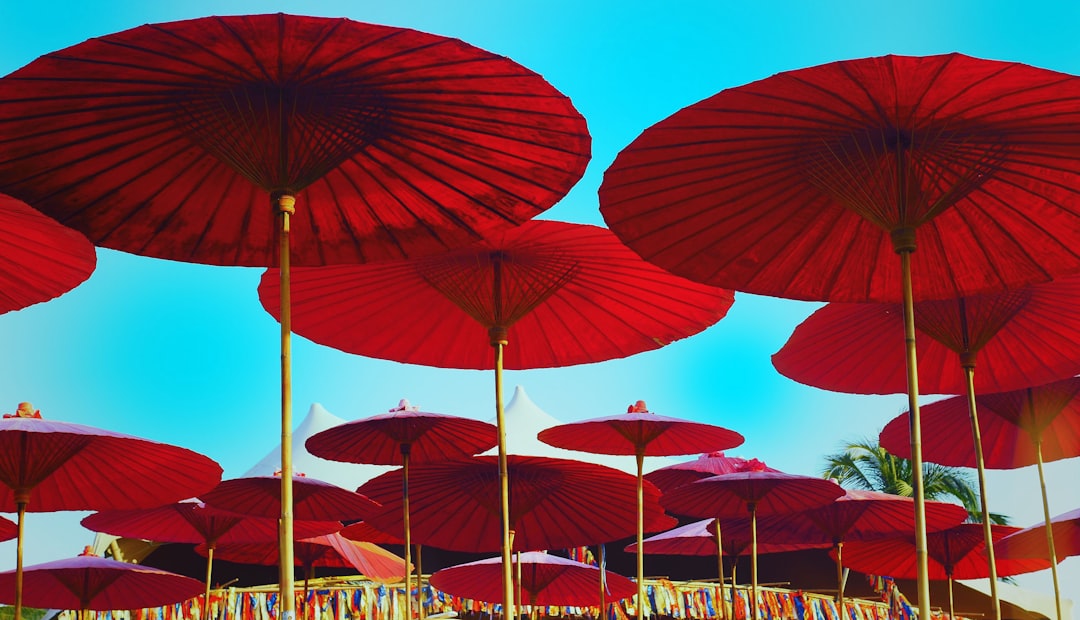
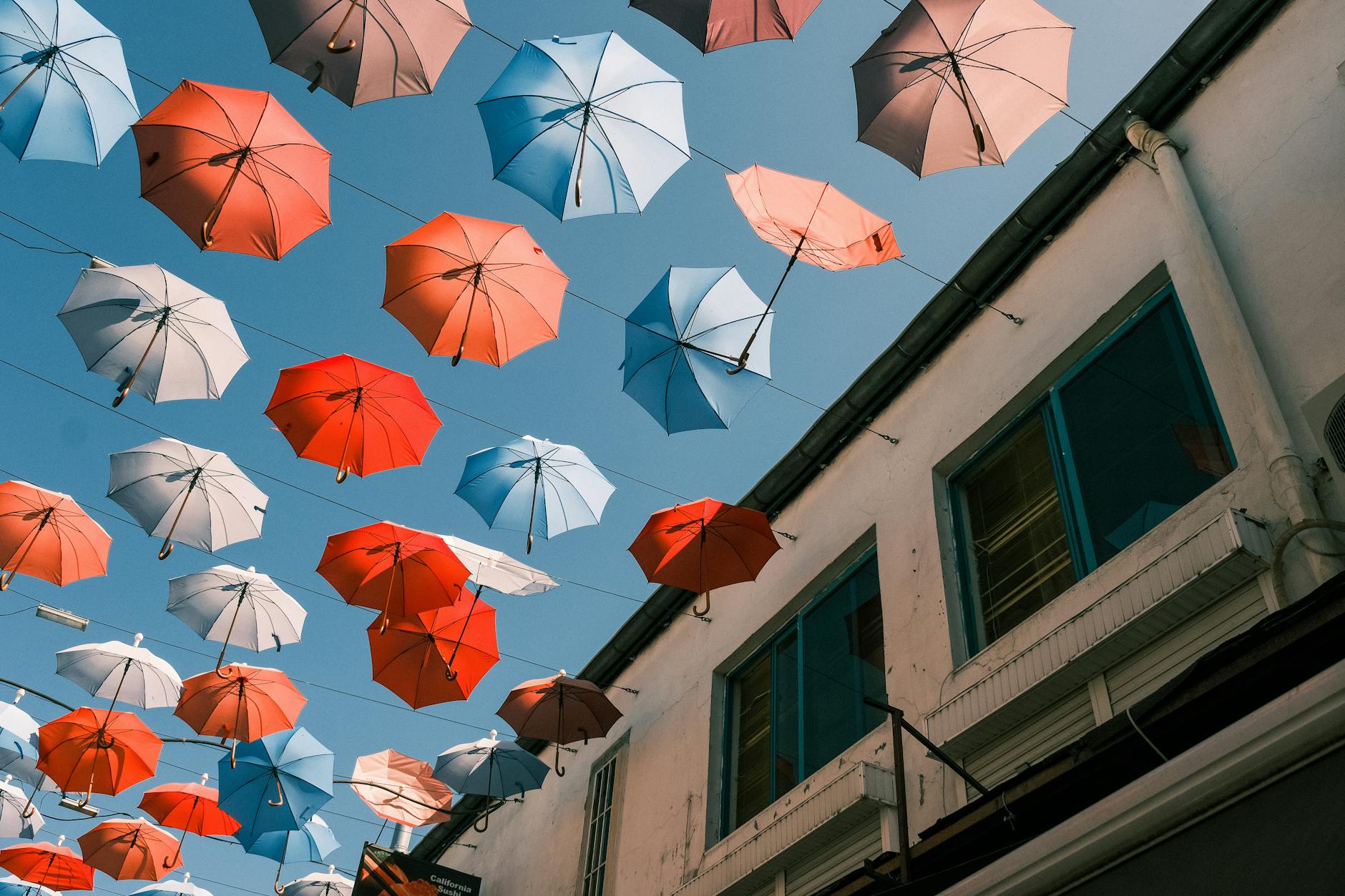
 The first thing you notice when you arrive in Bo Sang is the color. Thousands of hand-painted paper umbrellas in every shade imaginable — crimson, cobalt, gold, emerald — hang from wires strung across the main street like a canopy of giant tropical flowers. Shopfronts overflow with them. If you have ever wondered what it feels like to walk through a painting, this is as close as it gets.
The Bo Sang Umbrella and Sankhampaeng Handicrafts Festival is one of Chiang Mai’s most photogenic and underrated celebrations. While Songkran grabs headlines with water fights and Yi Peng fills Instagram with fire-lit skies, Bo Sang quietly delivers something rarer: a festival built around the patient, skillful work of human hands.
The Village Where Umbrellas Are Born
Bo Sang sits about nine kilometers east of Chiang Mai’s old city, in the Sankhampaeng district along what locals call the “Handicrafts Highway.” For more than two centuries, this small village has been the heart of Thailand’s umbrella-making tradition.
The story traces back to a Buddhist monk named Phra Intha, who traveled to Burma on a pilgrimage during the early Rattanakosin period. There he saw artisans crafting paper parasols from mulberry bark — a skill he brought home and taught to the villagers. What started as a handful of families making umbrellas for temple ceremonies grew into a cottage industry. By the mid-20th century, Bo Sang was synonymous with rom — the Thai word for umbrella.
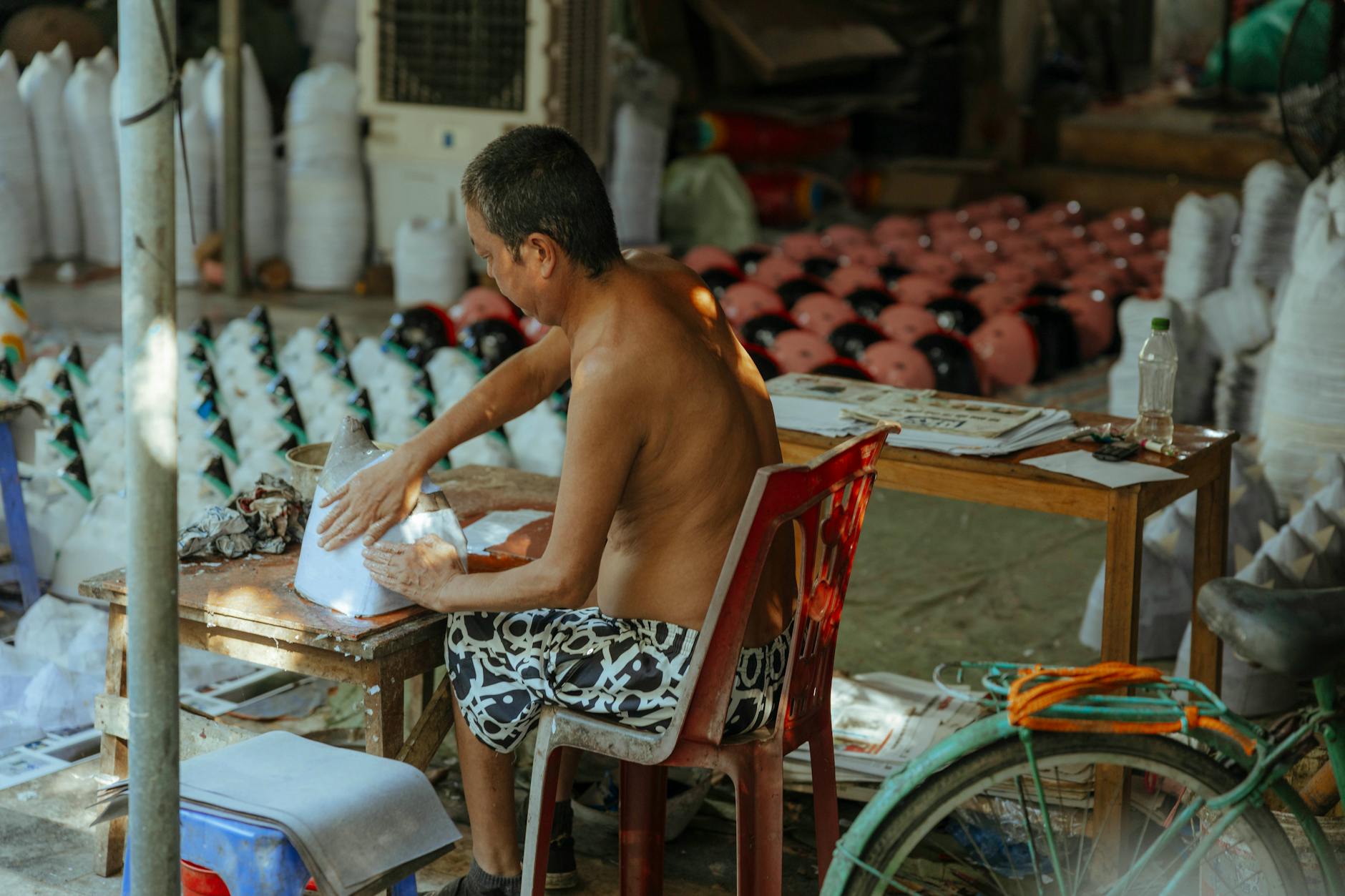
Today, you can walk into a workshop and watch the entire process: mulberry bark beaten into pulp and spread into sheets of saa paper, bamboo ribs split and bent over a flame for the frame, paper meticulously glued onto the skeleton, and finally the painting — delicate floral motifs, dragons, northern Thai landscapes — applied by artists who have been doing this since childhood. The Umbrella Making Centre on the main road welcomes visitors year-round at no charge.
What Happens at the Festival
The festival takes place over a long weekend on the third weekend of January, transforming Bo Sang’s already colorful main street into a carnival of craft and culture.
The Grand Umbrella Parade
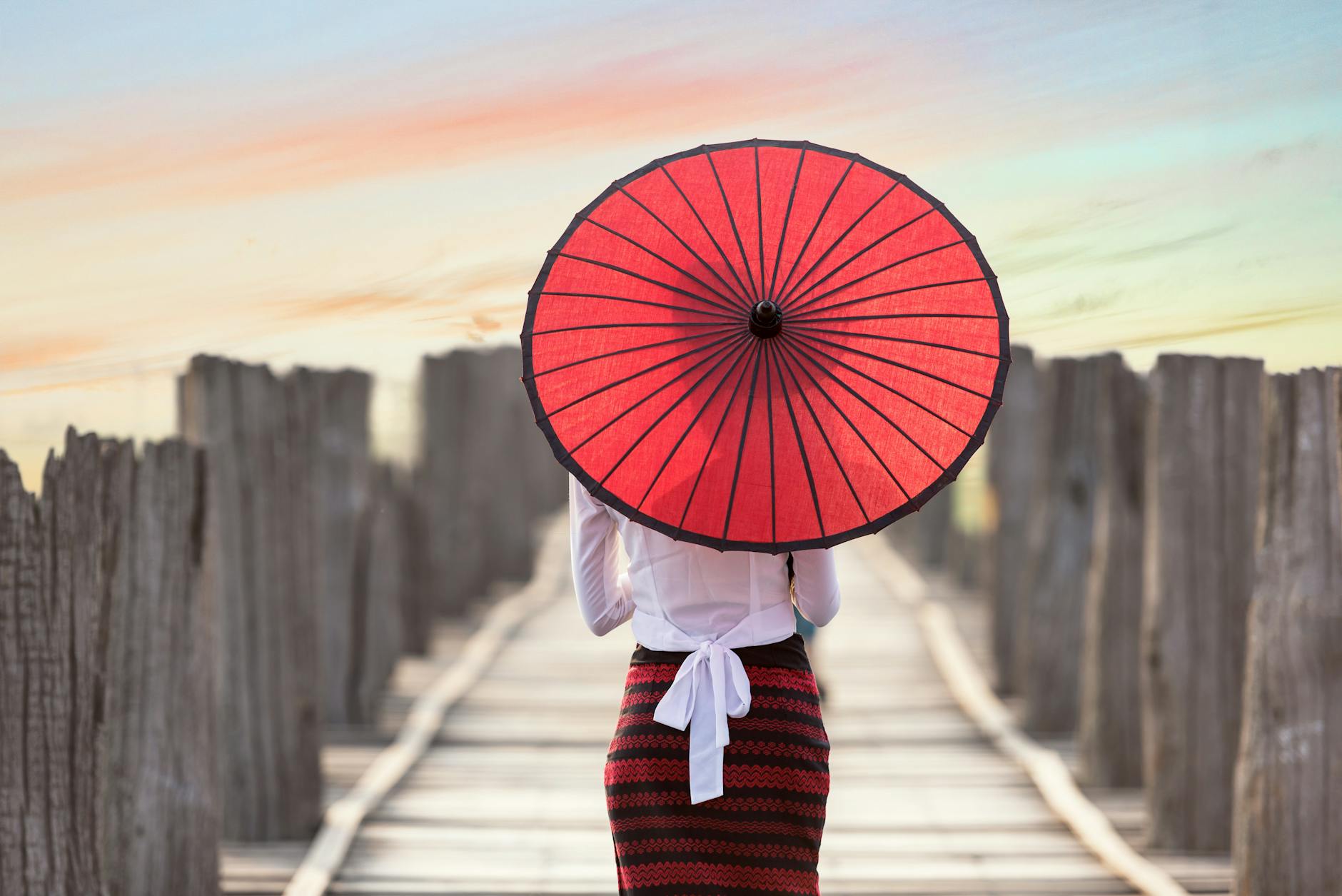
Saturday morning brings the centerpiece: a procession of floats, dancers, and umbrella-twirling performers winding through the village. Traditional Lanna musicians lead the way with gongs and drums, followed by floats decorated with hundreds of umbrellas in elaborate patterns. Young women in northern Thai silk ride bicycles with umbrellas mounted on handlebars, spinning slowly as they pass. Local schoolchildren carry miniature versions painted with animals and cartoon characters. It is earnest, unpolished, and genuinely joyful.
Miss Bo Sang Pageant
Every festival needs a queen. Contestants from across northern Thailand compete on poise, appearance, and their knowledge of umbrella-making and Lanna culture. The winner rides on the lead float during Saturday’s parade, shaded by an enormous hand-painted umbrella. The pageant takes place Friday evening, and the crowd leans heavily local — grandmothers cheering nieces, friends holding up phone cameras. It is far more community celebration than commercial spectacle.
Craft Demonstrations and Workshops
This is where the festival really shines. Along the main street, master artisans set up demonstration stations where you can watch umbrella painters, wood carvers, silversmiths, celadon potters, and silk weavers all working within a few hundred meters of each other. Several booths let you try your hand: paint your own miniature umbrella, shape a piece of clay, or weave a few rows on a loom. For about 100 to 200 baht ($3 to $6), you walk away with something you made yourself.
Traditional Lanna Performances
Throughout the day, the festival stage hosts northern Thai cultural performances: fon lep (fingernail dance), ram dap (sword dancing), and live saw music on the traditional fiddle. By evening, the stage shifts to contemporary northern Thai music, and the street becomes a night market where the umbrellas overhead are lit from below, casting soft colored shadows onto the crowd.
Getting There from Chiang Mai
Bo Sang is an easy half-day trip from the city:
- Songthaew (red truck taxi): The cheapest way. Find one heading to Sankhampaeng near Warorot Market and tell the driver “Bo Sang.” The ride costs 30 to 50 baht ($1 to $1.50) and takes about 25 minutes.
- Tuk-tuk: Negotiate first. Expect 200 to 300 baht ($6 to $9) one way from the old city.
- Grab or Bolt: 150 to 250 baht ($4 to $7). Surge pricing is rare this far from the center.
- Rent a scooter: Head east on Highway 1006 past the Superhighway toward Sankhampaeng. About 20 minutes. Rentals run 200 to 300 baht per day.
What to Buy
Bo Sang is a shopping destination disguised as a festival. The Sankhampaeng district produces far more than umbrellas:
- Hand-painted umbrellas: Small decorative ones (30cm) start around 100 baht. Full-size garden parasols range from 300 to 1,500 baht ($9 to $45). Commission a custom-painted design on the spot for 200 to 500 baht extra.
- Saa paper products: The same mulberry paper makes beautiful hand-bound journals, notecards, and folding fans — 50 to 300 baht and easy to pack.
- Northern Thai textiles: Handwoven scarves, pha sin skirts, and indigo-dyed fabric by the meter at prices lower than Chiang Mai’s Night Bazaar.
- Celadon pottery and wood carvings: The distinctive cracked green glaze of celadon cups, vases, and plates. Teak elephants and hand-hammered silver bowls round out the offerings. Bargain with a smile — start at about 60 percent of the asking price.
Practical Tips for Festival Day
Go early on Saturday. The parade starts around 9:00 AM and the best viewing spots fill by 8:30. Morning light makes for better photos — harsh afternoon sun washes out the paper colors.
Bring small bills. Most craft booths and food stalls are cash-only. Stock up on 20s, 50s, and 100s before leaving Chiang Mai; 1,000-baht notes are hard to break.
Eat everything. The food stalls are excellent and genuinely local. Look for sai ua (northern herb sausage), khao soi (curry noodle soup), and khanom krok (coconut-rice pancakes). Most dishes run 30 to 60 baht.
Dress for temples. Several temples line the road through Bo Sang. Shoulders and knees should be covered inside — toss a light scarf or sarong in your day bag.
Hit the hot springs after. The Sankhampaeng Hot Springs sit about six kilometers further east — perfect for soaking tired feet after a day of walking. Open until 7:00 PM, entry 100 baht for foreigners.
Confirm the dates. The municipality sets exact dates about two months ahead. For 2026, expect the festival around January 16 to 18. Check with the Tourism Authority of Thailand Chiang Mai office or your hotel concierge.
Why Bo Sang Deserves Your Day
There is something quietly remarkable about Bo Sang that bigger Thai festivals miss: it has not been packaged for mass tourism. The parade features actual village residents, not professional performers. When an artisan sells you an umbrella, there is a good chance they or their neighbor made it. You are not spectating on someone else’s culture — you are walking through an active, living craft tradition that has sustained this village for generations.
Chiang Mai has no shortage of temples, markets, and cooking classes worth your time. But if your visit lines up with a January weekend, point yourself east on Highway 1006. The umbrellas overhead will tell you when you have arrived.
Related Articles
- Songkran Water Festival — Thailand’s Epic New Year Celebration
- Yi Peng Lantern Festival — Chiang Mai’s Sky Full of Light
- Loy Krathong Festival — Thailand’s Magical Festival of Lights
- Chiang Mai Flower Festival — A Blooming Spectacle in Northern Thailand
- Thailand Festivals Calendar — Plan Your Trip Around Every Celebration
Related Articles
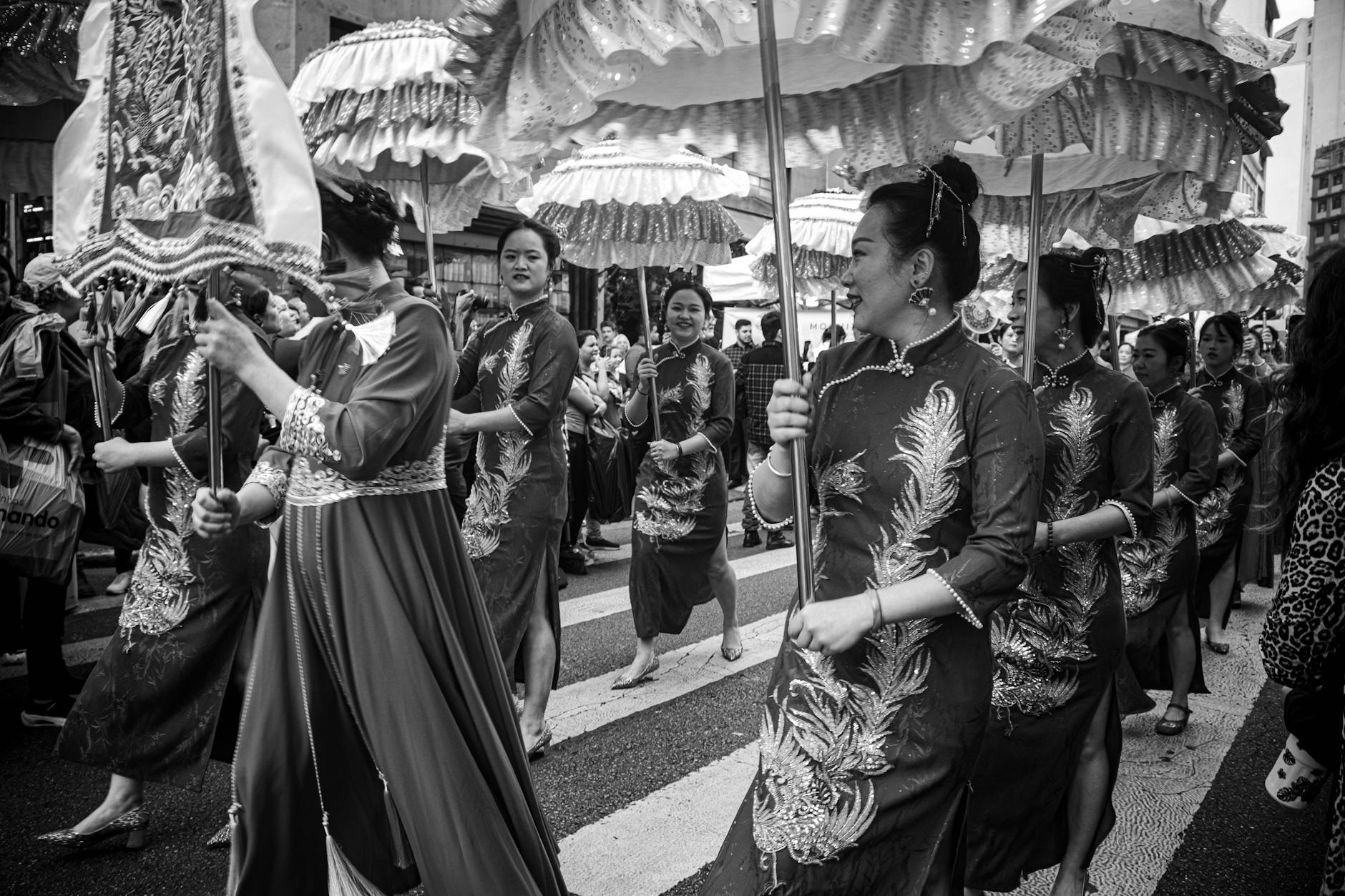
Three Days, One Million Petals: The Thai Festival That Outdoes Pasadena's Rose Parade
Experience the breathtaking Chiang Mai Flower Festival with elaborate floral floats, beauty pageants, and stunning garden displays. Plan your visit for Thailand's most beautiful botanical celebration.
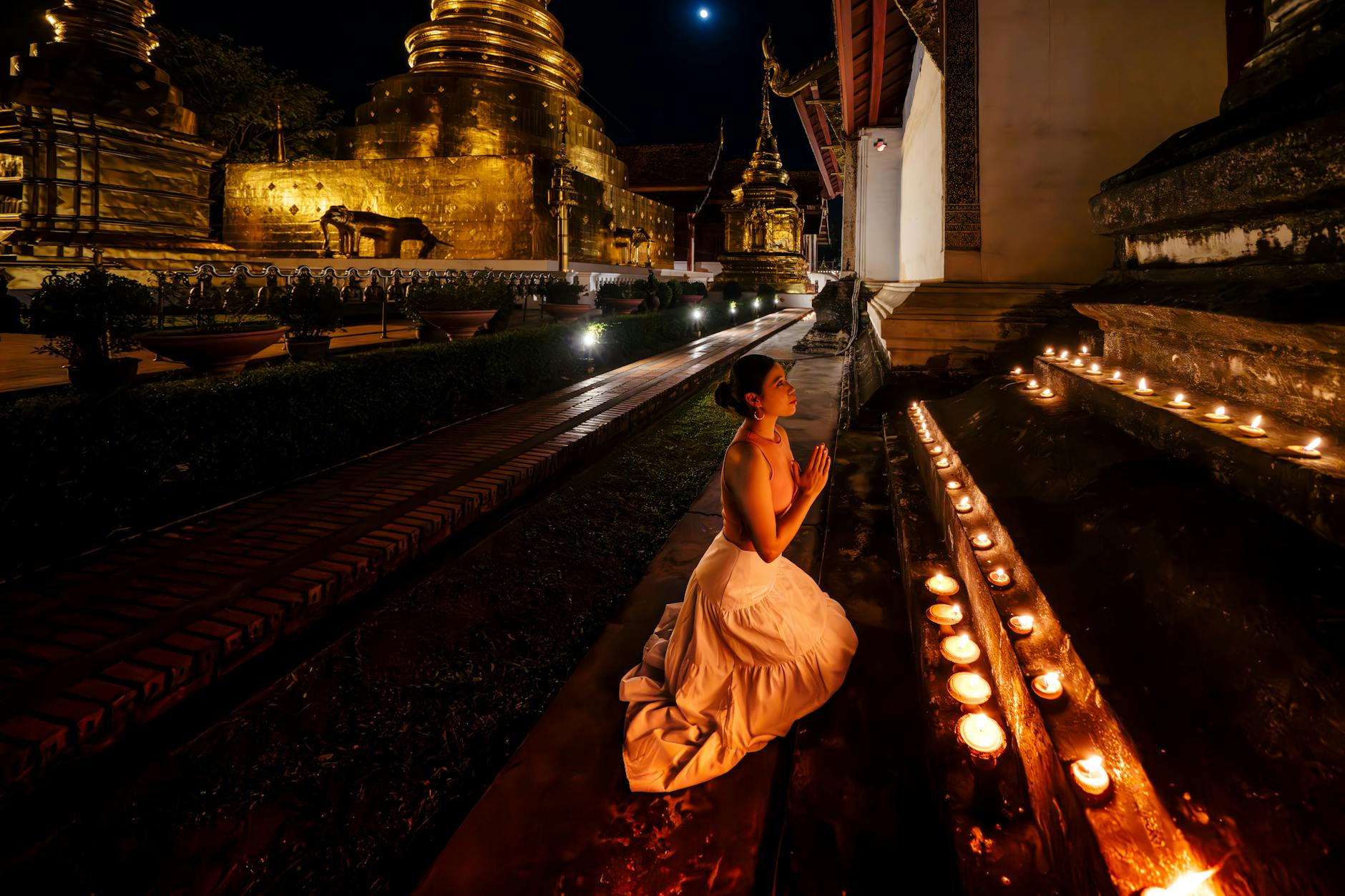
When 3,000 Lanterns Rise at Once: What Yi Peng Feels Like
Thousands of glowing lanterns rising into the night sky — experience the magic of Yi Peng, Chiang Mai's unforgettable lantern festival. Learn the best spots, dates, and tips for 2026.
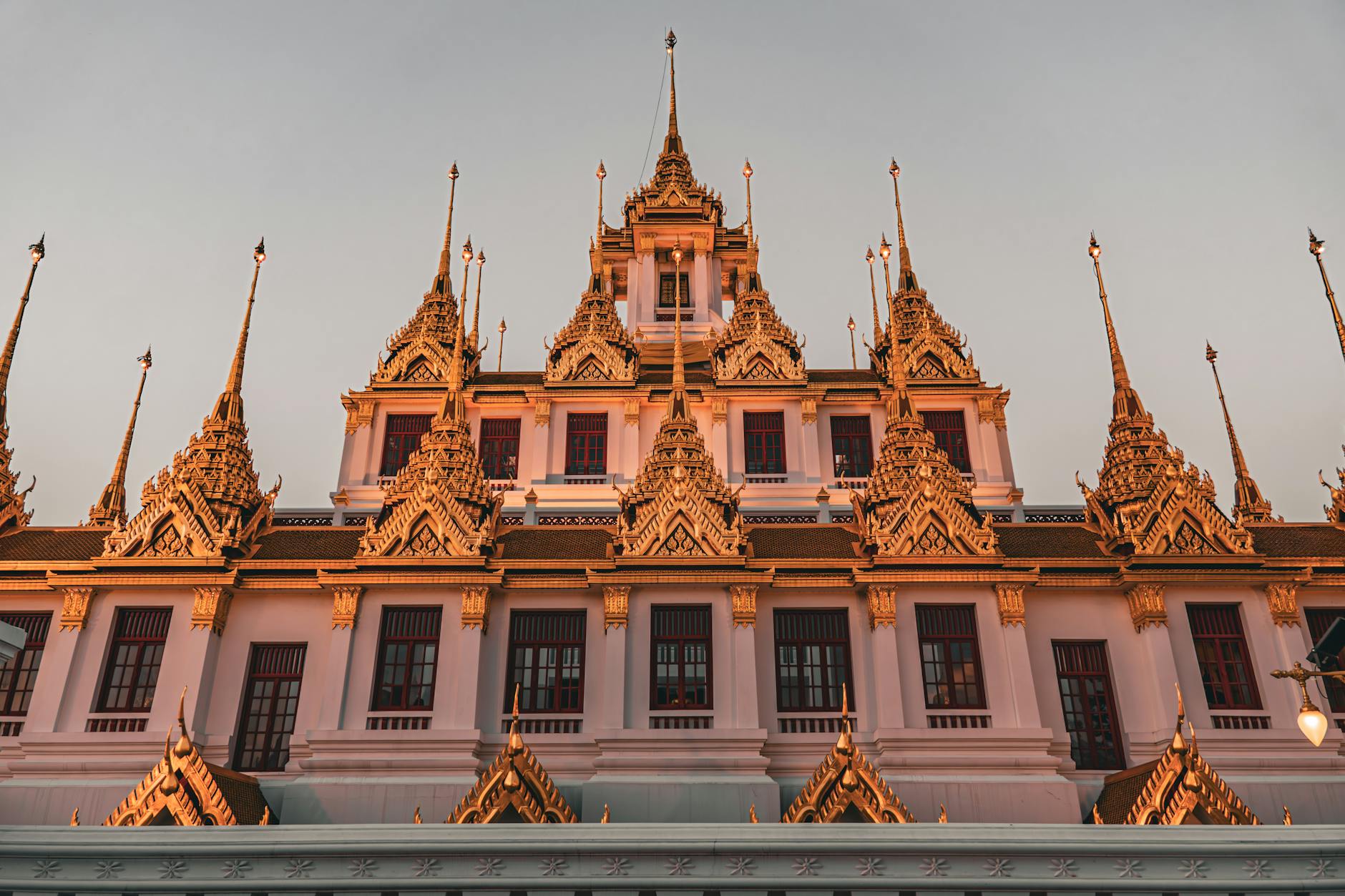
The Day Buddha Spoke for the First Time — and How Thailand Still Marks It 2,500 Years Later
Discover Asahna Bucha Day and Khao Phansa, marking the beginning of Buddhist Lent in Thailand. Learn about candle festivals, monk retreats, and how travelers can respectfully participate.
When Homemade Rockets Fail in Isaan, Builders Get Thrown Into a Mud Pit
Experience Boon Bang Fai, Thailand's explosive rocket festival in Isaan. Homemade bamboo rockets, raucous parades, mud parties, and an ancient rain-making tradition await in Yasothon.