
 ChatGPT
  Gemini
  Claude
  Perplexity
 Picture a parade float gliding past you that is not painted to look like a dragon — it is a dragon, every scale and whisker formed from thousands of yellow chrysanthemums. Behind it comes a shimmering elephant sculpted entirely from orchids, then a phoenix whose tail feathers trail ten meters behind in a cascade of red roses and white jasmine. This is the Chiang Mai Flower Festival, and for three days every February, it transforms northern Thailand’s cultural capital into one of the most vivid, fragrant, and joyous celebrations in Southeast Asia.
Held annually on the first full weekend of February, the Chiang Mai Flower Festival (Maha Kachan) has been a beloved tradition since 1977. It is Thailand’s answer to Pasadena’s Rose Parade — and in many ways, it surpasses it. Where else can you experience world-class floral artistry set against a backdrop of ancient Lanna temples, misty mountain ranges, and some of the most pleasant weather Thailand has to offer?
I have attended the festival three times now, and each visit has revealed something new: a flower I had never seen before, a float more intricate than the previous year’s, a quiet moment in the park when the crowds thinned and the blooms simply spoke for themselves. Here is everything you need to know to experience it for yourself.
What Is the Chiang Mai Flower Festival?
The Chiang Mai Flower Festival is a three-day event that kicks off on the first Friday of February and runs through Sunday. It was created in 1977 by the Tourism Authority of Thailand and the Chiang Mai municipality to celebrate the region’s extraordinary floriculture industry and to attract visitors during the cool, temperate month when the province’s gardens are at their absolute peak.
Chiang Mai sits in a fertile valley ringed by mountains, and its climate makes it one of the world’s premier flower-growing regions. The hillsides around Doi Suthep, Mae Rim, and San Sai bloom with commercial flower farms producing roses, chrysanthemums, orchids, gerberas, and countless other varieties. This is not just a festival — it is a showcase of an industry that sustains thousands of local families and has earned Chiang Mai its enduring nickname: “the Rose of the North.”
The Three-Day Schedule
The festival unfolds across three distinct phases, each offering a different experience:
-
Friday (Opening Day): The city officially inaugurates the festival at Nong Bua Hat (Bua Hat Public Park), located near the foot of Doi Suthep. This is where the highly competitive flower arrangement contest takes place. Florists, garden designers, and hobbyists from across northern Thailand present their most ambitious living installations. You will see vertical gardens, miniature Lanna-style landscapes, Ikebana-inspired minimalist arrangements, and elaborate sculptures carved from vegetation.
-
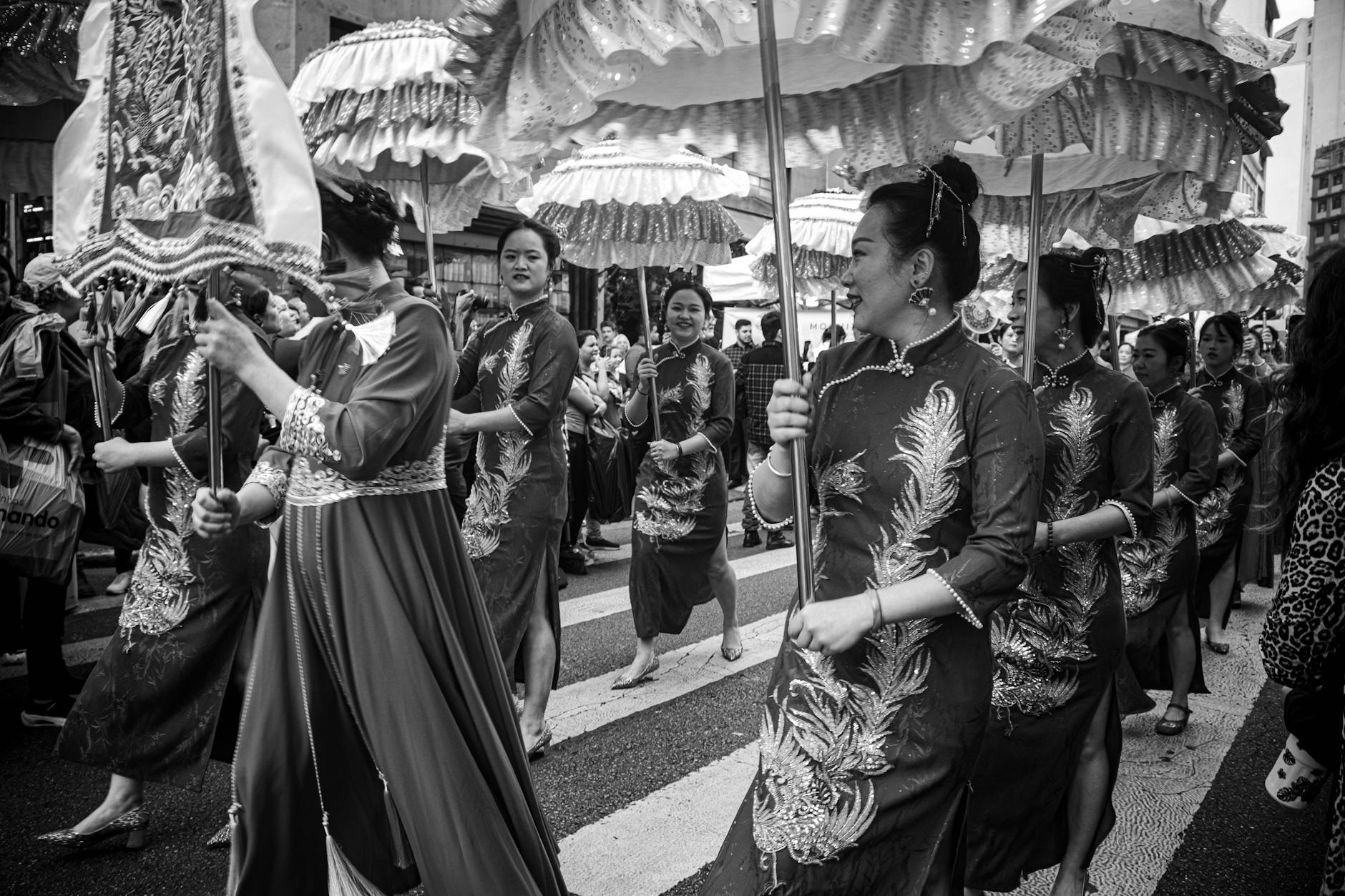
Saturday (Parade Day): This is the main event. Starting around 8:00 AM, the grand parade rolls from Nawarat Bridge on the Ping River, along Charoen Muang Road, and then through the heart of the old city. Over two dozen floats — each painstakingly covered in fresh flowers — make their way through streets lined with tens of thousands of spectators. Each float represents a different district, organization, or theme, and the competition among float-builders is fierce. Following the floats are marching bands, traditional Lanna dance troupes in elaborate costumes, and the contestants of the Miss Flower Festival beauty pageant riding in open-topped vintage cars.
-
Sunday (Park Display Day): The decorated floats are parked at Suan Buak Hat (Buak Hat Public Park) in the southwest corner of the old city, where they remain on display all day. This is your chance to walk right up to them, photograph the extraordinary floral detail up close, and explore the sprawling flower market that fills the park. The Miss Flower Festival pageant also holds its final round and crowning ceremony here.
The Parade: A Moving Garden of Wonders
Saturday’s grand parade is the undisputed highlight, and it deserves a section of its own. Floats are constructed over months by teams of artisans who begin work as early as November. Each float uses an estimated 50,000 to 100,000 individual flower heads, all individually pinned or glued onto wire-and-papier-mâché frameworks.
The results are staggering. I have seen a ten-meter-long golden naga serpent whose entire body shimmered with yellow marigolds, a full-scale elephant covered in purple and white orchids, and a life-sized Lanna-style royal barge whose every carved detail was recreated in petals. The floats compete for prizes across multiple categories, including Best Overall Design, Most Creative, and Best Use of Native Thai Flowers.
The parade itself is a sensory overload in the best way: the scent of fresh flowers mixes with the aroma of street-side food stalls frying garlic pork and grilling sai ua (Chiang Mai sausage). Traditional Lanna music drifts from loudspeakers. Children perch on their parents’ shoulders, and every few minutes a float pauses so its accompanying dance troupe can perform — girls in gold-threaded traditional dress moving through slow, graceful hand gestures as flowers cascade around them.
Nong Bua Hat and the Flower Arrangement Contest
Before the parade, the festival’s competitive heart beats at Nong Bua Hat, a lake-and-park complex at the base of Doi Suthep. The flower arrangement contest held here on Friday draws master florists from across the region, and the creativity on display is breathtaking.
I watched one team build an entire waterfall out of blue hydrangeas and white baby’s breath, water cascading down into a pool of floating lotus blooms. Another contestant constructed a two-meter-tall peacock from bird-of-paradise flowers, with his tail fan constructed from hundreds of individually placed rose petals. These are not arrangements you put on a dining table — they are architectural feats executed in living material.
The contest is judged on creativity, technical execution, use of native Thai flowers, and adherence to a yearly theme announced by the festival committee. If you have any interest in gardening, floral design, or even just stunning visual art, Friday at Nong Bua Hat is unmissable.
Miss Flower Festival and the Beauty Pageant
Like the Bo Sang Umbrella Festival and many other Thai festivals, the Chiang Mai Flower Festival includes a beauty pageant: Miss Flower Festival (Nang Phraya Suea Krong). Contestants from across northern Thailand compete in both traditional Lanna dress and contemporary evening wear, and the winner rides on the lead float during Saturday’s parade before being crowned at Suan Buak Hat on Sunday.
The pageant is not merely about appearances. Contestants are judged on their knowledge of Thai floriculture, Lanna culture, and the festival’s history. It is a tradition that dates back to the festival’s founding and connects directly to Thailand’s broader custom of festival queens — a practice with roots in the ancient legend of Nang Noppamas during the Sukhothai era.
What Flowers Bloom in Chiang Mai in February?
February is arguably the most beautiful month in Chiang Mai. The rainy season is long gone, the air is cool and dry, and everything is in bloom. Here are the flowers you will see everywhere during the festival:
-
Roses — The flower that gave Chiang Mai its nickname. Large, fragrant, and available in every color, roses dominate the floats and park displays. The cool-season roses grown in the Mae Rim and Samoeng valleys are world-class.
-
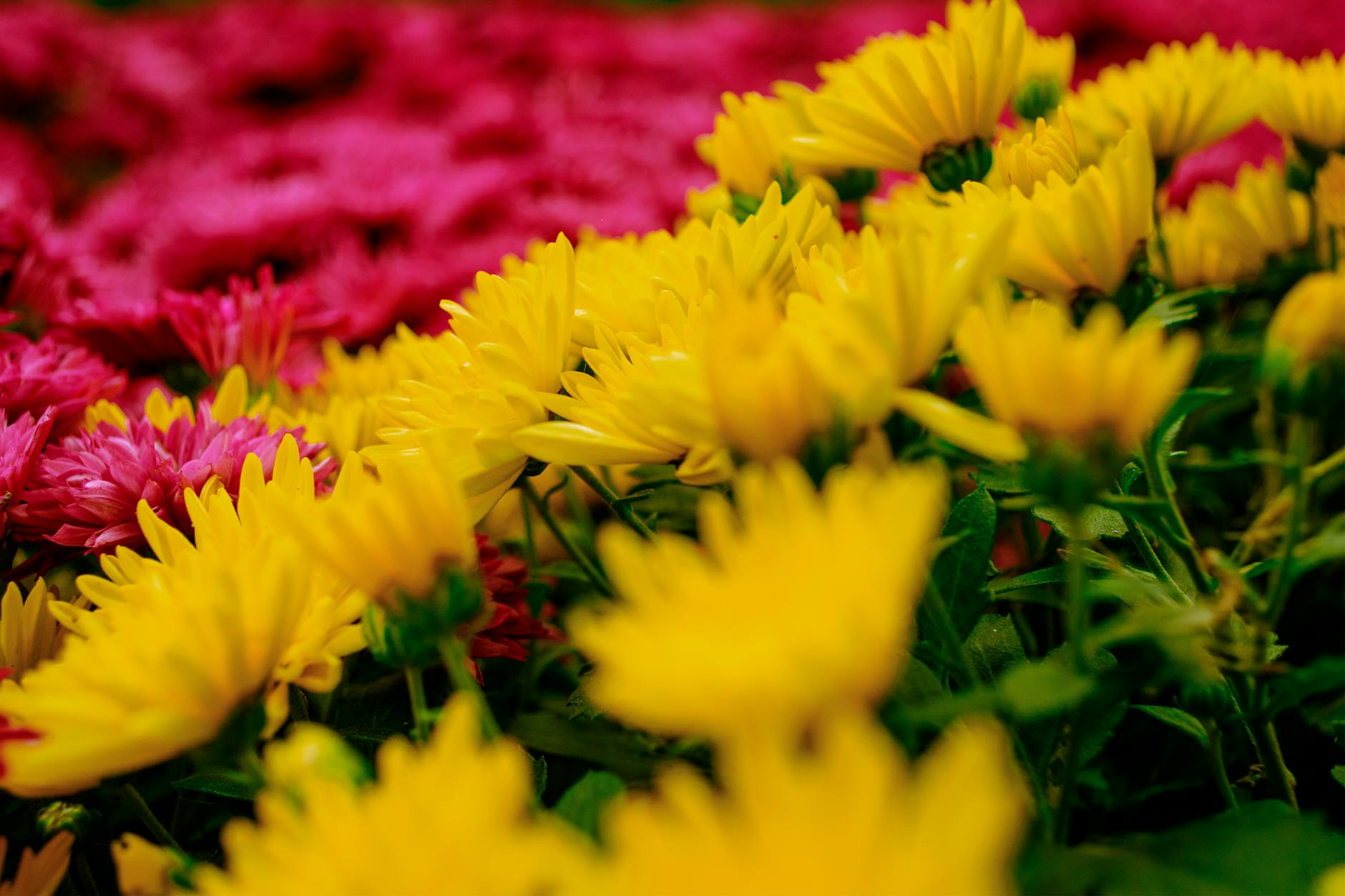
Chrysanthemums — The workhorse of the festival. Available in yellow, white, orange, and deep burgundy, chrysanthemums are used to create the solid-color “skin” of float sculptures because of their dense, uniform blooms.
-
Orchids — Thailand is one of the world’s leading orchid exporters, and Chiang Mai’s orchid farms are world-renowned. Dendrobium, vanda, and cattleya orchids appear on virtually every float and arrangement.
-
Marigolds — Bright orange-yellow marigolds are culturally significant in Thailand, associated with merit-making and temple offerings. They are used extensively on floats and in temple-adjacent displays.
-
Gerberas and Lilies — Brought down from the highland farms, these add splashes of pink, red, and white across the displays.
-
Tulips — A relative newcomer, but increasingly popular. The Royal Project’s highland agricultural stations near Doi Inthanon have successfully cultivated tulips, and a few make their way into festival displays each year.
February is also when Chiang Mai’s pink trumpet trees (tabebuia rosea) bloom across the city, carpeting sidewalks and temple courtyards in soft pink petals. You will find them at their most photogenic around the old city moat and at Wat Phra Singh.
Where to See the Festival
The festival takes place across three main zones, all within easy reach of each other:
| Location | What Happens Here | Best Day to Visit |
|---|---|---|
| Nawarat Bridge to Tha Phae Gate | Grand parade route; the best viewing spots are along Charoen Muang Road and Tha Phae Road | Saturday morning |
| Suan Buak Hat (Buak Hat Public Park) | Float display, flower market, Miss Flower Festival finals | Sunday |
| Nong Bua Hat (Bua Hat Public Park) | Flower arrangement contest, garden exhibitions | Friday |
All three locations are accessible by songthaew (red truck taxi), tuk-tuk, or Grab. Suan Buak Hat is inside the old city moat, a short walk from the Chiang Mai Gate area. Nong Bua Hat is a 15-minute drive west of the old city toward Doi Suthep.
Practical Tips for Attending
Having navigated the festival multiple times, here is what I wish someone had told me before my first visit:
Arrive early for the parade. The parade officially starts at 8:00 AM, but the best viewing spots along Charoen Muang Road fill up by 7:00 AM. Locals bring folding chairs and claim their spots with the quiet efficiency of people who have done this for decades. Join them early, grab a coffee from a street vendor, and watch the floats being given their final flower touch-ups before rolling out.
Choose your parade spot strategically. The stretch between Nawarat Bridge and the intersection with Tha Phae Road offers the most space and the best light for photography, as the sun will be behind you in the morning. Avoid standing directly at Tha Phae Gate — it is the most congested point on the route. East of the gate, along Charoen Muang Road, tends to be slightly less crowded.
The weather is glorious — but prepare for it. February in Chiang Mai means daytime temperatures of 28–30°C (82–86°F) with low humidity, dropping to a cool 14–16°C (57–61°F) at night. The sun during the parade is strong, so bring a hat, sunglasses, and sunscreen. The evenings at the parks are pleasantly cool — a light jacket or wrap is not unwelcome.
Wear comfortable walking shoes. You will be on your feet for hours, whether following the parade, exploring the park displays, or wandering the flower market. The festival grounds are mostly paved paths, but Suan Buak Hat has grassy areas that can be soft.
Bring cash in small bills. The flower market at Suan Buak Hat is a great place to buy cut flowers, potted plants, and orchid saplings at farm-direct prices. Street food vendors around the parade route and parks overwhelmingly operate in cash. ATMs are available near the parks, but queues form quickly.
Book accommodation inside or near the old city. The festival venues are all within or adjacent to the old city moat. Staying in the old city, Night Bazaar, or Riverside areas means you can walk to most events and avoid the festival traffic. Hotels fill up for the festival weekend — book at least a month ahead.
Respect the floats and displays. These are competition entries representing months of work. Do not climb on floats, pull off flowers as souvenirs, or push through roped-off display areas. The park security takes this seriously, and so should you.
The Rose of the North
Chiang Mai did not earn the nickname “Rose of the North” by accident. David Fleming MacIntyre, a British missionary and doctor working in Chiang Mai in the early 20th century, is often credited with popularizing the phrase after being struck by the city’s beauty, its cool climate, and the profusion of roses growing in gardens throughout the valley. The name stuck, and today it encapsulates everything the flower festival celebrates: a city that has made flowers central to its identity, economy, and sense of place.
Walking through Suan Buak Hat on the final day of the festival, surrounded by the scent of a million petals, with Doi Suthep rising green and gold in the distance, you understand exactly what MacIntyre meant. The flower festival is not just a showcase for Chiang Mai — it is a love letter written in blooms, sent every February, and open to anyone willing to receive it.
You may also like
- Bo Sang Umbrella Festival — Chiang Mai’s Colorful Craft Celebration
- Yi Peng Lantern Festival — Chiang Mai’s Sky Full of Light
- Songkran Water Festival — Thailand’s Epic New Year Celebration
- Makha Bucha Day — Thailand’s Most Sacred Buddhist Holiday
- Thailand Festivals Calendar — Plan Your Trip Around Every Celebration
Related Articles
Why Arriving One Day Too Early Changed Everything (And How to Avoid the Same Fate)
Plan your Thailand trip around the country's best festivals with this complete month-by-month calendar. From Songkran's water fights to Loy Krathong's lanterns — never miss a celebration again.
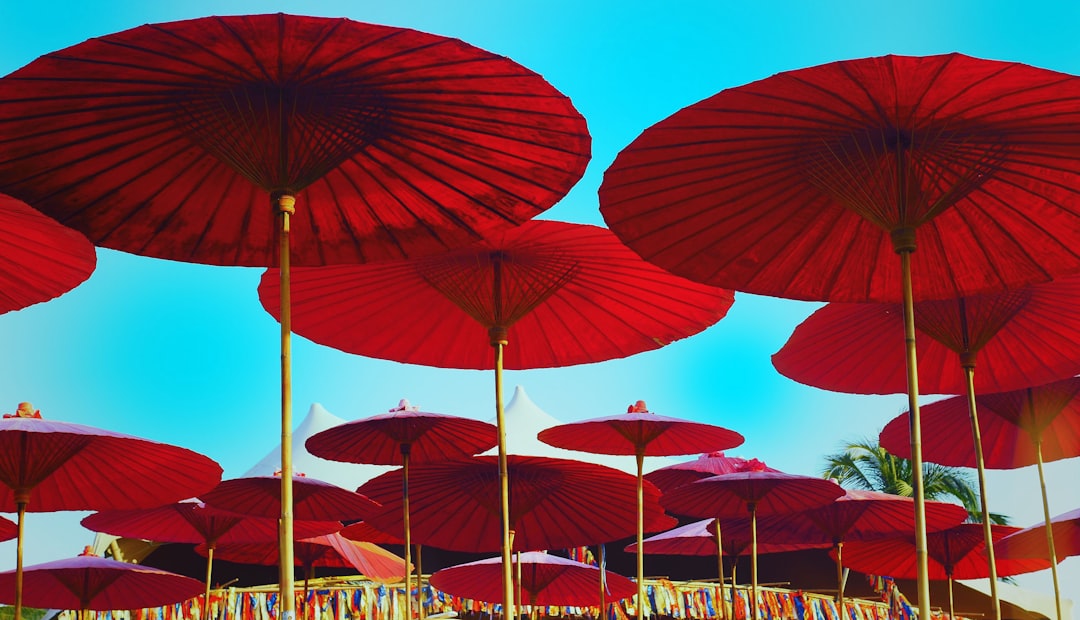
Walk Through a Painting: The Underrated Thai Festival Where Thousands of Handmade Umbrellas Form a Canopy Over Your Head
Discover the vibrant Bo Sang Umbrella and Sankhampaeng Handicrafts Festival in Chiang Mai. Colorful umbrella parades, traditional Lanna crafts, beauty pageants, and northern Thai culture await.
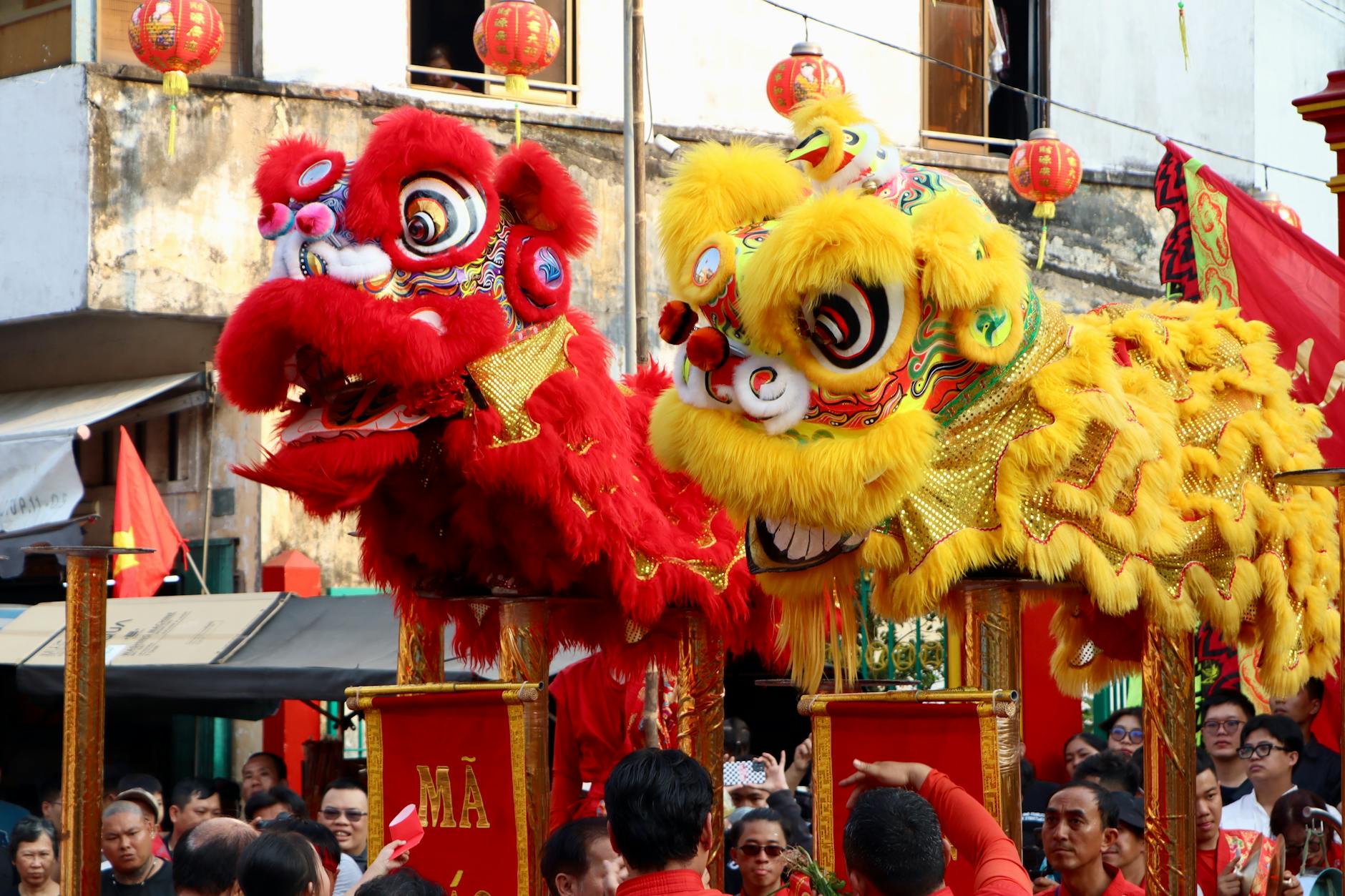
I Stood in Chinatown as a 40-Foot Dragon Weaved Past Me — Here's Why Lunar New Year in Thailand Feels Different From Anywhere Else
Celebrate Chinese New Year in Thailand with vibrant parades, lion dances, and feasts. Discover Bangkok's Chinatown, Phuket's Old Town, and the best Chinese temples for an unforgettable lunar new year.
100,000 Candles and Zero Noise: The Most Unfathomable Night I've Spent in Thailand
Experience the King's Birthday in Thailand — a national celebration of monarchy, fatherhood, and unity. Yellow seas of loyal well-wishers, candlelit ceremonies, and Bangkok's grandest displays.