 ChatGPT
  Gemini
  Claude
  Perplexity
 Key Takeaways
- Malaysia celebrates 16 major festivals throughout the year, reflecting its multicultural diversity
- Festival dates vary annually based on lunar and religious calendars
- Open houses are a unique Malaysian tradition where locals welcome visitors into their homes
- Public holidays can affect travel plans, so check dates before booking
- Each festival offers distinct culinary experiences, traditional performances, and cultural insights
January-February Festivals
Chinese New Year
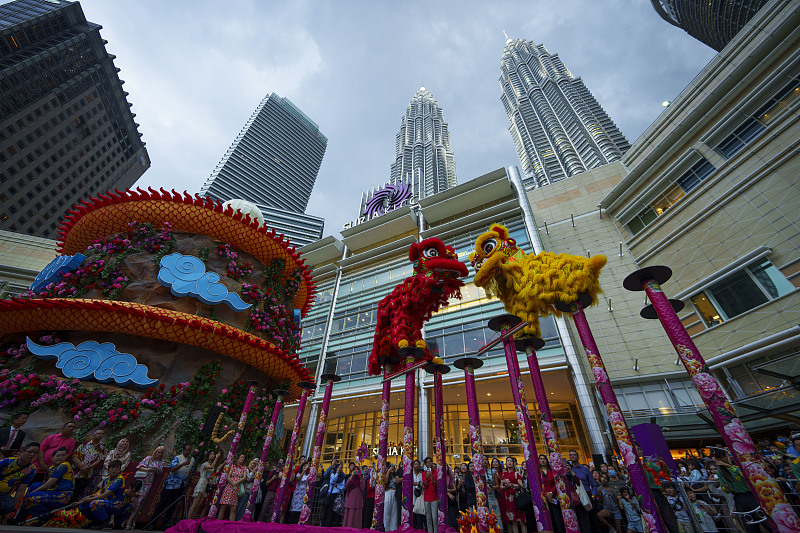
Chinese New Year, also known as Lunar New Year or Spring Festival, is the most significant celebration for Malaysia’s Chinese community. Based on the lunar calendar, dates vary between January 21 and February 20.
Duration: 15 days, with the first 3 days being public holidays
Key Highlights:
- Lion and dragon dances in public squares and shopping malls
- Ang pow (red envelopes) containing money given to children and unmarried adults
- Reunion dinner on Chinese New Year’s Eve brings families together
- Open houses where visitors enjoy traditional delicacies like pineapple tarts and bak kwa
Best Places to Experience:
- Petaling Street (Chinatown) in Kuala Lumpur
- George Town’s Chinese clan houses in Penang
- Kek Lok Si Temple decorations in Penang
Thaipusam
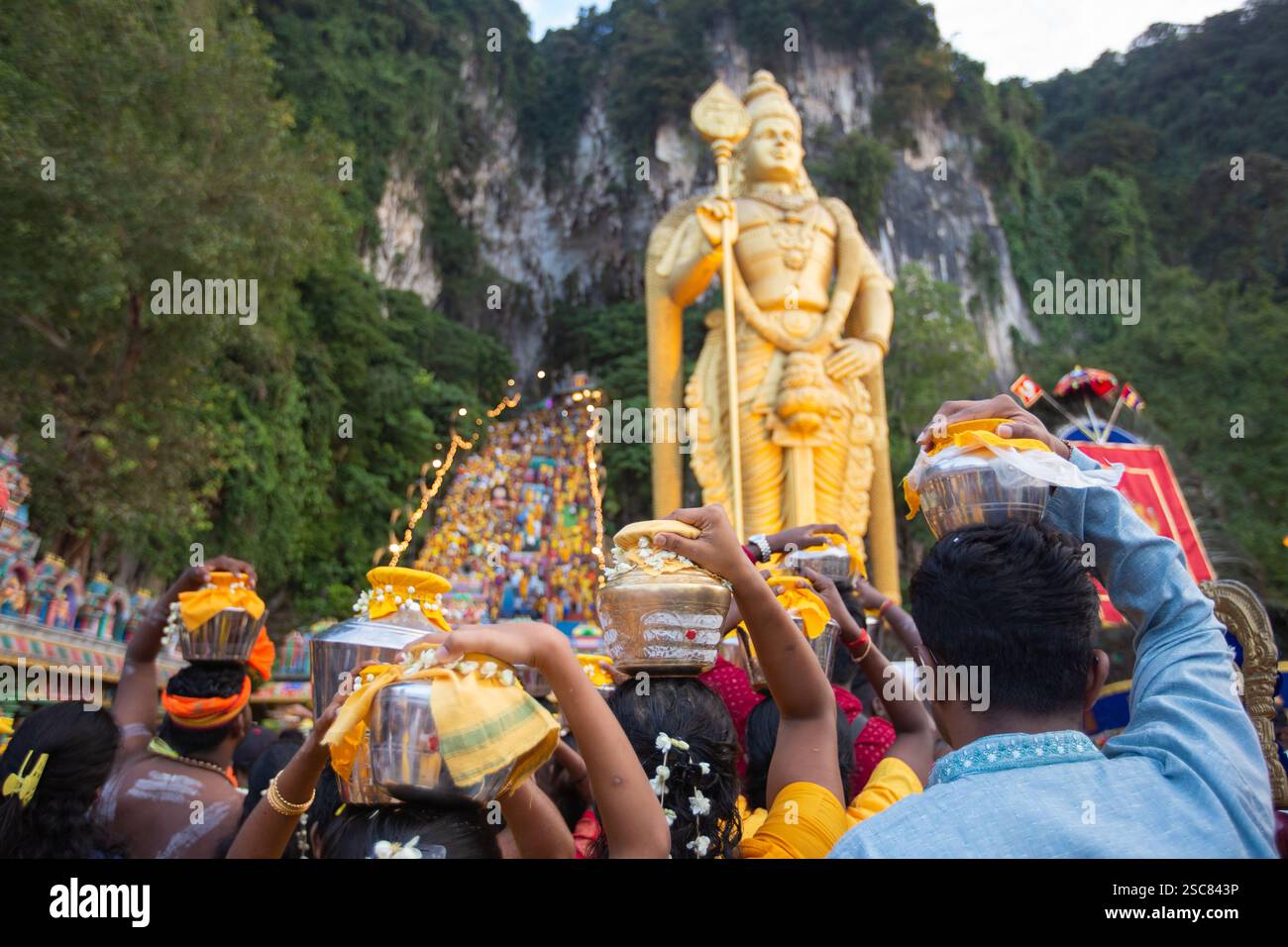
This Hindu festival, typically falling in late January or early February, commemorates Lord Murugan’s victory over the demon Surapadman. It’s one of Southeast Asia’s most dramatic religious celebrations.
Duration: 1 day, with devotees observing rituals for weeks beforehand
Key Highlights:
- Kavadi-bearers carry ornate structures attached to their bodies through piercings
- Milk pot offerings carried up 272 steps to Batu Caves
- Head-shaving ceremony as an act of devotion
- Processions from Kuala Lumpur to Batu Caves
Best Place to Experience:
- Batu Caves, Selangor (largest Thaipusam celebration outside India)
- Penang’s Nattukottai Chettiar Temple
March-April Festivals
Hari Raya Aidilfitri (Eid al-Fitr)
Marking the end of Ramadan, the Islamic holy month of fasting, Hari Raya Aidilfitri is Malaysia’s most important Muslim celebration. Dates vary annually based on the Islamic calendar.
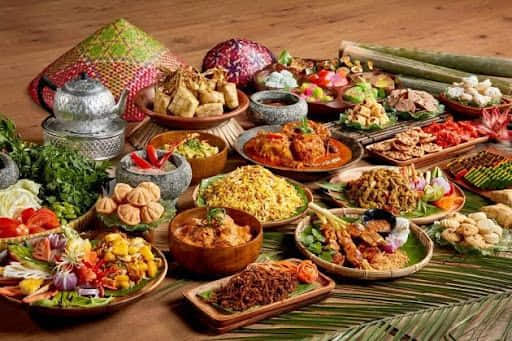
Duration: 2 public holidays, though celebrations last a month
Key Highlights:
- Rumah Terbuka (open houses) where hosts welcome visitors regardless of background
- Traditional Malay cuisine: ketupat, rendang, satay, and various kuih
- New clothes (baju Melayu for men, baju kurung for women)
- Seeking forgiveness from elders and family members
Best Places to Experience:
- Kampung Baru open houses in Kuala Lumpur
- Kampong Glam in Singapore (for regional perspective)
- Royal Palace’s open house in Kuala Lumpur
Vaisakhi
Celebrated by Malaysia’s Sikh community in April, Vaisakhi marks the founding of the Khalsa order and the harvest festival in Punjab.
Duration: 1 day
Key Highlights:
- Nagar Kirtan processions with Guru Granth Sahib (Sikh holy scripture)
- Gurdwara services with community meals (langar)
- Traditional music and martial arts demonstrations
- Community service projects
Best Places to Experience:
- Gurdwara Sahib Kuala Lumpur
- Sikh temples in Ipoh and Penang
May Festivals
Wesak Day (Vesak)
This Buddhist celebration marks Buddha’s birth, enlightenment, and passing. It’s one of the most important Buddhist holidays in Malaysia.
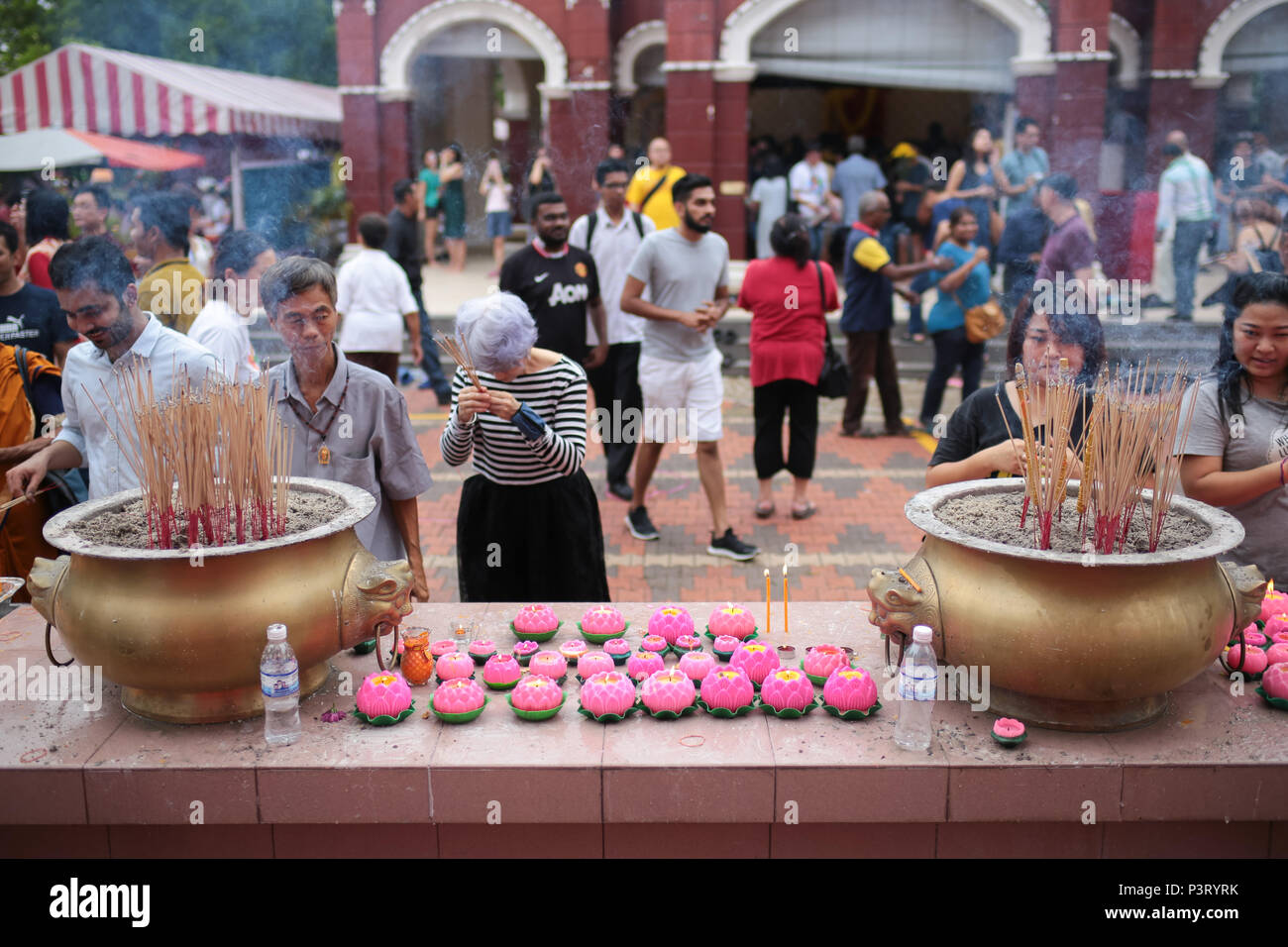
Duration: 1 day
Key Highlights:
- Buddha bathing ceremony at temples
- Candlelight processions around temple grounds
- Dhamma talks and meditation sessions
- Vegetarian meals and offering food to monks
Best Places to Experience:
- Buddhist Maha Vihara in Brickfields, Kuala Lumpur
- Kek Lok Si Temple in Penang
- Buddhist temples in Kota Kinabalu
Kaamatan Harvest Festival
Celebrated by the Kadazan-Dusun people of Sabah, Kaamatan is a thanksgiving festival for a bountiful rice harvest.
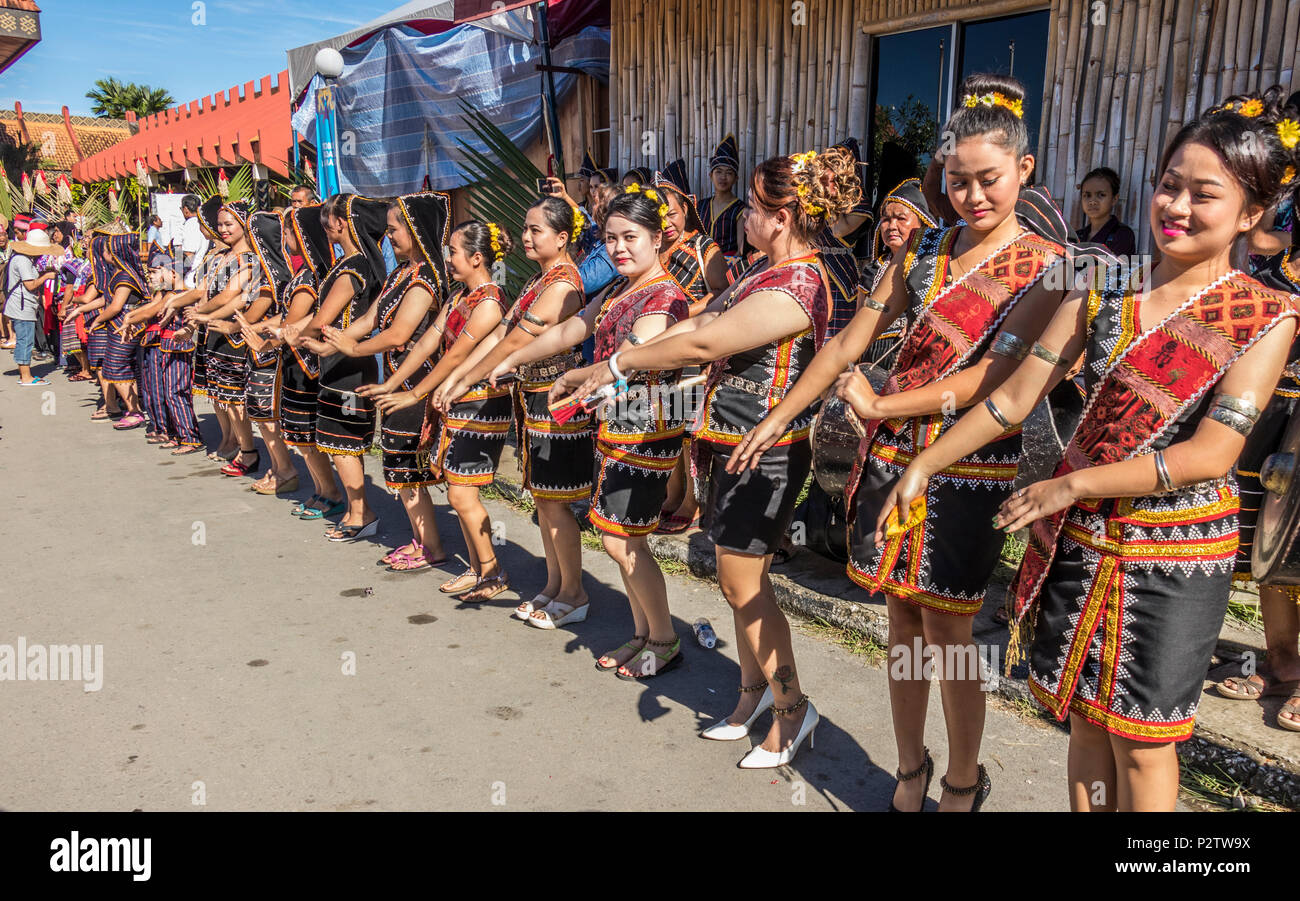
Duration: Month-long festivities, culminating in public holidays on May 30-31
Key Highlights:
- Magavau ceremony to honor rice spirits
- Unduk Ngadau (Harvest Festival Queen) beauty pageant
- Traditional dances: Sumazau, Mongigol, and others
- Tapai (rice wine) and traditional Sabahan cuisine
Best Place to Experience:
- Hongkod Koisaan Cultural Village in Kota Kinabalu
- Various kampungs throughout Sabah
June Festivals
Gawai Dayak
The Iban and Bidayuh communities of Sarawak celebrate Gawai Dayak to thank the gods for a bountiful harvest.
Duration: 1 public holiday, though celebrations continue for weeks
Key Highlights:
- Ngiling Bidai (mat rolling) ceremony
- Traditional longhouse celebrations with music and dance
- Tuak (rice wine) sharing
- Feasting on traditional Dayak cuisine
Best Places to Experience:
- Iban and Bidayuh longhouses throughout Sarawak
- Cultural performances in Kuching
Hari Raya Haji (Eid al-Adha)
Also known as the Festival of Sacrifice, Hari Raya Haji commemorates Prophet Ibrahim’s willingness to sacrifice his son for God.
Duration: 1 public holiday
Key Highlights:
- Korban (sacrificial ritual) where livestock is distributed to the needy
- Prayer services at mosques
- Family gatherings and feasts
- Pilgrimage preparation for Hajj travelers
Best Places to Experience:
- National Mosque in Kuala Lumpur
- State mosques throughout Malaysia
Rainforest World Music Festival
This international music festival in Sarawak brings together musicians from around the world against a rainforest backdrop.
Duration: 3 days (usually second weekend of June)
Key Highlights:
- World music performances from over 20 countries
- Workshops and jam sessions
- Craft and food exhibitions
- Rainforest setting at Sarawak Cultural Village
Best Place to Experience:
- Sarawak Cultural Village, Kuching
July-August Festivals
Hungry Ghost Festival
Based on Chinese belief that the gates of hell open on the 7th lunar month’s 15th day, this festival honors departed spirits.
Duration: 1 day (frequently in August)
Key Highlights:
- Paper offerings burned for spirits’ use
- Street performances and operas for spirit entertainment
- Food offerings placed on sidewalks
- Avoidance activities (no swimming, late-night walks)
Best Places to Experience:
- Chinatowns in Kuala Lumpur, Penang, and Ipoh
Malaysia Independence Day (Merdeka Day)
Celebrated on August 31, Merdeka Day marks Malaysia’s independence from British rule in 1957.
Duration: 1 public holiday
Key Highlights:
- Merdeka parade in Kuala Lumpur with military displays
- Fireworks and cultural performances
- Patriotic decorations throughout the country
- National flag (Jalur Gemilang) flying everywhere
Best Places to Experience:
- Merdeka Square (Dataran Merdeka) in Kuala Lumpur
- Various state capitals with their celebrations
September-October Festivals
Mid-Autumn Festival
Also known as the Mooncake Festival or Lantern Festival, this Chinese celebration occurs on the 15th day of the 8th lunar month.
Duration: 1 day (frequently in September)
Key Highlights:
- Mooncake sharing with family and friends
- Lantern processions with children carrying colorful lanterns
- Lion dances and cultural performances
- Moon gazing and tea drinking
Best Places to Experience:
- Chinatowns across Malaysia
- Various Chinese temples with special decorations
Deepavali (Diwali)
The Festival of Lights, Deepavali celebrates the triumph of light over darkness and good over evil for Malaysia’s Hindu community.
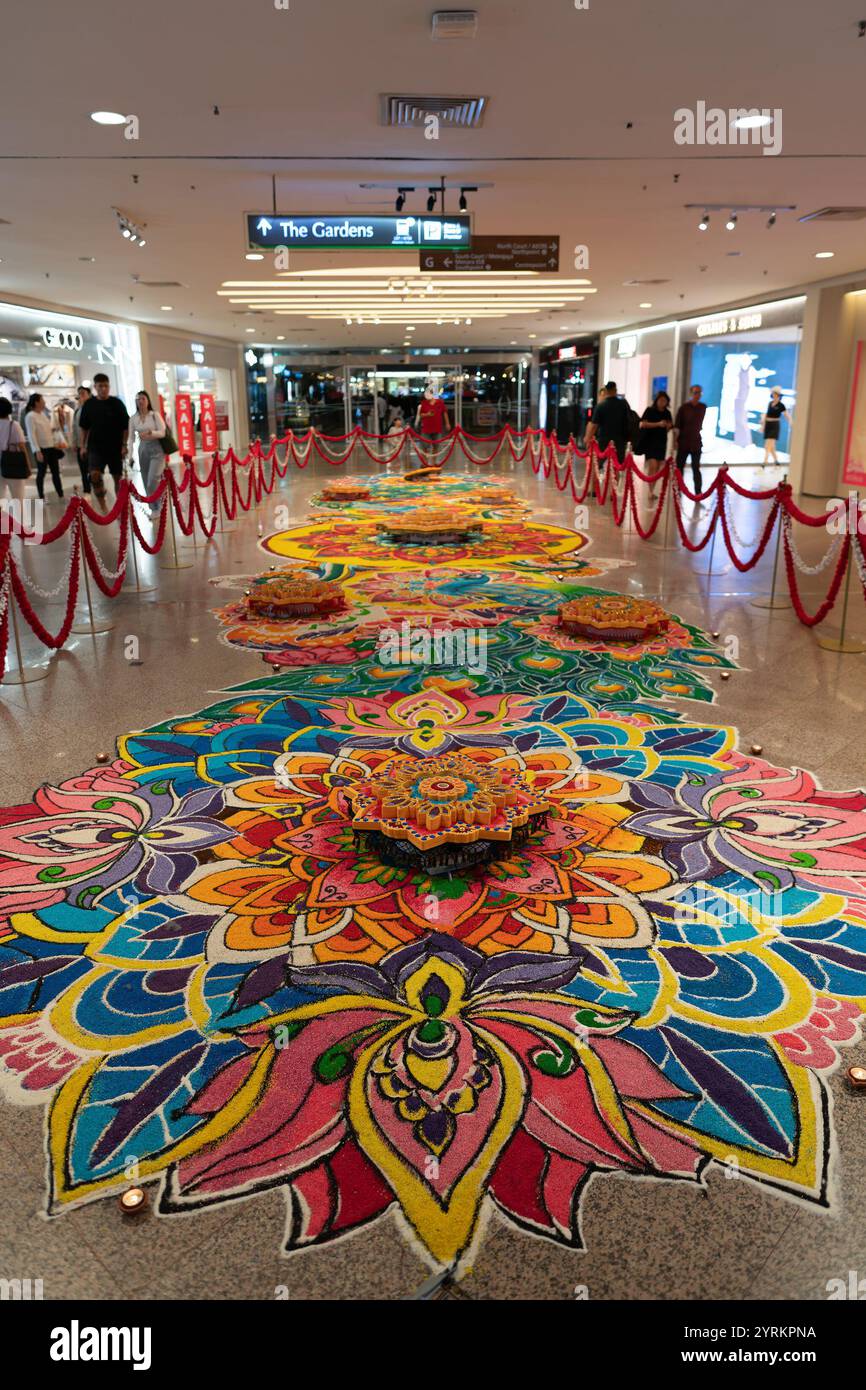
Duration: 1 public holiday
Key Highlights:
- Oil lamps (diyas) and kolam (rangoli) decorations
- Open houses with Indian sweets and savories
- New clothes and family gatherings
- Temple visits and prayers
Best Places to Experience:
- Little India in Brickfields, Kuala Lumpur
- Penang’s Little India
- Various Hindu temples nationwide
November-December Festivals
Christmas
Malaysia’s Christian community celebrates Christmas with joyous festivities, though December 25 is a public holiday nationwide.
Duration: 1 public holiday, with celebrations throughout December
Key Highlights:
- Midnight Mass at churches
- Christmas decorations and lighting displays in shopping malls
- Open houses with festive meals
- Gift-giving and caroling
Best Places to Experience:
- Church services throughout Malaysia
- Shopping malls with elaborate decorations
- Hotel Christmas buffets and celebrations
New Year Celebrations
Malaysia celebrates both Gregorian New Year (December 31-January 1) and, for Chinese Malaysians, Lunar New Year in January-February.
Duration: 1 public holiday for January 1
Key Highlights:
- Countdown parties and fireworks in major cities
- Street celebrations in entertainment districts
- Family gatherings and festive meals
- Concerts and events at shopping malls
Best Places to Experience:
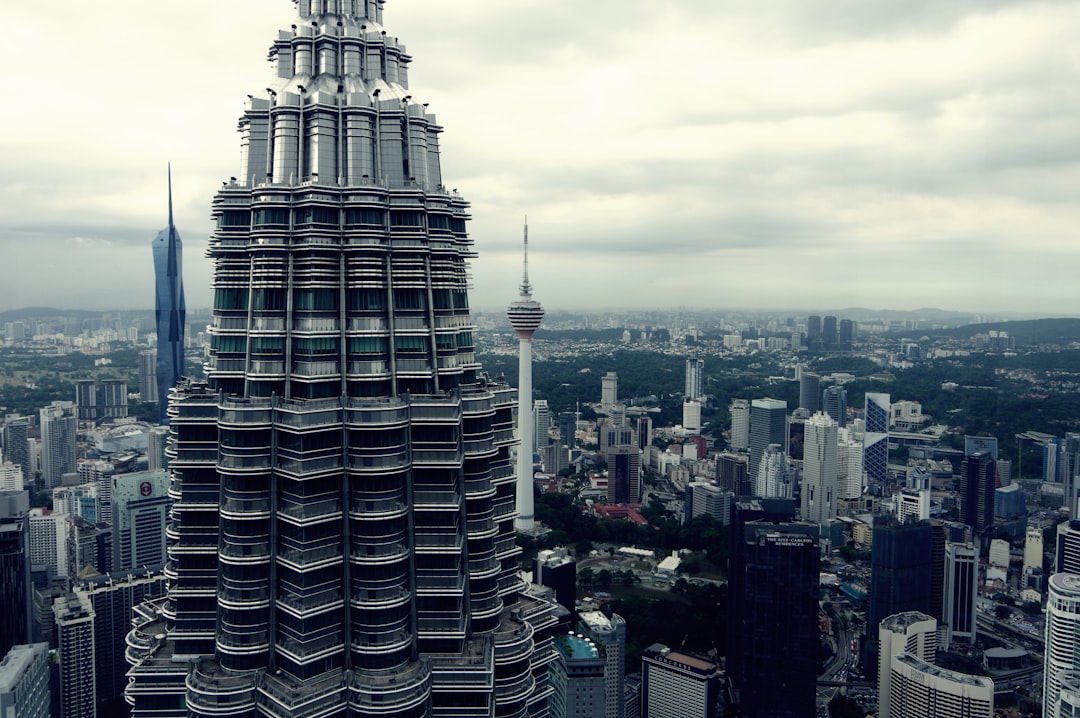
- Petronas Twin Towers area in Kuala Lumpur
- Central areas of Penang and Johor Bahru
- Beach resorts with New Year’s Eve parties
Planning Your Festival Visit
Best Times to Visit Malaysia for Festivals
- January-February: Chinese New Year and Thaipusam
- March-April: Hari Raya Aidilfitri celebrations
- May-June: Wesak Day and harvest festivals in East Malaysia
- August: Merdeka Day celebrations
- December: Christmas and New Year festivities
Travel Tips During Festivals
- Book accommodation early - Hotels fill up quickly during major festivals
- Check public transport schedules - Services may be reduced on public holidays
- Dress appropriately - Modest clothing for religious sites
- Bring cash - Some vendors at festivals may not accept cards
- Learn basic greetings - Locals appreciate the effort
Festival Etiquette for Tourists
- Respect religious customs during ceremonies
- Ask permission before photographing people in traditional attire
- Remove footwear before entering homes and temples
- Accept food graciously when offered at open houses
- Be patient with crowds and traffic congestion
FAQ
What is the biggest festival in Malaysia?
Hari Raya Aidilfitri is widely considered Malaysia’s biggest festival, celebrated nationwide with open houses across all ethnic communities. Chinese New Year is similarly significant, especially in urban areas with large Chinese populations.
Are all Malaysian festivals public holidays?
Not all festivals are public holidays nationwide. Major religious festivals like Hari Raya, Chinese New Year, and Deepavali are designated public holidays, while others may be state-specific or celebrated without official holiday status.
Can tourists participate in Malaysian festival celebrations?
Yes, tourists are often welcome at Malaysian festivals, especially during open houses. However, it’s important to be respectful of religious customs and traditions. For religious ceremonies, observation from a distance is usually appropriate.
How do dates for Malaysian festivals get determined?
Festival dates vary annually based on different calendars: Chinese New Year follows the lunar calendar, Islamic holidays follow the Islamic calendar, and Buddhist holidays like Wesak are based on the Buddhist calendar. Always check current year dates when planning travel.
What should I wear to Malaysian festivals?
For general festival celebrations, smart casual clothing is acceptable. For religious ceremonies, modest clothing covering shoulders and knees is recommended. Women may need to cover their heads at mosques. At traditional celebrations, some hosts appreciate guests wearing traditional attire if available.
Related Articles
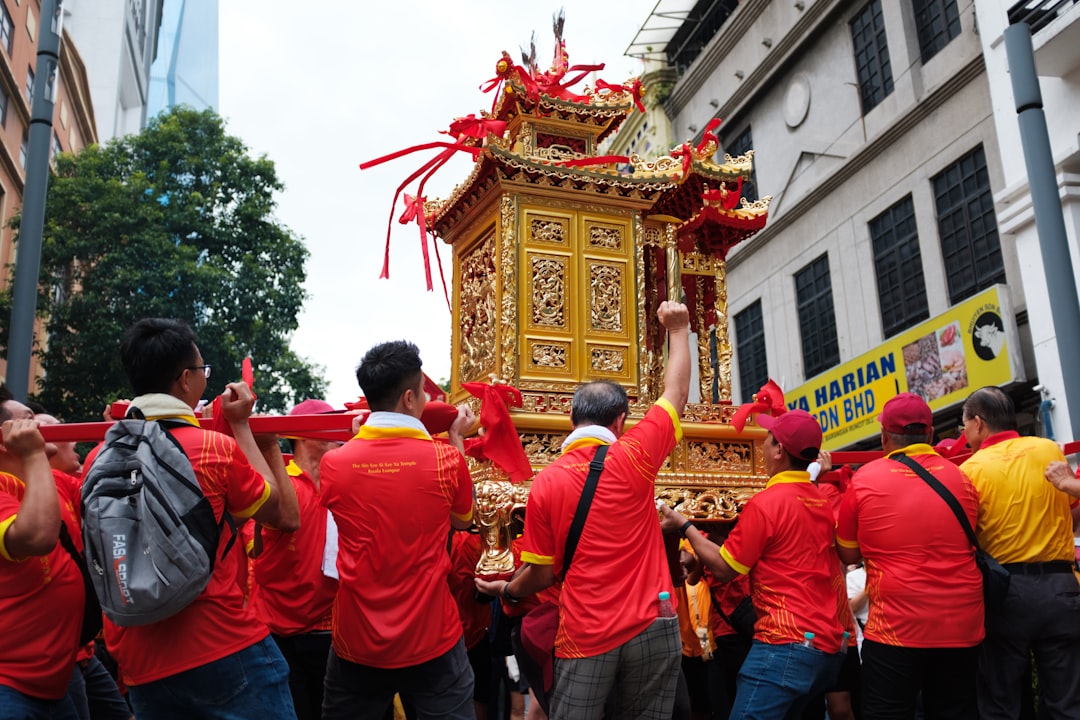
Chinese New Year Malaysia 2026: Lion Dances, Ang Pow & 15-Day Festival Guide
Experience Malaysia's vibrant Chinese New Year celebrations with lion dances, traditional foods, and cultural insights
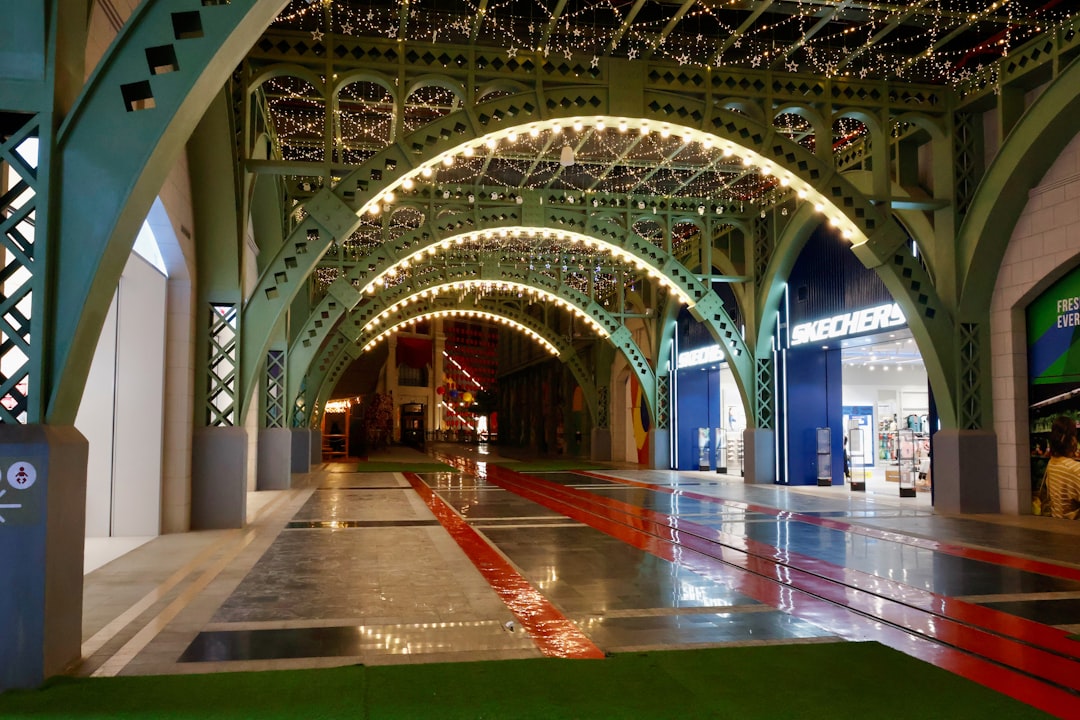
Christmas in Malaysia 2026: Tropical Celebrations, Midnight Mass & Holiday Season Guide
Experience Christmas celebrations in Malaysia with church services and holiday season travel tips
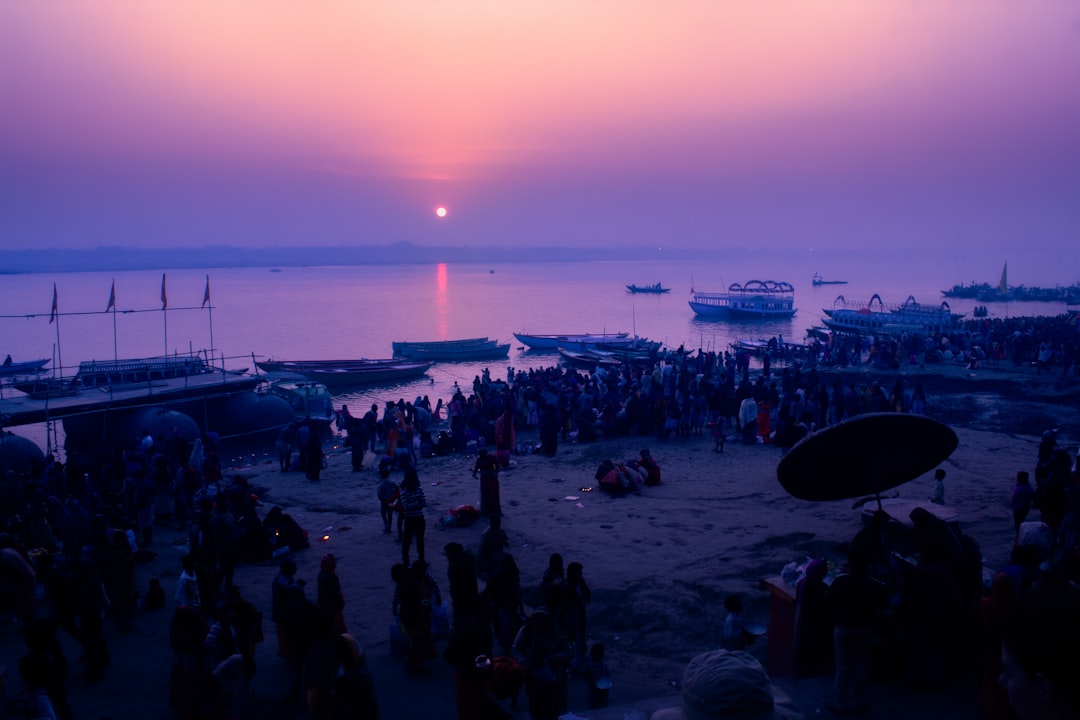
Deepavali Malaysia 2026: Kolam Art, Oil Lamps & Festival of Lights Guide
Experience Deepavali Festival of Lights in Malaysia with traditions and kolam decorations
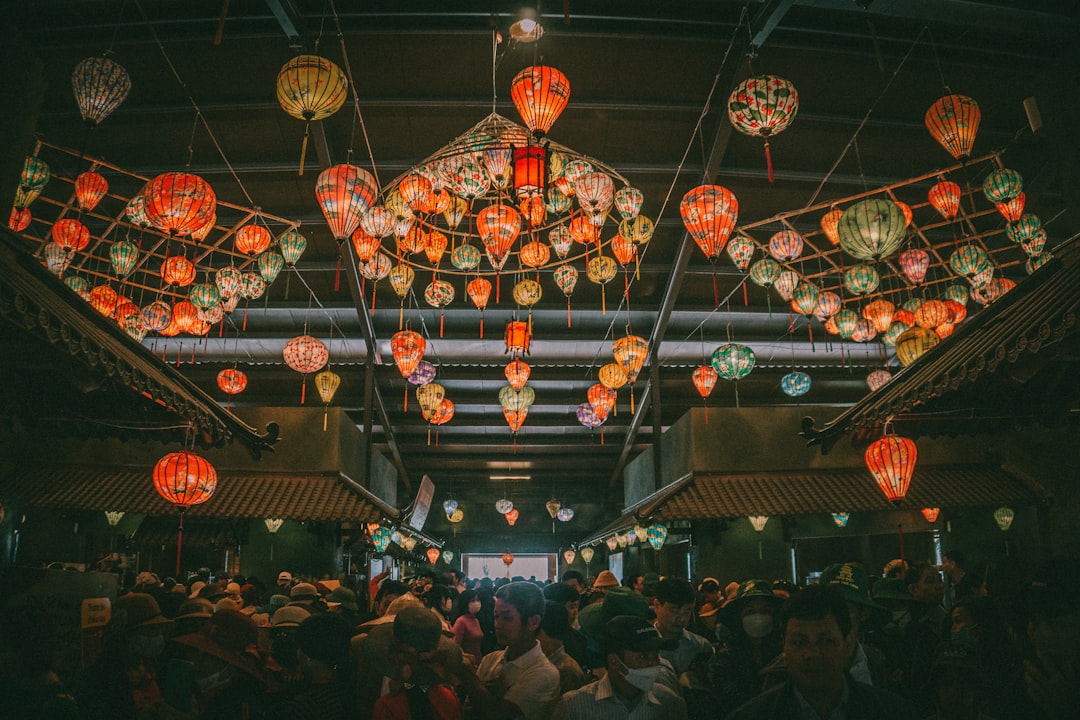
Hungry Ghost Festival Malaysia: Paper Offerings, Street Operas & Ancient Chinese Ghost Traditions
Discover Hungry Ghost Festival in Malaysia with Buddhist traditions and street performances