
 ChatGPT
  Gemini
  Claude
  Perplexity
 Key Takeaways
- Hari Raya Aidilfitri celebrates end of Ramadan with 2 public holidays
- Open houses (rumah terbuka) welcome visitors regardless of background
- Traditional Malay cuisine features rendang, ketupat, satay, and various kuih
- New clothes (baju Melayu and baju kurung) are worn for prayers and visits
- Dates vary annually based on Islamic lunar calendar
Understanding Hari Raya Aidilfitri
Hari Raya Aidilfitri literally means “Celebration Day of Fast” in Malay. It marks the conclusion of Ramadan, the Islamic holy month of fasting from dawn to sunset. The festival celebrates the spiritual achievements of Ramadan and focuses on forgiveness, gratitude, and strengthening family and community bonds.
In Malaysia, Hari Raya is not just a religious observance but a cultural phenomenon that brings the entire nation together. The government, royal families, and ordinary citizens all participate in open house tradition, creating a unique Malaysian cultural practice that transcends ethnic and religious boundaries.
Pre-Raya Preparations
Ramadan Month
The month leading up to Hari Raya is Ramadan, when Muslims fast from dawn to sunset. This period involves spiritual preparation and physical preparation for the upcoming celebrations.
Ramadan Activities:
- Daily fasting: Abstaining from food, drink, and negative behaviors
- Night markets (Pasar Ramadan): Special food markets open nightly
- Charity (Zakat): Giving to those in need
- Increased prayers: Spiritual preparation for Hari Raya
- Shopping: Buying new clothes, decorations, and Raya supplies
Last 10 Days of Ramadan
The final days of Ramadan are considered most blessed, with increased prayers and spiritual activities.
Special Activities:
- Lailatul Qadr: Seeking the Night of Power
- Intensive prayers: Late-night religious observances
- Family gatherings: Strengthening bonds before Raya
- Food preparation: Making traditional dishes in advance
Hari Raya Eve and Morning
Solat Hari Raya (Morning Prayers)
Hari Raya begins with special prayers at mosques on the morning of Syawal 1 (first day of Islamic month). This is the most important religious ceremony of the festival.
Prayer Ceremony Details:
- Early morning: Usually around 7-8 AM
- Mosque attendance: Muslims gather at local mosques
- Special sermon: Religious leaders give Raya message
- Seeking forgiveness: Participants forgive each other
- Best clothing: Muslims wear finest traditional attire
Family Forgiveness Ritual
After morning prayers, family members engage in the tradition of asking forgiveness from each other, particularly from elders. This ritual, known as “maaf zahir dan batin,” is the emotional heart of Hari Raya.
Forgiveness Ceremony:
- From youngest to oldest: Beginning with children
- Hand kissing: Children kiss elders’ hands in respect
- Seeking forgiveness: Specific phrase “maaf zahir dan batin”
- Hugs and blessings: Physical expressions of forgiveness
- Tears are common: Emotional reconciliation moments
The Open House Tradition
What Are Open Houses?
The concept of “rumah terbuka” (open house) is uniquely Malaysian. During Hari Raya, families open their homes to anyone who wishes to visit—relatives, friends, neighbors, colleagues, and even strangers. This practice exemplifies Malaysian multiculturalism and hospitality.
Open House Characteristics:
- No invitation needed: Anyone can visit
- All-day affairs: Typically from morning to evening
- Multi-ethnic visitors: People of all backgrounds attend
- Food abundance: Buffet-style traditional dishes
- Green packets (duit raya): Money given to children and guests
Famous Open Houses
From the Royal Palace to private homes, open houses happen across Malaysia at various scales.
Notable Open Houses:
- Royal Palace (Istana Negara): Prime Minister and Royal family host thousands
- State level open houses: Chief Ministers and state rulers host
- Corporate open houses: Companies and organizations host employees
- Neighborhood open houses: Regular families welcome visitors
- Kampung Baru (KL): Traditional Malay village atmosphere
Traditional Hari Raya Foods
Must-Have Dishes
Hari Raya cuisine is elaborate and symbolic, with dishes prepared in large quantities to serve the many visitors expected at open houses.
Essential Hari Raya Dishes:
- Rendang: Slow-cooked beef or chicken in coconut milk and spices
- Ketupat: Rice cakes wrapped in woven palm leaves
- Lemang: Glutinous rice cooked in bamboo
- Satay: Grilled skewered meat with peanut sauce
- Sambal: Spicy chili-based condiment
Traditional Sweets and Kuih
Sweet delicacies are crucial for Hari Raya, served alongside main dishes or as snacks for visitors.
Popular Hari Raya Sweets:
- Kuih lapis: Layered steamed cake
- Kuih tart: Pineapple jam tarts (though also Chinese-influenced)
- Kuih seri muka: Coconut cake with pandan
- Dodol: Sticky coconut and palm sugar confection
- Pineapple tarts: Though originally Chinese, enjoyed during Raya
Traditional Clothing
Baju Melayu and Baju Kurung
Wearing new clothes is an important Hari Raya tradition, symbolizing new beginnings and respect for the celebration.
Men’s Traditional Attire:
- Baju Melayu: Traditional Malay shirt
- Songkok: Brimless cap
- Samping: Cloth worn around waist
- Black or earth tones: Common color choices
Women’s Traditional Attire:
- Baju kurung: Loose-fitting tunic and skirt
- Baju kebaya: Fitted blouse and skirt
- Tudung (hijab): Headscarf for modesty
- Bright colors: Pink, yellow, blue popular
Visiting Customs and Etiquette
How to Visit Open Houses
Visiting Hari Raya open houses requires understanding and following certain customs to show respect and avoid offending hosts.
Visiting Etiquette:
- Wear modest clothing: Cover shoulders and knees
- Greet with “Salam Aidilfitri”: Proper Hari Raya greeting
- Remove shoes: Before entering homes
- Eat right-handed: Use right hand for eating and receiving
- Don’t overstay: Most visits last 30-60 minutes
Appropriate Greetings
Knowing proper greetings helps visitors participate appropriately in Hari Raya celebrations.
Common Greetings:
- “Salam Aidilfitri” (Peaceful Hari Raya)
- “Selamat Hari Raya” (Happy Hari Raya)
- “Maaf zahir dan batin” (Forgive my outward and inward wrongs)
- Handshake with salaam: Traditional greeting with slight bow
Best Places to Experience Hari Raya
Kuala Lumpur
The capital city offers the most extensive Hari Raya experience with numerous open houses and decorations.
Top KL Hari Raya Locations:
- Istana Negara: Royal open house (check schedule)
- Kampung Baru: Traditional Malay village atmosphere
- Putra World Trade Centre: Corporate open houses
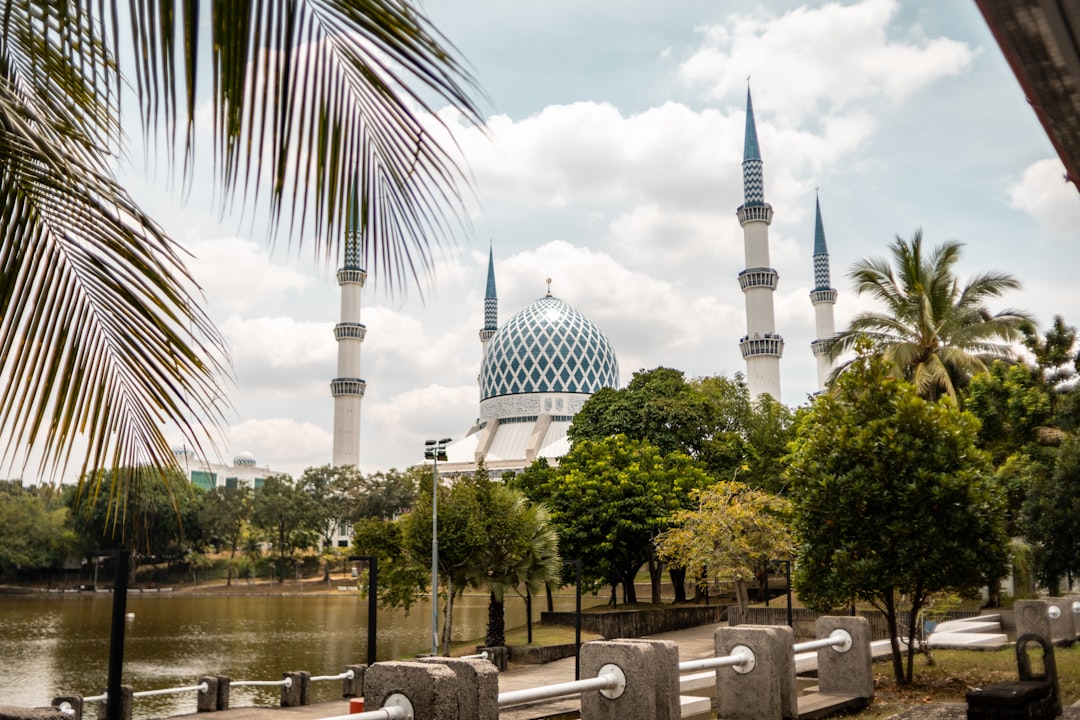
- Mosques: Watch morning prayers and celebrations
- Shopping malls: Decorations and Raya sales
Regional Celebrations
Different regions of Malaysia offer unique perspectives on Hari Raya celebrations.
Regional Highlights:
- Kelantan and Terengganu: Most traditional celebrations
- Penang: Unique Peranakan-influenced dishes
- Sarawak and Sabah: Multi-ethnic Raya celebrations
- Johor Bahru: Cross-border cultural exchange
Travel Tips for Hari Raya
Planning Your Visit
Hari Raya is peak travel season in Malaysia. Proper planning ensures a smooth celebration experience.
Travel Planning:
- Book accommodation early: Hotels fill up quickly
- Expect crowds: Popular destinations are packed
- Transportation: Increased demand for flights and trains
- Check business hours: Many shops close during Raya
- Flexible dates: Consider visiting before or after peak days
What to Bring
Packing appropriately for Hari Raya ensures respect for local customs and comfortable participation.
Essential Items:
- Modest clothing: Loose-fitting, covering knees and shoulders
- Small gifts: Fruit basket or traditional kuih for hosts
- Hand sanitizer: For use after eating with hands
- Camera: To capture memorable moments
- Respectful attitude: Understanding this is a religious celebration
Green Packets (Duit Raya)
Understanding the Tradition
Green packets, similar to Chinese ang pow, are money given in green envelopes during Hari Raya. This tradition is about sharing prosperity and blessings.
Green Packet Customs:
- Given by married couples: To children and unmarried adults
- Small amounts: Usually RM5-50 depending on relationship
- Green color: Represents Islamic paradise
- Not required for tourists: Visitors aren’t expected to give
- Appreciation is key: Recipients should be grateful regardless of amount
Modern Hari Raya Celebrations
Technology and Social Media
Modern technology has transformed how Malaysians celebrate Hari Raya while maintaining traditions.
Modern Elements:
- Virtual open houses: Online sharing for distant relatives
- Social media greetings: Sharing Raya wishes online
- Video calls: Connecting with overseas family members
- Online shopping: Raya purchases delivered to homes
- Digital payments: Modern alternative to green packets
FAQ
What dates does Hari Raya Aidilfitri fall on?
Hari Raya Aidilfitri dates vary annually based on Islamic lunar calendar. The festival is determined by moon sighting and typically falls in different months each year. For 2026, check official announcements closer to date. The festival spans 2 public holidays, though celebrations continue for a month.
Can non-Muslims attend Hari Raya celebrations?
Absolutely! Hari Raya open houses in Malaysia are famous for welcoming visitors regardless of religion. Non-Muslims are encouraged to visit open houses, enjoy the food, and participate in the multicultural celebration. Simply dress modestly, follow visiting etiquette, and show respect for the religious significance.
What is the difference between Hari Raya Aidilfitri and Hari Raya Haji?
Hari Raya Aidilfitri (Eid al-Fitr) celebrates the end of Ramadan and involves fasting followed by feasting. Hari Raya Haji (Eid al-Adha) commemorates Prophet Ibrahim’s willingness to sacrifice his son and involves the sacrificial ritual (korban). Both are important but different religious observances.
What should tourists wear to Hari Raya open houses?
Modest clothing is essential—cover shoulders, knees, and avoid tight or revealing outfits. For men, long pants and shirts are appropriate. For women, loose clothing covering arms and legs is recommended. Some women wear headscarves (tudung) as a sign of respect, though not required for non-Muslims.
Are shops and attractions open during Hari Raya?
Most shops, offices, and government buildings are closed during the 2 public holiday days. Shopping malls and tourist attractions may operate on reduced hours. Muslim-owned businesses often remain closed longer. However, many Chinese-owned businesses and tourist sites continue operating, and major malls often have extended pre-Raya sales.
Related Articles
Chinese New Year Malaysia 2026: Lion Dances, Ang Pow & 15-Day Festival Guide
Experience Malaysia's vibrant Chinese New Year celebrations with lion dances, traditional foods, and cultural insights
Christmas in Malaysia 2026: Tropical Celebrations, Midnight Mass & Holiday Season Guide
Experience Christmas celebrations in Malaysia with church services and holiday season travel tips
Deepavali Malaysia 2026: Kolam Art, Oil Lamps & Festival of Lights Guide
Experience Deepavali Festival of Lights in Malaysia with traditions and kolam decorations
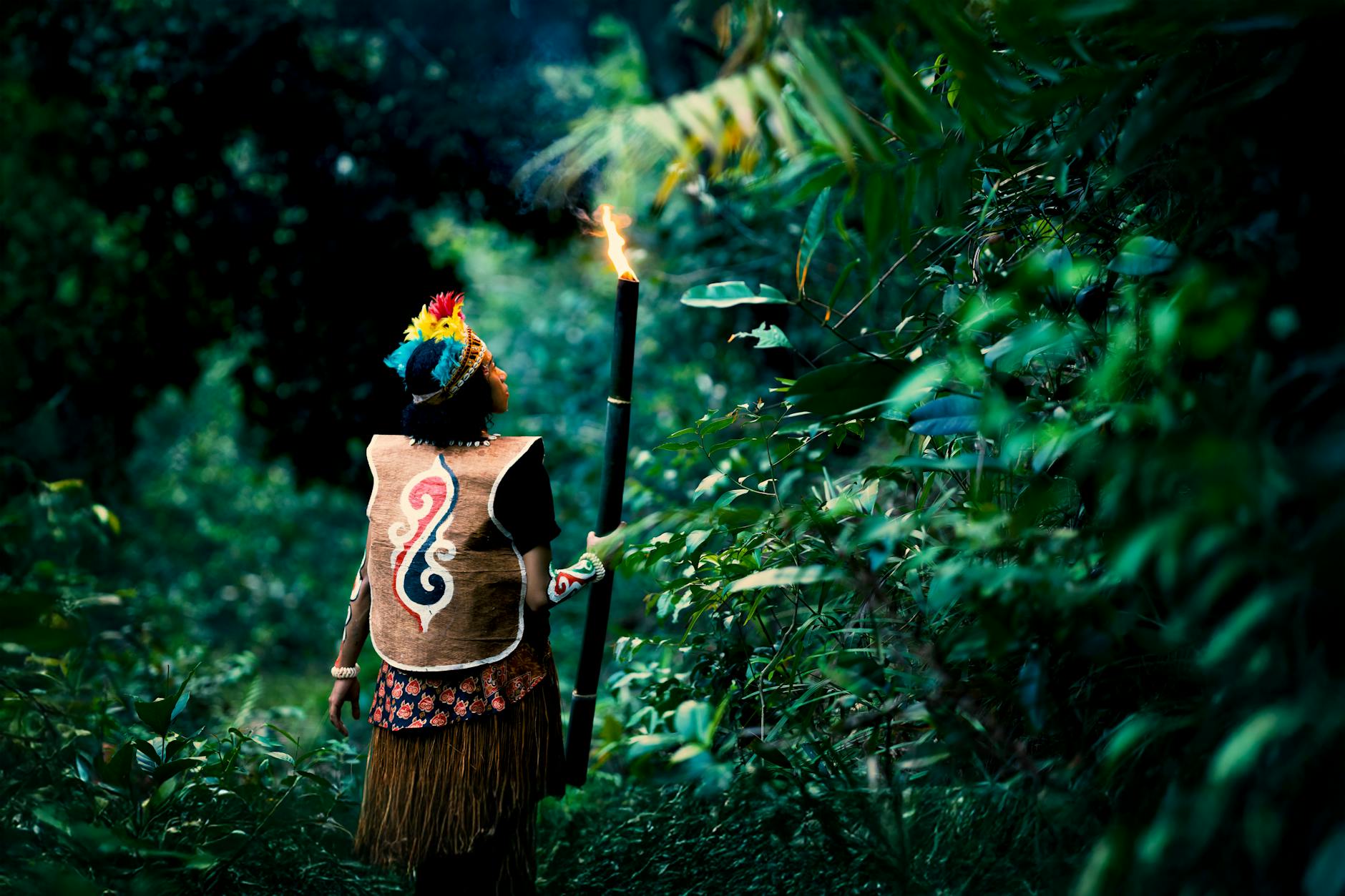
Gawai Dayak Festival Sarawak 2026: Longhouse Celebrations, Tuak & Indigenous Harvest
Experience Gawai Dayak harvest festival in Sarawak with longhouse celebrations and traditional dances