
 ChatGPT
  Gemini
  Claude
  Perplexity
 The Pumpkin Cakes Taiwan’s Hakka Grandmothers Don’t Want You to Forget
If you’ve ever joined Taiwan’s Mid-Autumn Festival celebrations, you know the scene: glowing lanterns, family reunions, and endless boxes of mooncakes being exchanged. But venture beyond the commercialized festivities to Taiwan’s Hakka heartland in Miaoli and Hsinchu counties, and you’ll discover a quieter, deeper tradition that’s been quietly preserved for generations: Hakka pumpkin cake (南瓜糕).
This centuries-old Hakka custom transforms humble pumpkins into sweet, steamed cakes that symbolize harvest gratitude, family unity, and cultural resilience. Unlike the ornate mooncakes gifted in business settings, pumpkin cakes represent the Hakka spirit of making something beautiful from simple, locally-grown ingredients - a philosophy that’s gaining renewed attention as cultural preservationists work to revive this nearly-lost tradition.
The Hidden Meaning Behind Hakka Pumpkin Cake
For Taiwan’s Hakka communities, pumpkin cake isn’t just a seasonal treat - it’s a cultural artifact with layered symbolism:
- Harvest Gratitude: Made from locally-harvested pumpkins, the cakes represent thankfulness for the autumn bounty
- Family Unity: Traditionally made by multiple generations working together, with elders teaching youth the techniques
- Cultural Continuity: The intricate pumpkin shapes carved into the cakes tell Hakka stories and wishes for prosperity
- Seasonal Marking: Prepared specifically for Mid-Autumn Festival, they anchor the Hakka community to the lunar calendar’s rhythms
While mainstream Taiwan celebrates with mooncakes (originally a Han Chinese tradition with Vietnamese/Malaysian influences), Hakka pumpkin cakes remain deeply rooted in the mountain farming communities that have preserved Hakka language, customs, and architecture despite centuries of migration and assimilation pressure.
Where to Experience Hakka Pumpkin Cake Making in 2026
For travelers seeking authentic cultural immersion during Taiwan’s Mid-Autumn Festival 2026 (October 6-8), these Hakka communities offer hands-on experiences:
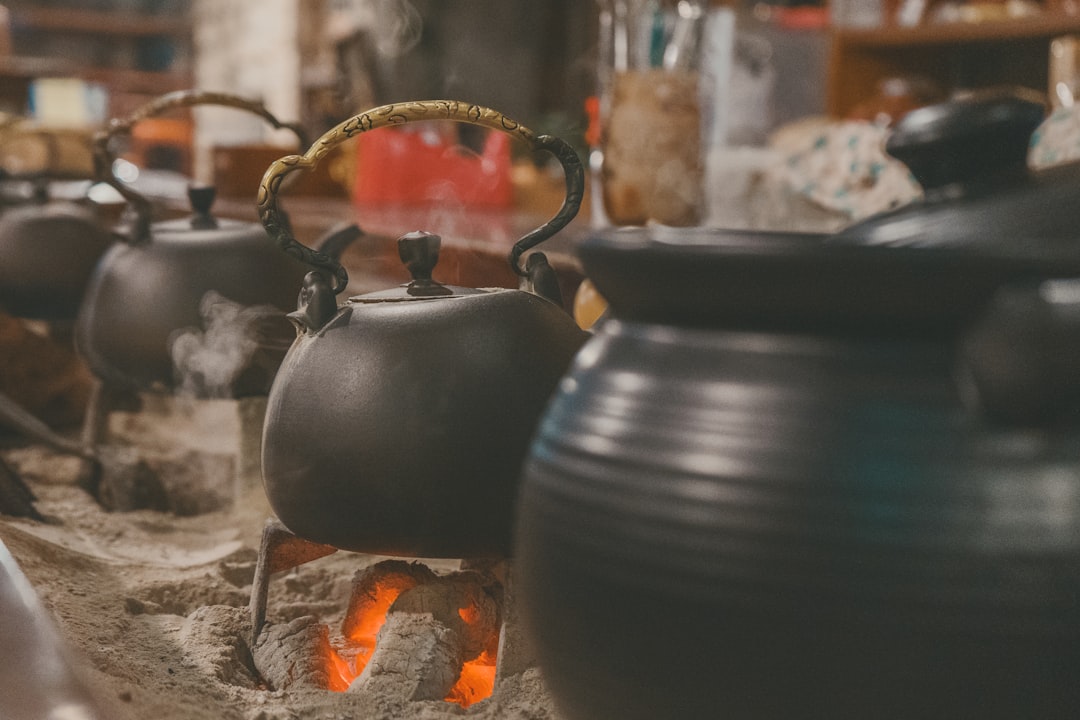
Miaoli County: The Hakka Heartland
- Tongluo Township Hakka Cultural Center: Daily pumpkin cake workshops from September 25-October 8, 2026
- Three Sanxia Village: Home-based workshops with Hakka grandmothers (reservations required)
- Miaoli Hakka Museum: Special exhibition “Pumpkin Cakes & Hakka Identity” with live demonstrations
Hsinchu County: Northern Hakka Tradition
- Beipu Township: Known for distinctive bamboo-steamed pumpkin cakes
- Guanxi Township: Community kitchen workshops focusing on heirloom pumpkin varieties
- Neiwan Old Street: Cultural performances paired with pumpkin cake making demonstrations
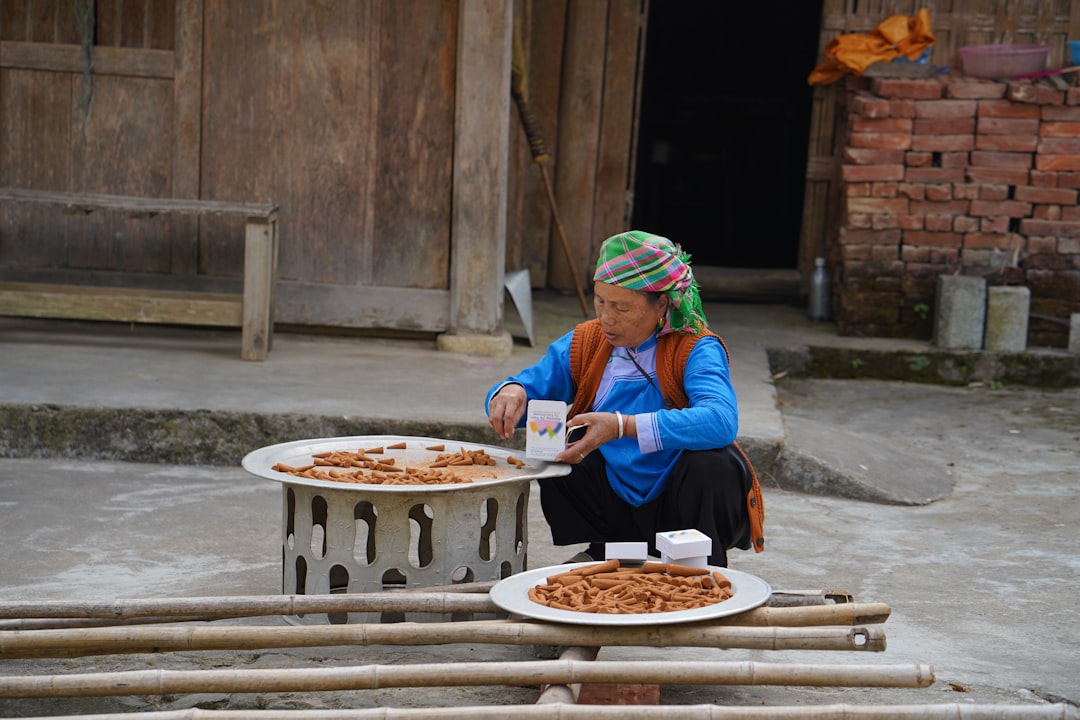
Workshop Formats Available
- Half-Day Experiences (NT$800-1,200): Pumpkin selection, preparation, steaming, and tasting
- Full-Day Immersions (NT$1,500-2,000): Includes Hakka lunch, cultural history talk, and take-home cakes
- Family Packages (NT$2,500 for 2 adults + 2 children): Special children’s activities with mini cake making
- Private Group Sessions: Customizable for groups of 6+ people (ideal for cultural tours)
The Art of Making Hakka Pumpkin Cake
Understanding the process reveals why this tradition deserves preservation:
Traditional Ingredients
- Local Pumpkins: Specific varieties like Taiwan’s “golden pumpkin” (南瓜王) for sweetness and texture
- Glutinous Rice Flour: Provides the characteristic chewy, tender texture
- Brown Sugar: Traditionally from Taiwan’s sugar cane fields in southern Taiwan
- Sesame Oil: Adds aroma and prevents sticking
- Water: From local mountain springs when possible
- Optional Fillings: Red bean paste, peanuts, or preserved radish for savory versions
The Making Process
- Pumpkin Selection: Choosing mature pumpkins with thick flesh and minimal seeds
- Preparation: Steaming whole pumpkins, then mashing and straining for smooth puree
- Mixing: Combining pumpkin puree with glutinous rice flour, sugar, and oil to form dough
- Shaping: Pressing into wooden molds carved with Hakka symbols (fish for abundance, bats for good fortune, flowers for beauty)
- Steaming: Traditional bamboo steamers over wood fire for 45-60 minutes
- Cooling: Resting overnight to develop full flavor and texture
- Serving: Sliced and enjoyed at room temperature, often with tea
Why Steam Instead of Bake?
The Hakka preference for steaming reflects their mountainous origins where ovens were scarce but steamers (originally for rice) were universal. Steaming preserves the pumpkin’s moisture and creates a tender, almost pudding-like texture that differs significantly from baked goods.
Cultural Revival: From Near Extinction to Living Tradition
The Hakka pumpkin cake tradition faced genuine extinction risk as:
- Younger generations migrated to cities for work
- Commercial mooncakes became more accessible and prestigious
- Traditional Hakka pumpkin varieties were replaced by commercial farming
- Oral transmission weakened as elderly practitioners aged
However, grassroots efforts since 2020 have sparked revival:
- Hakka Cultural Associations in Miaoli and Hsinchu documenting techniques from elders
- Local Governments supporting heritage food programs with funding and venues
- Social Media campaigns by young Hakka sharing the tradition with urban audiences
- School Programs incorporating pumpkin cake making into cultural education
- Farm Cooperatives growing heirloom pumpkin varieties specifically for cultural preservation
These efforts mean that in 2026, travelers aren’t just watching a demonstration - they’re participating in a living cultural revival where each cake made represents an act of cultural preservation.
Planning Your Hakka Pumpkin Cake Experience
Best Times to Visit
- Workshop Season: September 25-October 10, 2026 (peak October 3-8)
- Optimal Days: Weekdays for smaller groups, weekends for festival atmosphere
- Daily Schedule: Most workshops run 9:00 AM-12:00 PM or 2:00 PM-5:00 PM
- Festival Peak: October 6-8, 2026 (actual Mid-Autumn Festival dates)
Getting There
- From Taipei to Miaoli: 1.5 hours by TRA train or Taiwan High Speed Rail to Miaoli Station
- From Taipei to Hsinchu: 40 minutes by HSR to Hsinchu Station, then local transport
- Local Transport: Taxi or rental scooter recommended for reaching rural workshop locations
- Parking: Available at most cultural centers and town offices
What to Bring
- Apron: Provided at most workshops, but you may prefer your own
- Container: For taking home your pumpkin cakes (they keep well for 3-4 days)
- Comfortable Shoes: For walking between workshop locations and exploring Hakka villages
- Cash: While larger venues take cards, rural workshops often prefer cash
- Language App: Basic Mandarin/Hakka phrases appreciated (many elders speak limited English)
Combining with Other Hakka Experiences
Make a full cultural day by combining pumpkin cake making with:
- Hakka Architecture Tour: Visit the round or square Hakka tulou-style buildings
- Tea Plantation Visit: Hakka communities are known for their oolong tea production
- Old Street Exploration: Neiwan (Hsinchu) or Sanxia (Taipei county) for Hakka snacks and crafts
- Hiking: Many Hakka villages serve as trailheads for mountain hikes
- Folk Performance: Check schedules for Hakka opera or percussion performances
Beyond the Workshop: Taking the Tradition Home
The true value of participating in Hakka pumpkin cake making extends beyond the experience itself:
Cultural Understanding
You’ll gain insight into how food traditions carry cultural values - the Hakka emphasis on resourcefulness, community intergenerational knowledge transfer, and finding beauty in simplicity.
Practical Skills
The techniques learned (working with glutinous flour, steaming, traditional molding) apply to many other Taiwanese and Asian desserts.
Meaningful Souvenirs
Unlike mass-produced mooncakes, your handmade pumpkin cakes carry personal significance and support cultural preservation efforts directly.
Conversation Starter
Sharing the story of Hakka pumpkin cakes with friends and family back home spreads awareness of Taiwan’s rich cultural diversity beyond the usual tourist narratives.
Supporting Sustainability
By participating, you directly contribute to:
- Preserving heirloom pumpkin varieties
- Supporting rural Hakka economies
- Maintaining traditional food knowledge
- Encouraging younger Hakka to value their heritage
The 2026 Mid-Autumn Festival Context
Taiwan’s 2026 Mid-Autumn Festival occurs October 6-8, 2026, coinciding with:
- Perfect Weather: Early autumn brings cool, dry days ideal for outdoor activities
- Harvest Completeness: Pumpkins and other autumn crops at peak ripeness
- Cultural Calendar: Following Ghost Month’s end, marking a transition to lighter celebrations
- Tourist Flow: Before peak autumn foliage season brings crowds to mountain areas
This timing makes it ideal for combining cultural experiences with Taiwan’s natural beauty - morning pumpkin cake workshops followed by afternoon visits to Hakka villages or scenic mountain areas.
Why This Tradition Matters Now
In an era of globalized food culture where Mid-Autumn Festival increasingly means identical mooncake boxes shipped worldwide, the Hakka pumpkin cake tradition represents something increasingly precious: locally-rooted, community-specific cultural expression that resists homogenization.
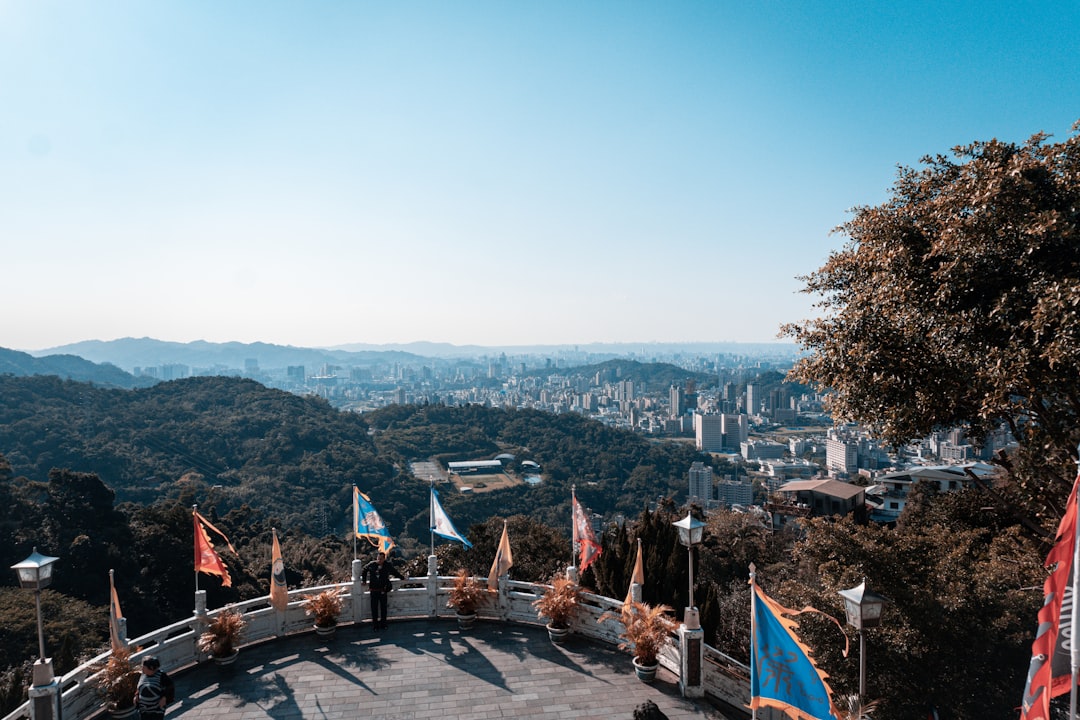
When you participate in making Hakka pumpkin cake, you’re not just learning a recipe - you’re:
- Supporting cultural diversity within Taiwan
- Helping preserve intangible cultural heritage recognized by Taiwan’s Ministry of Culture
- Contributing to sustainable rural tourism that benefits local communities directly
- Experiencing a tradition that has survived migration, assimilation, and modernization pressures
- Connecting with a food tradition that emphasizes seasonality, locality, and handmade quality over mass production
Practical Information for 2026 Participants
Booking Recommendations
- Advance Reservations: Strongly recommended for October 6-8 workshops (book by September 15)
- Contact Methods: Most venues take phone reservations; some have online forms
- Language: While many younger staff speak English, consider booking through your hotel or a tour operator if concerned about language barriers
- Group Size: Workshops typically accommodate 6-15 people for optimal instruction
Cost Breakdown
- Workshop Fee: NT$800-2,000 depending on duration and inclusions
- Materials: Usually included in workshop fee
- Take-Home Cakes: Typically 2-3 medium-sized cakes included
- Additional Costs: Transportation, meals outside workshop time, optional cultural activities
Accessibility Notes
- Physical Requirements: Mostly seated work with some standing; suitable for most mobility levels
- Dietary Restrictions: Glutinous rice flour is gluten-free; inform workshops of other allergies in advance
- Age Suitability: Children 6+ can participate meaningfully; younger children can observe and decorate pre-made cakes
- Seasonal Considerations: October weather is pleasant but bring layers for cooler mountain mornings
Cultural Etiquette
- Respect for Elders: Listen attentively when Hakka elders share stories and techniques
- Permission for Photos: Always ask before photographing individuals, especially elders
- Gift-Giving: Consider bringing a small token from your home region to share with your hosts
- Language Effort: Even attempting basic greetings in Mandarin or Hakka is appreciated
- Follow-Up: Many workshops welcome participants sharing their experiences (with permission) to help promote the tradition
The Deeper Value: Why Seek Authentic Traditions
As Taiwan’s tourism offerings become increasingly sophisticated and accessible, travelers face a choice:
- Surface Experiences: Convenient, predictable, widely available
- Deep Experiences: Requiring effort to find, offering genuine cultural connection, supporting community preservation
The Hakka pumpkin cake tradition represents the latter - an opportunity to move beyond checking off tourist attractions and instead engage with Taiwan’s living cultural heritage. In choosing to learn this tradition, you’re not just acquiring a new skill or tasting a new food; you’re participating in an act of cultural preservation that helps ensure Taiwan’s rich diversity continues to thrive for future generations.
For the traveler seeking meaning beyond the itinerary, Taiwan’s Hakka pumpkin cake tradition offers a rare opportunity: to touch hands with generations of cultural knowledge keepers, to transform simple ingredients into edible heritage, and to carry home not just a souvenir, but a story worth sharing.
Last updated: September 2026 | Workshop dates and prices subject to change - please confirm with individual venues before booking
Related Articles
2026 Chiayi Lantern Festival Transport Guide: THSR Shuttle Transfer, Nearby Attractions & Accommodation
The 2026 Taiwan Lantern Festival is grandly taking place in Chiayi! This article provides complete THSR shuttle bus transfer information, traffic control guides, nearby attractions, and accommodation recommendations to help you easily plan your lantern-viewing trip.
Mid-Autumn Festival in Malaysia: Mooncake Traditions, Lantern Processions & Family Moon Gazing
Experience Mid-Autumn Festival in Malaysia with mooncakes and lantern processions
Durian Mooncakes and Paper Lanterns: A Night in Bangkok's Most Intimate Festival
Discover how Thailand celebrates the Mid-Autumn Festival with mooncakes, lantern displays, and cultural events in Bangkok's Chinatown and beyond. A beautiful blend of Chinese and Thai traditions.
HSR Delay? Complete Guide to Delay Compensation Claims, Status Checks & Passenger Rights
Don't panic when your HSR is delayed! A complete guide to checking HSR delays, compensation standards, refund procedures, and passenger rights protection — so you know exactly what to do.