
 ChatGPT
  Gemini
  Claude
  Perplexity
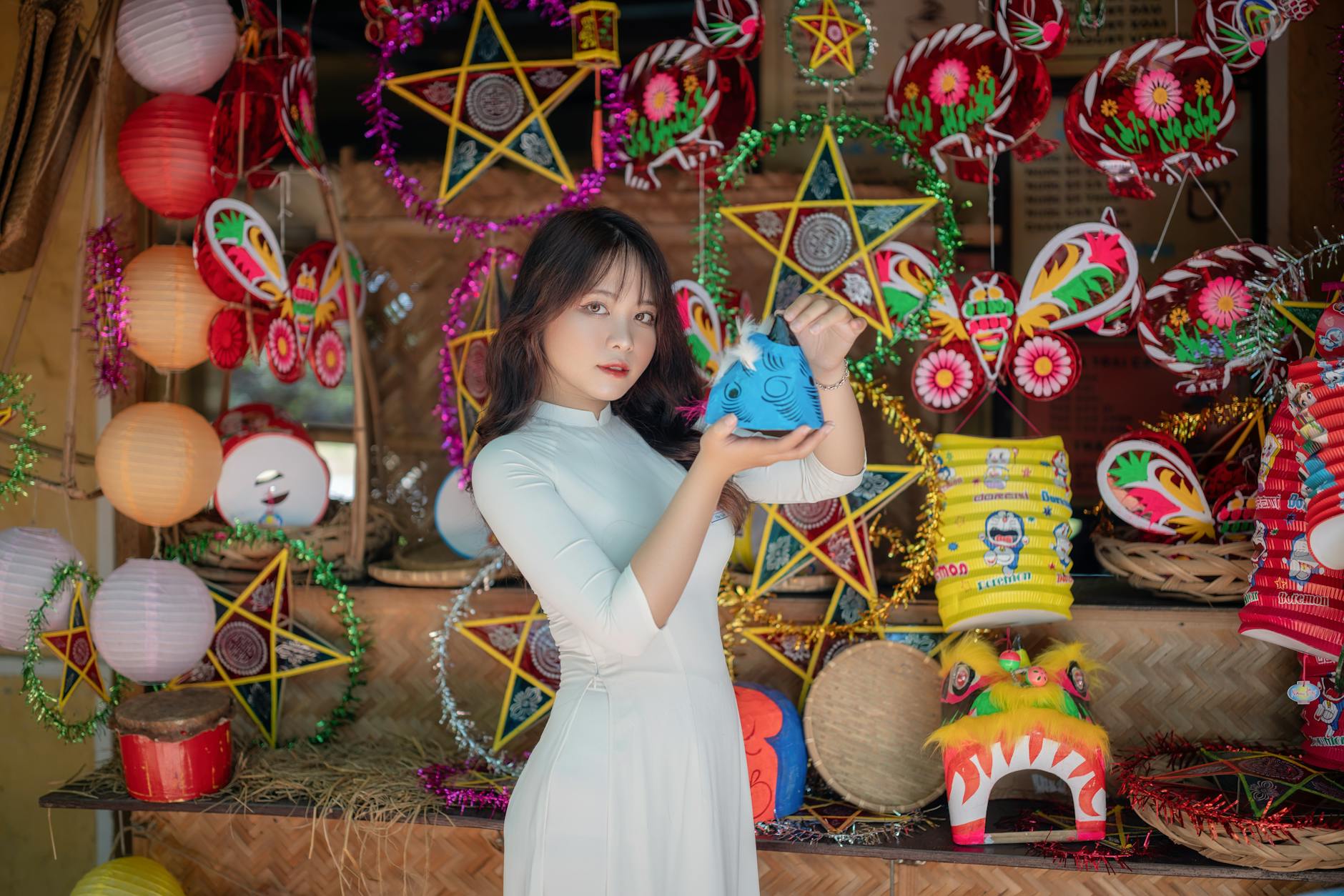
 It is early evening in Bangkok’s Yaowarat, and the last of the day’s heat is lifting from the pavement. Above you, red and gold lanterns sway gently in the river breeze, their paper skins glowing like suspended embers. Shopfront shrines overflow with pomelos, pomegranates, and pyramids of glossy mooncakes stamped with intricate Chinese characters. A family kneels at an altar on the sidewalk, lighting incense and arranging offerings of tea and fruit. Nearby, children clutch paper lanterns shaped like rabbits and butterflies, their laughter rising above the hum of the street. This is the Mid-Autumn Festival in Thailand — a quieter, more intimate celebration than the firecracker frenzy of Chinese New Year, but no less beautiful.
Also known as the Moon Festival, the Mid-Autumn Festival is one of the most cherished celebrations in the Chinese cultural calendar. In Thailand, where roughly 14 percent of the population traces their ancestry to Chinese immigrants, the festival is woven deeply into the fabric of community life — particularly in Bangkok’s Chinatown, Phuket’s Old Town, and the Chinese quarters of provincial cities. For travelers, it offers a rare chance to experience Thai-Chinese culture at its most soulful: lantern-lit, incense-scented, and full of magnificent food.
What Is the Mid-Autumn Festival?
The Mid-Autumn Festival originated in China over three thousand years ago as a harvest celebration — a time to give thanks for the year’s crops and pray for abundance in the seasons ahead. It is held on the 15th day of the 8th lunar month, which falls in September or October on the Gregorian calendar. In 2026, the festival will be celebrated on October 3, and in 2027 on September 23.
At the heart of the festival is the moon. The full moon of the eighth lunar month is traditionally considered the brightest and roundest of the entire year, symbolizing reunion, harmony, and completeness. Families gather to admire the moon together, share food, and honor their ancestors — a practice known as shang yue (moon appreciation).
The Legend of Chang’e
No account of the Mid-Autumn Festival is complete without the legend of Chang’e, the moon goddess whose story has been told for millennia. According to the most popular version, Chang’e was the wife of the archer Hou Yi, who shot down nine of the ten suns that scorched the earth and was rewarded with an elixir of immortality. To prevent the elixir from falling into the hands of a treacherous apprentice, Chang’e drank it herself and — becoming weightless — floated upward to the moon, where she resides to this day with a jade rabbit as her companion.
During the Mid-Autumn Festival, people look to the full moon and think of Chang’e, separated from her husband and watching over the earth. The story captures the festival’s emotional core: reunion, longing, and the bittersweet beauty of what is distant yet always present.
How Thailand Celebrates the Mid-Autumn Festival
While the Mid-Autumn Festival in Thailand draws deeply from Chinese tradition, the Thai-Chinese community has shaped it into something distinctly its own. The celebrations are less about spectacle and more about quiet, heartfelt ritual — though in the right neighborhoods, the atmosphere becomes wonderfully festive.
Bangkok’s Yaowarat — The Epicenter
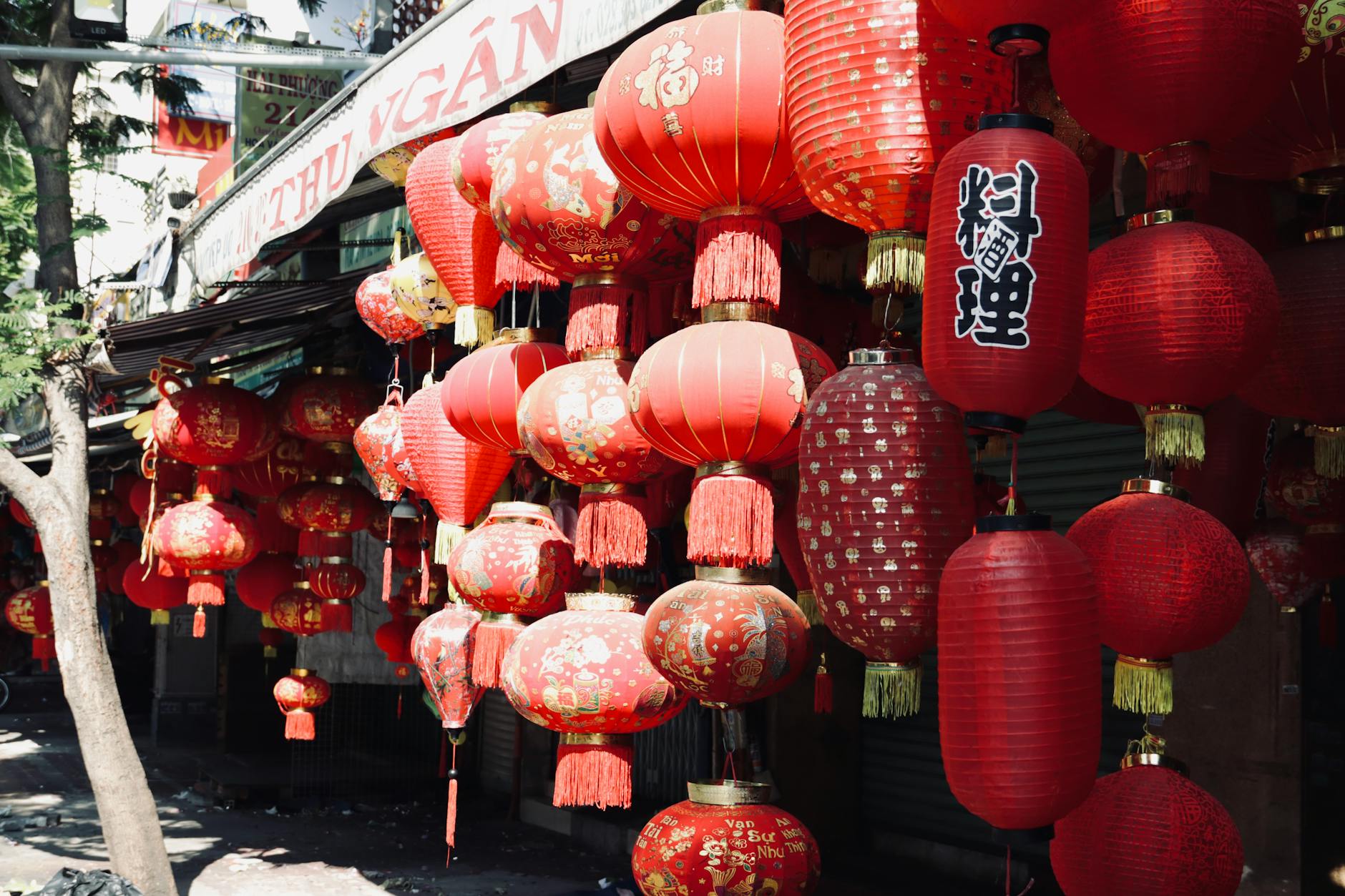
Yaowarat Road, Bangkok’s Chinatown, is the undisputed capital of Mid-Autumn celebrations in Thailand. From about a week before the festival, the entire neighborhood begins its transformation. Lanterns drape across narrow alleys, bakeries and hotels unveil elaborate mooncake displays, and shrines along every street fill with offerings of fruit, incense, and gold-foil paper.
On the night of the full moon, Yaowarat takes on a golden, almost theatrical glow. Families set up sidewalk altars facing the sky, offering tea and mooncakes to the moon goddess. Lion dance troupes weave through the streets, though less intensely than during Chinese New Year — here, the mood is more contemplative. Temples like Wat Mangkon Kamalawat (Wat Leng Noei Yi) stay open late, and the courtyard fills with devotees offering prayers and burning joss paper in crackling sidewalk braziers.
The highlight is simply walking through Yaowarat at dusk: lanterns brightening overhead, the scent of roasting chestnuts and sesame drifting from food carts, and a palpable sense of community that feels worlds away from the Bangkok of shopping malls and traffic jams.
Phuket Old Town
In Phuket’s Old Town, the Mid-Autumn Festival carries a distinct Baba-Peranakan flavor — a heritage that also comes alive during the Phuket Vegetarian Festival. The neighborhood’s pastel-colored Sino-Portuguese shophouses provide a stunning backdrop for lantern displays and moon-viewing gatherings. Families with deep Peranakan roots — descendants of Chinese traders who settled in Phuket centuries ago — prepare traditional offerings and mooncakes according to recipes passed down through generations. The streets of Thalang and Krabi host small cultural performances, and local shrines like the Jui Tui Shrine draw devotees throughout the evening. The celebration here is more intimate and photogenic than Bangkok’s, with fewer crowds and more opportunities to chat with locals about their family traditions.
Nakhon Sawan
About 250 kilometers north of Bangkok, Nakhon Sawan — a city at the confluence of two major rivers — has one of Thailand’s largest and most active Chinese communities. The Mid-Autumn Festival here is anchored by a multi-day celebration along the riverfront, featuring lantern parades, moon-viewing pavilions, and an enormous open-air food market where vendors sell mooncakes, grilled meats, and local sweets. The predominantly Teochew community maintains traditions that feel more orthodox and family-centered than in Bangkok, making Nakhon Sawan the best upcountry option for travelers seeking authenticity.
Chiang Mai
Chiang Mai’s celebration is smaller but delightful. The Chinese community around Warorot Market (Kad Luang) and Chang Moi Road decorates the area with lanterns and holds modest community gatherings. What makes it special is the northern Thai twist — you will find Lanna-style sweets alongside traditional mooncakes, and the pace is noticeably more relaxed. If you are already in the north, Chiang Mai offers a charming, low-key way to experience the festival.
Mooncake Culture: The Star of the Festival
The mooncake is the edible symbol of the Mid-Autumn Festival. These dense, round pastries — traditionally filled with lotus seed paste and salted egg yolk — are designed to echo the shape of the full moon. The yolk represents the moon itself, while the pastry’s roundness symbolizes unity and completeness.
Traditional vs. Thai-Style Mooncakes
In Thailand, you will find both classic Cantonese-style mooncakes and inventive Thai interpretations that you will not encounter anywhere else:
Traditional mooncakes are what most people picture: a thin, golden-brown pastry crust encasing a thick, sweet lotus seed or red bean paste, with one or more salted duck egg yolks at the center. They are extremely rich — one mooncake, shared among four people, is often plenty.
Thai-style mooncakes are where things get interesting. Thai bakers have developed their own variations that reflect local flavors:
- Durian mooncakes — Filled with real monthong durian paste, these are a love-it-or-hate-it proposition that captures the Thai obsession with the king of fruits. If you enjoy durian, they are extraordinary.
- Tea-infused mooncakes — Green tea, jasmine, and Thai milk tea fillings offer a lighter, more aromatic alternative to lotus paste.
- Custard mooncakes — A modern, slightly less dense version with a silky egg custard center, sometimes called “lava mooncakes” for their molten core.
- Snow-skin mooncakes — Made from glutinous rice flour and served chilled rather than baked, these delicate pastries come in pastel colors with fillings like mango, pandan, and coconut.
Tea Pairing
Mooncakes are never meant to be eaten alone. They are always paired with tea — the bitterness of the tea cuts through the sweetness of the cake, creating a perfect balance. In Thailand, you will most commonly see them served with Chinese oolong tea, jasmine tea, or pu-erh tea. Some of the more upscale hotel mooncake sets come with their own tea pairing recommendations. As a traveler, the simplest way to enjoy this ritual is to buy a mooncake and a cup of hot jasmine tea from a Chinatown stall, find a quiet spot, and eat slowly — one small wedge at a time.
Where to Buy the Best Mooncakes
During the weeks leading up to the festival, mooncake vendors appear everywhere — from luxury hotel lobbies to street-corner folding tables in Chinatown. Here is where to find the best:
- Yaowarat (Chinatown), Bangkok — Street vendors along Yaowarat Road and Soi Texas sell traditional Cantonese-style mooncakes at reasonable prices (100–300 baht per cake). For something fancier, visit the mooncake counters at Grand China Hotel or Shanghai Mansion.
- Luxury hotels — Both Thai and international hotel chains compete fiercely in the mooncake market each year. The Mandarin Oriental, Peninsula, and InterContinental Bangkok all produce intricate gift-boxed mooncakes — expensive (800–2,000 baht per box) but beautifully packaged, with creative flavors.
- S&P Bakery — A reliable Thai chain with branches nationwide. Their mooncakes are affordable, consistent, and available in both traditional and Thai-inspired flavors. A good starting point if you want to try a few varieties without hunting down specialist stalls.
- Phuket Old Town bakeries — Small family-run bakeries in the Old Town sell Peranakan-style mooncakes using recipes that have been in the same families for generations. Ask around on Thalang Road to find them.
Family Gatherings, Prayers, and Lanterns
At its heart, the Mid-Autumn Festival is about family reunion. Thai-Chinese families gather for a shared meal on the night of the full moon — often a multi-course dinner featuring auspicious dishes like whole steamed fish, roast duck, and longevity noodles. After dinner, the family moves outdoors or to a balcony to admire the moon, drink tea, and share mooncakes.
Many households set up an altar facing the sky, bearing offerings for Chang’e and the ancestors: mooncakes, pomelos, pomegranates, tea, and incense. Children carry brightly colored paper lanterns — a tradition that echoes celebrations across Chinese communities worldwide. In some neighborhoods, particularly in Nakhon Sawan, you may also see modest lantern parades where families stroll together, their children swinging rabbit-shaped lanterns as they walk.
Prayers to the Moon
A distinctive feature of the Mid-Autumn Festival — one that sets it apart from Chinese New Year — is the veneration of the moon itself. Many Thai-Chinese households prepare offerings specifically for the “moon goddess” rather than for ancestors alone. These offerings are typically vegetarian (fruits, mooncakes, tea) and are placed on altars positioned to face the rising full moon. Women traditionally lead the prayers, a reflection of the Chang’e legend and the moon’s association with feminine energy.
How It Differs from Chinese New Year
Travelers sometimes conflate the Mid-Autumn Festival with Chinese New Year, but the two are profoundly different in tone, scale, and meaning:
| Aspect | Mid-Autumn Festival | Chinese New Year |
|---|---|---|
| Season | Late September or October | Late January or February |
| Mood | Quiet, reflective, family-oriented | Loud, exuberant, public-facing |
| Visuals | Lanterns, mooncakes, moon gazing | Red decorations, firecrackers, lion dances |
| Gift exchange | Mooncakes gifted among family and business associates | Red envelopes (ang pao) of money |
| Spiritual focus | Harvest gratitude, moon worship, family reunion | Driving away bad luck, welcoming prosperity |
| Public scale | Modest; neighborhood-level celebrations | Massive; city-wide street closures and parades |
Where Chinese New Year is a roaring public spectacle, the Mid-Autumn Festival is a whisper — a gentle pause in the year when families come together, look up at the same moon, and reaffirm their bonds. As a traveler, this is what makes the festival so special: it feels less like a performance and more like being invited into someone’s living room.
Practical Tips for Travelers
When to Go
| Year | Date |
|---|---|
| 2026 | October 3 |
| 2027 | September 23 |
| 2028 | October 11 |
| 2029 | September 30 |
The festival officially falls on one night, but the build-up in Chinatown areas begins about a week in advance. Mooncake sales start appearing up to a month before the date. For the best experience, arrive in Bangkok or your chosen destination two to three days before the full moon to catch the pre-festival energy.
Where to Stay
For the most immersive experience, book accommodation in or near Yaowarat (Bangkok’s Chinatown). Boutique hotels like the Shanghai Mansion and La Locanda place you steps from the action. If you prefer a quieter base with easy access, stay along the MRT Blue Line — Wat Mangkon station exits directly into the heart of Chinatown.
What to Wear and Bring
There is no strict dress code for the Mid-Autumn Festival, but modest attire is appreciated when visiting temples. Breathable fabrics are essential — September and October are still warm and humid in Thailand. Bring comfortable walking shoes for navigating dense Chinatown crowds, and a small amount of cash (200–500 baht) for street food, mooncakes, and incense if you would like to make a temple offering.
Combining with a Bangkok Trip
The Mid-Autumn Festival lines up beautifully with Bangkok’s shoulder season — the tail end of the rainy season, when crowds are thinner and hotel prices dip before the November–February high season. A suggested itinerary:
- Afternoon: Explore Wat Mangkon Kamalawat and the Yaowarat side streets, photographing the lantern displays and shrine arrangements before the crowds build.
- Early evening: Join the flow of pedestrians along Yaowarat Road. Eat your way through the street food stalls — roasted chestnuts, grilled squid, mango sticky rice, and the Chinatown classic: crispy pork belly.
- Full moon night: Buy a mooncake and a cup of jasmine tea from a Chinatown vendor. Find a spot with a view of the sky — the rooftop of a riverside bar, a quiet temple courtyard, or even a bench by the Chao Phraya — and watch the full moon rise over Bangkok. There is no program to follow, no ticket to buy. Just you, the moon, and the quiet hum of a city celebrating.
Why the Mid-Autumn Festival in Thailand Is Worth Your Time
The Mid-Autumn Festival does not shout. It does not fill the streets with firecrackers or require tickets purchased months in advance. What it offers instead is something rarer: a moment of stillness in a country that knows how to celebrate at full volume, an invitation to slow down and look up.
In Yaowarat, you will see three generations of a family kneeling together at a sidewalk altar, the youngest child holding a lantern while the grandmother lights incense. You will taste a durian mooncake and understand why Thais are so devoted to their national fruit. You will watch the full moon rise over the Chao Phraya, round and luminous, and feel — if only for a moment — that you are part of something ancient and quietly beautiful.
That is the Mid-Autumn Festival in Thailand. All you need to do is show up, find the moon, and let the rest unfold.
You may also like
- Chinese New Year in Thailand: Where to Celebrate Lunar New Year Like a Local
- Phuket Vegetarian Festival: Sacred Rituals and Street Food
- Loy Krathong: Thailand’s Magical Festival of Lights
- Yi Peng Lantern Festival: Chiang Mai’s Sky of Lights
- Thailand Festivals Calendar: Plan Your Trip Around Every Celebration
Related Articles
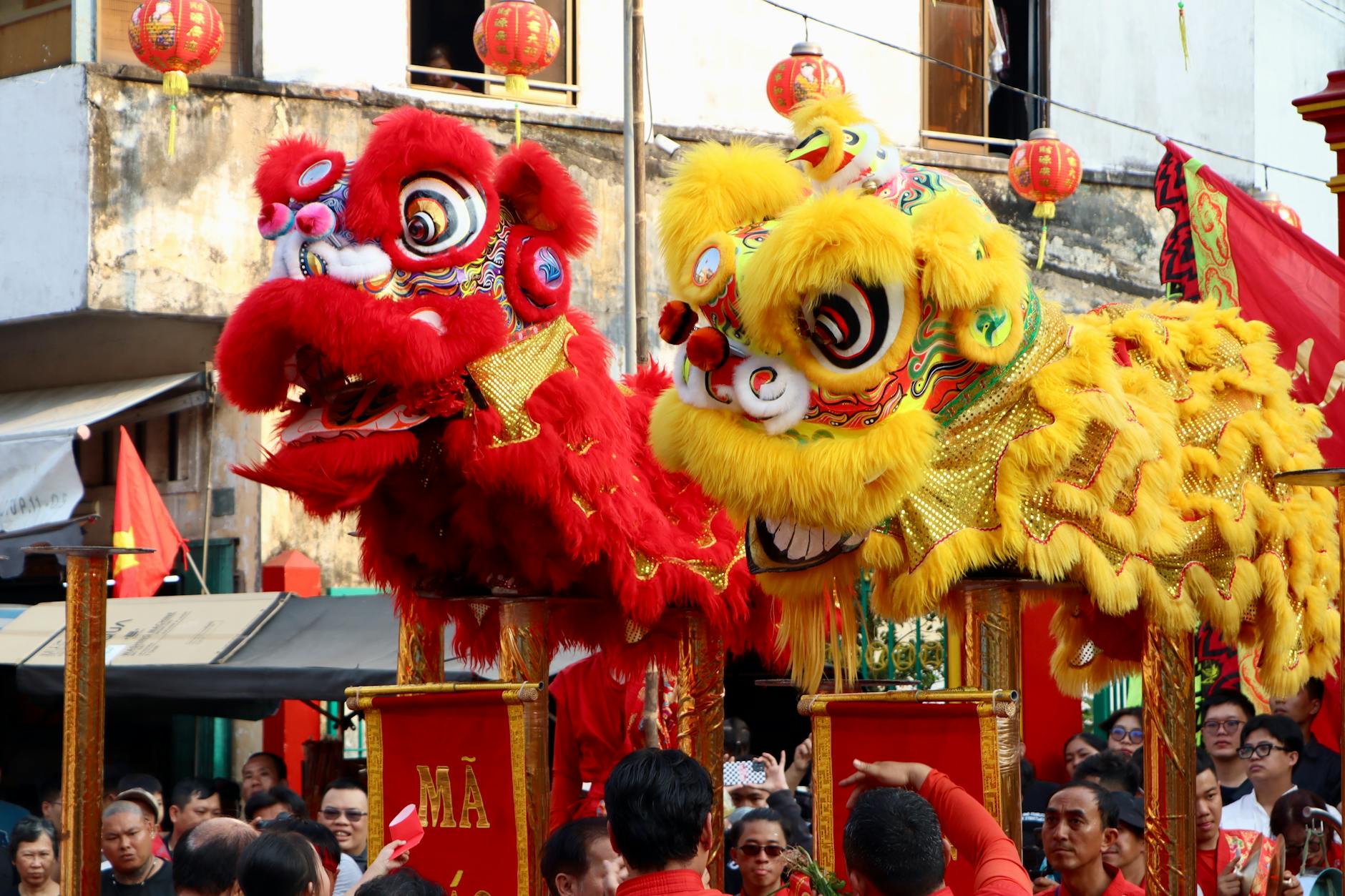
I Stood in Chinatown as a 40-Foot Dragon Weaved Past Me — Here's Why Lunar New Year in Thailand Feels Different From Anywhere Else
Celebrate Chinese New Year in Thailand with vibrant parades, lion dances, and feasts. Discover Bangkok's Chinatown, Phuket's Old Town, and the best Chinese temples for an unforgettable lunar new year.
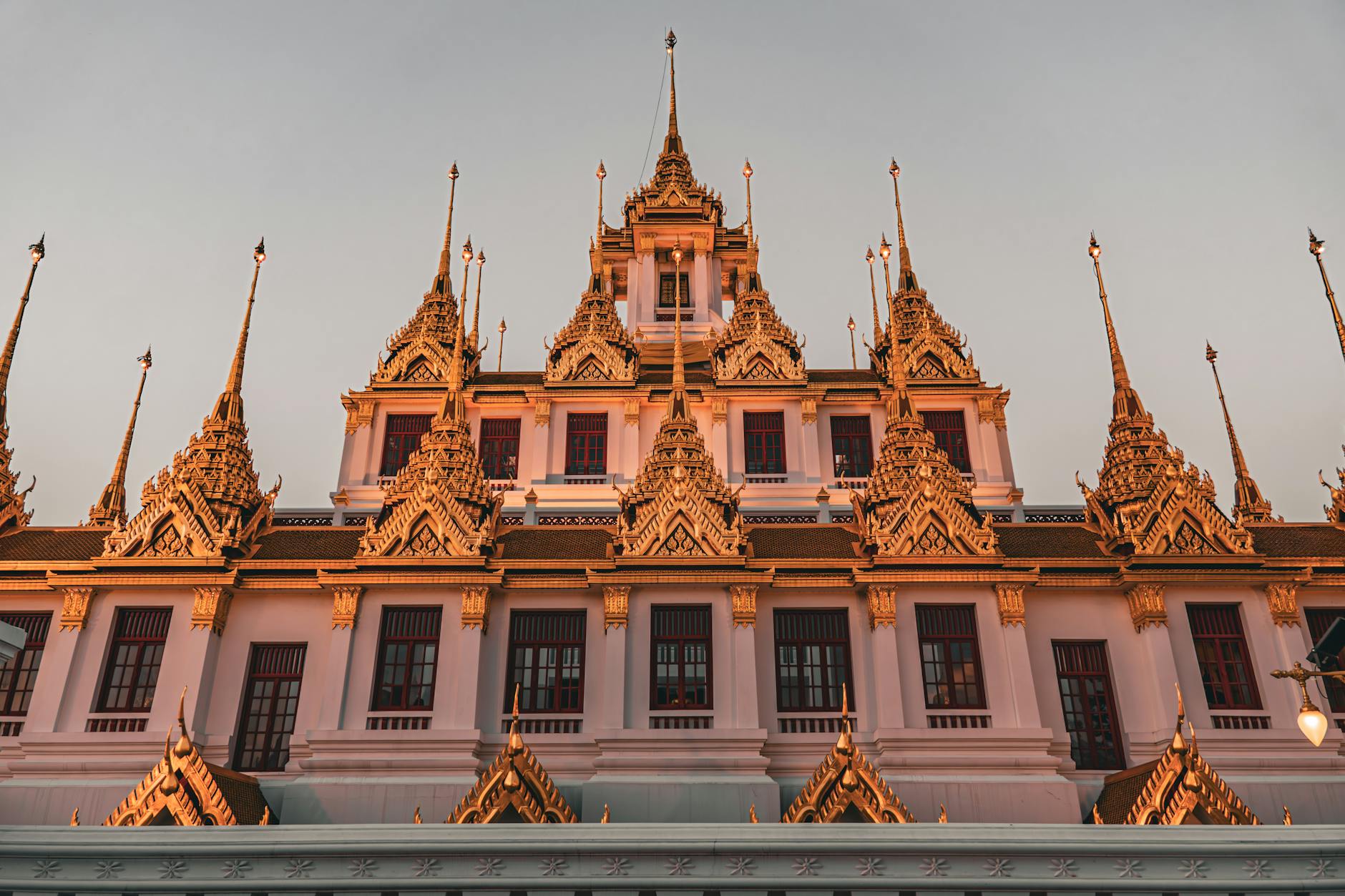
The Day Buddha Spoke for the First Time — and How Thailand Still Marks It 2,500 Years Later
Discover Asahna Bucha Day and Khao Phansa, marking the beginning of Buddhist Lent in Thailand. Learn about candle festivals, monk retreats, and how travelers can respectfully participate.
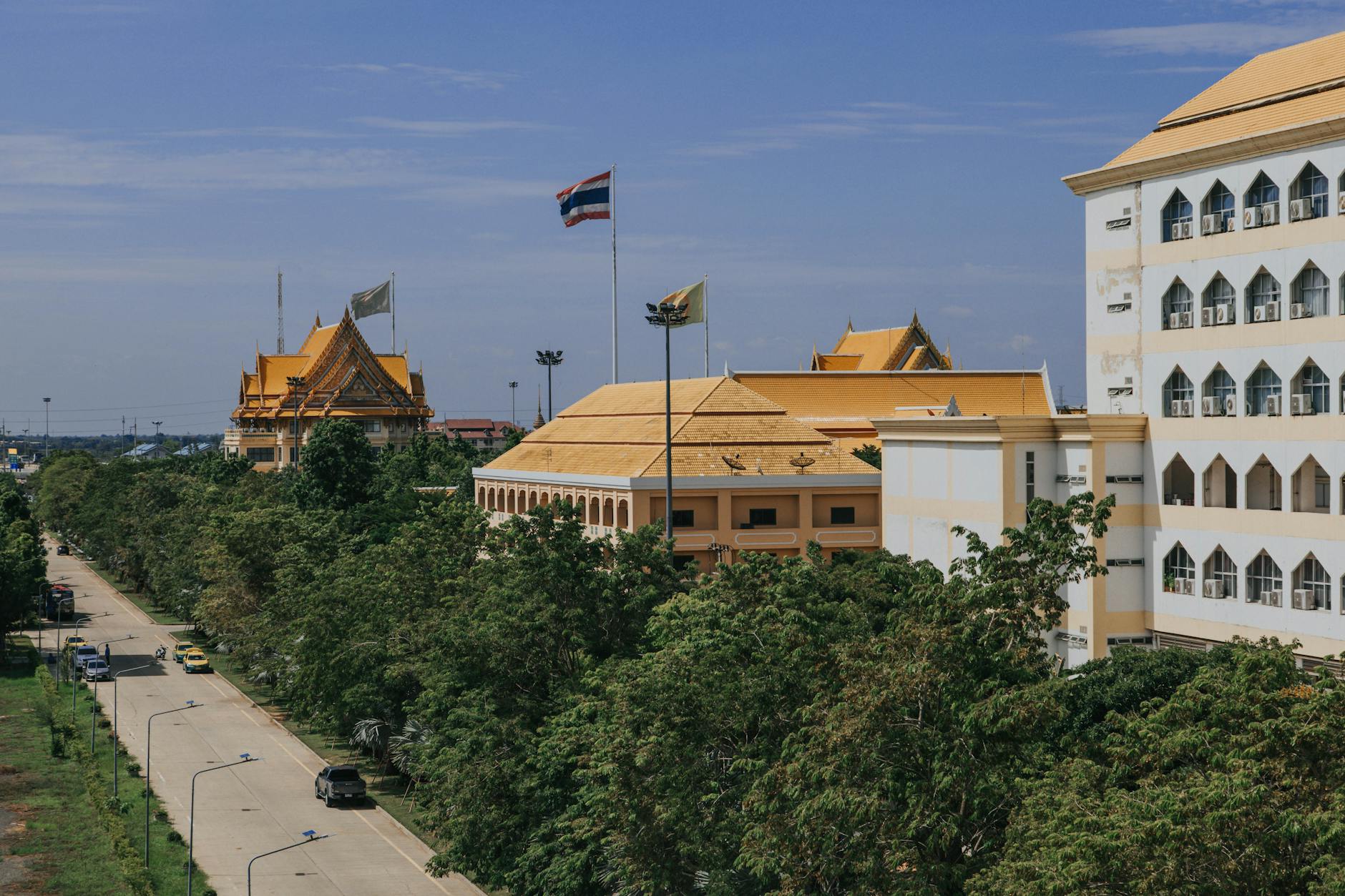
100,000 Candles and Zero Noise: The Most Unfathomable Night I've Spent in Thailand
Experience the King's Birthday in Thailand — a national celebration of monarchy, fatherhood, and unity. Yellow seas of loyal well-wishers, candlelit ceremonies, and Bangkok's grandest displays.
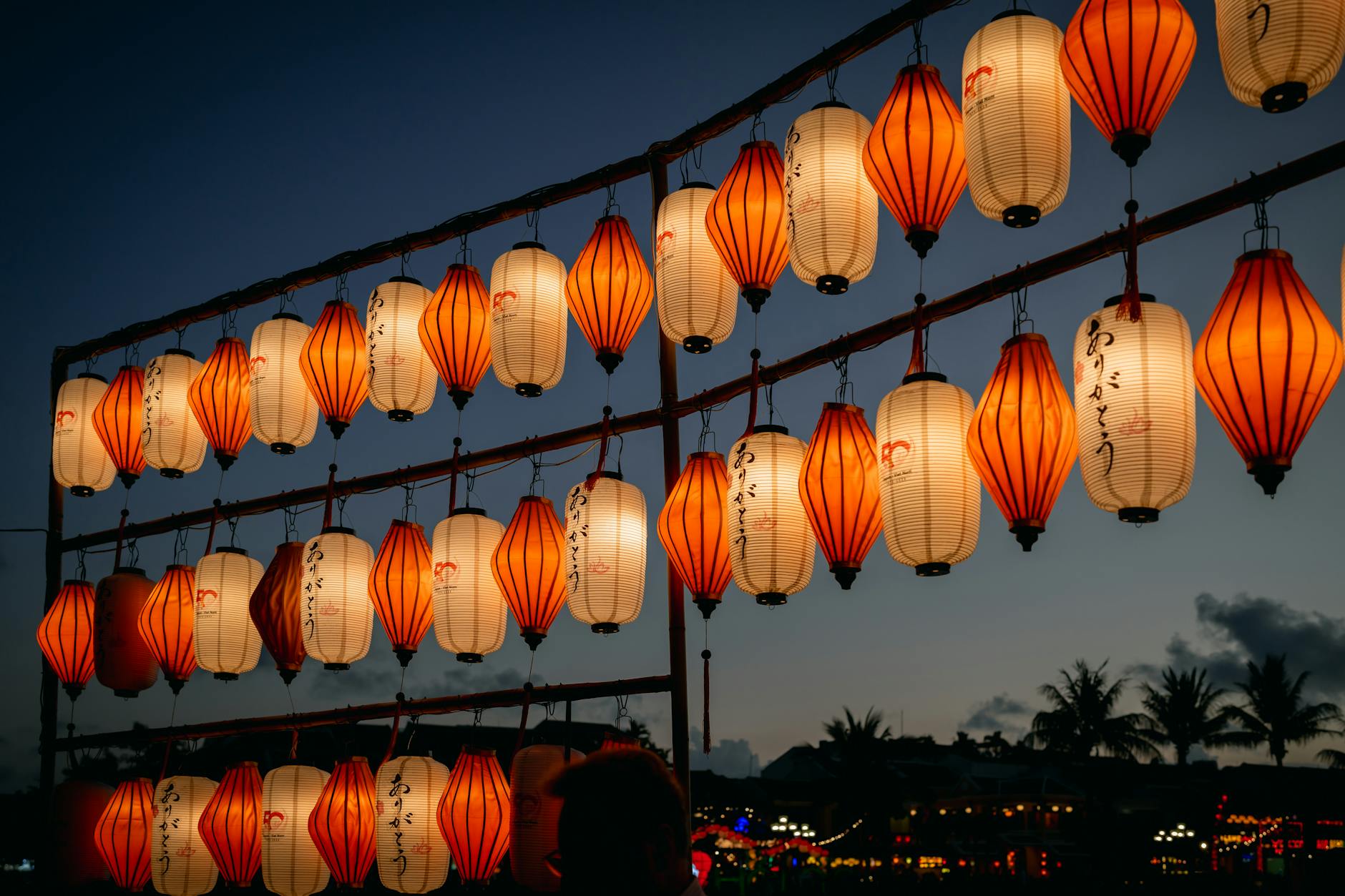
Candlelit Rivers, Floating Wishes, and One Night of Quiet Magic in Thailand
Experience the enchanting beauty of Loy Krathong, Thailand's festival of lights. Learn about its traditions, best celebration spots, and how to participate respectfully as a traveler.