
 ChatGPT
  Gemini
  Claude
  Perplexity
 Key Takeaways
- Hari Raya Haji celebrates Prophet Ibrahim’s devotion and willingness to sacrifice
- Features korban (sacrifice) of livestock distributed to needy
- Prayer services at mosques are central to celebrations
- Festival dates vary annually based on Islamic lunar calendar (usually July-October)
- Emphasizes charity and helping those in need
Understanding Hari Raya Haji
Hari Raya Haji literally means “Celebration Day of Pilgrimage” in Malay and commemorates Prophet Ibrahim’s (Abraham) willingness to sacrifice his son Ismail (Ishmael) as test of faith from Allah. At the last moment, Allah provided a sheep instead, and the practice of sacrificing animals during Eid al-Adha honors this story of devotion and submission to God.
In Malaysia, where approximately 60% of the population is Muslim, Hari Raya Haji is widely observed with mosques hosting special prayers, families performing or participating in korban, and communities coming together to celebrate faith while emphasizing charity and helping the needy. Unlike Hari Raya Aidilfitri (celebrating end of Ramadan), Hari Raya Haji focuses on sacrifice and shared abundance.
Pre-Festival Preparation
Spiritual Preparation
Muslims prepare spiritually and physically for Hari Raya Haji.
Preparation Activities:
- Increased prayers: Additional religious observance
- Fasting: Some Muslims fast on Day of Arafah (before Eid)
- Charity (Zakat): Giving to those in need before festival
- Korban arrangements: Coordinating animal purchase and sacrifice
- Family coordination: Planning for family gatherings and distributions
Practical Preparations
Logistics for korban and celebrations require planning.
Practical Elements:
- Animal purchase: Cows, goats, or sheep for korban
- Slaughter arrangements: Qualified butchers and proper Islamic methods
- Food preparation: For family meals and sharing
- Distribution planning: How korban meat will be divided
- Home cleaning: Preparing for family gatherings
Main Day Activities
Morning Prayers (Solat Hari Raya)
Hari Raya Haji begins with special congregational prayers at mosques.
Prayer Service Elements:
- Early morning prayers: Typically held shortly after sunrise
- Mosque attendance: Muslims gather at local mosques
- Special khutbah (sermon): Religious leader explains festival significance
- Congregational prayers: Performed in unity at mosques
- Community gathering: Friends and family meet after prayers
Korban (Sacrifice) Ritual
The korban sacrifice is the most distinct Hari Raya Haji practice.
Korban Process:
- Animal selection: Healthy livestock (cows, goats, sheep)
- Islamic slaughter: Following halal methods and prayers
- Qualified butchers: Properly trained in Islamic sacrifice
- Meat division: One-third for family, one-third for relatives, one-third for needy
- Distribution throughout day: Sharing blessings with community
Meat Distribution
Three-Way Division
Proper distribution of korban meat is essential to Hari Raya Haji.
Distribution Guidelines:
- One-third for family: For personal consumption
- One-third for relatives and friends: Sharing with community
- One-third for needy: Charitable distribution
- Freshness maintained: Properly preserved and distributed quickly
- Respect for recipients: Given with dignity regardless of their situation
Charitable Aspects
The charity focus distinguishes Hari Raya Haji from many other festivals.
Charitable Elements:
- Helping the poor: Ensuring everyone can participate in celebrations
- Community kitchens: Preparing food for those unable to cook
- Mosque distributions: Coordinated charitable giving
- Food banks and charities: Organized meat distribution
- Personal charity: Individual Muslims helping neighbors and community
Traditional Foods
Hari Raya Haji Cuisine
Food during Hari Raya Haji emphasizes sharing korban meat.
Traditional Dishes:
- Beef or goat rendang: Slow-cooked curry with korban meat
- Satay: Grilled skewers of korban meat
- Soto: Traditional soup with korban meat
- Ketupat: Rice cakes accompanying main dishes
- Sambal: Spicy condiments to complement meals
Family Feasts
Food during Hari Raya Haji is about sharing and community.
Feast Characteristics:
- Abundant portions: Generous servings for family and guests
- Sharing emphasis: Multiple families often share korban from single animal
- Community gatherings: Extended family and neighbors often eat together
- Traditional recipes: Using korban meat in special dishes
- Gratitude focus: Remembering blessings and being grateful
Prayers and Religious Services
Mosque Activities
Mosques are central to Hari Raya Haji observances.
Mosque Elements:
- Special Solat Hari Raya: Congregational prayer services
- Khutbah (sermons): Explaining korban significance and Islamic teachings
- Quran recitations: Reading holy verses appropriate for festival
- Supplications (Doa): Collective prayers for blessings
- Community gathering: Muslims meet before and after prayers
Religious Significance
Understanding the spiritual meaning behind Hari Raya Haji.
Theological Elements:
- Prophet Ibrahim’s test: Ultimate faith and submission to Allah
- Sacrifice meaning: Willingness to give up what one loves for God
- Shared blessings: Distribution emphasizes community and charity
- Forgiveness and repentance: Spiritual renewal through sacrifice
- Preparation for Hajj: Those intending to make pilgrimage
Best Places to Experience in Malaysia
National Mosque (Masjid Negara)
The National Mosque in Kuala Lumpur hosts significant Hari Raya Haji prayers.
National Mosque Features:
- Massive congregations: Thousands attend prayers
- Special sermons: Prominent religious leaders speak
- Community gatherings: Muslims from across Kuala Lumpur area
- Beautiful architecture: Iconic Malaysian mosque
- Accessible location: Central for Kuala Lumpur’s Muslims
State Mosques
Major state mosques host important Hari Raya Haji activities.
State Mosque Locations:
- Sultan Salahuddin Abdul Aziz Mosque (Putraja, KL): Massive services
- State mosques: Throughout Malaysia hosting congregational prayers
- District mosques: Local communities gather for prayers
- Rural mosques: Traditional mosque celebrations in villages
- University mosques: Services for Muslim student communities
Modern Celebrations
Contemporary Practices
While maintaining traditions, Hari Raya Haji has modern adaptations.
Modern Elements:
- Organized korban: Groups purchasing animals together for efficiency
- Charity organizations: Professional meat distribution networks
- Digital coordination: Apps for korban and charitable giving
- Social media sharing: Hari Raya Haji wishes and community updates
- Financial korban: Some Muslims donate equivalent value instead of animals
Digital and Social Media
Modern technology influences how Muslims celebrate.
Contemporary Adaptations:
- Video calls: Connecting with distant family during korban
- Online charity: E-giving platforms for charitable distribution
- Educational content: Explaining korban significance online
- Virtual gatherings: When family cannot gather physically
- Food delivery: Arranging meals for those unable to prepare
Etiquette for Tourists
Observing Respectfully
Tourists experiencing Hari Raya Haji should respect Islamic traditions.
Etiquette Guidelines:
- Maintain respectful distance: During prayer services and korban
- Dress modestly: Covering shoulders, knees, and removing shoes in mosques
- Ask permission: Before photographing people, especially during prayers
- Respect religious practices: Understand korban’s spiritual significance
- Avoid consumption: During fasting periods (Day of Arafah) if Muslim
Photography Considerations
Hari Raya Haji offers photographic opportunities of Islamic culture.
Photography Tips:
- Ask permission first: Especially for individuals and during ceremonies
- Focus on architecture: Mosque exteriors and Islamic art
- Respect privacy: Don’t capture people praying or korban without consent
- Use natural light: Avoid flash during prayer services
- Understand significance: Korban and prayers are religious observances
Travel Tips for Hari Raya Haji
Planning Your Visit
Hari Raya Haji affects travel in Muslim-majority areas.
Travel Considerations:
- Early booking: Accommodation fills up quickly
- Public holiday schedule: Reduced services on Hari Raya day
- Restaurant availability: Many Muslim-owned businesses may close or reduce hours
- Prayer timing: Traffic increases around mosques before and after prayers
- Flexible plans: Be prepared for changes in business hours
What to Bring
Packing appropriately for Hari Raya Haji experience.
Essential Items:
- Modest clothing: For visiting mosques and Muslim homes
- Comfortable shoes: For standing during prayers and walking
- Small gifts: If visiting Muslim families (optional)
- Respectful attitude: Understanding this is religious observance
- Cash: For mosque donations or supporting local businesses
Comparison with Hari Raya Aidilfitri
Key Differences
Understanding the difference between the two major Eids.
Comparison Elements:
- Aidilfitri (Hari Raya Puasa): Celebrates end of Ramadan
- Haji (Aidiladha): Commemorates Prophet Ibrahim’s sacrifice
- Mood differences: Aidilfitri more festive, Haji more solemn
- Duration: Both 1-day public holidays but celebrations differ
- Ritual focus: Fasting vs. sacrifice and charity
FAQ
Is Hari Raya Haji same as Eid al-Adha?
Yes, Hari Raya Haji is the Malay name for Eid al-Adha. Both terms refer to the same Islamic festival commemorating Prophet Ibrahim’s willingness to sacrifice his son. “Eid” means festival, while “Haji” refers to pilgrimage. Hari Raya Haji is specifically the Malaysian term for this celebration.
What happens during korban sacrifice?
During korban, Muslims sacrifice healthy livestock (usually cows, goats, or sheep) following Islamic halal methods. The animal is slaughtered with proper prayers, and the meat is divided into three equal parts: one-third for the family, one-third for relatives and friends, and one-third for the poor and needy. This distribution emphasizes charity and community sharing.
Can tourists attend Hari Raya Haji activities?
Tourists can observe Hari Raya Haji prayers from a respectful distance at mosques. However, the korban sacrifice is a religious ritual limited to Muslims. Tourists should maintain respectful distance during prayer services and understand that korban is a sacred Islamic practice. Non-Muslims are generally not expected to participate.
What’s the difference between Hari Raya Aidilfitri and Hari Raya Haji?
Hari Raya Aidilfitri celebrates the end of Ramadan fasting month with feasting, new clothes, and forgiveness rituals. Hari Raya Haji commemorates Prophet Ibrahim’s sacrifice with korban (animal sacrifice), prayers, and charitable meat distribution. Both are important Islamic holidays but have different focuses and religious meanings.
Do Muslims fast during Hari Raya Haji?
Some Muslims fast on Day of Arafah, which is the day before Hari Raya Haji. However, Hari Raya Haji itself is not a fasting day—rather, it’s a celebration where Muslims feast on korban meat and share blessings with others. Unlike Hari Raya Aidilfitri which follows Ramadan, Hari Raya Haji does not involve a month of fasting beforehand.
Related Articles
Chinese New Year Malaysia 2026: Lion Dances, Ang Pow & 15-Day Festival Guide
Experience Malaysia's vibrant Chinese New Year celebrations with lion dances, traditional foods, and cultural insights
Christmas in Malaysia 2026: Tropical Celebrations, Midnight Mass & Holiday Season Guide
Experience Christmas celebrations in Malaysia with church services and holiday season travel tips
Deepavali Malaysia 2026: Kolam Art, Oil Lamps & Festival of Lights Guide
Experience Deepavali Festival of Lights in Malaysia with traditions and kolam decorations
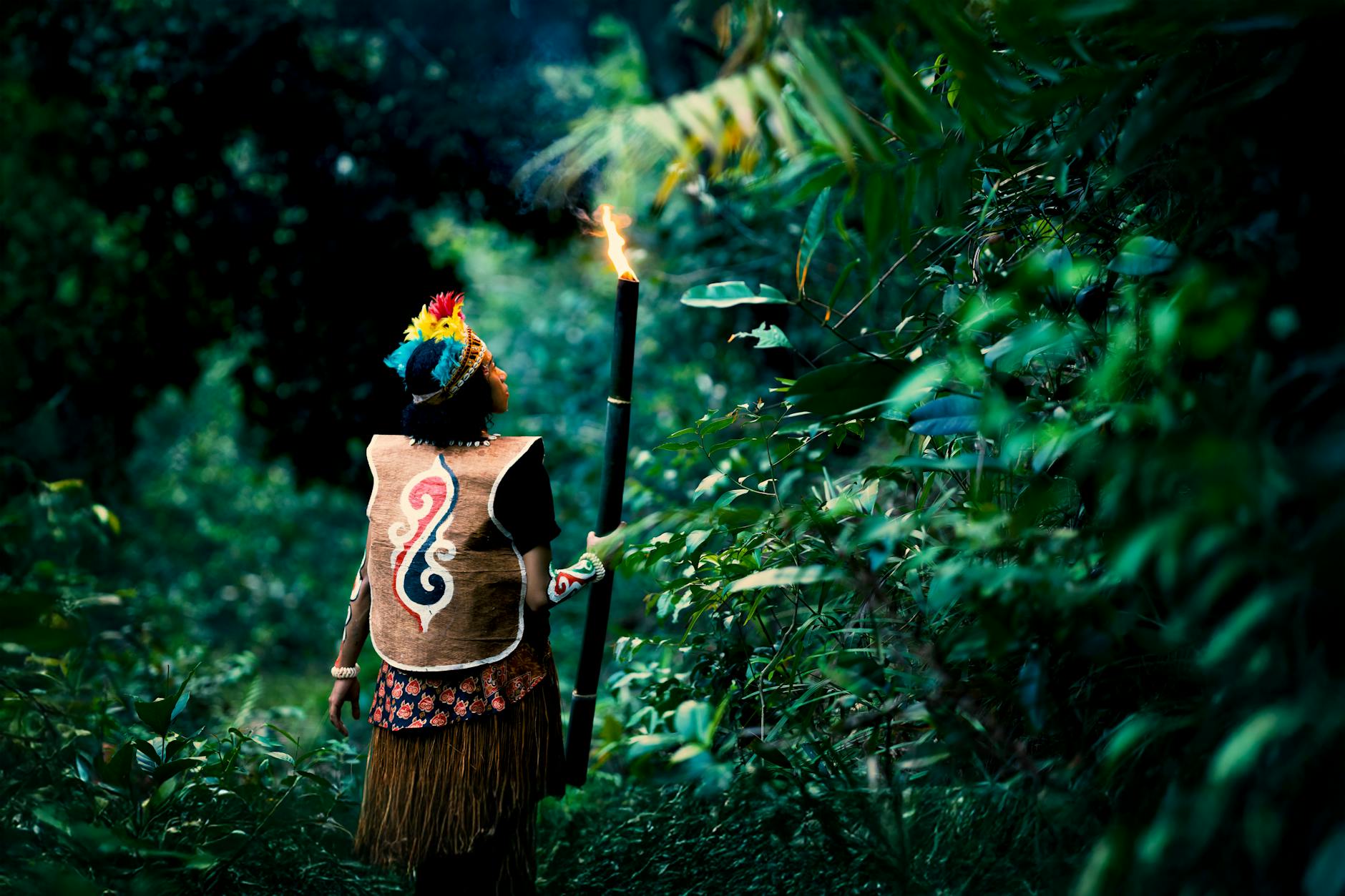
Gawai Dayak Festival Sarawak 2026: Longhouse Celebrations, Tuak & Indigenous Harvest
Experience Gawai Dayak harvest festival in Sarawak with longhouse celebrations and traditional dances