
 ChatGPT
  Gemini
  Claude
  Perplexity
 The Hung Kings Temple Festival (Lễ Giỗ Tổ Hùng Vương) is Vietnam’s most sacred national celebration, honoring the legendary Hung Kings who are believed to have founded the Vietnamese nation over 2,800 years ago. Taking place annually at the Hung Temple Complex in Phu Tho province, this UNESCO-recognized festival combines ancient rituals, colorful processions, and profound patriotic sentiment into one of Vietnam’s most powerful cultural experiences.
For travelers interested in Vietnamese history, culture, and national identity, the Hung Kings Temple Festival offers an unparalleled opportunity to witness the veneration of Vietnam’s mythical founders. The festival embodies core Vietnamese values — respect for ancestors, love of country, and continuity of tradition — and provides deep insights into what it means to be Vietnamese.
This comprehensive guide covers everything you need to know about the Hung Kings Temple Festival 2026: the legends and history of the Hung Kings, festival dates and ceremonies, practical travel information, and tips for experiencing this profoundly meaningful cultural event.
Who Were the Hung Kings?
The Legendary Founders
According to Vietnamese legend and historical tradition, the Hung Kings ruled the ancient Vietnamese state of Van Lang from approximately 2879 BC to 258 BC. The dynasty is said to have consisted of 18 kings who founded Vietnamese civilization, established the nation’s boundaries, and introduced essential cultural practices including agriculture, education, and governance.
While archaeological evidence suggests that early Vietnamese civilization developed gradually over centuries, the Hung Kings represent the founding myth that unites Vietnamese people across regions, religions, and political affiliations. They embody the Vietnamese people’s connection to their land and their ancient past.
Historical Context
The Hung Kings ruled during the Bronze Age Dong Son culture, named after archaeological finds in Thanh Hoa province. This period saw the development of sophisticated bronze drums, agricultural societies, and early state formation in the Red River Delta. While the specific details of the Hung Kings’ reign may blend myth and history, the period they represent was indeed crucial in shaping Vietnamese civilization.
The Six Sons of Lac Long Quan
According to legend, the Hung Kings were descended from Lac Long Quan (Dragon Lord of the Sea) and Au Co (Fairy of the Mountains), the mythical parents of the Vietnamese people. After Au Co gave birth to a sac containing 100 eggs, 100 sons emerged. Lac Long Quan took 50 sons to the sea, while Au Co kept 50 in the mountains. The eldest son became the first Hung King, establishing the first Vietnamese dynasty.
This founding legend explains the dual nature of Vietnamese culture — mountain and sea, agriculture and fishing, inland and coastal — and remains a powerful cultural reference point.
Festival History and UNESCO Recognition
Ancient Origins
The Hung Kings Temple Festival has been celebrated for over 2,000 years, making it one of the world’s longest-observed festivals. While the specific rituals and ceremonies have evolved over centuries, the core purpose — honoring Vietnam’s legendary founders — has remained constant.
The festival became particularly significant during periods of foreign domination and colonial rule, when serving as a focal point for Vietnamese national identity and resistance to cultural assimilation.
UNESCO Recognition
In 2012, UNESCO recognized “The Worship of Hung Kings in Phu Tho” as an Intangible Cultural Heritage of Humanity. This recognition acknowledges the festival’s importance not just to Vietnam but to world culture as a living tradition that connects modern Vietnamese people to their ancient past.
The UNESCO designation notes that the Hung Kings worship represents “a symbol of patriotism, solidarity, and solidarity among the Vietnamese people, and contributes to preserving the national identity.”
The Hung Temple Complex
The festival takes place at the Hung Temple Complex (Nghia Linh Mountain) in Phu Tho province, approximately 90 kilometers northwest of Hanoi. The complex includes:
- Lower Temple (Đền Hạ): Dedicated to Au Co, the fairy mother of the Vietnamese people
- Middle Temple (Đền Trung): Dedicated to the six Hung Kings’ sons
- Upper Temple (Đền Thượng): The main temple dedicated to the 18 Hung Kings
- Hung Kings’ Tomb (Lăng Hùng Vương): Symbolic tomb representing the kings’ burial place
- Gieng (Well): Sacred well where offerings are washed
The complex sits atop Nghia Linh Mountain, which rises 175 meters above the surrounding plain and offers panoramic views of the fertile Red River Delta.
Hung Kings Temple Festival 2026 Dates and Schedule
Official Festival Dates
- Main Festival Day: April 10, 2026 (10th day of the third lunar month)
- Festival Period: April 9–10, 2026 (9th–10th day of the third lunar month)
- Extended Celebrations: Early April through mid-April
2026 Schedule
April 9, 2026 (Day 1 — 9th Lunar Day):
- Morning: Opening ceremonies and preparations
- Midday: Processions from surrounding villages to temple complex
- Afternoon: Traditional performances and cultural activities
- Evening: Fireworks display (scheduled events)
April 10, 2026 (Day 2 — Main Festival Day):
- Morning (7–9 AM): Official incense offering ceremony
- Midday (9 AM–12 PM): Palanquin processions and ritual ceremonies
- Afternoon (12–4 PM): Cultural performances, traditional games, and exhibitions
- Late Afternoon (4–5 PM): Closing ceremonies
Best Times to Visit
- April 9, 2026: Less crowded, more informal atmosphere, good for photography
- April 10, 2026 (Morning): Main ceremonies, maximum cultural significance, largest crowds
- April 10, 2026 (Afternoon): Cultural performances, smaller crowds, more relaxed
Festival Ceremonies and Activities
1. Incense Offering Ceremony
The centerpiece of the festival is the solemn incense offering ceremony at the Upper Temple, where government officials, religious leaders, and ordinary Vietnamese people offer incense to the Hung Kings. This ritual represents the entire nation’s respect and gratitude to the legendary founders.
Ceremony Elements:
- Traditional music and chanting
- Incense offerings by dignitaries and ordinary participants
- Readings of prayers and historical texts
- Symbolic offerings of food and flowers
What to Expect:
- Formal, solemn atmosphere
- Government and military officials in attendance
- Thousands of participants offering incense
- Deep patriotic sentiment among attendees
2. Palanquin Processions
Colorful palanquin processions wind their way from villages in Phu Tho province to the Hung Temple Complex. These processions represent the historical journeys of people coming to pay tribute to the Hung Kings and feature traditional costumes, music, and ceremonial objects.
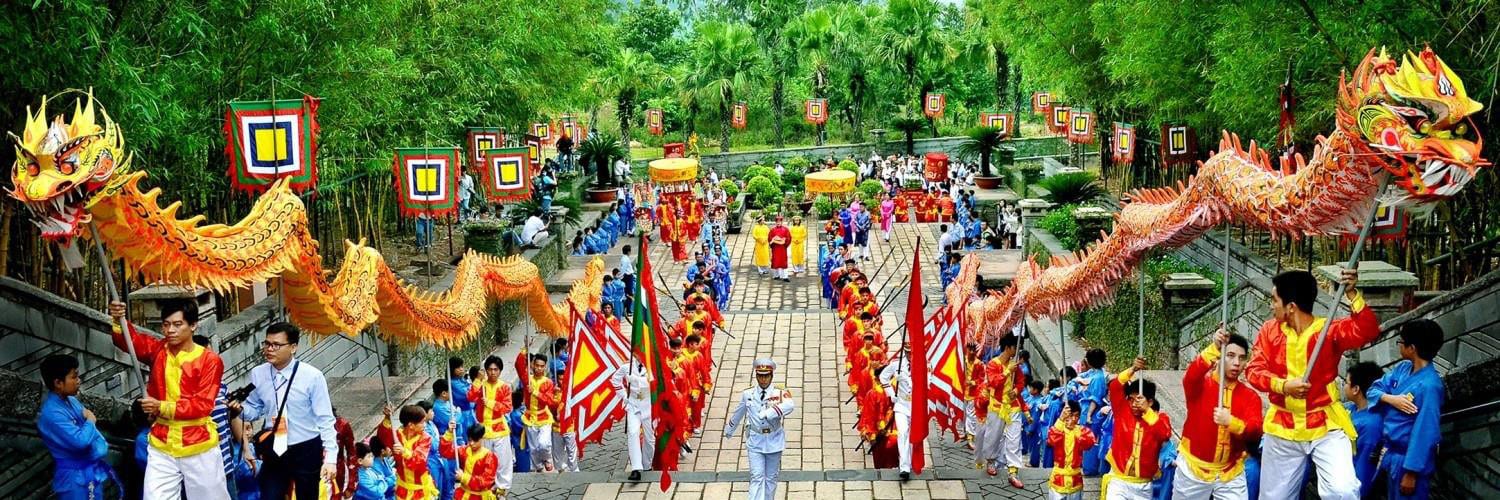
Procession Highlights:
- Elaborately decorated palanquins containing sacred objects
- Traditional musicians playing drums, gongs, and flutes
- Dancers in historical costumes
- Villagers in traditional dress carrying offerings
Visual Elements:
- Bright colors and intricate decorations
- Traditional Vietnamese architecture on palanquins
- Historical costumes representing different periods
- Mountain and temple scenery as backdrop
3. Traditional Music and Dance Performances
Throughout the festival, stages around the temple complex host traditional Vietnamese music and dance performances:
Music Performances:
- Ca Tru: Traditional chamber music
- Quan Họ: Folk singing from the Red River Delta
- Cheo: Traditional opera
- Instrumental: Traditional lutes, flutes, and drums
Dance Performances:
- Múa Rối Nước: Water puppetry performances
- Fan Dances: Traditional fan choreography
- Drum Dances: Rhythmic drumming performances
- Historical Dances: Recreations of ancient ceremonies
4. Traditional Games and Competitions
The festival includes traditional Vietnamese games and competitions that have been played for centuries:
Physical Competitions:
- Đấu vật: Traditional wrestling
- Tết (Swing): High swinging competitions
- Bắn Cung: Archery contests
- Mua Roi: Lion dances
Skill Games:
- Cờ Người: Human chess
- Cờ Tướng: Traditional Chinese chess tournaments
- Tò He: Traditional clay toy making
- Calligraphy: Vietnamese calligraphy demonstrations
5. Cultural Exhibitions and Food Stalls
Various exhibitions and food stalls provide cultural context and sustenance for visitors:
Exhibitions:
- Historical displays about Hung Kings
- Traditional crafts demonstrations
- Photo exhibitions of past festivals
- Archaeological finds from Phu Tho region
Food Stalls:
- Traditional festival foods
- Regional specialties from Phu Tho
- Vegetarian options (common during religious festivals)
- Drinks and refreshments
6. Religious Ceremonies at Individual Temples
While the main ceremony takes place at the Upper Temple, religious ceremonies also occur at the Lower and Middle Temples:
Lower Temple (Au Co):
- Prayers for family and children
- Offerings by women seeking fertility or family welfare
- Traditional mother goddess worship
Middle Temple (Six Sons):
- Ceremonies representing Vietnamese unity
- Prayers for national prosperity
- Regional delegations offering respects
Practical Travel Information
Getting to Hung Temple Complex
From Hanoi:
Private Tour ($60–100 per person):
- Hotel pickup and drop-off
- English-speaking guide
- Transportation in private vehicle
- Lunch included
- Most convenient option
Public Transportation ($10–20 per person):
- Bus from Hanoi to Viet Tri City (1.5 hours)
- Local bus or taxi to Hung Temple Complex (30 minutes)
- Budget-friendly but challenging without Vietnamese language
- Limited schedule on festival day
Motorbike Rental ($15–20 per day):
- Drive from Hanoi to Phu Tho (2 hours)
- Freedom to explore surrounding areas
- Recommended only for experienced riders
- Parking available at temple complex
Accommodation Options
In Viet Tri City (Phu Tho Province):
- Mid-range hotels ($25–50 per night)
- 10–15 kilometers from temple complex
- Better dining and shopping options
- Limited availability during festival period
Homestays near Temple:
- Local family homestays ($15–30 per night)
- More authentic cultural experience
- Basic facilities
- Must book well in advance
Day Trip from Hanoi:
- Most visitors make this a day trip
- 7–8 hours total including transportation
- Early departure recommended (leave Hanoi by 6 AM)
Cost Breakdown
Budget Traveler (Public Transport):
- Transportation: $10–20
- Food: $5–10
- Festival entrance: Free
- Total: $15–30
Mid-Range (Private Tour):
- Tour package: $60–100
- Snacks and souvenirs: $10–20
- Total: $70–120
Weather and Clothing
April Weather:
- Temperature: 20–30°C (68–86°F)
- Conditions: Spring season, generally pleasant but can be humid
- Rain: Possible light showers
Clothing Recommendations:
- Light, breathable clothing
- Modest clothing suitable for temple visits
- Comfortable walking shoes (lots of stairs and walking)
- Sun protection (hat, sunscreen)
- Light jacket for early morning departure
Festival Tips and Guidelines
Best Times to Arrive
For Main Ceremony (7–9 AM):
- Arrive by 6:30 AM
- Maximum cultural experience
- Largest crowds
- Best for official ceremony viewing
For Processions (9 AM–12 PM):
- Arrive by 8:30 AM
- Colorful and photogenic
- Less solemn than main ceremony
- Good opportunities for photography
For Afternoon Activities (12–4 PM):
- Arrive by 11:30 AM
- Fewer crowds than morning
- More relaxed atmosphere
- Better for exploring temple complex
Photography Tips
Best Photo Opportunities:
- Palanquin processions (colorful, dynamic)
- Traditional performers in historical costumes
- Temple complex against mountain backdrop
- Cultural performances and traditional games
Photography Guidelines:
- Ask permission before photographing people up close
- Be respectful during religious ceremonies
- No flash during solemn rituals
- Focus on capturing the atmosphere, not just close-ups
Cultural Etiquette
At Temple Ceremonies:
- Remove shoes before entering temple buildings
- Dress modestly (covered shoulders and knees)
- Maintain silence during prayers and ceremonies
- Follow local examples for appropriate behavior
General Behavior:
- Be respectful of the patriotic and religious significance
- Don’t interrupt ceremonies or rituals
- Ask permission before photographing ceremonies
- Follow the crowd’s behavior when uncertain
What to Bring
Essential:
- Water bottle
- Small bag for personal items
- Camera with extra battery
- Cash (small denominations)
- Comfortable walking shoes
Useful:
- Sunscreen and hat
- Light jacket for early morning
- Snacks (food options limited at festival)
- Tissues or wet wipes
Exploring Phu Tho Province
Nearby Cultural Sites
Make the most of your trip by exploring Phu Tho’s other attractions:
Ao Chau Pond:
- Scenic lake area
- Traditional villages
- 20 kilometers from Hung Temple
Thanh Thuy Hot Springs:
- Natural hot springs
- Traditional spa treatments
- 30 kilometers from temple complex
Xuan Son National Park:
- Protected forest area
- Waterfalls and caves
- Ethnic minority communities
- 50 kilometers from Hung Temple
Traditional Villages
The Phu Tho region is home to traditional villages that maintain ancient crafts:
Hat-making Villages:
- Traditional conical hat production
- Watch craftsmen at work
- Purchase authentic hats
Embroidery Villages:
- Traditional textile arts
- Beautiful hand-embroidered products
- Regional specialty
Frequently Asked Questions
Q: Do I need to be Vietnamese or Buddhist to attend the Hung Kings Temple Festival?
A: Absolutely not! The festival is open to everyone, and visitors of all backgrounds are welcome. While it’s a deeply patriotic and religious event for Vietnamese people, travelers are welcome to observe and respectfully participate. Be respectful of ceremonies and ask permission before photographing religious activities.
Q: Is the festival suitable for children?
A: Children can enjoy the colorful processions, traditional games, and lively atmosphere. However, the main ceremonies (2–3 hours) may be challenging for younger children’s attention spans. The afternoon cultural activities and games are more child-friendly. Plan for breaks and bring snacks.
Q: What is the difference between the various temples in the complex?
A: The Lower Temple (Đền Hạ) honors Au Co, the legendary fairy mother. The Middle Temple (Đền Trung) honors the six sons who became the first six Hung Kings. The Upper Temple (Đền Thượng) is the main temple dedicated to all 18 Hung Kings and is where the main ceremony takes place.
Q: Can I offer incense at the temples?
A: Yes! In fact, participating in the incense offering is a respectful way to engage with the festival. You can purchase incense at stalls near the temples. Observe how local people offer incense (typically three sticks, representing body, speech, and mind) and follow their lead.
Q: How crowded is the festival?
A: The festival attracts hundreds of thousands of visitors, making it one of Vietnam’s most crowded festivals. On the main day (10th lunar day), the temple complex can be extremely crowded, especially during morning ceremonies. Arrive early if you want a good viewing spot, or visit in the afternoon for a more relaxed experience.
Q: Are there food options at the festival?
A: Yes, food stalls serve traditional festival foods and snacks, but selection can be limited and prices higher than usual. Vegetarian options are often available due to the religious nature of the festival. Bring your own snacks, especially if you have dietary restrictions.
Related Articles
- Vietnam Festivals Calendar 2026: Complete Monthly Guide to Celebrations
- Tet Nguyen Dan 2026: Ultimate Guide to Vietnam Lunar New Year Celebrations
- Hue Festival 2026: Vietnam’s Grand Cultural Celebration in Imperial City
Ready to experience Vietnam’s most sacred national celebration? The Hung Kings Temple Festival offers a profound opportunity to connect with Vietnamese history, culture, and national identity.
Related Articles
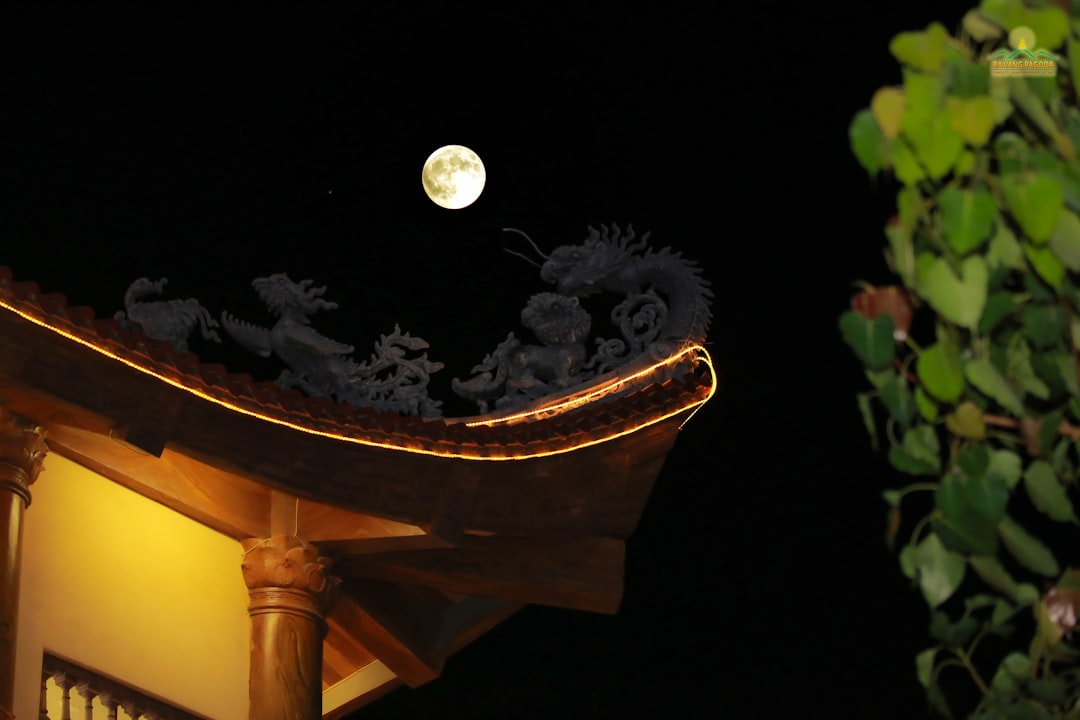
Hoi An Lantern Festival 2026: Monthly Full Moon Celebrations Guide
Experience the magical Hoi An Lantern Festival with thousands of lanterns, floating boats, and traditional culture. Complete guide to monthly full moon celebrations.
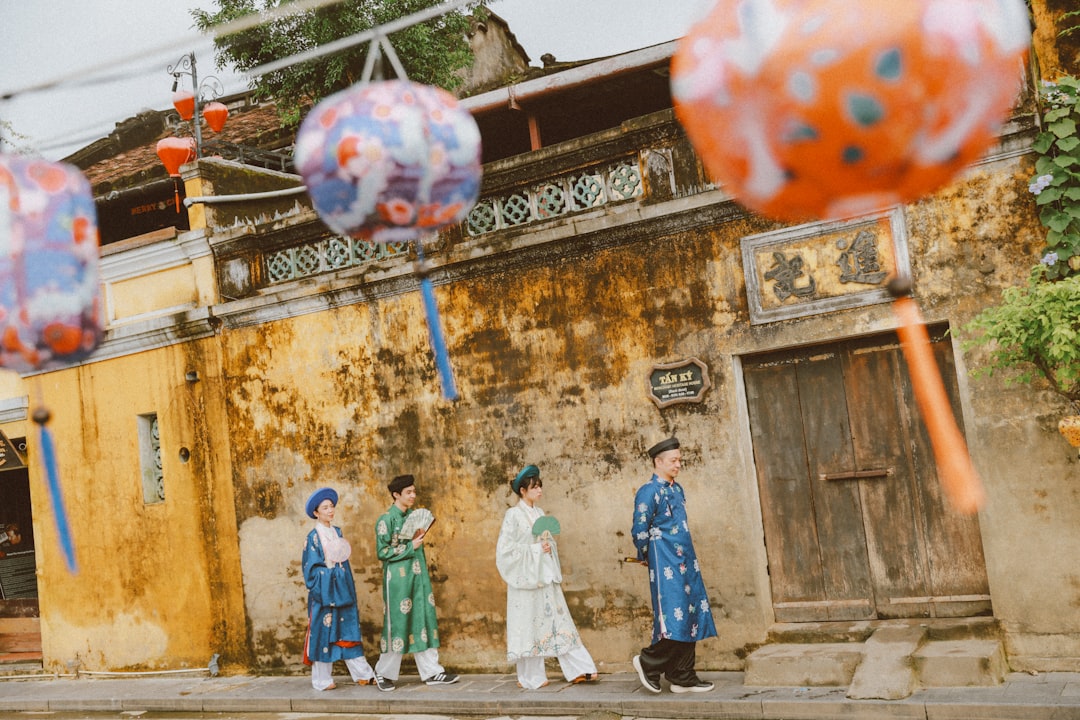
Hue Craft Festival 2026: Showcasing Vietnam's Traditional Arts and Heritage
Discover Vietnam's traditional crafts at the Hue Craft Festival. Complete guide to artisans, demonstrations, workshops, and cultural experiences in the Imperial City.
Hue Festival 2026: Vietnam's Grand Cultural Celebration in Imperial City
Experience Vietnam's premier cultural festival in the UNESCO-listed Imperial City of Hue. Complete guide to performances, venues, and cultural experiences at Hue Festival 2026.
Lim Festival 2026: Experience Vietnam's Quan Họ Folk Singing Heritage
Discover UNESCO-recognized Quan Họ folk singing at the Lim Festival in Bac Ninh. Complete guide to traditions, performances, and experiencing Vietnam's intangible cultural heritage.