
 ChatGPT
  Gemini
  Claude
  Perplexity
 The Hue Festival (Festival Huế) is Vietnam’s most ambitious and spectacular cultural celebration, transforming the UNESCO World Heritage Imperial City of Hue into a massive open-air stage for nine days of performances, exhibitions, and cultural events from around the world. Held every two years, the 2026 edition promises to be more spectacular than ever, featuring over 100 performances from 30+ countries alongside traditional Vietnamese cultural showcases.
For travelers seeking the ultimate Vietnamese cultural experience, the Hue Festival offers an unrivaled combination of historical grandeur, artistic excellence, and international cultural exchange. The festival takes place within Hue’s stunning Imperial City — the former capital of Vietnam and home to emperors, mandarins, and royal courts for over 140 years — creating a magical backdrop of ancient citadels, lotus ponds, and palaces.
This comprehensive guide covers everything you need to know about Hue Festival 2026: festival dates and locations, performance highlights, ticket information, practical travel tips, and how to make the most of this extraordinary cultural celebration.
What is the Hue Festival?
Vietnam’s Premier Cultural Event
The Hue Festival is a biennial international cultural festival that began in 2000 to promote Hue’s UNESCO World Heritage status and revive traditional Vietnamese court arts. What started as a modest cultural showcase has grown into Southeast Asia’s largest cultural festival, attracting hundreds of thousands of visitors and performers from dozens of countries.
The festival transforms Hue’s historical monuments — including the Imperial City, royal tombs, and pagodas — into performance venues, creating a unique fusion of ancient architecture and contemporary artistic expression.
Historical Context
Hue served as Vietnam’s imperial capital from 1802 to 1945, during the Nguyen Dynasty. The city’s well-preserved monuments, including the massive Imperial Citadel, royal tombs, and Thien Mu Pagoda, earned it UNESCO World Heritage status in 1993. The festival was created to celebrate and revitalize this rich cultural heritage while positioning Hue as Vietnam’s cultural capital.
Unique Features
What makes the Hue Festival special:
- Historical Venues: Performances take place in actual historical monuments, not temporary stages
- International Scale: Features performers from dozens of countries alongside traditional Vietnamese arts
- Free Access: Many events are free, making cultural experiences accessible to everyone
- Duration: Nine full days of programming, allowing visitors to experience multiple events
- Variety: Music, dance, theater, visual arts, crafts, and culinary experiences
Hue Festival 2026 Dates and Locations
Official Festival Dates
- Festival Duration: May 1–9, 2026
- Festival Theme: “Heritage and Innovation”
- Expected Visitors: 500,000+ attendees from 50+ countries
Festival Locations
The festival utilizes multiple venues throughout Hue and surrounding areas:
Imperial City (Dai Noi):
- Main venue for large-scale performances
- Ngo Mon Square (main entrance)
- Thai Hoa Palace (ceremonial hall)
- The Hien Lam Cac (pavilion)
- Various courtyards and open spaces
Perfume River (Song Huong):
- Floating stages for water-based performances
- Boat races and water spectacles
- Lantern-lit evening performances
- Floating market recreations
Royal Tombs:
- Tomb of Tu Duc (performances in historic gardens)
- Tomb of Khai Dinh (evening events)
- Tomb of Minh Mang (cultural exhibitions)
Other Venues:
- Thien Mu Pagoda (traditional arts demonstrations)
- Hue University (academic and cultural programs)
- Community stages throughout the city
Festival Highlights and Performances
1. Opening Ceremony (May 1, 2026)
The spectacular opening ceremony at Ngo Mon Square sets the tone for the entire festival:
Opening Ceremony Features:
- Grand procession through the Imperial City gates
- Traditional Vietnamese court music and dance
- International performances representing participating countries
- Spectacular lighting and pyrotechnics
- Official welcome from government and cultural officials
What to Expect:
- Crowd of 50,000+ spectators
- Free admission
- Early arrival recommended (arrive by 6 PM for 8 PM start)
- Weather-dependent (rain backup plan available)
2. Traditional Vietnamese Court Arts
Hue Festival is famous for reviving and showcasing traditional Vietnamese court arts:
Nha Nhac Cung Dinh (Court Music):
- UNESCO Intangible Cultural Heritage
- Traditional instruments: drums, gongs, lutes, flutes
- Performances by the Hue Royal Traditional Arts Theatre
- Historic court dances and rituals recreated
Traditional Dance:
- Court fan dances
- Lantern dances
- Imperial processions
- Historical costume recreations
Water Puppetry:
- Traditional water puppet performances
- Unique outdoor venues along the Perfume River
- Interactive demonstrations for visitors
3. Ao Dai Fashion Show
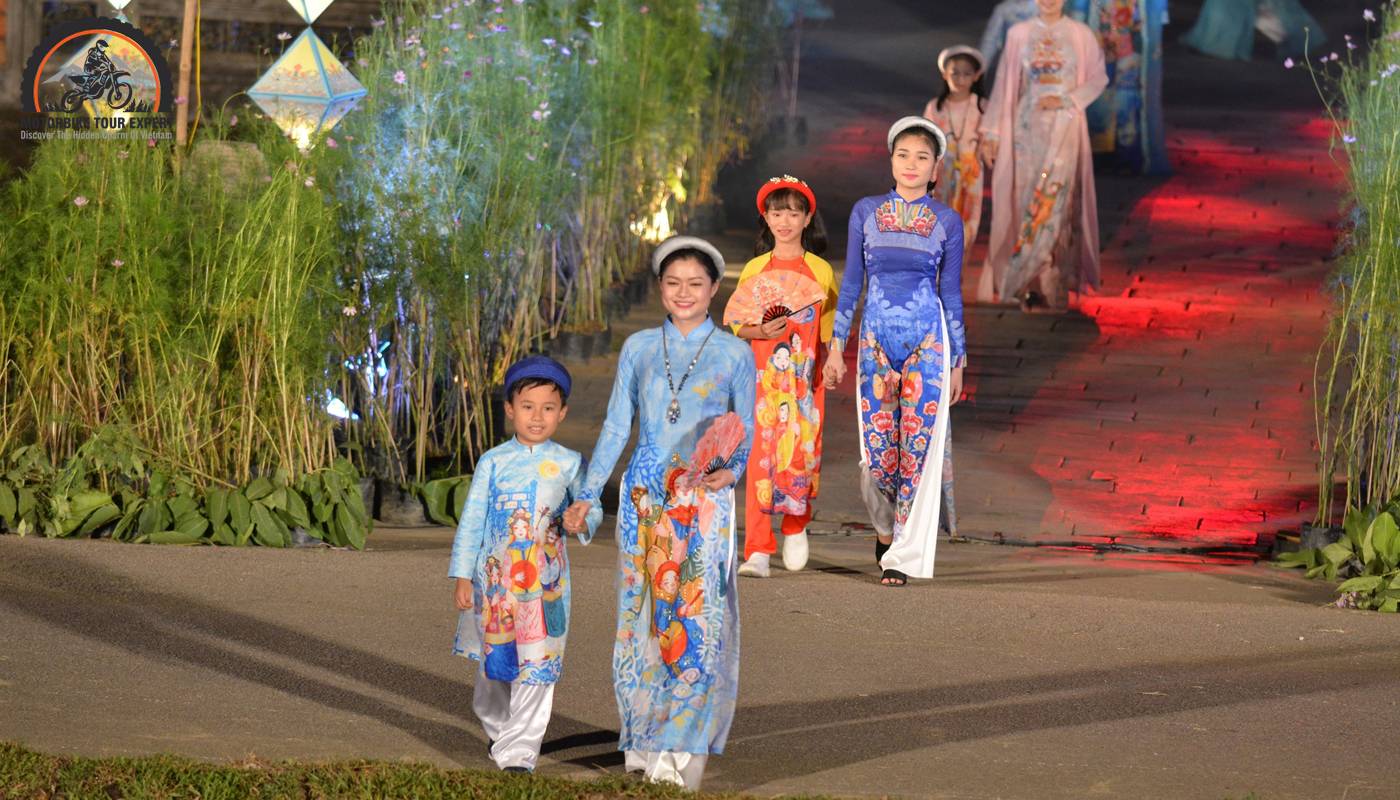
One of the festival’s most spectacular events is the Ao Dai Fashion Show along the Perfume River:
Show Features:
- Hundreds of models in traditional Ao Dai
- Historical and contemporary designs
- Floating stages and boat parades
- Live music and cultural performances
2026 Theme: “The Evolution of Vietnamese Silk”
Best Viewing: Along the Perfume River banks near Truong Tien Bridge
4. International Performances
The Hue Festival brings performers from dozens of countries:
Expected International Acts (2026):
- Europe: Classical orchestras, folk dance troupes, contemporary theater
- Asia: Traditional Japanese Noh theater, Indian classical dance, Chinese opera
- Americas: Latin American folk music, North American contemporary dance
- Africa: Traditional drumming and dance, contemporary African music
- Oceania: Indigenous Australian performances, Polynesian cultural groups
International Pavilion:
- Cultural exhibitions from participating countries
- Food stalls featuring international cuisine
- Craft demonstrations and workshops
- Cultural exchange activities
5. Night Spectacles
Evening performances are particularly magical:
Perfume River Night Show:
- Floating stages with traditional music and dance
- Lantern-lit performances
- Water effects and lighting spectacular
- Historic backdrop of the Imperial City
Imperial City Night Shows:
- Court music performances under the stars
- Traditional dance in illuminated courtyards
- Historical reenactments of royal ceremonies
- Light and sound presentations
6. Traditional Games and Sports
Traditional Vietnamese games and competitions take place throughout the festival:
Traditional Games:
- Đấu vật: Traditional wrestling
- Tết (Swing): High swinging competitions
- Cờ Người: Human chess
- Bắn Cung: Traditional archery
Dragon Boat Races:
- Competitions on the Perfume River
- Traditional decorated boats
- Drummers and ceremonial elements
- Multi-day tournament format
7. Cultural Exhibitions and Workshops
Educational and interactive experiences for visitors:
Exhibitions:
- Traditional craft demonstrations (lacquer, ceramics, embroidery)
- Historical photography exhibitions
- Imperial costume displays
- Archaeological findings from Hue region
Workshops:
- Traditional music instrument making
- Ao tailoring demonstrations
- Vietnamese calligraphy lessons
- Traditional cooking classes
8. Culinary Experiences
Food plays a central role in the festival:
Imperial Cuisine Demonstrations:
- Royal court cooking shows
- Traditional Hue recipes explained and prepared
- Tasting opportunities
Food Festival:
- Street food from Hue and surrounding regions
- International cuisine stalls
- Vegetarian options widely available
- Cooking competitions and demonstrations
Specialty Dishes to Try:
- Bún Bò Huế: Spicy beef noodle soup
- Cơm Hến: Baby clams with rice
- Bánh Lọc: Transparent tapioca dumplings
- Banh Bèo: Steamed rice cakes
Tickets and Pricing
Free Events
Many festival events are completely free:
Free Events Include:
- Opening and closing ceremonies
- Street performances and parades
- Community stage events
- Cultural exhibitions
- Traditional craft demonstrations
- Food festival areas
Paid Events
Premium performances and special events require tickets:
Ticket Types:
- Standard Tickets: $10–30 per event
- Premium Seats: $50–100 per event (better viewing, VIP access)
- Festival Pass: $150–250 (access to all paid events)
- VIP Packages: $500+ (premium seating, behind-the-scenes access, exclusive events)
Popular Paid Events:
- Ao Dai Fashion Show: $20–50
- Royal Court Music: $15–30
- International Headline Performances: $30–80
- Special Night Spectacles: $20–40
How to Buy Tickets
Online:
- Official festival website (festivalhue.org.vn)
- Vietnamese ticketing platforms
- International travel agencies
On-Site:
- Festival ticket offices in Hue
- Venue ticket counters
- Hotel concierge services
Advance Booking: High-demand events sell out quickly, especially VIP tickets and the Ao Dai Fashion Show. Book at least 2–3 months in advance for premium events.
Practical Travel Information
Getting to Hue
By Air:
- Phu Bai International Airport (HUI): 15 kilometers from city center
- Domestic flights from Hanoi, Ho Chi Minh City, Da Nang
- International connections via Hanoi and Ho Chi Minh City
- Airport Transfer: Taxi ($15–20), shuttle bus ($5), private transfer ($25–35)
By Train:
- Reunification Express stops at Hue Station
- From Hanoi: 12–14 hours (overnight)
- From Da Nang: 2–3 hours
- From Ho Chi Minh City: 18–20 hours
By Bus:
- Sinh Tourist: Hanoi–Hue sleeper buses ($15–20)
- The Sinh Tourist: Da Nang–Hue ($5–8)
- Local buses: Budget-friendly but less comfortable
Accommodation
During the festival, accommodation fills quickly:
Luxury Hotels ($80–200 per night):
- Azerai La Residence (5-star, colonial architecture)
- Pilgrimage Village (luxury spa resort)
- Hotel Saigon Morin (historic French colonial)
- Book 6–12 months in advance
Mid-Range Hotels ($30–80 per night):
- Serene Hotel
- Eldora Hotel
- Minh Chau Hotel
- Book 3–6 months in advance
Budget Options ($15–30 per night):
- Hostels and guesthouses
- Homestays with local families
- University dormitories during festival period
- Limited availability
Recommendation: Book accommodation as soon as festival dates are confirmed — ideally 6–12 months in advance for the best selection and prices.
Getting Around Hue
Transportation Options:
Cyclo ($3–5 per ride):
- Traditional pedal-powered tricycles
- Good for short distances in Old Quarter
- Negotiate price before ride
- Atmospheric but slow
Motorbike Taxi (Xe Om) ($1–3 per ride):
- Fastest way around the city
- Negotiate price or use meter
- Wear helmet (provided)
- Not suitable for festival crowds
Bicycle ($5–10 per day rental):
- Pleasant way to explore the city
- Good for day trips to tombs
- Bicycle-friendly roads
- Many hotels provide free bicycles
Walking: Hue’s city center is compact and walkable, especially the area around the Imperial City and Perfume River.
Weather in May
May Weather Conditions:
- Temperature: 25–35°C (77–95°F)
- Humidity: 70–85%
- Rain: Possible afternoon showers
- Sun: Strong UV index, need sun protection
What to Wear:
- Light, breathable clothing
- Comfortable walking shoes
- Sun protection (hat, sunscreen)
- Light jacket for evening performances
- Modest clothing for temple visits
Festival Tips and Recommendations
Planning Your Visit
Recommended Duration: 4–6 days
Suggested Itinerary:
- Day 1: Arrival and exploration of Imperial City
- Day 2: Opening ceremony and evening spectacles
- Day 3: Royal tombs and traditional arts performances
- Day 4: Ao Dai Fashion Show and Perfume River activities
- Day 5: International performances and cultural exhibitions
- Day 6: Closing ceremony and departure
Best Viewing Spots
For Opening/Closing Ceremonies:
- Arrive 2 hours early for best spots
- Bring cushion or portable chair
- Avoid standing areas directly in front of speakers
- Consider elevation for better views
For Perfume River Shows:
- Both sides of Truong Tien Bridge
- Boat charters for unique perspective ($50–100 per boat)
- Riverside cafes and restaurants
- Free public viewing areas along the riverbanks
For Street Performances:
- Main streets in Old Quarter
- Imperial City courtyards
- Community stage areas
- Riverbank promenades
Photography Tips
Best Times for Photos:
- Golden hour (6–7 AM, 5–6 PM) for warm light
- Nighttime performances (dramatic lighting)
- Parades and processions (dynamic shots)
- Empty historical sites (early morning before crowds)
Photography Guidelines:
- Ask permission before photographing performers up close
- No flash during formal performances
- Respect cultural sensitivities (some ceremonies are sacred)
- Focus on capturing atmosphere, not just close-ups
Cultural Etiquette
At Imperial City Venues:
- Dress modestly (covered shoulders and knees)
- Remove shoes before entering temple buildings
- Respect historical monuments (no touching artifacts)
- Follow instructions from staff and security
At Performances:
- Arrive on time and stay until the end
- Turn off phones or set to silent
- Applaud appropriately (follow local audience)
- Don’t block views of other spectators
Day Trips and Extended Activities
Royal Tombs
Hue’s royal tombs are architectural masterpieces:
Tu Duc Tomb:
- Most elaborate tomb, 7 kilometers from city
- Traditional architecture and gardens
- Festival performances on select days
Khai Dinh Tomb:
- Unique blend of Vietnamese and European styles
- Spectacular hilltop location
- Evening light shows during festival
Minh Mang Tomb:
- Classical Vietnamese imperial architecture
- Beautiful gardens and lakes
- Accessible by boat on the Perfume River
Thien Mu Pagoda
Hue’s most iconic pagoda:
- 400-year-old temple on Perfume River
- Iconic seven-story pagoda
- Buddhist ceremonies and meditation
- Reachable by boat ($10–15 round trip)
Countryside Tours
Explore Hue’s rural attractions:
- Thanh Toan Tile-roofed Bridge: Historic covered bridge
- Banyan Tree Villages: Traditional rural communities
- Traditional Craft Villages: Conical hat making, incense production
- Countryside Cycling: Pleasant rides through rice paddies
Frequently Asked Questions
Q: Do I need to speak Vietnamese to enjoy the Hue Festival?
A: Not at all! While some traditional performances include Vietnamese lyrics, the visual spectacle, music, dance, and international acts can be fully appreciated without understanding Vietnamese. Program books often include English summaries. Many volunteers and staff speak basic English.
Q: Is the festival suitable for children?
A: Children can enjoy the colorful performances, costumes, and outdoor atmosphere. However, formal performances (2–3 hours) may be challenging for young children’s attention spans. The street performances, craft demonstrations, and food festival are more child-friendly. Consider bringing games and snacks.
Q: What if it rains during my visit?
A: The festival continues rain or shine. Outdoor performances have rain backup plans (some move to covered venues). Bring a light rain jacket or umbrella. Some indoor venues become even more popular during rain, so arrive early for covered events.
Q: Can I participate in traditional activities?
A: Yes! Many cultural demonstrations invite visitor participation, including traditional games, craft workshops, and some dance activities. Volunteer for interactive sessions, but respect if organizers prefer certain activities to remain demonstration-only for cultural preservation.
Q: Are there food options for vegetarians?
A: Excellent! Hue has a strong vegetarian tradition (especially due to Buddhist influence). Many festival food stalls offer vegetarian dishes, clearly labeled with “chay” (vegetarian). Restaurants throughout the city have extensive vegetarian menus.
Q: How crowded is the festival?
A: The festival attracts 500,000+ visitors over nine days, making Hue very crowded during this period. The Imperial City and main venues can be extremely crowded during peak events. Arrive early, be patient, and explore less crowded areas of the city between main events.
Related Articles
- Vietnam Festivals Calendar 2026: Complete Monthly Guide to Celebrations
- Hue Craft Festival 2026: Showcasing Vietnam’s Traditional Arts and Heritage
- Hoi An Lantern Festival 2026: Monthly Full Moon Celebrations Guide
Ready to experience Vietnam’s grandest cultural celebration? The Hue Festival offers an unforgettable blend of imperial heritage, artistic excellence, and international cultural exchange that you’ll treasure forever.
Related Articles
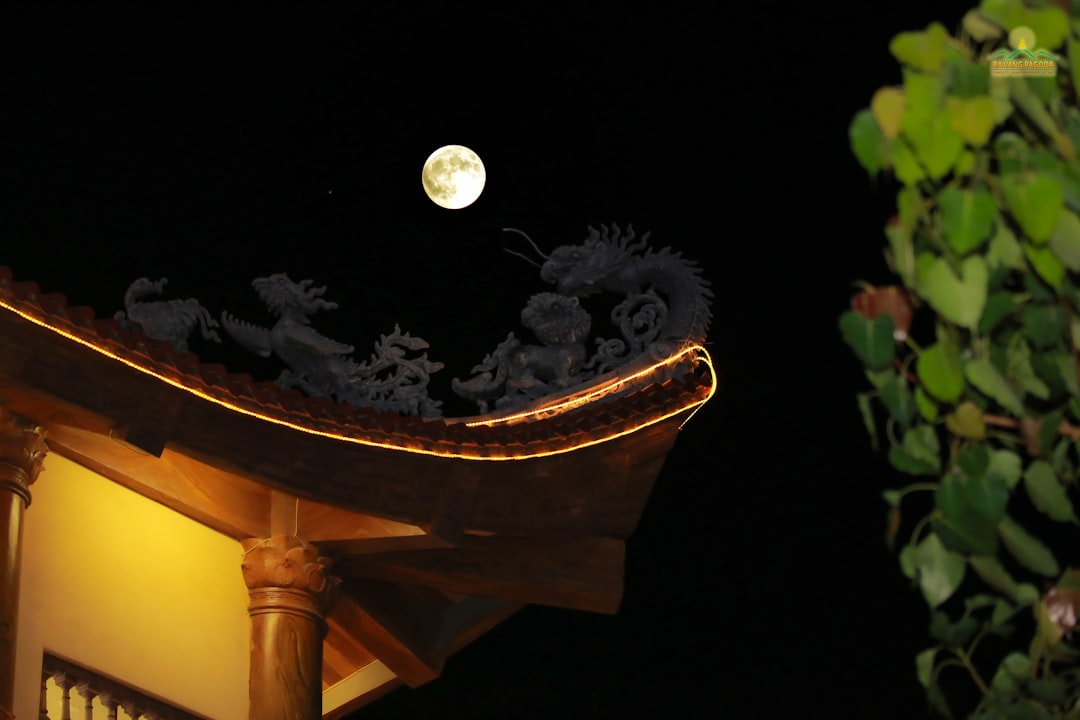
Hoi An Lantern Festival 2026: Monthly Full Moon Celebrations Guide
Experience the magical Hoi An Lantern Festival with thousands of lanterns, floating boats, and traditional culture. Complete guide to monthly full moon celebrations.
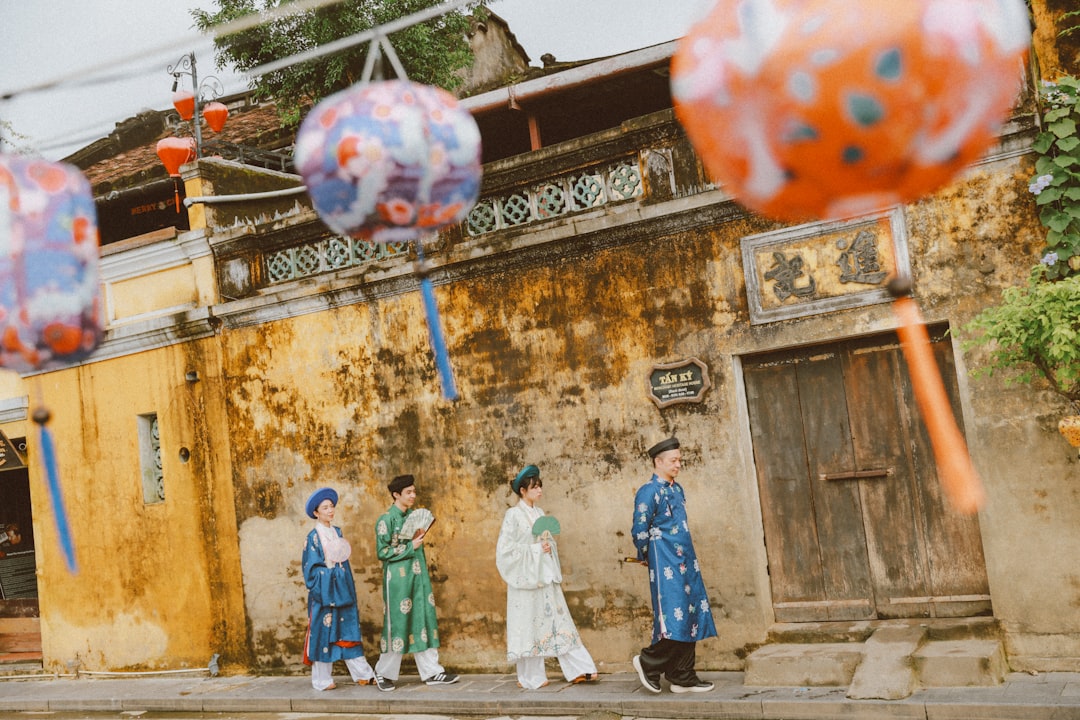
Hue Craft Festival 2026: Showcasing Vietnam's Traditional Arts and Heritage
Discover Vietnam's traditional crafts at the Hue Craft Festival. Complete guide to artisans, demonstrations, workshops, and cultural experiences in the Imperial City.
Hung Kings Temple Festival 2026: Honoring Vietnam's Legendary Founders
Experience Vietnam's UNESCO-recognized festival honoring legendary Hung Kings. Complete guide to ceremonies, history, and cultural significance of Phu Tho celebrations.
Lim Festival 2026: Experience Vietnam's Quan Họ Folk Singing Heritage
Discover UNESCO-recognized Quan Họ folk singing at the Lim Festival in Bac Ninh. Complete guide to traditions, performances, and experiencing Vietnam's intangible cultural heritage.