
 ChatGPT
  Gemini
  Claude
  Perplexity
 The Lim Festival (Hội Lim) is a vibrant celebration of Quan Họ folk singing, a UNESCO-recognized intangible cultural heritage that represents one of Vietnam’s most beautiful and sophisticated musical traditions. Taking place annually in Bac Ninh province, about 30 kilometers east of Hanoi, this festival brings together hundreds of singers, musicians, and thousands of spectators to witness performances that have been passed down through generations for over 700 years.
For travelers interested in Vietnam’s rich cultural heritage, the Lim Festival offers an immersive experience into the world of Quan Họ — a sophisticated call-and-response singing tradition that embodies Vietnamese values of romance, community, and artistic expression. The festival is not just a performance but a living cultural practice where visitors can witness, participate in, and even learn traditional Vietnamese arts.
This comprehensive guide covers everything you need to know about the Lim Festival 2026: the history and significance of Quan Họ singing, festival dates and schedule, main events and performances, practical travel information, and tips for making the most of this unique cultural experience.
What is Quan Họ Folk Singing?
UNESCO Intangible Cultural Heritage
Quan Họ (alternate singing) was recognized by UNESCO in 2009 as an Intangible Cultural Heritage of Humanity. This sophisticated musical tradition originated in the Kinh Bac region of northern Vietnam and features alternating singing between male (lien anh) and female (lien chị) performers.
The singing style is characterized by:
- Call and Response: Male and female singers alternate verses in a sophisticated musical dialogue
- Improvisation: While traditional songs exist, skilled singers improvise based on themes and responses
- Complex Lyrics: Poetic verses express themes of love, longing, friendship, and community values
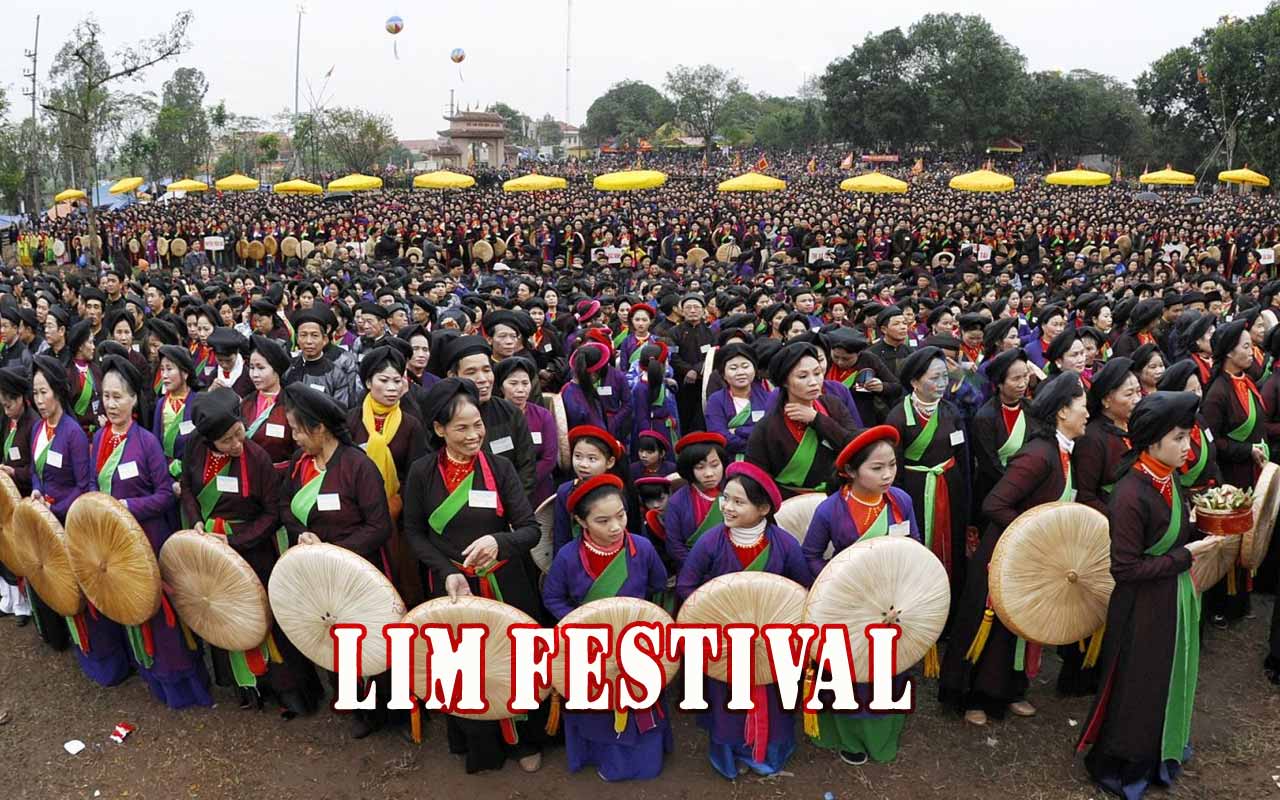
- Traditional Costumes: Performers wear colorful silk costumes representing village identity
The Cultural Significance
Quan Họ is more than just music — it’s a social practice that embodies Vietnamese rural life and values. Traditionally, Quan Họ groups from different villages would meet and exchange songs, creating bonds between communities. The lyrics often express romantic longing, moral lessons, and philosophical thoughts, all set to intricate melodies that have been refined over centuries.
700 Years of Tradition
The tradition dates back to the 13th century, during the Ly Dynasty, when folk songs were an important part of village life and cultural exchange. Over the centuries, Quan Họ evolved from informal village singing into a sophisticated art form with standardized songs, costumes, and performance protocols.
Lim Festival History and Location
Festival Origins
The Lim Festival began in the 15th century as a way to honor Hien Trung, a local mandarin who promoted Quan Họ singing and cultural activities. The festival takes place at Lim Pagoda, also known as Hong Van Tu, a Buddhist temple dedicated to Lady Lieu Hanh, one of the four immortals in Vietnamese folklore.
Geographic Location
The festival is held in Lim Village, Tien Du District, Bac Ninh Province, approximately 30 kilometers east of Hanoi. The area is part of the Kinh Bac region, considered the heartland of Quan Họ singing and traditional Vietnamese folk arts.
Why Lim?
Lim Village became the focal point for Quan Họ celebrations because of its strategic location between major villages and its association with Lady Lieu Hanh, a figure in Vietnamese folklore who is believed to have patronized arts and culture. The village has maintained strong Quan Họ traditions for centuries.
Lim Festival 2026 Dates and Schedule
Official Festival Dates
- Festival Duration: February 12–13, 2026 (13th–14th day of the first lunar month)
- Main Performance Day: February 13, 2026 (14th day of the first lunar month)
- Peak Hours: 8 AM – 6 PM
Daily Schedule
February 12, 2026 (Day 1):
- Morning: Opening ceremonies at Lim Pagoda
- Midday: Processions through the village streets
- Afternoon: Preliminary singing contests and warm-up performances
- Evening: Cultural performances and traditional games
February 13, 2026 (Day 2 — Main Day):
- Morning (8–11 AM): Official Quan Họ singing competitions
- Midday (11 AM–1 PM): Lunch break and village tours
- Afternoon (1–5 PM): Main performances on village stages
- Late Afternoon (5–6 PM): Closing ceremonies and awards
Extended Cultural Activities
While the official festival lasts two days, cultural activities often begin several days earlier and may extend a day after the main festival. These include:
- Rehearsals and informal performances
- Costume-making and traditional craft demonstrations
- Village feasts and community gatherings
- Local musicians practicing traditional instruments
Main Festival Events and Activities
1. Quan Họ Singing Competition
The centerpiece of Lim Festival is singing competition where Quan Họ groups from different villages compete in traditional song categories. These are not casual performances but serious cultural events judged by elders and experts in Quan Họ tradition.
Competition Categories:
- Ca Quan Họ: Traditional singing in pairs
- Hát Ấm: Solo singing demonstrations
- Group Singing: Larger ensembles performing traditional arrangements
What to Expect:
- Formal judging based on vocal technique, costume, and tradition
- Intense concentration and skill displayed by performers
- Traditional songs that have been preserved for centuries
- Audience participation through traditional responses
2. Village Stages (Nơi Đất Kinh)
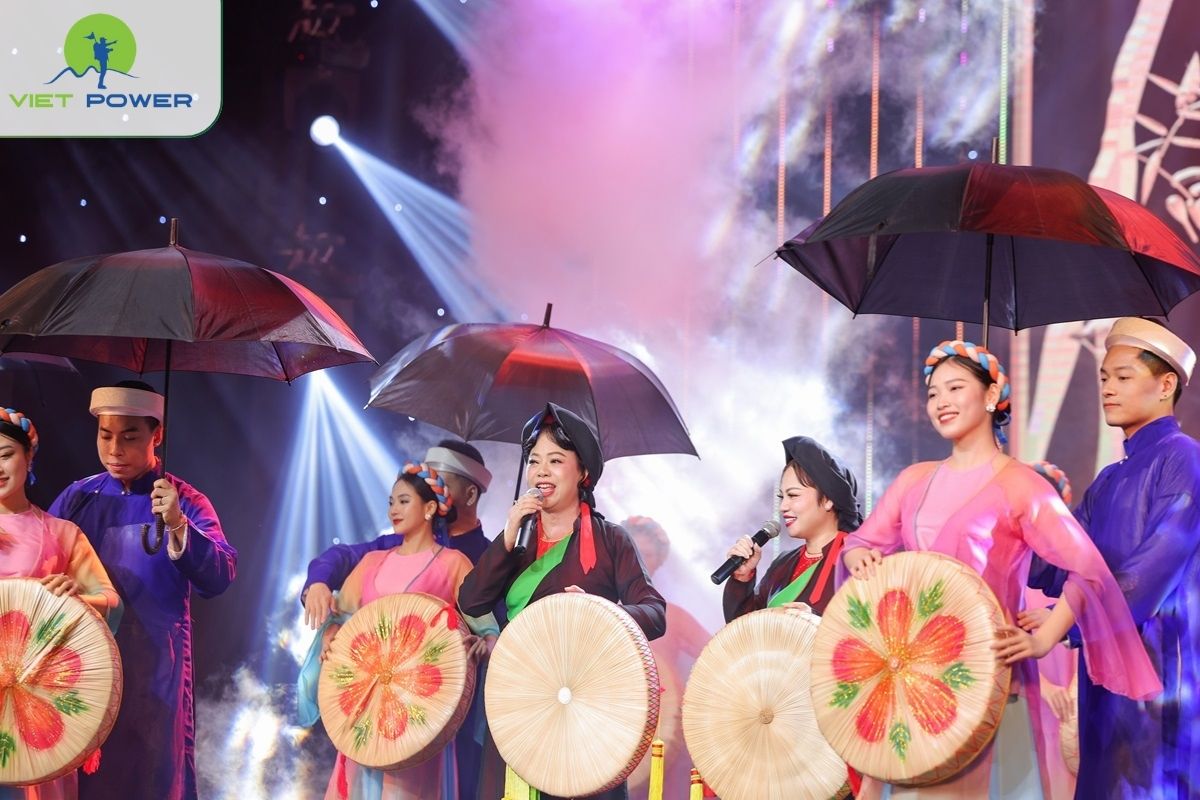
Throughout Lim Village, temporary stages are set up where Quan Họ groups perform. These stages represent different villages and historical regions, each with their own distinctive costumes and singing styles.
Highlights:
- Distinctive costumes representing different villages
- Variety in singing styles and regional variations
- Informal performances where audience members can join in
- Opportunities to talk with performers and learn about their traditions
3. Processions and Parades
Colorful processions wind through Lim Village streets, featuring:
- Traditional musicians playing drums, flutes, and lutes
- Dancers in elaborate costumes
- Villagers carrying banners and religious offerings
- Local officials and cultural dignitaries
The processions create a festive atmosphere and showcase the community pride that makes the Lim Festival special.
4. Traditional Games and Activities
Between performances, visitors can participate in or watch traditional Vietnamese games and activities:
Traditional Games:
- Tết (Swing): High swinging competitions on traditional swings
- Bắn Cung: Traditional archery
- Đấu vật: Wrestling matches
- Đá cầu: Traditional foot shuttlecock kicking
Cultural Activities:
- Traditional craft demonstrations (silk weaving, embroidery)
- Food stalls serving festival specialties
- Instrument-making workshops
- Costume exhibitions
5. Religious Ceremonies
As a festival at Lim Pagoda, the Lim Festival includes religious ceremonies:
- Incense offerings at the main pagoda
- Prayers for peace and prosperity
- Processions to honor Lady Lieu Hanh
- Monks’ chanting and blessings
These ceremonies add a spiritual dimension to the cultural celebrations and are performed with great reverence.
6. The “Tinh” Welcome Ceremony
One of the festival’s most unique traditions is the “tinh” welcome ceremony, where local girls in traditional costumes sing welcome songs to visitors. This centuries-old greeting tradition embodies Vietnamese hospitality and gives visitors their first taste of Quan Họ singing.
Experiencing Quan Họ as a Visitor
Understanding the Performance
Quan Họ performances follow specific protocols that enhance your appreciation:
Performance Structure:
- Opening Song: Formal greeting songs establishing the mood
- Main Repertoire: Traditional songs telling stories or expressing emotions
- Responsive Songs: Call-and-response between singers
- Closing Song: Formal conclusion with gratitude and well-wishes
Musical Elements:
- Complex melodies often in pentatonic scales
- Poetic lyrics following traditional meters
- Subtle vocal techniques and ornaments
- Traditional instruments (flutes, lutes, drums) accompanying singers
Participating as an Audience Member
While the formal competitions are for trained performers, there are ways to participate:
At Village Stages:
- Join in traditional response singing (simple phrases taught by locals)
- Request traditional songs (if respectful and appropriate)
- Talk with performers between songs
- Learn basic Quan Họ phrases and melodies
Etiquette for Participation:
- Listen first, then participate gradually
- Be respectful of the cultural significance
- Don’t interrupt formal performances
- Follow the lead of local audience members
Photography and Recording
Guidelines:
- Ask permission before photographing performers up close
- Be discreet during formal competitions (no flash, minimal movement)
- Respect performers’ wishes if they decline to be photographed
- Focus on capturing the atmosphere rather than just close-ups
Best Photo Opportunities:
- Processions through village streets
- Colorful costumes and traditional instruments
- Village stages and festival crowds
- Performers between performances when more relaxed
Practical Travel Information
Getting to Lim Festival from Hanoi
Transportation Options:
Private Tour ($50–80 per person):
- Hotel pickup and drop-off
- English-speaking guide
- Transportation in private vehicle
- Lunch included
- Most convenient option
Public Transportation ($5–10 per person):
- Bus from Hanoi to Bac Ninh City (30 minutes)
- Motorbike taxi or local bus to Lim Village (20 minutes)
- More adventurous and budget-friendly
- Limited English support
Motorbike Rental ($10–15 per day):
- Drive yourself from Hanoi to Bac Ninh (45 minutes)
- Freedom to explore the region
- Recommended only for experienced riders
- Check insurance and licensing requirements
Accommodation
Most visitors make this a day trip from Hanoi, but accommodation options in Bac Ninh include:
Bac Ninh City:
- Mid-range hotels ($20–40 per night)
- Located 10–15 kilometers from Lim Village
- Better dining and shopping options
Lim Village Area:
- Homestays with local families ($15–30 per night)
- More authentic experience
- Limited availability during festival
- Basic facilities
Food and Refreshments
During the Festival:
- Street food stalls serving traditional snacks
- Local specialties including:
- Bánh chưng: Sticky rice cakes
- Bánh đúc: Steamed rice cakes
- Chả rươi: Sand worm omelets (local delicacy)
- Drinks vendors selling tea, soda, and local beverages
In Bac Ninh City:
- More restaurant options
- Regional specialties like Bánh đa cua (crab noodle soup)
- Vegetarian options available during festival period
Costs Breakdown
Budget Traveler (Public Transport):
- Transportation: $5–10
- Food: $5–10
- Festival entrance: Free
- Total: $10–20
Mid-Range (Private Tour):
- Tour package: $50–80
- Snacks and souvenirs: $10–20
- Total: $60–100
Festival Tips and Guidelines
Best Time to Arrive
For Main Performances (8–11 AM):
- Arrive by 7:30 AM
- Best viewing spots
- Festival atmosphere building
For Afternoon Activities (1–5 PM):
- Arrive by 12:30 PM
- Fewer crowds than morning
- More relaxed atmosphere
- Better for photography
What to Wear
Recommended:
- Comfortable walking shoes (you’ll be on your feet all day)
- Light, breathable clothing (February is cool but can be warm in afternoon)
- Layers (cool mornings, warmer afternoons)
- Modest clothing suitable for temple visits
- Sun protection (hat, sunscreen)
What to Avoid:
- Flashy tourist clothing
- Very short shorts or sleeveless tops (disrespectful at temple)
- High heels (uncomfortable on village paths)
- Heavy winter clothing (too warm by afternoon)
What to Bring
Essential:
- Water bottle (refill at village wells)
- Small bag for purchases and snacks
- Camera with extra battery
- Cash (small denominations for purchases)
Useful:
- Small notebook and pen (for recording songs or phrases)
- Snacks (food options limited at festival)
- Tissues or wet wipes
- Phone with Vietnamese translation app
Cultural Etiquette
At Temple Ceremonies:
- Remove shoes before entering pagoda buildings
- Dress modestly (covered shoulders and knees)
- Maintain silence during prayers and ceremonies
- Ask permission before photographing religious rituals
At Performances:
- Listen quietly and attentively
- Don’t talk loudly during songs
- Applaud at appropriate moments (follow local audience)
- Respect performers’ concentration
General Behavior:
- Be respectful of local customs and traditions
- Ask before taking close-up photos of people
- Don’t interrupt performers or officials
- Follow the crowd and observe what locals do
Extending Your Cultural Experience
Explore Bac Ninh Province
Make the most of your trip by exploring nearby cultural sites:
Dau Pagoda:
- One of Vietnam’s oldest pagodas
- Traditional architecture and history
- 20 minutes from Lim Village
But Thap Pagoda:
- Famous Buddhist temple
- Traditional Vietnamese architecture
- 30 minutes from Lim Village
Bac Ninh City:
- Provincial capital with museums
- Quan Họ cultural center
- Traditional craft villages
Visit Traditional Craft Villages
The Bac Ninh region is famous for traditional crafts:
Dong Ho Painting Village:
- Traditional folk painting
- Buy authentic artworks
- 40 minutes from Lim Village
Bamboo Fan Village:
- Traditional fan-making
- Workshop demonstrations
- 30 minutes from Lim Village
Experience Kinh Bac Culture
The broader Kinh Bac region offers:
- More Quan Họ singing villages
- Traditional architecture
- Regional festivals throughout the year
- Rich agricultural and cultural landscapes
Frequently Asked Questions
Q: Do I need to speak Vietnamese to enjoy the Lim Festival?
A: No! While the lyrics are in Vietnamese, the musical beauty, visual spectacle, and cultural atmosphere can be appreciated without understanding the language. Many guides and performers can explain the meaning of songs in basic English. The key is to observe, listen, and appreciate the performance as art.
Q: Is the Lim Festival suitable for children?
A: Children can enjoy the colorful costumes, lively atmosphere, and traditional games. However, the main singing competitions (3–4 hours) may be challenging for younger children’s attention spans. Plan shorter visits, bring snacks, and focus on the village activities and games.
Q: Can I participate in Quan Họ singing?
A: Yes! At informal village stages, locals often welcome visitors to try singing simple phrases. Don’t expect to master the complex songs, but learning a basic welcome or response song is a wonderful way to connect with the culture. Ask performers or guides for instruction between performances.
Q: What if it rains during the festival?
A: The festival continues rain or shine, as it has for centuries. Many performances move to covered areas or temporary shelters. Bring a rain jacket or umbrella. Consider that rainy weather might actually add to the atmospheric quality of performances.
Q: Are there food options for vegetarians?
A: Yes! As a festival held during the vegetarian first lunar month, many food vendors offer vegetarian dishes. Look for signs saying “chay” (vegetarian). However, options may be limited compared to regular days, so bringing snacks is a good idea.
Q: How long should I spend at the festival?
A: A full day (8 AM – 5 PM) is ideal for experiencing all major events. Arrive in the morning for the main competitions, take a lunch break, and stay for afternoon performances and village activities. You can leave earlier if desired, but you’ll miss the later, more informal cultural activities.
Related Articles
- Vietnam Festivals Calendar 2026: Complete Monthly Guide to Celebrations
- Tet Nguyen Dan 2026: Ultimate Guide to Vietnam Lunar New Year Celebrations
- Perfume Pagoda Festival 2026: Vietnam’s Sacred Buddhist Pilgrimage
Ready to experience one of Vietnam’s most beautiful cultural traditions? The Lim Festival offers a window into centuries-old artistic heritage that continues to thrive in modern Vietnam.
Related Articles
Hoi An Lantern Festival 2026: Monthly Full Moon Celebrations Guide
Experience the magical Hoi An Lantern Festival with thousands of lanterns, floating boats, and traditional culture. Complete guide to monthly full moon celebrations.
Hue Craft Festival 2026: Showcasing Vietnam's Traditional Arts and Heritage
Discover Vietnam's traditional crafts at the Hue Craft Festival. Complete guide to artisans, demonstrations, workshops, and cultural experiences in the Imperial City.
Hue Festival 2026: Vietnam's Grand Cultural Celebration in Imperial City
Experience Vietnam's premier cultural festival in the UNESCO-listed Imperial City of Hue. Complete guide to performances, venues, and cultural experiences at Hue Festival 2026.
Hung Kings Temple Festival 2026: Honoring Vietnam's Legendary Founders
Experience Vietnam's UNESCO-recognized festival honoring legendary Hung Kings. Complete guide to ceremonies, history, and cultural significance of Phu Tho celebrations.