
 ChatGPT
  Gemini
  Claude
  Perplexity
 Loy Krathong and Yi Peng are two of Thailand’s most breathtaking celebrations — but they come with real responsibilities. Every November, rivers fill with floating krathongs and the skies above Chiang Mai glow with thousands of lanterns. It looks magical. And done right, it is.
Done wrong, you are polluting waterways, endangering aircraft, starting rooftop fires, or offending locals who consider this a deeply spiritual occasion.
This guide covers exactly how to participate the right way, what to avoid, and how to be the kind of visitor Thais are glad showed up.
Loy Krathong Etiquette: Floating Your Krathong the Right Way
Loy Krathong is celebrated nationwide on the full moon of the twelfth lunar month. People gather at rivers, canals, ponds, and lakes to float small decorated vessels as an offering to the water goddess and a symbolic release of the past year’s misfortunes. But a beautiful tradition is only beautiful when it is done responsibly.
Use a Biodegradable Krathong — Always
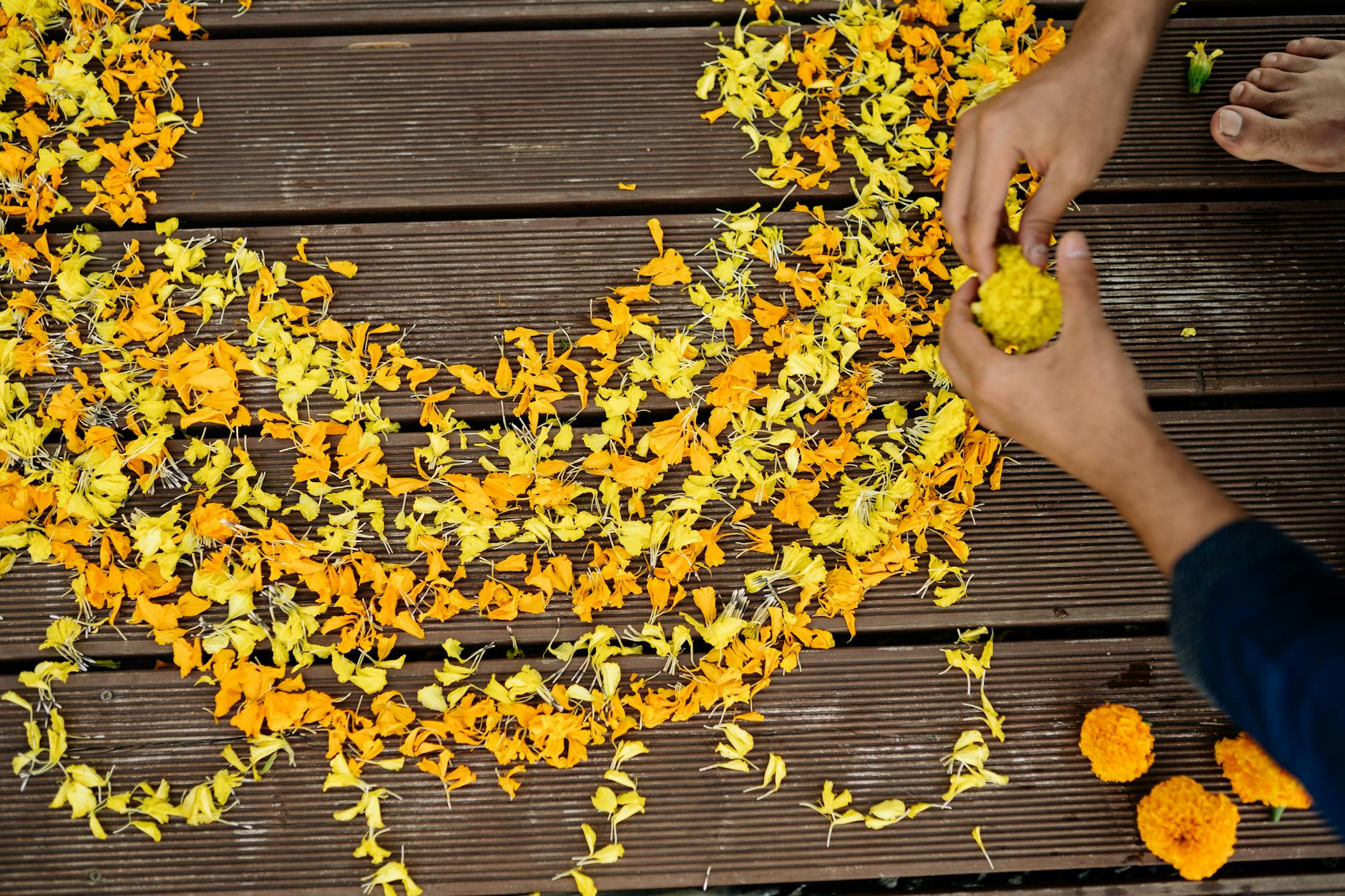
This is the single most important rule. Traditional krathongs are made from a slice of banana tree trunk wrapped in folded banana leaves, decorated with flowers, and topped with a candle and incense sticks. They decompose naturally and some even feed fish.
What you must never, ever use: styrofoam krathongs. They look cheap, they are cheap, and they spend years floating around as toxic waste long after the festival ends. Vendors still sell them because tourists buy them. Do not be that tourist.
Good options, ranked from best to acceptable:
- Banana leaf krathong — fully biodegradable, traditional, supports local artisans
- Bread krathong — dissolves in water and feeds fish (buy from reputable vendors; some cheap bread krathongs use food coloring that harms aquatic life)
- Ice krathong — a modern eco-friendly option that simply melts away
- Cassava or fish-food krathong — increasingly available at eco-conscious festival sites
If it feels like styrofoam, it probably is. Ask the vendor: “Mai ao styrofoam kha/krap” (I don’t want styrofoam). The effort is worth it.
Never Throw Trash in the Water
Your krathong goes in the water. Nothing else does. Not the plastic bag it came in. Not the rubber band. Not a cigarette butt, a straw, or a bottle cap. On festival mornings, cleanup crews across Thailand pull literal tons of trash from rivers and canals. Do not add to the pile.
Carry a small bag for your own waste and use public bins. If you see someone else drop trash, set the example by picking yours up. If thousands of tourists all decide their one plastic wrapper does not matter, it adds up fast.
Do Not Swim or Wade Into the Water
It is tempting to wade in for the perfect photo or to push your krathong further out. Do not do it. Rivers and canals during Loy Krathong are crowded with floating krathongs, candles, and debris. Currents can be stronger than they look, especially in the Chao Phraya in Bangkok or the Ping River in Chiang Mai. Water quality drops sharply during the festival from the sheer volume of organic material entering the water.
Stay on the bank, the pier, or the designated floating platform. If your krathong does not drift away on its own, use a long stick (usually provided at festival sites) to nudge it gently into the current.
Respect the Spiritual Dimension
Loy Krathong is not a photo op. It is a religious and spiritual ritual that predates Instagram by several centuries. Before releasing your krathong, take a moment. Light the candle. Light the incense. Hold the krathong at forehead level, close your eyes, and make a wish — or simply offer a quiet moment of gratitude. Many Thais whisper a prayer to Phra Mae Khongkha, the water goddess, asking forgiveness for polluting the waterways and wishing for good fortune.
Then place the krathong gently on the water. Do not toss it. Do not laugh and high-five your friends mid-release. You will see locals doing this with quiet reverence. Follow their lead.
Float Only in Designated Areas
Every city designates official floating areas during Loy Krathong. In Bangkok, these include major piers along the Chao Phraya River, parks like Benjasiri and Lumphini, and canal-side venues in Thonburi. In Chiang Mai, the Ping River banks and Nawarat Bridge area are the main hubs. Smaller towns have their own official sites — ask your hotel or guesthouse.
Do not float a krathong in a random drainage ditch, a swimming pool, a hotel pond, or a closed water body. Pools get clogged filters. Closed ponds trap krathongs that never decompose properly. And a drainage canal is simply disrespectful — you are offering a prayer vessel to a sewage channel.
Never Take Someone Else’s Krathong Out of the Water
This happens more than you would think. Someone floats a krathong. It bumps into the bank. A tourist — thinking it is abandoned or just wanting a closer look — reaches down and pulls it out. Do not do this. That krathong carries someone’s wish, prayer, or personal moment. Once it is on the water, it belongs to the river. Leave it alone.
What to Wear During Loy Krathong
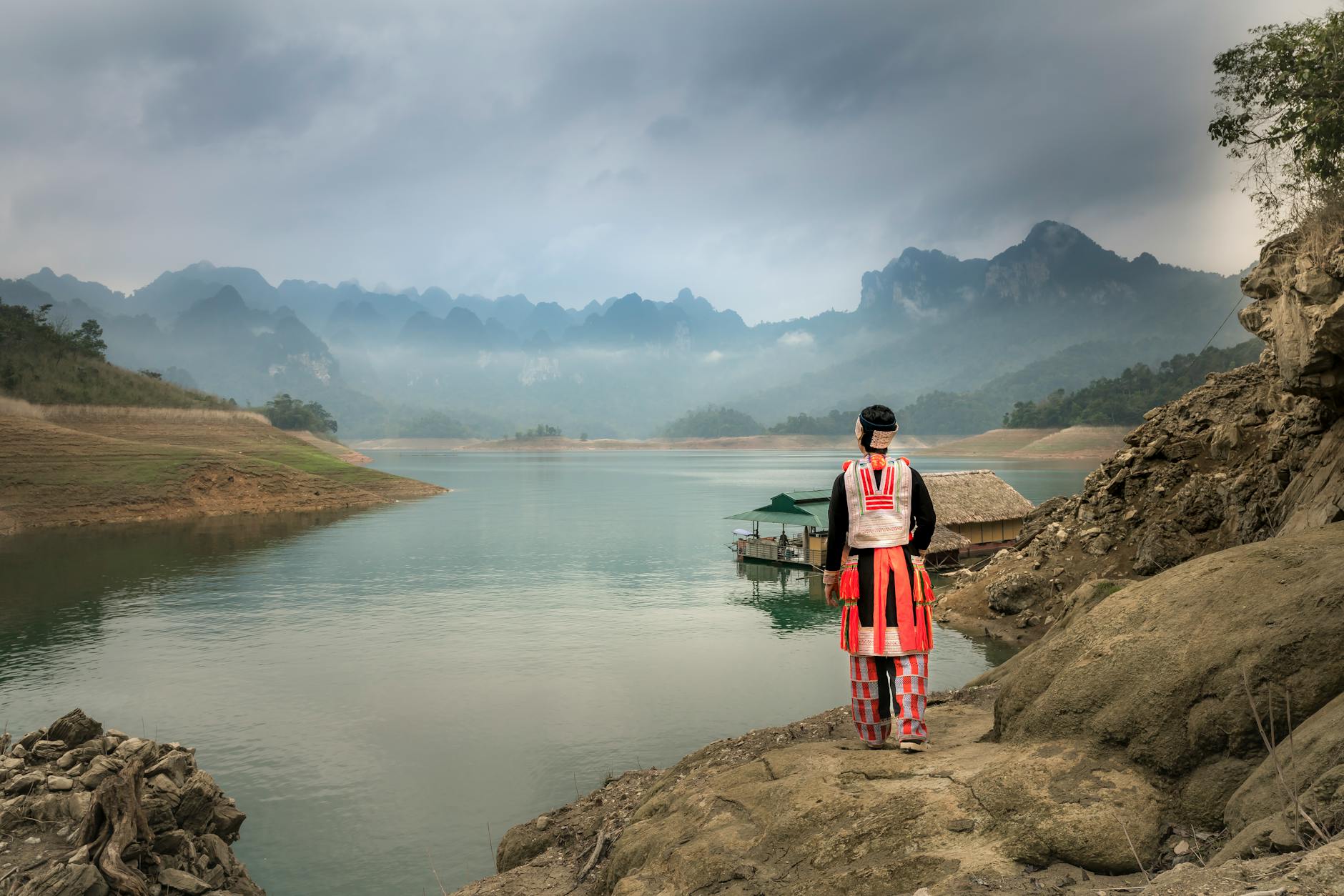
Traditional Thai clothing is encouraged and widely worn — chut thai for women, simple linen or cotton shirts with long pants for men. You will see locals in everything from full silk ensembles to modest casual wear.
If you do not have traditional clothing, stick to smart-casual attire with shoulders and knees covered. You are likely to pass through temple grounds during the evening, and temples enforce dress codes. Lightweight long pants or a maxi skirt with a blouse or button-up shirt works well. Avoid ripped jeans, beachwear, and anything you would not wear to a family dinner.
Yi Peng Lantern Etiquette: Release With Caution
Yi Peng is the sky lantern festival unique to northern Thailand’s Lanna culture, centered in Chiang Mai. Participants release khom loy — cylindrical paper lanterns lifted by a lit fuel cell — into the night sky. It is stunning. It is also dangerous when done wrong.
Only Release in Designated Areas
Chiang Mai has strict rules about where lanterns can be released. The main official events are the Mae Jo University mass release (ticketed, organized, spectacular) and designated riverside zones along the Ping River. During the official release window — typically 6 p.m. to midnight on the full moon night — certain public areas permit lantern releases.
Outside those zones and times, releasing a sky lantern is illegal. The ban covers the entire Chiang Mai municipality and extends into surrounding districts. This is not a loose guideline. It is enforced.
Flight Safety: Lanterns and Airports Do Not Mix
Sky lanterns are a serious aviation hazard. They can be sucked into jet engines, obstruct pilots’ visibility, and drift into flight paths. Chiang Mai International Airport cancels or reschedules dozens of flights during Yi Peng to create a safety window, but the risk does not disappear.
Releasing a lantern anywhere near an airport approach or departure path can result in fines of up to 100,000 THB (roughly 2,800 USD) and potential jail time under Thailand’s Air Navigation Act. The same applies if your lantern causes property damage to an aircraft, airport facility, or any infrastructure. This is not a hypothetical — authorities arrest and prosecute violators every year.
If you cannot see the airport, that does not mean you are clear. Lanterns drift for kilometers. Stick to official release zones. Period.
Fire Safety: What Can Go Wrong
A sky lantern is essentially an open flame suspended under a paper balloon. If the lantern tilts, the fuel cell can ignite the paper body. If it hits a roof, a power line, or a dry tree, you have a fire. This happens every year in Chiang Mai — roof fires, electrical outages, and at least a few close calls that could have been far worse.
Before releasing, inspect your lantern:
- Check the paper body for tears or holes. Do not release a damaged lantern.
- Ensure the fuel cell is centered and securely attached. An off-center cell tilts the lantern immediately.
- Light the fuel cell properly and let the lantern fill with hot air before letting go. If it does not rise steadily within 10 to 15 seconds, do not release it — bring it down, extinguish the fuel, and discard it safely.
Use authentic khom loy lanterns from reputable vendors, not cheap knockoffs from roadside stalls. A poorly made lantern is a fire waiting to happen.
Release Only During Official Times
The permitted release window is typically 6 p.m. to midnight on the full moon night, with some variations by location. Mae Jo University’s mass release follows an exact schedule — lanterns are lit simultaneously after a countdown. Do not jump the gun.
Outside these hours, releasing a lantern is a violation. Police patrol festival zones actively, and fines for unauthorized lantern releases start around 5,000 THB and scale up quickly. If your lantern causes damage, you are liable for the cost of repairs plus potential criminal charges.
What Happens If You Release Illegally
It is worth being blunt here. Fines range from 5,000 THB for a simple unauthorized release to 100,000 THB if aviation is involved. Jail sentences of up to five years are possible for reckless endangerment. If your lantern starts a fire that injures someone or damages a home, you face civil liability and potential criminal prosecution. These are real cases, not scare tactics.
The simplest rule: if you are not at an official, organized release site during the permitted window, keep your lantern in the bag.
General Etiquette for Both Festivals
Photography: Ask First, Shoot Later
The festivals are visually spectacular, and photographing them is part of the experience. But a krathong release or a lantern launch is a personal, often emotional moment for participants. Do not shove a camera in a stranger’s face while they are praying. Do not use flash directly in someone’s eyes while they are focused on their krathong.
A simple gesture — raising your camera and raising your eyebrows — is usually enough to ask permission without words. If someone nods, shoot. If they look away or ignore you, lower the camera. The same applies to photographing monks. Monks are not tourist props. Ask first, and never touch a monk or stand above them for a photo.
Temple and Monk Etiquette
You will likely pass through temple grounds during both festivals. Remove your shoes before entering any temple building. Keep your voice low. Do not point your feet at Buddha images or at monks. Women should not touch monks or hand objects directly to them — place offerings on the cloth a monk extends or on a nearby table instead.
Temples are active places of worship during Loy Krathong and Yi Peng, not just festival venues. People are making merit, praying, and paying respects. Move quietly, watch where you step, and follow what locals do.
Crowd Safety
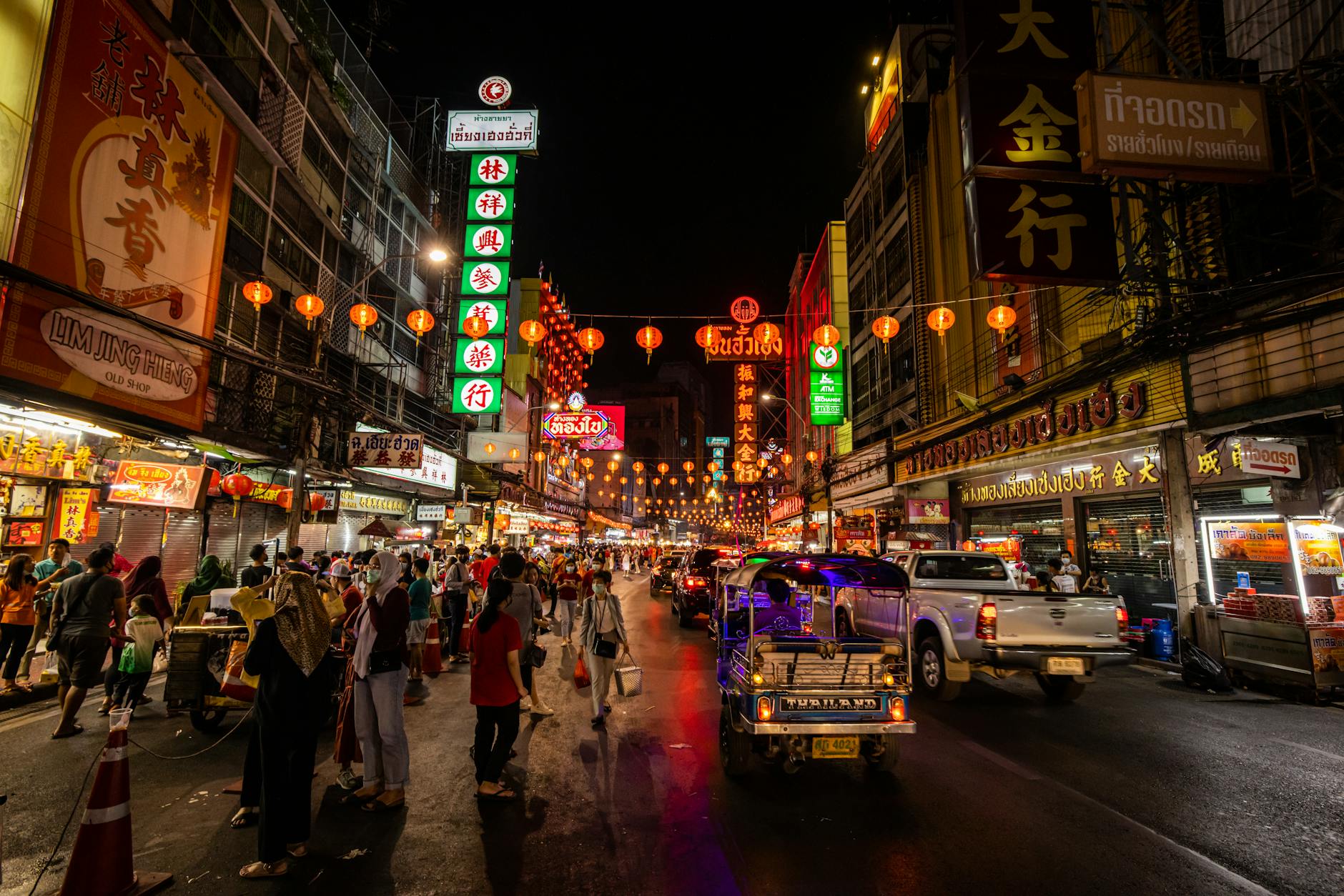
Both festivals draw enormous crowds. Nawarat Bridge in Chiang Mai becomes shoulder-to-shoulder packed by 9 p.m. Bangkok’s riverside piers fill to capacity. Basic precautions make a difference:
- Keep valuables in a zipped front pocket or a crossbody bag worn to the front — pickpockets work festival crowds
- Designate a meeting point with your group in case you get separated (phone networks often overload under crowd density)
- Stay hydrated — November evenings in Thailand are warm and humidity is still high
- Watch your footing near water; riverbanks get slippery from candle wax and damp grass
- Keep small children within arm’s reach at all times near open water
Environmental Responsibility
Beyond using a biodegradable krathong, think about your broader footprint. Bring a reusable water bottle rather than buying plastic ones all night. If you buy street food, hold onto the packaging until you find a bin. At the end of the night, look around where you stood — if there is trash, spend 30 seconds picking some up.
A growing number of local community groups organize post-festival river cleanups in Bangkok and Chiang Mai. If you are staying a few extra days, volunteering a morning is a meaningful way to give back.
Alcohol: Not Banned, But Be Smart
Unlike Buddhist holidays such as Makha Bucha or Visakha Bucha — where alcohol sales are legally prohibited nationwide — Loy Krathong and Yi Peng do not carry a blanket alcohol ban. Bars and restaurants operate normally, and you will see people enjoying beers by the river.
That said, these are spiritual festivals. Getting visibly drunk at a temple, shouting during a lantern release, or stumbling around near open water is disrespectful and dangerous. Drink if you want, in moderation, and treat the evening with the dignity the occasion deserves.
Dress Code Recap
- Shoulders and knees covered, especially if entering temple grounds
- Traditional Thai clothing is encouraged and widely appreciated
- Comfortable, closed footwear or sturdy sandals (you will be on your feet for hours and temple floors require shoe removal)
- Avoid beachwear, ripped clothing, offensive prints, and anything too revealing
The Bottom Line
Loy Krathong and Yi Peng are extraordinary. They are among the few festivals in the world that combine visual spectacle with genuine spiritual depth, and participating respectfully is one of the most memorable travel experiences Thailand offers. The etiquette is not complicated: use biodegradable materials, follow local rules, stay in designated zones, treat the occasion as sacred rather than performative, and leave the place cleaner than you found it.
Do that, and you become part of the tradition. Not just a spectator, but someone who gets it — and someone Thais are happy to share the riverbank with.
You may also like
- Loy Krathong: Thailand’s Magical Festival of Lights
- Yi Peng Lantern Festival: Chiang Mai’s Sky of Lights
- Songkran Survival Guide: Dos, Don’ts, and Laws Every Tourist Must Know
- Thai Buddhist Festival Etiquette: Temple Rules and Respectful Travel
- Thailand Festivals Calendar: Plan Your Trip Around Every Celebration
Related Articles
Candlelit Rivers, Floating Wishes, and One Night of Quiet Magic in Thailand
Experience the enchanting beauty of Loy Krathong, Thailand's festival of lights. Learn about its traditions, best celebration spots, and how to participate respectfully as a traveler.
When 3,000 Lanterns Rise at Once: What Yi Peng Feels Like
Thousands of glowing lanterns rising into the night sky — experience the magic of Yi Peng, Chiang Mai's unforgettable lantern festival. Learn the best spots, dates, and tips for 2026.
The Night Thailand Goes Quiet: 100,000 Candles and No Alcohol
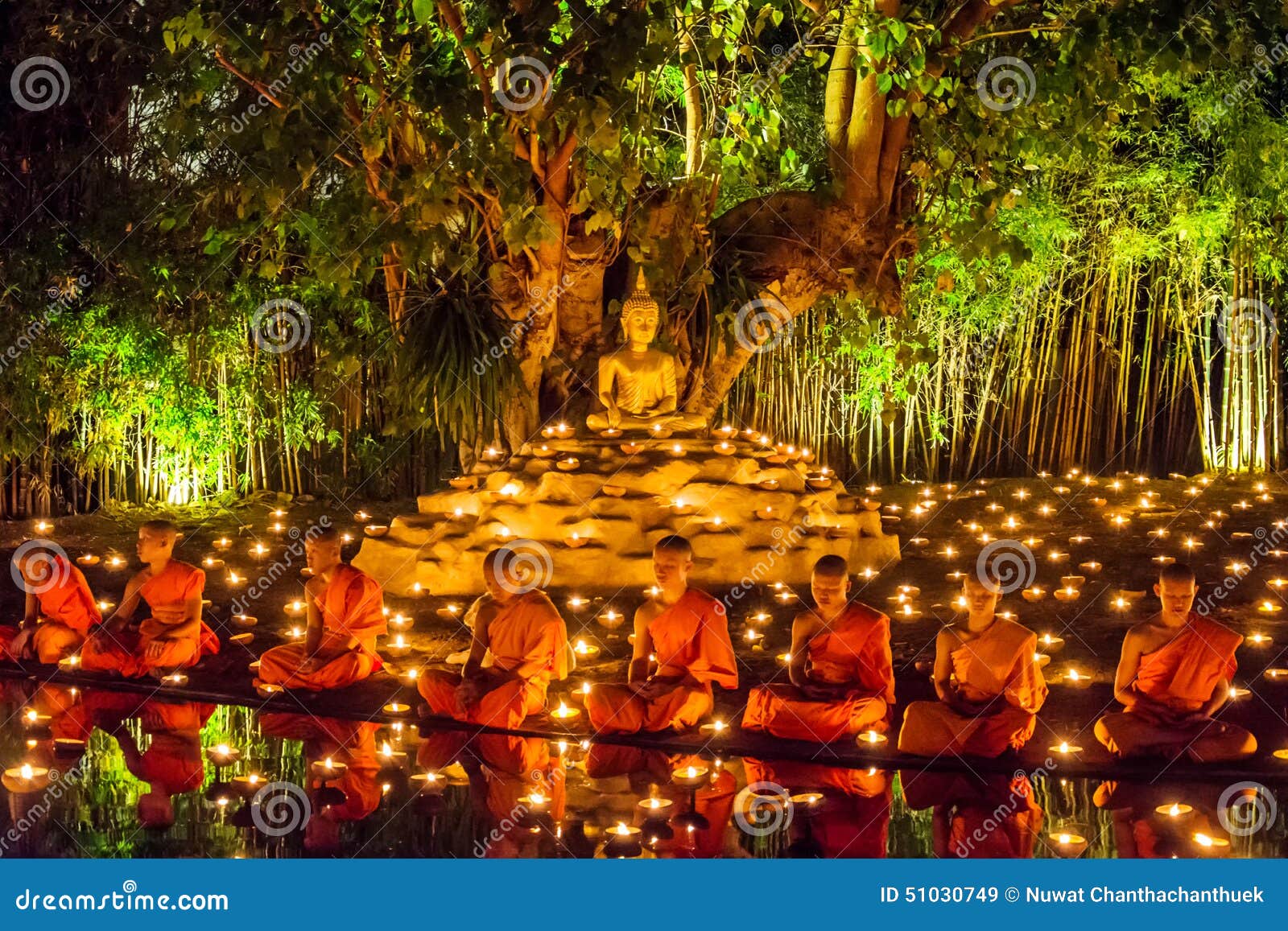
Discover the significance of Makha Bucha Day, one of Thailand's most important Buddhist holidays. Learn about traditions, temple visits, candlelight processions, and how travelers can respectfully observe.
I Watched 3 Tourists Get Arrested at Songkran — Here's What They Did Wrong
Don't get arrested or fined during Songkran. Essential guide to Thai water festival laws, etiquette, dress code, alcohol rules, and the penalties that can ruin your trip.