
 ChatGPT
  Gemini
  Claude
  Perplexity
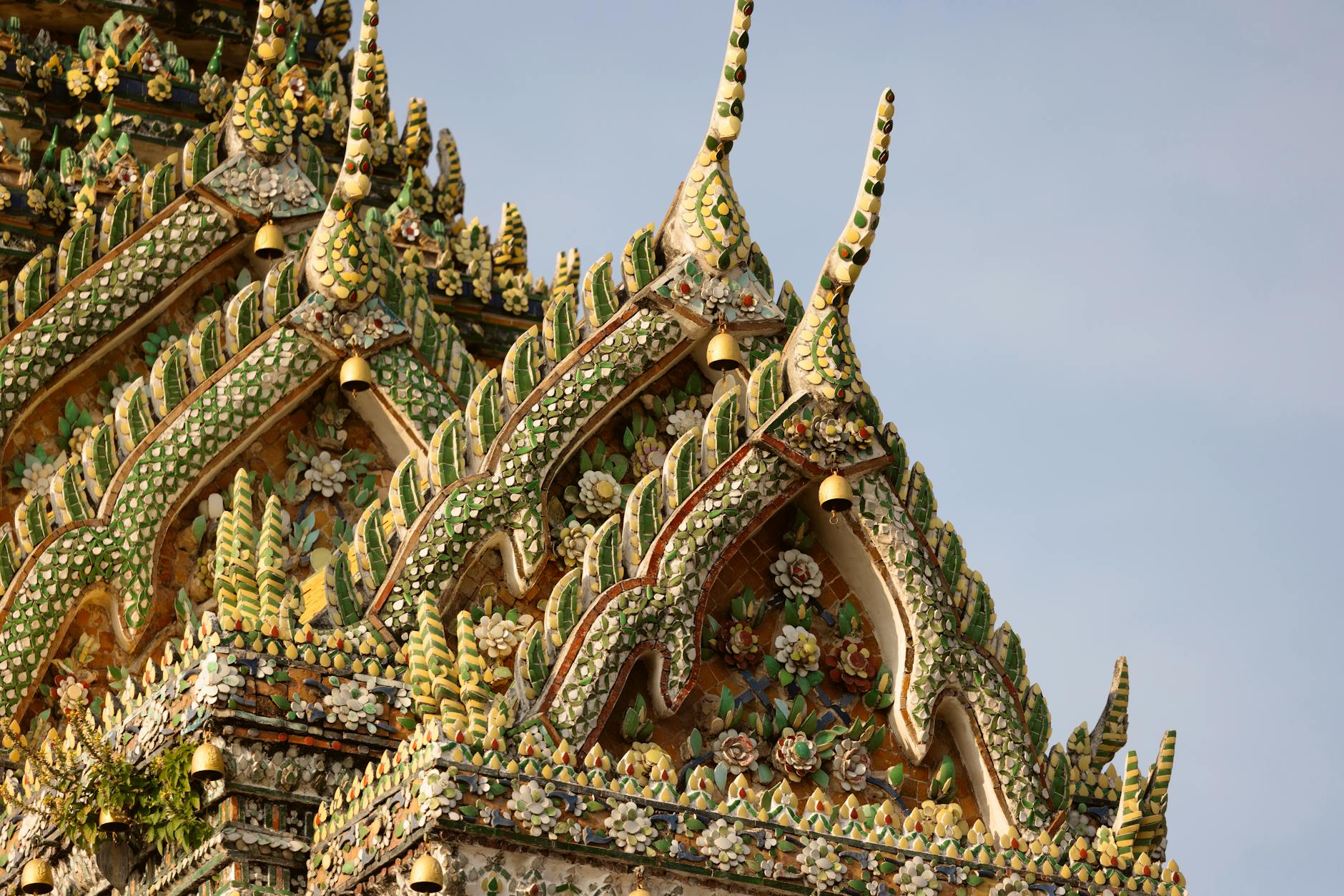
 You see it the moment you step into a Thai temple courtyard — the shift in atmosphere, the quiet reverence, the sense that you have crossed a threshold into something older and more serious than a sightseeing stop. Thailand’s Buddhist temples are not museums. They are living spaces of worship, meditation, and community. And during the country’s major Buddhist festivals, they become the centre of a devotional rhythm that has pulsed through Thai life for more than two millennia.
Getting etiquette right is not about following a checklist to avoid embarrassment. It is about recognising that you are a guest in someone else’s sacred space. When you dress correctly, move quietly, and observe the customs, something unexpected happens: locals notice, doors open, and what was once a transactional temple visit becomes a genuine human exchange.
This guide covers everything you need to know — from what to wear, to how to join a candlelight procession, to why you will not find a beer anywhere on Makha Bucha Day.
Temple Dress Code: The Non-Negotiables
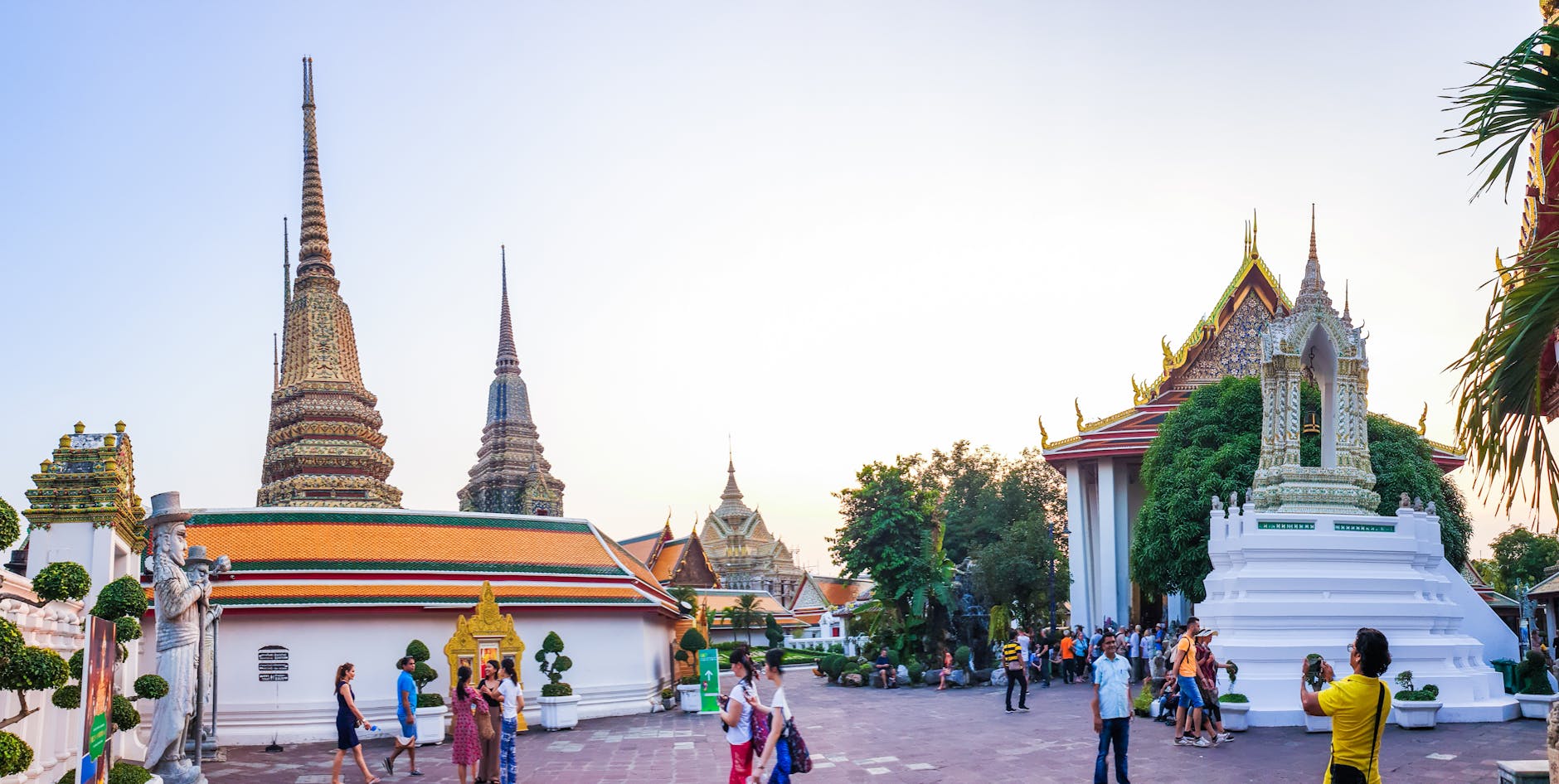
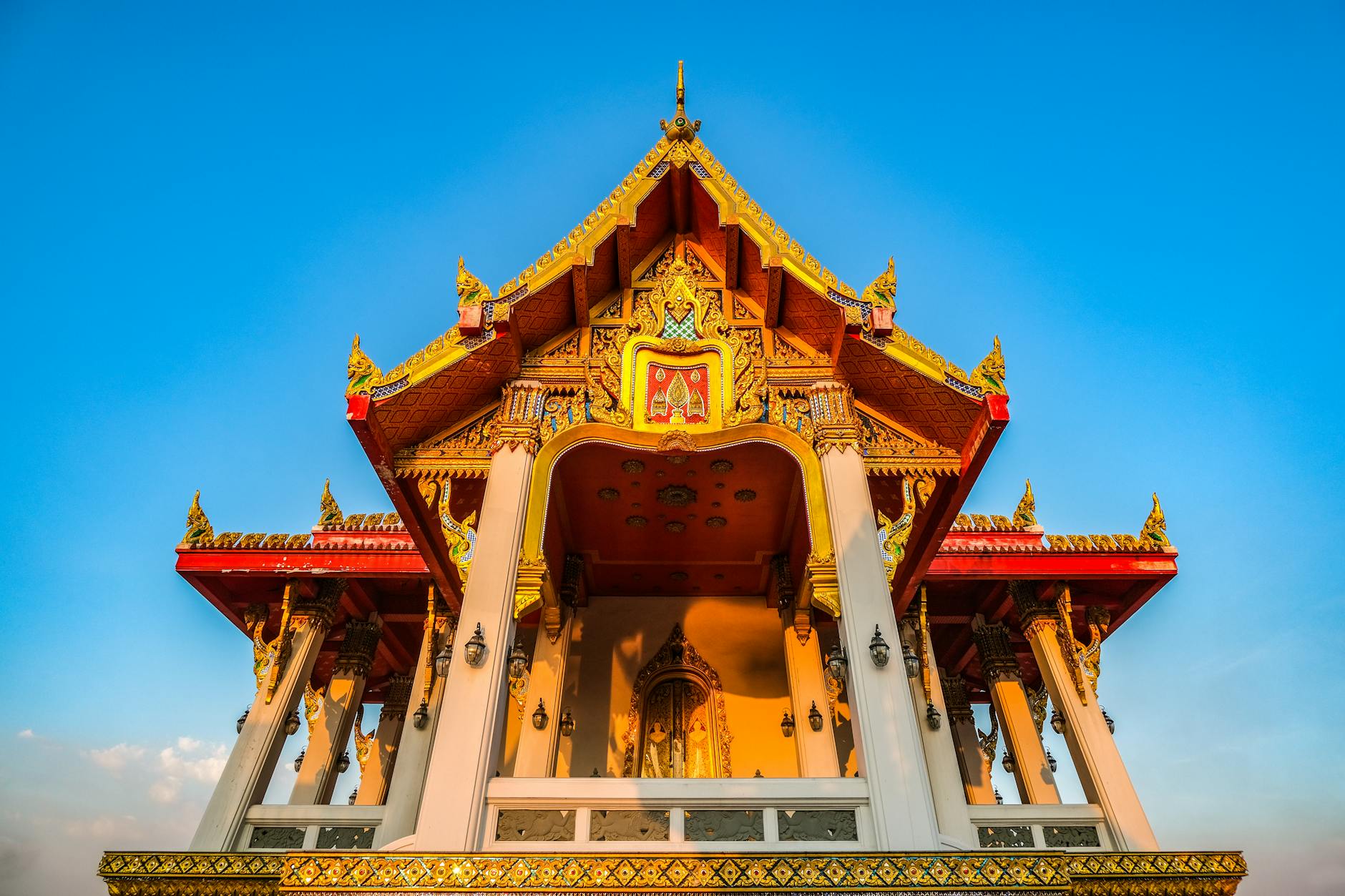
Thai temples enforce dress codes with increasing seriousness, particularly at major tourist sites like Wat Phra Kaew (Temple of the Emerald Buddha) and Wat Pho. Security staff at the gate will turn you away if you are not covered. No argument, no exception.
Shoulders Covered
No tank tops. No spaghetti straps. No off-shoulder tops. No muscle shirts. Your shoulders must be covered by fabric that is opaque and not mesh. This applies to both men and women. A lightweight cotton shirt or linen button-down works perfectly and will not leave you sweating through the ceremony.
Knees Covered
Shorts are out above the knee. Short skirts are out. Ripped jeans with exposed skin are out. Long trousers, long skirts, maxi dresses — these are fine. If you are wearing leggings, layer a long skirt or sarong over them. The rule is simple: if a temple usher can see your knee, you are not getting in.
Nothing Tight or See-Through
This one catches people off guard. Even if your shoulders and knees are technically covered, skin-tight yoga pants or a sheer blouse will still get you stopped. The spirit of the dress code is modesty, not just coverage. Loose, breathable fabrics in white, beige, or muted colours are ideal. White is the traditional colour for Buddhist holy days, and wearing it signals that you understand the occasion.
Shoes Off, Hats Off
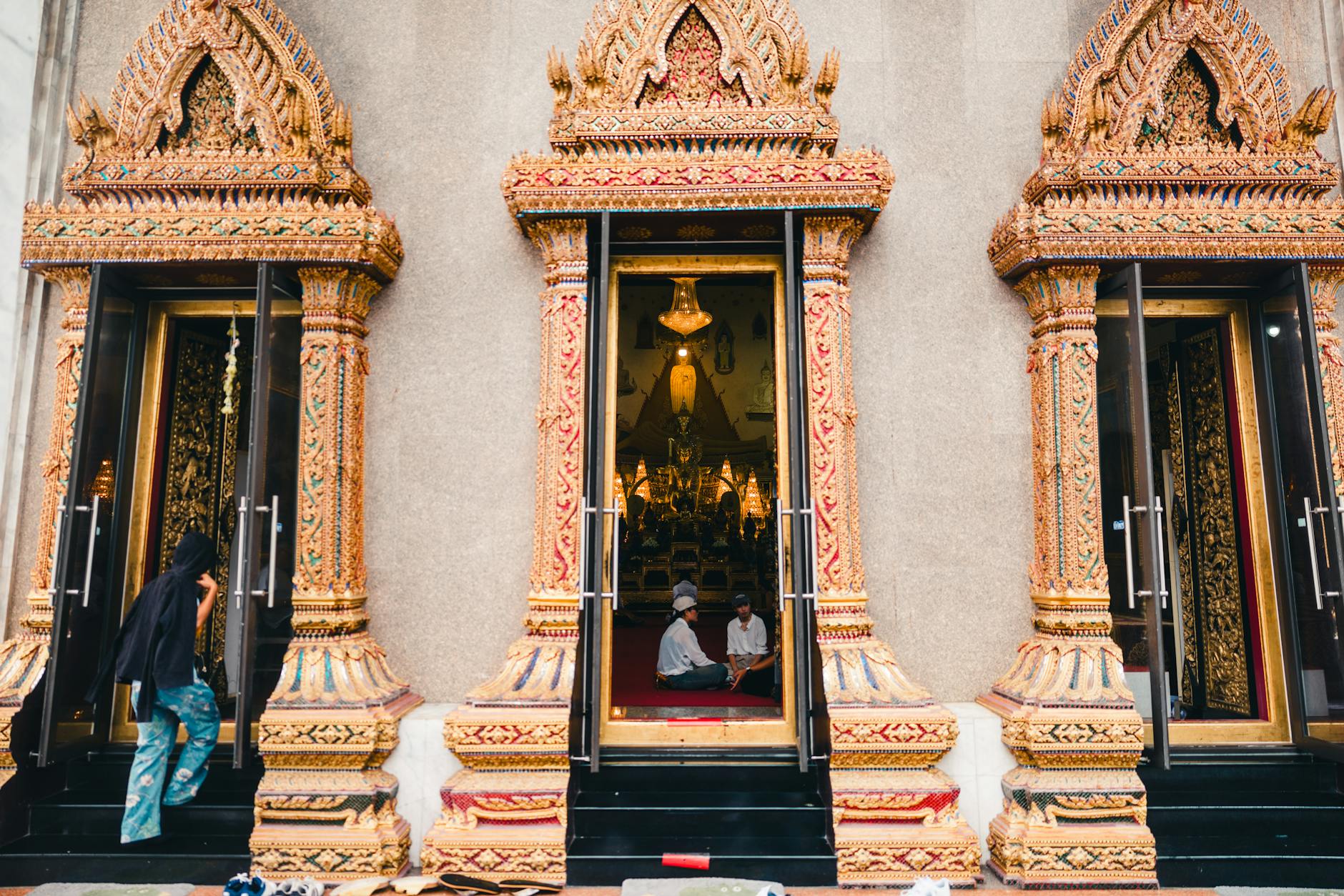
Remove your shoes before stepping onto any raised platform, into any ordination hall (ubosot), or into any prayer hall (wihan). Watch where locals leave their footwear and do the same. Socks are fine and often appreciated on hot marble. Hats come off inside any temple building — it is a sign of respect, and monks never cover their heads in a sacred space.
What to Carry as Backup
Throw a large scarf or a lightweight sarong into your daypack. Almost every temple that enforces dress codes also rents or lends cover-ups, but during major festivals demand outstrips supply. A two-metre length of cotton fabric solves every dress code emergency in seconds and costs less than a hundred baht from any local market.
Buddhist Festival Etiquette: The Big Three Holy Days
Thailand observes several major Buddhist festivals each year, but three stand above the rest in sacred significance: Makha Bucha Day (usually February), Visakha Bucha Day (usually May), and Asahna Bucha Day (usually July). On these days, Thais across the country head to their local temple in the evening for wian thian — the candlelight procession that is the emotional heart of each observance.
What Is Wian Thian?
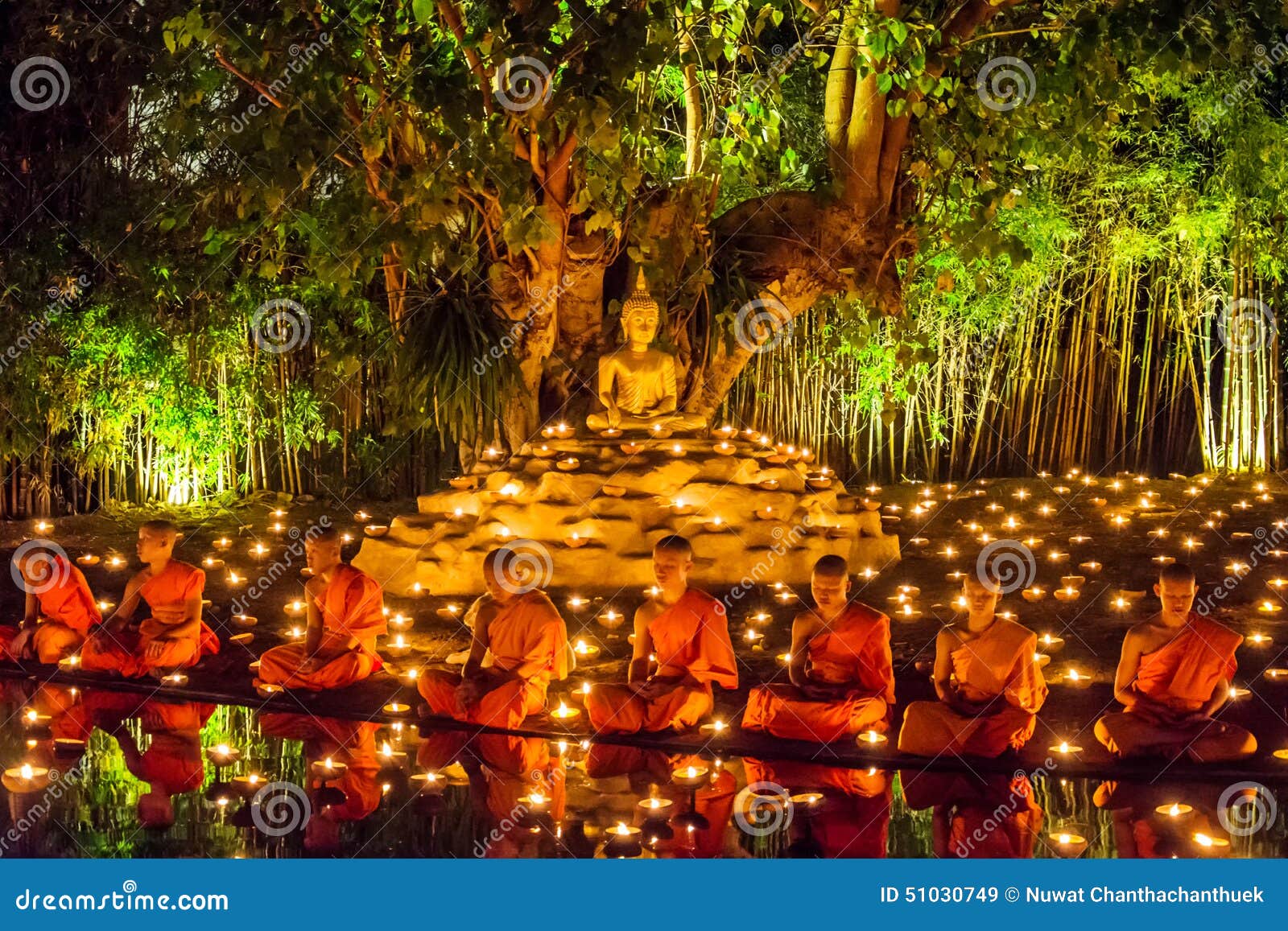
Wian thian (เวียนเทียน) translates roughly to “circling with candles.” At dusk, devotees gather at the temple’s main ordination hall or a central stupa. Each person holds a set of three items: a lit candle, three incense sticks, and a flower — typically a lotus bud or a small garland. Then, led by monks, the congregation walks slowly clockwise around the sacred structure three times.
The three circuits represent the Triple Gem: the Buddha, the Dhamma (the teachings), and the Sangha (the monastic community). Participants walk in quiet contemplation, the flickering candlelight creating a chain of small flames that winds through the temple grounds. It is, without exaggeration, one of the most beautiful things you will ever witness in Thailand.
How to Participate Correctly
Buy your candle set. Near the temple entrance, you will find tables selling pre-packaged wian thian sets for a small donation — typically 20 to 50 baht. This is not a tourist fee. It is merit-making. Pay the amount, take the set, and move into the crowd.
Walk clockwise only. This is non-negotiable. Circumambulation in Buddhism always proceeds clockwise — the direction that keeps your right shoulder facing the sacred object. If you accidentally drift the wrong way, someone will gently redirect you. Just follow the crowd.
Hold the items properly. Cradle the candle and incense in both hands at chest level. The flower can be tucked into the bundle. This is not a casual stroll with a drink in one hand — keep both hands engaged, keep your posture upright, and keep your pace slow and steady.
Stay silent or whisper. The procession is meditative. Loud conversation, laughter, or phone calls will draw hard stares. If you must speak, use a whisper. Silence is the default and the expectation.
No flash photography. This is the rule most tourists break without realising it. A camera flash in the middle of a candlelit ceremony is jarring and disrespectful. If you want photos, use a fast lens with no flash, stand at the periphery of the procession, and shoot from a distance. Better yet, put the camera away for one circuit and experience the ceremony directly.
Body Language Around Buddha Images and Monks
Buddhism in Thailand is embodied, not abstract. Your physical position relative to sacred objects and ordained monks carries meaning. Three rules will keep you out of trouble:
Never point your feet at a Buddha image. When sitting in a temple, tuck your feet beneath you or sit cross-legged. Never stretch your legs out so that the soles of your feet face the altar. In Thai culture, feet are the lowest and least respectful part of the body. Pointing them at a Buddha statue is an unambiguous sign of disrespect.
Never point your feet at monks. The same rule applies. If you are sitting near monks during a ceremony, be conscious of where your feet are pointing.
Do not stand taller than monks or Buddha images. When a monk is seated, you should not tower over them. If a monk sits on the floor for a ceremony, sit or kneel as well. If you must walk past a seated monk, stoop slightly — it is a small gesture that communicates awareness. In front of large Buddha images, kneeling or sitting is the expected posture. You will notice that Thais walking past a seated elder or monk often lower their head and shoulders; the same principle applies to you.
Monk Etiquette: What You Absolutely Must Know
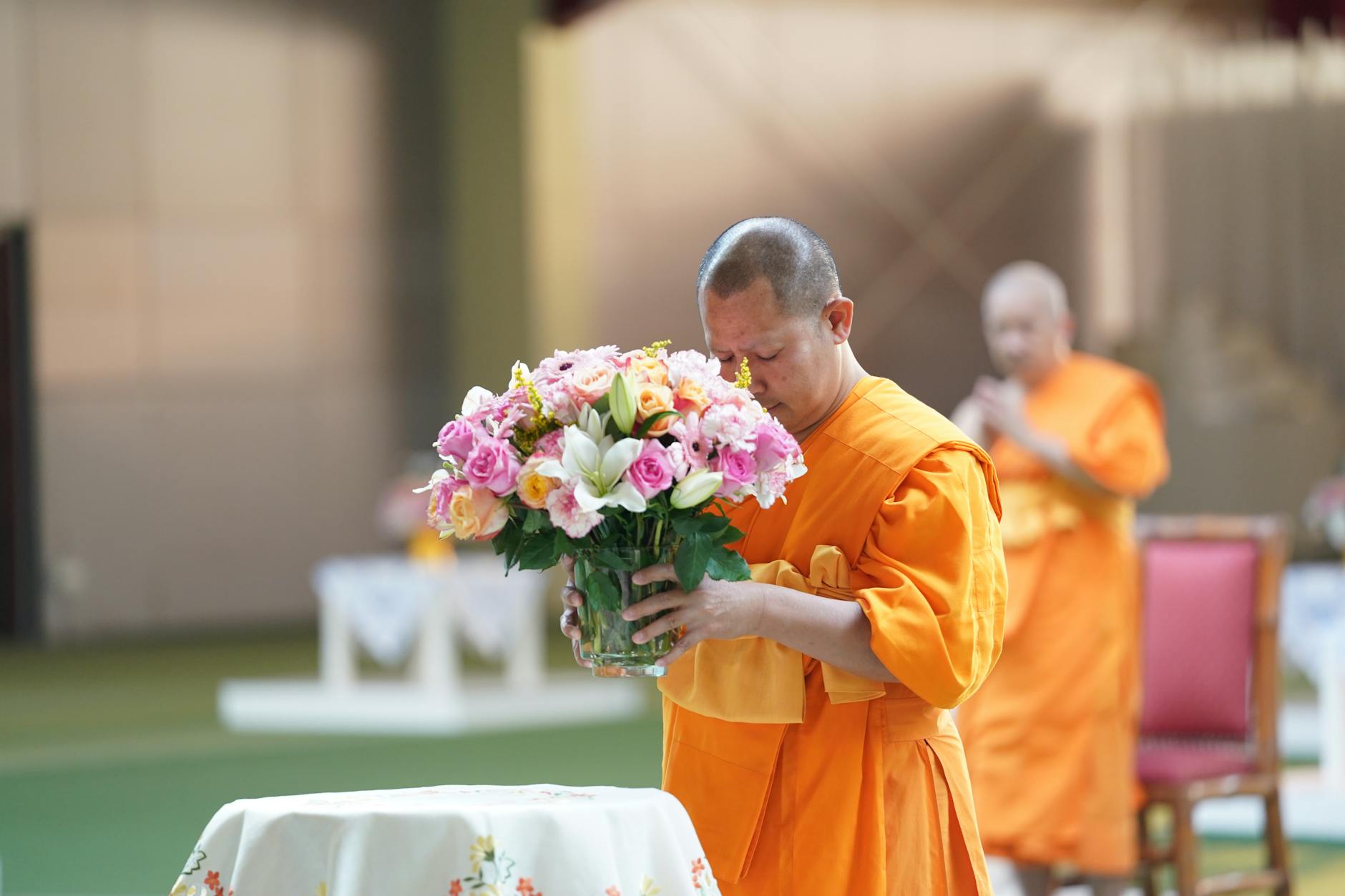
Monks are among the most photographed and least understood figures in Thai tourism. They are not characters in your travel story. They are ordained religious practitioners who have taken over 200 precepts governing their conduct. Your behaviour around them should reflect that reality.
The Rule for Women
This is the most important single rule in this entire guide. Women must never touch a monk. Not a handshake. Not a brush of the arm. Not passing an object directly to his hand. Physical contact between a woman and a monk is forbidden by the monastic code, and a monk who receives such contact must perform a purification ritual.
If you are a woman and need to give something to a monk — an alms offering, a donation envelope, a candle set — place it in his alms bowl, on a cloth laid out for offerings, or hand it to a male companion who can pass it on. Most temples that cater to visitors place a small receiving cloth on a table near the monks for precisely this purpose.
Women should also avoid sitting directly next to monks. Maintain a gap of at least a seat or two. If you enter a crowded ceremony and the only available spot is beside a monk, stand at the back or ask a local where women should sit — there is usually a designated area.
The Rule for Men
Men can interact more directly with monks, but the same spirit of deference applies. A respectful nod or a wai (the Thai prayer-like greeting) is always appropriate. When handing something to a monk, use both hands. Do not slap a monk on the back, put your arm around him for a photo, or treat him with the casual familiarity you might use with a friend. He is not your friend. He is a monastic.
Selfies with Monks
Do not take selfies with monks unless they explicitly invite you to. And even then, be measured. A monk who agrees to a photo is being generous — do not exploit that generosity by dragging out a ten-minute photoshoot. One shot, a bow of thanks, and move on.
Monks go about daily life in Thailand — you will see them on the BTS Skytrain, in shopping malls, at 7-Eleven. In these secular contexts, the same rules apply. They are still monks, and you should still behave accordingly. Do not sit in the monk-reserved seats on public transport. Do not interrupt them for a photo while they are buying toothpaste.
Giving Alms
If you want to participate in the morning alms round (tak bat), here is how to do it properly:
Arrive before dawn — monks walk their alms routes very early, usually between 5:30 and 6:30 a.m. Buy a pre-packaged alms offering from a nearby market stall. Remove your shoes. Kneel or sit on a low stool so that you are physically below the monk. Place the offering into the monk’s alms bowl with both hands. Do not make eye contact — this is not avoidance or coldness; it is a gesture of humility that is deeply embedded in Thai Buddhist practice. After the monk has passed, remain kneeling for a moment, then rise quietly.
Alcohol and Buddhist Holidays: Plan Around the Ban
If you are travelling through Thailand during a major Buddhist holy day, you will encounter something that catches many tourists entirely by surprise: a nationwide 24-hour ban on alcohol sales.
Which Holidays Have Bans
The alcohol ban applies on these days without exception:
- Makha Bucha Day (usually February)
- Visakha Bucha Day (usually May)
- Asahna Bucha Day (usually July)
- Khao Phansa Day (Buddhist Lent, the day after Asahna Bucha, usually July)
- Awk Phansa Day (end of Buddhist Lent, usually October)
The ban runs from midnight to midnight. In practice, many establishments stop selling alcohol the evening before.
What Actually Closes
Bars and nightclubs in entertainment districts shut down entirely for the night. Restaurants remove alcohol from their menus. Convenience stores tape over beer fridges or lock them. Supermarkets block access to the alcohol aisle. Hotels with restaurant liquor licences generally still serve to in-house guests at their restaurants, but do not count on it. Your hotel minibar is unaffected, but good luck finding a shop that will sell you a bottle to refill it.
Fines and Enforcement
The penalties are real. Establishments caught violating the ban face fines of up to 10,000 baht and potential jail time. Individual drinkers caught drinking in public can be fined. Police conduct spot checks, and while enforcement is not draconian, it is consistent enough that most businesses do not risk it. Seven-Eleven will not sell you a beer no matter how charmingly you ask.
How to Plan Around It
Stock up the day before if having a drink matters to you. But honestly — consider treating the alcohol ban as an opportunity rather than an inconvenience. Head to a temple in the evening instead. Join the candlelight procession. Sit quietly in the courtyard and watch the flames. The experience is worth trading a night out for, and you will have a story to tell that involves more than the inside of a bar.
General Festival Etiquette: The Details That Matter
Photography at Temples
Photography is permitted in most temple courtyards and outdoor areas. Inside ordination halls and prayer halls, look for signage. If there is a “no photography” sign, respect it absolutely. If there is no sign but a ceremony is in progress, err on the side of caution and keep your camera down. Flash photography during any religious ceremony is always inappropriate.
Never take photos of people in deeply emotional or devotional moments — someone in tears, someone deep in prayer — without explicit permission. Just because your camera can capture it does not mean you should.
Donation Etiquette
You will see donation boxes throughout every temple. These are acts of merit-making, not tourist taxes. You are not obligated to donate, but if you do, place the money in the box quietly and move on. Do not make a show of it. Do not fish for change from the donation box. Do not treat temple donation boxes like wishing wells.
When you buy a candle set for 20 baht or a flower offering for 50 baht, you are participating in a tradition that predates the modern Thai state. The small amount of money is secondary to the act of offering itself.
Receiving a Blessing from a Monk
If a monk offers you a blessing — perhaps sprinkling holy water or tying a sai sin sacred thread around your wrist — receive it with both hands pressed together in a wai. Bow your head slightly. Stay still. Do not speak. After the blessing, bow again and back away a few steps before turning around. Do not turn your back on the monk immediately.
The Proper Way to Wai
The wai (ไหว้) is the Thai greeting — palms pressed together at chest or face level, accompanied by a slight bow. When greeting a monk, press your palms together with thumbs touching your nose and index fingers at your forehead, then bow. For Buddha images, the same or a deeper wai is appropriate. For temple staff and laypeople, a chest-level wai is sufficient.
If you are unsure, err on the side of a deeper wai. No one in Thailand will ever be offended by a foreigner showing too much respect. The opposite is not true.
Public Displays of Affection
Temples are not the place for kissing, hugging, holding hands, or any kind of romantic physical contact. Even among married couples, these displays are considered deeply inappropriate in a temple setting. Save it for outside the gates.
Smoking and Vaping
Do not smoke on temple grounds. Do not vape. Both are illegal in public spaces in Thailand in many areas and are considered disrespectful in sacred spaces without exception. If you need to smoke, leave the temple grounds entirely, find a designated smoking area, and wash your hands before returning.
A Practical Day-of-Festival Plan
If you want to experience a Buddhist festival day properly, here is a timeline that works:
5:30 a.m. — Wake early and find a local temple where the morning alms round is taking place. Dress appropriately. Bring a pre-purchased alms offering. Observe or participate in the tak bat.
Morning — Visit a major temple to see it at its most active. Wat Pho and Wat Benchamabophit in Bangkok are excellent choices. Go early before the heat and the crowds peak.
Midday — Eat well and stay hydrated. Remember that alcohol will not be available anywhere.
Late afternoon — Head back to a temple — any temple, big or small, famous or neighbourhood — for the evening candlelight procession. Arrive by 6 p.m. to secure a candle set and find your place. Wear white if you have it.
Evening — Join the wian thian. Walk slowly. Be silent. Watch the faces around you — grandparents, children, young couples — all holding the same small flame. Stay for the chanting if it continues after the procession. Let the evening end quietly.
You may also like
- Makha Bucha Day: Understanding Thailand’s Sacred Buddhist Holiday
- Visakha Bucha Day: Thailand’s Most Sacred Buddhist Celebration
- Asahna Bucha & Khao Phansa: Thailand’s Buddhist Lent and Rainy Season Retreat
- Loy Krathong & Yi Peng Etiquette: How to Celebrate Responsibly
- Songkran Survival Guide: Dos, Don’ts, and Laws Every Tourist Must Know
- Thailand Festivals Calendar: Plan Your Trip Around Every Celebration
Related Articles
The Night Thailand Goes Quiet: 100,000 Candles and No Alcohol
Discover the significance of Makha Bucha Day, one of Thailand's most important Buddhist holidays. Learn about traditions, temple visits, candlelight processions, and how travelers can respectfully observe.
The Day the Buddha Was Born, Enlightened, and Died: All on the Same Moon
Visakha Bucha Day marks the birth, enlightenment, and passing of the Buddha. Learn about this holiest day on Thailand's Buddhist calendar, its traditions, and how travelers can witness it.
Candlelit Rivers, Floating Wishes, and One Night of Quiet Magic in Thailand
Experience the enchanting beauty of Loy Krathong, Thailand's festival of lights. Learn about its traditions, best celebration spots, and how to participate respectfully as a traveler.
I Watched 3 Tourists Get Arrested at Songkran — Here's What They Did Wrong
Don't get arrested or fined during Songkran. Essential guide to Thai water festival laws, etiquette, dress code, alcohol rules, and the penalties that can ruin your trip.