
 ChatGPT
  Gemini
  Claude
  Perplexity
 If there is one thing Thailand does better than almost any country on earth, it is celebrate. The Thai calendar is packed with festivals — some ancient and sacred, others raucous and joyful, many somehow managing to be both at once. In a single year, you can find yourself soaked to the bone in the world’s biggest water fight, watching thousands of paper lanterns float into a starlit sky, or standing silent among robed monks as candlelight flickers across a temple courtyard. And that barely scratches the surface.
The challenge for travelers has always been knowing when these celebrations happen. Many of Thailand’s most important festivals follow the lunar calendar, meaning their dates shift from year to year. Others are fixed. A few last for a single day; several stretch across an entire week or more. If you do not plan ahead, it is painfully easy to arrive in Thailand the day after a festival ends — or worse, to be caught completely by surprise when the entire country shuts down for a public holiday you never knew existed.
This guide is designed to solve that problem. Below you will find every major Thai festival and public holiday, organized month by month from January through December, with exact dates for 2026 wherever possible. Consider it your master planning document. Bookmark it. Build your itinerary around it. And when you decide which celebration to experience firsthand, we have linked every festival to its own in-depth guide so you can dive deeper into the details.
2026 Thailand Festival Calendar at a Glance
Use this table as your quick-reference planning tool. For festivals that follow the lunar calendar, dates marked with an asterisk (*) are approximate and should be confirmed closer to your travel dates.
| Month | Festival / Holiday | Date (2026) | Location |
|---|---|---|---|
| January | New Year’s Day | Jan 1 | Nationwide |
| January | Children’s Day | Jan 10 (second Sat) | Nationwide |
| January | Bo Sang Umbrella Festival | Third weekend | Bo Sang, Chiang Mai |
| February | Chiang Mai Flower Festival | Feb 6–8 (first weekend) | Chiang Mai |
| February | Chinese Lunar New Year | Feb 17 | Bangkok Chinatown, Phuket |
| February | Trang Underwater Wedding | Mid-Feb | Trang |
| March | Makha Bucha Day | Mar 3* (full moon) | Nationwide |
| March | Poy Sang Long Festival | Late Mar / Early Apr | Mae Hong Son |
| April | Chakri Memorial Day | Apr 6 | Nationwide |
| April | Songkran (Thai New Year) | Apr 13–15 | Nationwide |
| May | Coronation Day | May 4 | Nationwide |
| May | Royal Ploughing Ceremony | Early May* | Bangkok |
| May | Visakha Bucha Day | May 1 / May 31* (full moon) | Nationwide |
| May | Boon Bang Fai Rocket Festival | Mid-May | Yasothon |
| June | Phi Ta Khon Ghost Festival | Jun / Jul* | Dan Sai, Loei |
| July | Asahna Bucha Day | Late Jul* (full moon) | Nationwide |
| July | Buddhist Lent (Khao Phansa) | Late Jul* | Nationwide |
| July | Ubon Candle Festival | Late Jul | Ubon Ratchathani |
| August | HM The Queen’s Birthday | Aug 12 | Nationwide |
| September | (Lent period — no major festivals) | — | — |
| October | Awk Phansa (End of Lent) | Mid-Oct* (full moon) | Nationwide |
| October | Phuket Vegetarian Festival | Late Sep / Early Oct | Phuket |
| October | Mid-Autumn Festival | Oct 6* | Nationwide |
| November | Loy Krathong | Nov 16* (full moon) | Nationwide |
| November | Yi Peng Lantern Festival | Nov 16* (full moon) | Chiang Mai |
| December | King’s Birthday / Father’s Day | Dec 5 | Nationwide |
| December | Constitution Day | Dec 10 | Nationwide |
| December | New Year’s Eve | Dec 31 | Nationwide |
Before You Go: Practical Festival Planning Tips
A little advance planning goes an exceptionally long way in Thailand. Here is what seasoned travelers know — and what first-timers often learn the hard way.
Busiest Festival Months
If you are hoping to avoid crowds, steer clear of April (Songkran) and November (Loy Krathong and Yi Peng). These two months draw enormous domestic and international crowds, and accommodation in popular festival cities can sell out weeks in advance. Chiang Mai hotels during Yi Peng, in particular, are notorious for filling up by mid-October. Book early.
Festivals That Require Advance Booking
Several festivals demand more than just showing up:
- Yi Peng Lantern Festival in Chiang Mai: The organized mass lantern releases require paid tickets, and they sell out months ahead. Do not arrive in Chiang Mai expecting to walk into a lantern release — you will be disappointed.
- Phi Ta Khon Ghost Festival in Dan Sai, Loei: The small town of Dan Sai has limited accommodation. Book your guesthouse as soon as dates are confirmed, usually around April or May.
- Trang Underwater Wedding: If you actually want to get married underwater, registration opens months in advance and has limited spots.
- Songkran: Flights and trains into Thailand during the second week of April are the most expensive and crowded of the year. Book at least a month ahead.
Buddhist Holidays and Alcohol Bans
This catches travelers off guard more often than anything else. On major Buddhist holidays — Makha Bucha Day, Visakha Bucha Day, Asahna Bucha Day, and Khao Phansa (Buddhist Lent) — the sale of alcohol is legally prohibited across the entire country. Bars close, restaurants will not serve beer, and 7-Elevens tape off their alcohol fridges. These restrictions typically run from midnight to midnight on the holiday itself, though some venues extend the ban voluntarily.
The key takeaway: do not plan a big night out on a Buddhist holiday. Instead, embrace the quiet — visit a temple, watch a candlelit procession, and experience a side of Thailand most tourists never see.
Lunar Calendar Variations
Buddhist holidays follow the lunar calendar, meaning their dates shift by roughly 10 to 12 days each year. The dates listed in this guide are our best estimates for 2026. Always verify confirmed dates with the Tourism Authority of Thailand before finalizing your travel plans, especially for the October and November festivals.
January: A Gentle Start to the Festival Year
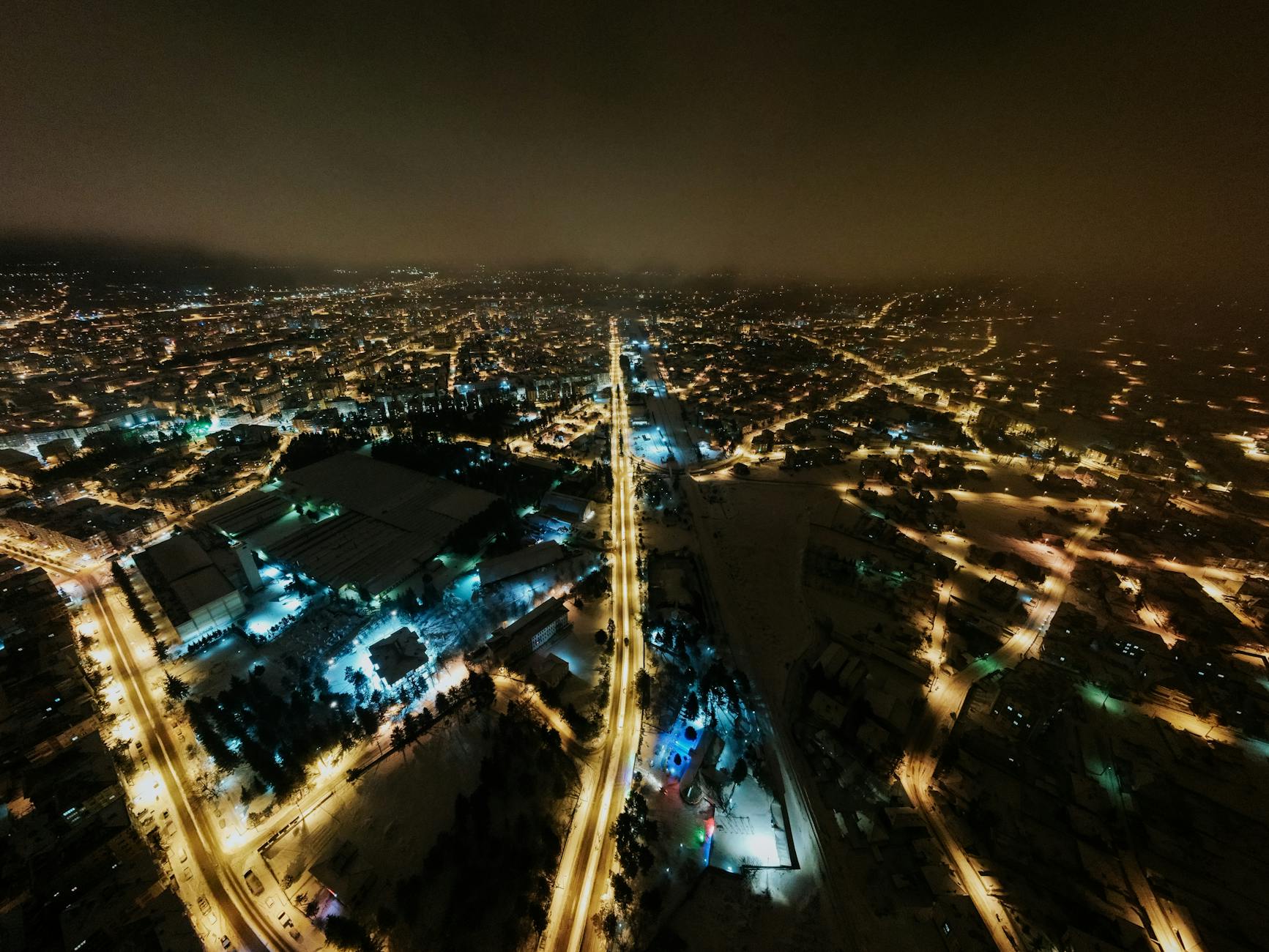
January in Thailand is peak tourist season for good reason — the weather across most of the country is at its best, with cooler temperatures, low humidity, and clear blue skies. The festival calendar is relatively quiet compared to what lies ahead, but there are still several celebrations worth structuring your trip around.
New Year’s Day — January 1
Thailand celebrates the Gregorian New Year on January 1 as a national public holiday. While not as culturally significant as Songkran (the Thai New Year in April), it is still enthusiastically observed. In Bangkok, spectacular fireworks displays light up the Chao Phraya River, with ICONSIAM and centralwOrld hosting two of the country’s biggest countdown parties. Expect road closures around major malls and very heavy traffic near celebration zones. If you are in the capital for New Year’s Eve, plan to arrive at your viewing spot by mid-afternoon and settle in — patience is the price of a front-row seat.
Children’s Day — Second Saturday of January (January 10, 2026)
On Wan Dek, as it is called in Thai, the country turns its attention to its youngest citizens. Government buildings, military bases, and museums — many of which are normally off-limits — open their doors to families. Children get free admission to zoos, ride in military vehicles, and even sit in the prime minister’s chair at Government House. For travelers, it is a wonderful day to see Thai society at its most warm-hearted, though expect popular family attractions to be crowded.
Bo Sang Umbrella Festival — Third Weekend of January
Held in the village of Bo Sang, just 10 kilometers east of Chiang Mai, this festival transforms a quiet craft community into a carnival of color. Bo Sang has been producing hand-painted paper umbrellas for over 200 years, and during the festival, the main street becomes a living art gallery. Umbrellas in every conceivable color hang from buildings, trees, and lamp posts. There are parades, traditional Lanna dance performances, craft demonstrations, and a beauty pageant. It is one of northern Thailand’s most photogenic events — and remarkably, it still flies under most international tourists’ radar.
For the full story, read our guide: Bo Sang Umbrella Festival
February: Flowers, Dragons, and Underwater Vows
February is one of the most pleasant months to travel in Thailand. The weather remains cool and dry, and three very different festivals give you excellent reasons to explore different corners of the country.
Chiang Mai Flower Festival — First Weekend of February (February 6–8, 2026)
The Chiang Mai Flower Festival is northern Thailand’s most visually stunning celebration. For three days, elaborate floats covered entirely in fresh flowers parade through the streets of the old city, accompanied by marching bands and Lanna dance troupes. The artistry is extraordinary — dragons, elephants, and mythological creatures sculpted from thousands of chrysanthemums, roses, and orchids. After the parade, the floats are parked at Suan Buak Hat park where you can walk right up to them and photograph the extraordinary floral detail. The festival coincides with the peak of Chiang Mai’s flower-growing season, and the weather is typically crisp and sunny.
Chinese Lunar New Year — February 17, 2026
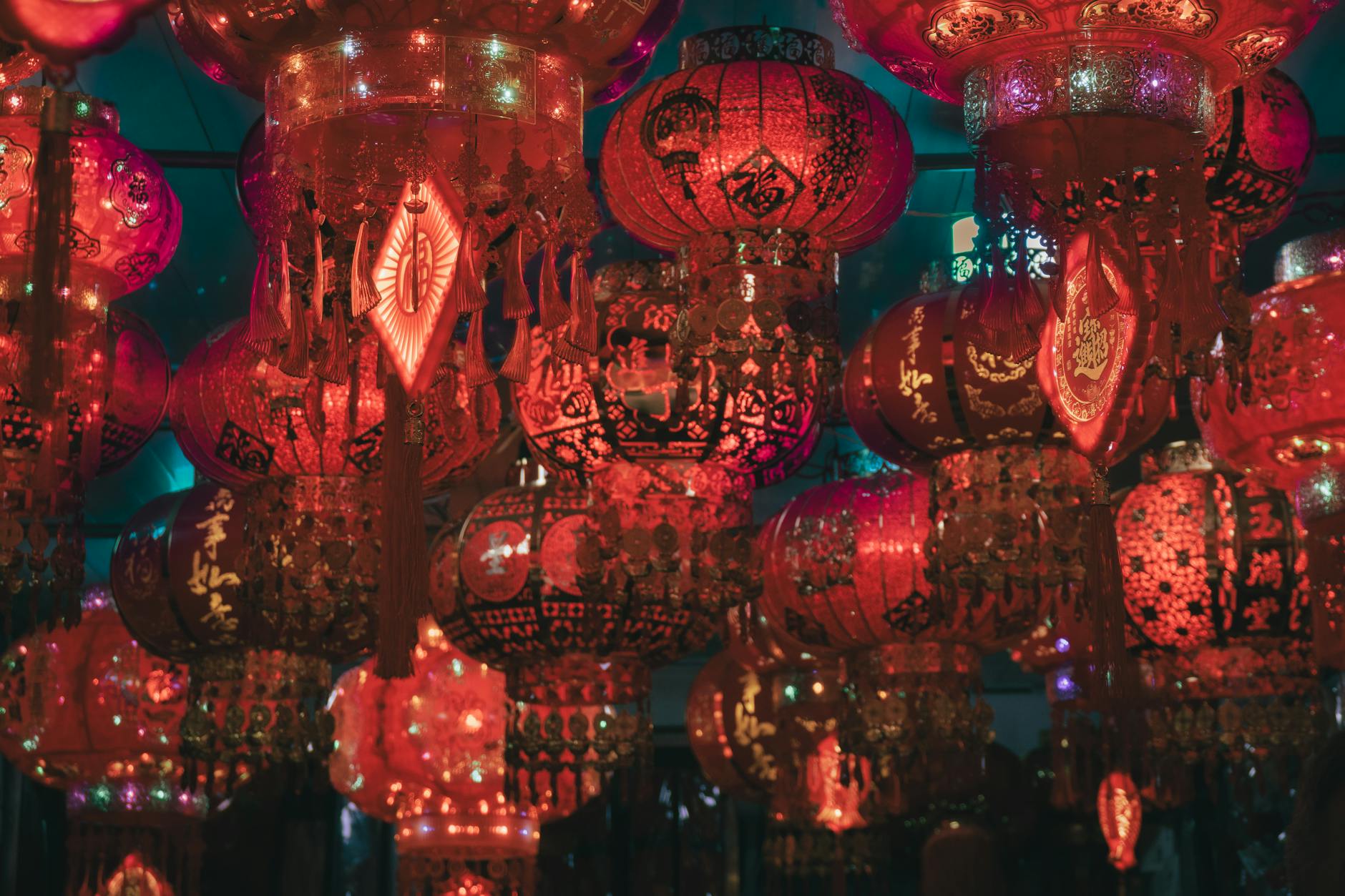
Thailand is home to one of the world’s largest overseas Chinese communities, and Chinese New Year is celebrated with breathtaking energy, especially in Bangkok’s Yaowarat (Chinatown) district and in Phuket Town. Dragon dances, firecrackers, temple ceremonies, and street food stalls stretching for kilometers make this one of the most sensory-overloading experiences you can have in Thailand. Red envelopes, lion dances, and shared meals with family define the celebration. The crowds in Yaowarat can be overwhelming — arrive early, wear comfortable shoes, and prepare for shoulder-to-shoulder walking on the main drag.
Dive deeper: Chinese Lunar New Year in Thailand
Trang Underwater Wedding — Mid-February
In the southern province of Trang, love takes a uniquely aquatic form. Each year around Valentine’s Day, dozens of couples exchange vows underwater, wearing full diving gear and signing marriage certificates on submerged tables. The ceremony has earned a Guinness World Record, and even if you are not tying the knot yourself, it makes for one of Thailand’s most unusual spectator events. Trang’s coastline, islands, and limestone karsts provide a stunning backdrop. The event typically lasts three days and includes a parade, cultural performances, and a reception.
Read more: Trang Underwater Wedding
March: Sacred Days and Shan Traditions
March marks the transition into Thailand’s hot season. Temperatures begin to climb, but the festival calendar heats up as well with two culturally rich celebrations.
Makha Bucha Day — March 3, 2026* (Full Moon of the Third Lunar Month)
Makha Bucha Day is one of Theravada Buddhism’s holiest days, commemorating the spontaneous gathering of 1,250 enlightened disciples to hear the Buddha preach. Across Thailand, devout Buddhists visit temples at dusk for candlelit processions (wian thian), walking three times around the main chapel while holding flowers, incense, and a lit candle. The atmosphere is deeply serene — a world apart from the carnival energy of Thailand’s secular festivals. At Wat Phra Dhammakaya north of Bangkok, the celebration is particularly spectacular, with tens of thousands of monks and laypeople holding lanterns in a vast, geometrically precise assembly. Remember: this is a major Buddhist holiday, so alcohol sales are prohibited nationwide.
Poy Sang Long Festival — Late March to Early April
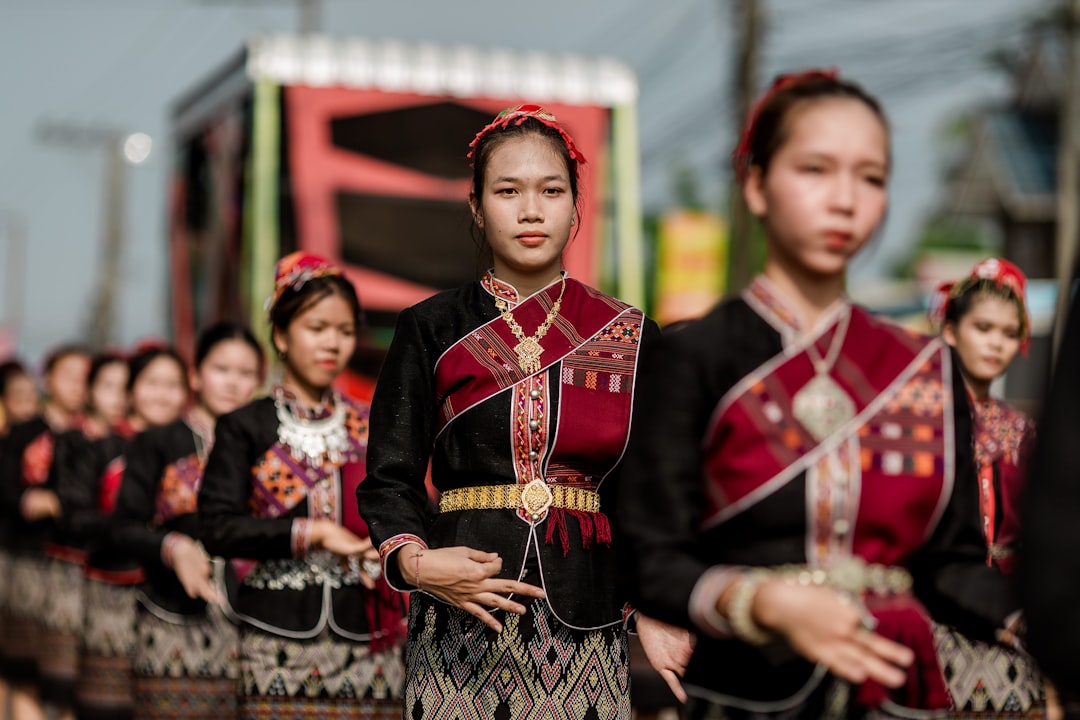
In the mountainous province of Mae Hong Son near the Myanmar border, the Shan community celebrates Poy Sang Long — an elaborate ordination ceremony in which young boys (typically aged 7 to 14) are initiated as novice monks. What makes this festival unforgettable is the visual spectacle: the boys are dressed in ornate costumes, wear flower crowns, and have their faces painted with bright makeup, resembling princes. They are carried through the streets on the shoulders of older relatives in a joyful, colorful procession that can last several days. It is one of Thailand’s most photographically rewarding cultural events, and Mae Hong Son’s misty mountains provide an atmospheric backdrop.
April: The Month Thailand Goes Wild
April is Thailand’s hottest month, and fittingly, it hosts both the country’s most sacred traditional holiday and its most unhinged public celebration — which, remarkably, are the same festival.
Chakri Memorial Day — April 6
Chakri Memorial Day commemorates the founding of the Chakri dynasty, from which Thailand’s current royal family descends, in 1782. It is a national public holiday. The King and royal family members preside over a wreath-laying ceremony at the Royal Pantheon in Bangkok. For most travelers, the main practical effect is that government offices and some attractions may be closed. It is a quiet, respectful day that passes with little disruption to tourism.
Songkran Thai New Year — April 13–15
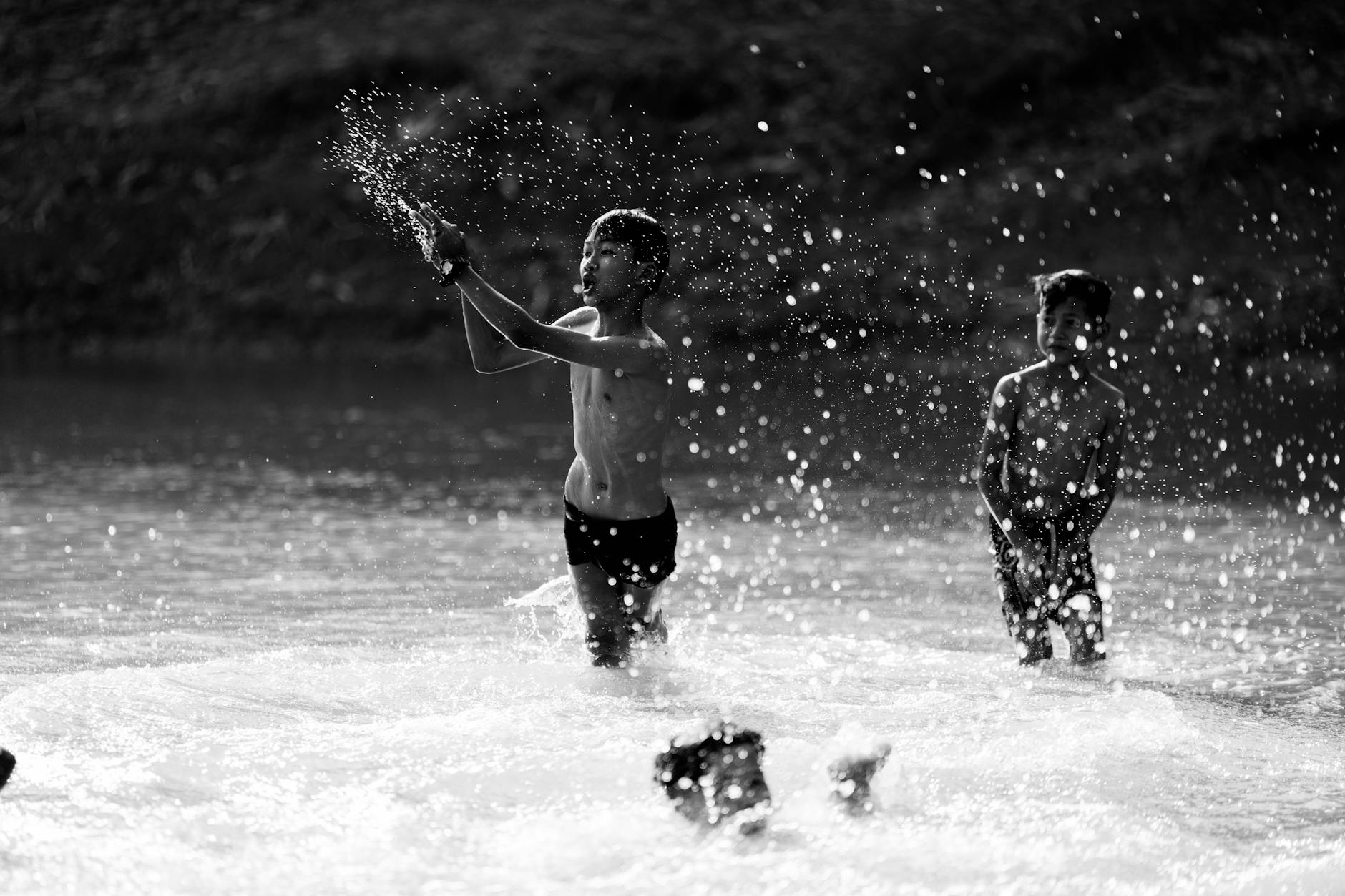
And now for the main event. Songkran is Thailand’s most famous festival — a three-day water fight of epic proportions that marks the traditional Thai New Year. Across the entire country, streets transform into joyful battlefields where nobody is safe from a bucket of water. But beneath the chaos, Songkran has a deeply spiritual side: families reunite, temples fill with worshippers, and elders receive scented water poured gently over their hands as a gesture of blessing.
Where to celebrate:
- Bangkok: Khao San Road and Silom Road host the most intense water battles. Expect massive crowds — and expect to get absolutely drenched.
- Chiang Mai: The city wraps its moat and old city streets in a continuous water war lasting up to six days, combined with traditional Lanna rituals.
- Pattaya: The celebration stretches to April 19th, with the famous Wan Lai finale.
Pro tip: waterproof phone pouch, goggles, and clothes you do not mind never wearing again. Booking flights and accommodation at least one month in advance is not negotiable — this is the busiest domestic travel week of the year.
May: Royal Rituals and Rocket Festivals
May brings royal ceremonies in Bangkok and one of the northeast’s most explosive celebrations in the rice fields of Isaan.
Coronation Day — May 4
Coronation Day marks the anniversary of King Maha Vajiralongkorn’s coronation in 2019. It is a public holiday, and ceremonies are held at the Grand Palace and Wat Phra Kaew (the Temple of the Emerald Buddha) in Bangkok. For visitors, this means some royal sites may have altered hours, but the day is generally low-key for tourism.
Royal Ploughing Ceremony — Early May*
On a date determined by royal astrologers (typically in early May), the Royal Ploughing Ceremony takes place at Sanam Luang, the large public field in front of the Grand Palace. This ancient Brahmin ritual, presided over by the King or a royal representative, marks the start of the rice-growing season. Sacred oxen plow a ceremonial furrow and are offered various foods — the ones they choose are said to predict the success of the coming harvest. It is one of Bangkok’s most photogenic and culturally distinctive events, though it requires an early-morning start and a tolerance for large crowds.
Visakha Bucha Day — May 1 or May 31, 2026* (Full Moon of the Sixth Lunar Month)
Visakha Bucha Day is arguably the most significant day in the Buddhist calendar, commemorating three major events in the Buddha’s life: his birth, enlightenment, and passing into nirvana. Temples nationwide hold candlelit processions similar to Makha Bucha Day, and the atmosphere is profoundly reverent. Alcohol sales are banned. For travelers interested in Thai Buddhism, this is one of the most meaningful days to visit a temple — but plan for a quiet evening, as nightlife shuts down.
Boon Bang Fai Rocket Festival — Mid-May
In the northeastern province of Yasothon, the villagers of Isaan launch home-made rockets into the sky in a raucous, muddy, and absolutely unforgettable festival that blends pre-Buddhist fertility rites with modern-day rural revelry. The Boon Bang Fai Rocket Festival is a plea to the sky gods for abundant rainfall ahead of the rice planting season. Teams compete to build the largest and most powerful bamboo rockets, which are paraded through town before being fired from launch towers. The festival also features cross-dressing comedy troupes, traditional music, and copious amounts of local rice whiskey. It is raw, rural, and unlike anything you will see in Bangkok or the beach islands.
June: Ghosts in the Mist
June brings the start of the rainy season across much of Thailand. Tourist numbers drop, landscapes turn lush green, and in a small town in the northeast, ghosts take over the streets.
Phi Ta Khon Ghost Festival — June / July*
The Phi Ta Khon Ghost Festival in Dan Sai district, Loei province, is one of Thailand’s most unusual and photogenic festivals. Locals don elaborate ghost masks made from carved coconut palm trunks, topped with tall, pointed hats, and parade through town in colorful patchwork costumes. The festival blends Buddhist merit-making with animist spirit worship and fertility rites — the ghosts are thought to represent spirits that follow the Buddha on his return from heaven. The dates shift each year, typically falling in June or July. With limited accommodation in Dan Sai, this is a festival you absolutely must plan for in advance. The countryside of Loei province, known for its misty mountains and cool-season flower farms, makes the journey worthwhile even aside from the festival itself.
July: Candles, Lent, and the Start of the Rains Retreat
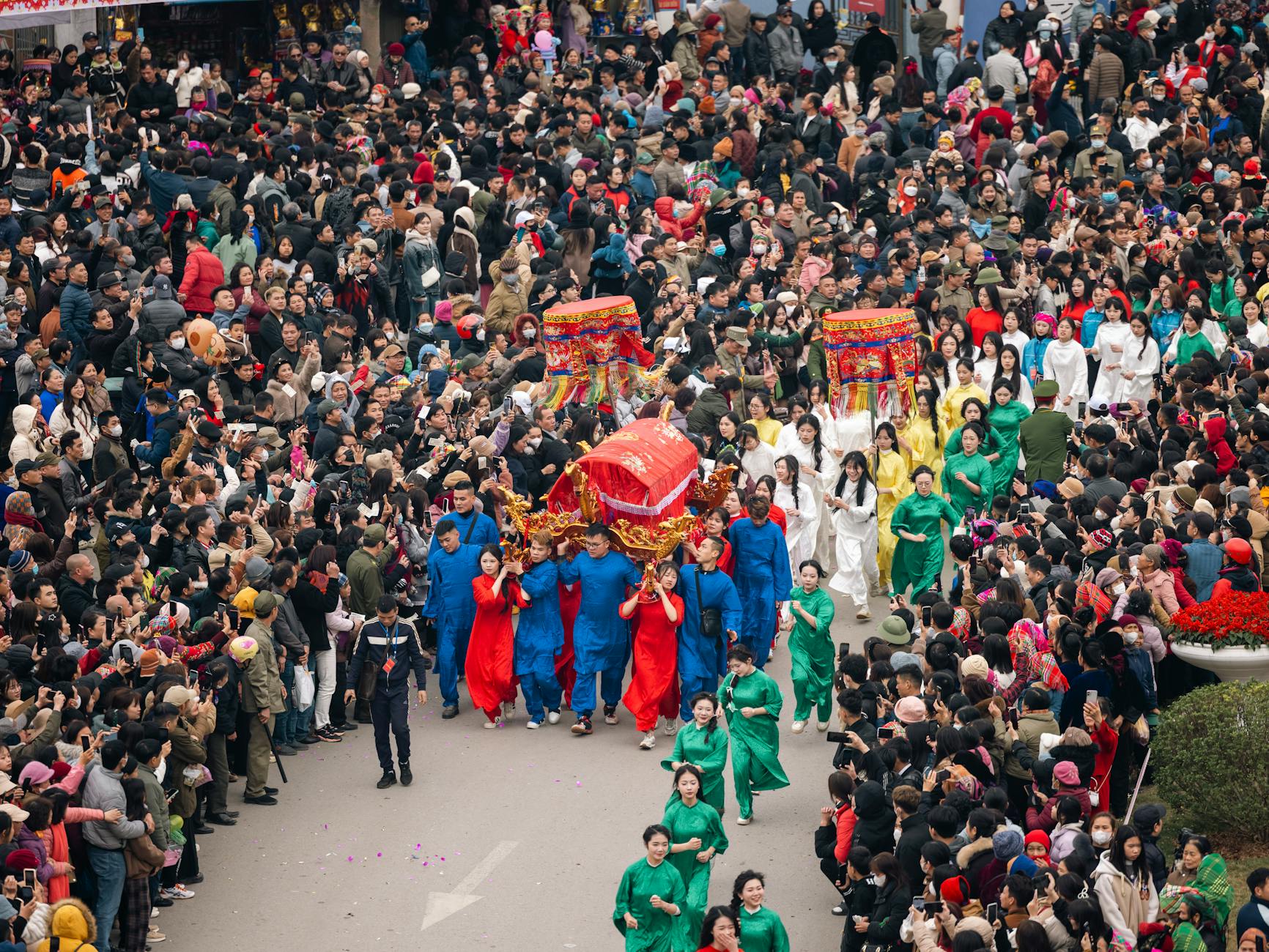
July marks the beginning of Buddhist Lent, a three-month period when monks retreat to their monasteries for intensive study and meditation. It is also one of the most visually stunning months for festival travelers.
Asahna Bucha Day — Late July 2026* (Full Moon of the Eighth Lunar Month)
Asahna Bucha Day commemorates the Buddha’s first sermon, delivered to his five former companions in the deer park at Sarnath. It is one of the four major Buddhist holidays and, like the others, features candlelit temple processions and a nationwide ban on alcohol sales. The following day marks the beginning of Buddhist Lent.
Khao Phansa — Buddhist Lent Begins — Late July 2026*
Khao Phansa, or Buddhist Lent, begins the day after Asahna Bucha and lasts for three lunar months. Traditionally, this is a period when monks remain within their monastery grounds, refraining from overnight travel. For lay Buddhists, it is a time of heightened religious devotion — many give up alcohol, meat, or smoking for the duration. For travelers, the most visible expression of Khao Phansa is the candle festival.
Ubon Ratchathani Candle Festival — Late July
The northeastern city of Ubon Ratchathani hosts Thailand’s most spectacular candle festival to mark the start of Buddhist Lent. Enormous beeswax candles — some towering several meters high — are intricately carved with scenes from Buddhist mythology and paraded through the streets on elaborate floats. The level of artistry is breathtaking: master sculptors spend months creating these works, some of which are so detailed they resemble wood or stone rather than wax. The festival also includes traditional Isaan music, dance performances, and a vibrant night market. Ubon is off the main tourist circuit, which makes this one of Thailand’s most rewarding off-the-beaten-path festival experiences.
August: Honoring the Queen Mother
August is the heart of the rainy season across most of Thailand. The festival calendar is relatively quiet, but one important national holiday shines through.
HM The Queen’s Birthday / Mother’s Day — August 12
August 12 marks the birthday of Her Majesty Queen Sirikit, known affectionately as the Mother of the Nation. It is both a public holiday and Thailand’s official Mother’s Day. Across the country, buildings and streets are decorated with the Queen’s portrait, blue flags (her birth color), and elaborate flower displays. In Bangkok, the area around the Grand Palace and Ratchadamnoen Avenue is particularly beautiful, with buildings illuminated at night. For travelers, it is a day of gentle celebration — expect many Thais dressed in blue, family gatherings, and public ceremonies honoring mothers. Government offices and some businesses close, but tourist attractions generally remain open.
September: The Quiet Month
September is, by design, Thailand’s quietest festival month. It falls squarely in the middle of Buddhist Lent (Khao Phansa), a period traditionally reserved for spiritual retreat and restraint rather than celebration. There are no major Buddhist festivals, no national holidays beyond the standard weekends, and the rainy season reaches its peak across most of the country.
For travelers, this can actually work to your advantage. Tourist numbers are at their lowest, accommodation prices drop, and the countryside is at its greenest — waterfalls are at full flow, rice paddies are lush, and the northern mountains emerge from beneath moody cloud cover. If your priority is quiet exploration rather than festival chasing, September offers some of Thailand’s most peaceful travel conditions.
October: Fire, Vegetarians, and the End of Lent
October marks a dramatic shift in the festival calendar. The rains begin to retreat, and three very different celebrations burst onto the scene.
Awk Phansa — End of Buddhist Lent — Mid-October 2026* (Full Moon of the Eleventh Lunar Month)
Awk Phansa marks the end of the three-month Buddhist Lent retreat. Monks are once again permitted to travel, and the day is celebrated with temple visits and merit-making. In many riverside communities, including around the Mekong River in northeast Thailand, this period coincides with the mysterious Naga fireball phenomenon — glowing orbs that rise from the river’s surface, attributed by locals to the mythical Naga serpent. The most famous viewing point is in Nong Khai province, where thousands gather along the riverbank each year.
Phuket Vegetarian Festival — Late September to Early October
The Phuket Vegetarian Festival is not your typical food festival. Yes, the island’s Chinese-Thai community observes a strict vegan diet for nine days — and Phuket’s street food scene transforms accordingly, with yellow flags flying outside stalls signifying vegetarian jay cuisine. But the festival is best known for its spiritual intensity: devotees known as mah song enter trance states and perform acts of self-mortification — piercing their cheeks with swords, skewers, and other objects — as a demonstration of faith and an act of community protection. Processions snake through Phuket Town accompanied by the thunder of firecrackers. It is intense, deeply religious, and unlike any festival you have ever seen. If you are squeamish, you may want to stick to the food.
Mid-Autumn Festival — October 6, 2026*
Thailand’s Chinese community celebrates the Mid-Autumn Festival (also called the Moon Festival) with mooncakes, lanterns, and family gatherings. In Bangkok’s Chinatown, streets fill with stalls selling elaborately packaged mooncakes in every flavor imaginable — from classic lotus seed paste to durian and matcha. It is a smaller-scale celebration than Chinese New Year, but the food alone makes it worth seeking out.
November: The Month of Lights
If April is Thailand’s wildest festival month, November is its most beautiful. This is when the kingdom’s two most visually stunning celebrations light up the waterways and skies, and it is an experience every traveler should have at least once in their life.
Loy Krathong — November 16, 2026* (Full Moon of the Twelfth Lunar Month)
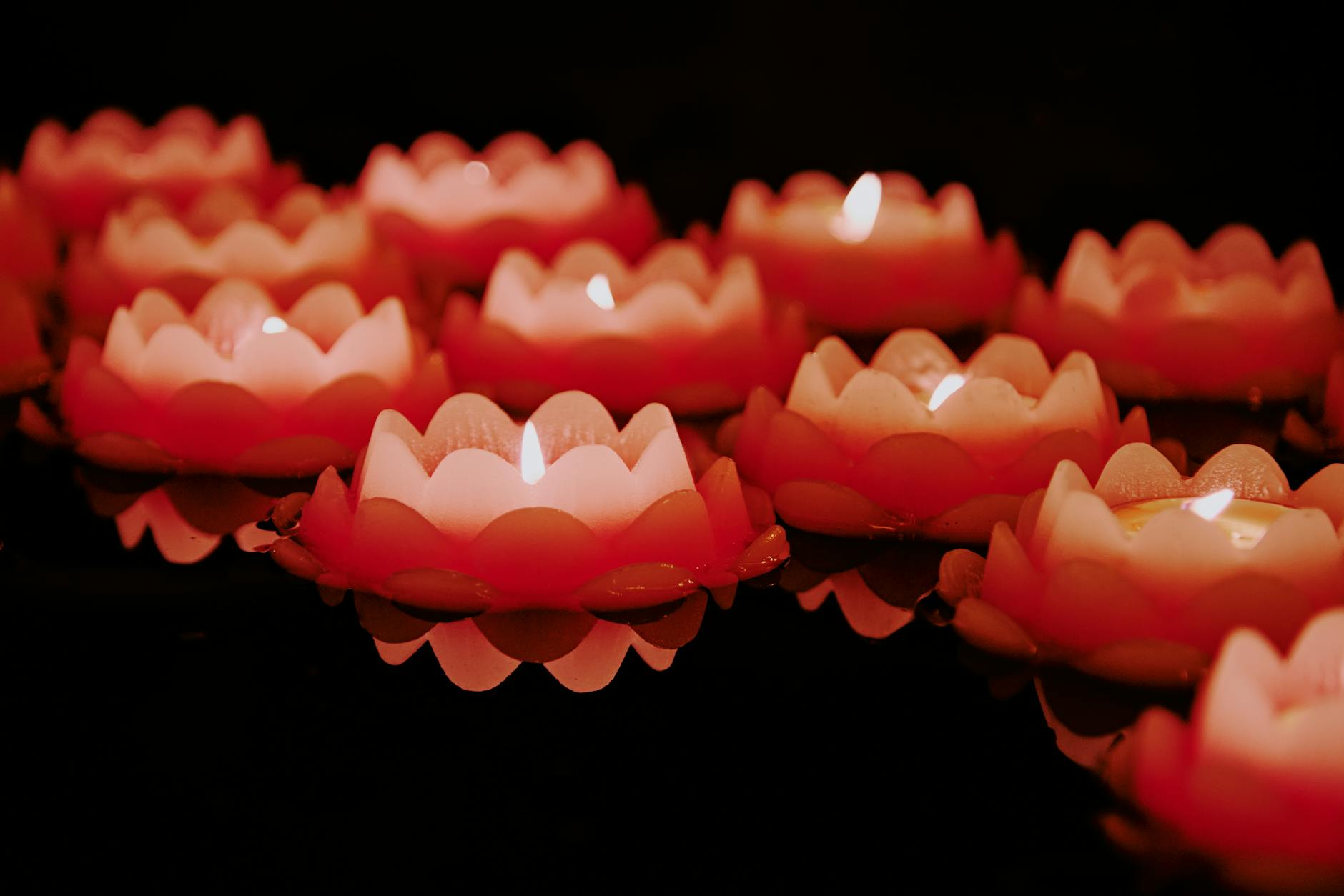
Loy Krathong is Thailand’s Festival of Lights, held on the full moon night of the twelfth lunar month. Across the country, millions of people gather at rivers, lakes, canals, and ponds to float krathongs — small, lotus-shaped vessels made from banana leaves and decorated with flowers, candles, and incense — onto the water. The act is both a gesture of gratitude to the water goddess and a symbolic release of misfortunes, grudges, and negative energy.
Best places to experience Loy Krathong:
- Bangkok: The Chao Phraya River and major parks like Lumpini and Benjasiri host large celebrations. The ICONSIAM complex stages a particularly elaborate show.
- Sukhothai: The ancient capital, where the festival is said to have originated, hosts a historical recreation with period costumes, traditional performances, and krathongs floating across the old city’s reflecting ponds.
- Chiang Mai: Loy Krathong overlaps with Yi Peng, creating a dual celebration of water and sky lanterns.
Yi Peng Lantern Festival — November 16, 2026* (Full Moon of the Twelfth Lunar Month)
While Loy Krathong is celebrated nationwide, Yi Peng is uniquely northern Thai. In Chiang Mai, thousands of khom loi — paper lanterns lifted by the heat of a small flame — are released into the night sky, creating a spectacle that has become one of the most iconic images of Thailand. The organized mass releases, held at various venues around the city, require advance tickets and sell out months in advance. The combined effect of floating krathongs on the Ping River and lanterns drifting overhead is genuinely breathtaking.
Note: Chiang Mai is extremely crowded during this period. Book flights and accommodation as early as possible — ideally by September. And be aware that lantern releases are restricted near the airport for flight safety.
December: Royal Birthdays and Year-End Celebrations
December closes the festival year with national pride, a public holiday, and one of the world’s great New Year celebrations.
King’s Birthday / Father’s Day — December 5
December 5 marks the birthday of the late King Bhumibol Adulyadej (Rama IX), who reigned for 70 years and remains deeply revered. The day is a national public holiday and Thailand’s official Father’s Day. Buildings across the country are decorated with yellow flags (the King’s birth color), and candlelit ceremonies are held in his honor. In Bangkok, the area around the Grand Palace and Sanam Luang is the center of commemorative events. For travelers, it is a day of visible national unity and respect — expect businesses to close and many Thais to wear yellow.
Constitution Day — December 10
Constitution Day commemorates Thailand’s adoption of its first constitution in 1932, marking the transition from absolute to constitutional monarchy. It is a public holiday, and while there are no large public festivities, the Democracy Monument on Ratchadamnoen Avenue is the symbolic focal point. Most government offices close, but tourist attractions remain open.
New Year’s Eve — December 31
Thailand closes the year with spectacular countdown celebrations. In Bangkok, the area around centralwOrld, ICONSIAM, and the Chao Phraya River hosts massive fireworks displays and live music events. Beach destinations like Pattaya, Phuket, and Koh Samui hold their own parties, often continuing until sunrise. It is one of the busiest nights of the year for the hospitality industry — restaurant reservations and hotel bookings should be made well in advance. If you are celebrating outdoors, be prepared for large crowds and significant traffic delays.
Final Thoughts: Build Your Thailand Trip Around a Festival
Thailand’s festivals are not just events — they are windows into the soul of the country. They reveal what Thais value, how they worship, how they celebrate, and how they welcome the cycles of nature and life. Whether you find yourself dancing in a water-soaked street during Songkran, releasing a krathong into the Chao Phraya under a full moon, or watching a young Shan boy ride through Mae Hong Son on his family’s shoulders, these are the moments that transform a vacation into a memory that stays with you for life.
The best advice I can offer: pick one festival that speaks to you, build your trip around it, and let the rest of the itinerary unfold naturally. Thailand has a way of rewarding travelers who show up with curiosity and an open heart.
Now, pick your festival, mark your calendar, and start planning. Thailand is waiting.
You may also like
- Songkran Water Festival Guide — Everything you need to know about Thailand’s epic water fight.
- Songkran Survival Guide: Dos, Don’ts, and Laws Every Tourist Must Know — Stay safe and out of trouble during the world’s biggest water fight.
- Loy Krathong: Thailand’s Magical Festival of Lights — A complete guide to floating your krathong.
- Yi Peng Lantern Festival in Chiang Mai — How to experience the mass lantern release.
- Loy Krathong & Yi Peng Etiquette: How to Celebrate Responsibly — Float your krathong and release your lantern the right way.
- Chiang Mai Flower Festival: A Blooming Spectacle — Northern Thailand’s most colorful celebration.
- Bo Sang Umbrella Festival: Chiang Mai’s Handmade Wonder — A village of hand-painted paper umbrellas comes alive.
- Chinese Lunar New Year in Thailand — Celebrate Lunar New Year in Bangkok’s Chinatown.
- Mid-Autumn Festival in Thailand: Mooncakes and Lanterns — Mooncakes, lanterns, and Thai-Chinese heritage.
- Phuket Vegetarian Festival: Sacred Rituals and Street Food — Nine days of spiritual intensity and vegan street food.
- Phi Ta Khon Ghost Festival in Dan Sai — Thailand’s wildest and most mysterious festival.
- Boon Bang Fai Rocket Festival in Yasothon — Isaan’s explosive rain-calling tradition.
- Makha Bucha Day: Buddhism’s Sacred Gathering — The story behind the candlelit processions.
- Visakha Bucha Day: Buddhism’s Most Sacred Day — Commemorating the Buddha’s birth, enlightenment, and passing.
- Asahna Bucha & Khao Phansa: Buddhist Lent Begins — The start of the three-month rains retreat.
- Royal Ploughing Ceremony: Bangkok’s Ancient Rice Ritual — Sacred oxen and harvest predictions at Sanam Luang.
- Poy Sang Long Festival: Mae Hong Son’s Novice Ordination — Young Shan boys dressed as princes in northern Thailand.
- Trang Underwater Wedding: Vows Beneath the Sea — The world’s most unusual wedding ceremony.
- King’s Birthday in Thailand: Father’s Day and Royal Tributes — Yellow shirts, candlelit ceremonies, and national unity.
- Thai Buddhist Festival Etiquette: Temple Rules and Respectful Travel — How to dress and behave at Thailand’s sacred festivals.
Related Articles
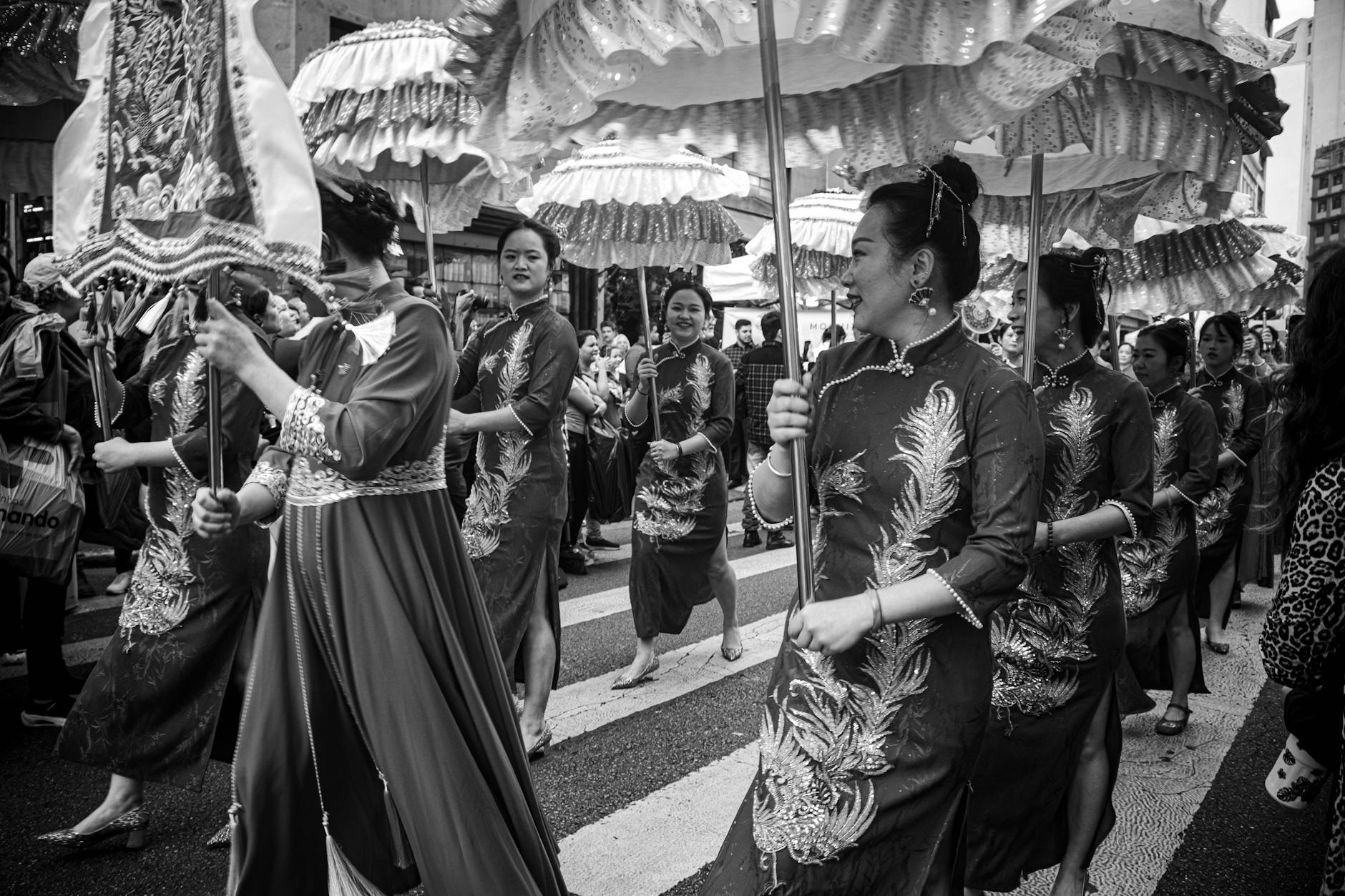
Three Days, One Million Petals: The Thai Festival That Outdoes Pasadena's Rose Parade
Experience the breathtaking Chiang Mai Flower Festival with elaborate floral floats, beauty pageants, and stunning garden displays. Plan your visit for Thailand's most beautiful botanical celebration.
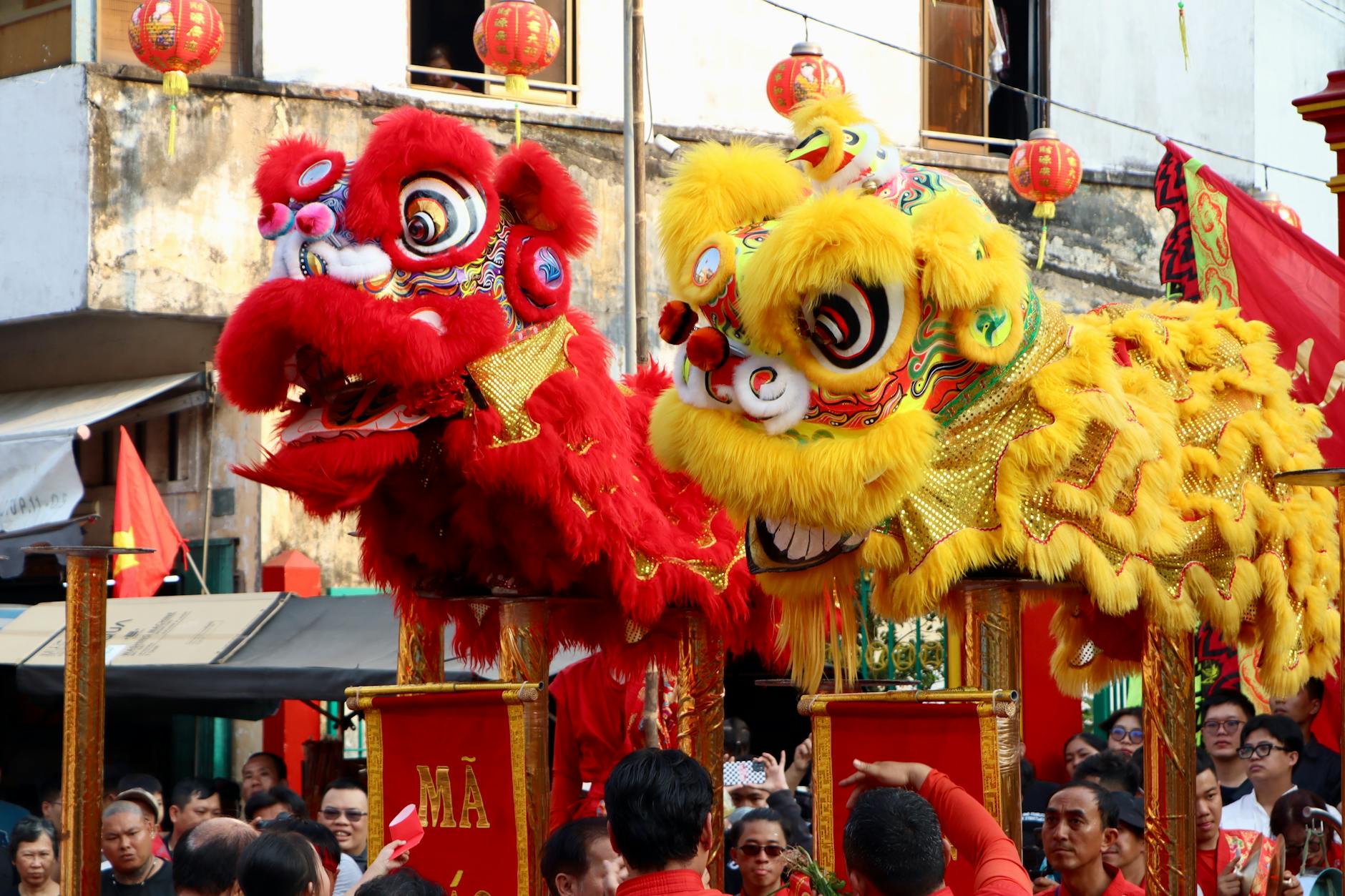
I Stood in Chinatown as a 40-Foot Dragon Weaved Past Me — Here's Why Lunar New Year in Thailand Feels Different From Anywhere Else
Celebrate Chinese New Year in Thailand with vibrant parades, lion dances, and feasts. Discover Bangkok's Chinatown, Phuket's Old Town, and the best Chinese temples for an unforgettable lunar new year.
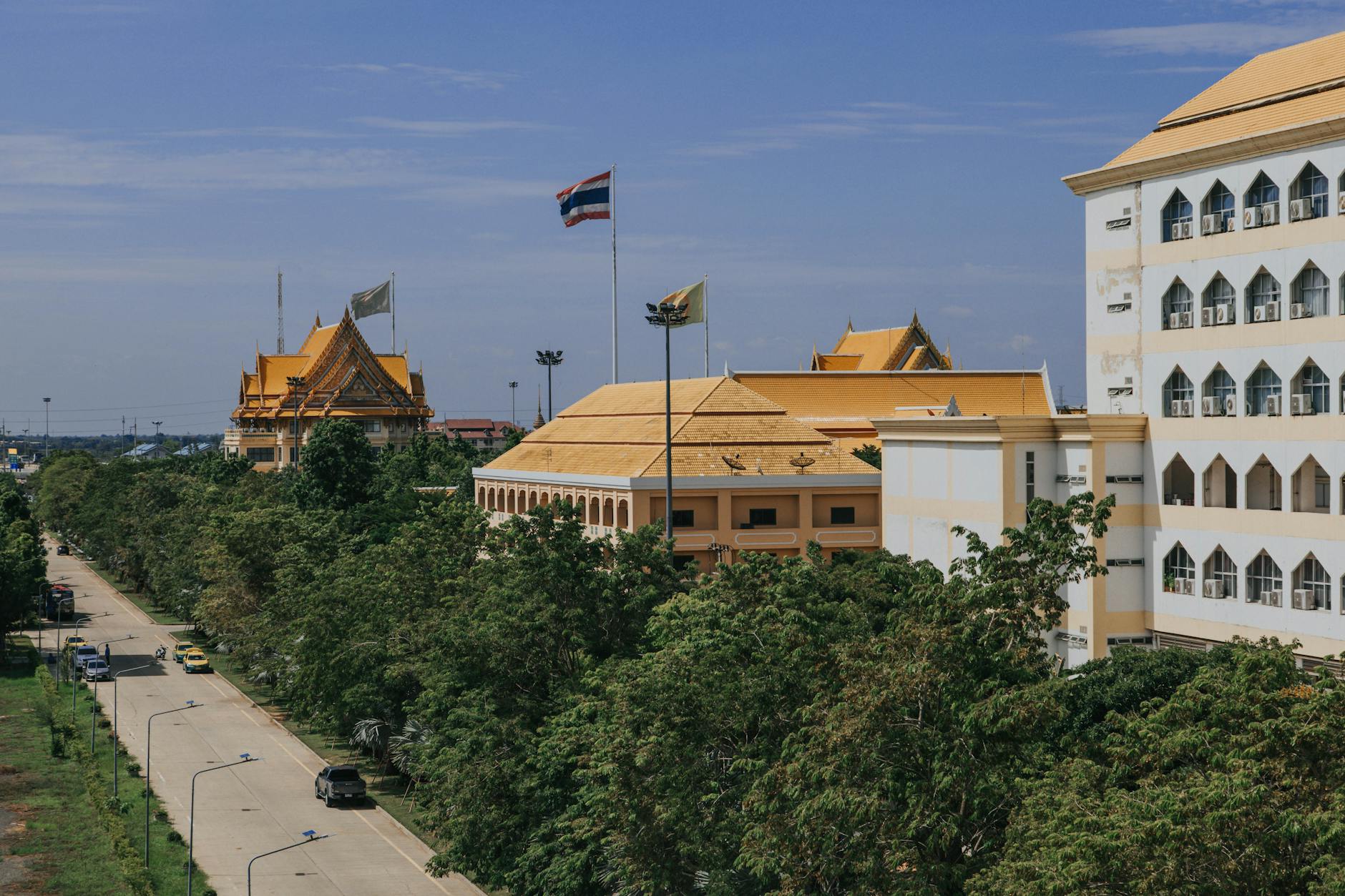
100,000 Candles and Zero Noise: The Most Unfathomable Night I've Spent in Thailand
Experience the King's Birthday in Thailand — a national celebration of monarchy, fatherhood, and unity. Yellow seas of loyal well-wishers, candlelit ceremonies, and Bangkok's grandest displays.
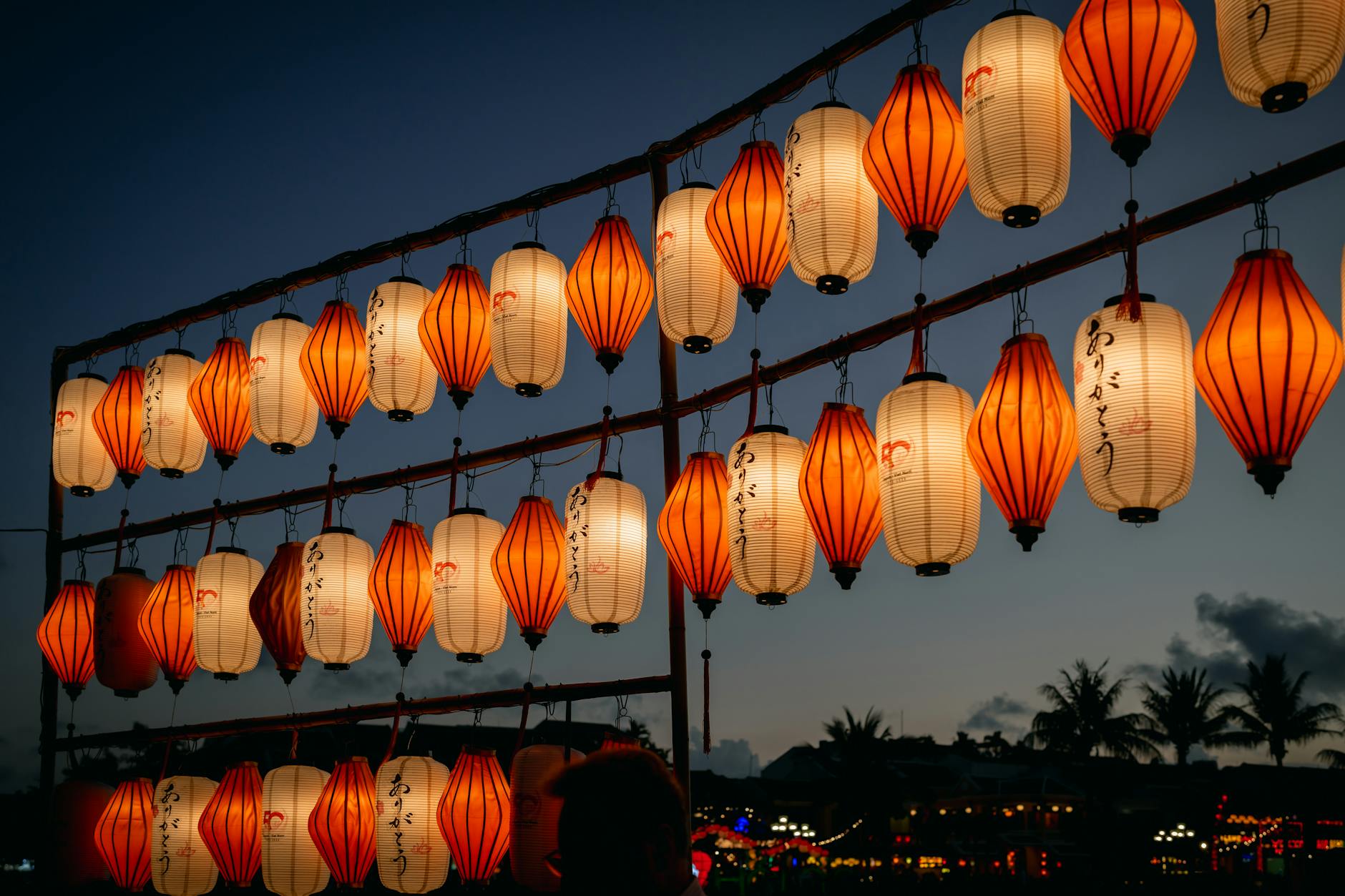
Candlelit Rivers, Floating Wishes, and One Night of Quiet Magic in Thailand
Experience the enchanting beauty of Loy Krathong, Thailand's festival of lights. Learn about its traditions, best celebration spots, and how to participate respectfully as a traveler.