
 ChatGPT
  Gemini
  Claude
  Perplexity
 I’ll never forget my first Yi Peng. Standing on a bridge over the Ping River, clutching a paper lantern, I watched a monk light his khom loy and let it rise. Within seconds, the sky filled with soft orange lights floating upward like slow-motion stars. A Thai grandmother next to me clasped her hands, closed her eyes, and made a wish. Her lantern caught the breeze and joined the constellation above us.
Yi Peng isn’t a tourism-board production. It’s a deeply spiritual Lanna tradition and one of the most visually stunning experiences on Earth. If you’re headed to northern Thailand this November, here’s what you need to know.
Yi Peng vs Loy Krathong: Same Night, Two Different Traditions
Yi Peng and Loy Krathong happen on the same night — the full moon of the twelfth lunar month, usually November — but they are not the same thing.
Loy Krathong is celebrated nationwide. People release floating baskets (krathongs) made from banana leaves, flowers, candles, and incense onto rivers and ponds. The act symbolizes letting go of grudges and bad luck from the past year. You’ll see krathongs everywhere from Bangkok’s Chao Phraya to a hotel pool in Phuket. It’s beautiful — but it’s a water ritual.
Yi Peng is the sky lantern festival specific to northern Thailand’s Lanna culture, and Chiang Mai is its spiritual home. Participants release khom loy — cylindrical paper lanterns lifted by a small fuel cell — into the night sky, carrying prayers and wishes for good fortune. Symbolically, the lanterns release misfortune so one’s merit can ascend toward heaven.
In Chiang Mai, the two festivals merge naturally. Float a krathong on the river and launch a lantern from the bank on the same evening — water below, fire above, and a city-wide sense of renewal in between.
The Roots: What Yi Peng Means in Lanna Culture
Yi Peng traces back to the ancient Lanna Kingdom, which ruled northern Thailand for centuries. The name comes from the northern Thai dialect: “Yi” means “two” and “Peng” refers to the full moon — the “second full moon” of the Lanna calendar. For generations, it marked the end of the rainy season and the beginning of cool, dry months filled with trade, temple festivals, and harvest celebrations.
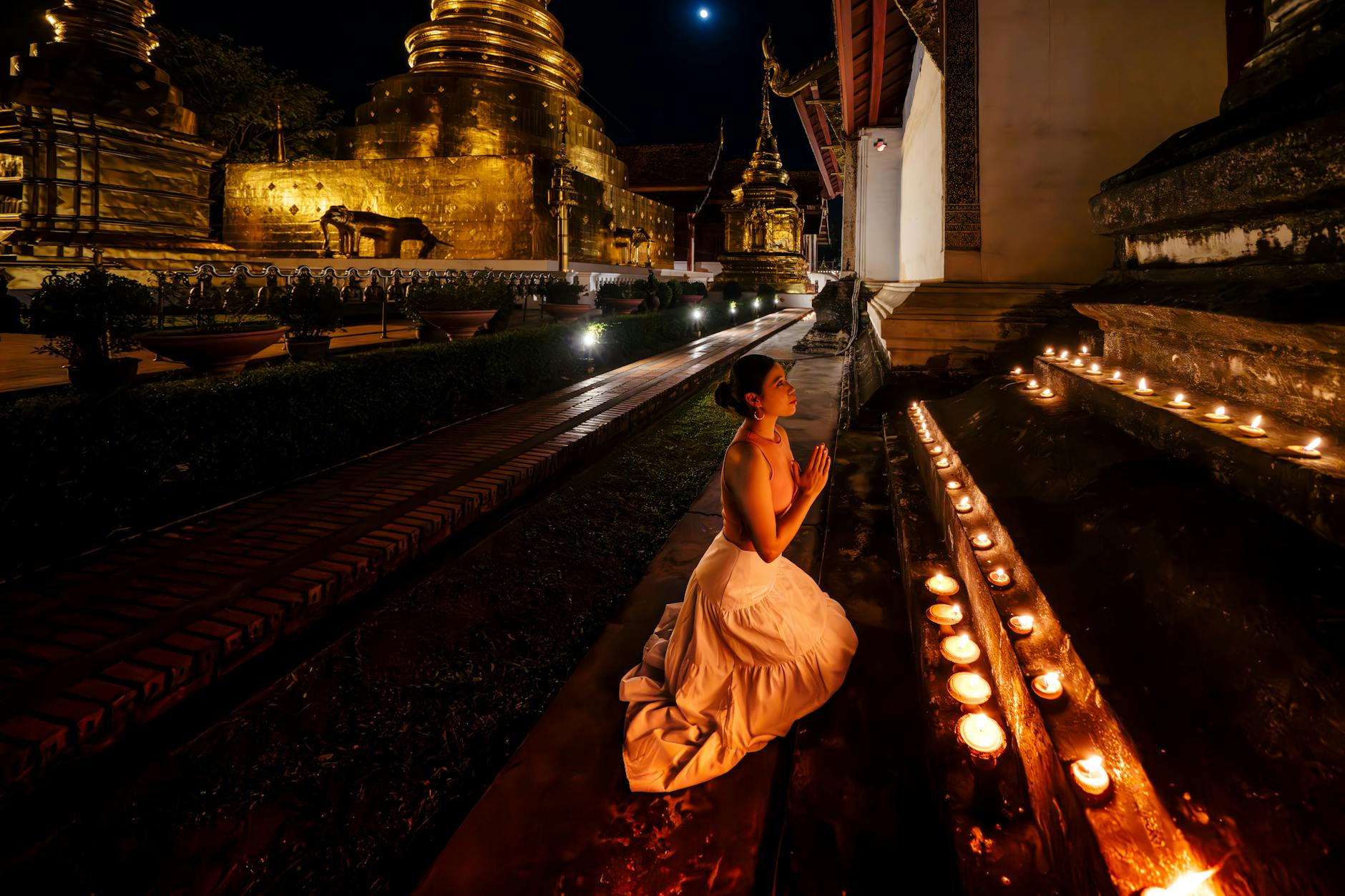
The khom loy carries layered meaning. The paper cylinder represents the physical body. The fuel cell inside symbolizes wisdom and the effort to overcome ignorance. When the lantern rises, it visualizes the Buddhist concept of letting go: releasing attachments, worries, and accumulated burdens. Families often write the names of departed loved ones on their lanterns.
Locals approach the release with quiet reverence — a pause, a prayer, stillness. Temples across the old city hold merit-making ceremonies all day, and many residents spend the morning visiting monks and decorating homes with lanterns long before the first khom loy goes up.
When to Go: Dates and Timing for 2026
Yi Peng follows the lunar calendar. For 2026, the full moon falls in mid-November — expect the main celebration on November 15 or 16, 2026. The Tourism Authority of Thailand (TAT) confirms the exact date about three months ahead. Plan your trip for the second or third week of November and you’ll catch at least one major release.
The festival spans three days: temple ceremonies and neighborhood releases on day one, the Mae Jo mass release and riverside peak on the full moon night, and parades with morning merit-making on day three.
Critical planning note: Chiang Mai hotels fill six to eight months ahead of Yi Peng. If you’re reading this before May 2026, lock in accommodation now. Guesthouses in Nimmanhaemin and hostels near Tha Phae Gate balance location and price — but all go fast.
Where to See the Lanterns
During Yi Peng, lanterns rise from everywhere: side streets, temple courtyards, back gardens, rooftop bars. A few locations, however, deliver the iconic views people cross the world to see.
Mae Jo University: The Mass Release
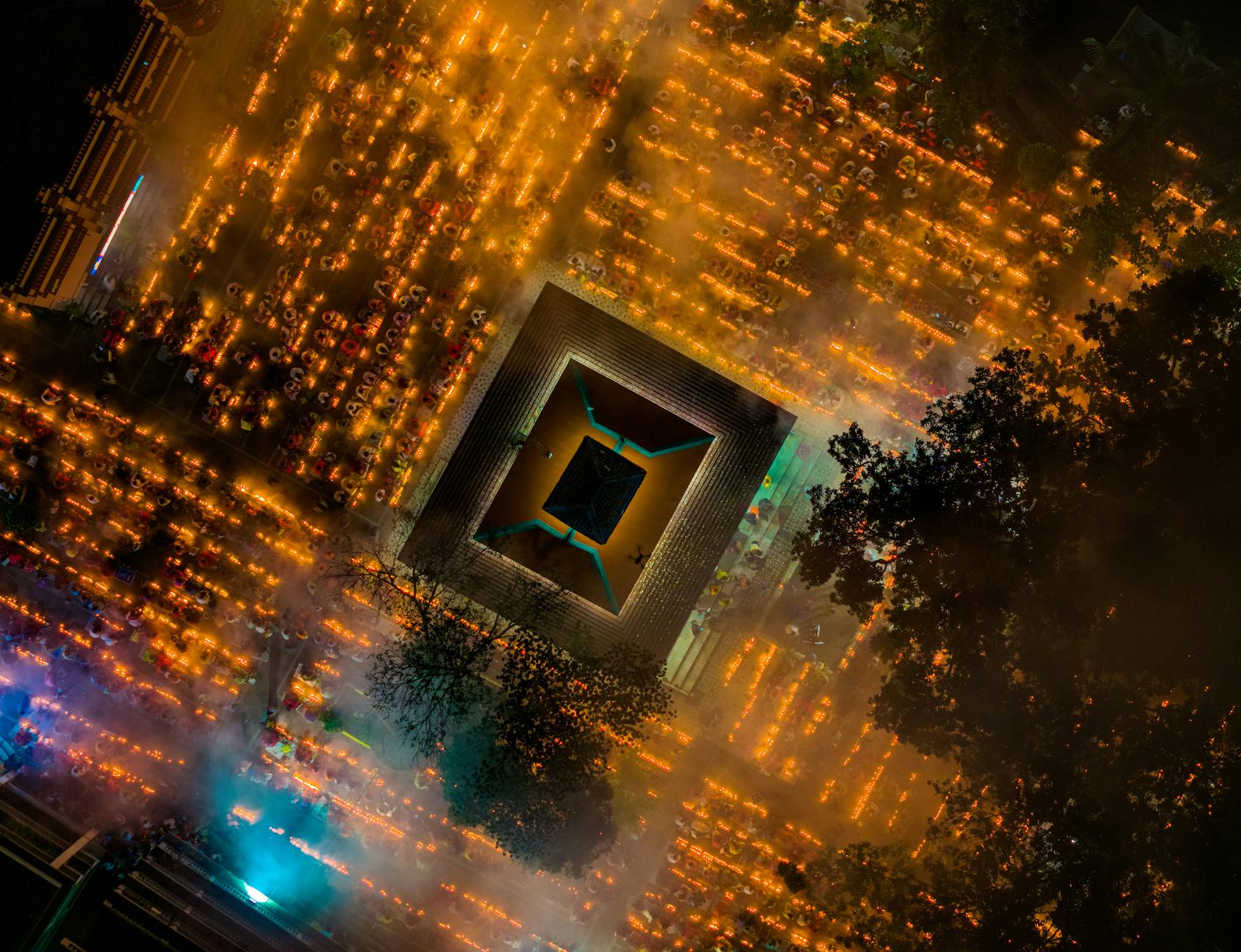
The Mae Jo mass release, at the Lanna Dhutanka grounds about 20 kilometers north of the old city, draws visitors from every continent. Participants sit in meditation rows while monks chant, then release lanterns simultaneously — a solid wave of light climbing into the sky as a single glowing curtain.
Mae Jo requires tickets, and they sell out within hours. Attendance is capped at 3,000 to 5,000 participants across multiple sessions. Standard tickets run 3,000 to 5,000 baht ($85–$140 USD); premium seats push past 8,000 baht ($225). Tickets go on sale around August or September. Follow the Chiang Mai CAD Facebook page and TAT Chiang Mai website — they’re the only reliable sources.
If you can’t get tickets, don’t worry. The mass release is cinematic; streetside releases feel more personal.
Nawarat Bridge and the Ping River
Nawarat Bridge closes to vehicles and becomes a pedestrian thoroughfare packed with people launching lanterns from both sides — lanterns above, krathongs below, street food every ten steps.
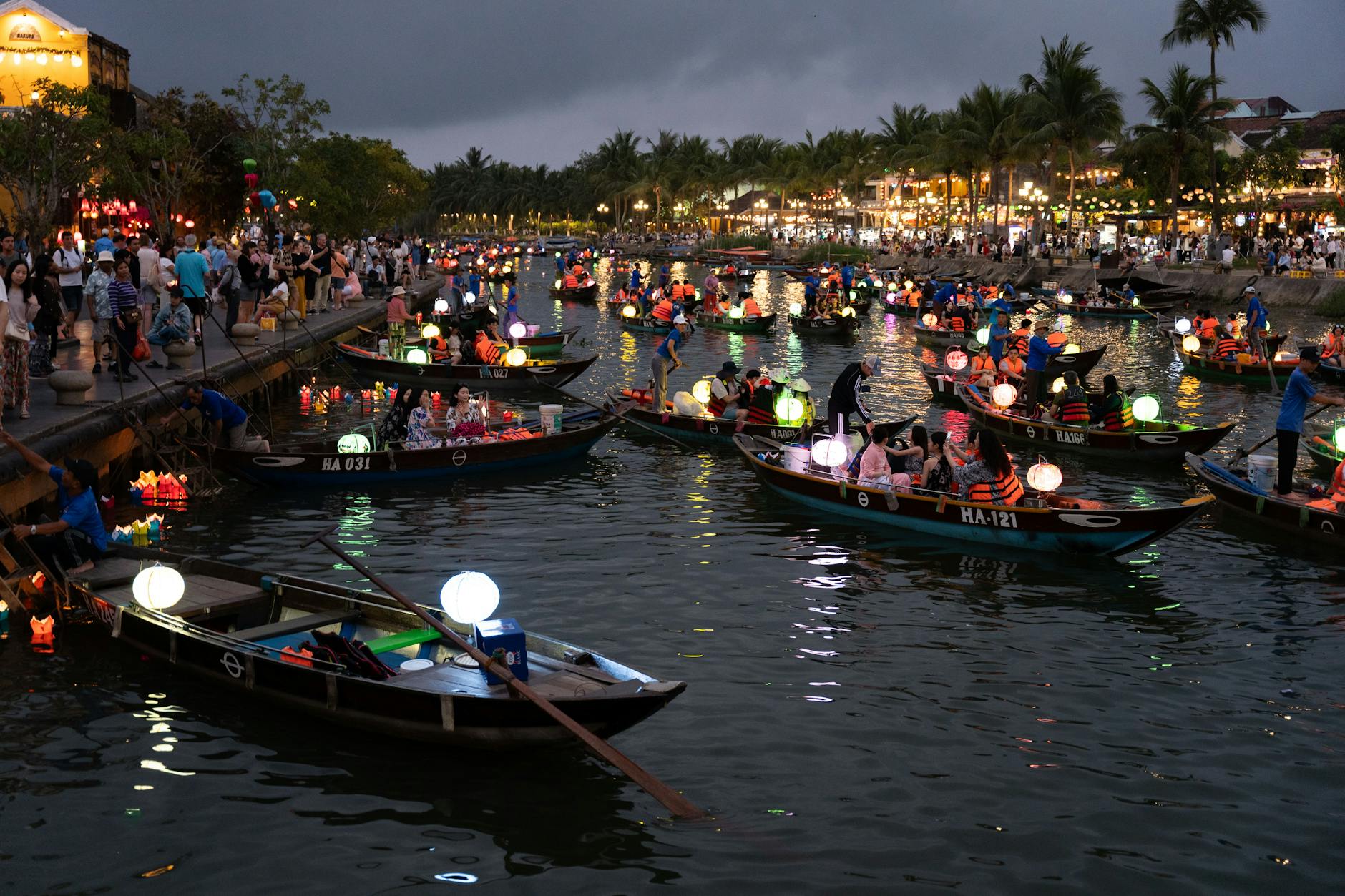
The river reflects every lantern, doubling the light show. Vendors sell khom loy for 100 to 200 baht ($3–$6) along the riverbank — buy from them, not from touts near hotels selling for triple. It’s the best free vantage point in Chiang Mai. Arrive by 5:00 PM for a railing spot; by 7:00 PM it’s shoulder-to-shoulder.
Tha Phae Gate and the Old City
Tha Phae Gate, the eastern entrance to the walled center, becomes a lantern hub. Temples — Wat Chedi Luang, Wat Phra Singh, Wat Pan Tao — host evening ceremonies where visitors can release lanterns on temple grounds. Wat Pan Tao, with its wooden ordination hall and ancient chedi, is especially photogenic.
The old city moat fills with krathongs for Loy Krathong, so you experience both festivals in one walk. Start at Tha Phae Gate at sunset, wander through temples, and head to the Ping River via Loi Kroh Road.
Photography Tips
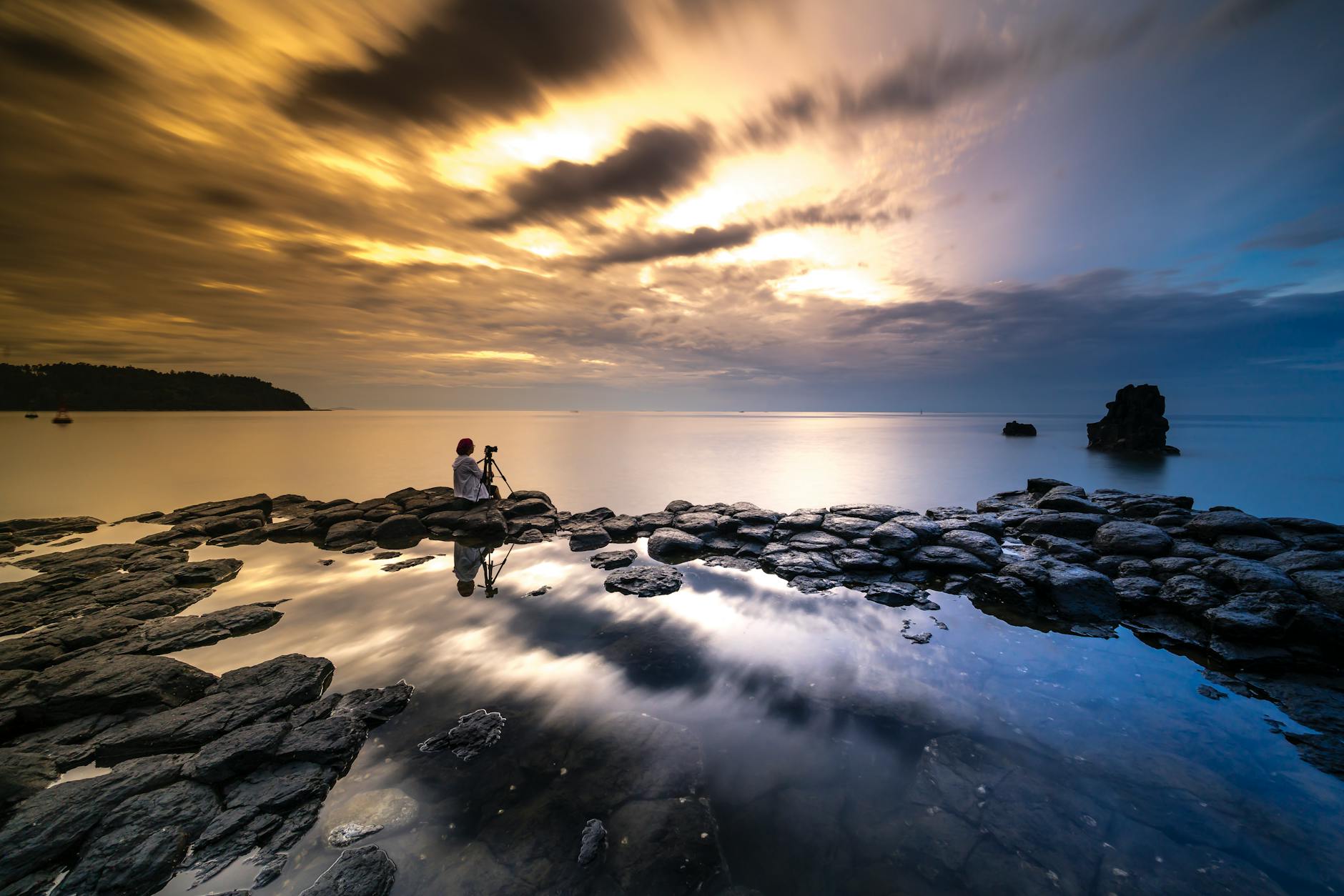
Yi Peng is one of Southeast Asia’s most photographed festivals — incredible opportunities, but a risk of spending the night behind a viewfinder.
For your camera: A tripod is non-negotiable for long-exposure lantern trails. Shutter speed 2–5 seconds, ISO 800–1600, aperture f/2.8 or wider. Focus manually on a lantern about 20 meters away before the release — autofocus hunts uselessly with hundreds of moving lights. Shoot RAW; orange-on-black tones need post-processing.
For your phone: Modern phones handle low light for social media. Turn off flash — it ruins the ambient glow. Use night mode. A pocket tripod and Bluetooth remote let you capture long exposures without camera gear.
The bigger tip: Put the device down for half the night. Watch with your own eyes. Release a lantern yourself. The photos you’ll revisit are the ones where you remember the feeling, not the settings.
Environmental and Safety Concerns
Yi Peng is breathtaking but comes with complications. Lanterns are rice paper and bamboo — technically biodegradable — but wire frames in some cheaper versions are not, and fuel cells leave residue. Spent lanterns litter Chiang Mai’s surroundings for weeks. The city has pushed for eco-friendly, wire-free lanterns, but enforcement remains inconsistent.
Chiang Mai International Airport sits barely 4 kilometers from the old city, and lanterns in flight paths are a genuine hazard. The airport cancels or reschedules most evening flights during the main release nights. If you’re flying in or out of Chiang Mai during the festival, confirm your flight directly with the airline a week before and again 24 hours before departure — don’t rely on booking platforms.
Since 2024, authorities have imposed tighter controls: designated release zones, time restrictions (7:00 PM to midnight), and a ban on launches near the airport approach corridor. These rules will continue for 2026. Fines for restricted-area launches can reach 60,000 baht ($1,700).
Fire safety matters too. A lantern that doesn’t achieve lift can drift into power lines, rooftops, and trees. Release only in open areas and follow instructions from vendors and staff.
What a Khom Loy Lantern Symbolizes
The symbolism changes how you experience the release. In Lanna Buddhist tradition, the lantern’s upward journey mirrors the spiritual path: rising above suffering, letting go of attachments, sending merit toward loved ones. The flame represents wisdom dispelling darkness. That the lantern eventually burns out and drifts back is part of the teaching — impermanence, the truth that all things rise and fall.
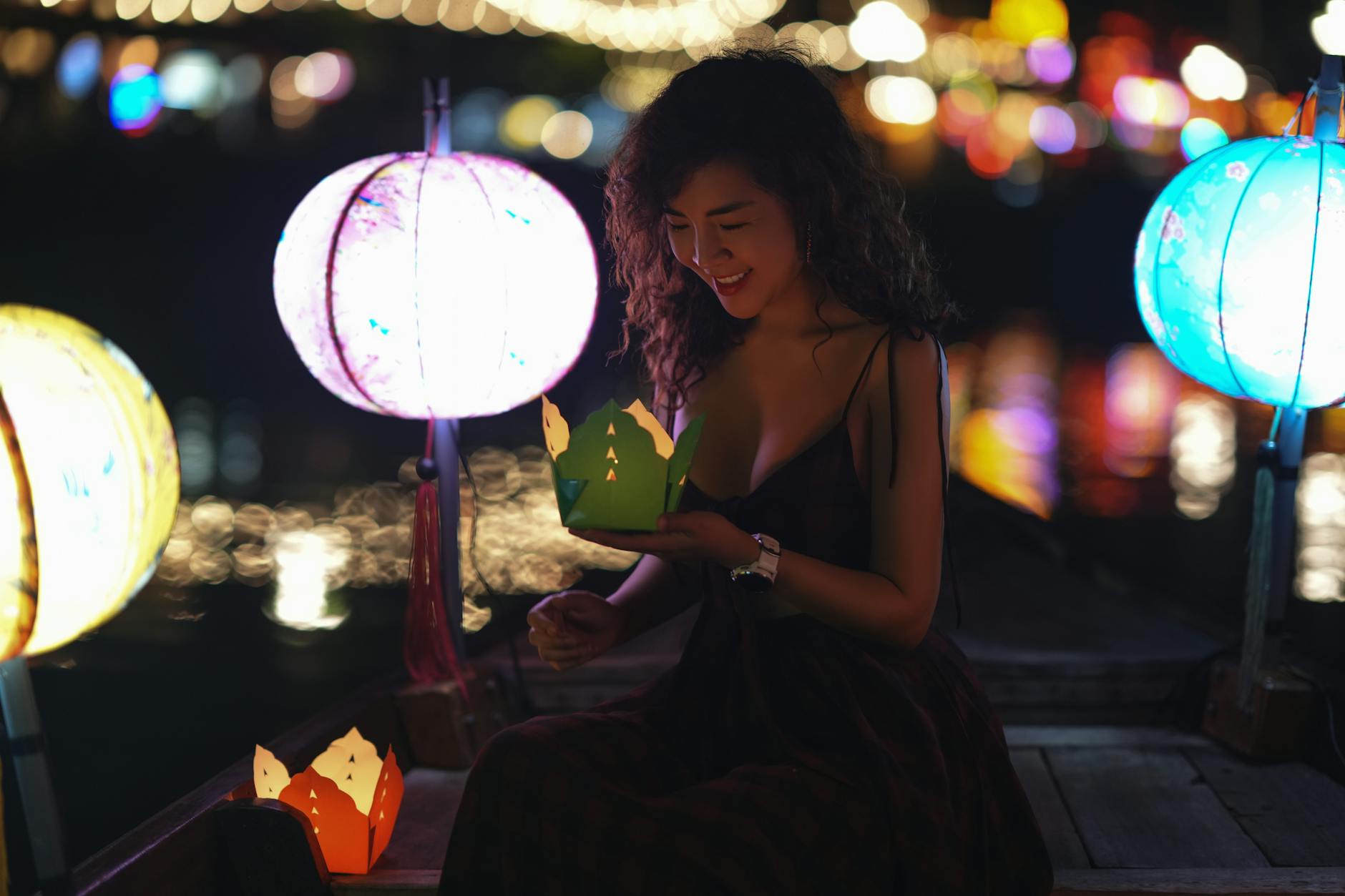
Locals hold the lantern to their forehead, whisper a prayer, and set an intention before releasing. You don’t need to be Buddhist to participate meaningfully. Reflect on what you want to let go of — a fear, a regret, a pattern — and the act becomes personal, staying with you long after the lantern disappears.
Practical Tips for Navigating Yi Peng 2026
Getting around: Traffic ranges from heavy to gridlocked. Songthaews and tuk-tuks charge elevated fares; Grab’s surge pricing kicks in early. Walk if you’re near the old city or river, or rent a bicycle for the week.
What to wear: Covered shoulders and knees on temple grounds. November evenings are cool (18–22°C / 64–72°F) — bring a light jacket. Closed-toe shoes help; riverbanks get muddy.
Food and cash: Street food stalls multiply — khao soi, sai ua, and mango sticky rice everywhere near Tha Phae Gate. Bring 1,000 to 2,000 baht ($30–$60) in small bills before sunset. ATMs near the old city run dry by late evening.
Why Yi Peng Stays With You
Is Yi Peng worth the crowds and logistics? Go once, and you’ll understand. The visual spectacle alone justifies the trip, but it’s the way an entire city participates — monks launching from temple rooftops, families wading into the Ping River, strangers helping each other light stubborn lanterns — that you remember most.
The lanterns rise for maybe ten minutes before becoming distant specks. But looking up at a sky filled with slow-moving amber stars — that feeling stays.
Related Articles
Related Articles
The Lantern That Almost Started a Fire (And 9 Other Ways to Ruin Yi Peng)
Float your krathong and release your lantern the right way. Essential guide to Loy Krathong and Yi Peng etiquette, environmental rules, safety tips, and the dos and don'ts every traveler should know.
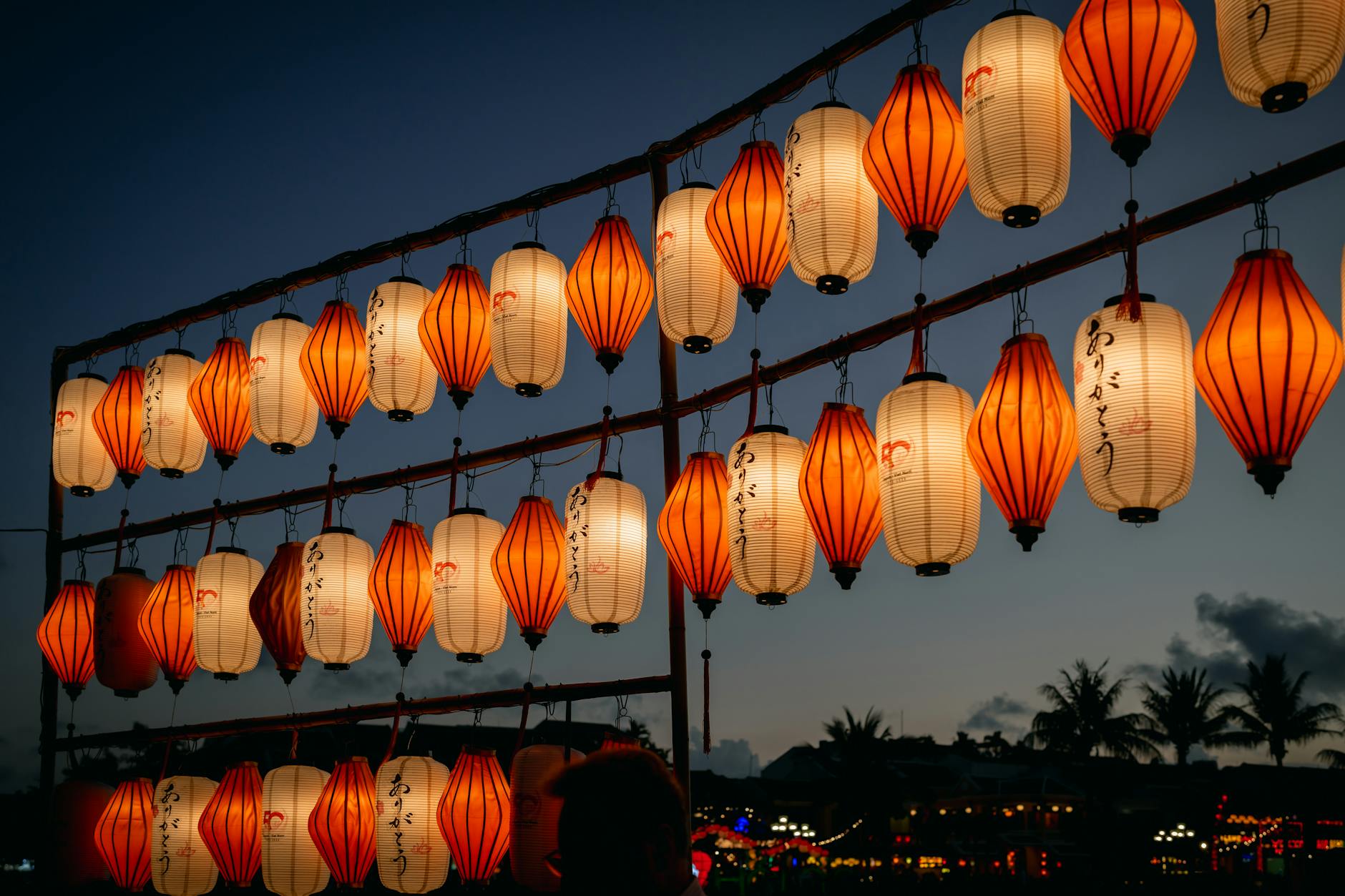
Candlelit Rivers, Floating Wishes, and One Night of Quiet Magic in Thailand
Experience the enchanting beauty of Loy Krathong, Thailand's festival of lights. Learn about its traditions, best celebration spots, and how to participate respectfully as a traveler.
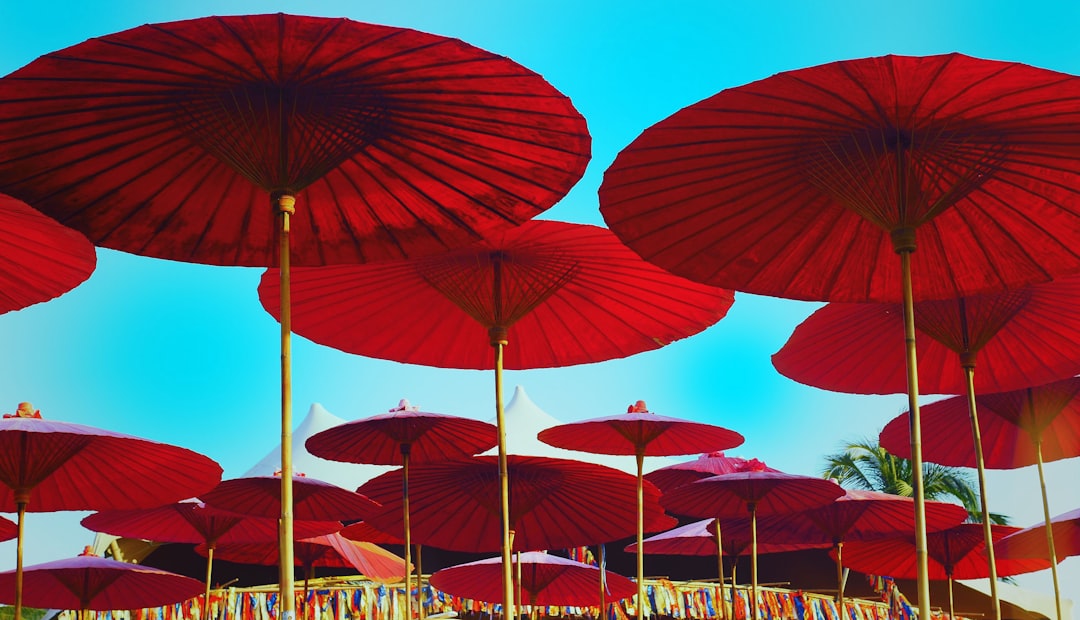
Walk Through a Painting: The Underrated Thai Festival Where Thousands of Handmade Umbrellas Form a Canopy Over Your Head
Discover the vibrant Bo Sang Umbrella and Sankhampaeng Handicrafts Festival in Chiang Mai. Colorful umbrella parades, traditional Lanna crafts, beauty pageants, and northern Thai culture await.
Three Days, One Million Petals: The Thai Festival That Outdoes Pasadena's Rose Parade
Experience the breathtaking Chiang Mai Flower Festival with elaborate floral floats, beauty pageants, and stunning garden displays. Plan your visit for Thailand's most beautiful botanical celebration.