
 ChatGPT
  Gemini
  Claude
  Perplexity
 Every April, Thailand transforms into the world’s biggest water fight. Millions of locals and tourists take to the streets with buckets, hoses, and water guns to celebrate Songkran, the Thai New Year. It’s exhilarating, joyful, and unlike anything else you’ll ever experience.
But here’s what the viral videos don’t show: every year, tourists end up in police stations, hospital beds, or worse — simply because they didn’t know the rules. Thailand takes Songkran seriously, and ignorance of the law won’t save you from a fine, deportation, or a night in a Thai jail cell.
This guide covers exactly what you need to know. Read it before you pick up that water gun.
The Legal Landscape: Laws That Can Actually Get You in Trouble
Songkran might look like lawless chaos from the outside, but Thai police run an extensive enforcement operation throughout the festival. Road checkpoints multiply. Plainclothes officers blend into crowds. And yes — they absolutely arrest tourists.
Here are the specific laws you need to know.
Public Indecency and Dress Code Violations
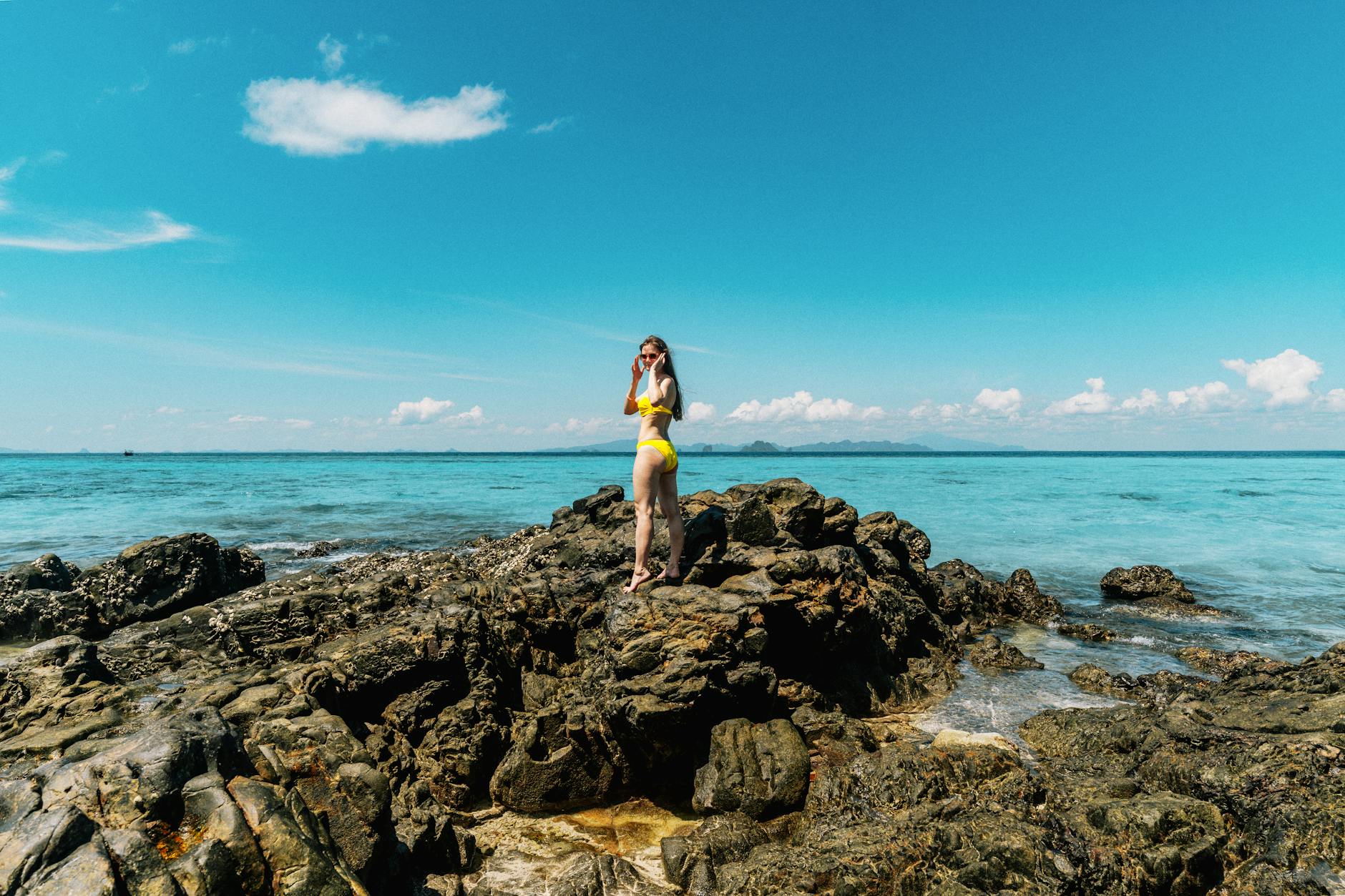
Thailand’s public indecency laws under Section 388 of the Criminal Code carry fines of up to 5,000 THB (roughly $140 USD). During Songkran, enforcement ratchets up considerably.
What counts as a violation? Going shirtless in public areas. Wearing swimwear — bikinis, speedos, or anything that would look normal at a beach — on public streets and in commercial zones. Excessively revealing clothing in temple areas. The police define “public area” broadly, and temple grounds are treated with the utmost seriousness.
What actually happens: In major celebration zones like Silom Road and Khao San Road in Bangkok, police officers actively patrol and will stop people who are shirtless or wearing swimwear. At minimum, you’ll be told to cover up. At worst, you’ll be fined on the spot. In temple areas, the response is considerably stricter.
Practical rule: wear a quick-dry t-shirt and shorts that hit at least mid-thigh. A rash guard over a swimsuit works fine. The key is simply not looking like you just walked off a beach.
Water-Throwing Restrictions: Motorcyclists Are Off-Limits
This one is deadly serious. Throwing water at motorcyclists — whether they’re moving or stationary — is illegal and aggressively enforced. The reason is simple: in 2024 alone, Songkran saw over 200 road fatalities nationwide, with motorcycles accounting for nearly 80% of them.
A bucket of water hitting a motorcyclist at speed can cause them to swerve, crash, or lose control. Even at low speeds, the surprise can be enough to cause an accident.
The penalty: You can be charged under traffic obstruction laws or, if an accident results, face reckless endangerment charges. Fines start at 1,000 THB and escalate dramatically if injury is involved. More importantly, you’ll have to live with the consequences of potentially killing someone over what you thought was harmless fun.
Also off-limits: throwing water at moving cars with open windows, and aiming directly at drivers of any vehicle.
Alcohol: The Fastest Way to Ruin Your Trip
Thailand’s alcohol laws during Songkran are confusing but ruthlessly enforced. Here is exactly what you need to know:
Public drinking is illegal. Section 391 of the Criminal Code covers public intoxication and disorderly conduct, with fines up to 1,000 THB. During Songkran, police enforce this visibly and frequently. Drinking beer while walking down Khao San Road with a water gun? You can be fined on the spot.
Alcohol sales restrictions. The government typically imposes temporary bans on alcohol sales during specific hours and in specific zones during Songkran. These change year to year, but expect restrictions around temple areas and major celebration zones during peak hours. Convenience stores like 7-Eleven often stop selling alcohol entirely during the festival’s main days.
Drunk driving is catastrophic. Thailand’s legal blood alcohol limit is 0.05% (lower than the UK’s 0.08% and significantly lower than what most people assume is safe). Penalties include:
- Fines up to 100,000 THB (approximately $2,800 USD)
- Imprisonment of up to 5 years
- Immediate license suspension
- Vehicle confiscation in severe cases
If you cause injury or death while driving drunk, you’re looking at years in a Thai prison. The Thai legal system does not treat this leniently for foreigners. Your embassy cannot get you out of it.
The practical takeaway: If you’re going to drink during Songkran, do it inside licensed venues — bars, restaurants, hotel rooftops. Never drink on the street. Never get behind any vehicle after a single drink. Ride-hailing apps like Grab and Bolt are widely available and cheap.
High-Pressure Water Guns and Ice Water
Those massive, backpack-fed, high-pressure water cannons that look like they belong in a riot control unit? Illegal in most celebration zones. Police confiscate them.
Why: high-pressure streams can cause eye injuries, ear damage, and have led to hospitalizations in past years. Standard pump-action water guns and buckets are fine. If your water gun could knock someone off their feet, leave it at the hotel.
Ice-cold water falls into a similar category. While adding ice to water barrels is a long-standing Songkran tradition, there’s an emerging crackdown on water that’s dangerously cold — near-freezing water can cause cold shock response, which is particularly dangerous for elderly people, children, and anyone with heart conditions. Many celebration zones now prohibit ice vendors from operating directly on the main streets.
Use ambient-temperature or slightly cool water. Nobody enjoys getting hit with what feels like liquid nitrogen.
Powder and Paste: The Consent Rule
White clay paste (din sor pong) applied to the face is a Songkran tradition — it’s meant to be a blessing and a cooling agent. However, applying it to strangers without their permission has become a significant legal issue.
The law: Under Thailand’s broader assault and harassment statutes, touching someone’s face or body without consent can constitute battery. During Songkran, police in major zones explicitly warn against non-consensual powder application. This is enforced more strictly with each passing year as the festival grows larger and incidents increase.
The rule is straightforward: never apply powder to someone’s face unless they explicitly invite you to. If someone offers their bowl of paste to you, you can apply it to your own face, or they can apply it to you with your clear consent. Smearing paste on strangers — especially on women you don’t know — can and does result in police intervention.
Who You Must Never, Ever Throw Water At
This is both a legal issue and a profound cultural violation. The following groups are absolutely off-limits:
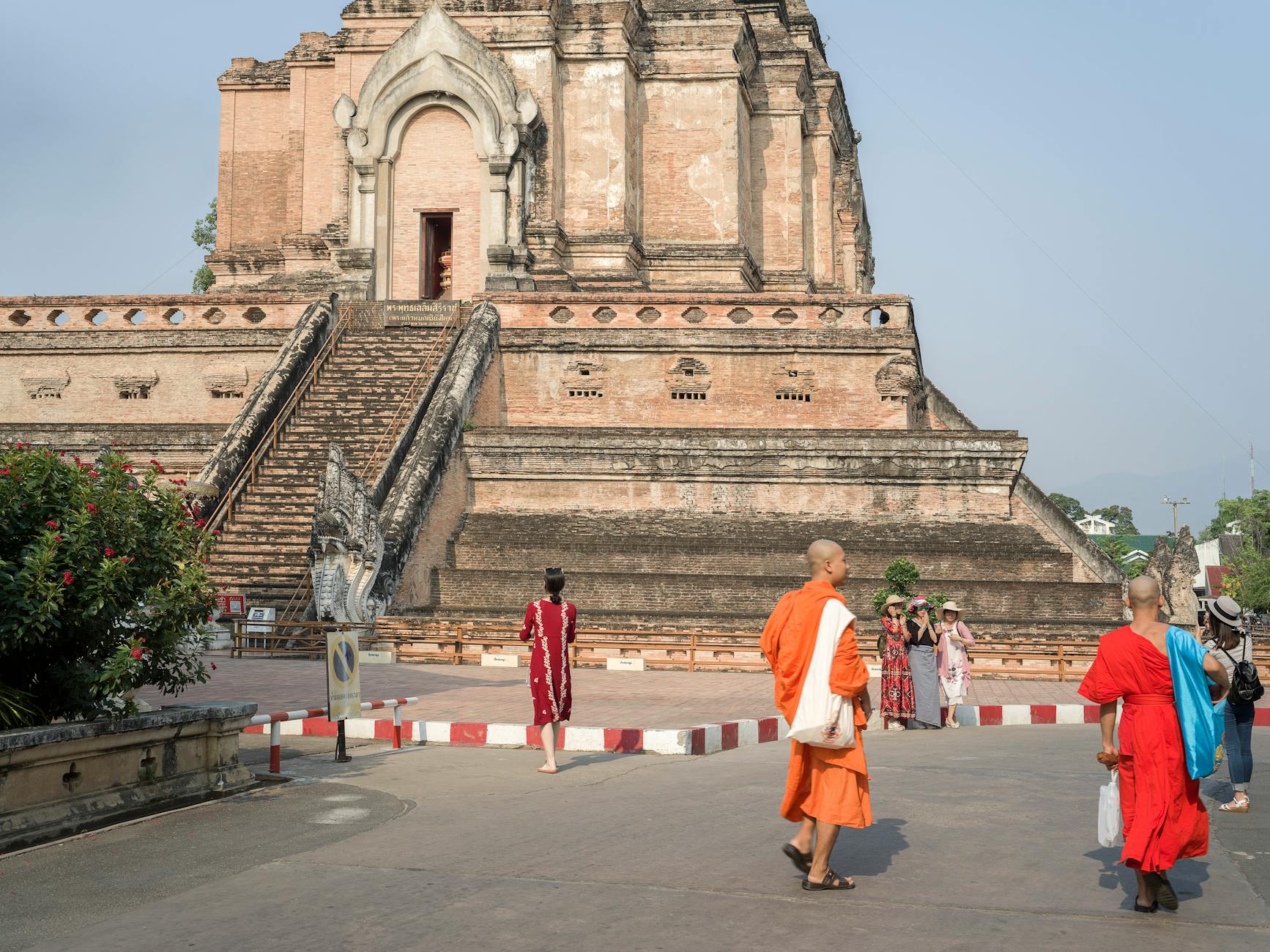
- Buddhist monks. Monks are revered figures in Thai society. Throwing water at a monk is deeply disrespectful and can result in charges under laws protecting religious figures. If you see a monk, put down your water gun and offer a respectful wai (palms pressed together at chest level, slight bow).
- Elderly people. Anyone visibly elderly. They may be walking through a celebration zone to get somewhere, not to participate. Use your judgment — if someone looks over 65, don’t splash them.
- Pregnant women. This should go without saying, but every year it happens. The physical risk to the mother and baby is obvious, and the legal consequences for causing harm are severe.
- Babies and young children being carried. Infants in carriers, strollers, or being held.
- Police officers and officials on duty. Splashing an officer can be interpreted as assaulting an official, which carries substantially higher penalties.
- Anyone who clearly signals “no.” If someone holds up a hand, shakes their head, or is protecting a phone or camera, stop immediately. Continuing to throw water after someone has refused is legally classified as harassment.
Police Checkpoints and Enforcement During Songkran
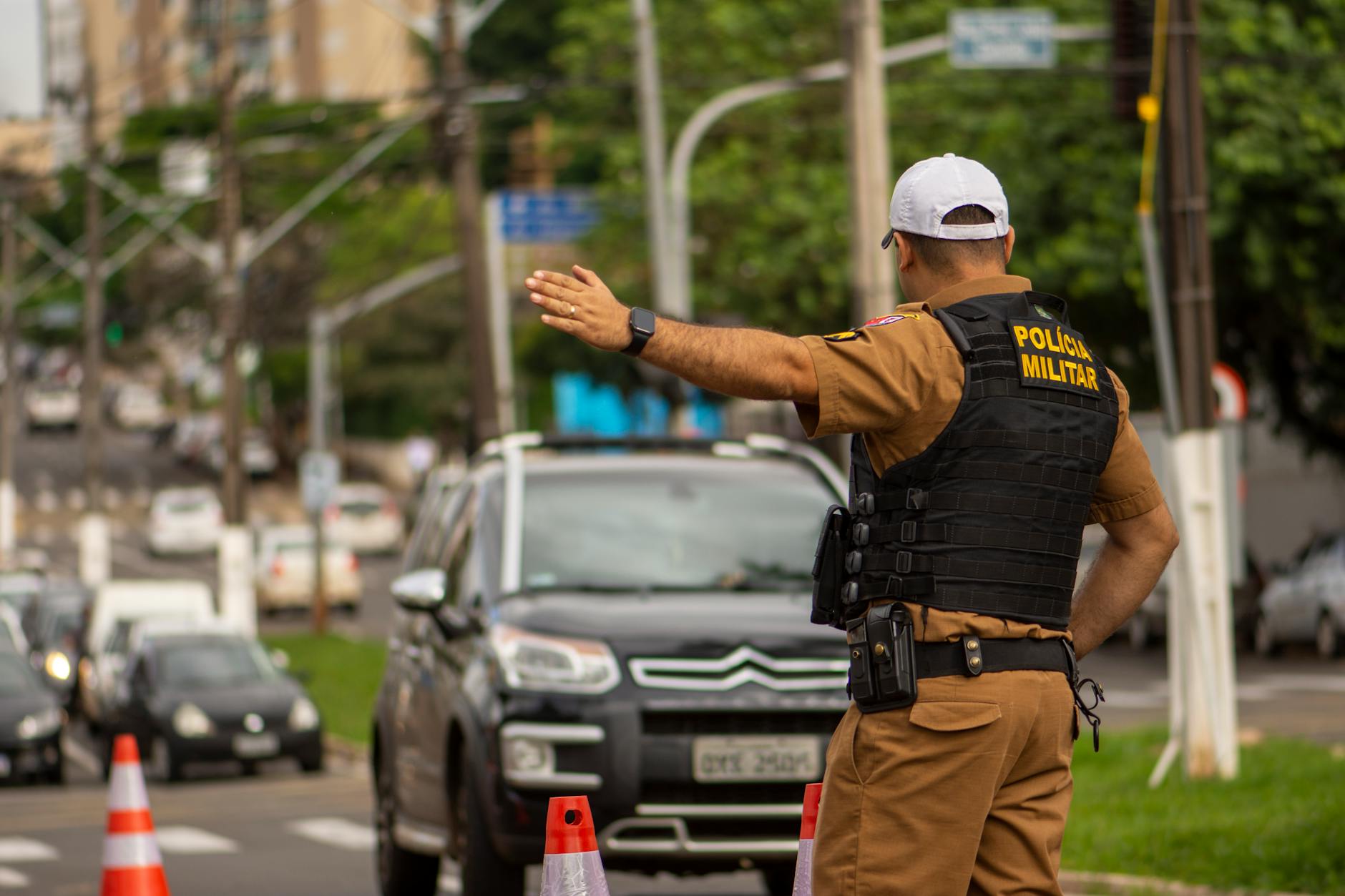
During Songkran, Thailand deploys thousands of additional police officers. You will encounter:
- Road checkpoints at all major entry points to celebration zones. Police check for drunk driving, vehicle registration, and helmet compliance.
- Mobile patrols walking through crowds in Bangkok, Chiang Mai, Pattaya, and Phuket, watching for public indecency, harassment, and disorderly conduct.
- Dedicated tourist police stations that handle incidents involving foreigners. If you get into trouble, you’ll be dealing with officers who speak English and are specifically tasked with tourist-related incidents.
- Plainclothes officers mixed into crowds, particularly in areas known for harassment or theft.
Police presence is not there to ruin your fun. It’s there because with millions of people in the streets, things can go wrong quickly. Cooperate, be respectful, and you’ll have zero issues.
Etiquette Dos: How to Celebrate Respectfully
Knowing what to avoid is half the battle. Here’s how to actually do Songkran right.
DO Wear Proper Clothing
Quick-dry synthetic fabrics are your best friend. A dri-fit t-shirt or rash guard paired with board shorts or athletic shorts that hit at least mid-thigh. Casual and covered — that’s the formula.
Avoid: swimwear worn as your only clothing, white t-shirts that become transparent when wet (this is both a legal risk and a cultural faux pas), and anything so loose it will weigh you down when soaked.
Footwear matters more than you think. Flip-flops come off in rushing water and get lost in crowds. Wear strapped sandals or water shoes that stay on your feet. The streets get slippery, and broken glass — though uncommon — is not unheard of.
DO Use a Waterproof Bag for Valuables
Your phone, passport copy, hotel key card, and cash need to stay dry. Buy a waterproof phone pouch (available at every 7-Eleven and street stall during Songkran for 50–100 THB) and a small dry bag or roll-top backpack for everything else.
Never carry your actual passport into the celebration zone. Carry a photocopy or a photo on your phone. Losing your passport during Songkran means a trip to your embassy and a ruined trip.
DO Visit Temples Respectfully
Songkran’s spiritual side is what makes it meaningful. Visit a temple in the morning before the water fights begin — proper temple behavior shows respect for the traditions behind the celebrations. Wear clothing that covers your shoulders and knees in temple areas. Remove your shoes before entering temple buildings. Observe quietly, and if you want to participate, buy an offering bucket from vendors outside the temple.
The contrast between the morning’s quiet temple rituals and the afternoon’s joyful chaos is what makes Songkran special. Skip the temples and you’ve missed the entire point.
DO Smile and Keep Perspective
Songkran is about renewal, blessing, and shared joy. If someone splashes you more aggressively than you’d like, smile and splash back gently. If you’re feeling overwhelmed, step into a side street or a convenience store for a break.
The vast majority of people in the streets are friendly, happy, and just there to have a good time. Match that energy.
DO Use Clean, Room-Temperature Water
Fill your water gun or bucket from clean sources. Many shops and bars set up refill stations with clean tap water for a small fee (10–20 THB). Avoid filling from canals, the Chiang Mai moat (it’s for splashing, but it’s not clean), or any standing water source. Your water will end up in people’s eyes and mouths.
DO Respect When Someone Says No
If someone indicates they don’t want to participate, stop immediately. This includes people who are:
- Walking with expensive camera equipment
- Carrying food
- Dressed in work uniforms
- Clearly trying to navigate somewhere
- Simply not in the mood
A person saying “no” is not a challenge. It’s a boundary. Respect it.
Etiquette Don’ts: Lines You Should Never Cross
Some of these overlap with the legal section above. They’re repeated here because they matter that much.
DON’T Throw Water After Sunset
In most areas, the water fighting stops between 6:00 PM and 7:00 PM. This isn’t a written law in all places, but it’s a universally respected social rule. After dark, people are heading to dinner, going home, or attending evening temple events. Continuing to splash strangers after the cut-off will earn you genuine anger — and possibly police attention if someone complains.
Chiang Mai is particularly strict about this. When the sun sets, the water stops.
DON’T Use Dirty or Ice-Cold Water
Water from buckets that have been sitting in the sun for hours grows bacteria. Ice-cold water can cause cold shock. Both are genuinely harmful. Use clean, cool-to-room-temperature water.
DON’T Touch People Inappropriately
Every year, reports surface of tourists using the chaos of Songkran as cover for groping, pulling at clothing, or other forms of sexual harassment. Thai police treat this with zero tolerance. Sexual harassment laws are strictly enforced during the festival, and foreign nationals are not given leniency.
If you’re arrested for sexual harassment during Songkran, you’re facing criminal charges, potential imprisonment, and deportation with a blacklist entry that will prevent you from ever returning to Thailand.
Keep your hands to yourself. No exceptions.
DON’T Drive Drunk
This cannot be said enough: do not get behind the wheel of a car or on a motorcycle after drinking. The police checkpoints are everywhere. The penalties are severe. And the risk of killing someone — including yourself — is real.
Use Grab, Bolt, or a designated sober driver. The 200 THB ride-share fare is nothing compared to a 100,000 THB fine or a prison sentence.
DON’T Splash Monks, the Elderly, Pregnant Women, or Babies
This bears repeating. These groups are completely off-limits, both legally and culturally. If you are unsure whether someone falls into one of these categories, err on the side of not splashing them.
DON’T Wear Revealing Clothing
As covered in the legal section, public indecency laws are enforced during Songkran. Going shirtless, wearing only a bikini, or sporting swimwear on public streets can result in fines. Beyond the legal risk, it’s culturally disrespectful. Thailand is a conservative country, and Songkran — despite its party reputation — has deep religious roots.
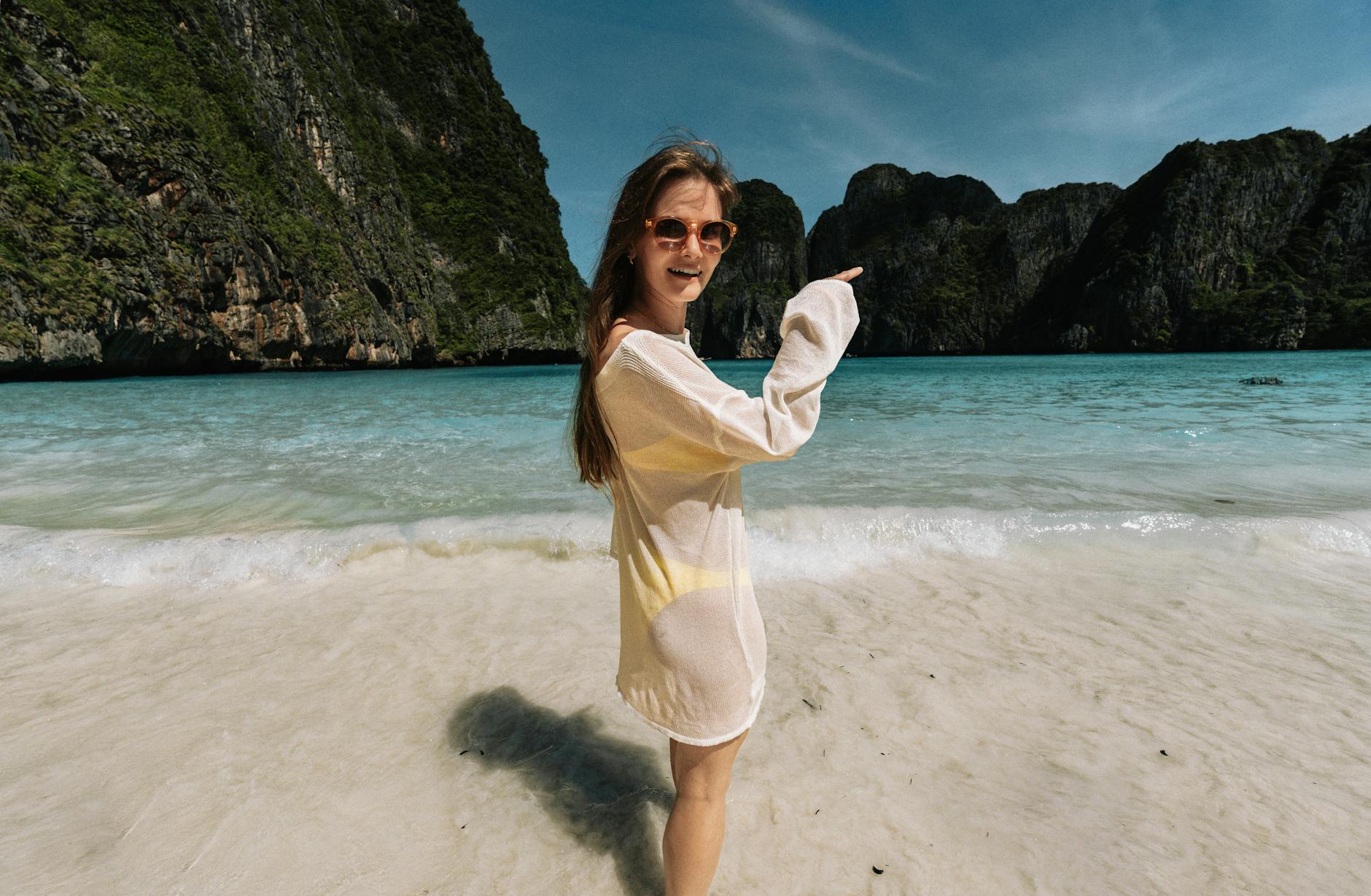
The Real Risk Nobody Talks About: Road Deaths
Songkran is statistically the most dangerous week of the year on Thai roads. The “Seven Dangerous Days” (April 11–17) consistently see 250–350 road fatalities and over 2,000 injuries annually.
The majority of deaths involve motorcycles, alcohol, and the combination of the two. If you’re a tourist renting a motorbike during Songkran, understand that you’re entering an extremely high-risk environment — wet roads, reduced visibility, drunk drivers everywhere, and water being thrown at vehicles.
The safest choice: don’t drive at all during Songkran. Walk, use public transport, or take ride-hailing services.
What to Do If You Get in Trouble
If you’re stopped by police, remain calm and respectful. Arguments and aggression escalate situations rapidly in Thailand. If you’re fined, you’ll typically pay at a police station — get a receipt. If you’re arrested, contact your embassy immediately, but understand that your embassy cannot override Thai law.
The best strategy is not needing this section at all. Follow the rules, respect the culture, and your only interaction with Thai police will be seeing them smile as they walk past.
Songkran Done Right
Songkran is genuinely one of the world’s great festivals — a celebration that blends deep spiritual meaning with unrestrained public joy in a way few cultures manage. Do it right and you’ll leave Thailand with memories that last a lifetime. Do it wrong and you’ll leave with a criminal record.
The rules are simple: cover up, don’t drink and drive, don’t splash the vulnerable, and be kind. Follow them, and you’re in for an incredible experience.
Stay safe. Stay respectful. And keep your mouth closed when the water comes.
You may also like
- Songkran Water Festival: Thailand’s Epic New Year Celebration
- Loy Krathong & Yi Peng Etiquette: How to Celebrate Responsibly
- Thai Buddhist Festival Etiquette: Temple Rules and Respectful Travel
- Loy Krathong: Thailand’s Magical Festival of Lights
- Thailand Festivals Calendar: Plan Your Trip Around Every Celebration
Related Articles
From Buddha Blessings to Bucket Fights: The Two Sides of Thailand's Water War
Discover the ultimate guide to Songkran, Thailand's legendary water festival. Learn where to celebrate, what to expect, and how to make the most of this unforgettable Thai New Year tradition.
I Thought I Was Being Respectful — Until a Thai Elder Gently Corrected Me
Navigate Thailand's Buddhist festivals with confidence. Essential guide to temple dress codes, wian thian candlelight processions, monk etiquette, alcohol ban rules, and cultural dos and don'ts.
The Lantern That Almost Started a Fire (And 9 Other Ways to Ruin Yi Peng)
Float your krathong and release your lantern the right way. Essential guide to Loy Krathong and Yi Peng etiquette, environmental rules, safety tips, and the dos and don'ts every traveler should know.
Candlelit Rivers, Floating Wishes, and One Night of Quiet Magic in Thailand
Experience the enchanting beauty of Loy Krathong, Thailand's festival of lights. Learn about its traditions, best celebration spots, and how to participate respectfully as a traveler.