
 ChatGPT
  Gemini
  Claude
  Perplexity
 Nepal’s festival calendar is not just a list of dates. It is a living rhythm tied to lunar cycles, harvest seasons, local deities, and neighborhood traditions. If you time your trip well, you do not just “see” Nepal, you feel it in temple courtyards, family rooftops, and town squares full of music and color.
This guide focuses on notable festivals travelers can realistically experience across one year, with practical context so you can plan routes, budgets, and respectful participation.
How to use this calendar
Festival dates shift year to year because many follow lunar calendars. Use this guide for seasonal planning first, then confirm exact dates 2 to 3 months before travel.
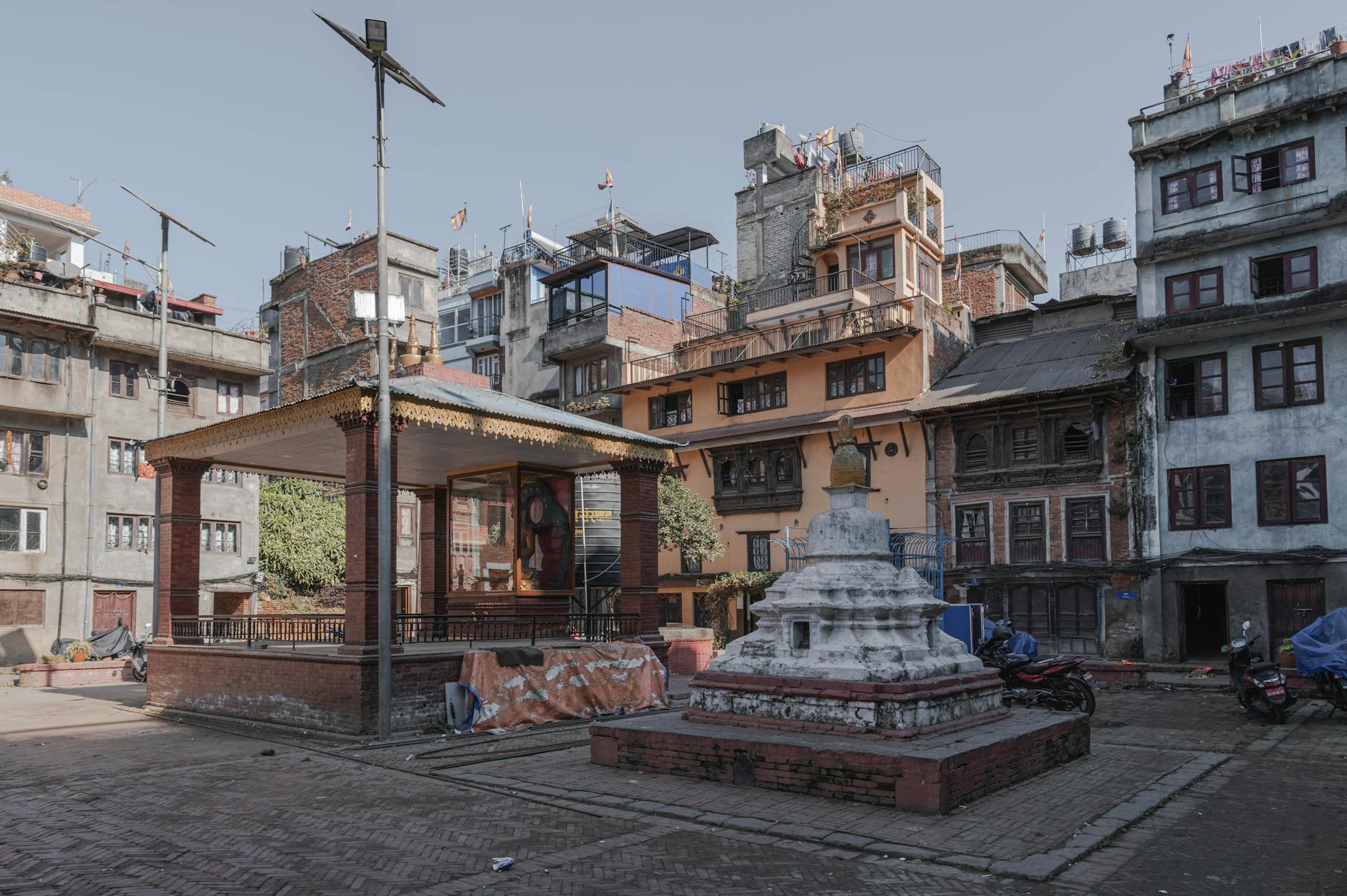
Nepal festivals by month (typical timing)
January to February
Maghe Sankranti
This mid-winter festival marks a seasonal transition and is often celebrated with family meals featuring sesame sweets, yam, and ghee-rich dishes. It is less performative than Holi or Tihar, but meaningful if you want a domestic, everyday cultural experience.
Sonam Lhosar (Tamang New Year)
Observed by Tamang communities, especially around Kathmandu and nearby hills, Sonam Lhosar includes traditional dress, dances, and feasts. It is a good window into Nepal’s ethnic diversity beyond mainstream tourist itineraries.
February to March
Maha Shivaratri (Pashupatinath, Kathmandu)
One of the largest gatherings at Pashupatinath Temple. Expect huge crowds, long queues, and extensive security checks. If you want calm photography or intimate temple space, this is not that day. If you want scale and intensity, it is unmatched.
Holi (Fagu Purnima)
Celebrated first in the hills (including Kathmandu), then in the Terai the next day. Street color play can be fun, but tourists often underestimate eye safety, electronics protection, and crowd behavior. Bring old clothes, keep valuables minimal, and choose neighborhoods with a family-friendly vibe. If Holi is your main reason for visiting, our Holi in Nepal guide goes deeper on safety, consent, and where first-timers usually have the best experience.
April to May
Bisket Jatra (Bhaktapur)
A dramatic New Year period festival with chariot processions and tug-of-war style pulling between neighborhood groups. It is visually incredible and physically intense. Watch from a safe elevated position if crowds make you uncomfortable.
Buddha Jayanti
Important in Buddhist communities, especially around Boudhanath and Swayambhunath. The pace is quieter than major street festivals, making it suitable for travelers who want ceremony without chaos.
August to September
Gai Jatra
Part memorial, part satire. Families commemorating loved ones join processions, and public humor has a long-standing place in the festival. In Kathmandu Valley, the emotional mix of grief and laughter is unlike most festivals in South Asia.
Indra Jatra (Kathmandu Durbar Square)
A major valley festival with masked dances, living goddess (Kumari) chariot appearances, and dense evening crowds. This is one of the best events for travelers interested in Newar heritage and urban ritual traditions.
September to October
Teej
Widely known through women’s fasting, dance gatherings, and temple visits, especially at Pashupatinath. For visitors, it offers an intimate look at devotional traditions and social celebration at once.
Dashain
Nepal’s biggest festival period, often stretching over about two weeks. Families reunite, transport fills quickly, and many businesses reduce hours. If you plan intercity travel, book buses or flights early and buffer extra transit days. For a closer look at transport pressure, etiquette, and what travelers actually notice on the ground, see our Dashain in Nepal guide.
October to November
Tihar (Deepawali in Nepal)
A multi-day festival honoring crows, dogs, cows, and siblings, with homes lit by oil lamps and colorful rangoli. In urban neighborhoods, evenings feel festive and warm rather than overwhelming. This is often the easiest major festival for first-time visitors to enjoy respectfully. Our Tihar in Nepal guide breaks down the day-by-day sequence and the etiquette that matters most in family neighborhoods.
Chhath (Terai regions)
A major sun-worship festival, especially in southern Nepal near the India border. Riverside rituals at dawn and dusk are visually striking. Local guidance helps because observances can be very structured.
December
Yomari Punhi (Kathmandu Valley)
A harvest-linked Newar festival centered around yomari, a sweet steamed dumpling. Smaller scale, food-forward, and ideal if you like culture through kitchens and neighborhood life rather than mass processions.
Which festivals should first-time visitors prioritize?
If this is your first Nepal trip, a practical trio is:
- Tihar for neighborhood atmosphere and approachable participation.
- Indra Jatra for historic-urban ritual spectacle.
- Holi for high-energy public celebration, if you are comfortable with crowds.
If you prefer slower travel, pair Buddha Jayanti + Yomari Punhi for a calmer cultural route.
Budget and logistics reality check
- Domestic transport prices can rise around Dashain and Tihar due to demand.
- Mid-range hotels in Kathmandu and Pokhara may increase rates during peak festive weeks.
- ATM queues and cash shortages can happen in smaller towns during major holidays.
- Ride-hailing availability may drop on key ritual days in dense old-city areas.
Etiquette that keeps the experience positive
- Ask before photographing people in ritual moments.
- Dress modestly at temples: shoulders and knees covered is a safe baseline.
- Remove shoes where required.
- Do not step over offerings, ritual lines, or rangoli.
- Avoid flying drones during crowded ceremonies without explicit local permission.
Sample 10-day festival trip blueprint (Kathmandu Valley)
- Day 1 to 2: Kathmandu orientation, Boudhanath, Patan
- Day 3: Bhaktapur day trip (festival-specific if dates align)
- Day 4: Pashupatinath early visit
- Day 5: Rest + local food neighborhoods
- Day 6: Festival event day (Indra Jatra / Teej / Shivaratri depending on season)
- Day 7: Swayambhunath + old city walks
- Day 8: Bungamati or Kirtipur cultural side trip
- Day 9: Festival evening neighborhood observation
- Day 10: Buffer day for weather, traffic, or date shifts
Final planning tip
Treat Nepal festival travel as cultural participation, not event consumption. The most meaningful moments are often small: being invited for tea, watching a family decorate a doorway, or hearing local stories about why a ritual matters.
Related Articles
Dashain in Nepal: Essential Travel Guide for the Country’s Biggest Festival Season
A practical traveler’s guide to Dashain in Nepal, including family traditions, transport disruptions, temple etiquette, and how to plan a respectful trip.
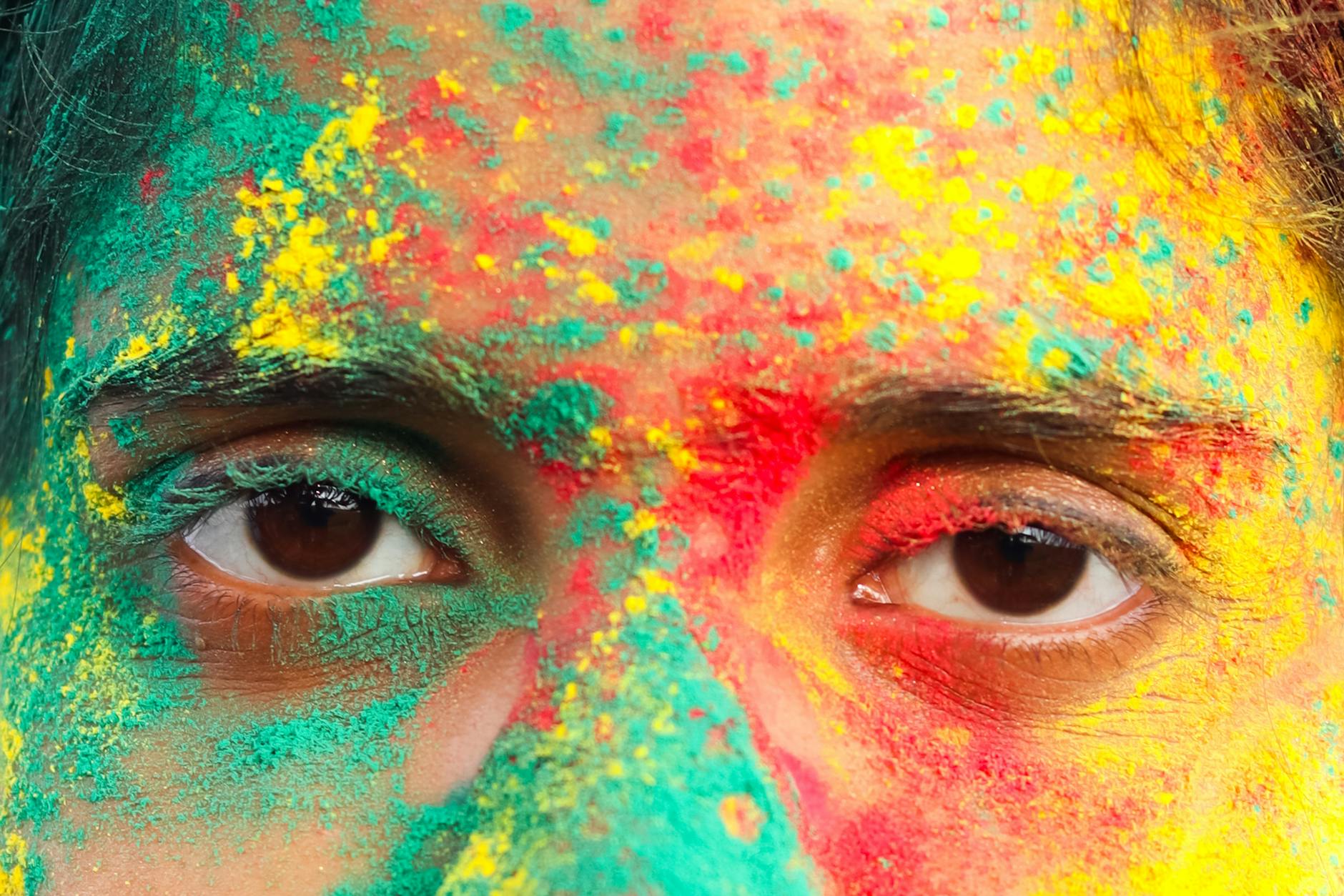
Holi in Nepal: A Safe and Respectful Guide to Enjoying the Color Festival
A practical Holi guide for Nepal with safety tips, local etiquette, best locations, and what to expect in Kathmandu and the Terai.
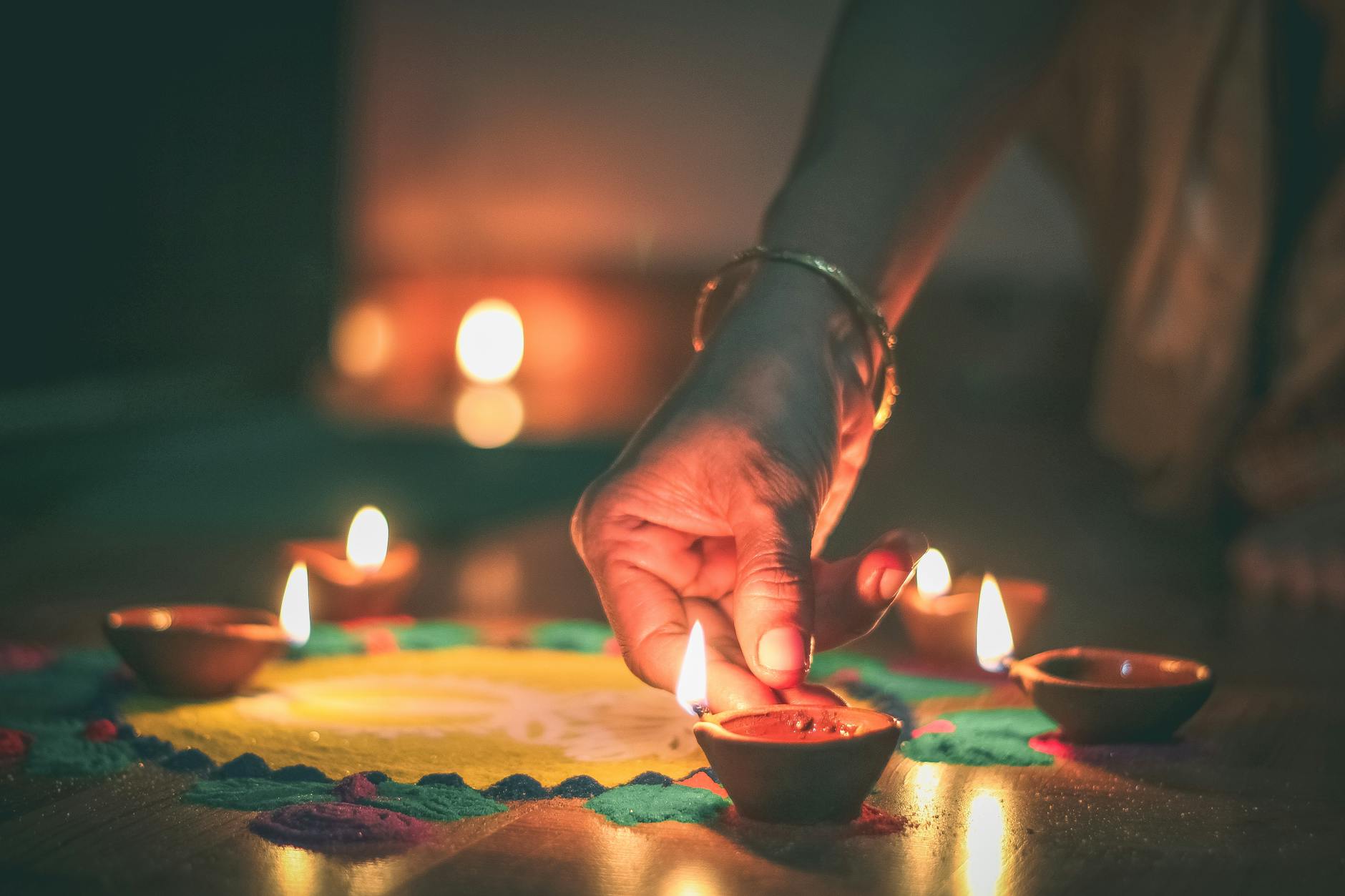
Tihar in Nepal: First-Timer’s Guide to the Festival of Lights, Rituals, and Family Traditions
Learn how Tihar unfolds day by day in Nepal, from Kukur Tihar and Lakshmi Puja to Bhai Tika, with practical etiquette and travel planning tips.
The Day Buddha Spoke for the First Time — and How Thailand Still Marks It 2,500 Years Later
Discover Asahna Bucha Day and Khao Phansa, marking the beginning of Buddhist Lent in Thailand. Learn about candle festivals, monk retreats, and how travelers can respectfully participate.