
 ChatGPT
  Gemini
  Claude
  Perplexity
 Tihar is often the easiest major Nepal festival for international visitors to enjoy. It is festive, photogenic, and emotionally warm, but still deeply ritualized. Instead of one single celebration day, Tihar unfolds across multiple days, each with different meaning.
Why Tihar feels different
Unlike high-intensity crowd festivals, Tihar is mostly neighborhood-based. You will notice lit doorways, marigold garlands, songs, and family rituals happening in homes and courtyards. If you are deciding when to visit Nepal overall, the Nepal festivals calendar helps compare Tihar with the rest of the festive year.
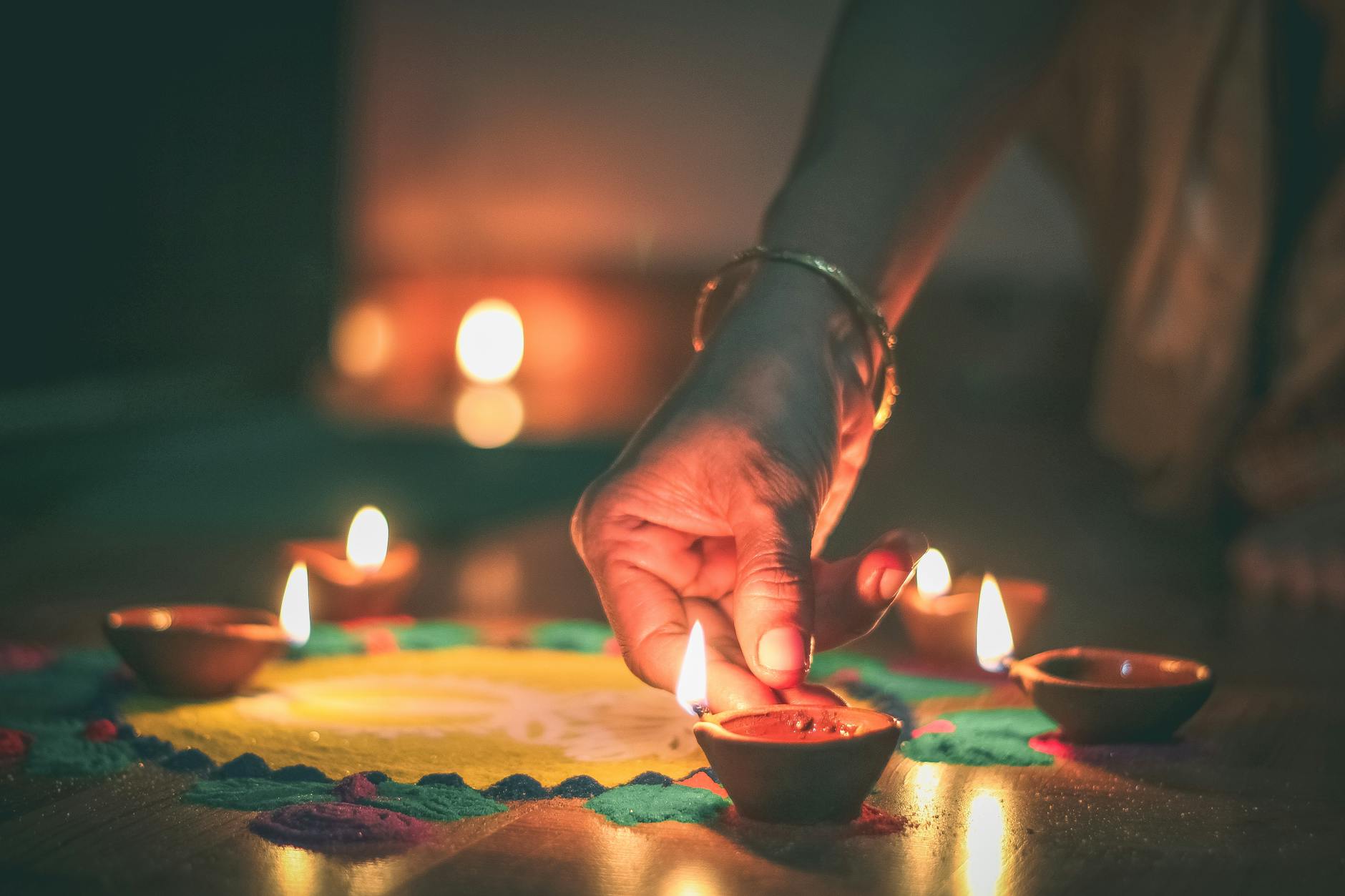
Tihar day-by-day (typical sequence)
Day 1: Kaag Tihar (Crows)
Crows are offered food as messengers in traditional belief.
Day 2: Kukur Tihar (Dogs)
Dogs are honored with flower garlands, tika, and treats. Even street dogs are included in many places.
Day 3: Gai Tihar and Lakshmi Puja
Cows are honored, and evening rituals welcome Lakshmi (goddess of prosperity). This is one of the most beautiful nights to walk residential areas.
Day 4: Govardhan Puja / Mha Puja (varies by community)
Different ethnic and regional traditions are observed.
Day 5: Bhai Tika
Sisters perform blessings for brothers, marking sibling bonds with elaborate tika rituals.
Best places to experience Tihar
- Kathmandu neighborhoods near Patan and Bhaktapur for atmospheric evening walks.
- Newar communities for Mha Puja context.
- Family-run homestays for deeper understanding of household rituals.
Practical traveler tips
- Carry small cash for local sweets and offerings.
- Walk more, drive less, on major evenings due to traffic and pedestrian crowding.
- Keep your pace unhurried after sunset; the value is in observing details.
Etiquette that matters most during Tihar
- Do not step on rangoli/alpana designs at entrances.
- Ask before photographing children performing Deusi-Bhailo songs.
- Avoid loud behavior around household puja spaces.
- If invited indoors, follow where hosts ask you to sit and move.
Is Tihar suitable for families and older travelers?
Usually yes. Compared with more chaotic festivals, Tihar can be gentler and easier to navigate while still culturally rich. If you are weighing tradeoffs, Dashain in Nepal offers deeper family-season context with more transport disruption, while Holi in Nepal is far more public, messy, and high-energy.
Tihar is the festival where Nepal’s social fabric is most visible: people, animals, ancestors, and prosperity are all honored in one shared rhythm.
Related Articles
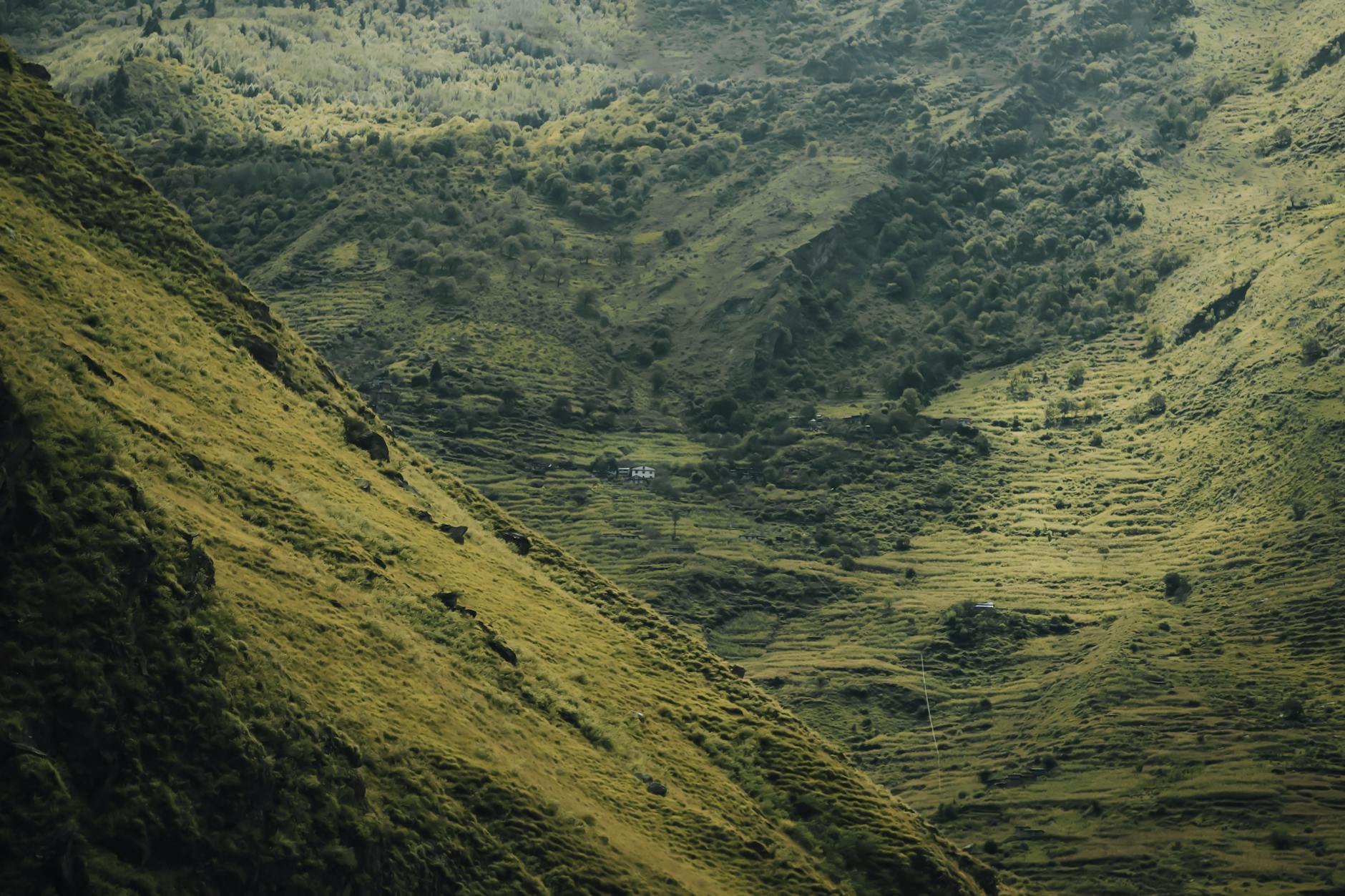
Dashain in Nepal: Essential Travel Guide for the Country’s Biggest Festival Season
A practical traveler’s guide to Dashain in Nepal, including family traditions, transport disruptions, temple etiquette, and how to plan a respectful trip.
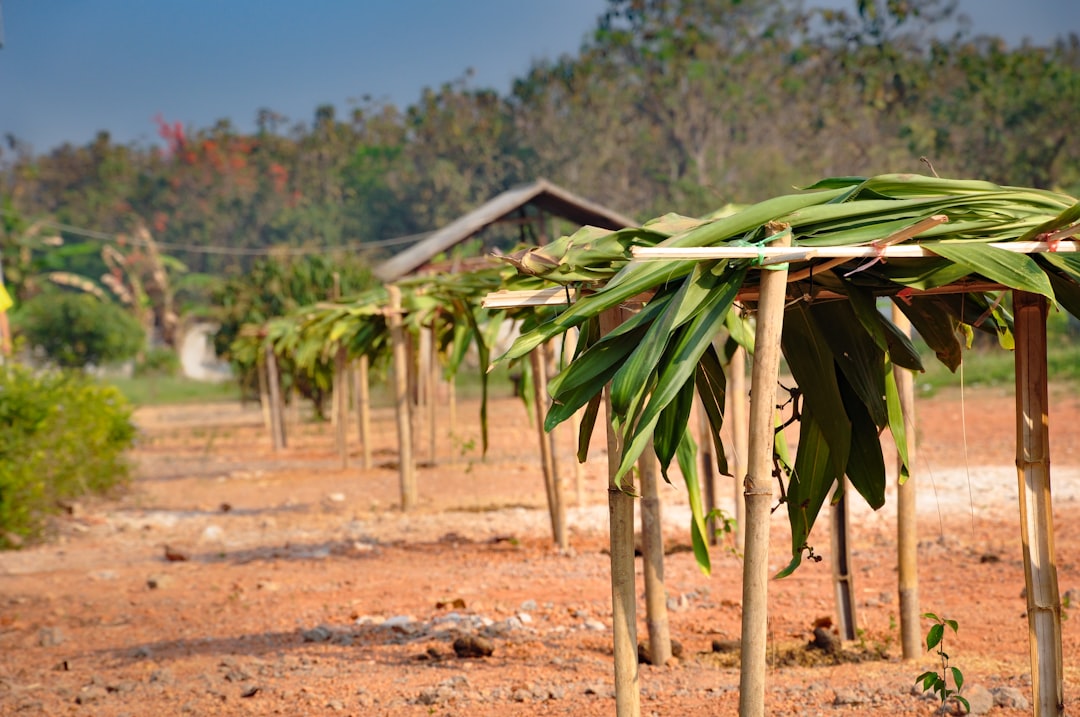
When Homemade Rockets Fail in Isaan, Builders Get Thrown Into a Mud Pit
Experience Boon Bang Fai, Thailand's explosive rocket festival in Isaan. Homemade bamboo rockets, raucous parades, mud parties, and an ancient rain-making tradition await in Yasothon.
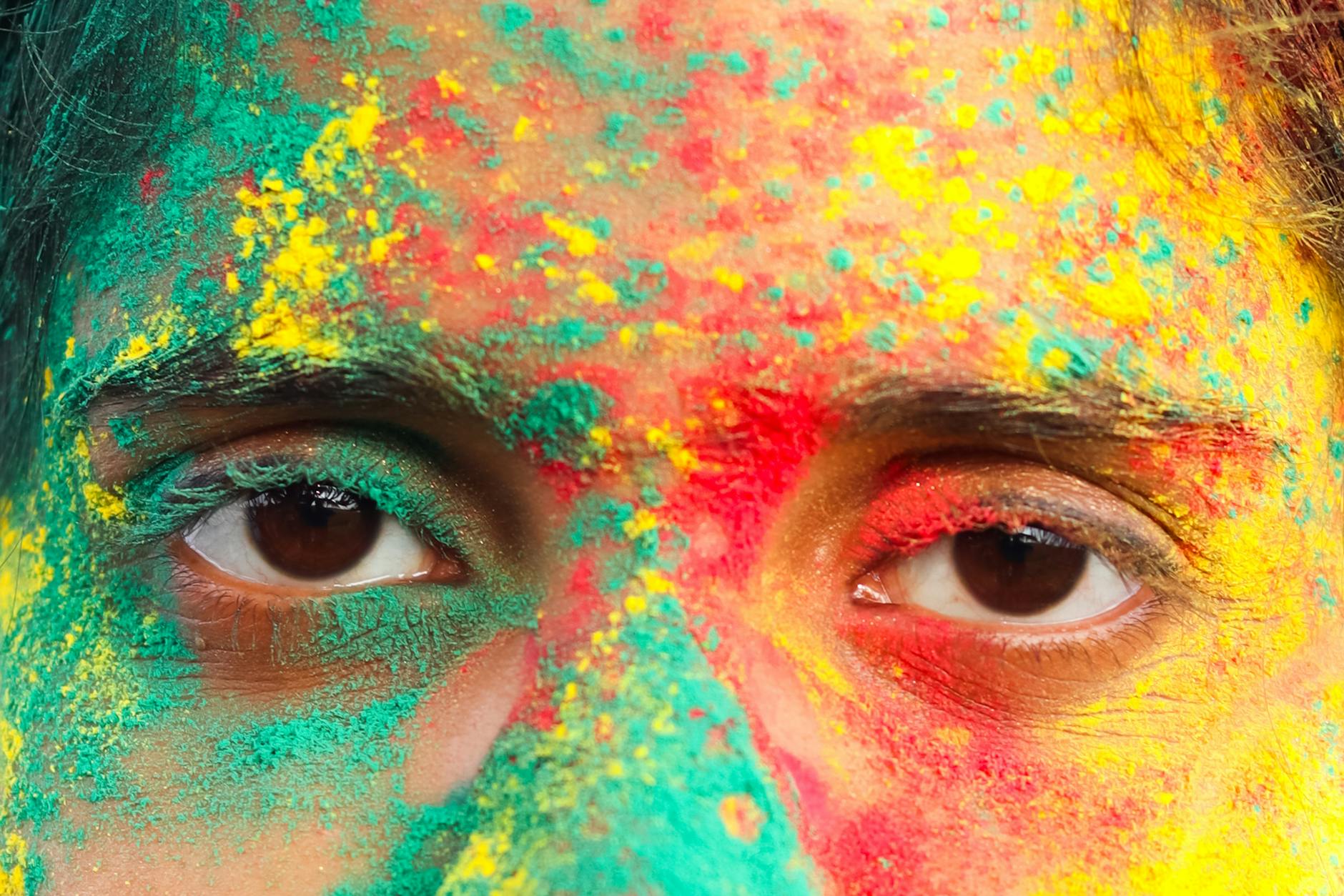
Holi in Nepal: A Safe and Respectful Guide to Enjoying the Color Festival
A practical Holi guide for Nepal with safety tips, local etiquette, best locations, and what to expect in Kathmandu and the Terai.
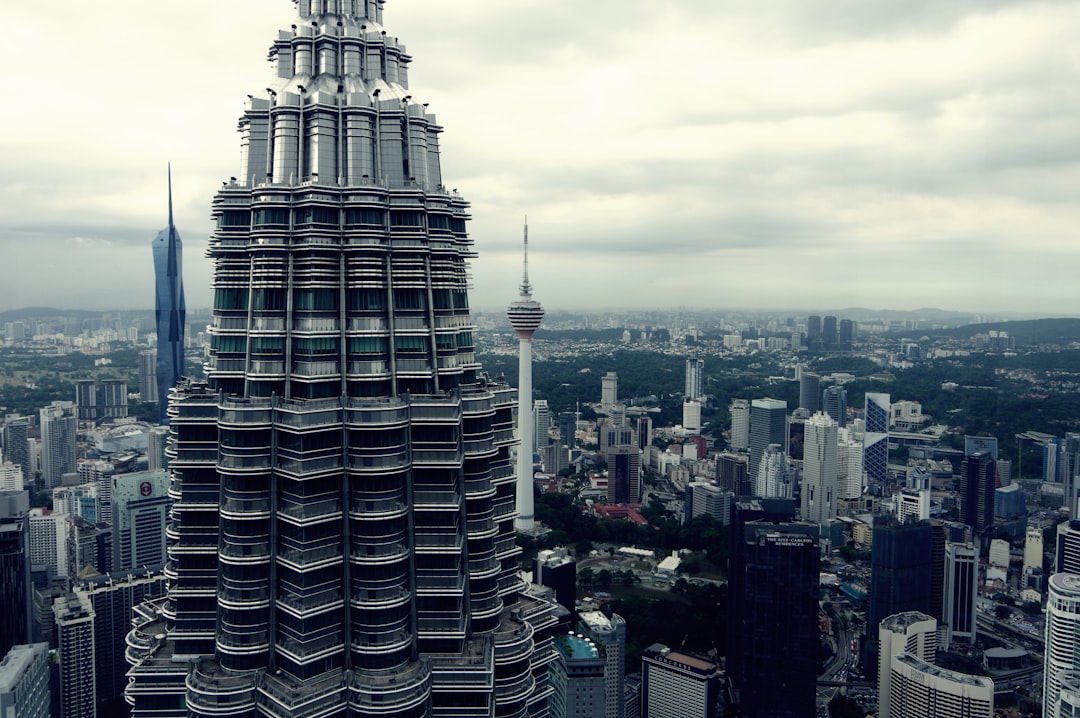
Malaysia Festivals Calendar 2026: 16 Major Celebrations, Travel Tips & Cultural Guide
Complete Malaysia festivals calendar with monthly breakdown of cultural celebrations and travel tips