
 ChatGPT
  Gemini
  Claude
  Perplexity
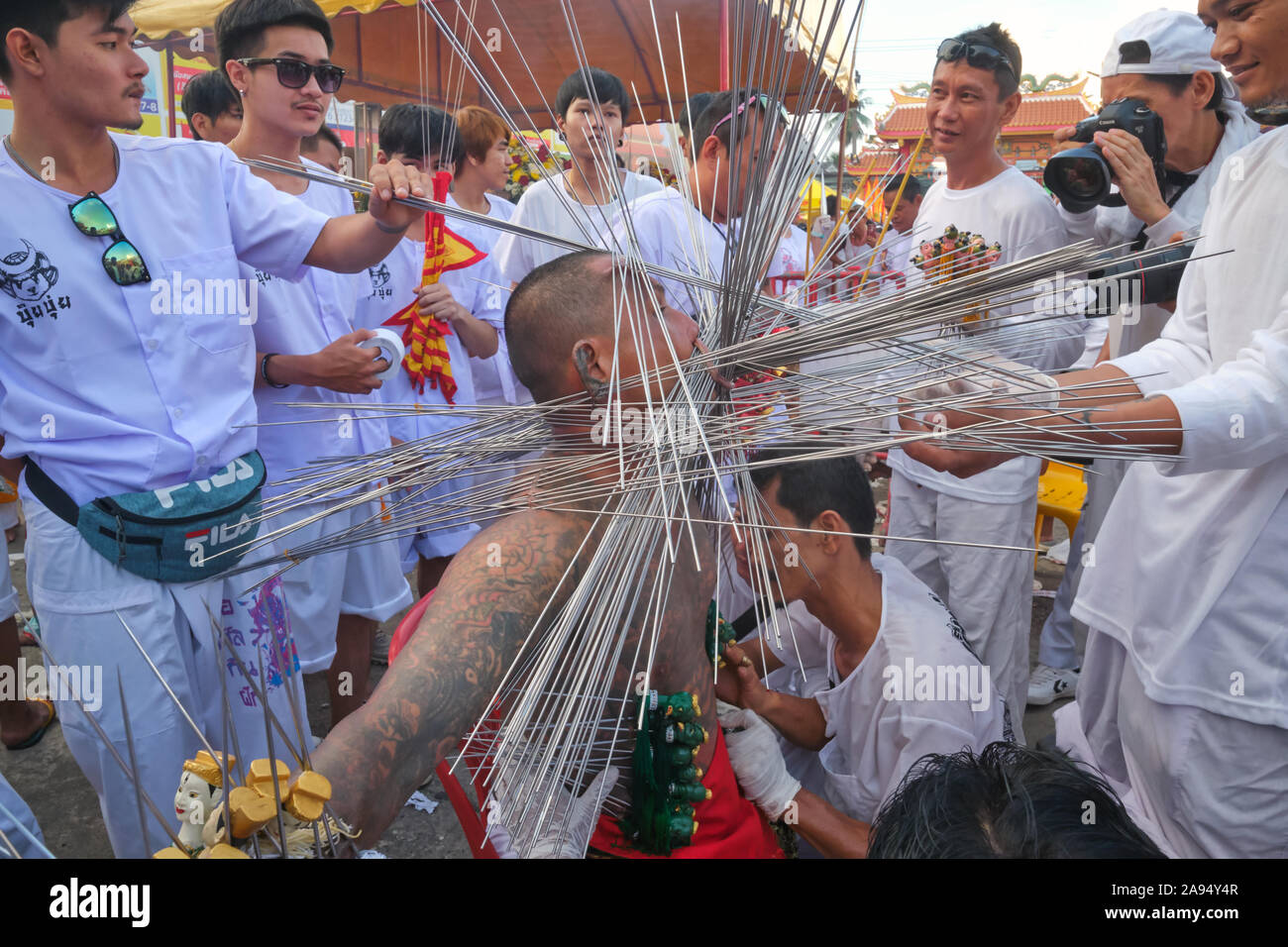
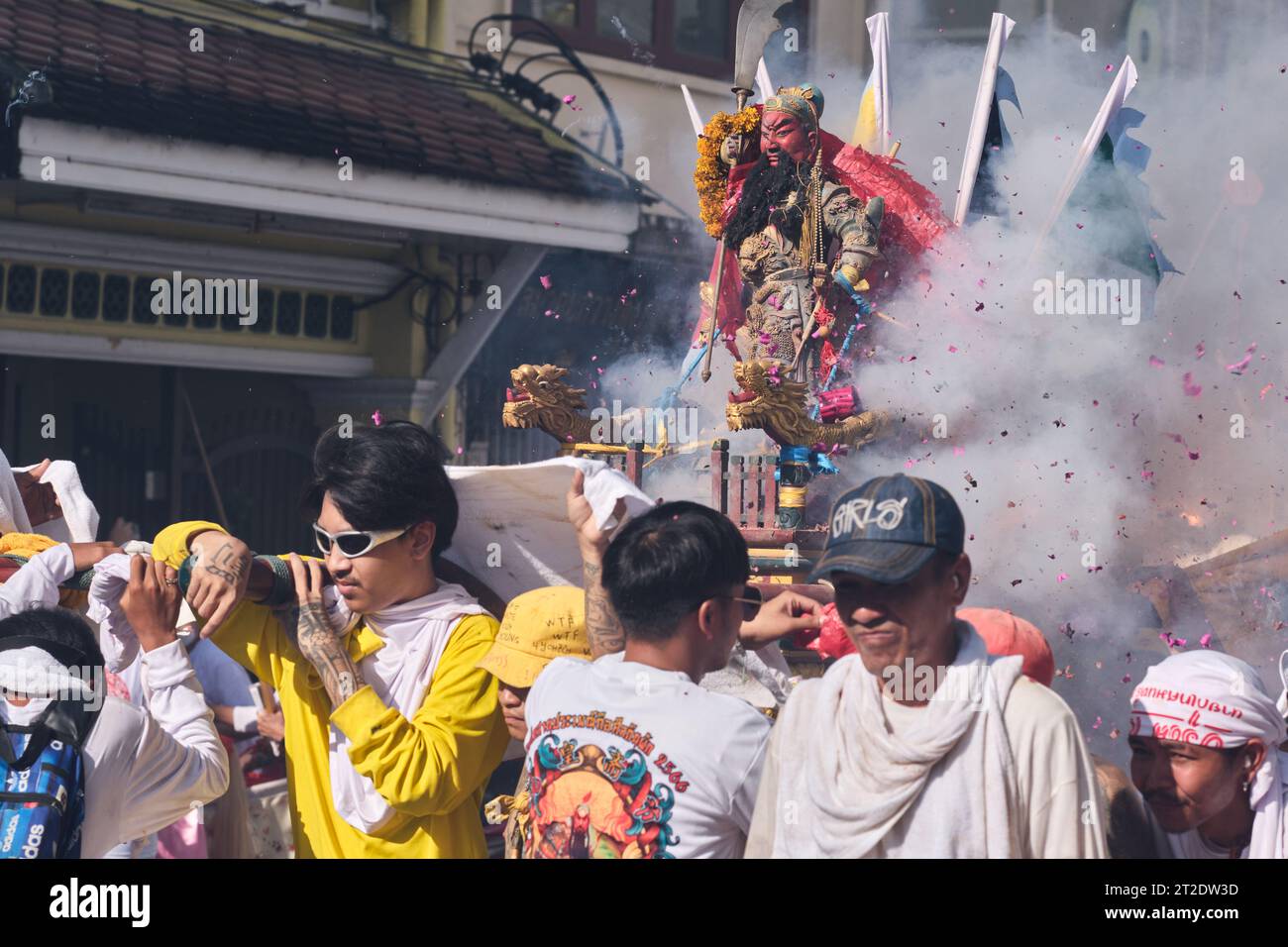
 The first thing you notice is the smoke. Not campfire smoke or incense smoke — firecracker smoke, thick and sulfurous, rolling down the narrow sois of Phuket Town like a low fog. Somewhere ahead, a thousand crackers detonate at once. The noise hits your chest before it reaches your ears. Then the crowd parts and you see them: men and women walking barefoot through the chaos, their cheeks pierced through with steel rods, swords, and skewers, eyes rolled back to white, moving as if someone else is steering their bodies. They are called mah song — horses of the gods — and for nine days, they are the beating heart of Thailand’s most extreme spiritual festival.
This is Tesagan Gin Je, the Phuket Vegetarian Festival. It is not for the faint of heart. It is also one of the most fascinating cultural events in Southeast Asia — a celebration of purity, self-sacrifice, and community that will reshape everything you thought you knew about Thai spirituality.
What Is the Phuket Vegetarian Festival?
The name is misleading. Yes, the festival involves strict vegetarian (technically vegan) eating — no meat, dairy, eggs, garlic, or onion for nine days. But the food is the least dramatic part. The Phuket Vegetarian Festival is a Taoist purification ritual built around self-mortification, spirit possession, and acts of extreme endurance performed by devotees who believe the gods protect them from harm.
It runs for nine days during the ninth lunar month of the Chinese calendar, placing it in September or October each year. For 2026, expect the festival in early October, though dates shift annually. At its core, the festival is about cleansing — body, mind, and community. Devotees invite the Nine Emperor Gods into their bodies, believing that once possessed, they become invulnerable. The piercings, the blood, the fire — it is a communal act of bearing suffering so the wider community might be spared misfortune.
The Origin Story: An Opera Troupe and a Prayer
The festival traces its roots to 1825, when a Chinese opera troupe performing for Phuket’s tin-mining community — the same immigrant community that brought traditions like Chinese New Year celebrations to the island — fell gravely ill, likely malaria. Desperate, the troupe adopted a strict vegetarian diet and performed Taoist purification rituals, praying to the Nine Emperor Gods for recovery. The entire troupe recovered, astonishing the local community. The following year, Phuket’s Chinese residents replicated the rituals, and the Vegetarian Festival was born.
Over nearly two centuries, it absorbed elements of Thai folk Buddhism and local spirit worship, evolving into the uniquely intense celebration you see today. Similar festivals exist elsewhere — Penang, Singapore, Bangkok — but Phuket’s version is widely considered the most dramatic and authentic.
When and Where to Experience It
The festival centers on Phuket Town and its network of Chinese shrines, each serving as a base for devotees. Key shrines include Jui Tui on Ranong Road (procession starting point), Bang Neow on Phuket Road (intense piercings), Sapam (bridge-crossing ceremony), and Kathu (fire-walking rituals, where the festival originated).
Processions run daily, with the biggest parades on the sixth and ninth days. The ninth day’s evening climax delivers the most extreme piercing performances and firecracker barrages so dense you’ll feel the heat through your clothes.
What Actually Happens: The Mah Song Experience
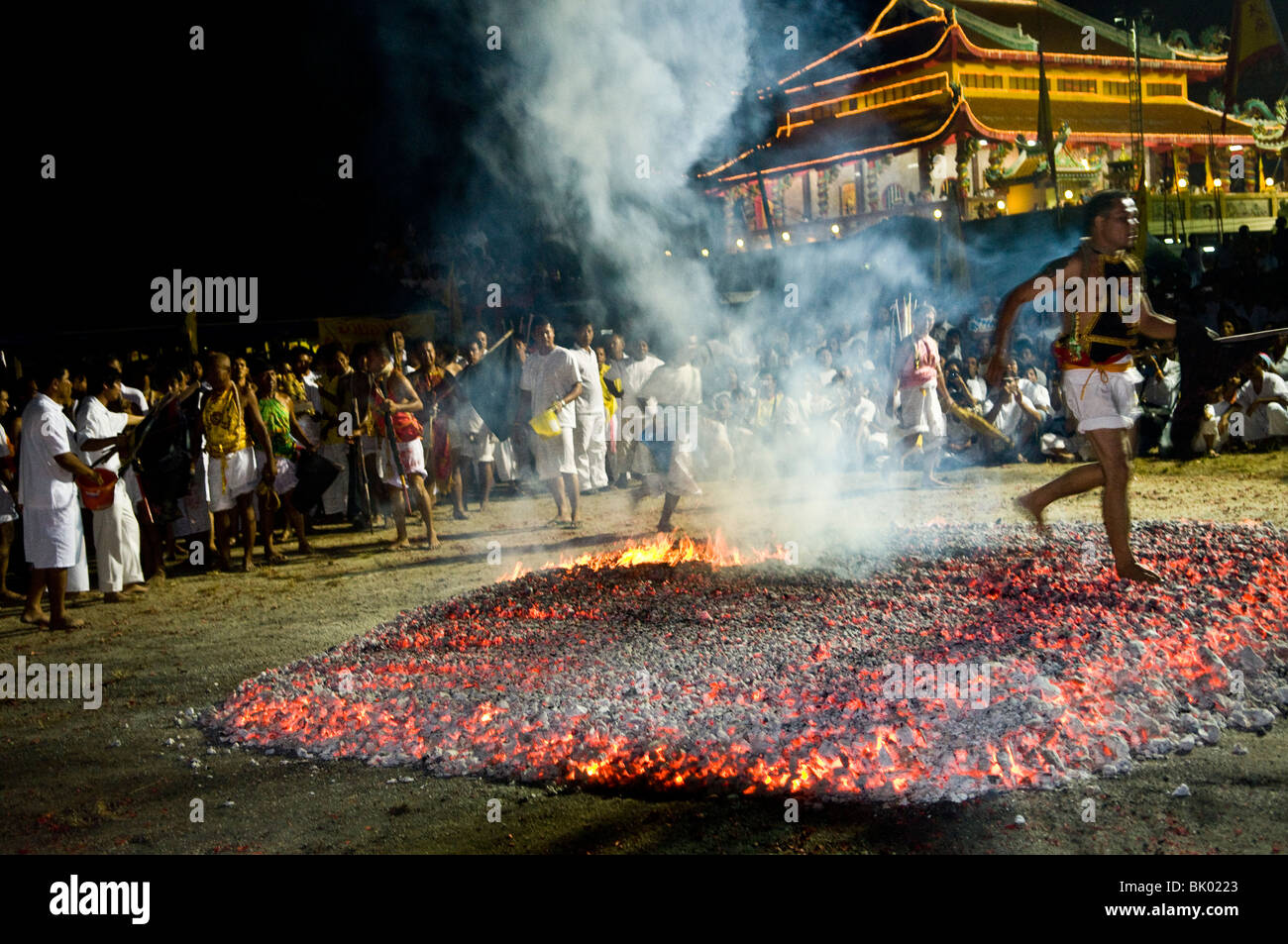
The mah song are the festival’s central figures — ordinary people who, through days of fasting, prayer, and meditation, enter a trance state during which they believe the Nine Emperor Gods inhabit their bodies. Once possessed, they perform acts of self-mortification that would be impossible in a normal state: piercing their cheeks with swords, bicycle spokes, spears, and even household objects like umbrellas; climbing ladders made of sharpened blades; and walking barefoot across beds of glowing coals.
Watching this unfold is disorienting. The mah song do not flinch. They bleed surprisingly little. Assistants walk beside them, steadying the spears that pass through both cheeks while the tranced devotees move as if guided by invisible hands. The crowd does not recoil — people press forward for blessings, touching the bloodied implements, tying prayer ribbons onto the metal rods protruding from faces. This is not performance. It is devotion so total it challenges everything you thought you knew about religious practice.
Other key rituals include fire walking across beds of hot coals, bladed ladder climbing (sharpened rungs scaled barefoot), hot oil bathing (boiling oil splashed onto skin), and the bridge crossing purification rite on the final day.
The Food: What Jae Eating Really Means
Amid all this intensity, the vegetarian food aspect grounds the festival in something warm and accessible. Restaurants, street stalls, and even shopping mall food courts across Phuket switch to jae (also romanized as je or jay) menus for the nine days. Jae food follows stricter rules than standard vegetarian or vegan eating: no meat, seafood, eggs, or dairy; no garlic, onion, chives, shallots, or leeks (considered too stimulating); no alcohol. Crucially, food must be prepared by people themselves observing the festival using utensils that have never contacted non-jae ingredients.
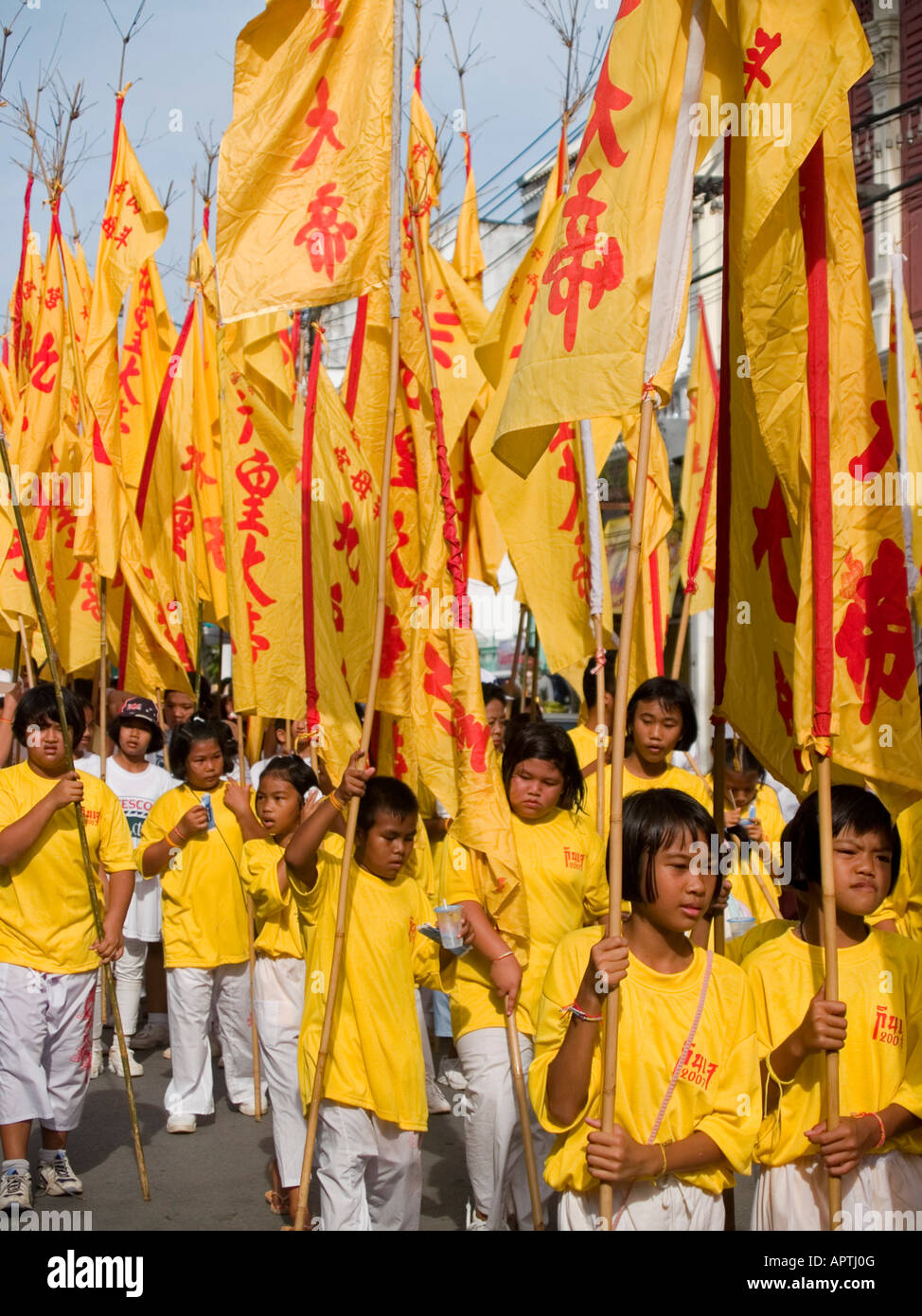
You identify jae stalls by the yellow triangular flags with red Chinese characters. Yellow signals purity. The best stalls cluster around the shrines and along Thalang Road in the old town. Do not miss jae pad Thai, jae curry puffs, and improbably good plant-based Hokkien noodles and dim sum. Even if the piercings are too much, the food alone rewards the visit.
Practical Tips for Visitors
The Vegetarian Festival welcomes respectful observers, but it is not a tourist show. Here is how to navigate it thoughtfully:
What to wear: Locals wear white — a symbol of purity. Wearing white yourself is the simplest way to show respect. Avoid bright colors, shorts, and revealing clothing. The festival falls during the rainy season, so bring a lightweight rain jacket.
Where to watch: The main action runs along Ranong Road, Phuket Road, and the sois connecting the old town shrines. Arrive early to secure a spot near a shrine entrance — the firecracker-runners emerge from here and the energy is highest. Procession routes are announced daily through shrine notice boards and local social media.
Photography: Photography is generally allowed, but stay aware. Do not use flash directly in a mah song’s face — they are in a trance state. Do not block their path or touch them. A telephoto lens lets you capture the intensity without intruding. If a shrine ceremony feels private, lower your camera.
Noise and safety: Firecrackers are deafening — bring rated hearing protection, not foam airline earplugs. Stay behind safety tape and cover exposed skin; sparks burn through thin fabric. If you have respiratory issues, an N95 mask helps against the dense smoke.
Food and logistics: Standard restaurants operate alongside jae stalls. If you are not observing, eat respectfully — avoid meat conspicuously near shrine entrances. Phuket Town becomes impenetrable by car during major processions. Use Grab, walk, or rent a motorbike. Book accommodation in Phuket Town months ahead — rooms near the shrine district sell out fast.
Controversy, Risk, and Why It Continues
Let’s be direct: the self-mortification invites difficult questions. Health officials raise concerns about infection risk from unsterilized implements. Some Thai Buddhist establishments distance themselves from the festival’s more graphic elements.
The mah song themselves, however, describe participation as the most meaningful spiritual act of their lives. Many have done it for decades, following strict pre-festival purification protocols. The piercings are performed by experienced shrine assistants using techniques passed through generations, and trance participants typically heal quickly with minimal scarring — a phenomenon physicians attribute to the altered physiology of deep trance.
Your role as a visitor is not to judge but to observe with humility. This festival predates the country of Thailand itself. It has survived colonial administrations, world wars, modernization, and mass tourism. It will not change for your comfort — and that is the point.
Making It Part of a Phuket Trip
The Vegetarian Festival is reason enough to visit Phuket, but the island offers plenty beyond the processions. Phuket Old Town, with its Sino-Portuguese shophouses and street art, is best explored in quieter mornings before the firecrackers start. The Big Buddha and Wat Chalong provide a serene contrast — Thai Buddhist calm just a few kilometers from the festival chaos.
The beaches — Kata, Karon, Surin — are quieter during the September–October rainy season tail. You will not have guaranteed sun, but you will have near-empty sands and dramatically lower hotel prices compared to peak season. A morning swim followed by an evening procession makes for an unforgettable day.
The processions reward those who linger, who return to the same shrine night after night, who learn the faces of the regular mah song. The Phuket Vegetarian Festival is not something you check off a list. It is something you sit with, long after the smoke clears.
You may also like
- Chinese New Year in Thailand: Where to Celebrate and What to Eat
- Mid-Autumn Festival Thailand: Mooncakes and Lanterns
- Phi Ta Khon: Thailand’s Hauntingly Fun Ghost Festival in Loei
- Songkran Water Festival: Everything You Need to Know
- Loy Krathong: Thailand’s Magical Festival of Lights
- Thailand Festivals Calendar: Plan Your Trip Around Every Major Event
Related Articles
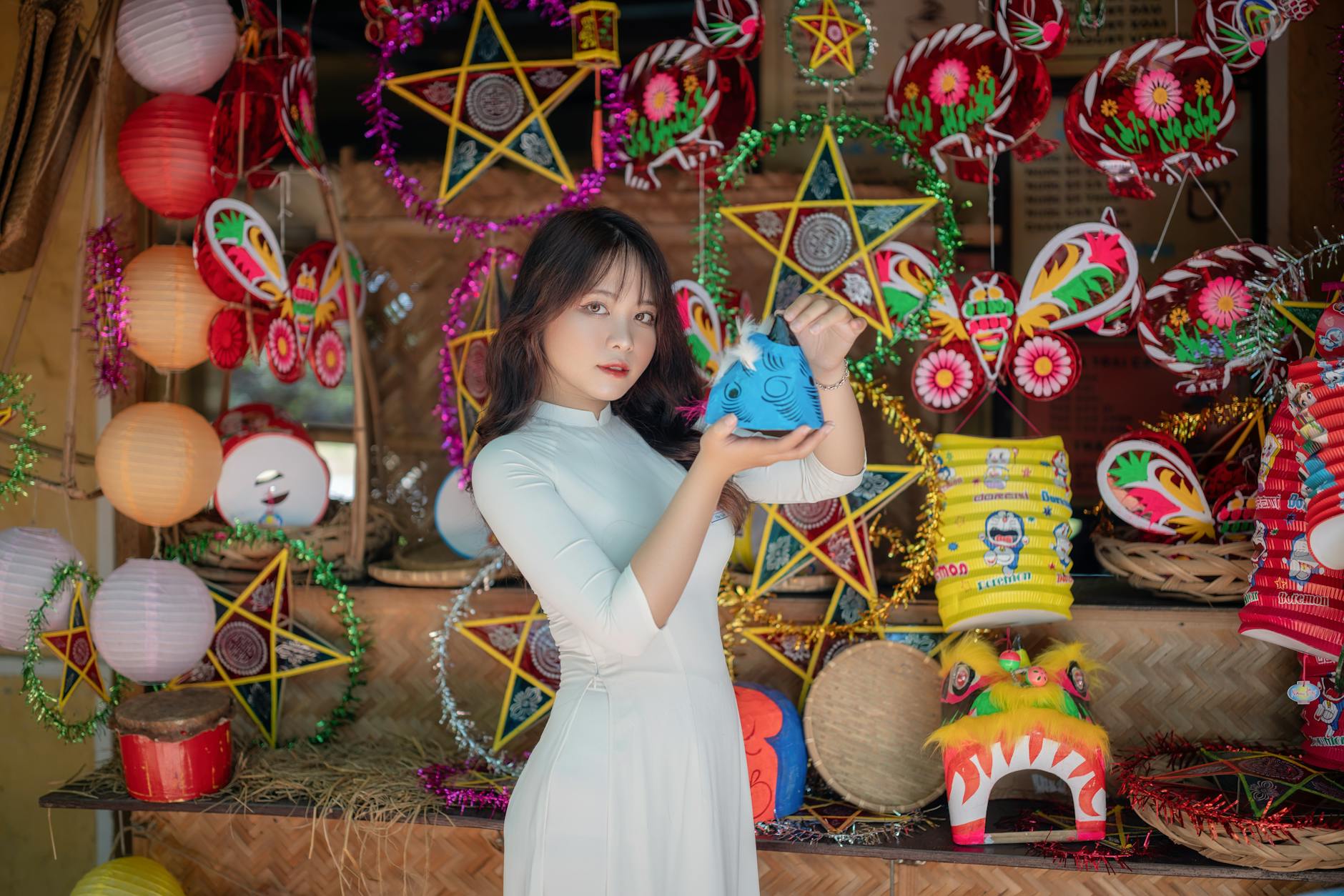
Durian Mooncakes and Paper Lanterns: A Night in Bangkok's Most Intimate Festival
Discover how Thailand celebrates the Mid-Autumn Festival with mooncakes, lantern displays, and cultural events in Bangkok's Chinatown and beyond. A beautiful blend of Chinese and Thai traditions.
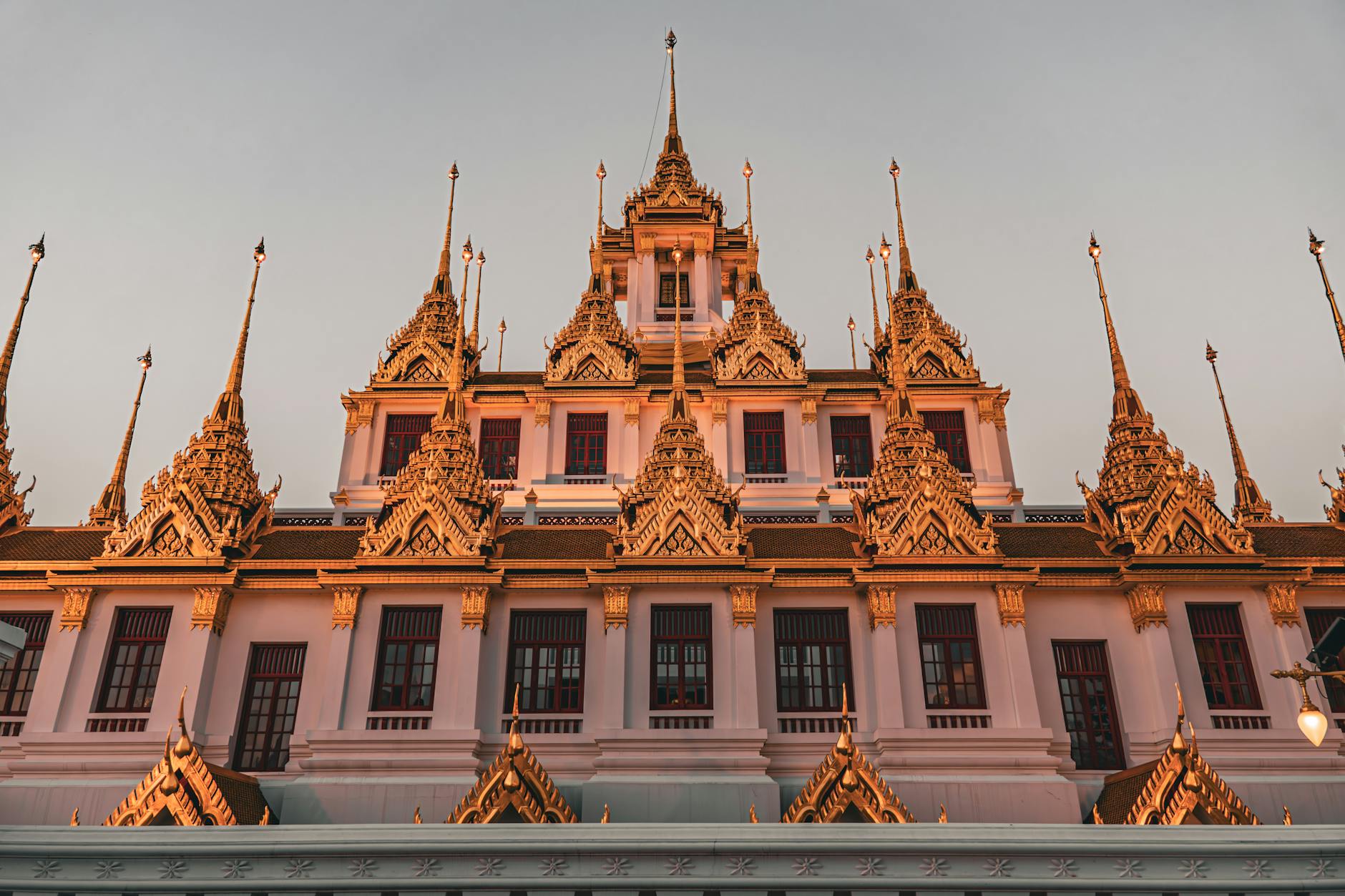
The Day Buddha Spoke for the First Time — and How Thailand Still Marks It 2,500 Years Later
Discover Asahna Bucha Day and Khao Phansa, marking the beginning of Buddhist Lent in Thailand. Learn about candle festivals, monk retreats, and how travelers can respectfully participate.
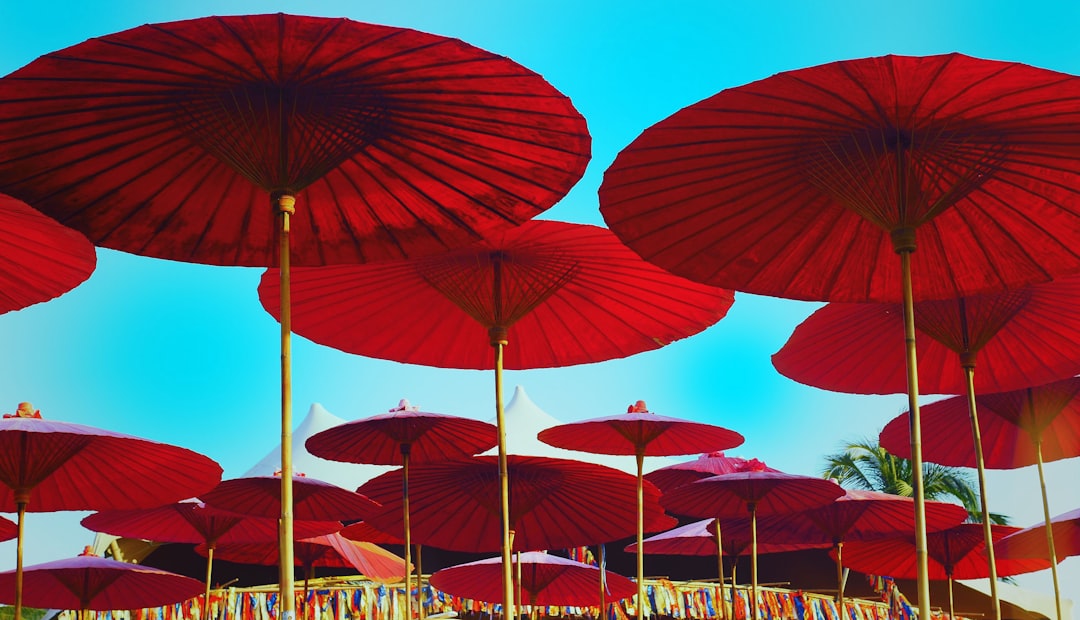
Walk Through a Painting: The Underrated Thai Festival Where Thousands of Handmade Umbrellas Form a Canopy Over Your Head
Discover the vibrant Bo Sang Umbrella and Sankhampaeng Handicrafts Festival in Chiang Mai. Colorful umbrella parades, traditional Lanna crafts, beauty pageants, and northern Thai culture await.
When Homemade Rockets Fail in Isaan, Builders Get Thrown Into a Mud Pit
Experience Boon Bang Fai, Thailand's explosive rocket festival in Isaan. Homemade bamboo rockets, raucous parades, mud parties, and an ancient rain-making tradition await in Yasothon.