
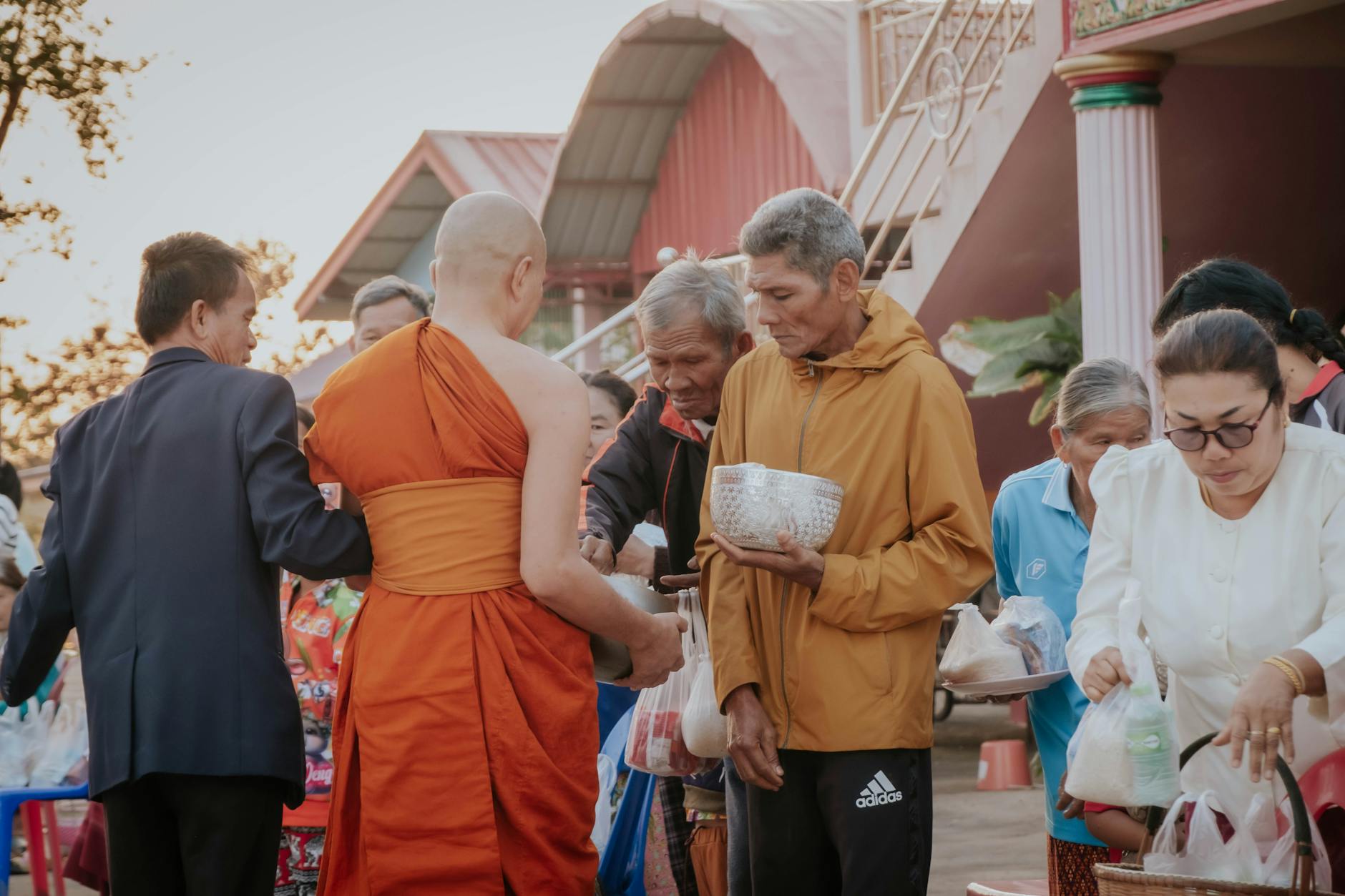
 ChatGPT
  Gemini
  Claude
  Perplexity
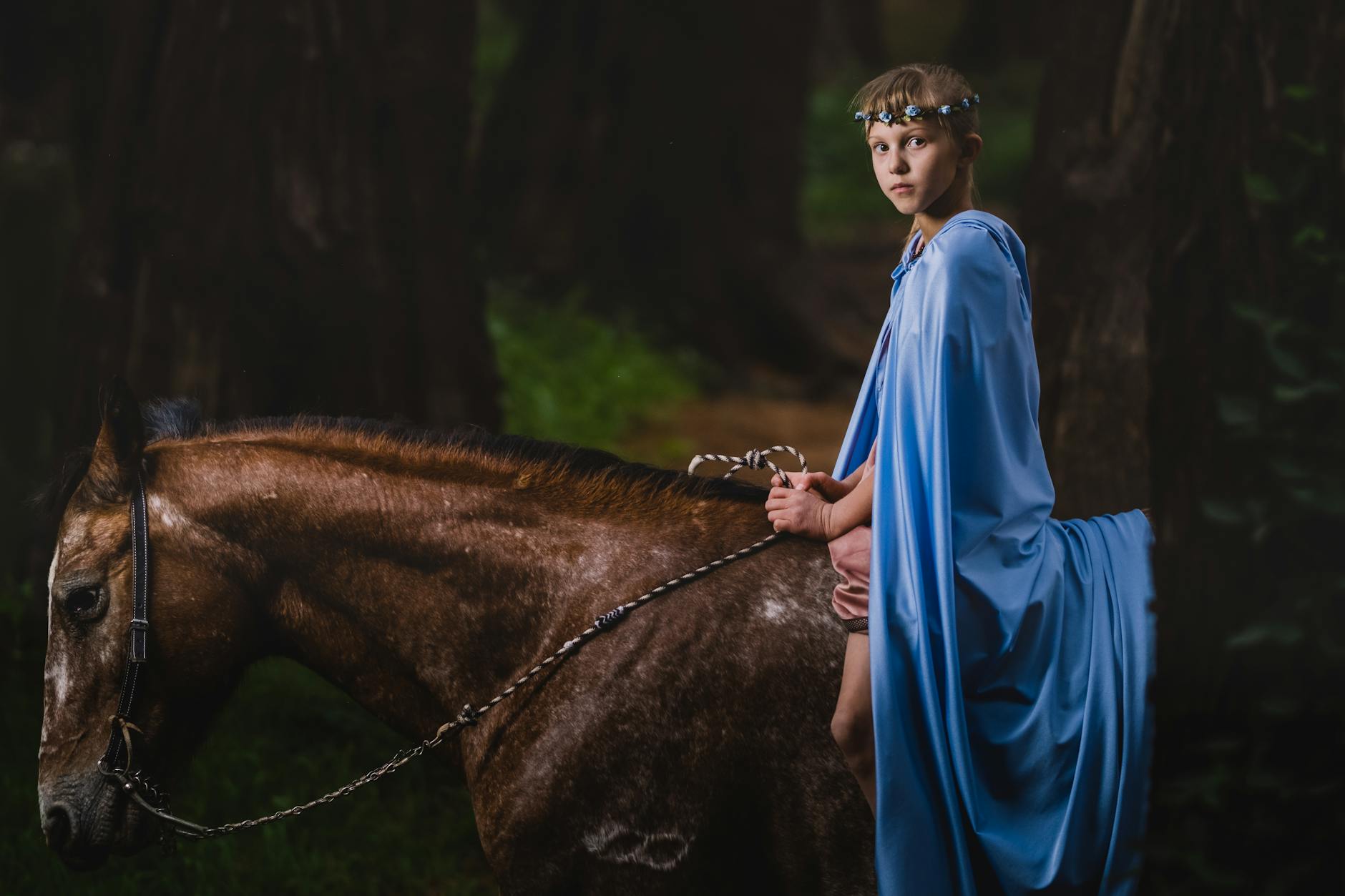
 The first time I saw a Poy Sang Long procession, I stopped mid-stride and forgot I was holding a motorbike helmet. A boy no older than ten rode past on horseback, draped in silks the color of sunrise — rose, gold, and violet — with a flower crown perched on his head and his face painted in delicate patterns. Behind him came a parade of Shan musicians, gongs thrumming through the narrow lanes of Mae Hong Son, and a dozen more boys carried high on the shoulders of their fathers and uncles, each one dressed like a prince from a forgotten kingdom.
This is Poy Sang Long, and if you’ve never heard of it, you’re not alone. It remains one of Thailand’s most underrated festivals, known mostly to travelers who venture deep into the mountains of the northwest. But for those who make the journey, it’s unforgettable — a three-day blaze of color, music, and devotion that has no real equivalent anywhere else in the country.
What Is Poy Sang Long?
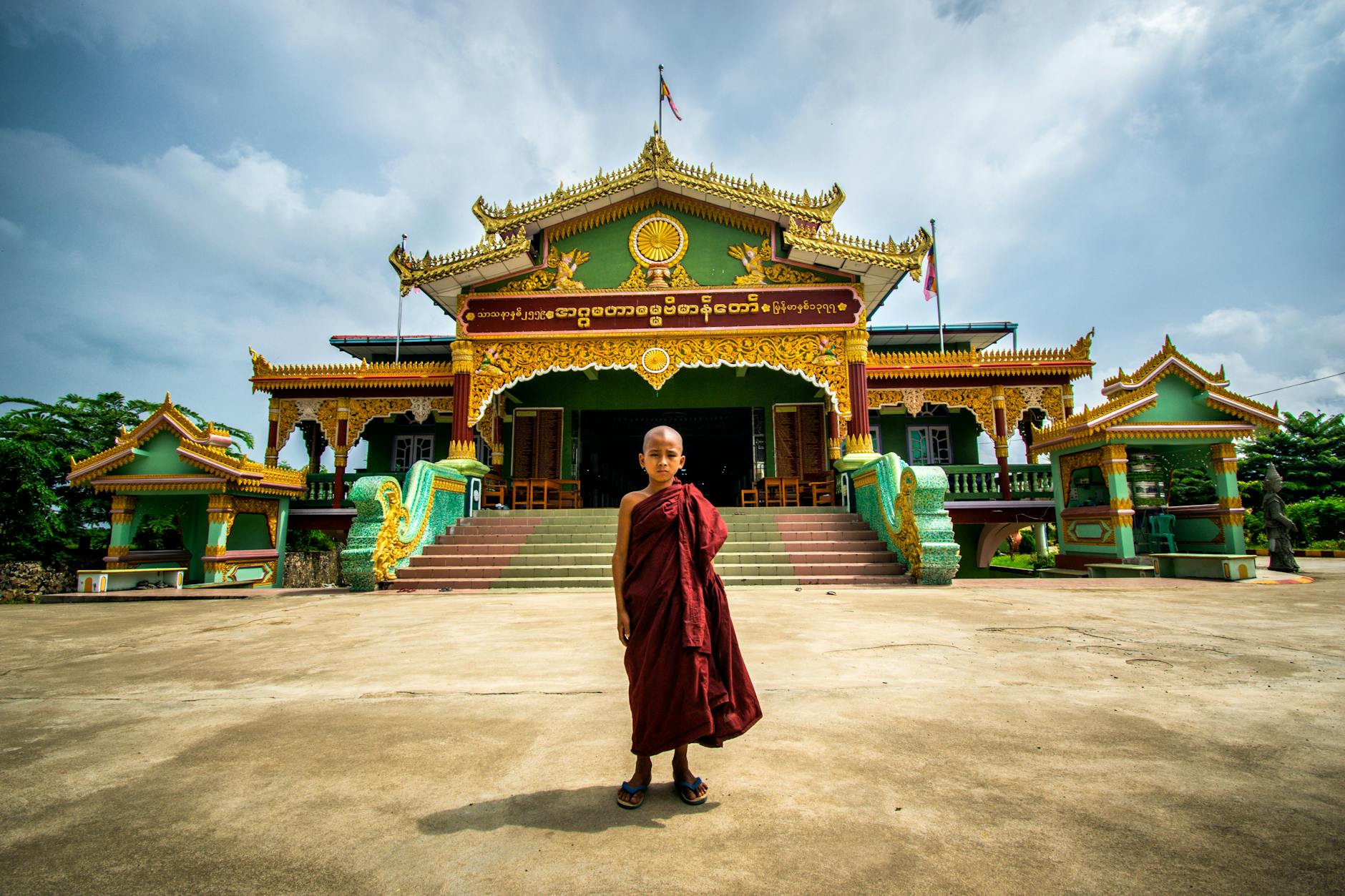
Poy Sang Long — sometimes spelled Poi Sang Long — is a Shan Buddhist tradition in which young boys, usually between the ages of 7 and 14, are ordained as novice monks (samanen). The name comes from the Shan language: poy means “festival” or “ceremony,” and sang long refers to a boy who is about to become a novice — literally, a “jewel prince.”
What sets Poy Sang Long apart from ordinary ordinations is the theatrical, almost fairy-tale pageantry that surrounds it. Instead of arriving at the temple in simple white robes, the boys are transformed into princes — elaborately costumed, heavily made up, and treated like royalty for three full days before they take their monastic vows. Once inside the temple, they will shave their heads, don the saffron robes of a novice monk, and begin a period of study and discipline. But before that, the community celebrates them with a level of joy and spectacle that has to be seen to be believed.
The Legend Behind the Festival: Prince Jeta Kumara
Like many Buddhist traditions in Southeast Asia, Poy Sang Long traces its roots to a story. The central legend centers on Prince Jeta Kumara, the son of King Suddhodana — the same king who fathered Siddhartha Gautama, the historical Buddha.
According to Shan tradition, the young Prince Jeta Kumara made the decision to renounce worldly life and become a novice monk. But before he could enter the monastery, his father insisted that the boy be honored as befits a prince. For three days, Jeta Kumara was dressed in royal garments, paraded through the kingdom, and celebrated with feasts and music. Only then, having received the full honor due to a prince, did he remove his finery and enter the order.
The ritual mirrors the Buddha’s own life story. Before he attained enlightenment, Siddhartha was himself a prince who left behind a palace, silks, and a crown. In Poy Sang Long, the boys walking through the streets are reenacting that sacred departure — stepping out of the world of privilege and into a life of simplicity and spiritual seeking. For the Shan people, who have preserved their distinct language, dress, and customs across centuries of migration and displacement, the festival is also a profound expression of cultural identity.
Shan Culture and Buddhist Faith in Northern Thailand
To understand Poy Sang Long, you need to understand the Shan — or Tai Yai, as they are more commonly known in Thailand.
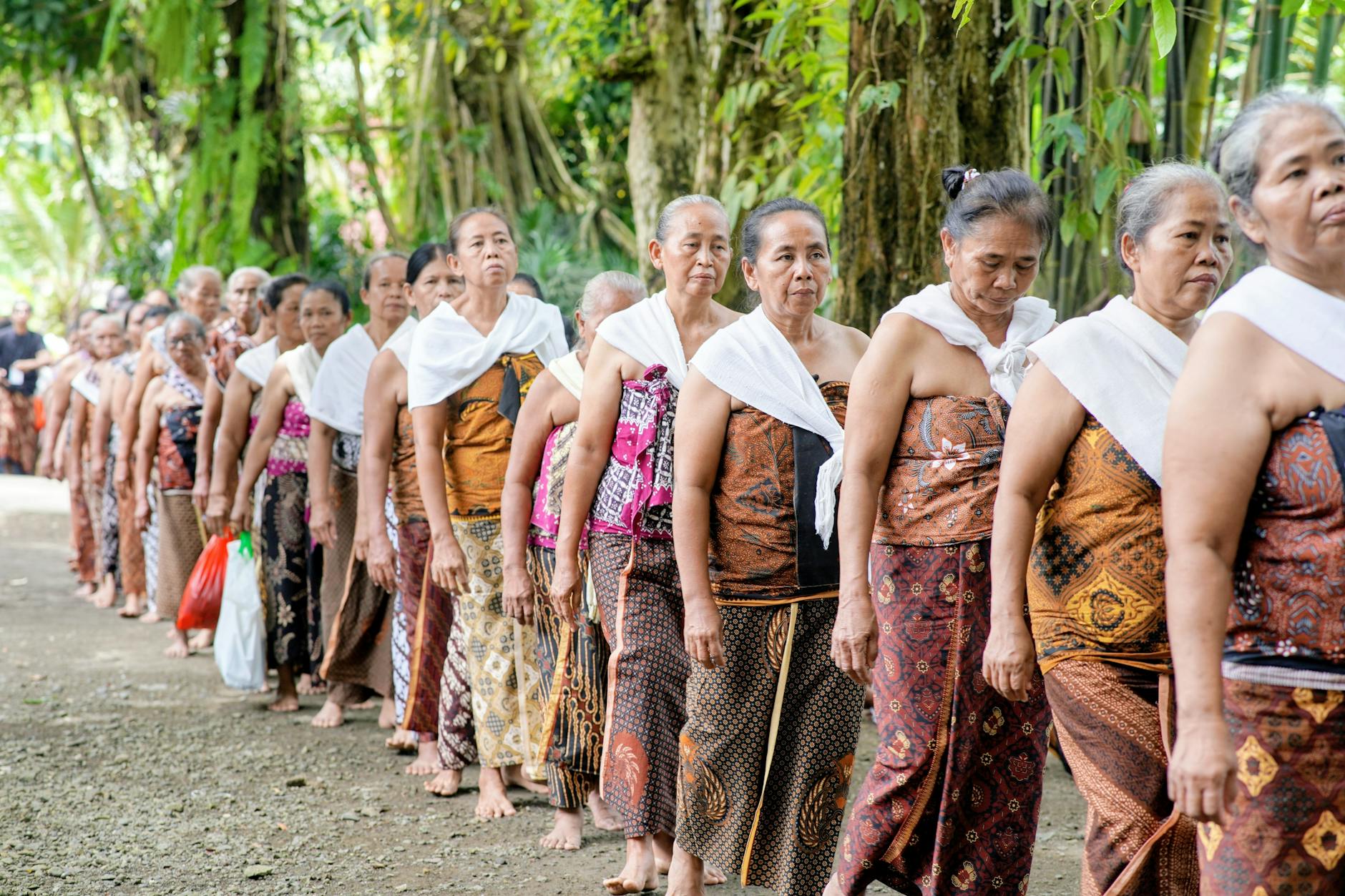
The Shan are an ethnic group closely related to the Thai and Lao peoples, with their homeland in Shan State, Myanmar. Over the past century, conflict and economic hardship in Myanmar have pushed waves of Shan migrants across the border into northern Thailand. Mae Hong Son, a small mountain province wedged against the Myanmar frontier, is now home to one of the largest Shan communities in the country. Walk through the morning market any day of the year and you will hear Shan spoken as often as Thai, see women in traditional embroidered blouses and long sarong-style skirts, and smell the distinct aroma of Shan noodle soup simmering at street stalls.
The Shan are devout Theravada Buddhists, and the ordination of boys as novices is one of the most important acts of merit-making a family can undertake. For parents, sponsoring a son’s ordination generates karmic merit that benefits the entire family — and particularly the mother, who, in Theravada belief, cannot become a monk herself and thus depends on her son’s ordination as one of the highest forms of spiritual blessing she can receive.
When and Where to Experience Poy Sang Long
Poy Sang Long takes place in late March to early April, typically in the weeks leading up to Songkran (the Thai New Year). The timing is practical: the hot season is settling in, the rice harvest is complete, and school holidays mean children are free to participate. Some communities extend their celebrations into mid-April, but the bulk of the festivals cluster around the last week of March and the first week of April.
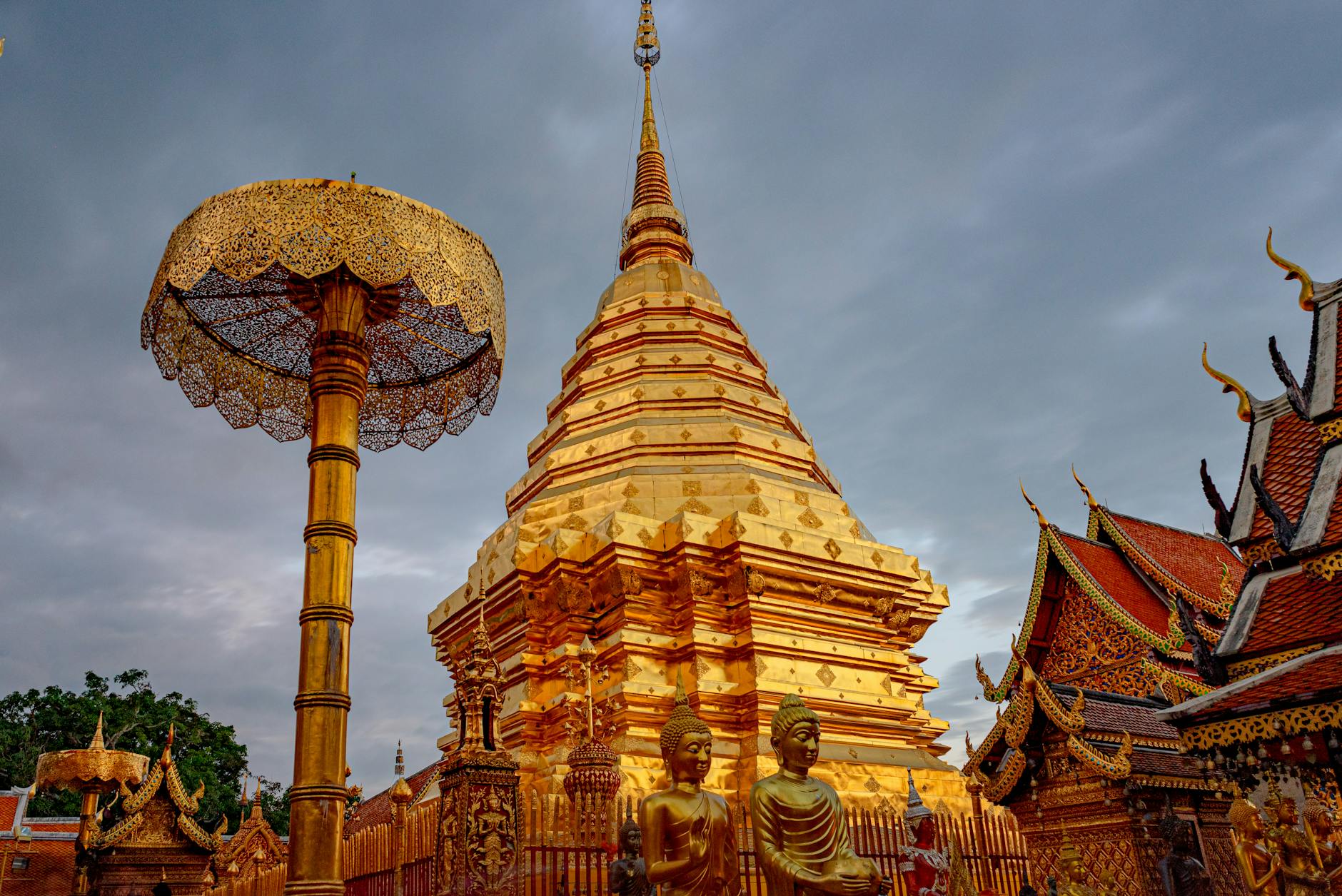
The undisputed epicenter is Mae Hong Son, the provincial capital of Thailand’s most mountainous and remote northwestern province. Here, multiple temples hold their own Poy Sang Long ceremonies, often staggered across different weekends, so there is a good chance of catching one if you visit during the window. The most famous celebrations take place at Wat Chong Kham and Wat Chong Klang, the twin temples that sit on the edge of Mae Hong Son’s central lake — one of the most photogenic festival backdrops in all of Thailand.
Outside Mae Hong Son, smaller Poy Sang Long ceremonies occur in Shan communities around Chiang Mai, particularly in districts like Wiang Haeng and along the road toward Mae Rim. Chiang Mai’s Wat Pa Pao, a Shan temple just north of the Old City moat, also holds an annual Poy Sang Long that is far more accessible for travelers who cannot make the multi-hour drive to Mae Hong Son. The Chiang Mai celebrations tend to be more compact — typically compressed into a single weekend — but capture the same spirit and visual spectacle.
What Happens During the Three Days
Poy Sang Long is not one event but a sequence of ceremonies spread across three days, each with its own distinct character and symbolism.
Day One: Khan Mak — The Invitation
The festival opens with Khan Mak, a ceremony in which the family of each boy presents offerings to the temple and formally requests that the abbot accept their son as a novice. The offerings — arranged on elaborately decorated silver bowls and trays — typically include monk’s robes, an alms bowl, sandals, a razor (for shaving the head), and other requisites a novice will need.
In the evening, a likay (traditional folk theater) or ramwong (circle dance) performance often takes place in the village or temple grounds. The mood is celebratory; the boys are the center of attention, and families who have saved for months — sometimes years — to afford the costumes and offerings are visibly proud.
Day Two: The Procession — A Prince’s Parade
This is the day most travelers come for, and it does not disappoint.
Early in the morning, each boy undergoes a painstaking transformation. Relatives and community elders apply thick theatrical makeup — foundation, rouge, drawn-on eyebrows, bright lipstick — until the boy’s face resembles that of a celestial being from a temple mural. A floral crown called a mongkon is placed on his head, and he is dressed in layers of silk brocade, sequined fabrics, and elaborate jewelry. The effect is dazzling: ordinary village kids become living embodiments of Prince Jeta Kumara.
Once dressed, the boys are carried — yes, carried — through the streets. The youngest boys ride on the shoulders of their fathers, uncles, or older brothers. Older boys, especially those from wealthier families, sometimes ride decorated horses or, in modern times, sit on ornate floats pulled by pickup trucks. Their feet are not allowed to touch the ground; they are princes, and princes do not walk.
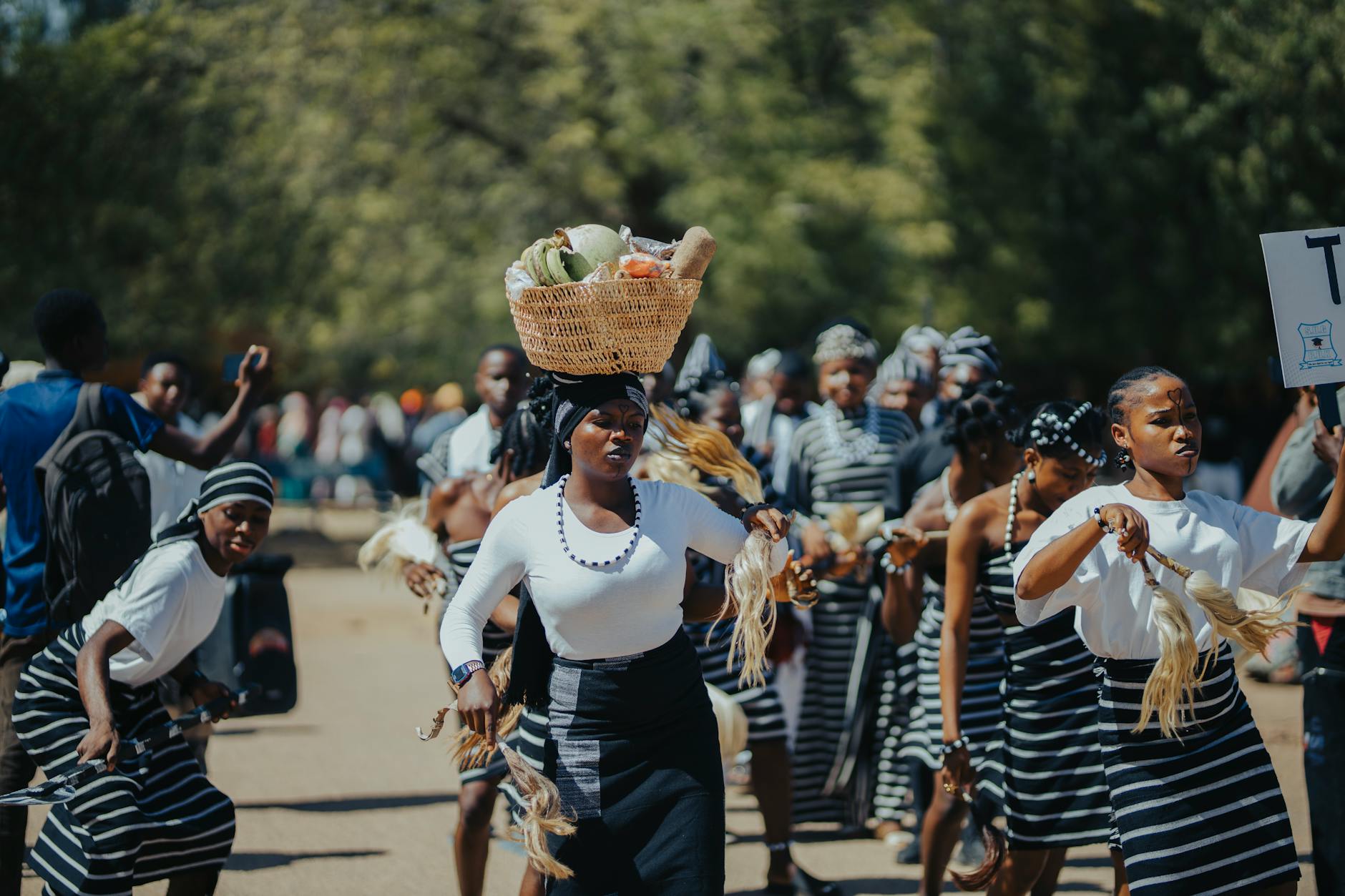
The procession is a riot of sound and color. Shan drum troupes pound out rhythms on long klong yao drums. Gongs and cymbals clash. Dancers in traditional Shan dress twirl and spin ahead of the procession, and women carry silver offering bowls on their heads. The boys, for their part, maintain stoic, serene expressions — they are meant to embody composure and dignity, even as the chaos swirls around them.
Day Three: The Ordination — From Prince to Monk
On the final day, the pageantry gives way to ritual. The boys are brought into the temple ordination hall (ubosot), where their heads are shaved — first by their parents, who symbolically cut a lock of hair, and then by a monk who completes the shave. The elaborate makeup is washed away. The silks and jewelry are removed.
What remains is the essential: a boy, his parents, and a set of saffron robes.
As with all Thai Buddhist ceremonies, the ordination itself follows orthodox Theravada procedure. Each boy recites the traditional Pali formula in which he requests ordination, receives his robes, and is taught the Ten Precepts that govern a novice monk’s life. From this moment forward, he is samanen — a novice — and will spend anywhere from a few weeks to several months living at the temple, studying Buddhist scripture and practicing meditation, before returning to his family and secular life.
The emotional register of the final day is very different from what came before. There are tears — from mothers watching their sons’ heads shaved, from boys confronting the gravity of what they are undertaking, and from fathers who see their children take a step toward adulthood. But there is also immense joy. The community has successfully guided another generation of young men through one of the most important rites of passage in Shan Buddhist culture.
What Makes Poy Sang Long Different from Other Ordinations
Buddhist novice ordinations occur throughout Thailand, but Poy Sang Long stands alone in several respects.
First, there is the sheer theatricality. In central and southern Thailand, boys being ordained typically wear simple white clothing and proceed to the temple with little fanfare. Poy Sang Long, by contrast, treats the transition from layperson to novice as a sacred drama — the boy literally plays the role of a prince renouncing his kingdom, and the entire community performs alongside him.
Second, there is the cost. A Poy Sang Long is expensive. The ornate costumes — often rented rather than owned — the offerings to the temple, the food for guests, and the general festivities can cost a family tens of thousands of baht, a significant sum in rural northern Thailand. Communities often pool resources, and wealthier families may sponsor boys from poorer backgrounds, but the financial burden is real and underscores the depth of commitment families feel toward this tradition.
Third, the gender dynamics are notable. While the boys are being celebrated and paraded, their mothers, sisters, and female relatives play indispensable supporting roles — preparing food, dressing the boys, arranging offerings, and managing the logistics of the ceremony. For Shan women, who are otherwise excluded from ordination in the Theravada tradition, Poy Sang Long is paradoxically one of the most visible expressions of their religious devotion.
Finally, the festival serves as a living link to Shan identity in a context of diaspora. For Shan communities in Thailand — many of whom hold precarious legal status or have experienced displacement — Poy Sang Long is an assertion of cultural continuity. It says: we are still here, and our traditions endure.
How to Observe Respectfully as a Traveler
Poy Sang Long is not a tourist attraction in the conventional sense. It is a religious ceremony, a family milestone, and a community-wide expression of faith. Showing up with sensitivity and respect is not optional — it is the baseline requirement for being welcome.
Photography Etiquette
The processions are spectacular, and you will want to take photos. Go ahead — just follow some simple guidelines.
Do: Stand to the side of the procession route rather than blocking it. Use a telephoto lens or zoom to capture close-ups without crowding the participants. Ask before photographing individuals up close — a smile and a gesture toward your camera is usually enough, and most Shan families are warm and receptive. If someone declines, put the camera down immediately and without argument.
Don’t: Jump into the middle of the procession for a selfie. Flash photography inside the temple ordination hall during the actual ordination is deeply inappropriate. And never, ever touch the boys or their costumes — they are ritually consecrated during the festival.
Dress Code
Dress as you would for any Buddhist temple: shoulders and knees covered, modest and clean clothing, no revealing or tight outfits. For women, a long skirt or loose trousers paired with a top that covers the shoulders is ideal. For men, long trousers and a shirt with sleeves. Remove your shoes before entering temple buildings, and if you are unsure about protocol, watch what locals do and follow their lead.
General Conduct
Speak quietly on temple grounds. Do not point your feet at Buddha images or at monks — this is considered extremely rude throughout Buddhist Southeast Asia. If you are seated and monks pass by, lower your head slightly as a gesture of respect. During the ordination ceremony itself, stay seated at the back, remain silent, and turn off your phone.
Perhaps most importantly: treat the festival as a guest would, not as a consumer. You are witnessing something intimate and sacred. The fact that families welcome outsiders to observe is a gift — receive it graciously. A small donation to the temple (฿100–฿200, placed quietly in the donation box) is a meaningful way to express gratitude.
Planning Your Visit
Mae Hong Son is remote by Thai standards. The drive from Chiang Mai takes five to six hours along Route 1095, a road famous for its 1,864 curves — beautiful, but not for the carsick-prone. Direct flights from Chiang Mai on Bangkok Airways take roughly 35 minutes and are worth every baht if you are short on time. Book early; seats are limited and fill up during festival season.
In Chiang Mai, Wat Pa Pao is walkable from the northern edge of the Old City and accessible by songthaew or Grab. The temple typically announces its Poy Sang Long dates on its Facebook page a few weeks in advance.
Accommodation in Mae Hong Son during Poy Sang Long can be tight. The town has a modest selection of guesthouses and small hotels — book at least a month ahead if you are targeting a specific weekend. In Chiang Mai, the festival is less of a draw for mass tourism, so finding a room is easier, but the Shan temples in outlying districts require your own transport.
Bring sunscreen, a hat, and plenty of water. March and April are the hottest, driest months in northern Thailand, and the processions take place under direct sun. Start early, pace yourself, and duck into a streetside café for a cold cha yen (Thai iced tea) when the heat becomes too much.
Why Poy Sang Long Matters
Poy Sang Long is, on the surface, a beautiful spectacle. The costumes, the music, the processions — they are among the most photogenic cultural events in Southeast Asia. But what makes the festival stay with you, long after the gongs have gone quiet, is something deeper.
It is the sight of a father lifting his seven-year-old son onto his shoulders, both of them dressed in their finest. It is the expression on a mother’s face as she watches her child’s head shaved — pride and loss and hope tangled together. It is the way an entire town pours itself into celebrating children who are about to leave their families behind, if only for a few months, to seek something larger than themselves.
In a world that constantly tells us that what matters is acquisition — more, bigger, faster — Poy Sang Long tells a different story. It says that the most worthy thing a young person can do is to step back from the world, to learn stillness, and to understand compassion. And that before you do that, you deserve to be celebrated.
That is a story worth crossing mountains to witness.
You may also like
- Songkran Water Festival — Thailand’s Epic New Year Celebration
- Yi Peng Lantern Festival — Chiang Mai’s Sky Full of Light
- Makha Bucha Day — Thailand’s Most Sacred Buddhist Holiday
- Visakha Bucha Day — Commemorating the Buddha’s Life
- Asahna Bucha & Khao Phansa — The Start of Buddhist Lent
- Thailand Festivals Calendar — Plan Your Trip Around Every Celebration
Related Articles
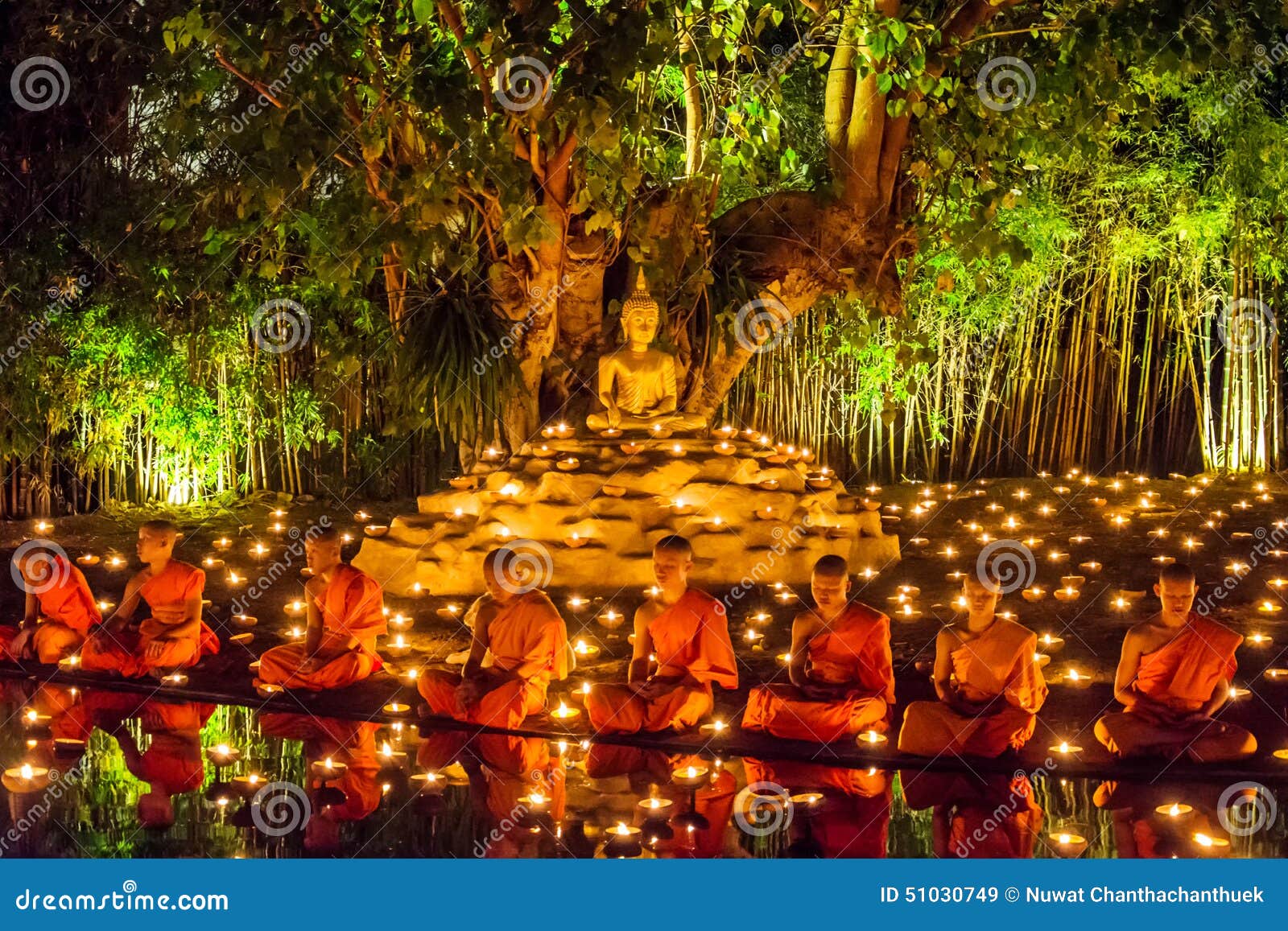
The Night Thailand Goes Quiet: 100,000 Candles and No Alcohol
Discover the significance of Makha Bucha Day, one of Thailand's most important Buddhist holidays. Learn about traditions, temple visits, candlelight processions, and how travelers can respectfully observe.
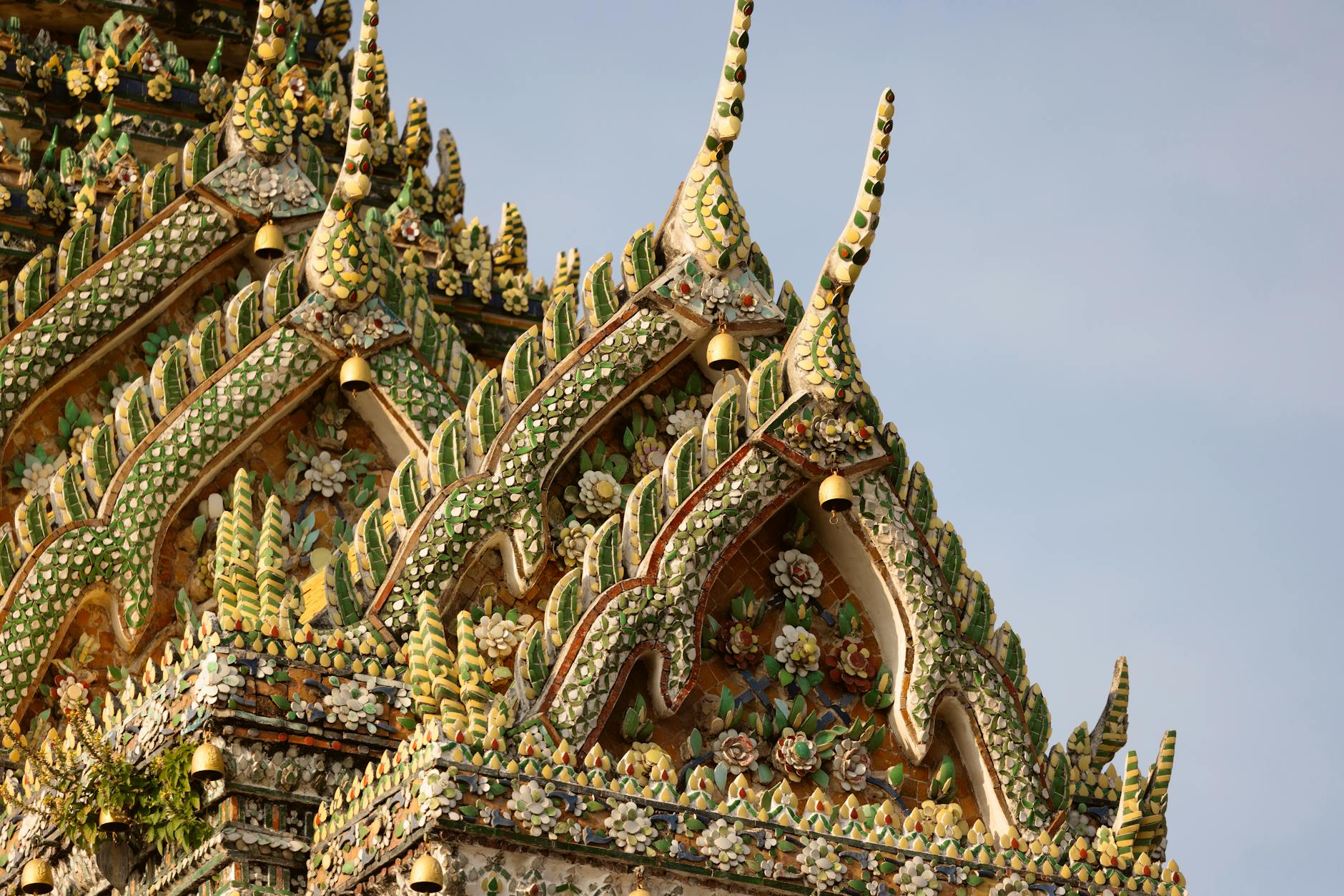
I Thought I Was Being Respectful — Until a Thai Elder Gently Corrected Me
Navigate Thailand's Buddhist festivals with confidence. Essential guide to temple dress codes, wian thian candlelight processions, monk etiquette, alcohol ban rules, and cultural dos and don'ts.
The Day the Buddha Was Born, Enlightened, and Died: All on the Same Moon
Visakha Bucha Day marks the birth, enlightenment, and passing of the Buddha. Learn about this holiest day on Thailand's Buddhist calendar, its traditions, and how travelers can witness it.
The Day Buddha Spoke for the First Time — and How Thailand Still Marks It 2,500 Years Later
Discover Asahna Bucha Day and Khao Phansa, marking the beginning of Buddhist Lent in Thailand. Learn about candle festivals, monk retreats, and how travelers can respectfully participate.